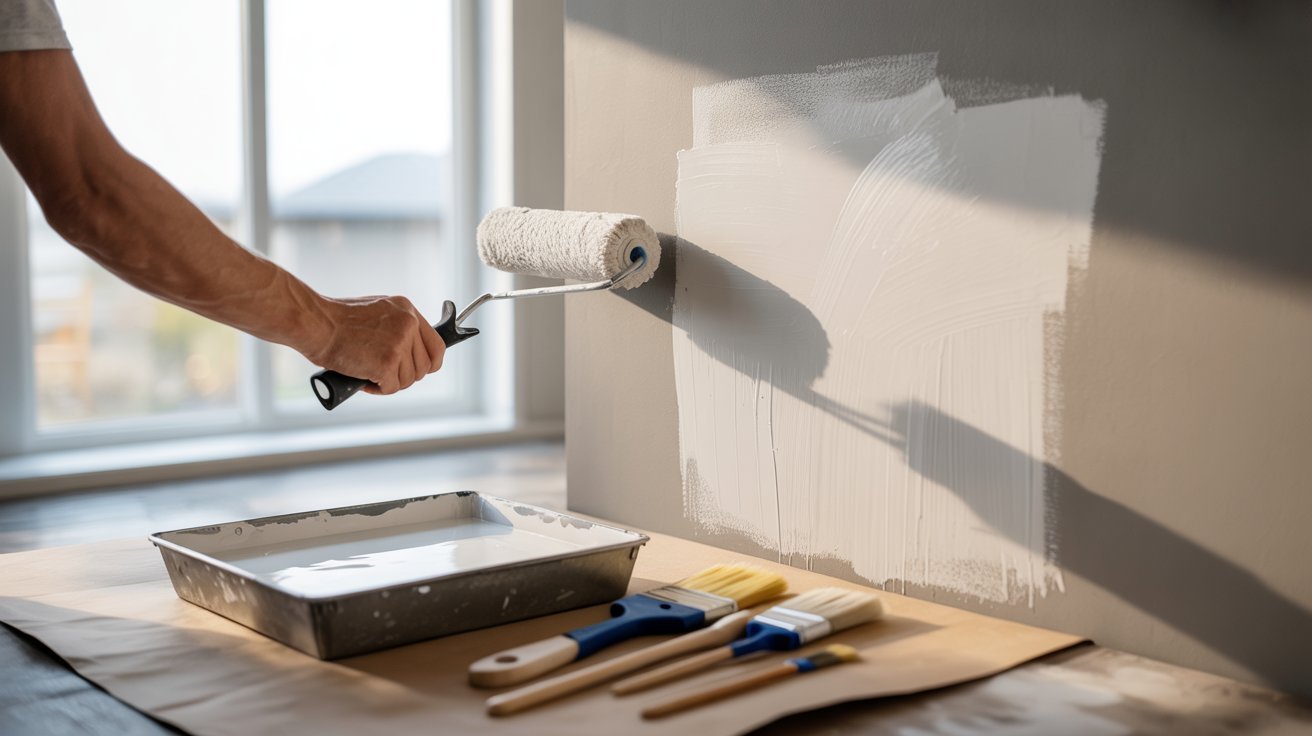

Paint is something most of us use without thinking twice. But do you know if it can catch fire? Understanding paint flammability is more important than most people realize, especially when you're storing cans in your garage or painting indoors.
This article breaks down everything:which paints are flammable, why they burn, and how to stay safe. We've researched this topic carefully so you don't have to guess.
You'll walk away knowing exactly how to handle and store paint the right way. Whether you're a homeowner or work in a paint-heavy industry, this guide is built for you.
General Overview of Paint Flammability

Yes, some paints are flammable, and a paint is considered flammable when its flash point falls below 100°F (38°C), the temperature at which its vapors can ignite.
Oil-based paints typically fall into this category because they contain solvents that catch fire easily, while water-based paints like latex are mostly made of water, pose a very low fire risk, and are generally considered safe for indoor use.
Paint may look simple, but its composition makes a significant difference, not just for performance but for safety, which is why reading the label before purchasing or using any paint product is always important.
Why Is Paint Flammable?

A lot of people assume wet paint is safe because it hasn't dried yet. That thinking can lead to real trouble.
Wet paint, especially oil-based paint, is actually at its most dangerous stage. The solvents are fully active and releasing fumes constantly during this phase.
Flammability During Application
The moment you open a can of oil-based paint and start applying it, flammable vapors begin to rise.
Freshly applied paint on a wall or surface still carries fire risk because the solvents haven't evaporated yet.
Any nearby ignition source, a candle, a pilot light, even a cigarette, can cause a fire. Always check the room before you start painting.
Drying Process Risks
As paint dries, it releases more vapors into the surrounding air. This is the phase where vapor concentration peaks.
If the room is sealed, those fumes have nowhere to go. Open windows, use fans, and avoid running gas-powered appliances nearby while paint dries.
Ventilation is your best protection during this stage.
Types of Paint and Their Flammability
Different types of paint vary in flammability, with oil-based paints generally being more flammable than water-based alternatives.
Oil-Based Paints
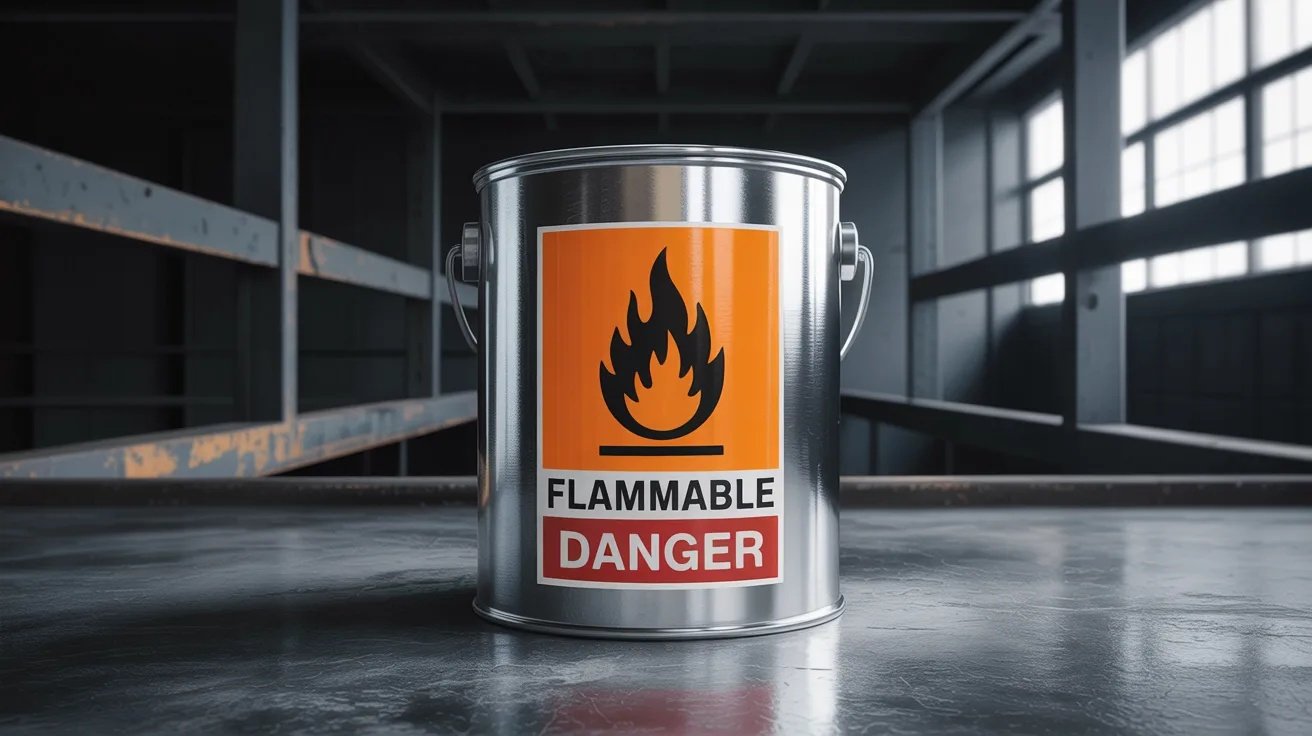
Oil-based paints are the most flammable type available. They contain solvents that have low flash points and release heavy fumes during application and drying.
These paints are often used for trim, cabinets, and high-traffic surfaces because they're durable.
But they require careful handling. Store them away from heat sources, keep lids sealed tight, and never use them near open flames.
Water-Based Paints

Water-based paints, including latex and acrylic paints, are much safer when it comes to fire risk.
They use water as their base instead of chemical solvents. This means they produce far fewer fumes and are not classified as flammable in most cases.
They're the go-to choice for indoor painting projects where safety and air quality matter.
Safety Risks of Flammable Paint
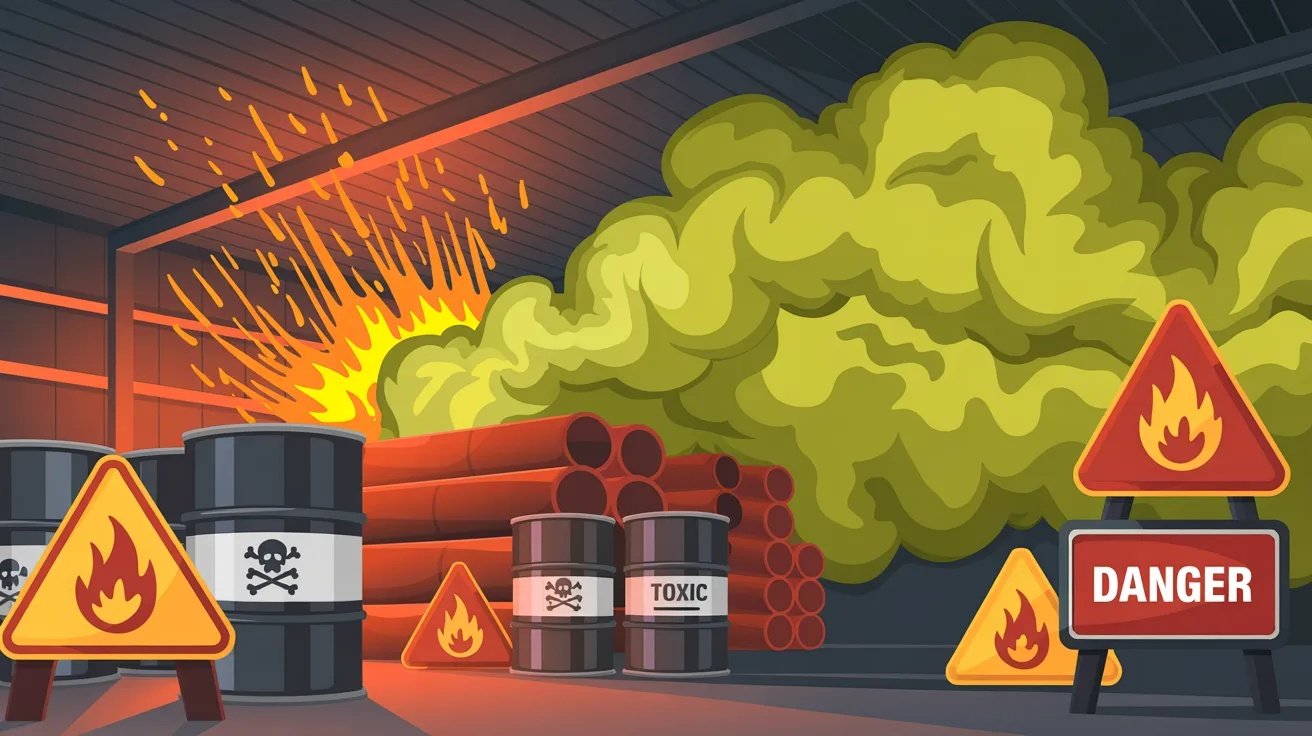
Even if you use paint carefully, there are real risks that come with flammable products.
Fires can start quickly, and fumes can affect your health before you even notice a smell.
Taking these risks seriously isn't about being overly cautious. It's just smart practice for anyone working with paint regularly.
Fire and Explosion Hazards
Flammable paint vapors can ignite from a spark, a pilot light, or even static electricity in the right conditions.
Storing paint near a water heater or furnace is one of the most common fire mistakes people make at home.
Paint thinner rags left in a pile can also self-ignite. Keep flammable paints in a cool, dry area far from any heat source.
Health Risks from Paint Fumes
Breathing in paint fumes isn't just unpleasant. It can be harmful.
Prolonged exposure to solvent vapors can cause dizziness, headaches, and in serious cases, damage to your lungs or nervous system.
Always use a respirator mask when working with oil-based paints indoors. Open all possible windows and doors.
If you feel lightheaded, step outside immediately.
How to Store Paint Safely
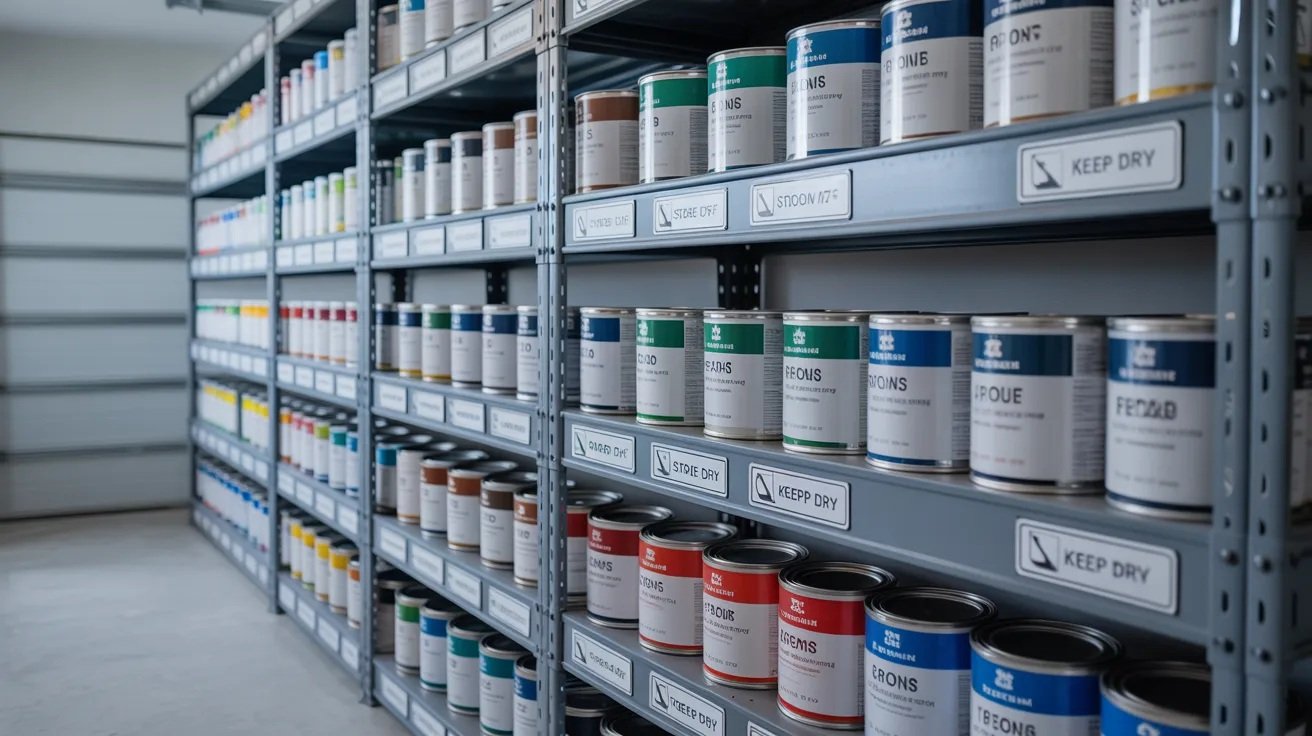
Proper storage keeps paint usable for longer and reduces fire risk in your home or workspace.
Many people toss cans in a corner and forget about them. That can create a hazard without anyone realizing it.
A few simple habits make a big difference.
Proper Storage Conditions
Store paint in a cool, dry place with good airflow. Avoid garages or sheds that get very hot in summer.
High temperatures increase vapor pressure inside cans, which raises the risk of leaks or bursts.
Keep paint away from furnaces, heaters, and anything with an open flame. A temperature range of 50°F to 80°F is generally safe for most paint types.
Safe Container Handling
Always seal paint cans tightly after use. A loose lid lets fumes escape and dries out the paint faster.
Label each can with the paint type and purchase date. If a can is dented or rusted, transfer the contents to a clean, sealable container.
Never store paint in unmarked containers, especially ones that look like food or drink packaging.
Safe Handling of Paint

How you use paint matters just as much as how you store it. Cutting corners during application can create fire risks or health problems.
A few basic practices keep you and those around you safe every time you pick up a brush or roller.
Wear gloves and a mask when working with oil-based paint. Open windows before you start and keep them open until the surface is fully dry.
Fire sources like candles, lighters, and gas appliances should stay out of the room completely. Spray paint adds more risk to the situation.
Aerosols spread flammable particles quickly through the air, so extra ventilation and caution are needed when using them indoors.
What to Do If Paint Spills
Spills happen. A knocked-over can or a dripping brush can create a mess fast. With flammable paint, a spill is more than just a cleaning problem. It's a safety issue that needs quick action.
Immediate Safety Steps
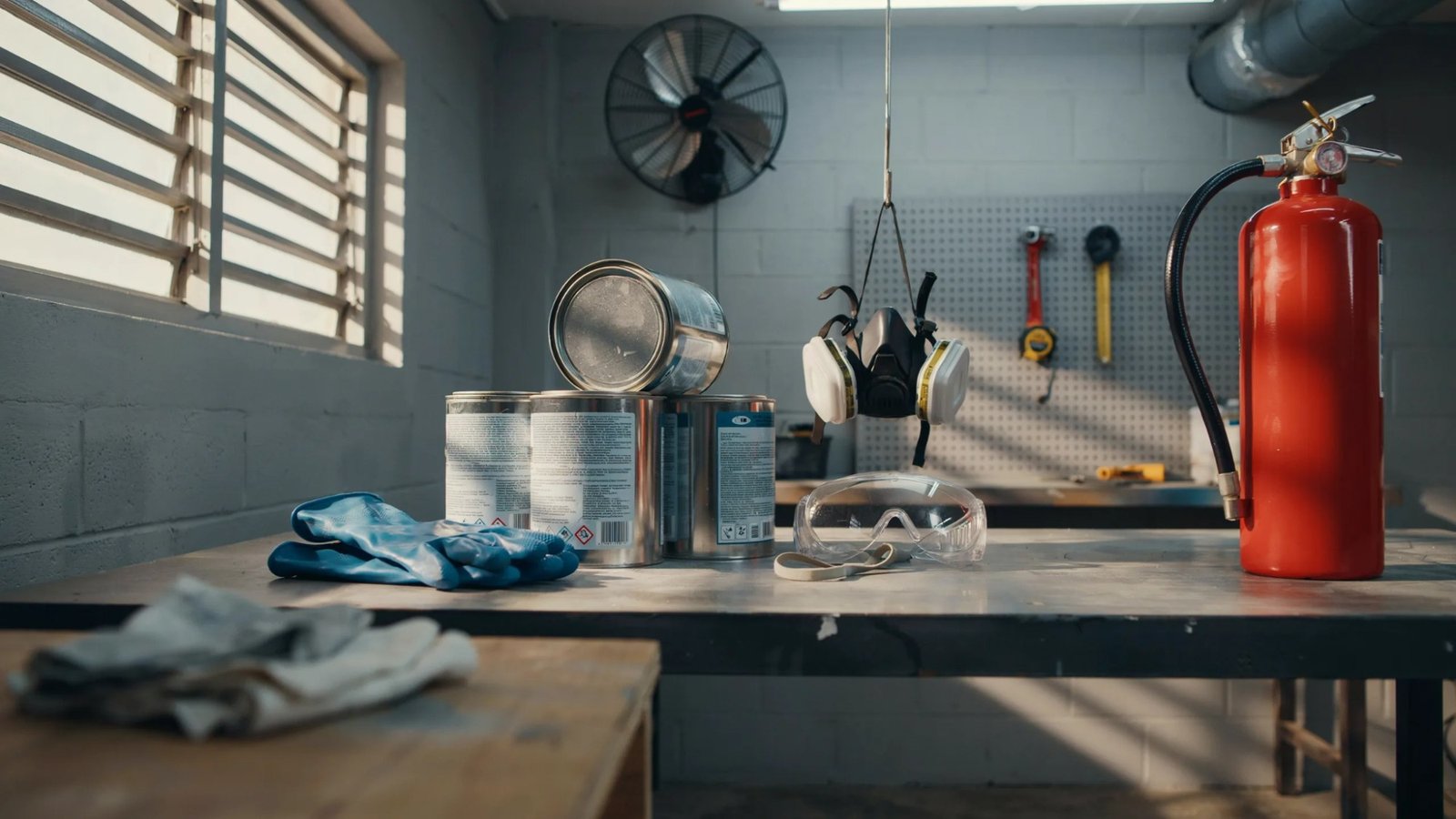
Move everyone away from the spill area right away. Open windows and doors to bring in fresh air. Use dry rags or paper towels to absorb the spill and avoid anything that could create a spark.
Place used cleanup materials in a sealed metal container, not a plastic bag. Never pour spilled paint down a drain.
When to Call Professionals

If the spill is large or near a heat source, don't handle it yourself. Call your local fire department or a hazardous materials cleanup service.
Paint that reaches electrical outlets or drains may require professional removal. Environmental safety also matters.
Oil-based paint is considered hazardous waste and must be disposed of through proper channels in most areas.
Key Takeaways on Paint Flammability
Here is a quick summary of what you need to remember:
- Oil-based paints are flammable and need careful storage and handling at all times.
- Water-based paints carry much lower fire risk and are safer for most indoor projects.
- Wet paint releases vapors that can ignite, so always keep your workspace well-ventilated.
- Store paint cans away from heat, seal them tightly, and label them clearly.
- Act fast if a spill happens, secure the area and use proper cleanup methods.
Conclusion
I'll be honest. I didn't always pay close attention to paint safety. It wasn't until I painted a small room with oil-based trim paint and felt dizzy halfway through that I understood why ventilation matters.
Paint safety is real, and now I never skip the basics. I hope this guide helps you feel confident and prepared the next time you pick up a brush.
If this was helpful, drop a comment below or share it with someone who paints at home. Stay safe out there.
Frequently Asked Questions
Is all paint flammable?
No, not all paint is flammable. Oil-based paints are flammable due to solvent content, while water-based paints like latex are generally considered non-flammable.
Can dried paint catch fire?
Dried water-based paint is not a fire risk. However, dried oil-based paint residue on rags or surfaces can still be flammable and should be disposed of carefully.
How do I know if my paint is flammable?
Check the label on the paint can. Flammable paints are required to carry a warning label and flash point information by law.
Is spray paint more flammable than regular paint?
Yes, spray paint is highly flammable because it disperses fine particles into the air, which can ignite quickly. Always use it in well-ventilated areas away from flames.
Can paint fumes cause a fire without an open flame?
Yes, in some cases. If fumes build up to a high enough concentration, even a small spark from a light switch or static electricity can ignite them.