Choosing between flat or eggshell for walls can feel confusing. Both look great in the store. But they perform very differently at home.
I have helped friends pick paint finishes for years. One wrong choice and you are repainting within months.
This guide covers the benefits and drawbacks of both finishes, room by room recommendations, and tips to get the best results possible.
By the end, you will know exactly which finish fits your space, your walls, and your lifestyle.
No guessing. No wasted money. Just a clear, simple answer.
Flat vs Eggshell Paint: Understanding the Basics
Choosing a paint finish does not have to be complicated.
Flat paint has no sheen at all, which makes it great at hiding wall flaws like bumps and old nail holes. It works best in low traffic areas like bedrooms and ceilings since it is not easy to clean.
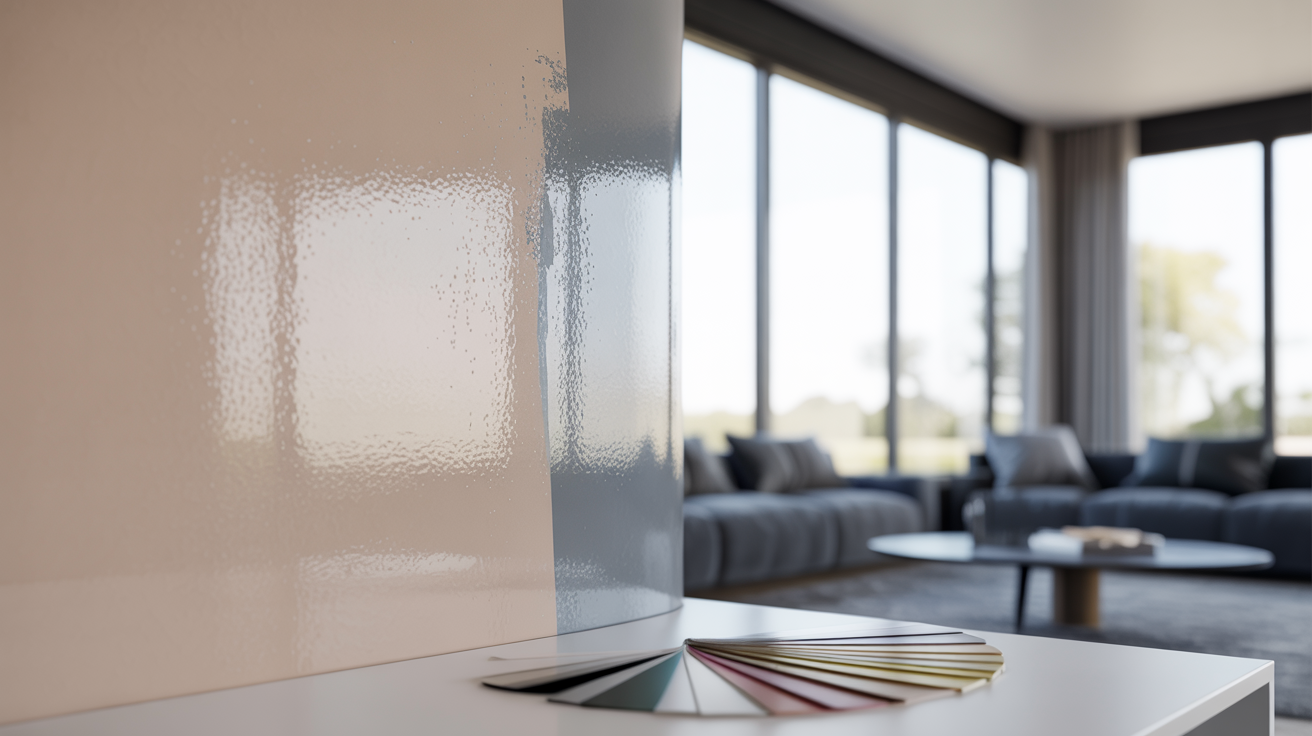
Eggshell paint has a very slight glow, similar to the surface of a real egg. That small amount of sheen makes it more resistant to stains and easy to wipe down. It holds up well in busier spaces like living rooms and hallways.
If your walls are in good shape and you want a durable finish, eggshell is a solid choice. If you need to hide imperfections in a quiet room, flat paint does the job well.
Benefits of Flat Paint for Walls
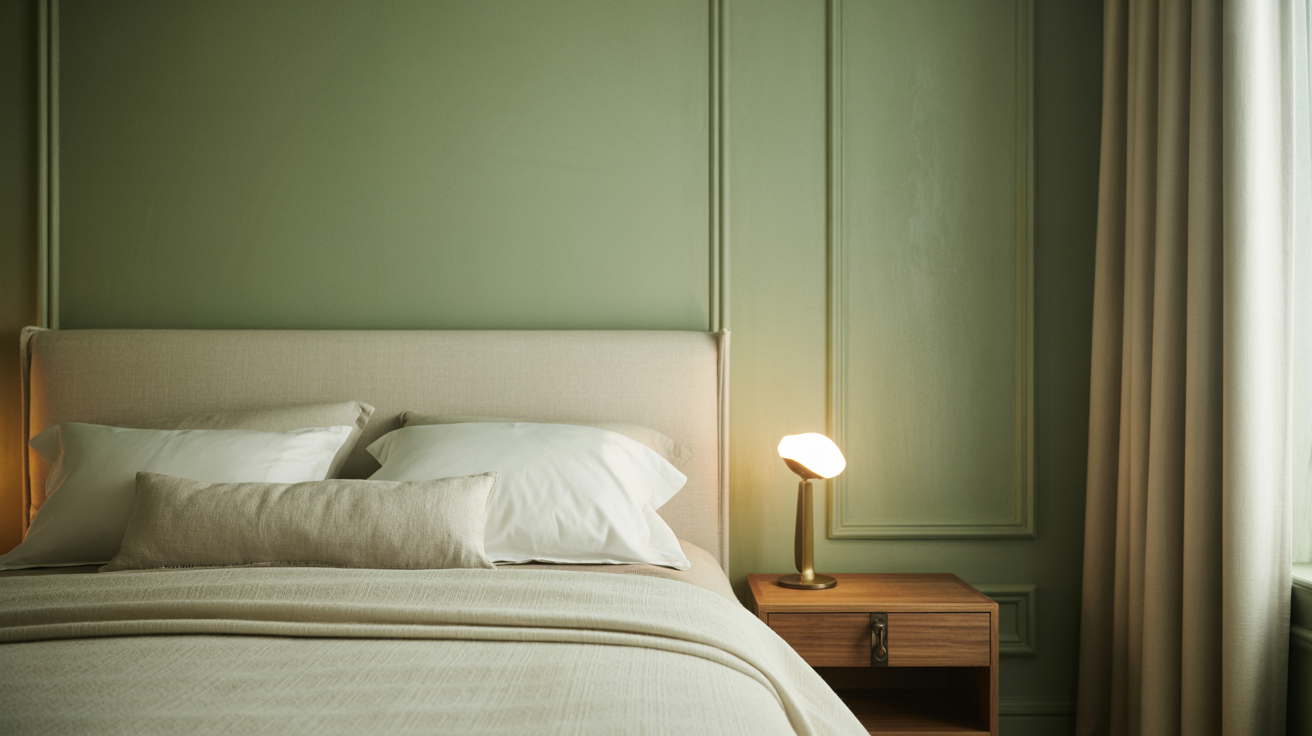
Flat paint offers a clean, matte look that works well in low traffic spaces and covers surface flaws effectively.
Hides Surface Imperfections Better
Flat paint does not reflect light, which means it does not draw attention to bumps, patches, or uneven textures.
If your walls have small cracks, old repairs, or rough spots, flat paint softens all of that. The matte surface scatters light rather than bouncing it back, so minor flaws are much less visible.
This makes it a practical option for older homes or walls that have seen some wear.
Creates a Smooth, Non Reflective Look
The finish is completely matte with no sheen at all. This gives rooms a calm, quiet feel. Colors often look richer and more true to tone without a shiny surface competing with them.
Many interior designers reach for flat paint when they want the color itself to do all the work.
Easier to Touch Up After Repairs
When you need to patch a spot and repaint, flat paint blends in much better than any finish with a sheen.
The low reflectivity makes it harder to notice where the new paint starts and the old paint ends. For homeowners who do a lot of patching, this is a real convenience.
Often More Affordable
Flat paint is generally priced lower than eggshell or satin. If you are covering a large area on a budget, flat paint lets you stretch your dollar further without sacrificing color quality.
Drawbacks of Flat Paint for Walls
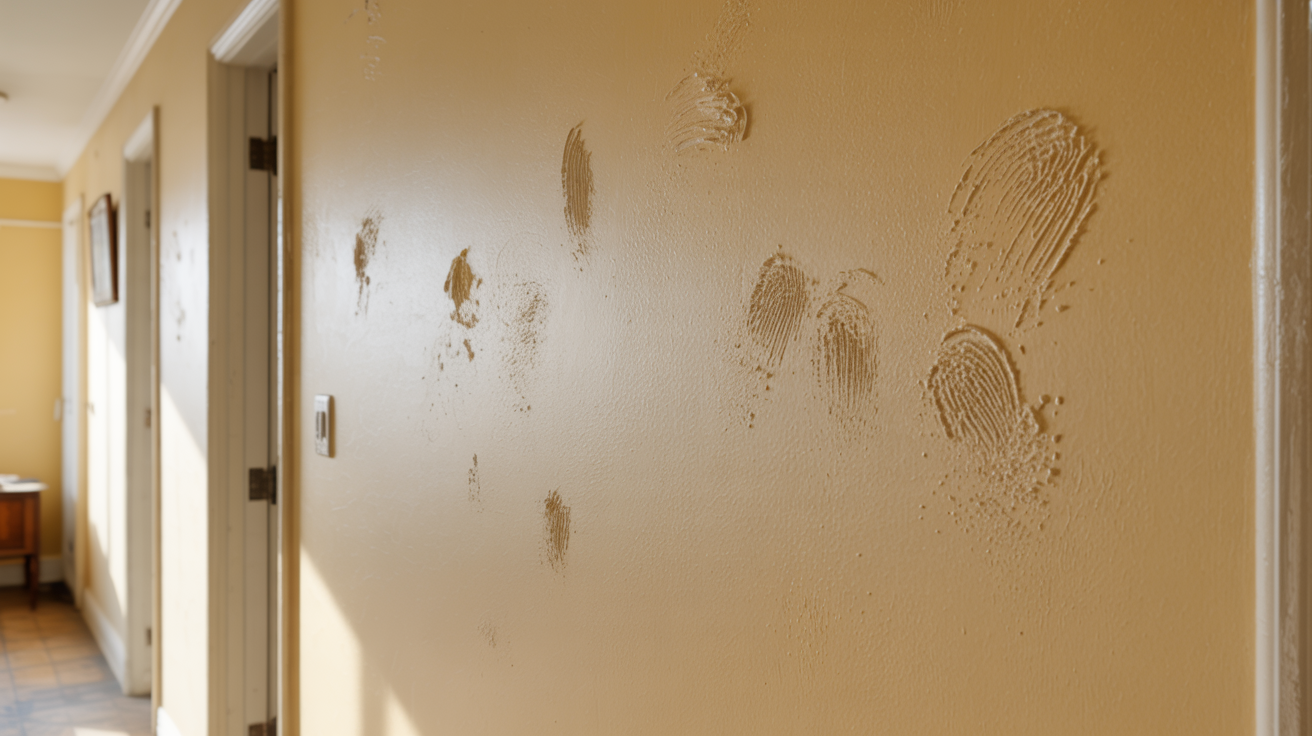
Flat paint has some real limitations, especially in areas that see a lot of daily activity.
Less Durable in High Traffic Areas
Flat paint does not hold up well in spaces that see constant contact. Hallways, kids' rooms, and entryways can wear it down quickly.
The surface is more porous than finishes with a sheen, which means it absorbs impacts rather than resisting them.
Can Be Difficult to Clean
Scrubbing flat paint is tricky. The surface is not hard enough to resist repeated cleaning, and washing can remove paint along with the dirt.
Anything more than a gentle wipe risks leaving a shiny spot or wearing through the finish entirely.
Shows Scuffs and Marks More Easily
Despite hiding texture well, flat paint picks up scuffs, fingerprints, and marks quickly. The matte surface holds onto oils and grime and makes them stand out.
In households with children or pets, this can become a daily frustration.
Benefits of Eggshell Paint for Walls
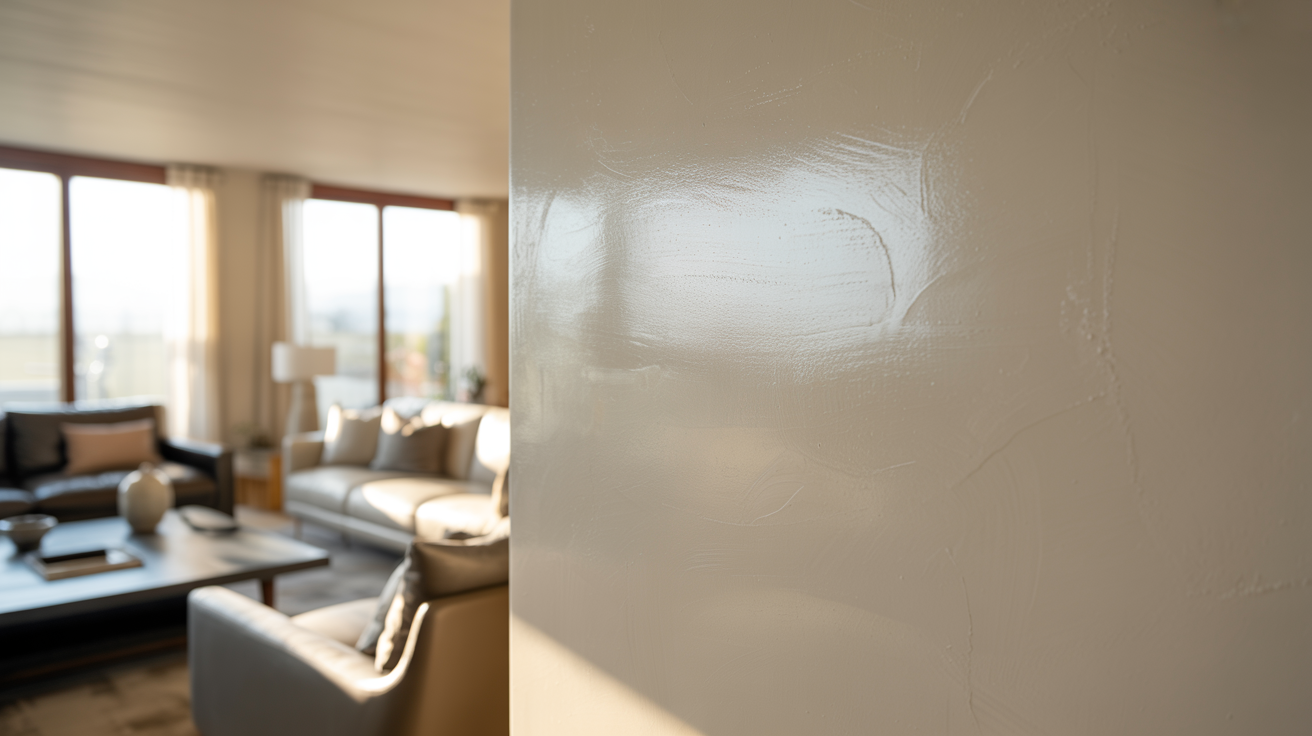
Eggshell paint offers a low sheen finish that holds up well to everyday wear and is easy to keep clean.
Better Durability for Everyday Use
Eggshell has a slight sheen that makes the surface harder and more resistant to wear. It holds up much better than flat paint in spaces that get regular use.
The finish does not break down as quickly from contact, making it a longer lasting choice for most rooms.
Easier to Clean and Maintain
Because the surface is slightly harder, eggshell can handle light scrubbing without losing paint.
You can wipe away fingerprints, food splashes, and general grime without worrying about damaging the finish. This makes day to day maintenance far simpler.
Adds Subtle Depth and Warmth to Color
The low sheen gives colors a gentle glow that flat paint cannot produce. It adds just a little life to the color without looking glossy or bright.
Many people find their chosen color looks more polished on the wall with eggshell than it did on the paint chip.
Suitable for Most Living Spaces
Eggshell is considered the standard choice for most interior walls for good reason. It performs well in living rooms, bedrooms, and dining rooms.
It sits in a practical middle ground between flat and satin, making it a reliable all around option.
Drawbacks of Eggshell Paint for Walls
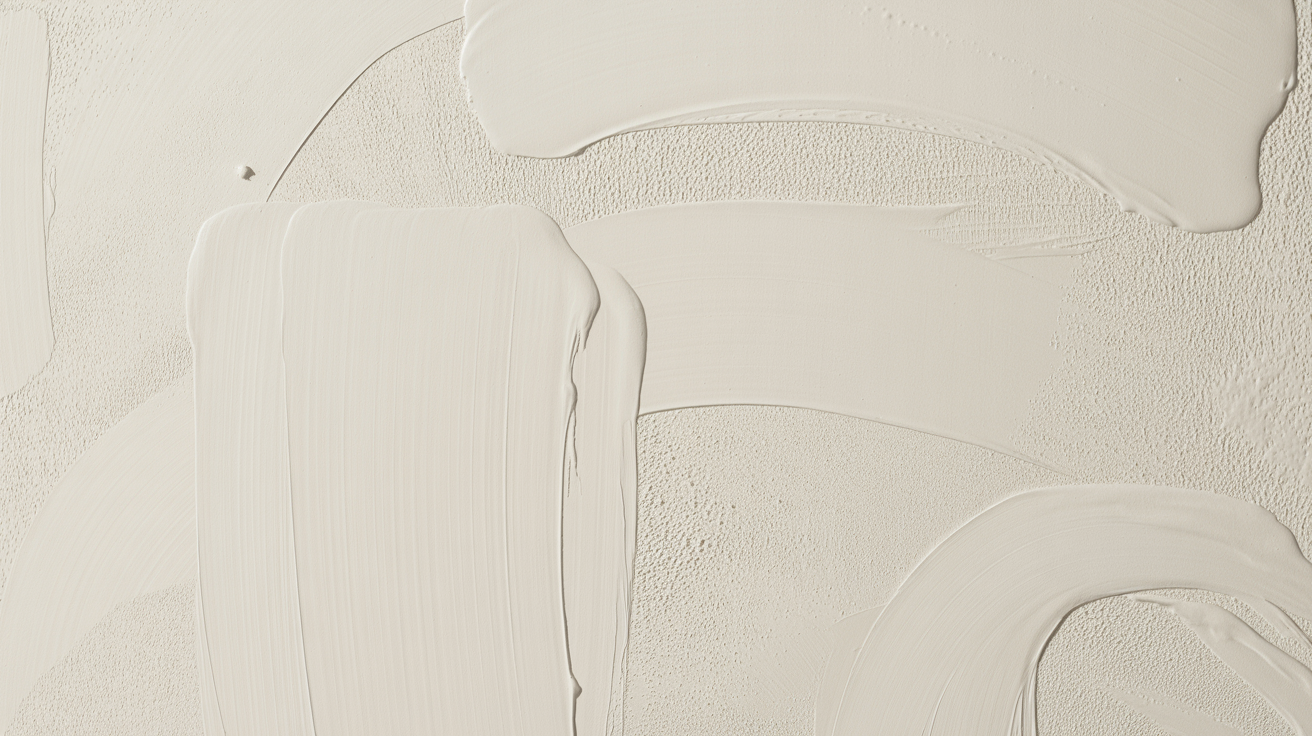
Eggshell is not without trade offs, particularly when it comes to wall prep and touch ups.
Can Highlight Wall Imperfections
The slight sheen in eggshell reflects more light than flat paint. This means bumps, patches, and uneven textures become more visible on the finished wall.
Proper prep work, including sanding and priming, becomes more important when using eggshell.
Requires More Care During Application
Eggshell is less forgiving than flat paint. Lap marks and brush strokes are more visible under the low sheen.
Getting a smooth, consistent finish requires careful rolling technique and attention to wet edges while working.
Touch Ups May Be More Noticeable
The sheen level can vary slightly between dried coats, making new paint stand out against older paint.
Blending a touch up into existing eggshell walls often requires feathering the new coat out broadly rather than painting just the patched spot.
Flat or Eggshell for Walls: Room by Room Recommendations
The right finish often depends on where the paint will go and how that room gets used.
Living Rooms and Hallways
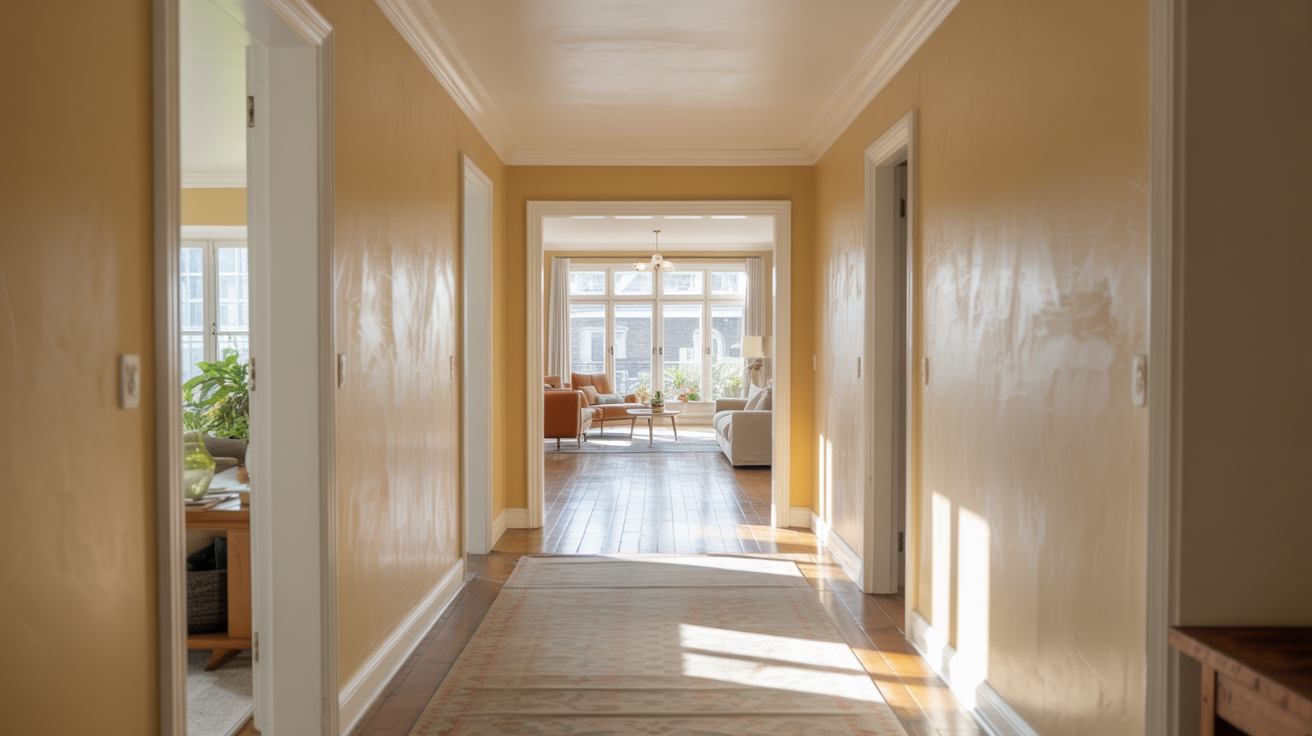
Living rooms can go either way, but eggshell is usually the better call. These spaces get regular traffic and occasional contact with walls and furniture.
Hallways, which see constant brushing and bumping, are an even stronger case for eggshell.
Bedrooms
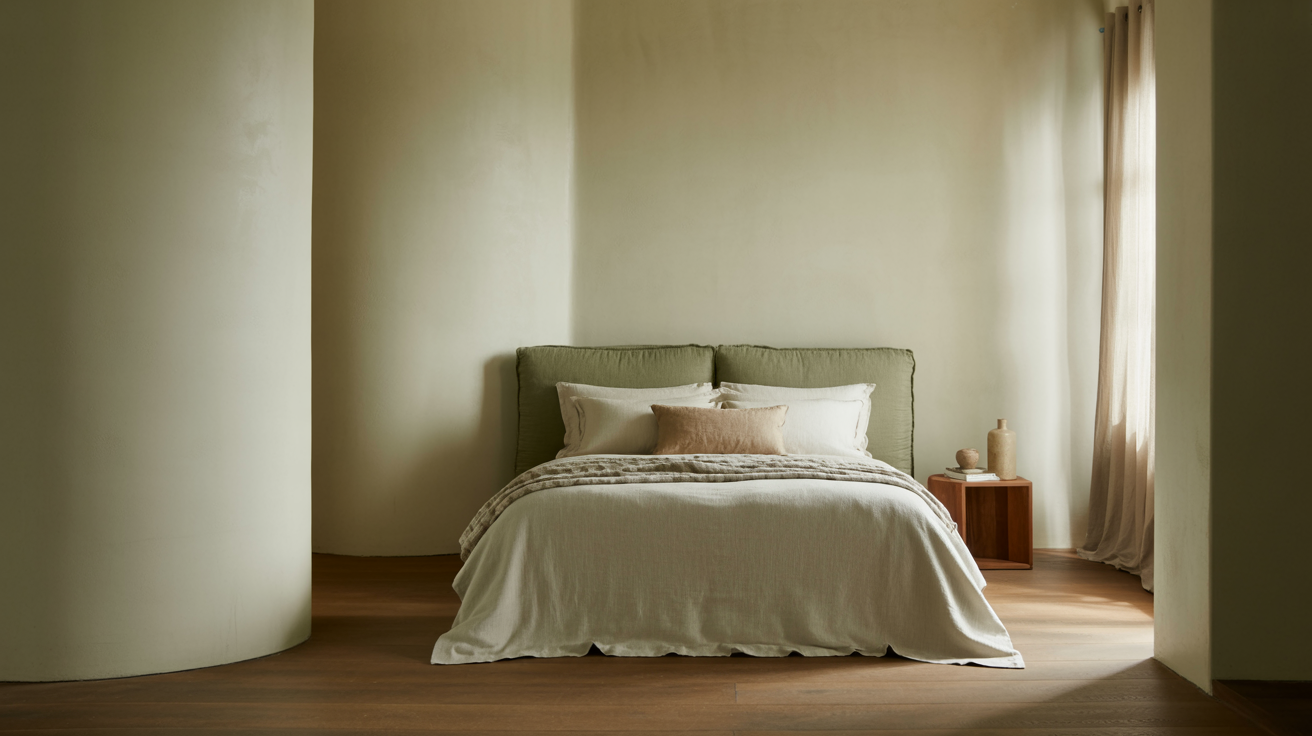
Bedrooms are lower traffic spaces, which makes flat paint a reasonable option. If you love the calm, matte finish and your walls are in decent shape, flat works well.
If you want easier upkeep or share the room with kids, eggshell is the more practical choice.
Kitchens and Bathrooms
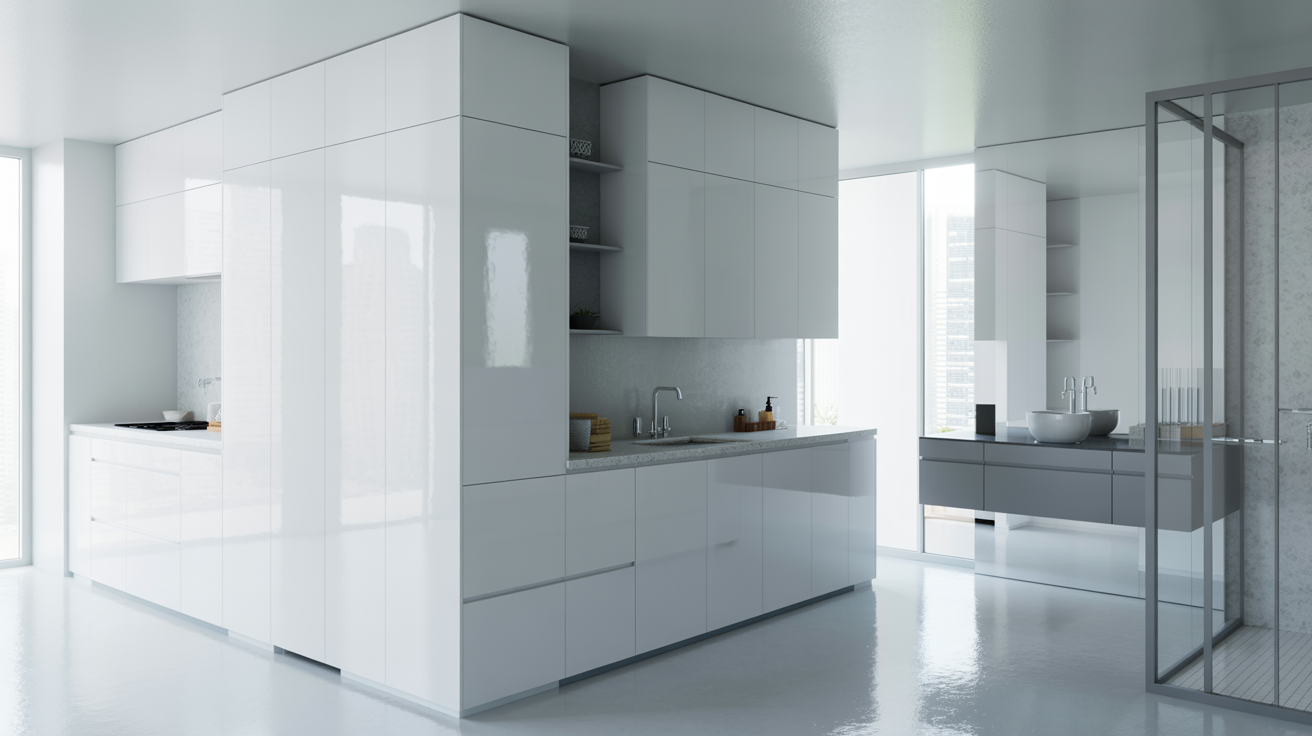
Neither flat nor eggshell is typically the top pick for kitchens and full bathrooms. These rooms deal with moisture, grease, and steam, and satin or semi gloss handles those conditions better.
That said, eggshell can work in a dry section of a bathroom with good ventilation.
Homes With Children and Pets

Eggshell is the clear winner here. Kids and pets mean frequent scuffs, sticky hands, and spills. The harder surface wipes down more easily and holds up to repeated cleaning.
Flat paint would not last long under those conditions.
Factors to Consider Before Choosing a Paint Finish
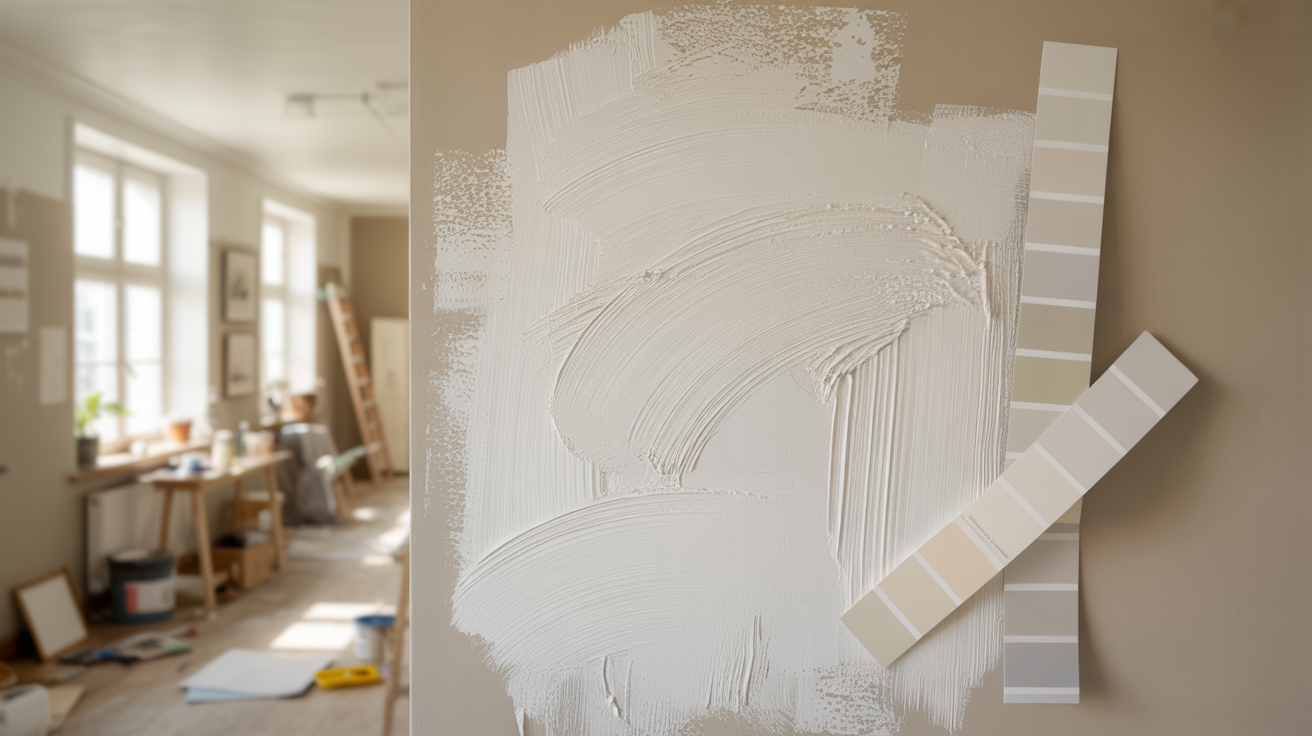
Before buying paint, a few practical details can help you pick the right finish for your space.
Wall Condition, Traffic, and Wear Levels
Check your walls closely before deciding. Patchy or textured walls do better with flat paint. Smooth walls suit eggshells well. Also think about foot traffic.
Low use rooms like guest bedrooms work fine with flat. Busy hallways and family rooms need the durability of eggshell.
Lighting, Room Size, and Maintenance Expectations
Bright rooms expose sheen more, so flat paint works better there. Darker rooms benefit from eggshell's gentle glow. Also consider upkeep.
If you want walls you can wipe down easily, go with eggshell. If low maintenance is the goal, flat keeps things simple.
Tips for Getting the Best Results With Either Finish
Good prep and quality materials make a bigger difference than the finish itself in most cases.
- Clean your walls thoroughly before you start. Fill any holes or cracks with spackle, sand them smooth, and wipe away all dust before applying primer. The better the surface going in, the better the final result will look.
- Use high quality paint even if it costs a little more. Cheaper paint tends to be thinner, needs extra coats, and does not hold up as long. A better product saves you time and effort over the life of the paint job.
- Buy a small sample and test it on your actual wall before committing to a full room. Let it dry completely so you see the true color and finish.
- Check the test patch in both natural daylight and artificial light. The same paint can look noticeably different depending on the time of day and the lighting in your room.
- Never judge a finish from the paint chip alone. What looks right at the store can look very different once it is up on a full wall, so testing first prevents costly surprises.
Conclusion
Picking between flat or eggshell for walls is simpler than it seems once you know your room. I went with a flat in my bedroom and eggshells everywhere else. Best decision I made during my last repaint.
Think about your busiest wall, your lighting, and how much cleaning you actually want to do. That alone will point you in the right direction.
Found this helpful? Drop a comment below and tell me which finish you picked. I would love to hear how your walls turned out
Frequently Asked Questions
Is flat or eggshell paint better for living rooms?
Eggshell is the better choice for living rooms. It handles daily wear, wipes down easily, and gives your walls a slightly warmer, more polished look.
Can I use flat paint in a bathroom?
Flat paint is not recommended for bathrooms. Moisture and steam break it down quickly, and it cannot handle the cleaning that bathroom walls need.
Why does eggshell show wall imperfections more than flat paint?
Eggshell has a slight sheen that reflects light across the wall surface. This reflection makes bumps, patches, and uneven spots more visible than a matte finish would.
How many coats of paint do I need for a smooth finish?
Most walls need two coats for full, even coverage. If you are making a big color change or using a thinner paint, a third coat may be needed.
Can I mix flat and eggshell paint in the same room?
It is not a good idea to mix both finishes on the same walls. The difference in sheen will be noticeable and make the room look inconsistent. Stick to one finish per surface.