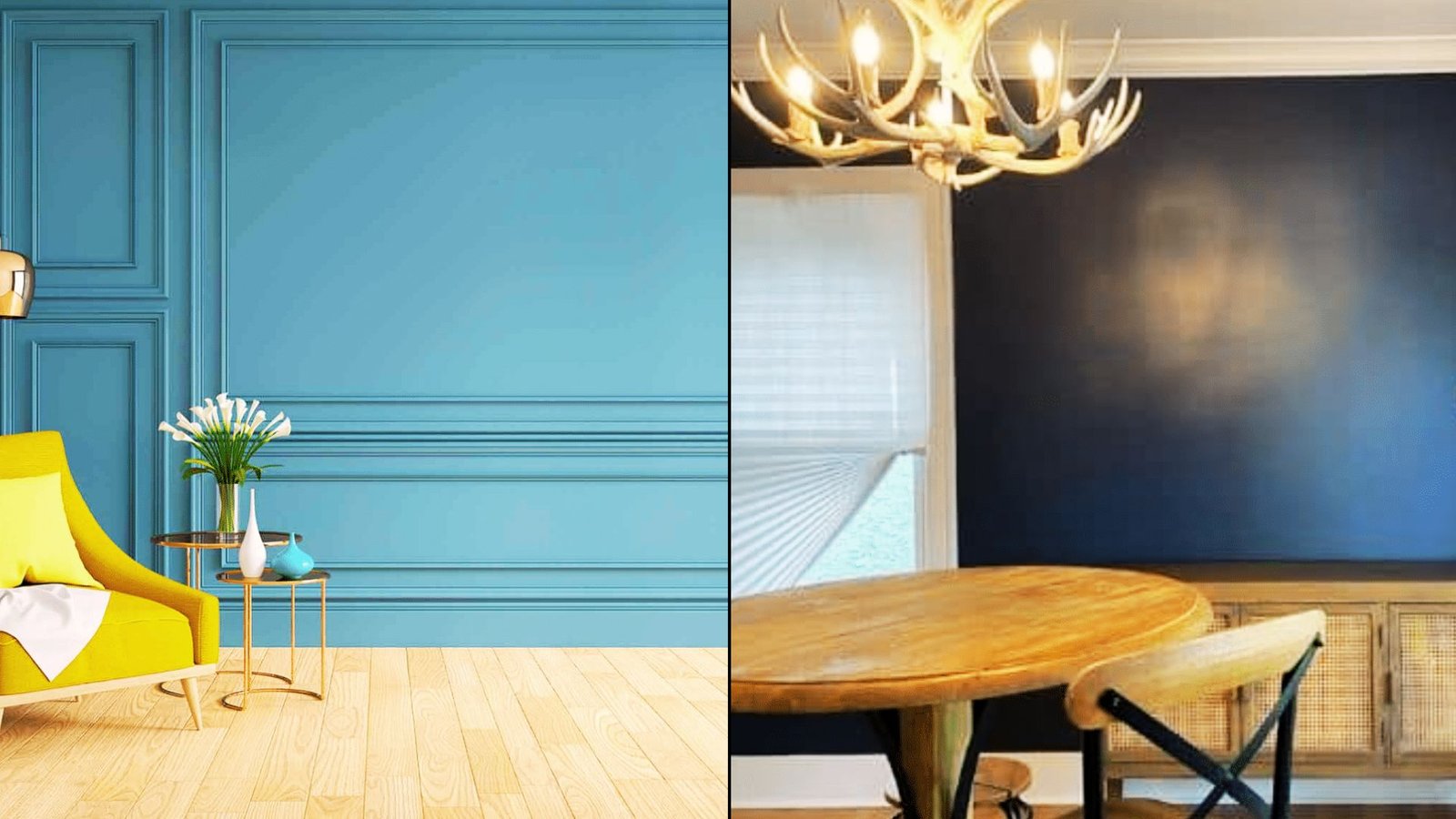
Picking the right enamel paint can feel confusing. Water based or oil based, which one actually works for your project?
I've worked with both, and the difference matters more than most people think.
In this guide, I'll break down exactly how each type works, where to use them, and how to avoid the most common mistakes. You'll also get simple tips for a smooth, lasting finish, no guesswork needed.
We'll cover what enamel paint is, how water based and oil based types differ, the best uses for each, and key application tips to get it right the first time.
By the end, you'll know exactly which one to grab.
What Is Enamel Paint?
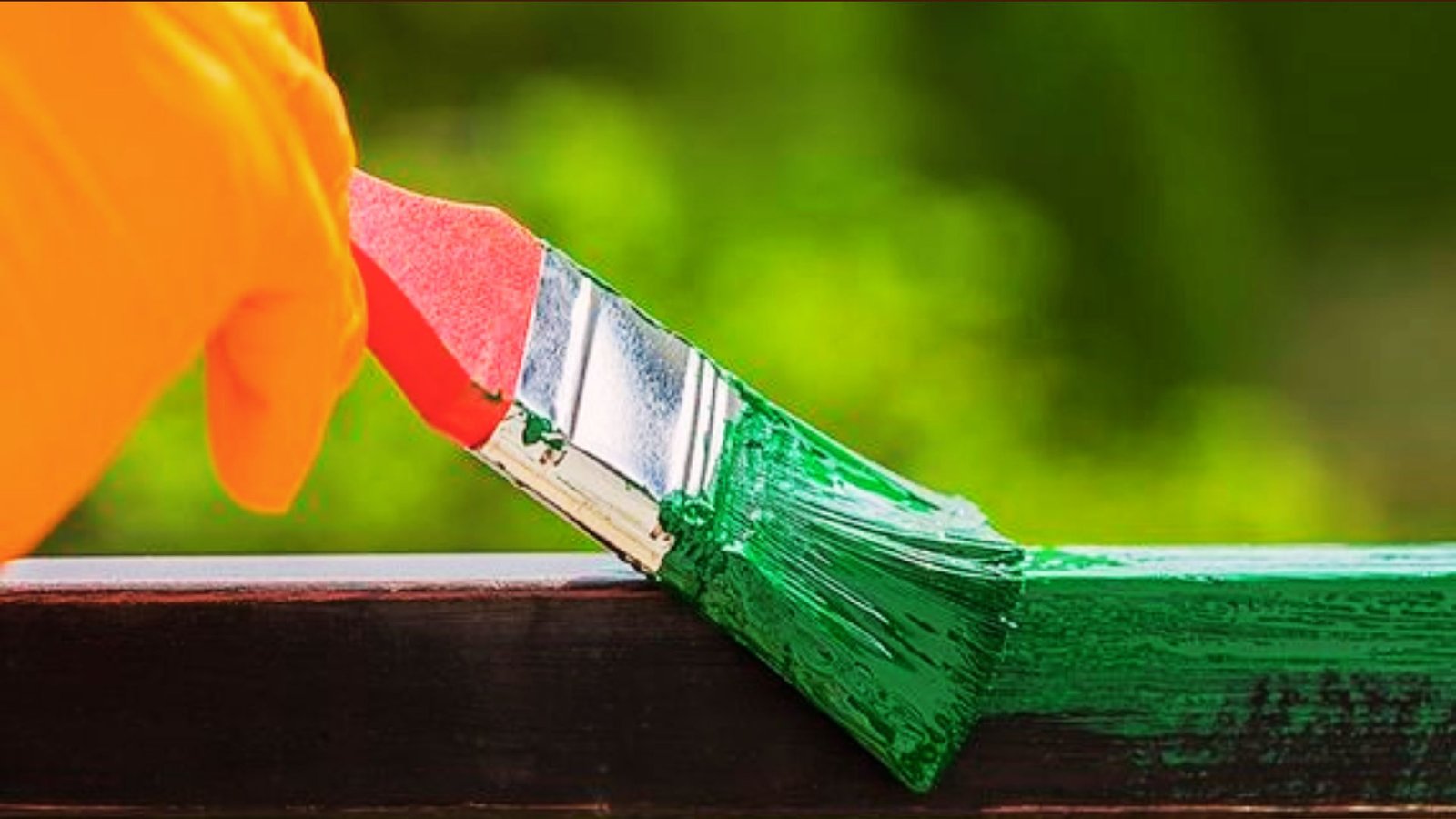
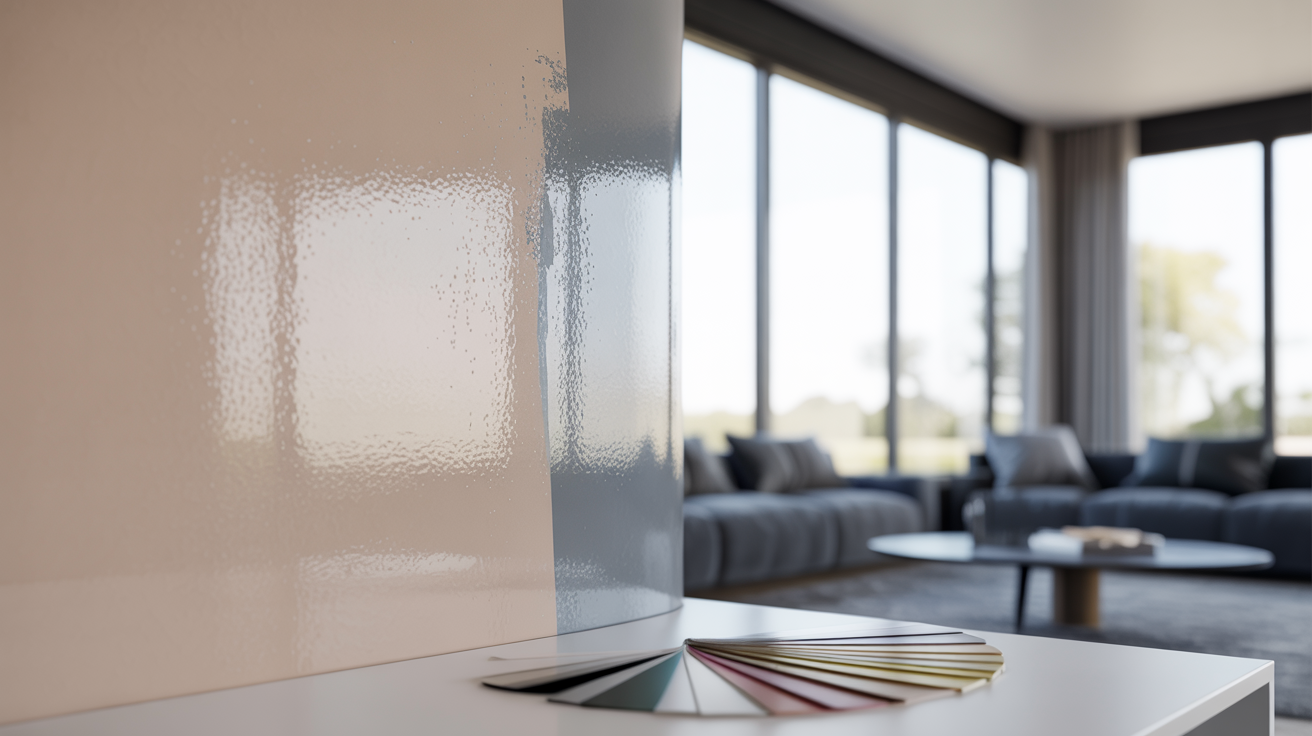
Enamel paint is a hard wearing coating that dries to a smooth, glossy finish. It is known for its tough, shiny surface that holds up well under pressure. People use it on walls, furniture, metal surfaces, and floors.
Most enamel paints are oil based, but water based options are also available. Both types dry into a firm, protective layer that resists scratches, moisture, and stains.
It comes in gloss, semi gloss, and satin finishes. The finish you pick depends on the look you want and where you plan to use it.
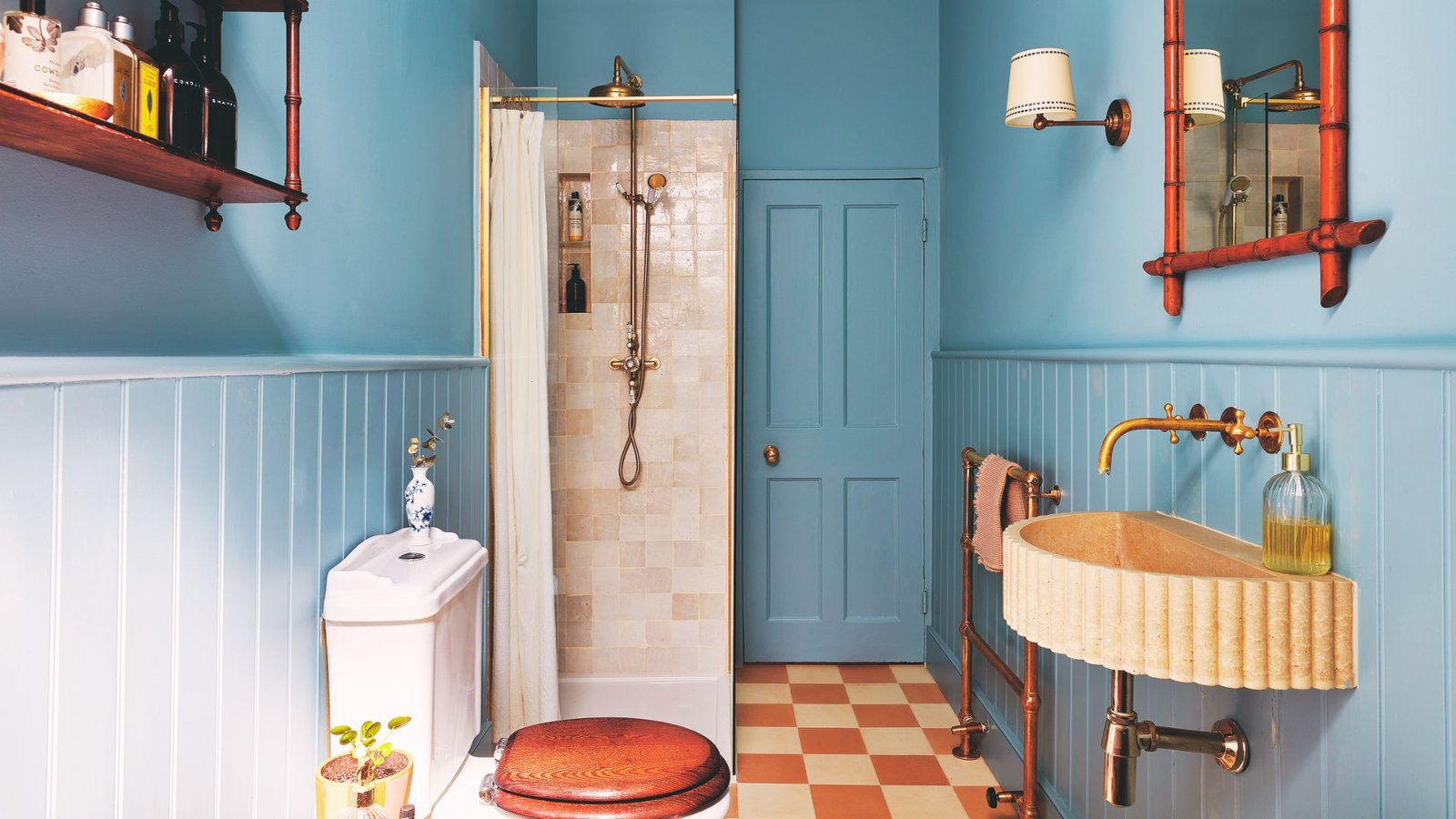
Enamel paint handles heat, humidity, and daily wear far better than standard paint. This makes it a popular choice in kitchens, bathrooms, and outdoor spaces.
Is Enamel Paint Water Based or Oil Based?
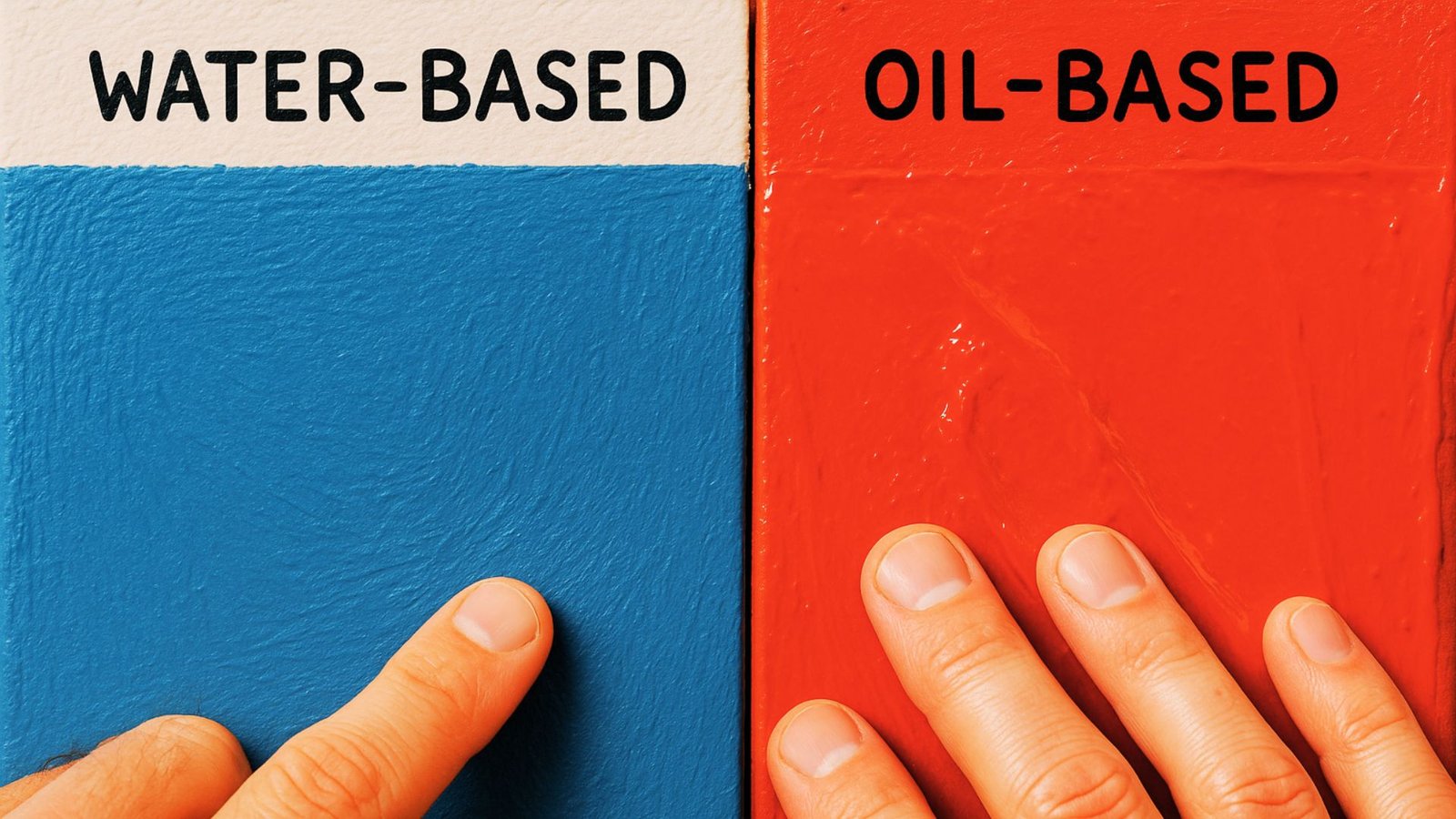
Enamel paint can be either water based or oil based. The word "enamel" does not point to one formula. It simply refers to a hard, durable finish.
Both types can deliver that finish, but they work differently and suit different situations.
What Is Water Based Enamel Paint?
Water based enamel uses water as its carrier. Once the water evaporates, the paint dries into a hard shell. It has a low odor and dries fast. You can clean brushes with just soap and water.
Modern water based enamels have improved a lot. They now hold up well in high traffic areas and resist yellowing over time.
What Is Oil Based Enamel Paint?
Oil based enamel uses mineral spirits or other solvents as its carrier. It takes longer to dry but levels out beautifully as it cures.
This gives it a smooth, glass like finish. It is very tough and holds up to heavy use. The downside is the strong fumes and the need for chemical solvents to clean up.
How to Tell Which Type of Enamel Paint You Have
Check the label. Look for words like "latex," "acrylic," or "water cleanup." Those point to water based. If you see "alkyd," "mineral spirits," or "solvent cleanup," it is oil based.
You can also do a simple test. Rub a cotton ball soaked in rubbing alcohol on a dry painted surface. If paint comes off, it is likely water based. If nothing happens, it is oil based.
Best Uses for Water Based Enamel Paint
Water based enamel covers a wide range of projects. Here are the surfaces where it really performs well.
Doors, Trim, and Baseboards
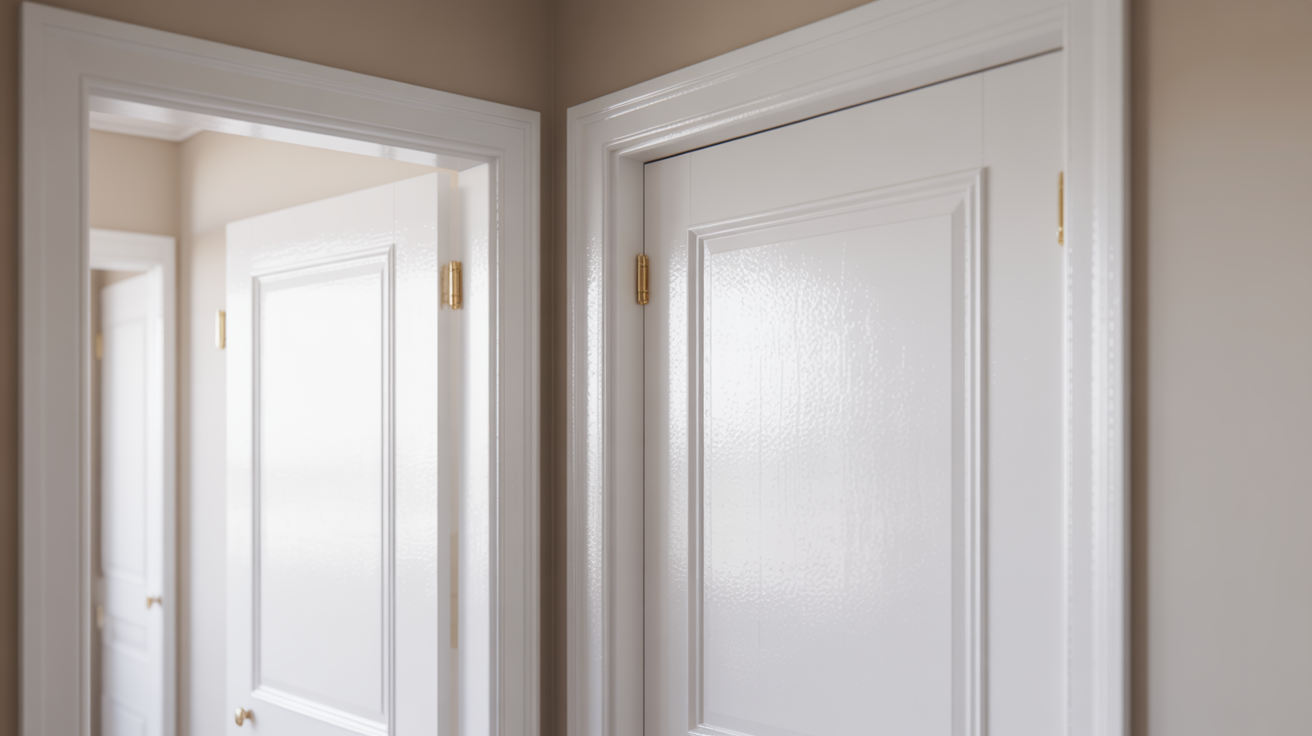
These areas need a paint that dries hard and resists scuffs. Water based enamel does this well. It also does not yellow the way oil based can on white trim.
For crisp, clean finishes on interior doors and moldings, it is a solid pick.
Cabinets and Furniture
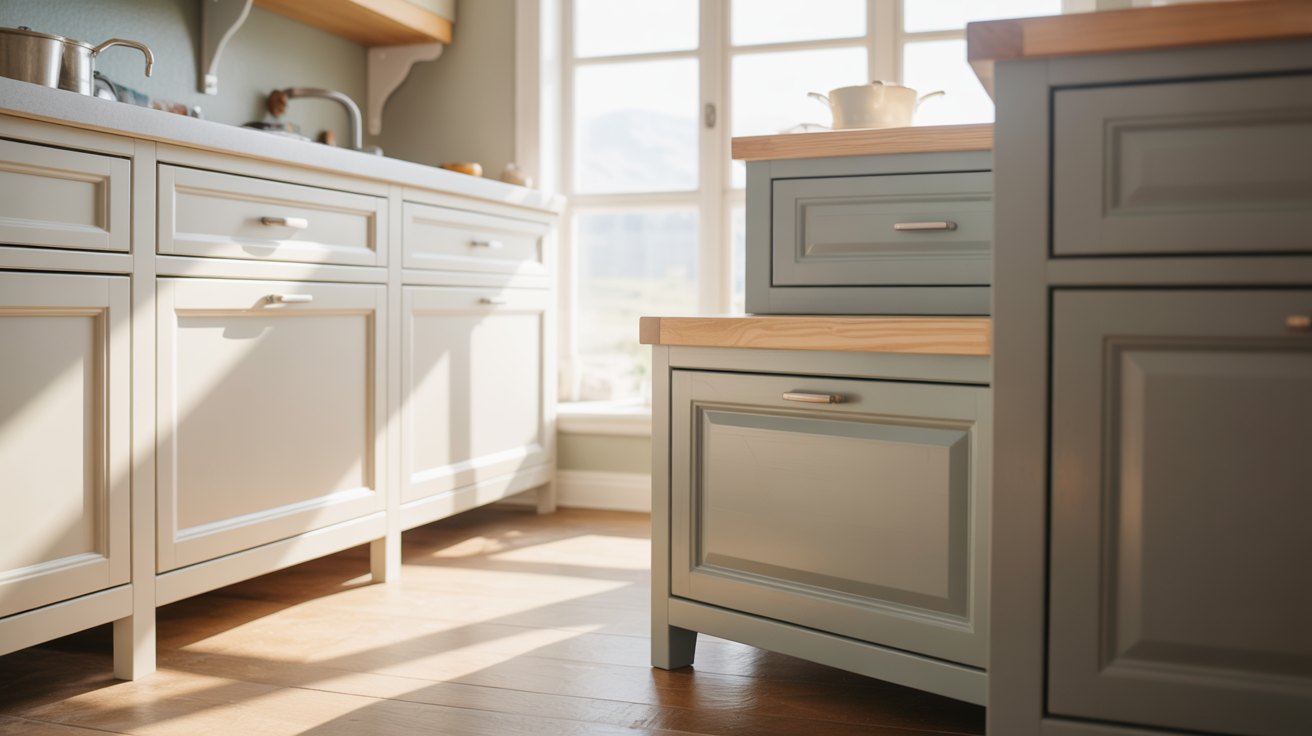
Kitchen and bathroom cabinets take daily abuse. Water based enamel holds up to grease, moisture, and frequent cleaning. It also dries faster, which means less downtime in your kitchen.
Furniture pieces like side tables and chairs benefit from the same toughness without the long wait.
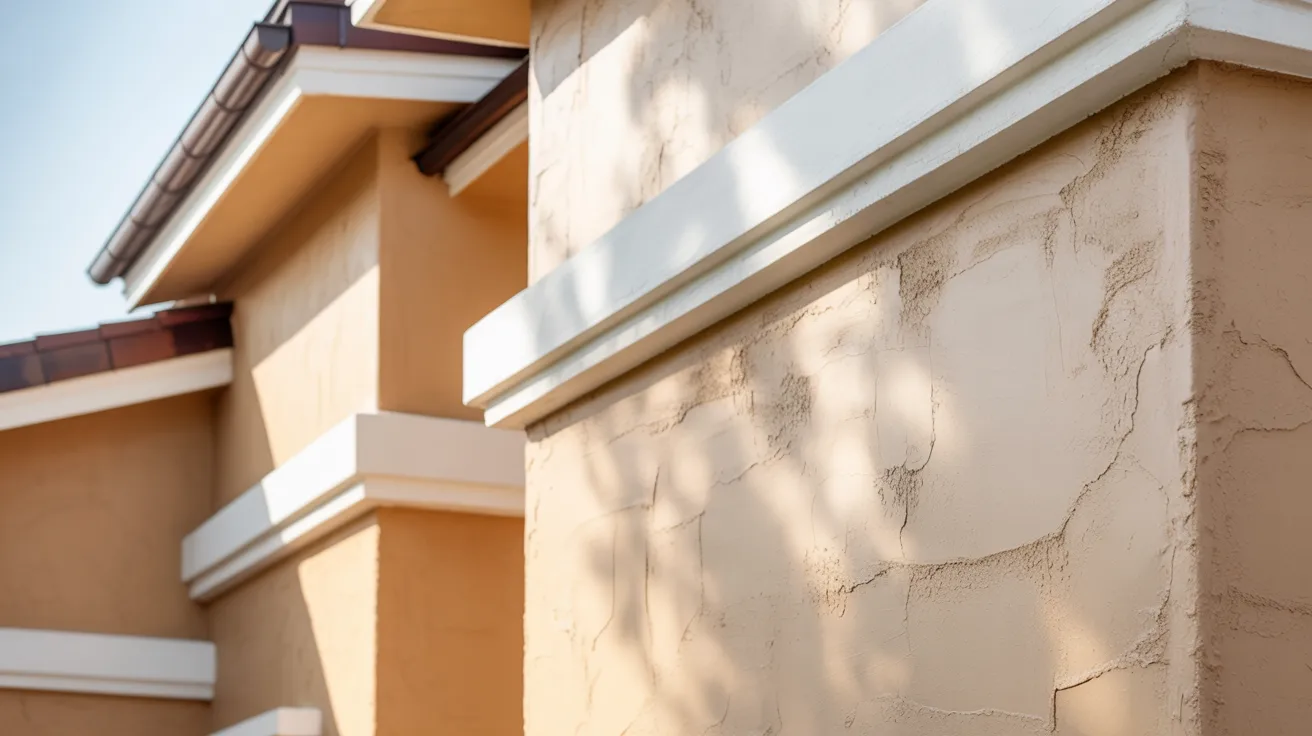
Exterior Wood and Masonry
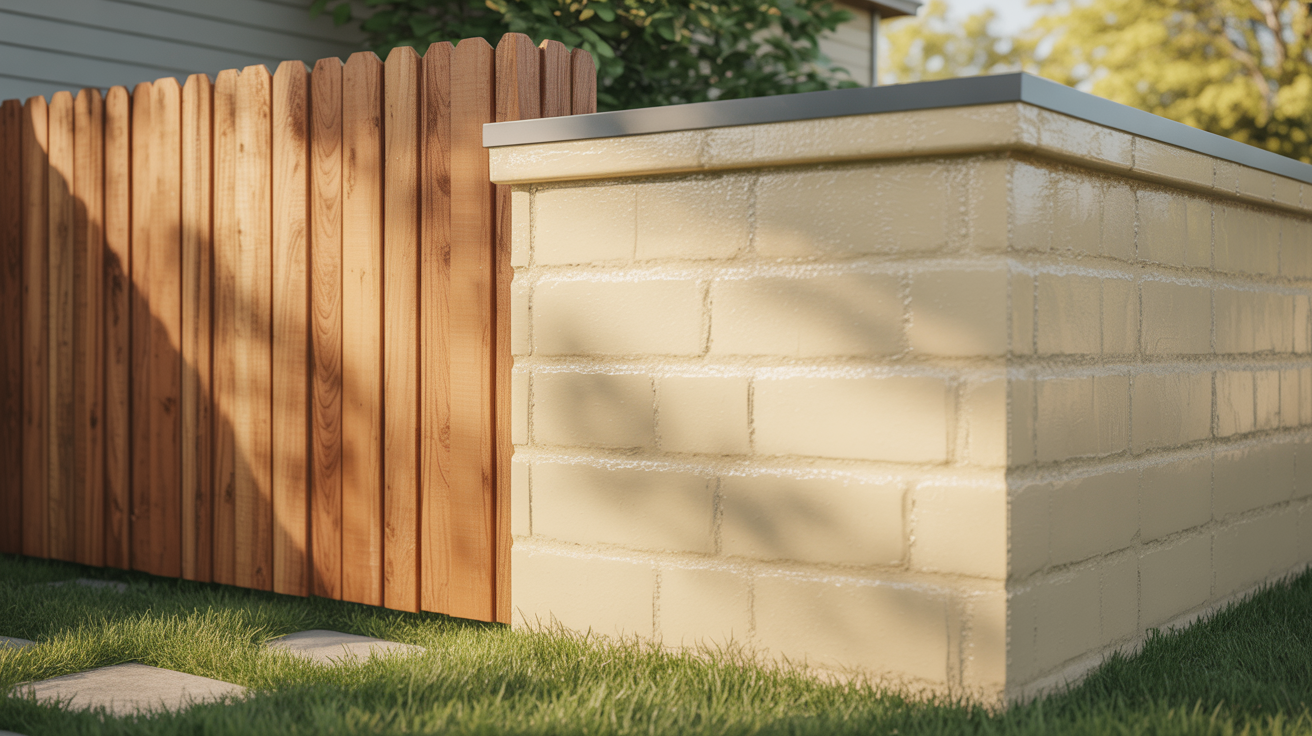
Water based enamel sticks well to wood siding, fences, and even masonry surfaces. It flexes slightly as the material expands and contracts with temperature.
This helps it resist cracking and peeling over time. It also holds color well without fading quickly under UV light.
Metal Surfaces and Railings
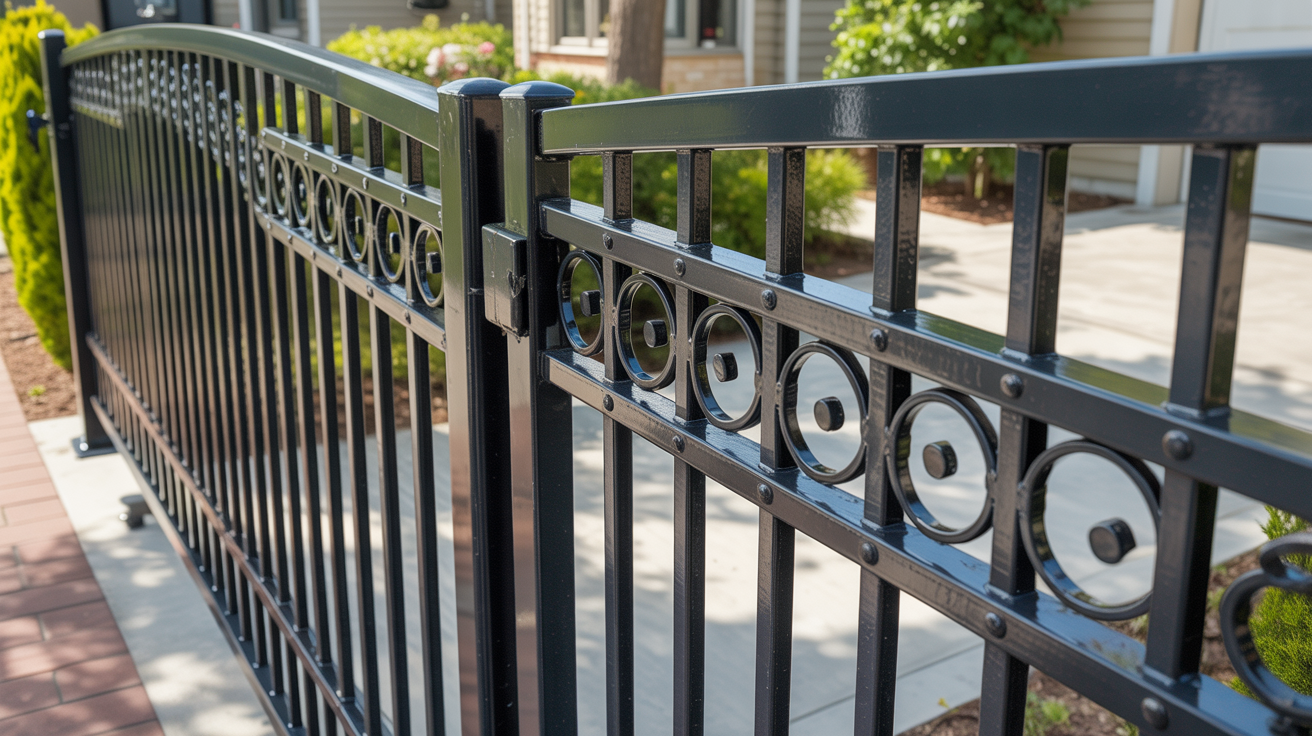
Metal porch railings, gates, and outdoor furniture do well with water based enamel. It resists rust when applied over a proper primer.
For decorative metal pieces, it gives a clean, lasting finish without attracting excess heat the way darker coatings sometimes can.
Best Uses for Oil Based Enamel Paint
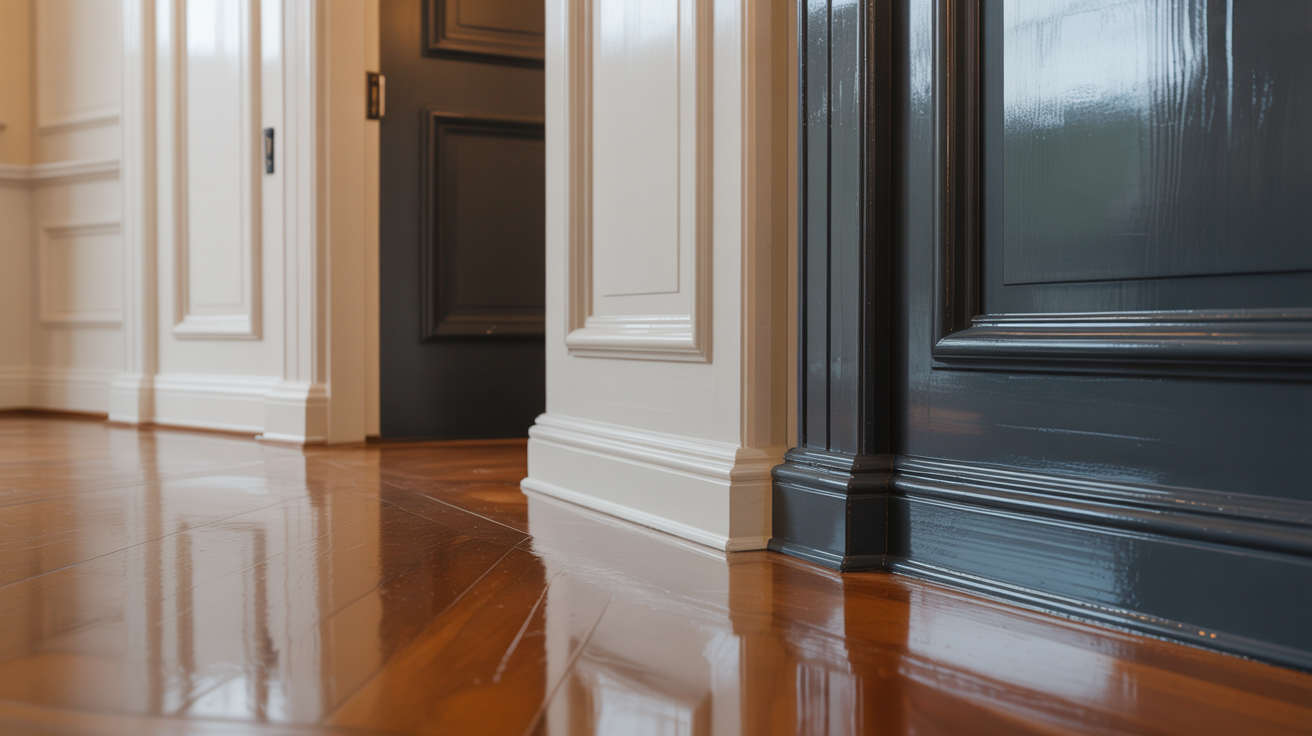
Oil based enamel still has its place. Some surfaces and situations call for its specific strengths.
High Traffic Surfaces
Floors, stair treads, and garage floors benefit from oil based enamel. It cures into an extremely hard surface that handles foot traffic, dropped tools, and heavy use.
The longer cure time is worth it when durability is the top priority.
Window Frames and Doors
Exterior window frames and doors face sun, rain, and constant use. Oil based enamel creates a very tough barrier against the elements.
It also levels well, which reduces the chance of drips and brush marks on detailed surfaces. Many painters still prefer it for exterior millwork.
Surfaces Requiring a Smooth Gloss Finish
When you want a finish that looks almost like factory applied paint, oil based enamel delivers. It self levels as it dries.
The result is a glassy surface with very few imperfections. This is especially useful for furniture pieces meant to have a showroom quality look.
How to Choose Between Water Based and Oil Based Enamel Paint
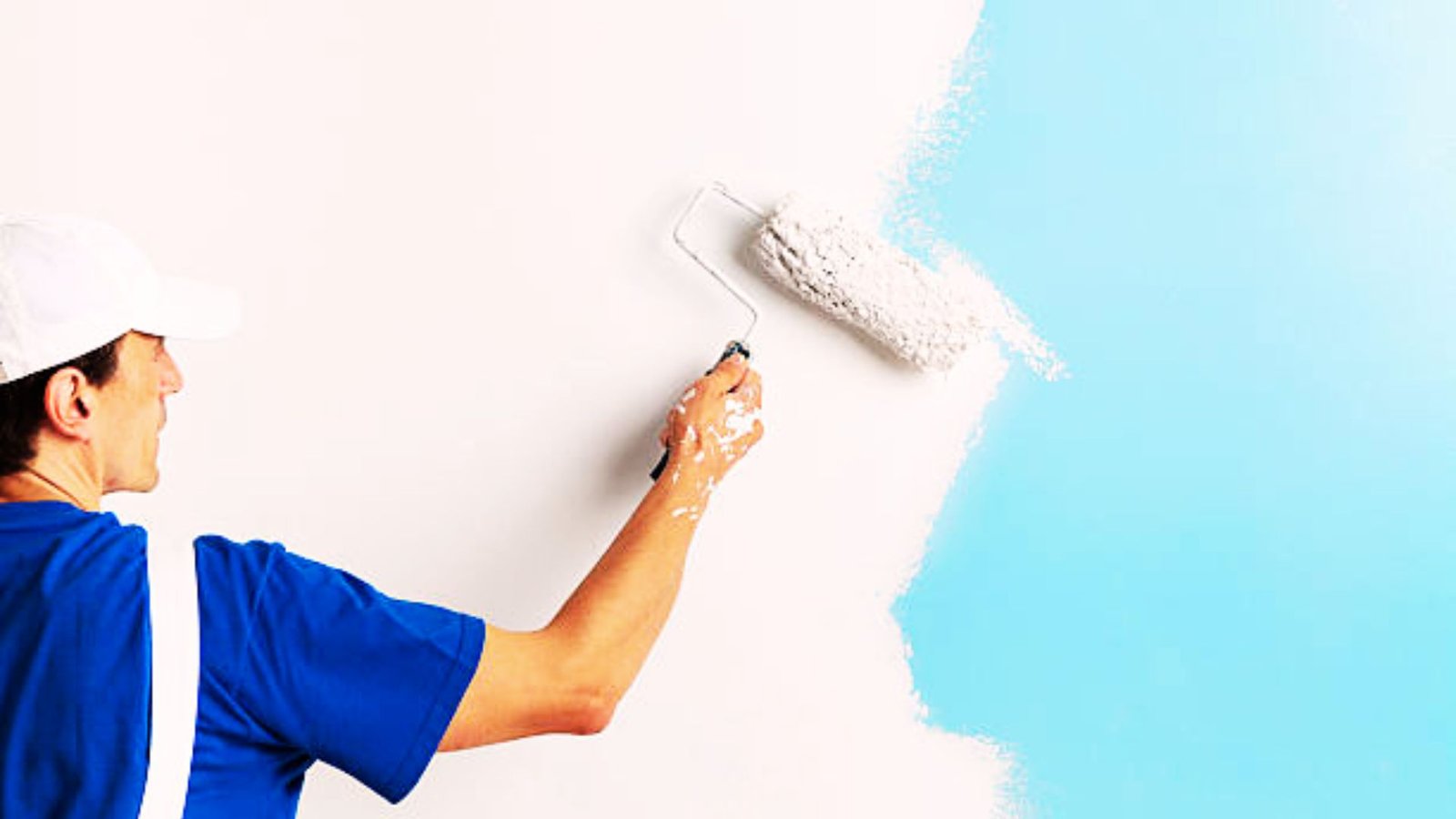
Match your paint type to the surface, conditions, and your experience level.
| Factor | Water Based Enamel | Oil Based Enamel |
| Best for Indoor Projects | Smarter choice low fumes, dries fast, easy cleanup | Better for floors or high gloss showpieces needing an extremely hard finish |
| Best for Outdoor Projects | Holds up better over time, resists cracking and yellowing on large surfaces like decks and siding | Great for exterior doors and trim where a very hard finish matters |
| Which Lasts Longer? | Modern formulas last just as long on cabinets and trim with proper prep | Traditionally lasts longer on very hard surfaces, cures to a denser finish |
| Better for Beginners? | Yes,dries fast, mistakes are easy to fix, simple cleanup, lower fumes | Requires more patience, better ventilation, and experience to avoid drips and brush marks |
Common Mistakes to Avoid
A few simple errors can ruin even the best paint job. Here is what to watch out for.
Choosing the Wrong Enamel Type
Using oil based paint in a poorly ventilated indoor space is a common mistake. It can cause headaches and lingering fumes.
Similarly, using water based enamel on a high wear floor without the right product rating can lead to early peeling. Always match the paint type to the surface and the conditions.
Skipping Surface Preparation
Paint sticks best to clean, smooth surfaces. Painting over grease, dust, or loose old paint leads to peeling and poor adhesion.
Sand rough areas, wash greasy spots, and fill any cracks before you open the can. Good prep is what makes the finish last.
Applying Thick Coats Too Quickly
Thick coats take longer to dry and often sag or drip. They can also trap solvents underneath, which leads to bubbling later.
Thin coats dry faster and bond better. Two thin coats almost always beat one thick one.
Ignoring Recommended Dry Time
Touching, recoating, or using a surface before it is fully dry causes damage. The surface may feel dry to the touch but still be soft underneath.
Always follow the manufacturer's recoat and cure time guidelines. Oil based paint in particular needs full cure time before it reaches peak hardness.
Tips for Applying Enamel Paint
Here are 5 key tips for applying enamel paint:
- Clean and sand the surface thoroughly, then wipe away all dust before painting bare wood or metal should get a primer coat first.
- Match your primer to your paint type: water based primer under water based enamel, oil based under oil based (always check the label).
- Apply thin, even coats using smooth, consistent strokes in one direction, and use a short nap roller sleeve for the smoothest results.
- Let each coat dry fully before adding the next. Don't rush the process.
- Remember that drying and curing are different: oil based enamel can take up to 30 days to fully harden, so hold off on heavy use or scrubbing until it's completely cured.
Conclusion
Applying enamel paint well is genuinely satisfying the first time I got a truly smooth, streak free finish, I was hooked. It just takes a little patience and the right prep.
Whether you're refreshing old furniture or tackling a bigger project, these tips will make the process so much easier.
Trust the process, go slow, and don't skip that cure time! Have you tried enamel paint recently? I'd love to hear how your project turned out. Drop a comment below and share your experience!
Frequently Asked Questions
What is enamel paint best used for?
Enamel paint works great on surfaces that need a hard, durable finish, think cabinets, doors, trim, and metal. It holds up well against moisture, stains, and daily wear.
Do I need to sand before applying enamel paint?
Lightly sanding glossy surfaces helps the paint grip properly and improves the final result. Always wipe away dust completely before you begin painting.
How many coats of enamel paint should I apply?
Two thin coats usually give the best coverage and a smoother finish than one thick coat. Always let the first coat dry fully before applying the next.
Can I use enamel paint on wood?
Yes, enamel paint works well on wood when the surface is properly cleaned and primed first. A good primer ensures even coverage and helps the paint last longer.
How long does enamel paint take to fully cure?
Water based enamel typically cures within a week, while oil based can take up to 30 days to reach maximum hardness. Avoid heavy use or scrubbing until the paint has fully cured.