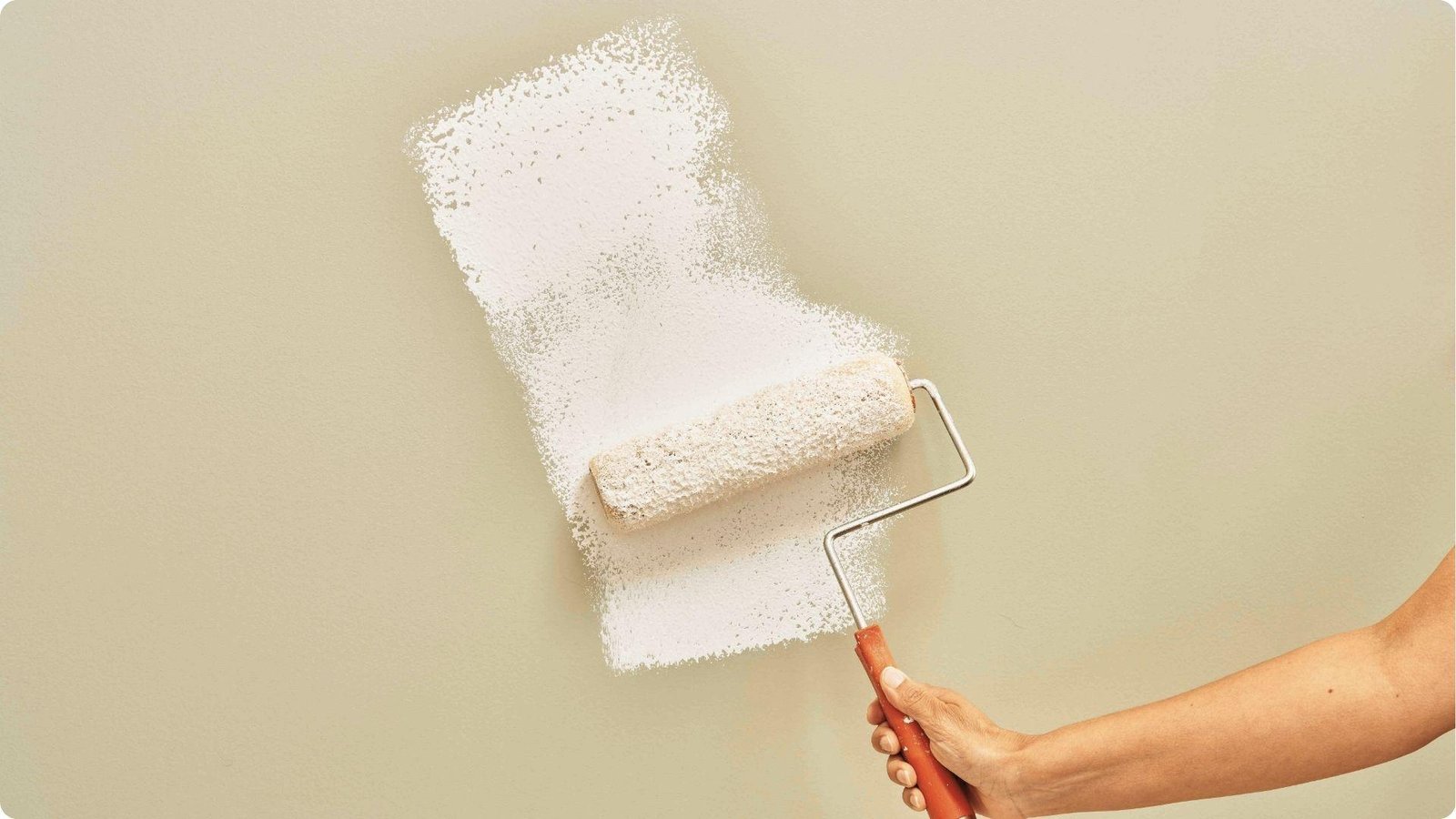
Painting a room sounds simple, but most people get stuck on one question:how many coats do you actually need? Too few and the color looks patchy, too many and you waste time and money.
The answer depends on your surface, your paint, and what you're covering. This article walks you through everything from walls and cabinets to exterior surfaces and primer prep so you know exactly what to do before opening a single can.
With years of experience helping homeowners plan paint projects, I know that getting the coat count right makes all the difference between a flawless finish and a frustrating redo.
What Determines How Many Coats of Paint You Need?
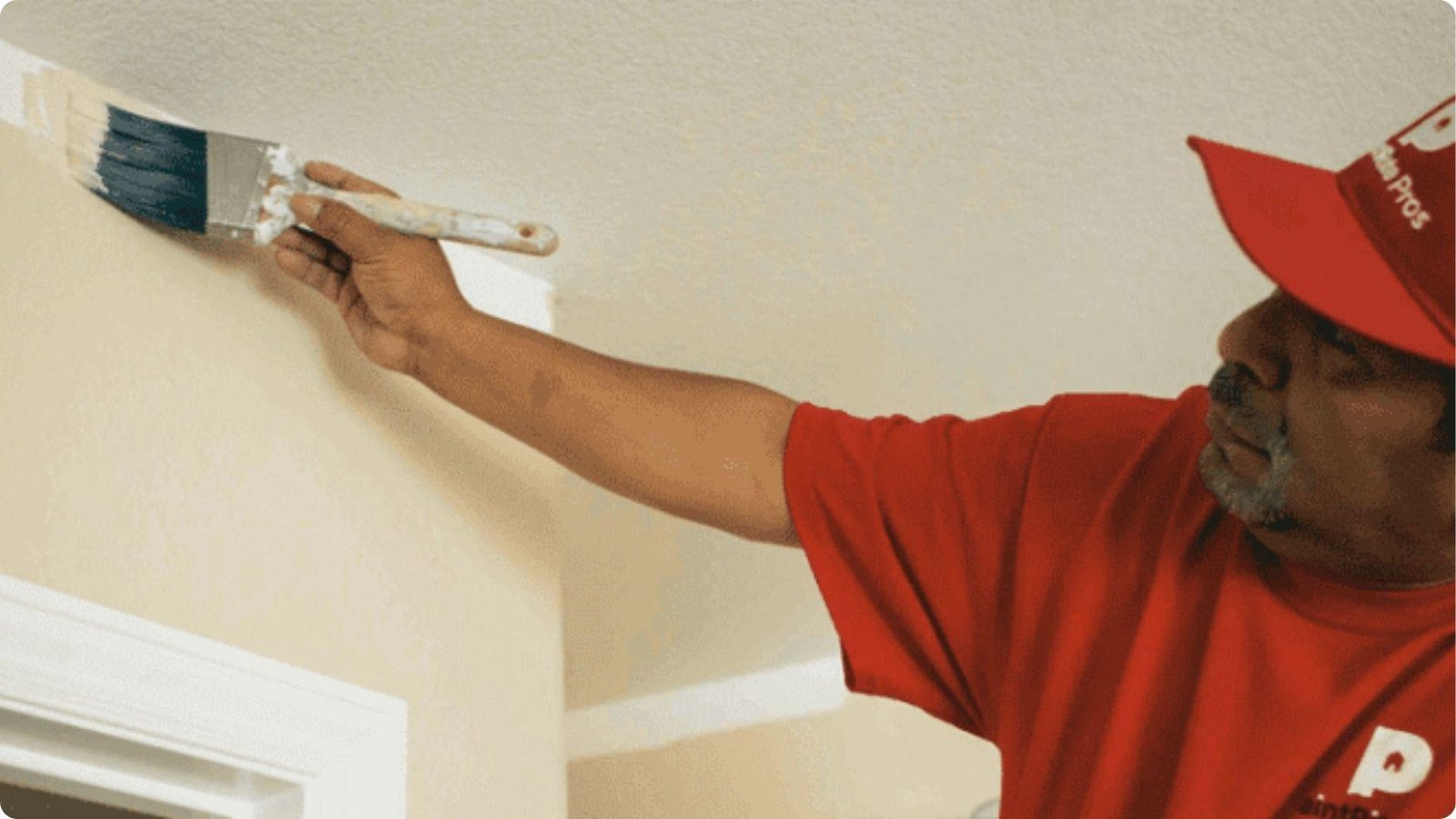
Several factors decide the right number of coats. The surface material matters greatly porous surfaces like drywall, brick, and stucco absorb more paint than metal.
Existing paint condition affects prep needs, with peeling or patched areas requiring priming first. Paint quality plays a role too, as premium paints cover better in fewer coats.
Color changes, especially dark-to-light transitions, often demand extra coats. Finally, environmental conditions like moisture, sun exposure, and high foot traffic influence how many coats are needed for lasting protection and even coverage.
Why Two Coats of Paint Are Usually Recommended
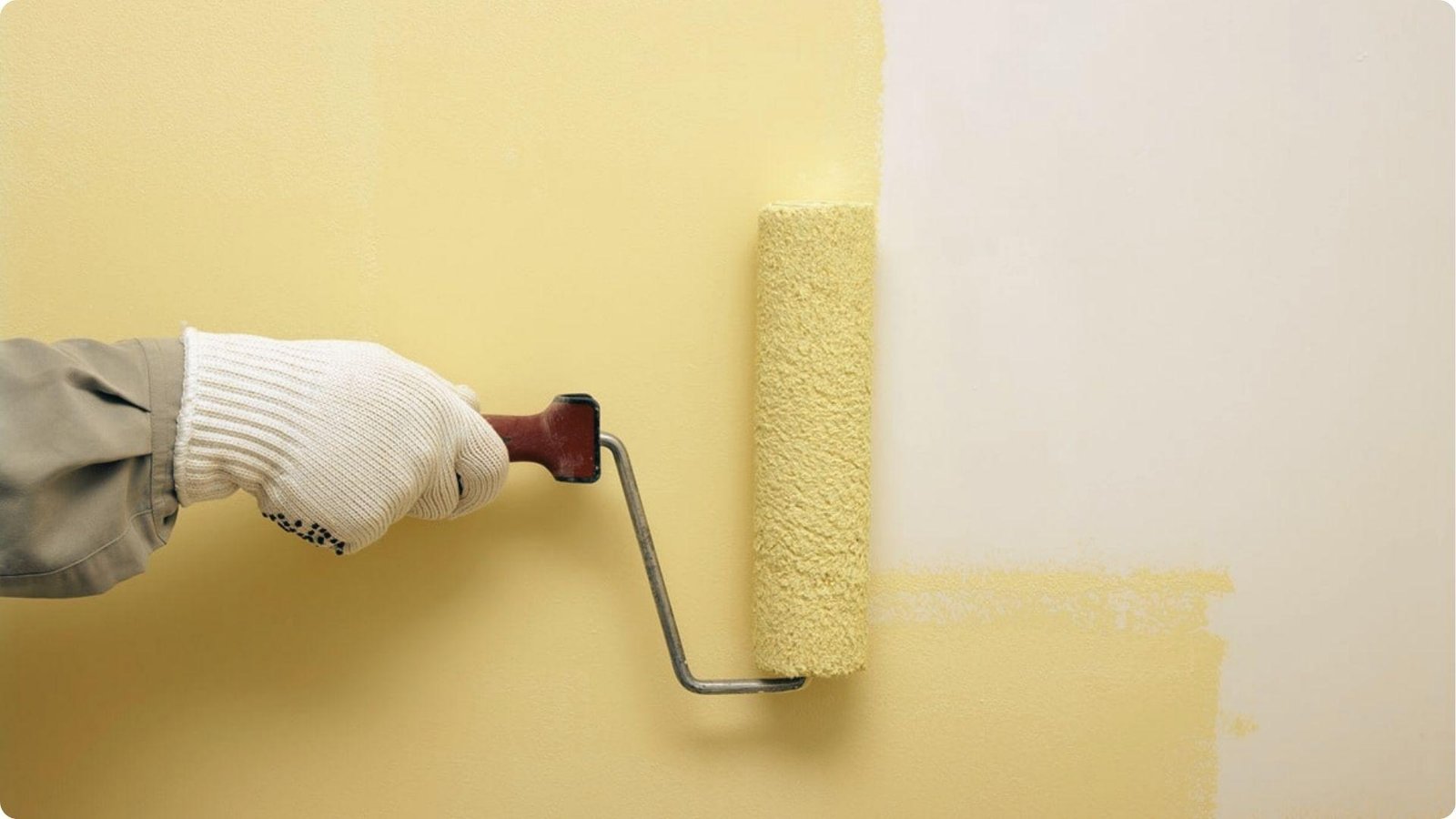
Skipping the second coat is the most common mistake that leads to uneven, short-lived results.
Better Color Consistency
One coat often dries unevenly, leaving streaks or thin spots. A second coat fills those gaps for smooth, consistent coverage.
Improved Durability and Protection
A single coat scratches and wears through faster. Two coats build a thicker layer that holds up better against daily use.
Smoother and More Professional Finish
Two coats create a cleaner, more polished look with deeper color. Professional painters apply two coats as standard practice.
Longer Paint Lifespan
Two coats simply last longer, meaning fewer repaints over time. The extra effort upfront saves money in the long run.
Better Resistance to Moisture and UV Rays
A thicker paint layer seals better against water and sunlight. This matters most in kitchens, bathrooms, and on exterior walls.
How Many Coats of Paint on Wall Surfaces?
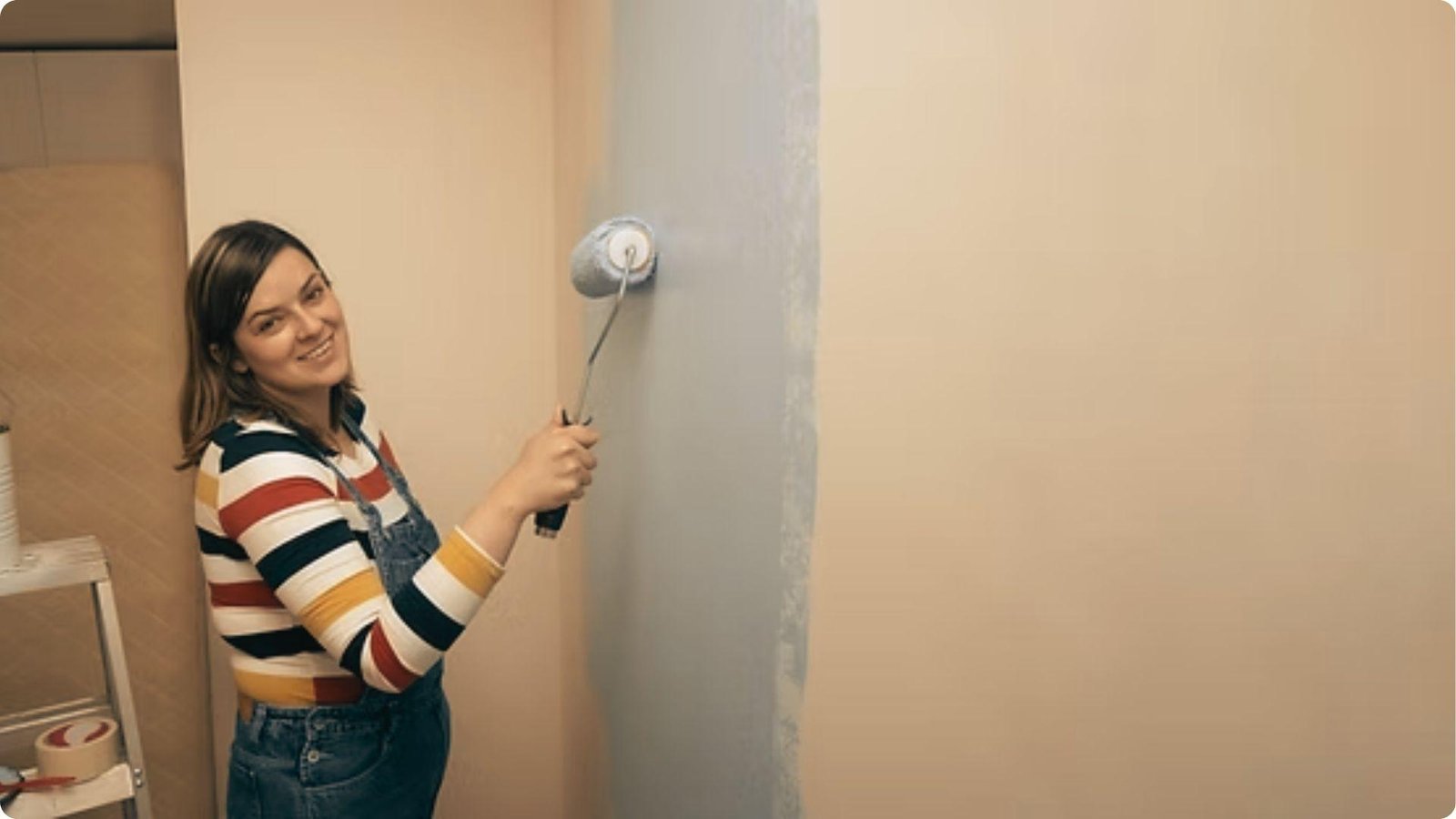
The right number of coats depends on the wall's condition, color, and texture.
Newly Installed Drywall
The new drywall is porous and soaks up the first coat quickly. Always apply primer plus at least two finish coats for an even result.
Previously Painted Walls
Walls in good condition typically need two coats when refreshing color. If the new shade is similar to the old one, two coats are enough.
Textured Walls and Ceilings
Texture creates more surface area and traps paint unevenly. Two to three coats are often needed for full coverage.
Walls With Stains or Repairs
Stains from water, smoke, or markers bleed through paint without a stain-blocking primer. Prime first, then apply two finish coats.
Painting Over Dark Colors
Use a tinted primer that closely matches your new color as a starting point. Two finish coats after that should give full, even coverage.
How Many Coats of Paint for Interior Walls?
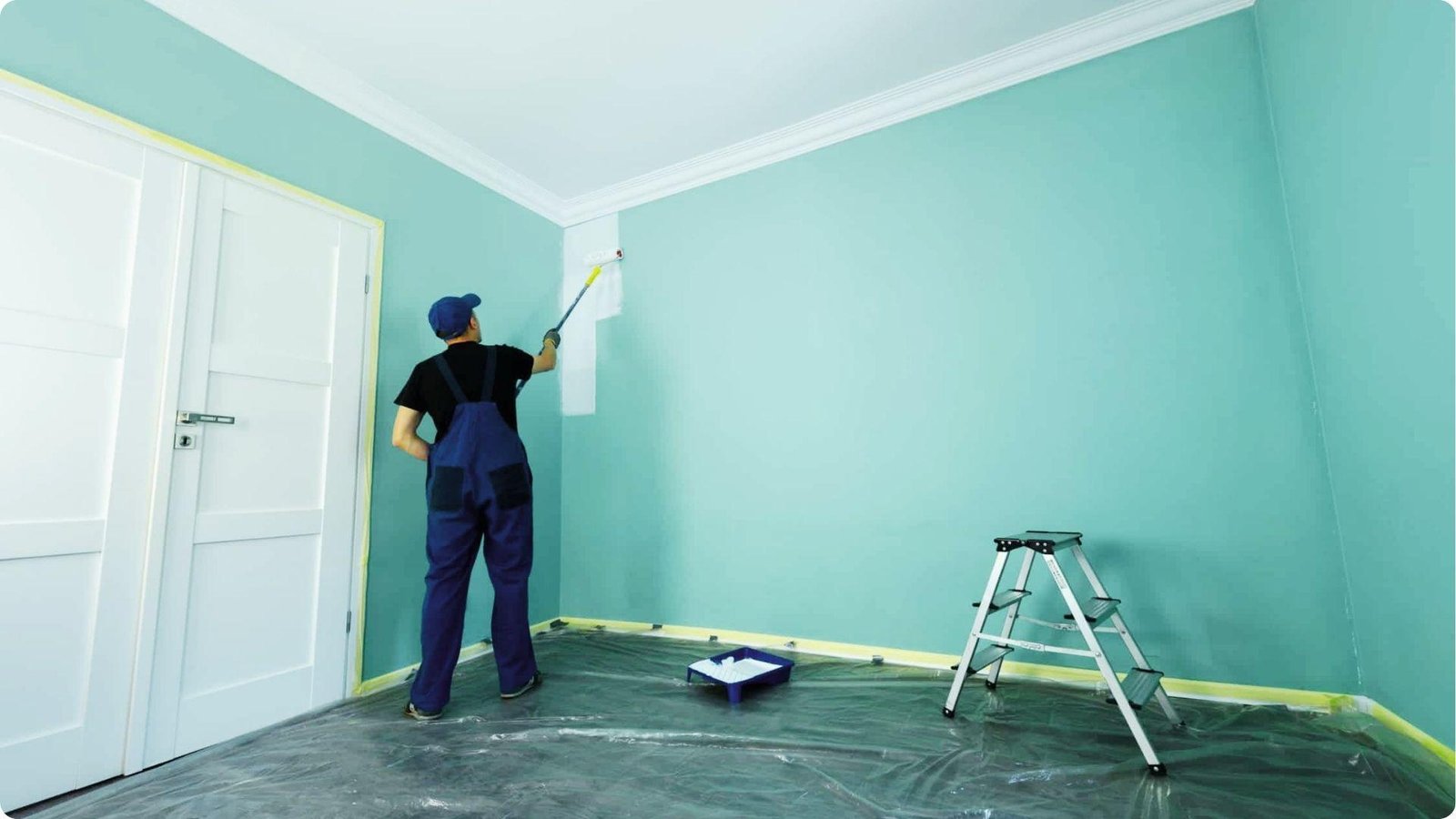
Each room has different demands, and choosing the right number of coats keeps walls looking fresh longer.
Living Rooms and Bedrooms
These low-traffic areas do well with two coats and a flat or eggshell finish. The result is clean, consistent, and long-lasting.
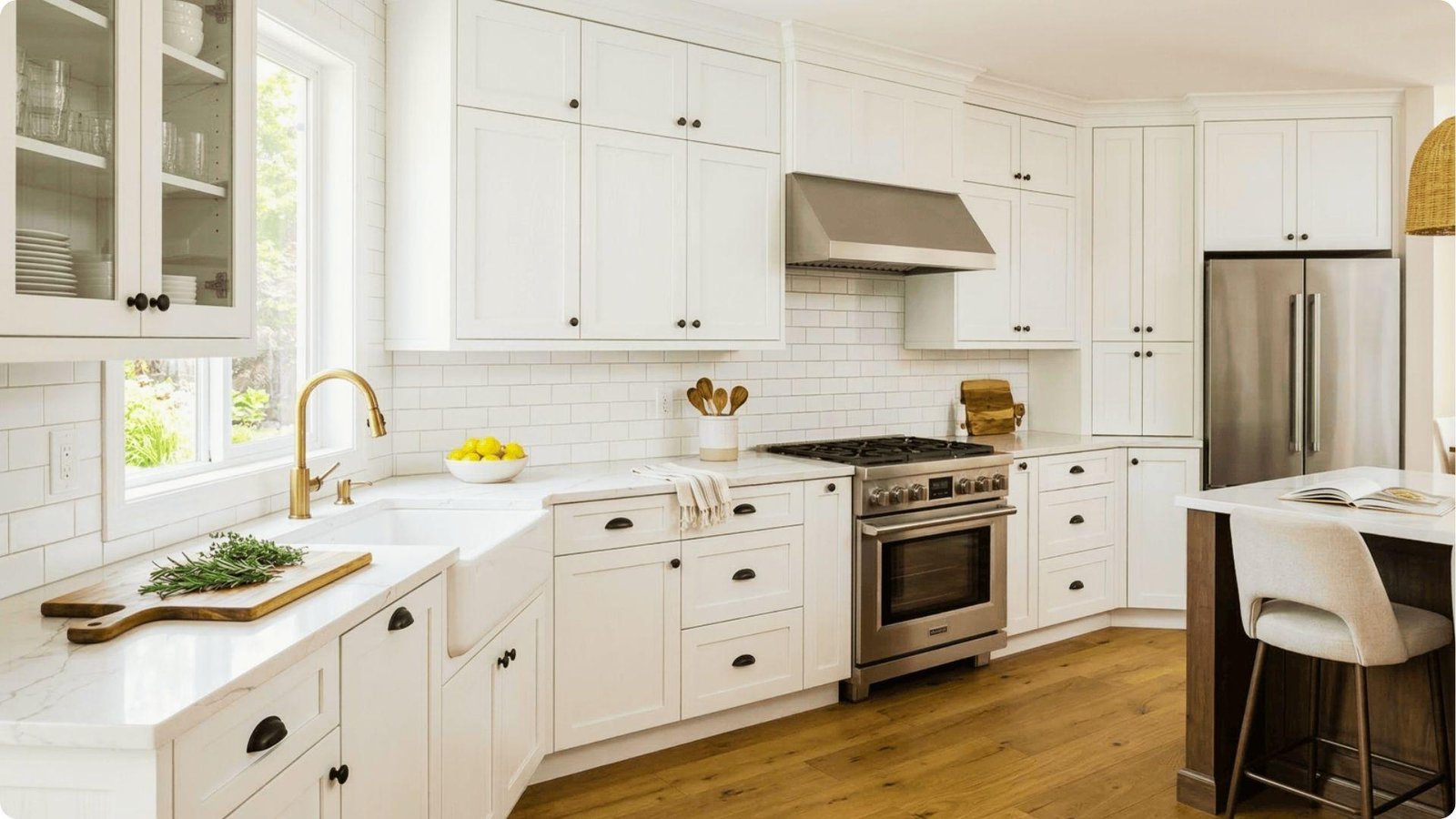
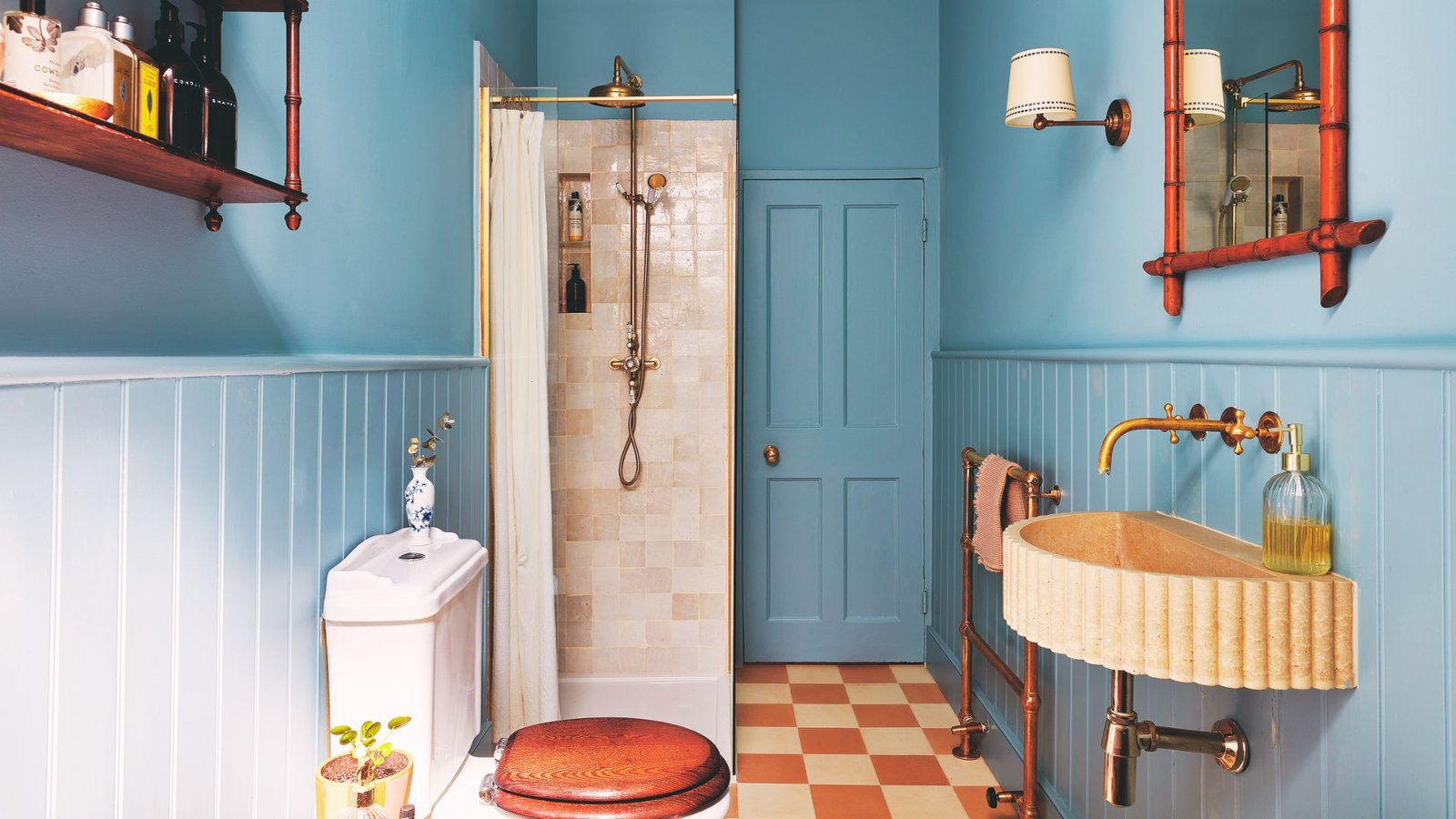
Kitchens and Bathrooms
Two coats of semi-gloss or satin paint handle moisture, steam, and grease well. The finish also makes walls much easier to clean.
Hallways and High-Traffic Areas
Hallways take constant scuffs and bumps, so two coats of satin or semi-gloss are recommended. A third coat adds extra durability in very busy spots.
Accent Walls and Feature Walls
Bold or deep colors may need three coats for rich, full coverage. A tinted primer underneath reduces the number of finish coats required.
Best Finish Types for Interior Walls
Flat finishes hide imperfections but are harder to clean. Eggshell and satin are easier to wipe and work well in most rooms.
How Many Coats of Paint After Primer?

Primer sets the foundation, but finish coats are what deliver lasting color, sheen, and protection.
Why Primer Matters Before Painting
Primer seals the surface, blocks stains, and helps paint adhere better. It creates a consistent base that makes finish coats look more even.
When One Coat After Primer May Work
One finish coat can be enough if the color change is minor and the surface is smooth. High-quality paint with strong coverage makes this more likely to succeed.
Why Most Projects Still Need Two Finish Coats
Primer does not provide color depth or sheen paint does. Two finish coats deliver full color, a smooth surface, and better durability.
Primer Mistakes That Affect Paint Coverage
Applying primer too thin leaves the surface unsealed and causes uneven absorption. Skipping primer on new drywall or repairs leads to more coats and more work.
Best Primer Types for Different Surfaces
PVA primer suits new drywall, oil-based primer works well on wood and stains, and bonding primer handles slick or glossy surfaces. Choosing the right primer reduces the number of finish coats needed.
How Many Coats of Paint for Exterior Surfaces?
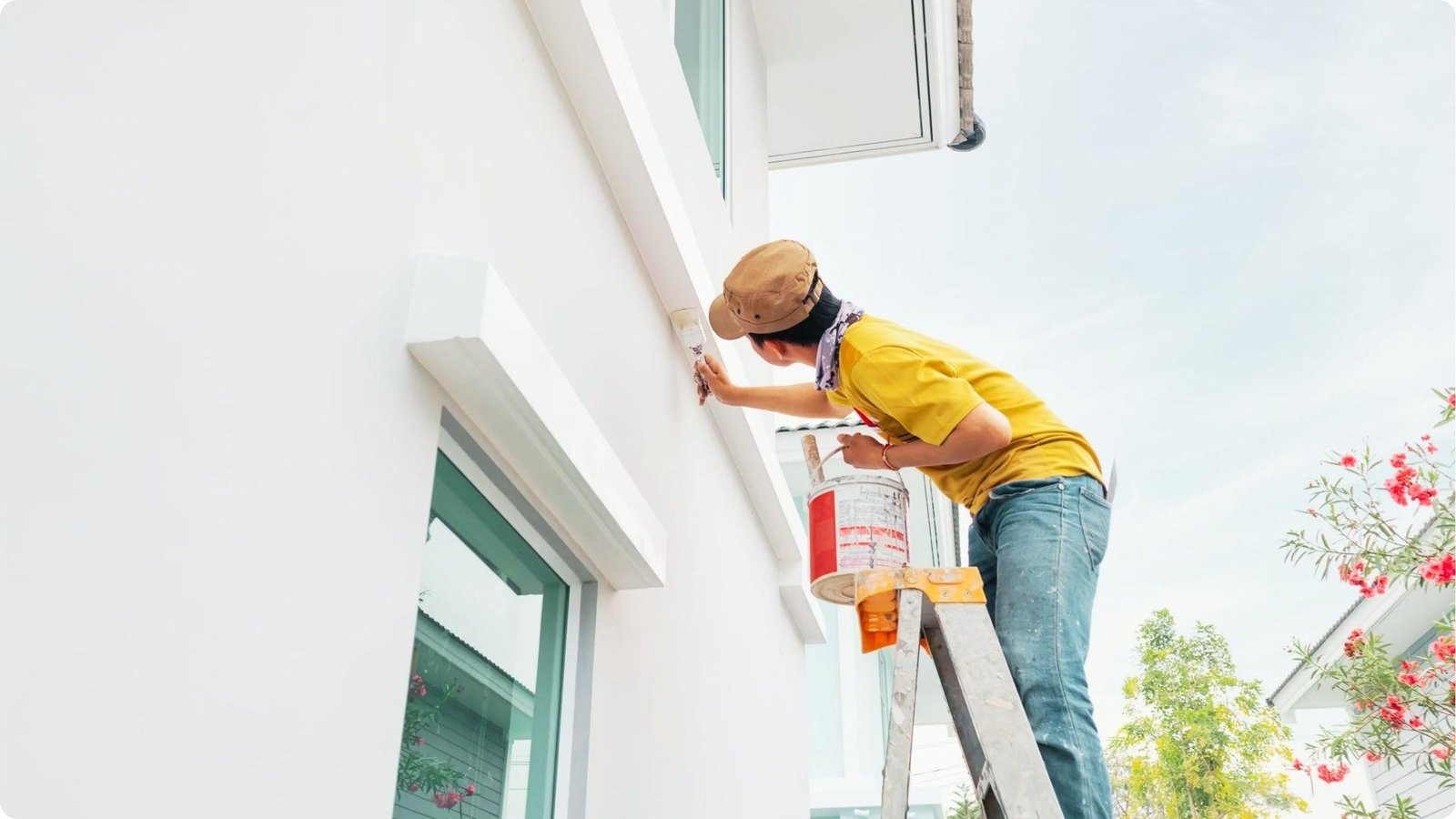
Outdoor surfaces face weather, UV rays, and moisture year-round, making thorough coverage necessities.
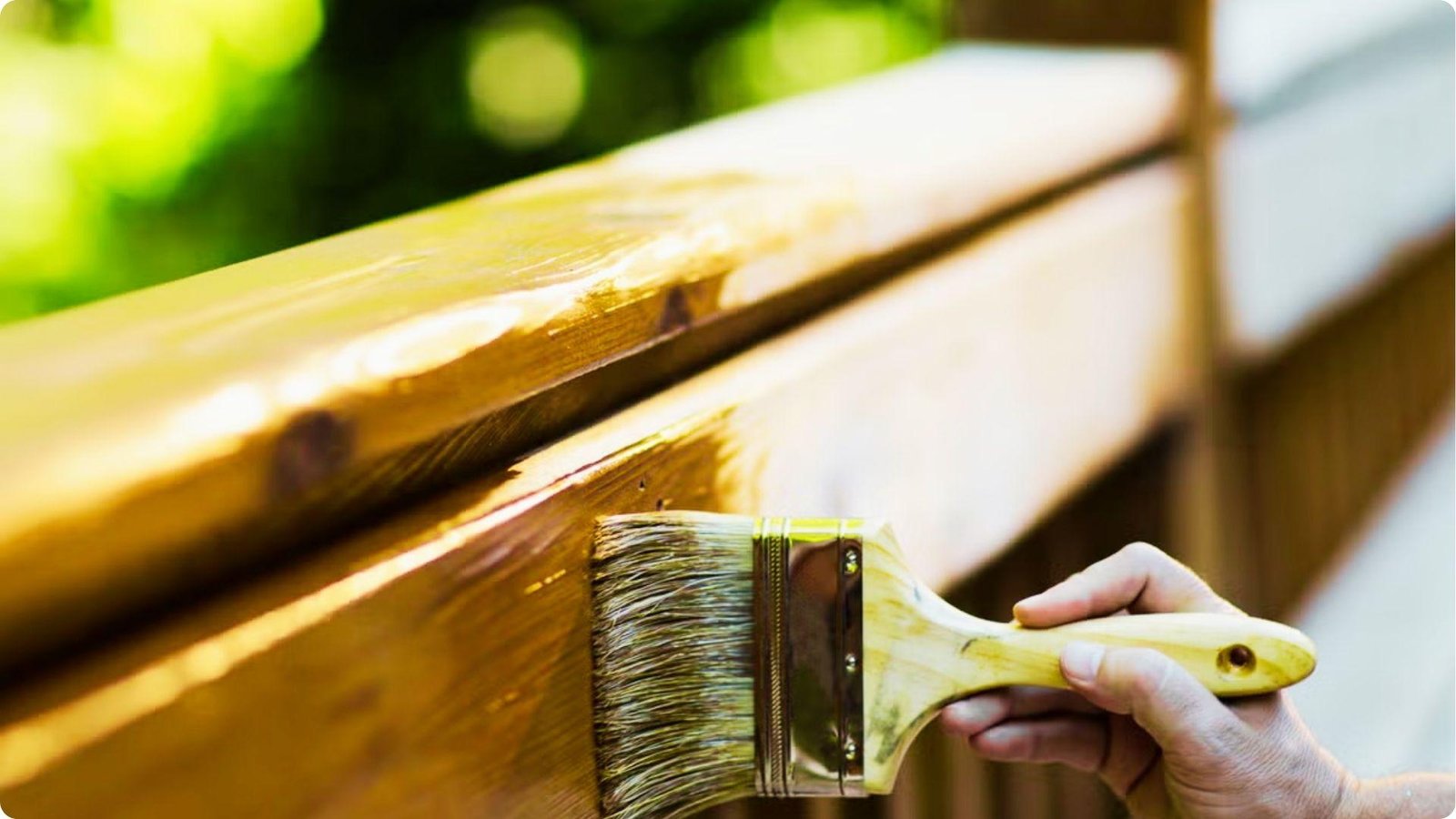
Exterior Siding and Wood Surfaces
Bare or weathered wood needs primer followed by two coats of exterior paint. Already-painted siding in good condition usually just needs two fresh coats.
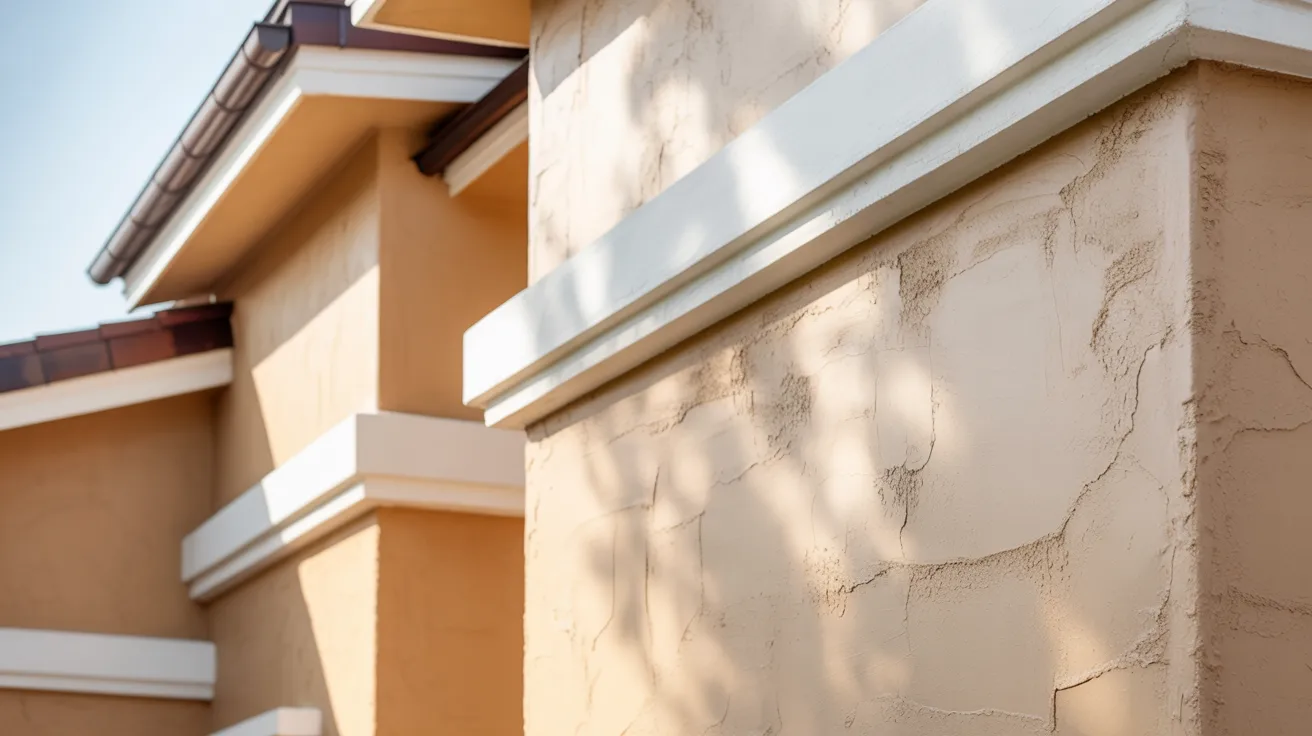
Stucco, Brick, and Masonry Exteriors
These porous surfaces absorb more paint than smooth ones. Two to three coats, plus a masonry primer, are typical for proper coverage.
How Weather Exposure Affects Paint Needs
Harsh climates cause paint to peel, crack, and fade faster. This often means more frequent repaints and more coats each time.
Sunlight, Moisture, and UV Protection
Two coats of high-quality exterior paint with UV protection last significantly longer than one. Moisture-prone areas like soffits benefit from an extra coat.
Why Exterior Paint Usually Needs More Durability
Wind, rain, heat, and cold constantly work against the finish. Two full coats are the minimum for any exterior job, using paints made with stronger binders.
Can Too Many Coats of Paint Cause Problems?
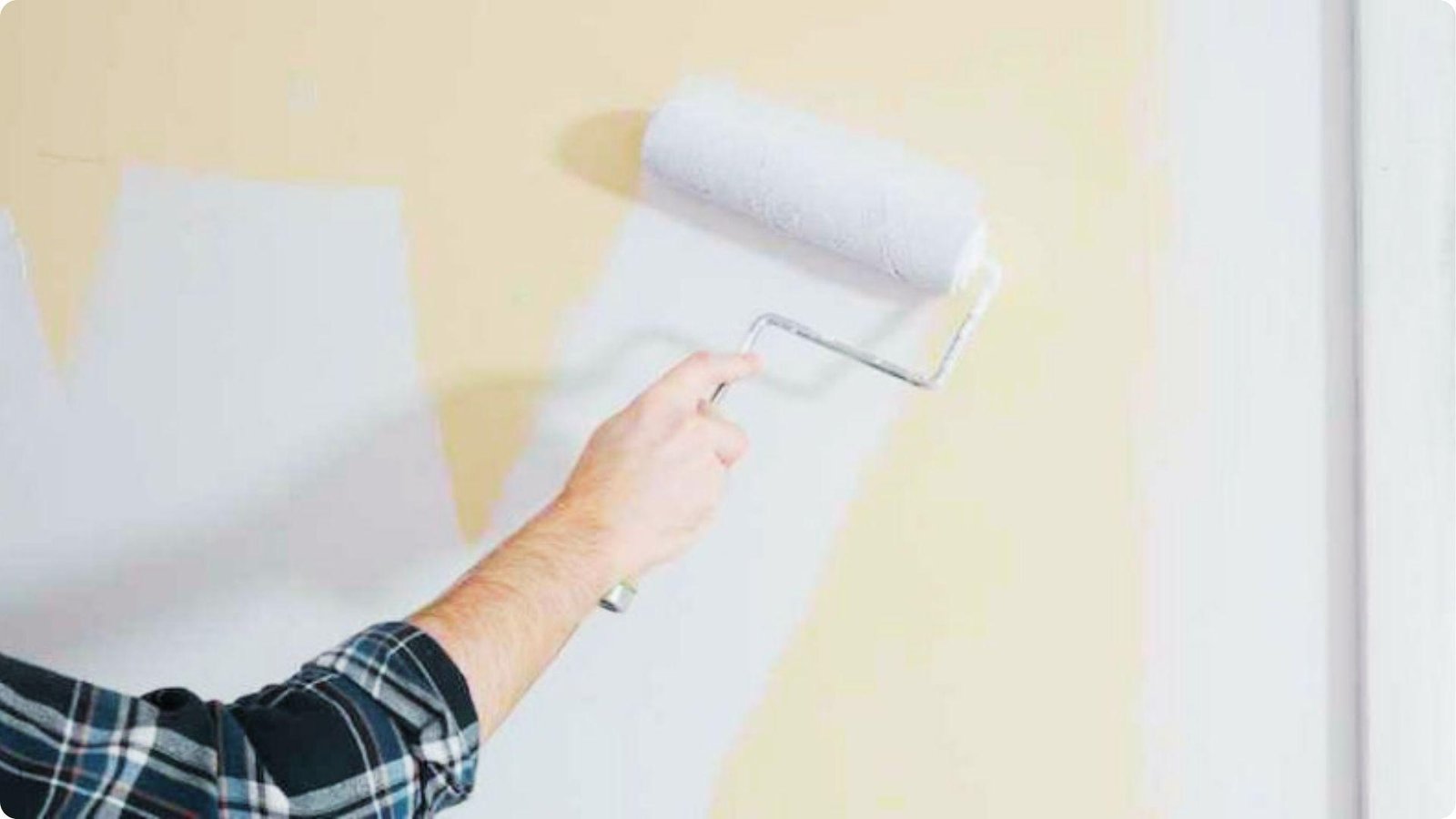
More is not always better, excessive layers can create just as many issues as too few.
Paint Buildup and Thick Film Issues
Too many layers create a film too thick to flex naturally. The surface can look uneven, feel bumpy, and lose its smooth finish.
Peeling, Cracking, and Poor Adhesion
Excess buildup causes paint to crack or peel, especially at edges and corners. This happens when layers become too heavy to stay properly bonded.
Longer Drying and Curing Times
Applying too many coats without waiting leaves the paint underneath soft. The surface becomes prone to dents and may never fully harden.
Signs Your Surface Has Been Overpainted
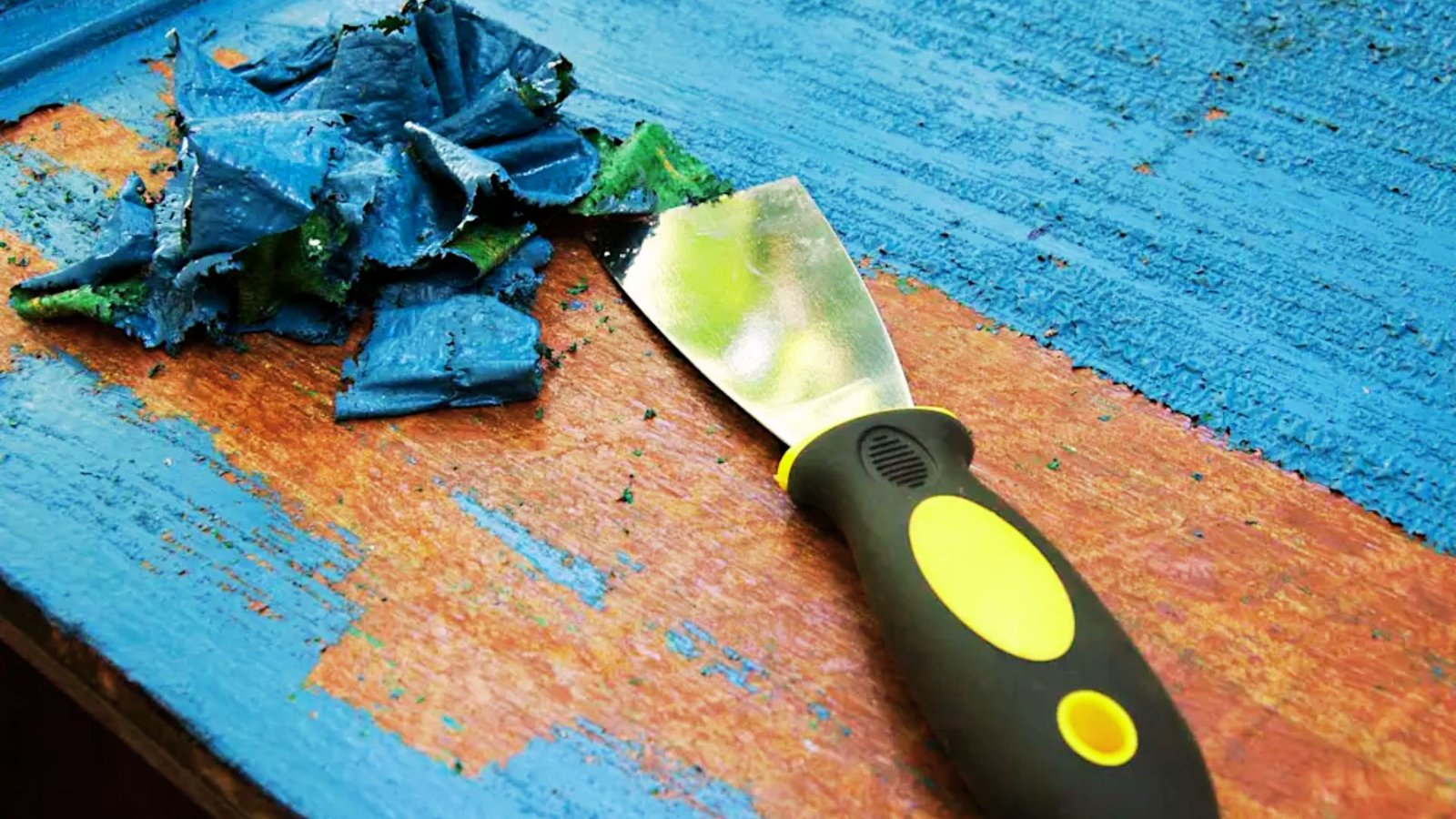
Alligatoring patterns, peeling in thick sheets, or visible ridges are all warning signs. These indicate the surface needs stripping before any new paint is applied.
Tips for Getting a Smooth and Long-Lasting Paint Finish
Good preparation and technique make a bigger difference than the number of coats.
- Clean the surface and fill any cracks before you start.
- Apply primer on bare, stained, or repaired surfaces before painting.
- Use quality brushes and rollers suited to your surface texture.
- Apply two thin coats rather than one thick one, working in long smooth strokes.
- Always do a final check in natural light to catch thin spots and missed areas.
Conclusion
Figuring out how many coats of paint you need does not have to be stressful. I have seen people rush this step and end up redoing the whole wall two months later. It is not worth it.
Start with good prep, use the right primer, and apply two solid coats. That simple approach works for most surfaces.
If you found this guide helpful, drop a comment below and let me know what you are painting. Share this with someone who has a project coming up it might save them a lot of time.
Frequently Asked Questions
How many coats of paint do walls usually need?
Most walls need two coats of paint for full, even coverage. New or bare surfaces may need an extra coat after primer to look their best.
How many coats of paint for interior walls are best?
Two coats are the standard for interior walls. High-traffic areas or bold color changes may need a third coat for better durability and color depth.
How many coats of paint after primer should you apply?
Two finish coats after primer give the best results for most projects. One coat may work if the color change is minor and the paint has strong coverage ability.
How many coats of paint on cabinets give the best finish?
Cabinets need two to three thin coats for a durable, smooth finish. Sanding lightly between coats gives a cleaner result and helps each layer stick properly.
Does premium paint reduce the number of coats needed?
Premium paint has more pigment and better coverage than budget options. In many cases, it can cover well in two coats where a cheaper paint might need three or more.