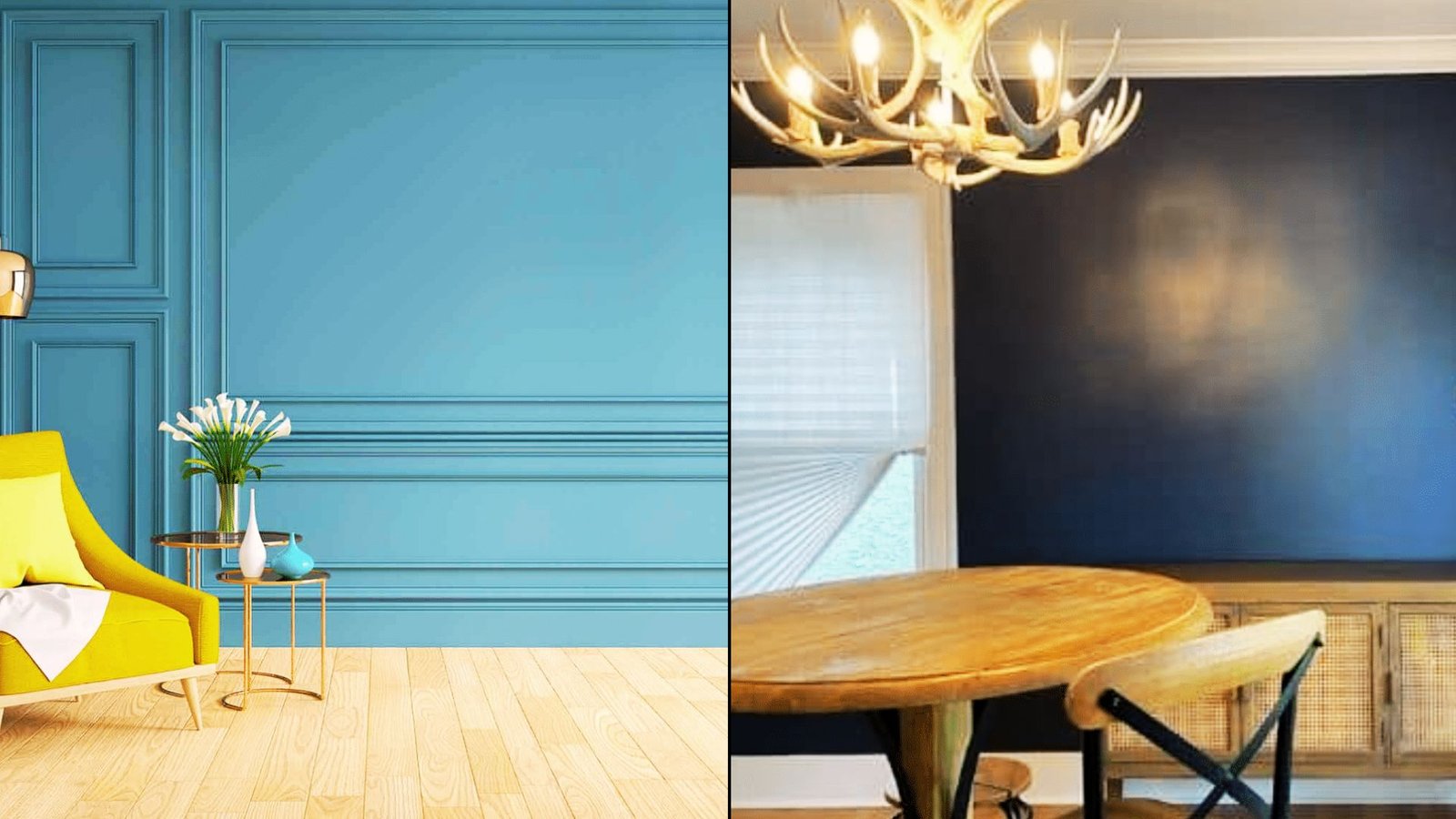
Picking the wrong exterior paint finish is a costly mistake. I've seen it happen more times than I'd like to admit.
Flat and satin paints look similar on the shelf. But they behave very differently on your walls.
In this guide, I'll break down exactly how flat and satin exterior paints differ and which one actually fits your home, climate, and maintenance style.
We'll cover the key differences between both finishes, which works best for your surface and weather, and the common mistakes to avoid before you buy.
No fluff. Just clear, practical advice to help you choose right the first time.
What Is Flat Exterior and Satin Exterior Paint?
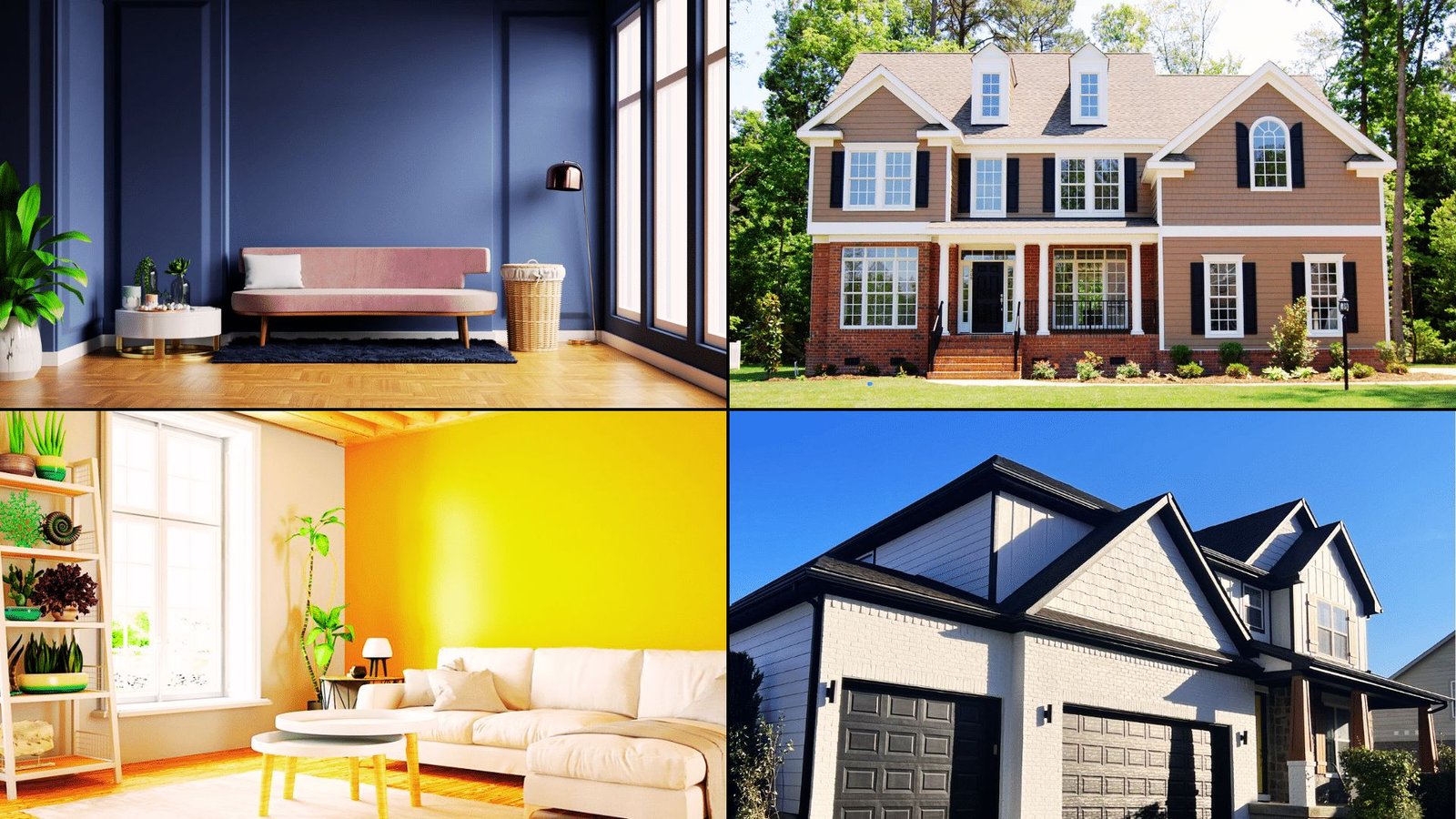
Flat and satin exterior paints differ in finish and function, each serving specific surfaces and weather conditions effectively.
Exterior paint does more than add color. It protects your home from rain, sun, and heat. The finish you choose affects both the look and how long the paint lasts.
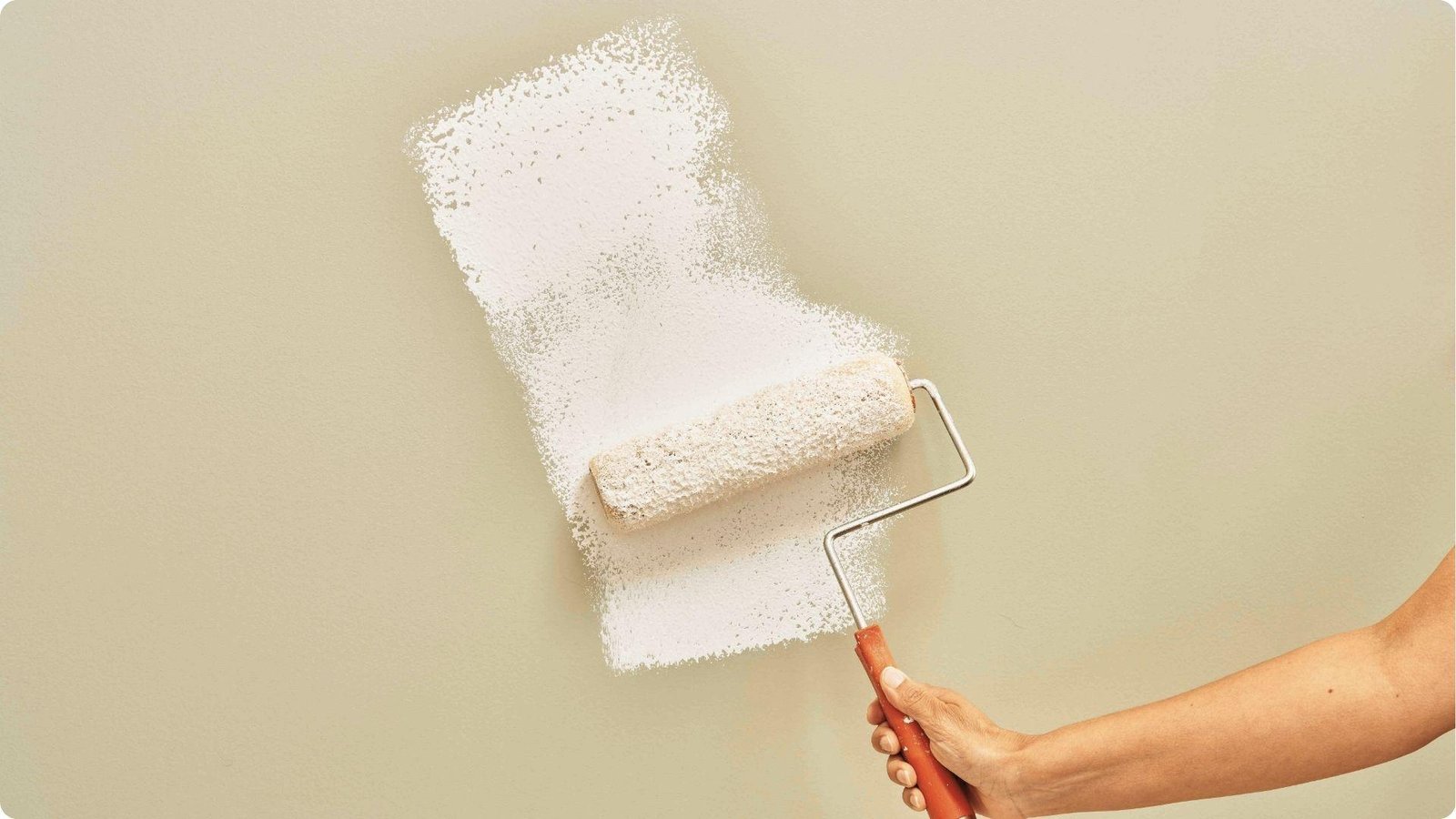
Flat exterior paint has no shine. It covers surface flaws well, making it a good fit for rough or older walls. The downside is that it is harder to clean and less resistant to moisture.
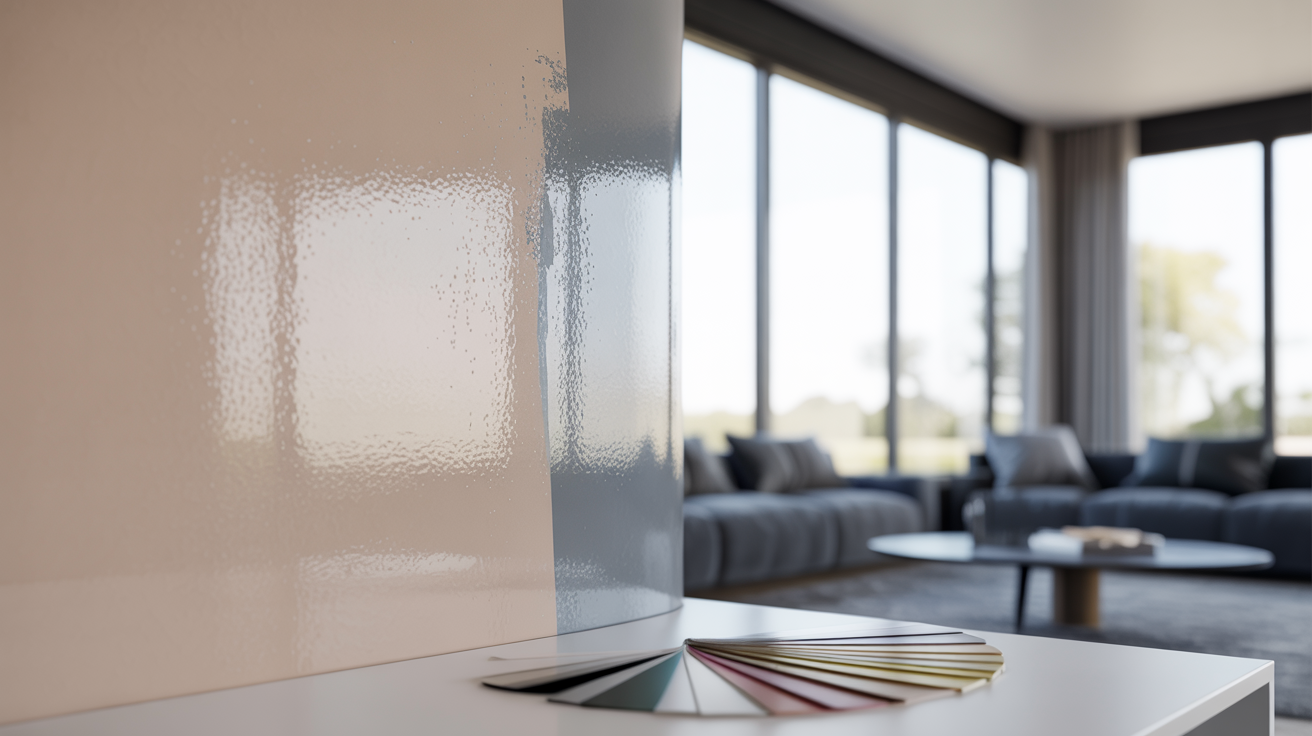
Satin exterior paint has a soft, low sheen. It holds up better against dirt, moisture, and daily wear. It is also easy to wipe clean, which makes it a practical choice for doors, trim, and walls that face direct weather.
Choosing between the two comes down to your surface type, local climate, and how much upkeep you are willing to do.
Flat vs Satin Exterior Paint: Key Differences
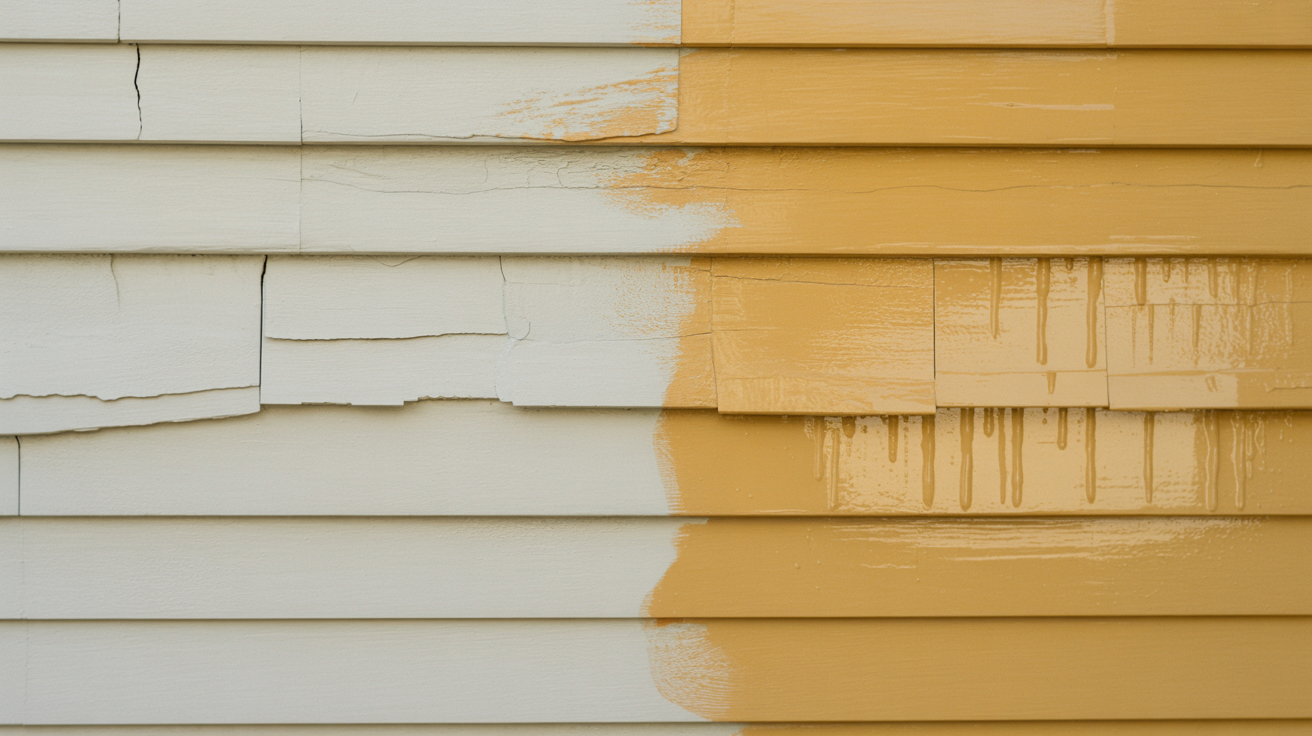
Choosing between flat and satin exterior paint affects how your home looks and holds up over time.
| Factor | Flat Paint | Satin Paint |
| Appearance and Sheen | Matte, chalky finish with no shine. | Slight glow with a polished look. |
| Durability and Longevity | Softer, can scuff and chip over time. | Harder surface, lasts longer. |
| Weather and Moisture Resistance | Porous, absorbs moisture, may peel. | Repels water, great for wet climates. |
| Cleaning and Maintenance | Hard to scrub, needs gentle rinsing. | Easy to wipe or rinse clean. |
| Hiding Surface Imperfections | Softens bumps, cracks, and rough spots. | Highlights surface flaws under light. |
| Touch Ups and Repainting | Patches blend in easily. | Fresh patches may not match older paint. |
Flat vs Satin Exterior Paint: Which Is Better for Your Home?
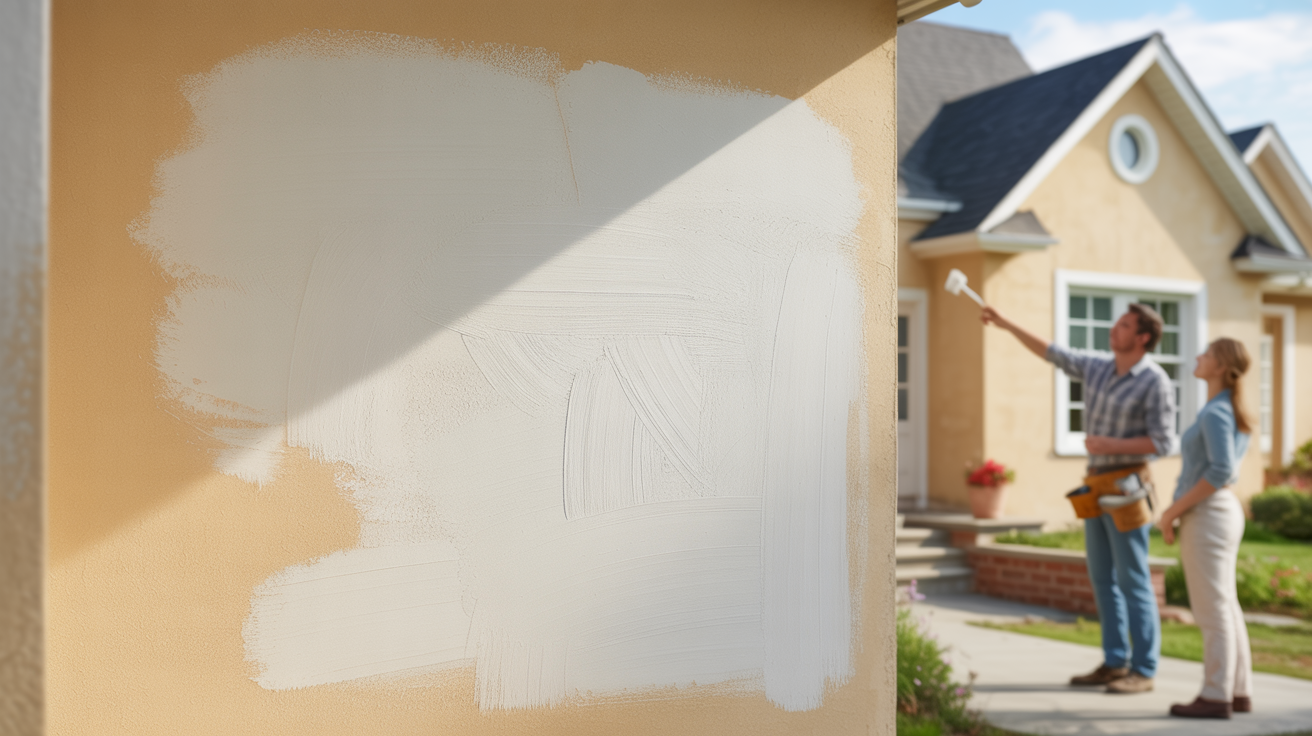
Choosing between flat and satin exterior paint affects how your home looks, holds up, and how easy it is to maintain.
Best for Older Homes
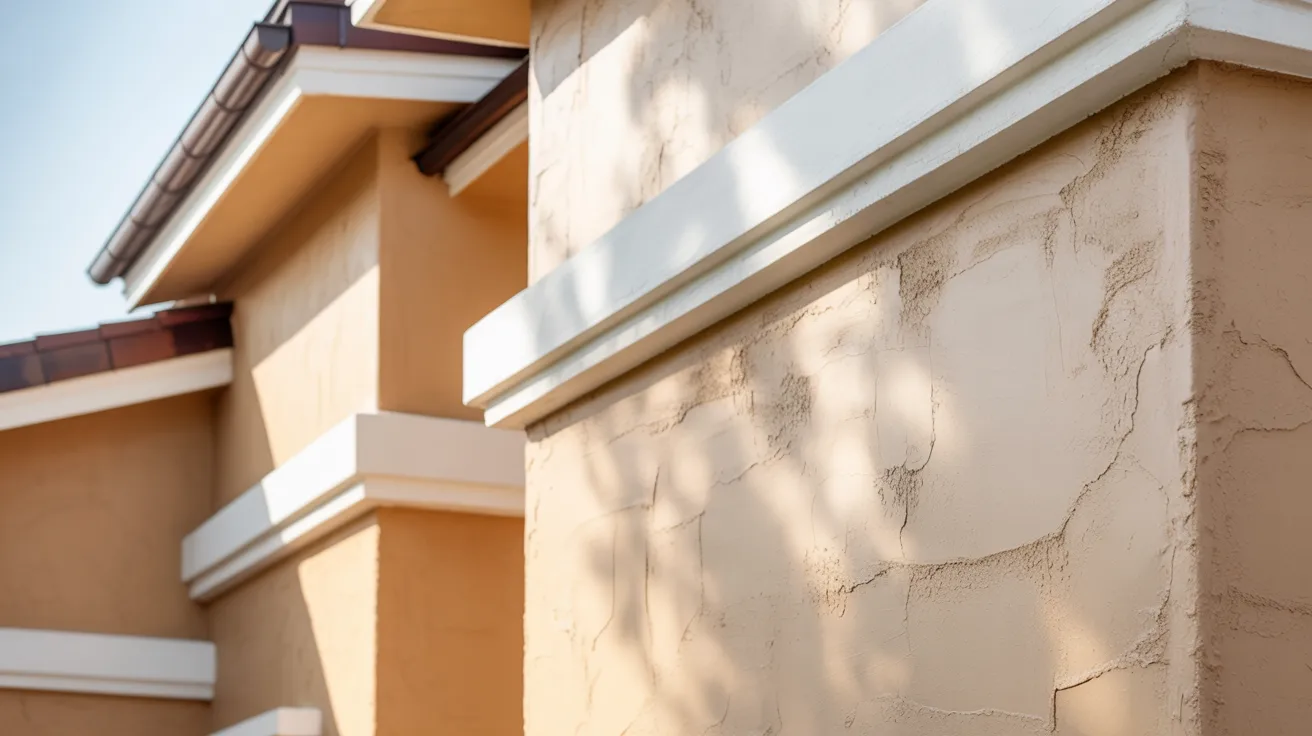
Older homes often have cracks, patches, and uneven textures. Flat paint works well here because it does not reflect light, so those flaws stay hidden.
Satin can make rough surfaces look worse by catching light and highlighting every bump.
Best for Homes With Visible Imperfections
Flat paint is the better option if your walls have dents or uneven patches. The matte finish blends problem areas together so they are less noticeable from the street.
Satin reflects more light and tends to make surface flaws stand out more.
Best for Humid or Rainy Climates
Satin holds up better in wet or humid conditions. Its harder surface sheds water more easily and resists peeling and mildew.
Flat paint absorbs moisture, which can cause it to bubble or break down faster in rainy climates.
Best for Low Maintenance Exteriors
Satin is easier to clean. Dust, pollen, and mud can be wiped off without damaging the surface. Flat paint is more fragile under scrubbing and can show wear marks if cleaned too roughly.
Common Mistakes to Avoid
Many homeowners regret their paint choice later. Here are the most common errors that lead to early repainting or poor results.
Choosing Sheen Based on Appearance Alone
It is easy to look at paint swatches and pick the one that looks the nicest in the store. But choosing a finish based only on how it looks can lead to problems down the road.
A high sheen finish may look sharp on a display board but highlight every imperfection on your actual walls. A flat finish may look perfect in a sample but struggle in your specific climate.
Always think about how the finish will perform in real conditions, not just how it looks at first glance.
Ignoring Surface Preparation
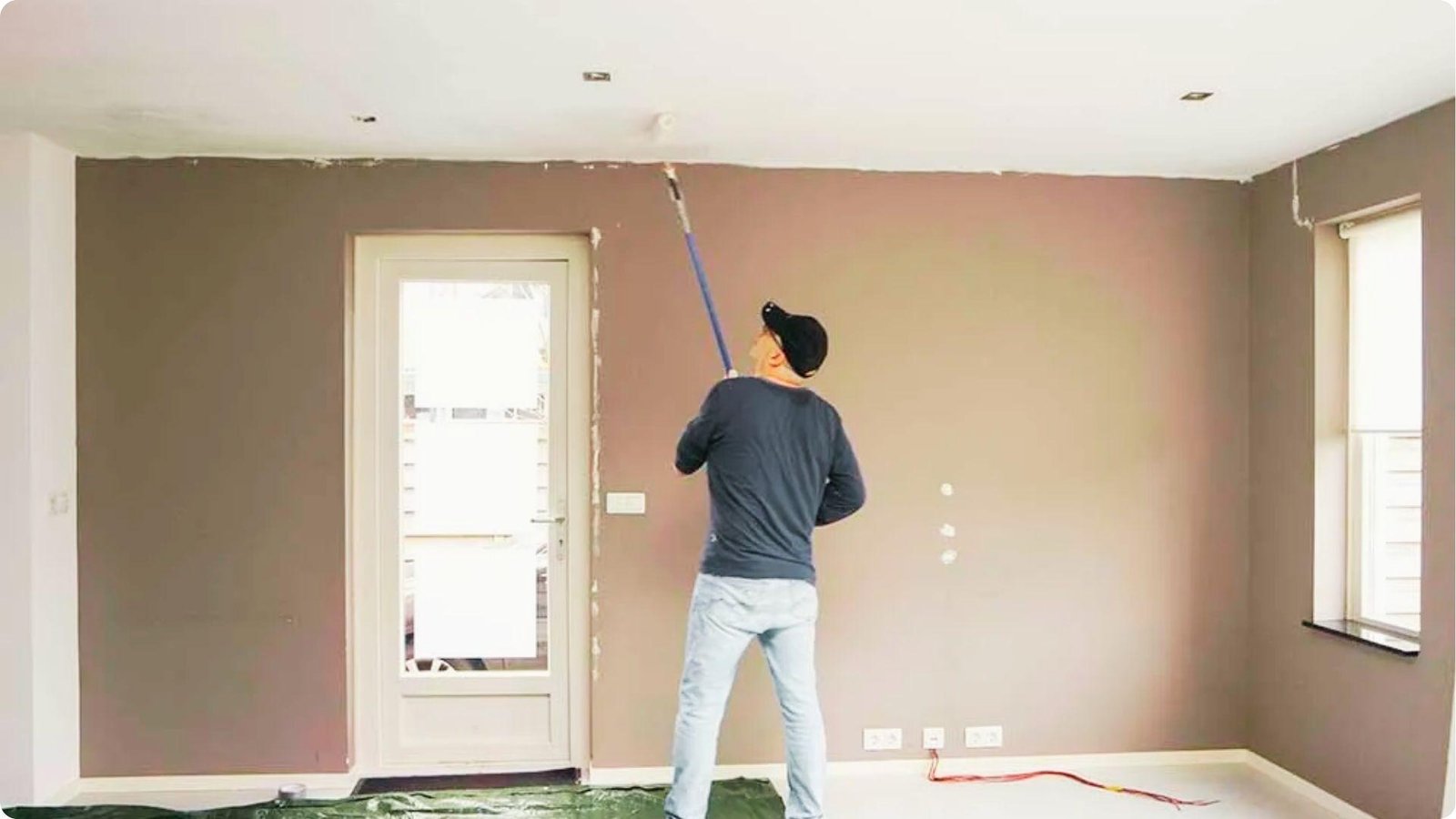
No paint finish will hold up well on a poorly prepared surface. Dirt, peeling old paint, moisture damage, or bare wood can all cause new paint to fail quickly, no matter how good the product is.
Before you paint, clean the surface thoroughly. Scrape off any loose or flaking paint.
Fill cracks and let them dry completely. Sand rough patches if needed. Skipping this step is one of the most common reasons exterior paint starts peeling within a year or two.
Overlooking Long Term Maintenance Needs
People often think about the upfront look of a paint job but forget about what comes later. Some finishes require more care and touch ups over time.
Flat paint may look great at first but can be harder to spot clean, meaning you may need to repaint entire sections when small areas get marked or stained.
Satin holds up better to cleaning but may need a primer coat if you ever repaint over it. Think ahead before you commit to a finish.
Tips for Choosing Between Flat and Satin Exterior Paint
A few practical steps can help you make a smart choice before you spend money on paint and labor.
- Match the finish to your climate. Satin works better in wet or humid areas. Flat paint holds up fine in dry, mild conditions and can keep its color for years with little trouble.
- Check your wall condition first. Smooth, well maintained surfaces suit satin well. If your walls have patches, old repairs, or texture differences, flat paint will give a more even result.
- Think about how often you will clean. Satin resists dirt and wipes down easily. Flat paint needs gentler care, so it works better for walls that do not get dirty often.
- Be honest about your maintenance habits. If you prefer low upkeep, satin is the safer long term pick. If you are fine with occasional touch ups, flat paint can still serve you well.
- Test samples in natural light before committing. Paint a small section of your wall with each finish and check it at different times of day. Morning light, midday sun, and evening shade can all make the same finish look different.
Conclusion
Choosing between flat and satin exterior paint does not have to be stressful. I always tell people to start with their walls and their weather before anything else. Those two things answer most of the questions for you.
Think about what your home actually needs, not just what looks good in a brochure. A little planning now saves you a repaint job two years later.
Have you painted your home's exterior recently? Drop a comment below and share what finish worked best for you. Someone reading this might need exactly that advice.
Frequently Asked Questions
Can I use flat paint on the exterior of my house?
Yes, you can. Flat paint works well on exterior surfaces, especially on older homes or walls with visible imperfections that need a smooth, even appearance.
Is satin paint worth the extra cost for exteriors?
In most cases, yes. Satin paint lasts longer, resists moisture better, and is easier to clean, which means you spend less on touch ups and repainting over time.
Which paint finish hides wall imperfections better?
Flat paint is better at hiding cracks, patches, and uneven textures. Its matte surface does not reflect light, so surface flaws are far less noticeable from a distance.
How long does satin exterior paint typically last?
With proper surface preparation, satin exterior paint can last anywhere from five to ten years. Climate, wall condition, and paint quality all play a role in how long it holds up.
Do I need to prime before applying flat or satin exterior paint?
Priming is highly recommended for both finishes, especially on bare wood, repaired areas, or surfaces with stains. A good primer coat helps the paint stick better and last longer.