You have leftover ceiling paint and a wall that needs a fresh coat. It is tempting to just use what you already have. I get it. I have been there myself, standing in front of a half-empty can wondering the same thing.
The good news is that ceiling paint can go on walls. But whether it should is a different question entirely.
In this article, you will find out exactly when it works, when it does not, and what to expect from the results.
We cover everything from key differences to the best rooms for this swap. With hands-on painting experience behind this guide, you can trust the advice here is practical and honest.
Can You Use Ceiling Paint on Walls?
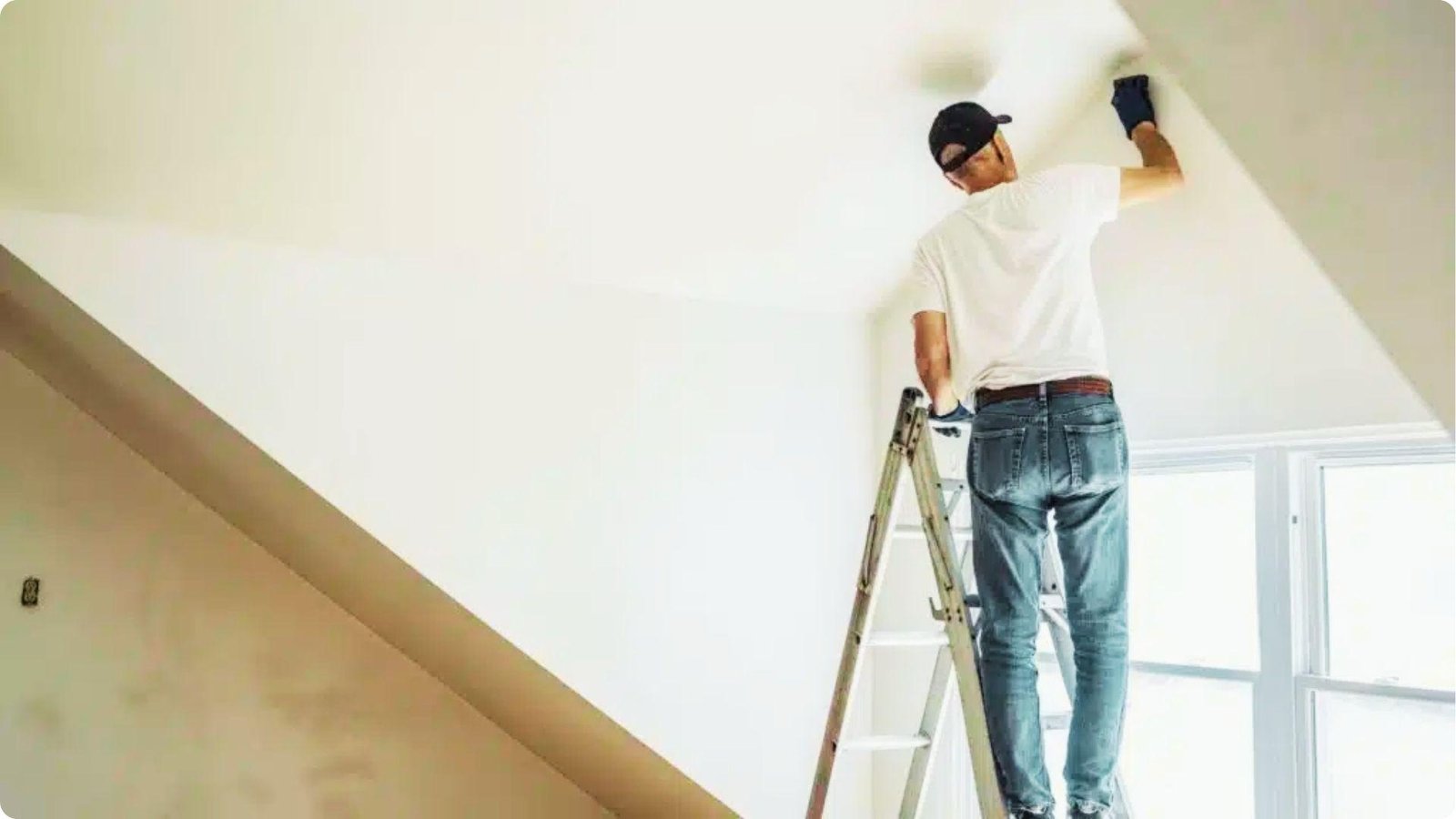
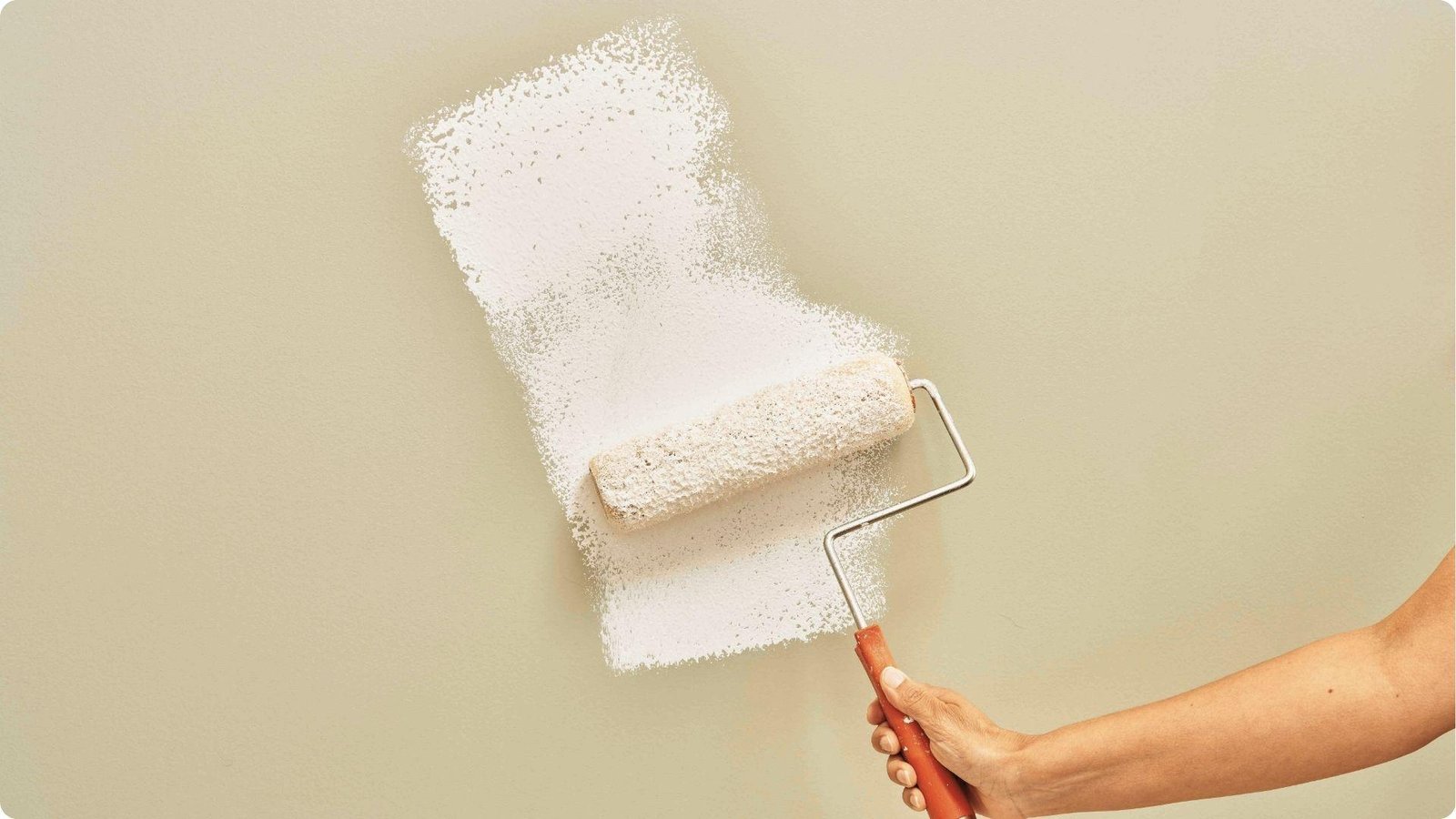
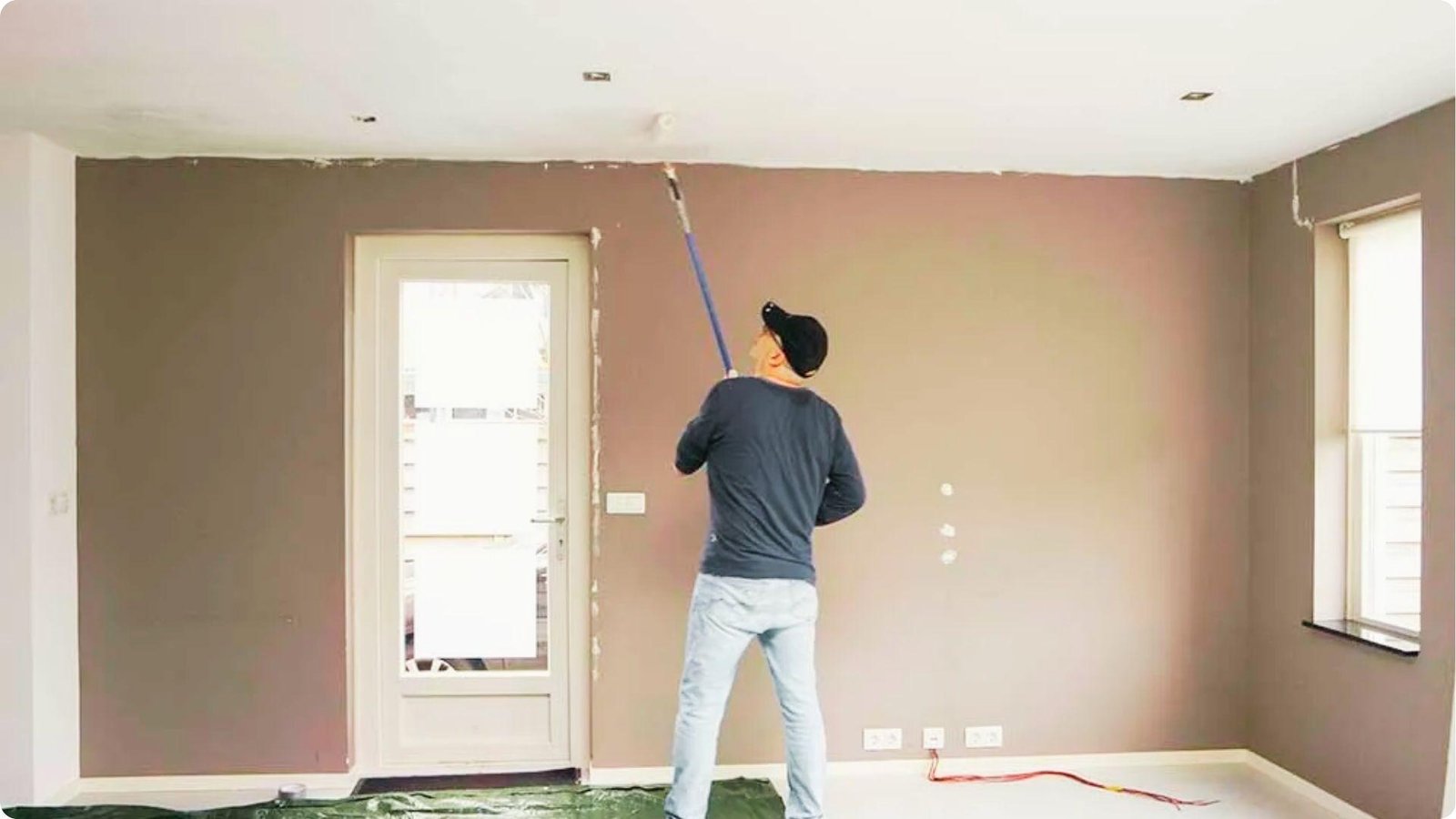
Yes, you can use ceiling paint on walls. There is nothing stopping you from doing it, and in some cases, it is a perfectly reasonable choice.
Ceiling paint goes on smoothly, covers well, and costs less than most wall paints. However, it was built for a surface that nobody touches.
Walls are a different story. They get bumped, wiped, and scrubbed regularly. Ceiling paint was not made for that kind of daily contact.
So while it works in certain spaces, it is not always the smartest pick. The right answer depends on the room, your budget, and how much wear the walls will take.
Ceiling Paint vs Wall Paint: Key Differences

Understanding what sets these two paints apart helps you make a better decision for your space.
Finish and Sheen
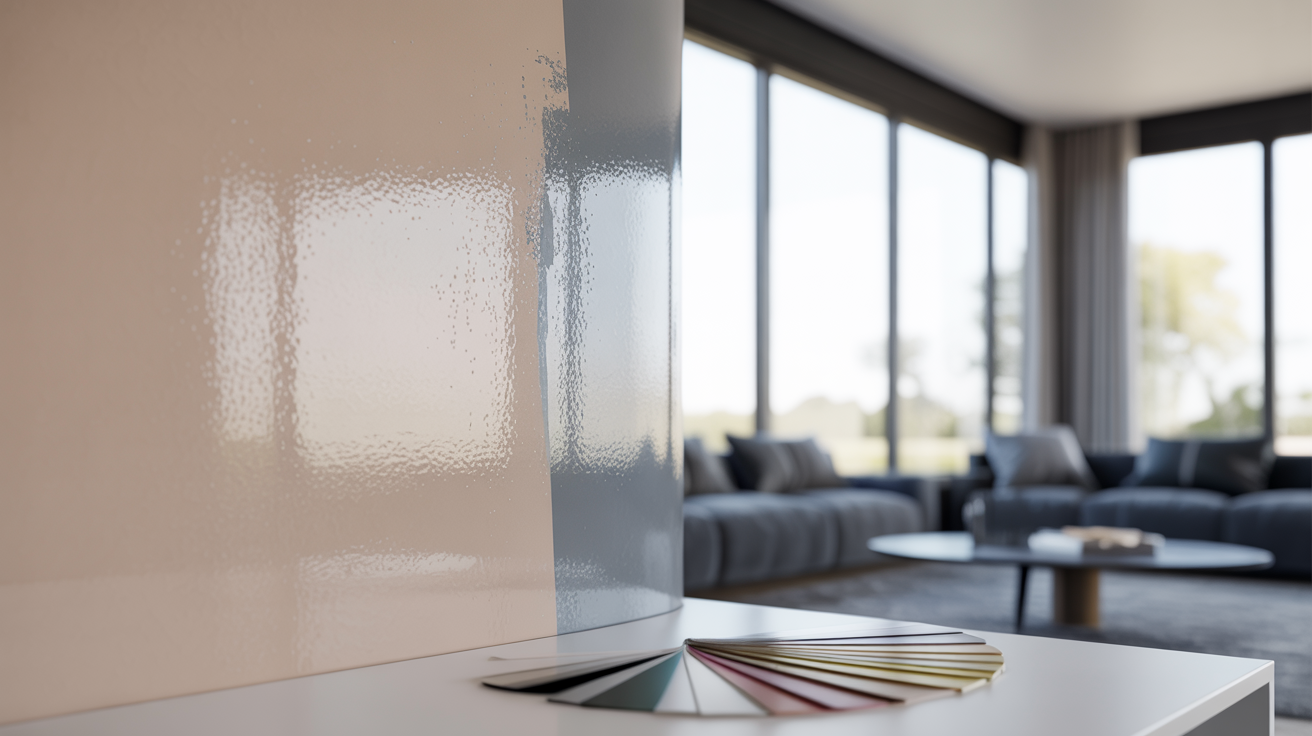
Ceiling paint is almost always flat, which hides roller marks well but can look dull on walls. Wall paints come in eggshell, satin, and gloss options that add both shine and durability.
Thickness and Coverage
Ceiling paint is thicker than most wall paints, helping it cling without dripping. That thickness also means better wall coverage in fewer coats.
Durability and Washability
Ceiling paint chips and scuffs easily because it was never built for scrubbing. Wall paints in satin or semi-gloss hold up much better to daily cleaning and contact.
Color Options and Customization
Ceiling paint comes mostly in white or off-white, with very limited tinting options. Wall paint gives you thousands of colors and custom mixes to match any room.
Cost and Value
Ceiling paint costs less upfront, making it a budget-friendly option for low-traffic spaces. However, if it wears out quickly and needs repainting, you end up spending more over time.
Pros and Cons of Using Ceiling Paint on Walls
Here is a clear breakdown to help you see both sides before making a call.
| Advantages | Disadvantages |
| Hides wall imperfections effectively | Difficult to clean and maintain |
| Creates a smooth, flat finish | Less resistant to stains and scuffs |
| Can be a budget-friendly option | Limited color and sheen choices |
| Provides good coverage due to its thickness | Not ideal for high-traffic areas |
| Works well in utility spaces and closets | Requires more frequent touch-ups |
| Can serve as a base coat in some projects | Poor moisture resistance |
| Helps create a uniform room appearance | Less durable than quality wall paint |
| Reduces paint splatter during application | Not suitable for every room |
Ceiling paint works well in the right spots, but knowing its limits saves you time, money, and a bad paint job.
Benefits of Using Ceiling Paint on Walls
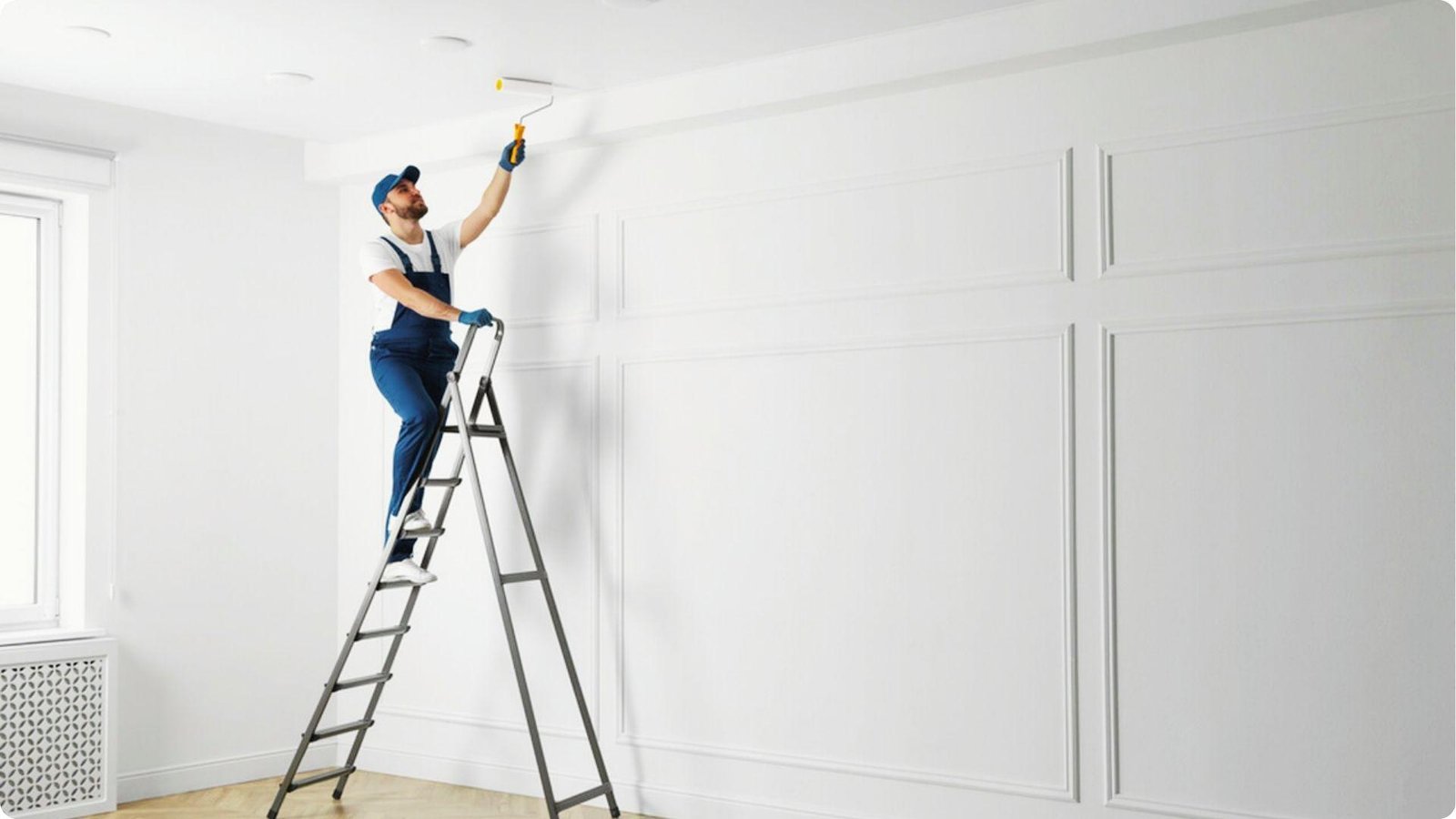
Ceiling paint brings a few real advantages when used in the right spots.
Hides Surface Flaws and Imperfections
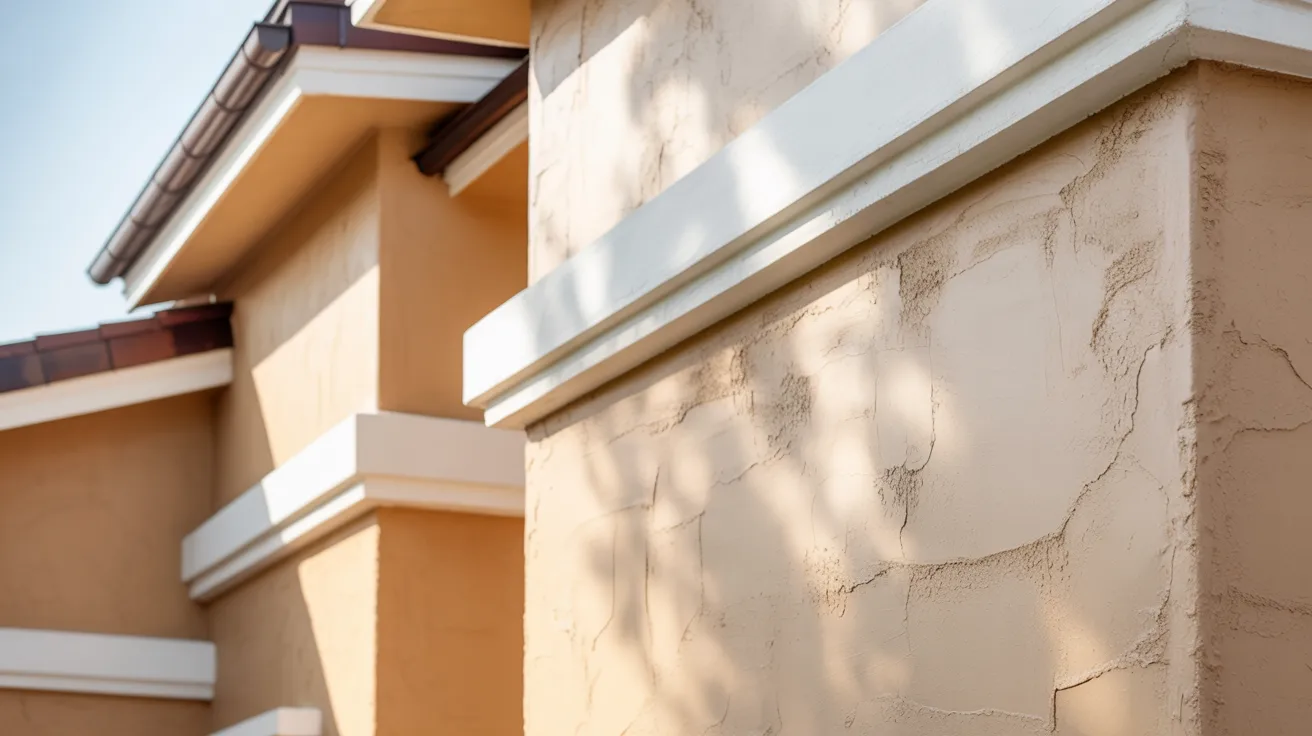
Ceiling paint is thick and flat, making it great for covering small cracks, rough patches, and uneven texture. It works especially well in older homes where walls are far from perfect.
Creates a Soft, Non-Reflective Look
The flat finish absorbs light rather than bouncing it back, giving walls a calm and muted appearance. This suits storage areas, closets, and low-light spaces well.
Can Reduce Painting Costs
Using leftover ceiling paint on walls cuts project costs right away. It is also priced lower than most premium wall paints at the store.
Provides Excellent Coverage
Ceiling paint is thick enough to cover most walls in one coat, including surfaces with old paint or stains underneath. Fewer coats means less time waiting and a faster finish.
Where You Should Avoid Using Ceiling Paint on Walls
Some rooms demand more from paint than ceiling paint can give.
Kitchens and Dining Areas
Grease, steam, and food splatter make kitchens a tough environment for ceiling paint. Stains cling to flat finishes and cleaning them will damage the paint surface quickly.
Bathrooms and Laundry Rooms
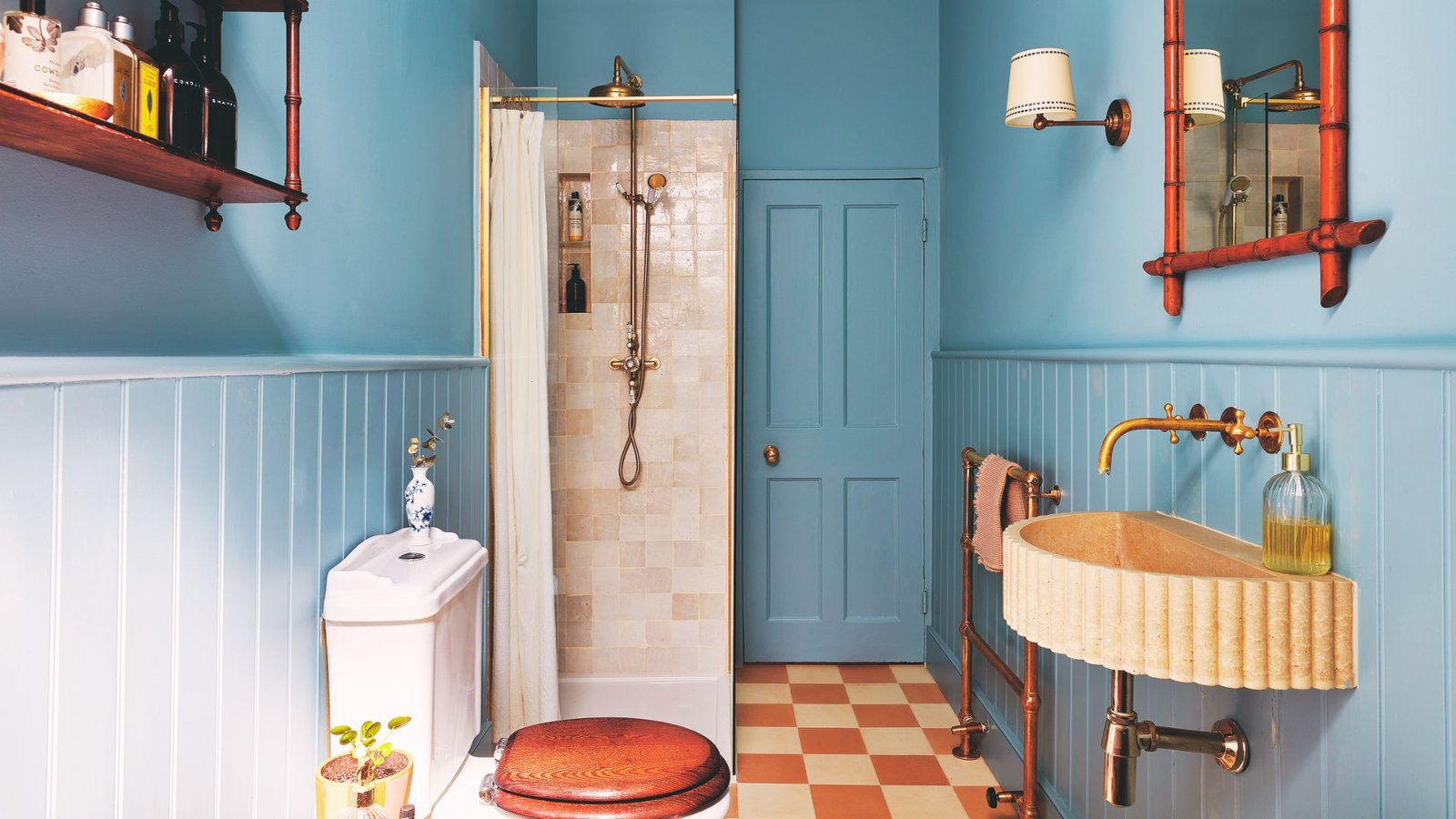
Moisture is the biggest threat to ceiling paint on walls, and these rooms are full of it. Without proper water resistance, the paint will peel, bubble, and grow mold over time.
Hallways and Entryways
These are among the most high-contact areas in any home, with bags, hands, and furniture constantly brushing the walls. Ceiling paint scuffs and chips fast here, making satin or eggshell wall paint a far better choice.
Children's Rooms and Play Areas
Kids leave marks, and those marks need to be scrubbed off regularly. Ceiling paint cannot handle that kind of cleaning without breaking down, so a washable wall paint is always the better option here.
How to Apply Ceiling Paint on Walls
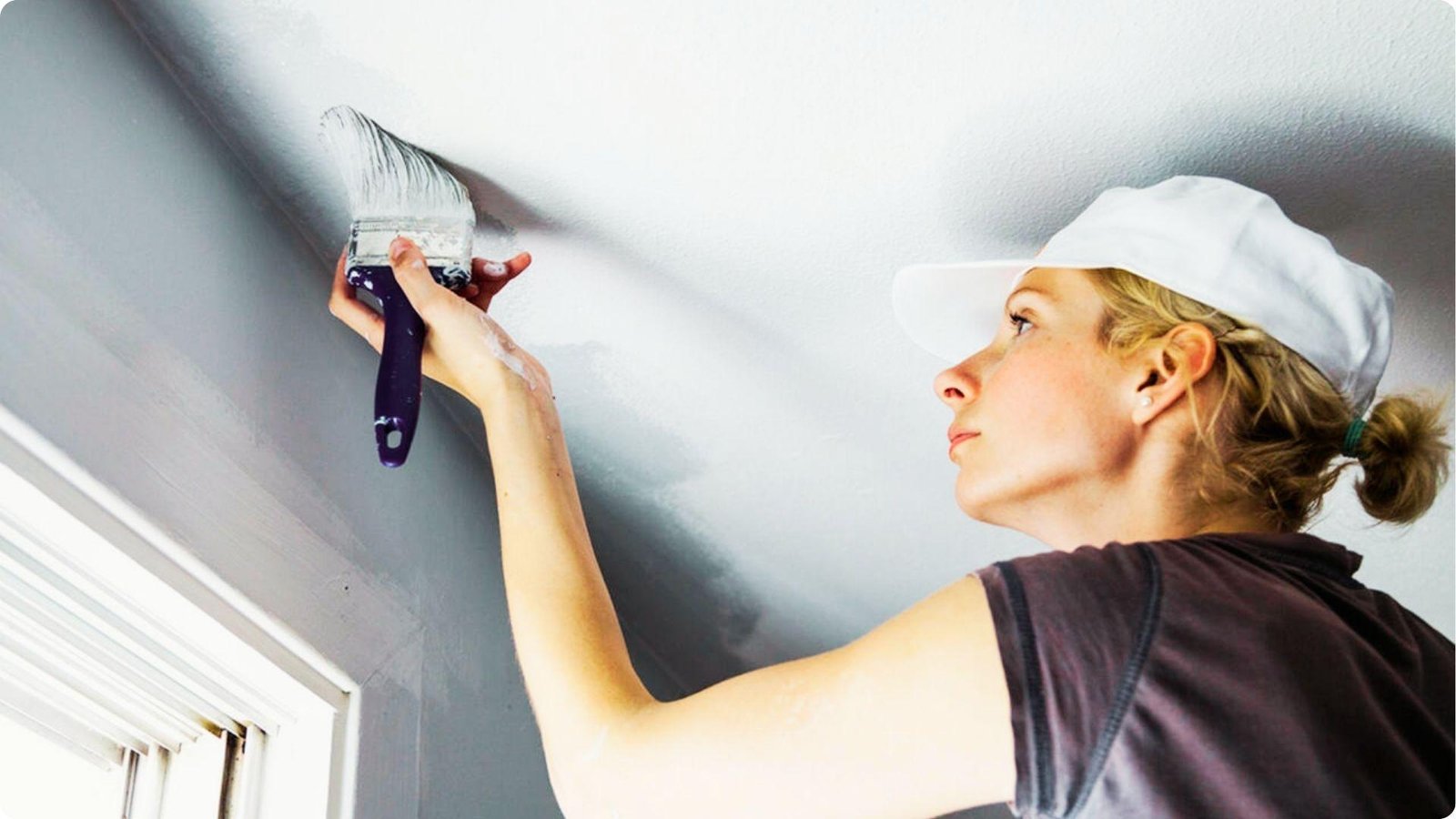
Follow these steps to get the best result when using ceiling paint on your walls.
Clean and Prepare the Surface
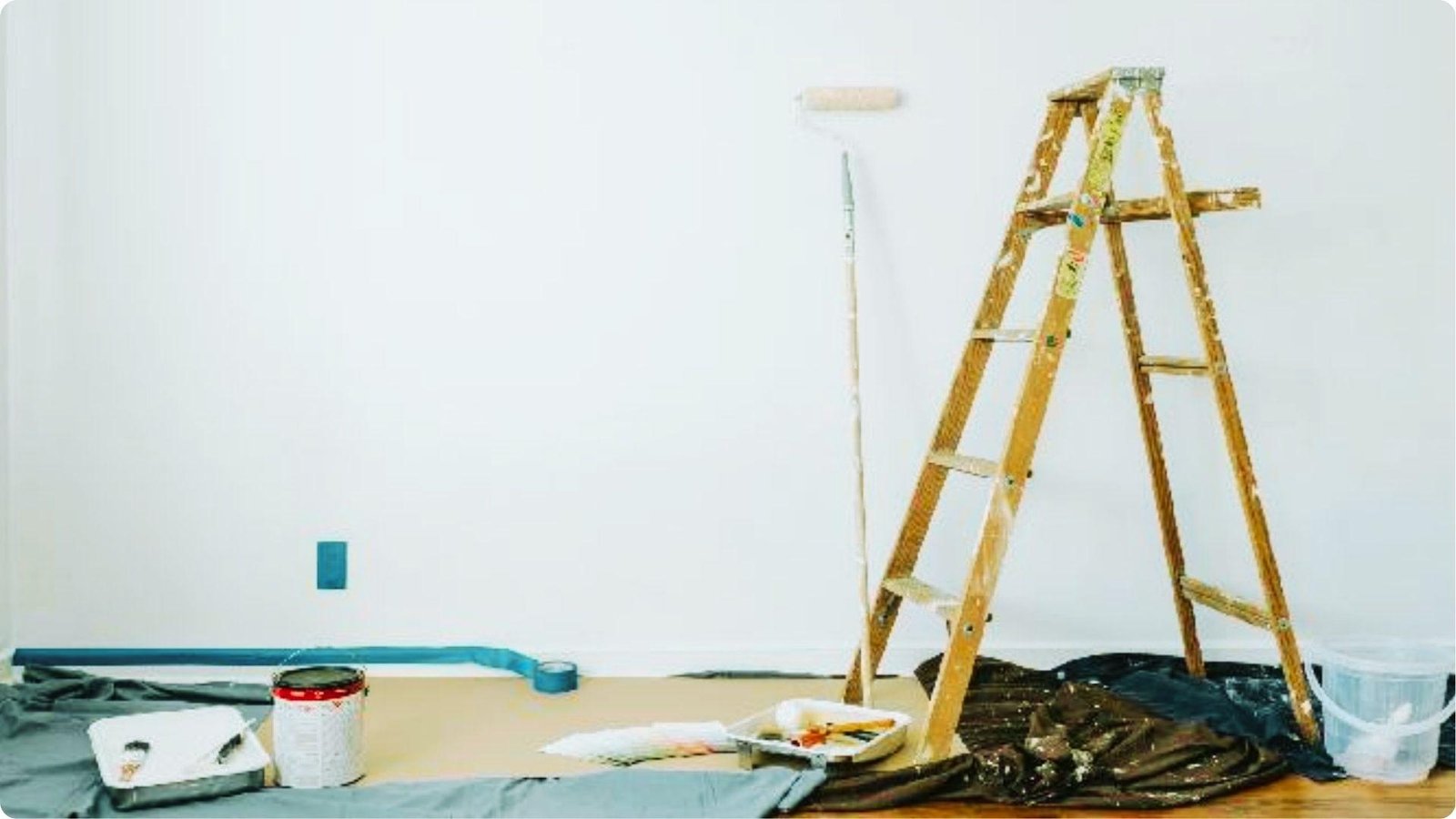
Wipe the wall down to remove dust, grease, and dirt before doing anything else. Fill any cracks or holes with spackle, sand smooth once dry, and you are ready to paint.
Prime When Necessary
Apply a primer first if the wall has stains, dark paint, or bare drywall showing through. Skipping this step on problem walls often leads to uneven coverage and early peeling.
Select the Right Roller and Tools
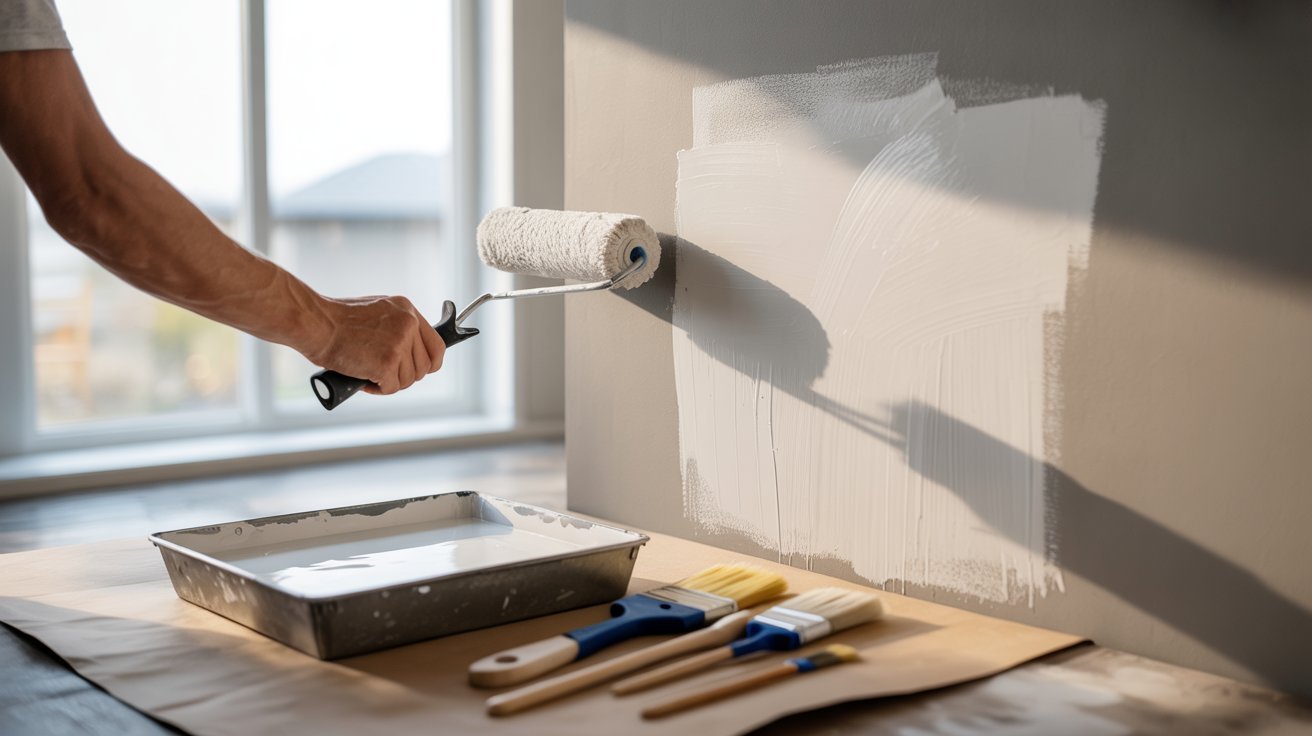
Use a 3/8 to 1/2 inch nap roller for smooth walls and a thicker nap for textured surfaces. Cut in along edges and corners with an angled brush before rolling the larger wall areas.
Apply Multiple Coats for Better Coverage
Two coats almost always give a better, more consistent finish than one. Let the first coat dry fully before applying the second to avoid streaking or uneven texture.
Allow Proper Drying Time Between Coats
Wait at least two hours between coats, and longer if the room has high humidity or low temperature. Rushing this step causes streaking, peeling, and a finish that looks uneven from the start.
Expert Tips Before Using Ceiling Paint on Walls
A few practical tips to help you get the best results from this choice.
- Use ceiling paint only in low-traffic, low-contact spaces.
- Avoid it in rooms with moisture like bathrooms and kitchens.
- Always check basements for dampness before painting.
- Flat finishes scuff easily, so match paint to the room's needs.
- Store leftover paint sealed and labeled for easy touch-ups later.
Conclusion
I have been in the middle of a project with leftover ceiling paint and that same question in my head. Sometimes it works out great. Sometimes you wish you had just bought the right paint.
The honest answer is this: use ceiling paint on walls only where it makes real sense. Low-traffic, low-stakes spaces are where it shines. For your main rooms, go with wall paint.
If this helped you, drop a comment below and share what room you are painting. I would love to hear how it goes.
Frequently Asked Questions
Can You Use Ceiling Paint on Bathroom Walls?
It is not a good idea. Bathrooms have high moisture levels, and ceiling paint does not resist water well. Over time, it will peel or grow mold in wet conditions.
Can You Use Ceiling Paint on Kitchen Walls?
Kitchens deal with grease, heat, and steam daily. Ceiling paint cannot handle that kind of exposure and will stain, chip, and peel faster than proper kitchen wall paint.
How Many Coats of Ceiling Paint Are Needed on Walls?
Most walls need at least two coats for an even finish. Apply the first coat, let it dry fully, then apply the second for the best coverage and a smooth result.
Can Ceiling Paint Be Tinted?
Yes, many ceiling paints can be tinted at a paint store. However, the color options are still limited. You will not get the same range of shades that wall paint offers.
Is Ceiling Paint More Durable Than Wall Paint?
No. Ceiling paint is made for low-contact surfaces and is not built to handle scrubbing, scuffs, or moisture. Wall paint, especially in satin or semi-gloss, is much more durable for everyday use.