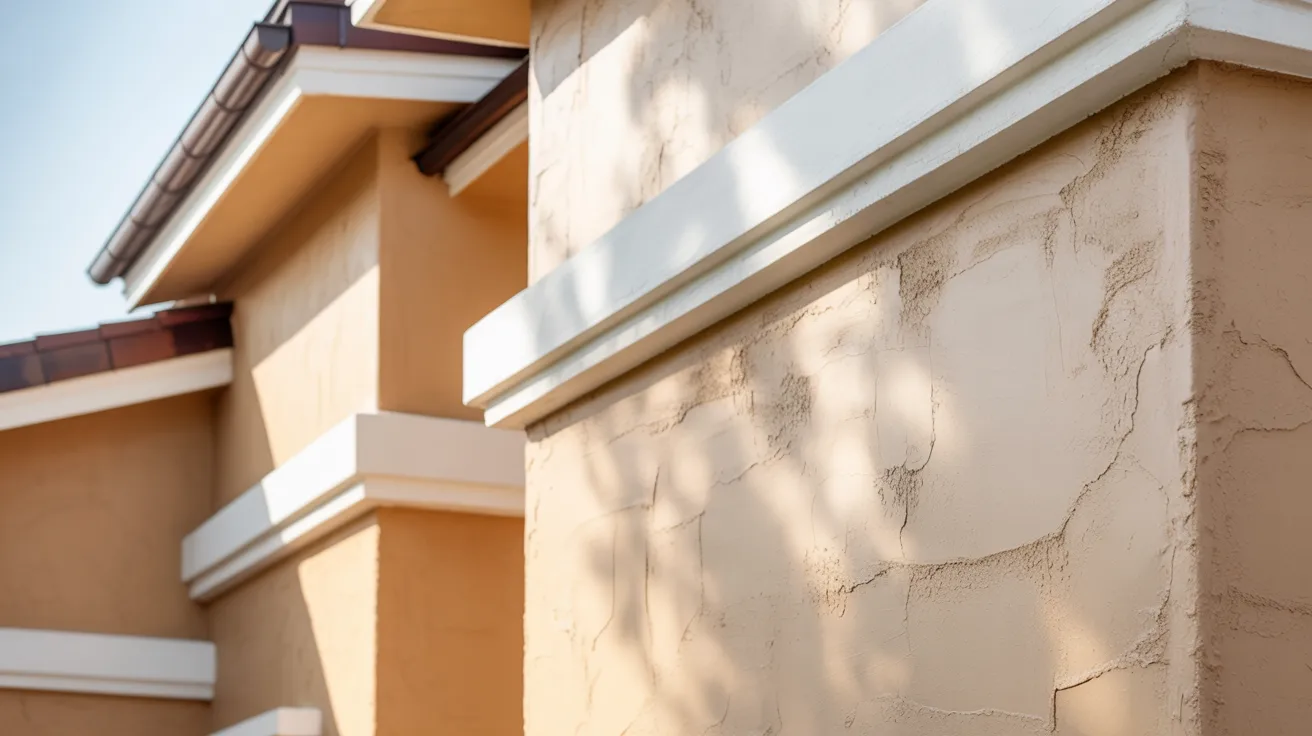
Does stucco need to be painted? I get this question a lot, and honestly, the answer is not always straightforward. It depends on your stucco type, your climate, and how old it is.
I’ve spent years working around home exteriors, and I’ve seen what happens when stucco gets ignored for too long.
In this guide, I’ll walk you through when stucco can stay bare, key signs it needs paint, how climate affects it, how often to repaint, and how to prep the surface the right way.
By the end, you’ll know exactly what your stucco needs and why, no more guessing.
Can Stucco Be Left Bare or Does It Need Paint?
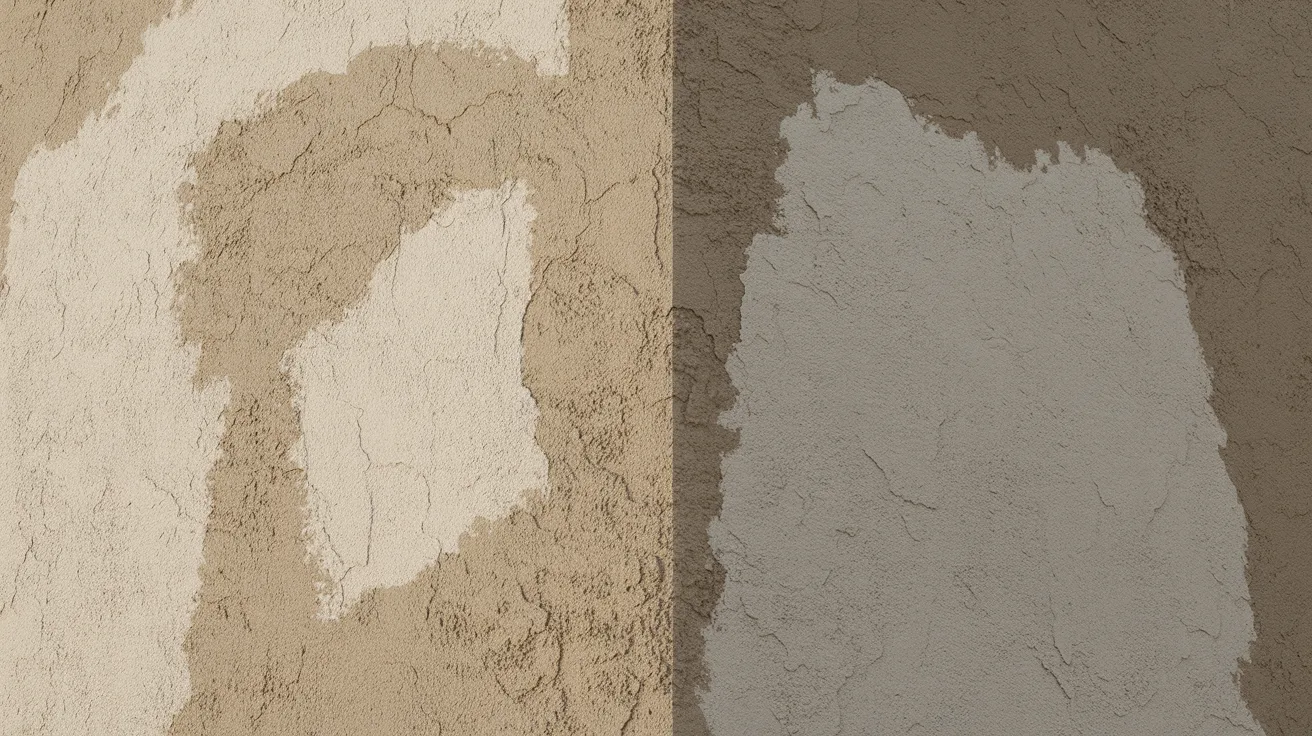
Not all stucco needs paint right away, and knowing the difference can save you time and money. Some stucco comes with color already mixed in, called integral color stucco.
The pigment runs deep into the finish coat, so it holds up well for several years without painting. But plain, unpainted stucco is still porous, meaning water slowly seeps in over time.
This leads to cracks from freeze and thaw cycles, mold growth behind the surface, and water damage to the wall underneath.
Paint acts as a shield, slowing down water absorption and keeping the stucco strong. Skipping it may seem like a saving now, but repairs later cost far more.
Key Signs Your Stucco Needs Painting
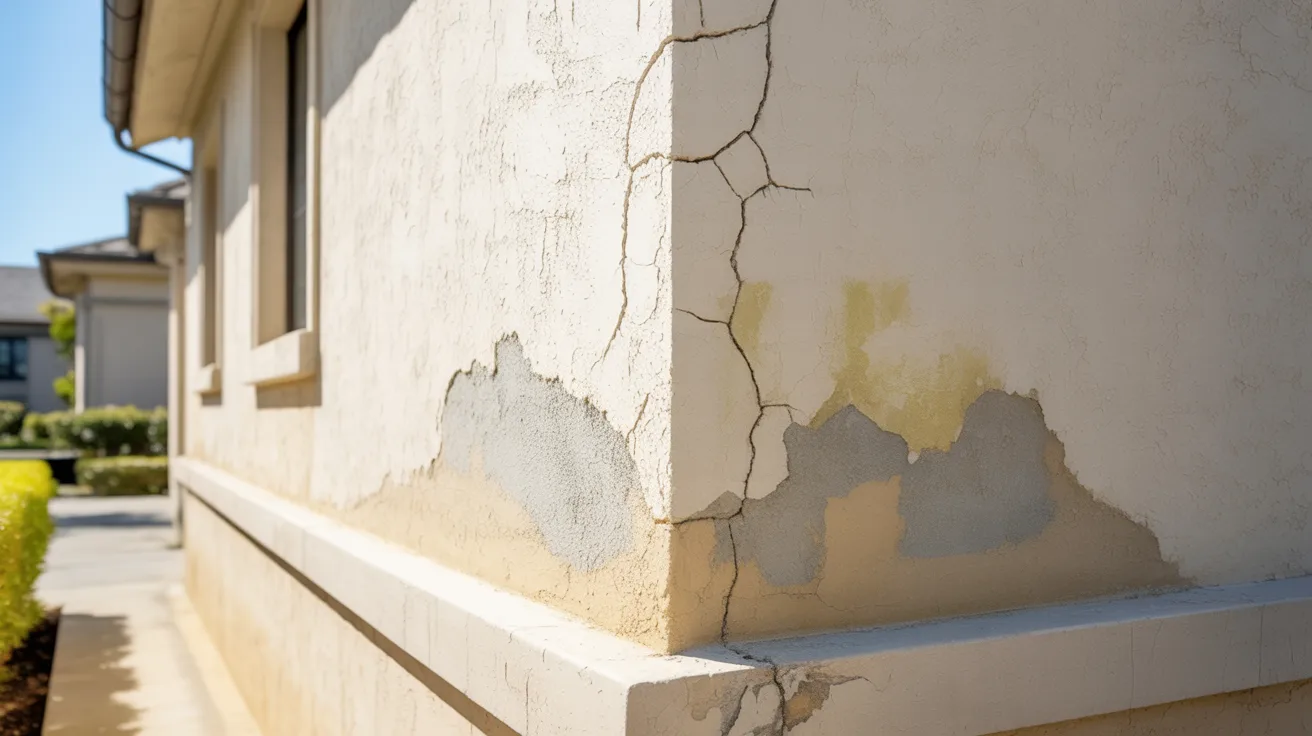
Watch for these clear warning signs that your stucco is asking for a fresh coat of paint.
Cracks and Surface Damage Indicators
Small hairline cracks are normal. But when cracks start to spread or deepen, that’s a red flag.
Look for:
- Cracks wider than 1/8 inch
- Chipping or flaking on the surface
- Areas where the finish is pulling away
These signs mean the surface is no longer protected. Paint alone won’t fix deep cracks, but it helps seal smaller ones after repair.
Mold Growth and Moisture Problems
If you see dark spots or green patches on your stucco, that’s likely mold or algae. This usually means water is getting in.
Mold on the outside can move inside your walls. That’s a bigger problem than just looks.
Repainting with a waterproof paint can help stop this from getting worse. But first, clean and treat the mold before applying any paint.
White Powder Stains (Efflorescence)
Those chalky white streaks on stucco have a name: efflorescence. It happens when water pulls salts out from inside the wall.
It’s not dangerous, but it’s a clear sign of moisture movement. If you see it, your stucco may need better protection through paint or sealer.
Climate and Environmental Factors That Affect Stucco
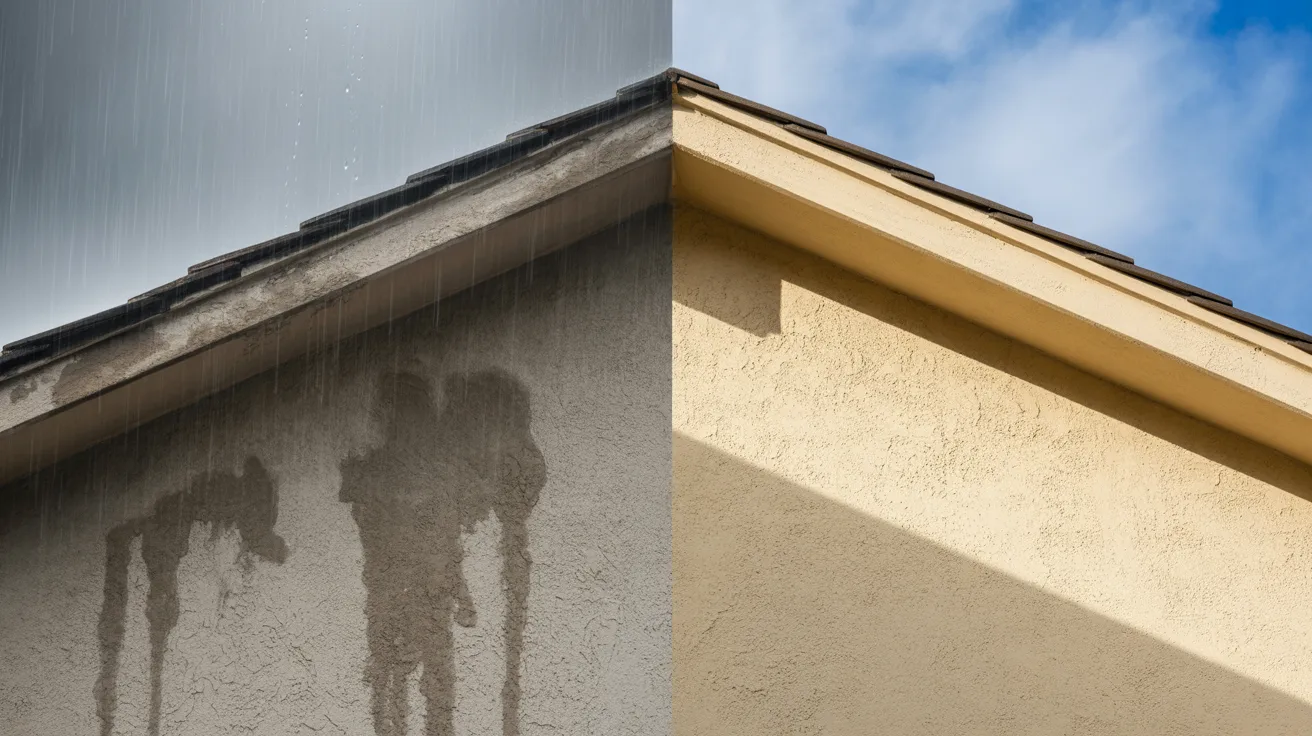
Where you live has a big effect on how fast your stucco wears down and how often it needs care.
High Humidity vs Dry Climate Impact
In humid areas, stucco absorbs more moisture from the air. This speeds up mold growth and weakens the surface faster.
In dry climates, the sun does most of the damage. UV rays break down the surface and cause fading.
Either way, paint helps. It protects against both moisture and sun exposure depending on what you choose.
How Weather Exposure Shortens Stucco Lifespan
Stucco in harsh weather areas simply wears out faster. Heavy rain, strong winds, and temperature swings all take a toll.
Homes near the coast deal with salt air, which is especially rough on exterior surfaces.
If your home faces extreme weather often, plan to repaint on the shorter end of the recommended schedule.
How Often Should Stucco Be Painted?
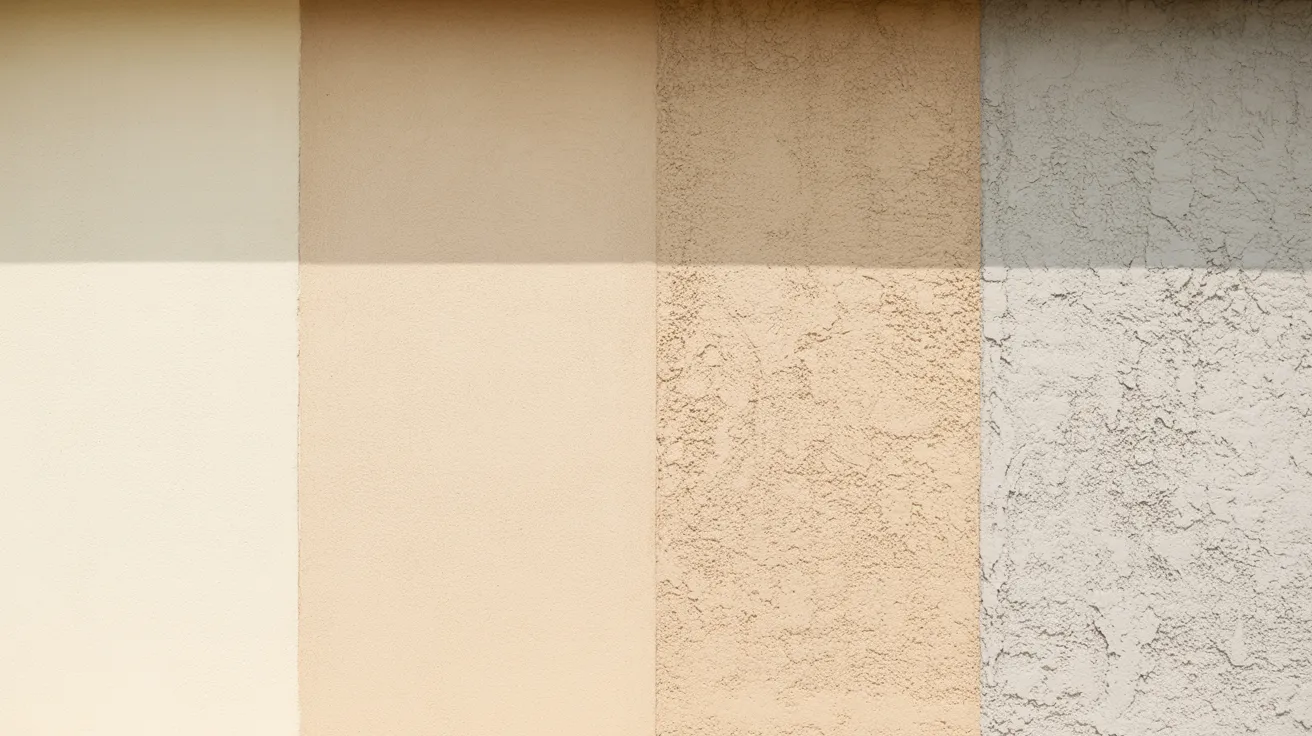
Knowing the right painting schedule helps you plan ahead and avoid costly repairs down the road.
Recommended Painting Cycle (5 to 10 Years)
Most experts suggest repainting stucco every 5 to 10 years. That’s a wide range because a lot depends on your climate, paint quality, and how well it was applied.
A good rule of thumb: check your stucco every spring. Look for fading, cracks, or peeling. If things look worn, it may be time to repaint sooner.
Why Maintenance Schedule Varies by Condition
Two homes with the same stucco can age very differently. One may face heavy rain every year. Another might sit in dry, mild weather.
Your maintenance schedule should match your home’s real conditions, not just a calendar date. Check it regularly and act on what you see.
Proper Preparation Before Painting Stucco
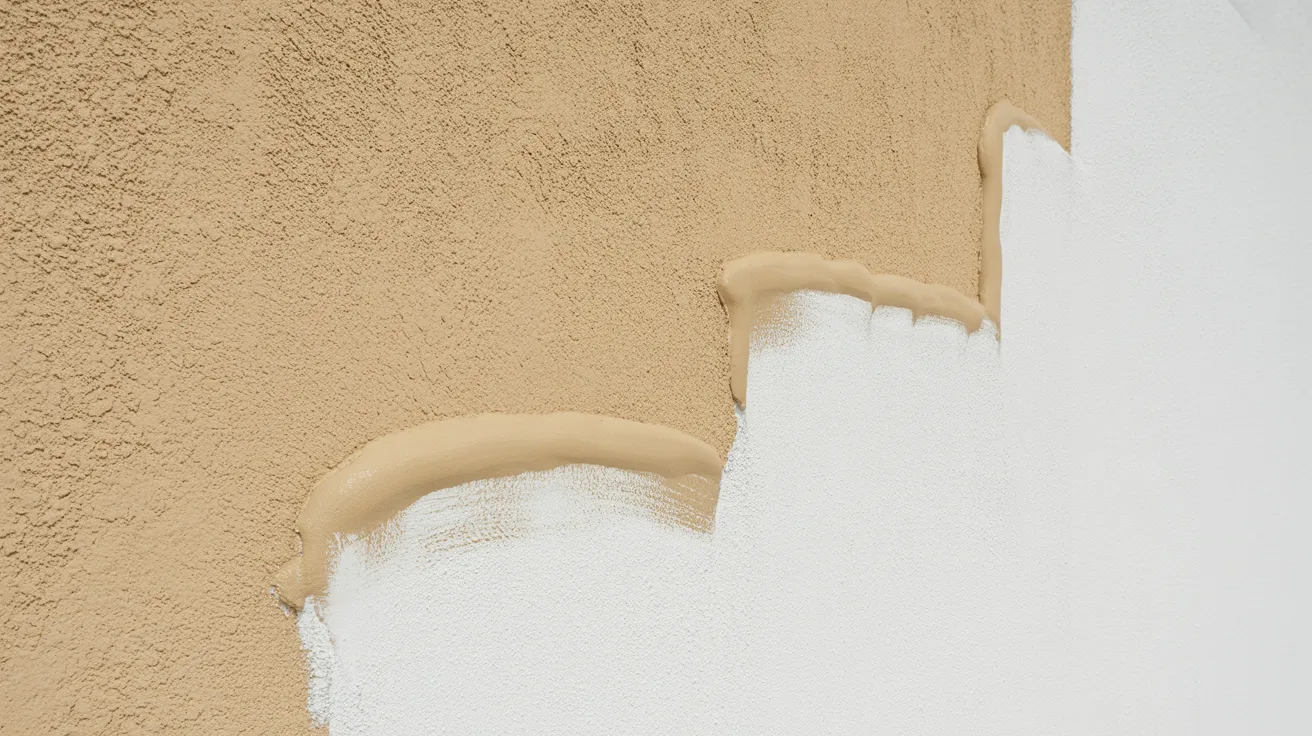
Good prep work is what makes the paint last. Skipping steps here leads to peeling and wasted effort.
Cleaning and Surface Preparation Steps
Before any paint goes on, the surface must be clean.
Steps to follow:
- Rinse the stucco with a garden hose or pressure washer on low setting
- Scrub off any mold or algae with a mild cleaning solution
- Let the surface dry fully, at least 24 to 48 hours
Painting over a dirty or wet surface causes the paint to fail early.
Repairing Cracks Before Painting
Fill any cracks before you start painting. Use a stucco patching compound for this.
Press it firmly into the crack, smooth it out, and let it cure fully. Skipping this step means water will still get in even after you paint.
Small cracks = small fixes. Big cracks may need a pro.
Best Paint Types for Stucco Surfaces
Not all paints work well on stucco. You need something flexible and breathable.
Top choices include:
- Elastomeric paint: stretches with the surface and seals small cracks
- Masonry paint: made for rough, porous surfaces like stucco
- Acrylic latex paint: good all-around option for most climates
Avoid regular interior paint or oil-based paint. These don’t hold up well on stucco outside.
Tips for Long-Lasting Stucco Paint Results
A few smart habits can keep your stucco looking good for years without major touch-ups.
- Apply two coats. One coat is rarely enough on porous stucco. Two coats give you better coverage and longer protection against moisture and wear.
- Paint in mild weather. Very hot or very cold days affect how paint dries and bonds. Aim for temperatures between 50°F and 85°F for best results.
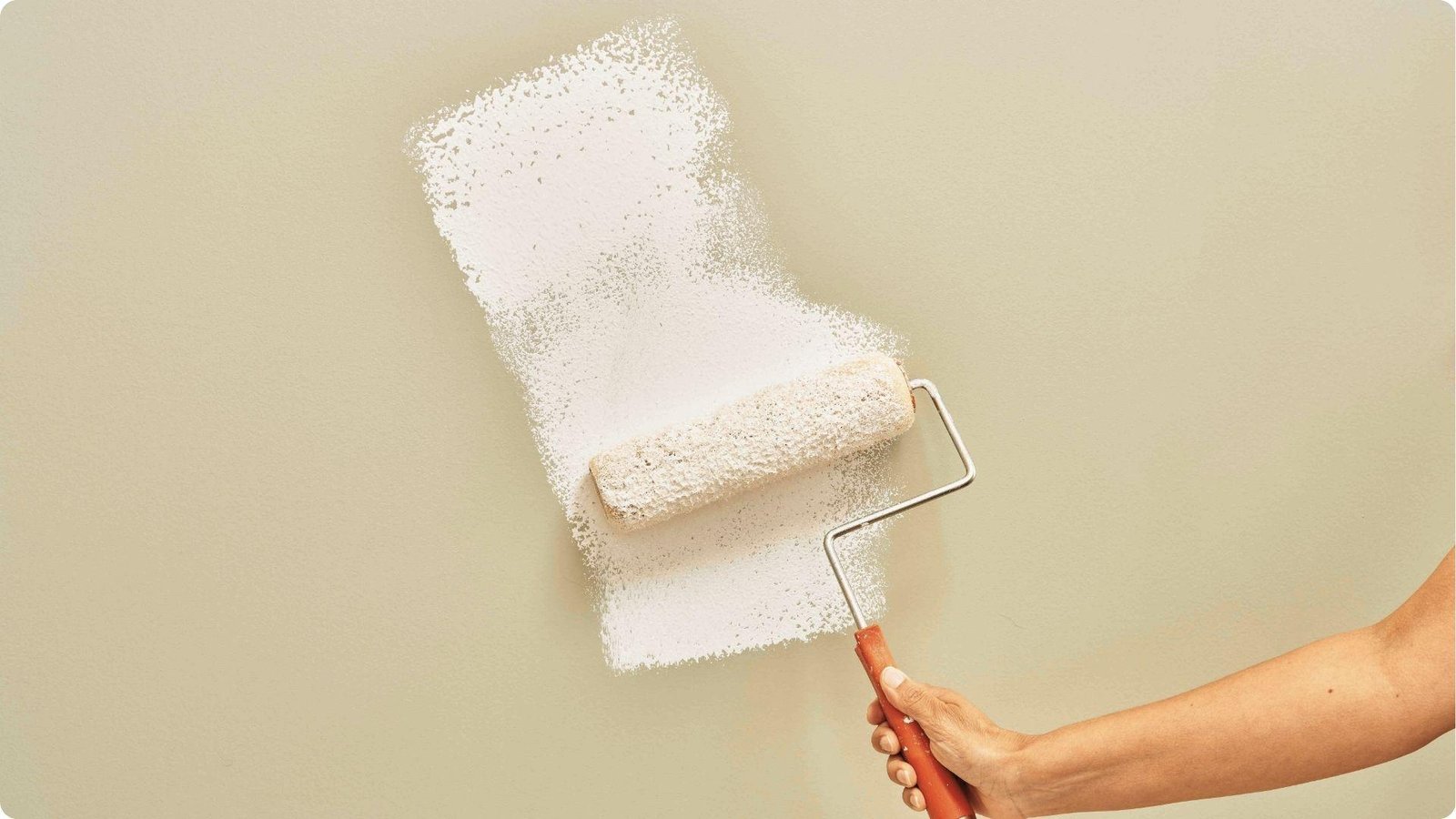
- Use a thick-nap roller. Stucco has a rough texture. A thick nap roller pushes paint into all the small grooves and bumps evenly.
- Check your work every year. A quick visual check each spring can catch small issues before they grow into bigger, costly problems.
- Prime before you paint. A good masonry primer helps the paint stick better and last longer, especially on older or freshly repaired stucco surfaces.
- Never paint wet stucco. Always make sure the surface is fully dry before applying paint. Moisture trapped under paint causes peeling and early failure.
Conclusion
So, does stucco need to be painted? Honestly, most of the time, yes. Especially if it’s plain, older, or showing any damage.
I’ve seen homeowners skip painting to save money, only to face water damage later. A simple paint job every few years is so much cheaper than wall repairs.
If your stucco looks good and is pigment-mixed, you may have more time. But keep watching it.
Got questions or tips from your own experience? Drop them in the comments. I’d love to hear what worked for you.
Frequently Asked Questions
Does new stucco need to be painted right away?
No. New stucco needs to cure first, usually for at least 28 days. After that, you can paint it if it’s not already pigmented.
Can I paint stucco myself or do I need a professional?
You can do it yourself if the surface is in good shape. For large cracks or major damage, hiring a pro is the smarter choice.
What happens if I never paint my stucco?
Over time, unpainted stucco absorbs water, cracks, and can develop mold. It may also lead to damage in the walls behind it.
How do I know if my stucco has an integral color?
Ask your contractor or check the original installation records. Integral color stucco usually has a more even, consistent tone throughout.
Is one coat of paint enough for stucco?
Usually no. Stucco is porous and absorbs paint quickly. Two coats give you proper coverage and better protection against moisture.