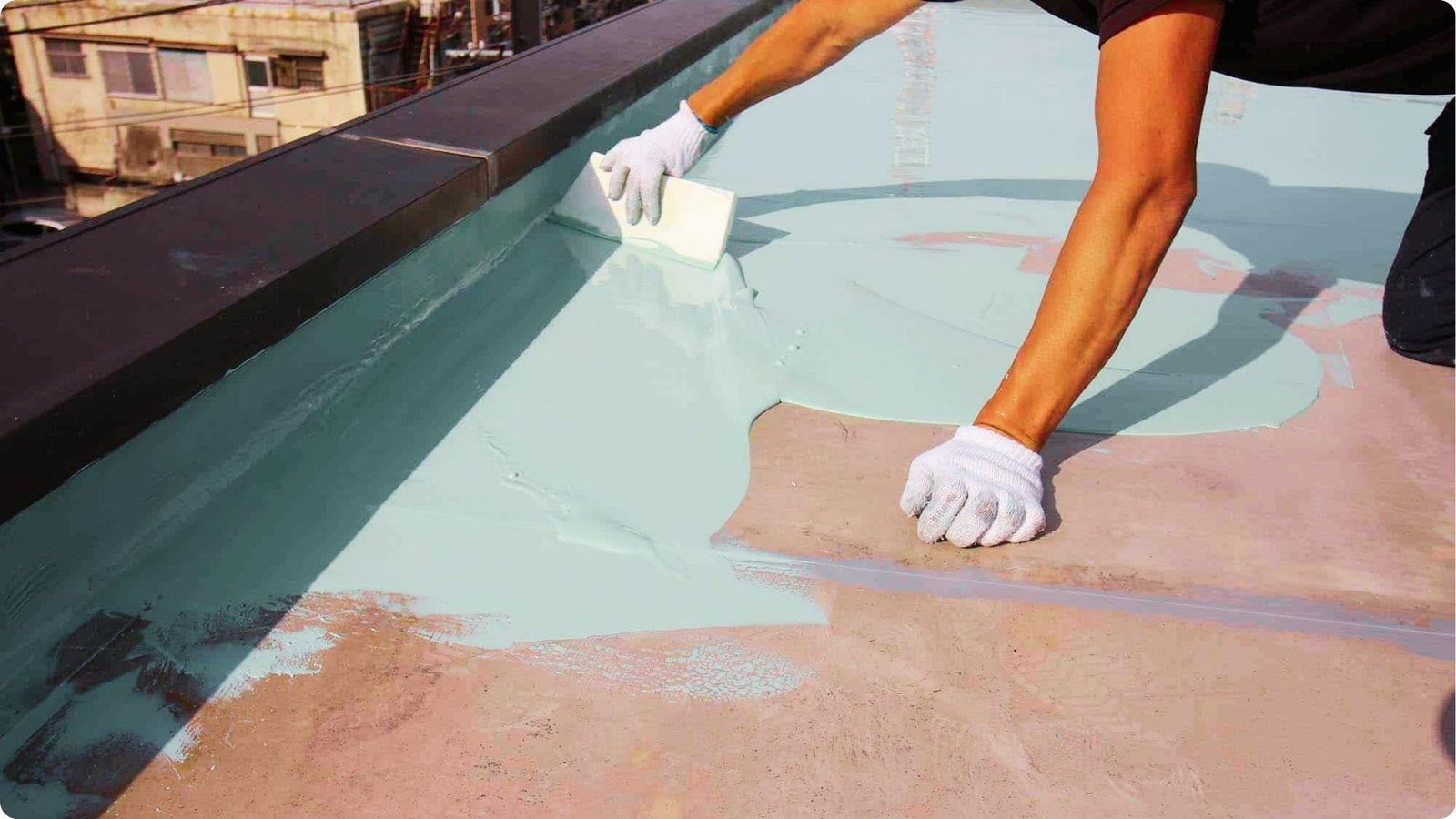
You've probably looked at your TPO roof and wondered if painting it is even possible. The answer is yes, but knowing the right approach makes all the difference.
This article covers everything from choosing the correct coating to applying it properly. You'll also learn which materials work, what to avoid, and how to get lasting results.
I've worked through this topic closely and want to save you time and costly mistakes.
Here's what you'll find inside: what TPO roofing is and how it works, whether painting it makes sense for your situation, the right products and tools to use, a simple step-by-step process, and expert tips to make the results last.
What Is a TPO Roof?
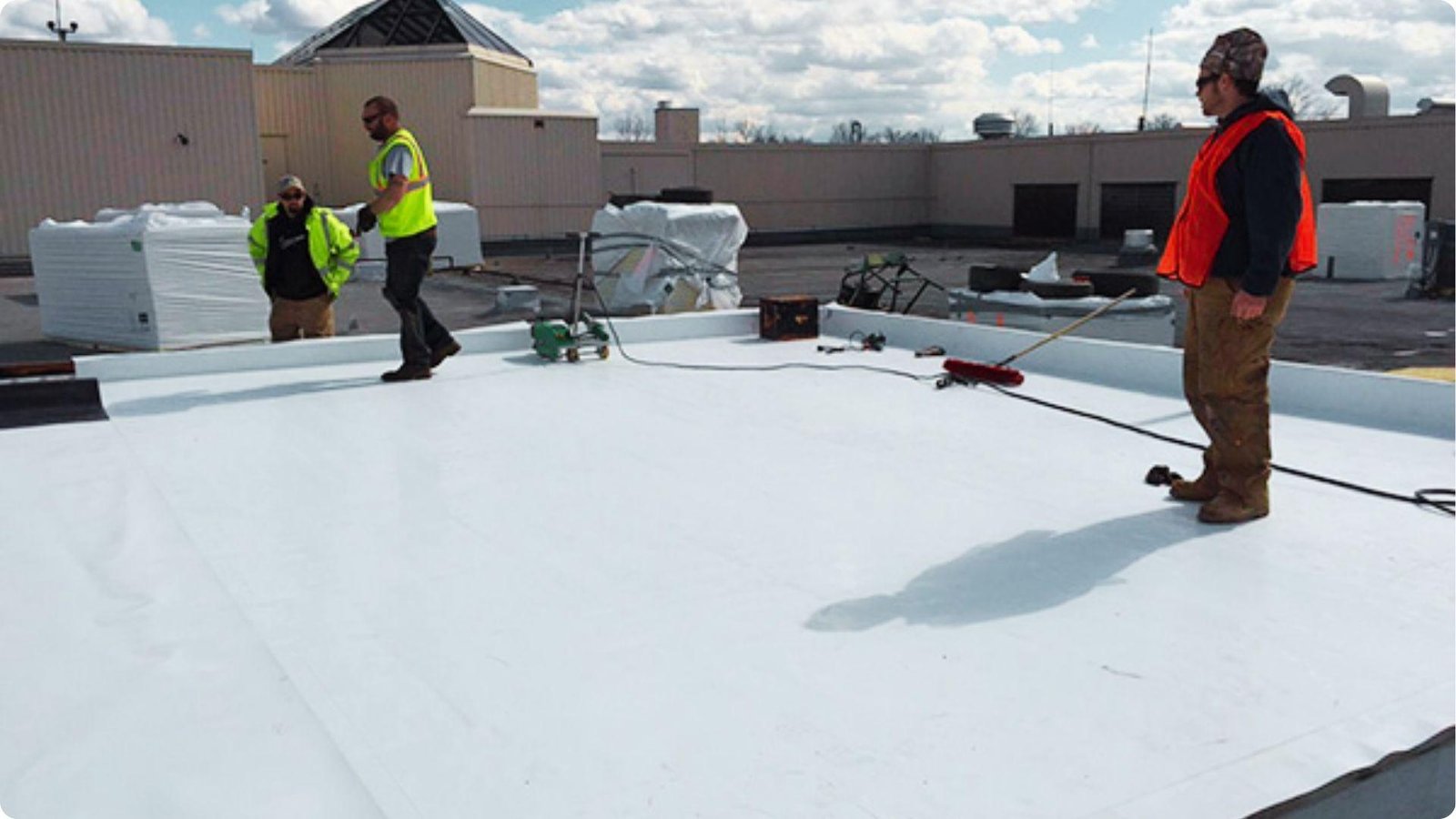
TPO stands for Thermoplastic Polyolefin, a single-ply membrane used mostly on flat or low-slope roofs.
It comes in white or light colors by default, reflecting heat rather than absorbing it. TPO is flexible, lightweight, and resistant to tears, punctures, wind, chemicals, and dirt.
Seams are heat-welded, making the system very watertight. It costs less than many alternatives, installs faster than older systems like built-up roofing, and its smooth surface stays cleaner with minimal maintenance.
However, because TPO is a slick, non-porous thermoplastic material, standard paint won't bond to it. You need a specially formulated primer or coating designed for thermoplastic surfaces, or you risk peeling, bubbling, and membrane damage.
Can You Paint a TPO Roof?
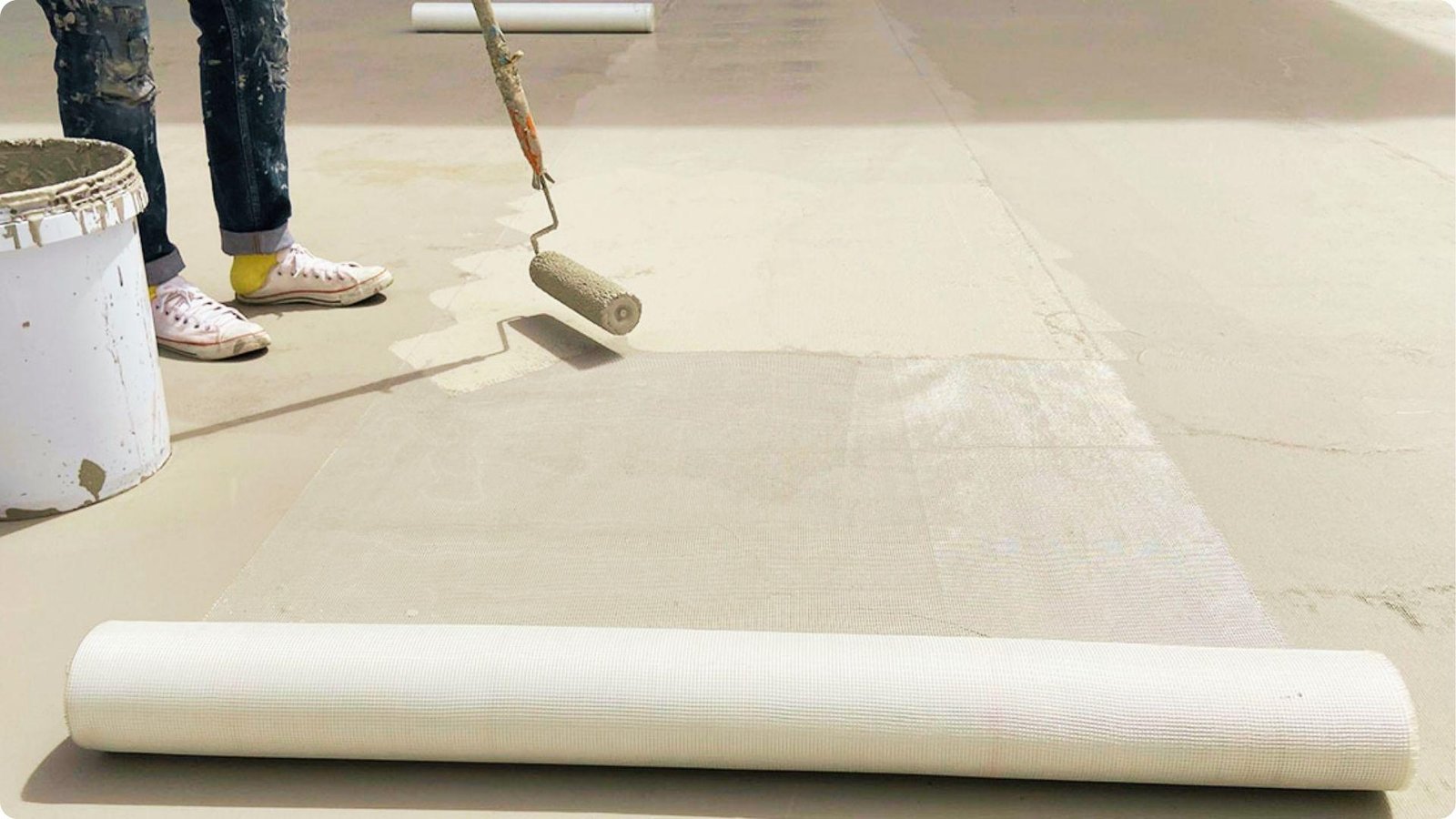
Yes, you can paint a TPO roof, but only with the right products and preparation.
Is Painting TPO Roofing a Good Idea?
In most cases, yes. When done correctly with the right coating, it can extend roof life and improve performance without a full replacement.
When Painting a TPO Roof Makes Sense
It makes sense when the roof is still structurally sound but showing age, discoloration, or surface wear. It is also a smart move if you want to cut energy costs before committing to a replacement.
Important Warranty and Performance Considerations
Always check your warranty before applying any coating. Some manufacturers void coverage if you use products not on their approved list.
Benefits of Painting a TPO Roof
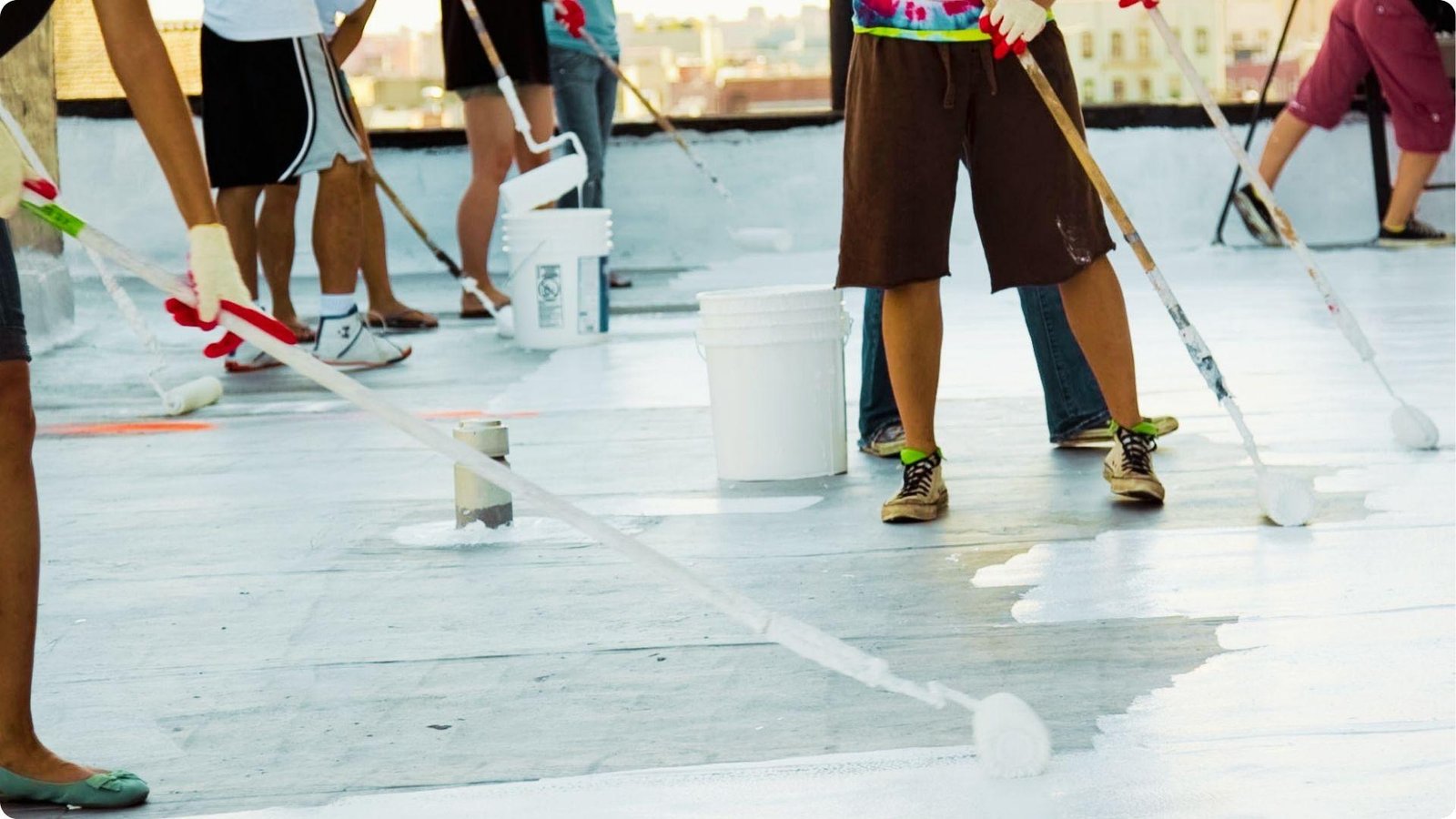
Painting a TPO roof the right way comes with real, practical advantages worth knowing.
Improve Roof Appearance
Over time, TPO roofs can turn gray or develop stains from dirt and algae. A fresh coat restores a clean, bright look and makes future problems easier to spot.
Improve UV Protection
A reflective coating restores the membrane's ability to block UV rays. This slows down the aging process caused by constant sun exposure.
Increase Energy Efficiency
A well-coated TPO roof reflects more heat away from the building. This reduces HVAC workload and lowers cooling bills during hot months.
Help Extend Roof Lifespan
A coating adds a protective layer that shields the membrane from UV damage and wear. Applied at the right time, it can add years before a replacement is needed.
Materials Needed to Paint a TPO Roof
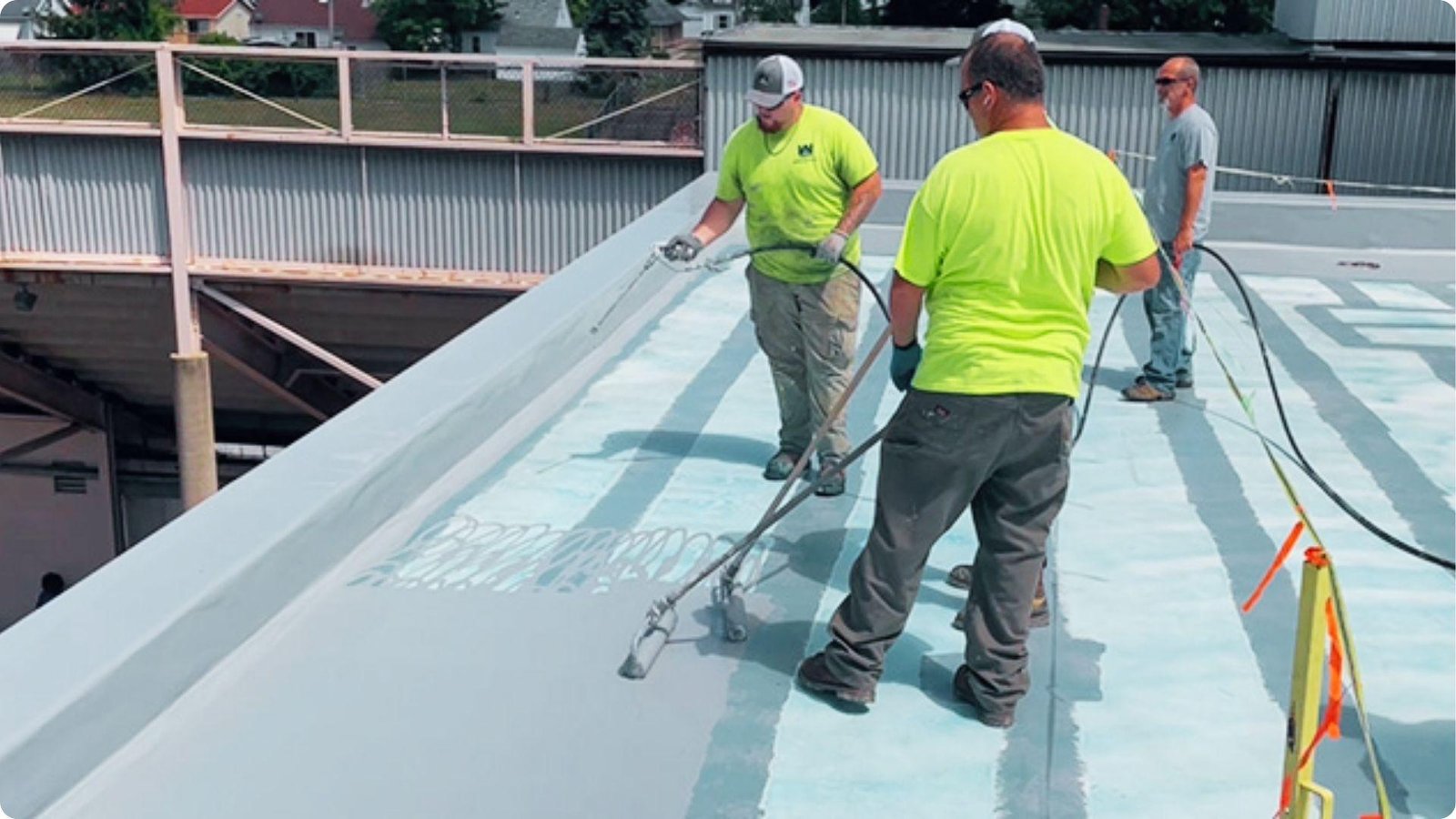
Using the correct materials is the most important part of this entire process.
TPO-Compatible Primers
A primer prepares the slick TPO surface so the coating bonds properly. Look for products that specifically say "TPO compatible" on the label.
Acrylic Roof Coatings
Water-based acrylic coatings dry fast and offer good reflectivity. They work well in moderate climates but may not hold up as well in areas with heavy rain.
Silicone Roof Coatings
Silicone coatings resist moisture and UV degradation very well. They are more expensive and harder to re-coat later since new layers do not bond easily to silicone.
Elastomeric Roof Coatings
Elastomeric coatings are flexible and move with the membrane as temperatures change. This makes them a strong fit for TPO, which expands and contracts with heat and cold.
Important Painting Tools and Safety Equipment
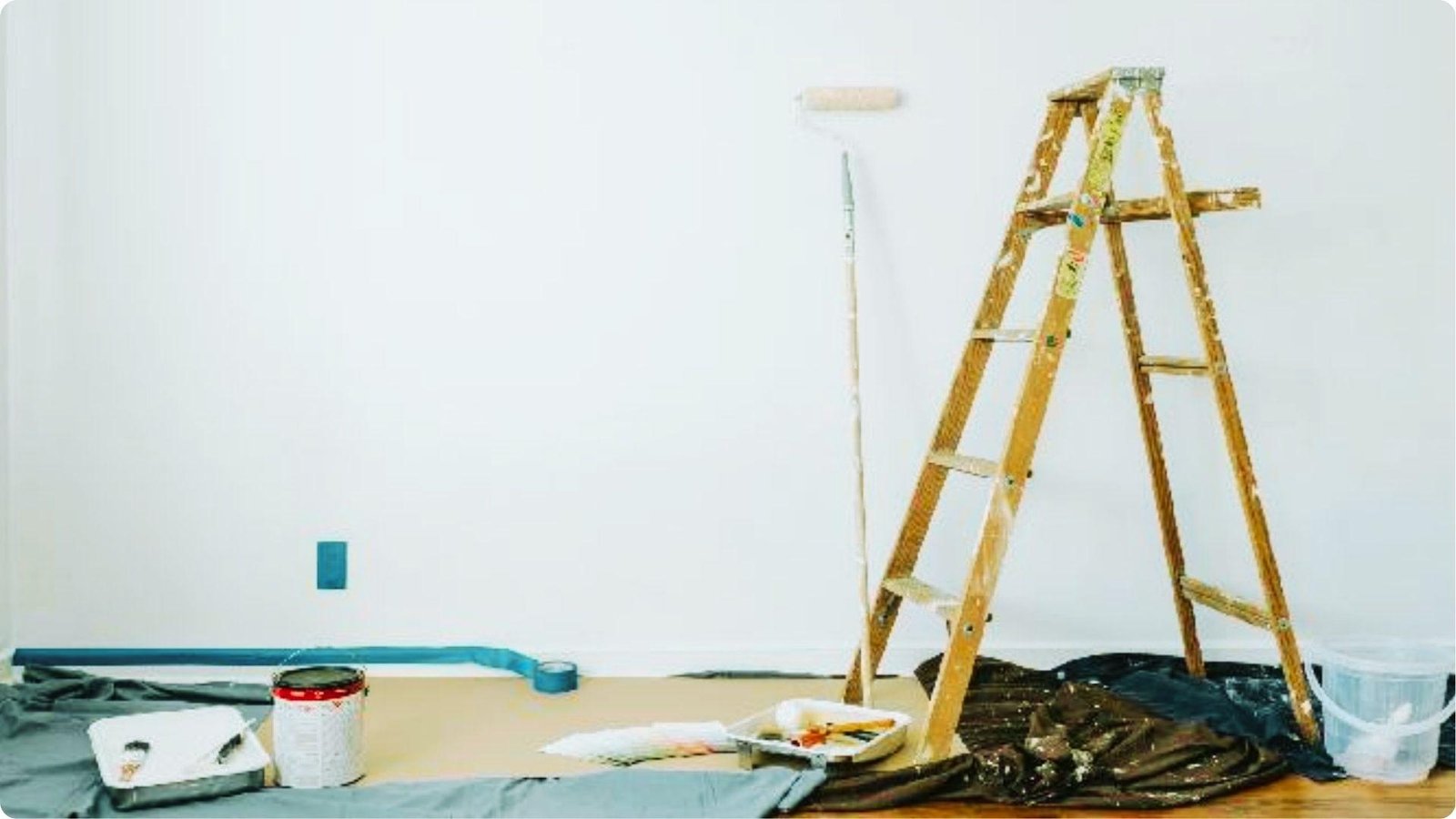
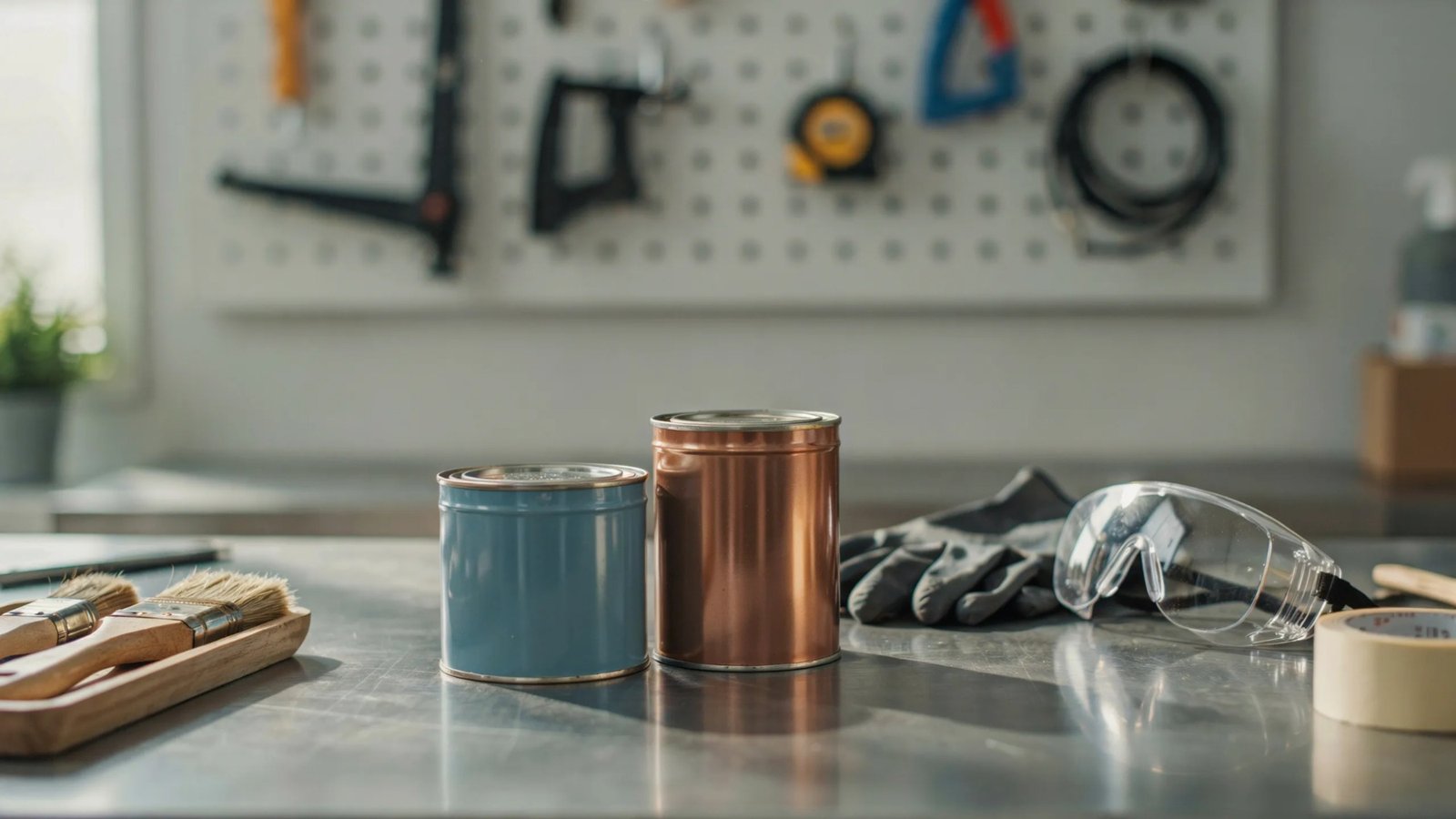
You will need a pressure washer, stiff-bristle brush, thick-nap roller or airless sprayer, and a detail brush for edges. Always wear gloves, goggles, rubber-soled shoes, and a safety harness.
How to Prepare a TPO Roof Before Painting
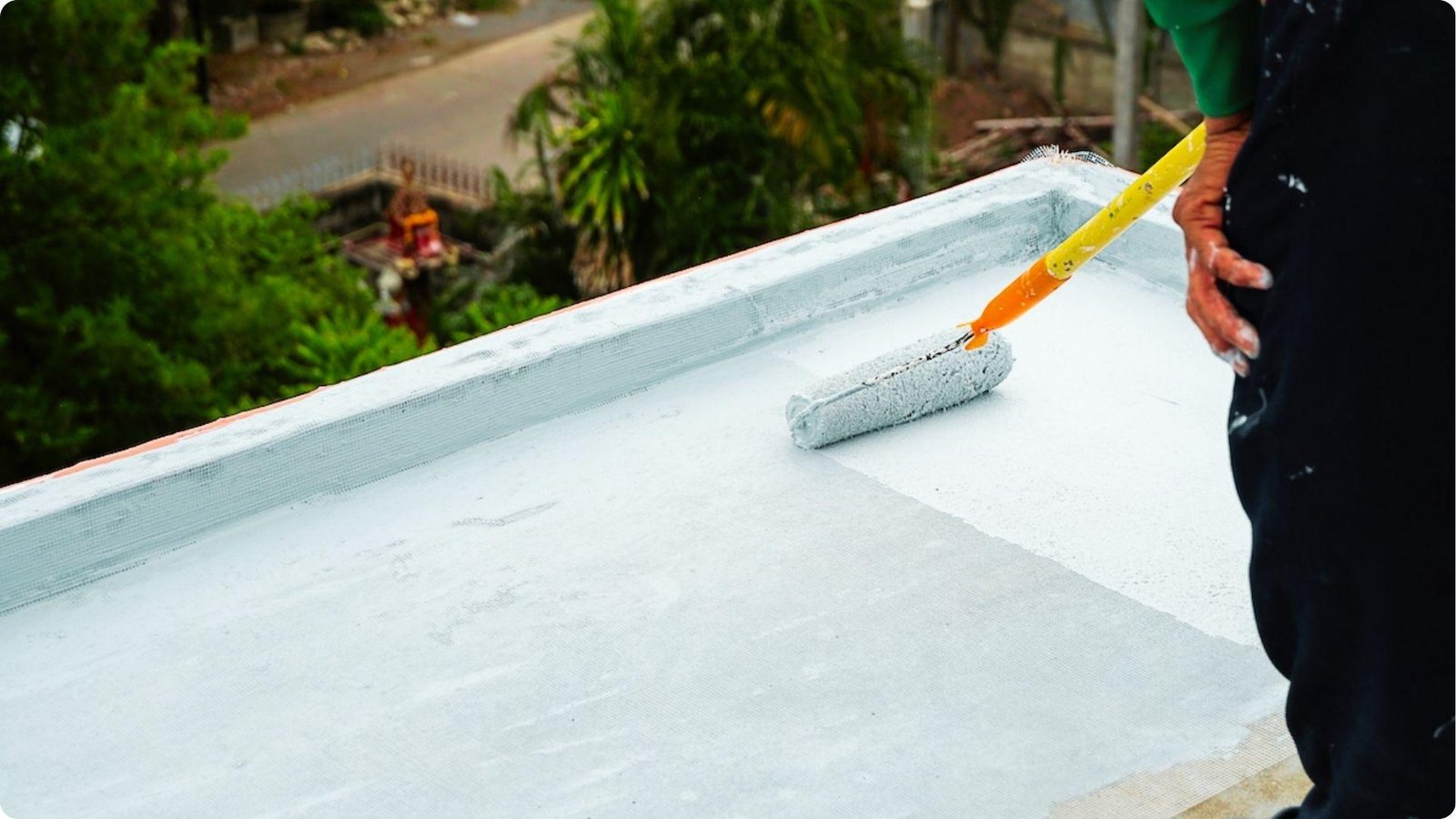
Preparation is what separates a coating that lasts from one that fails within a season.
Inspect the Roof for Damage
Walk the entire roof and look for lifted seams, cracks, or punctures near vents and drains. Fix all damage before applying any coating or you risk trapping moisture underneath.
Clean the Surface Thoroughly
Use a pressure washer and TPO-safe cleaner to remove dirt, algae, and debris. Avoid harsh chemicals like bleach, which can break down the membrane over time.
Repair Seams and Problem Areas
Press down any weak seams with seam tape or sealant, and patch small holes with a TPO patch kit. A coating protects the roof but it does not fix existing damage.
Allow the Roof to Dry Completely
Give the roof at least 24 to 48 hours to dry after cleaning. Any moisture trapped under the coating will cause bubbles and poor adhesion.
How to Paint a TPO Roof Step by Step
Follow this process carefully and your coating will bond well and last much longer.
Step 1: Clean and Prepare the TPO Surface
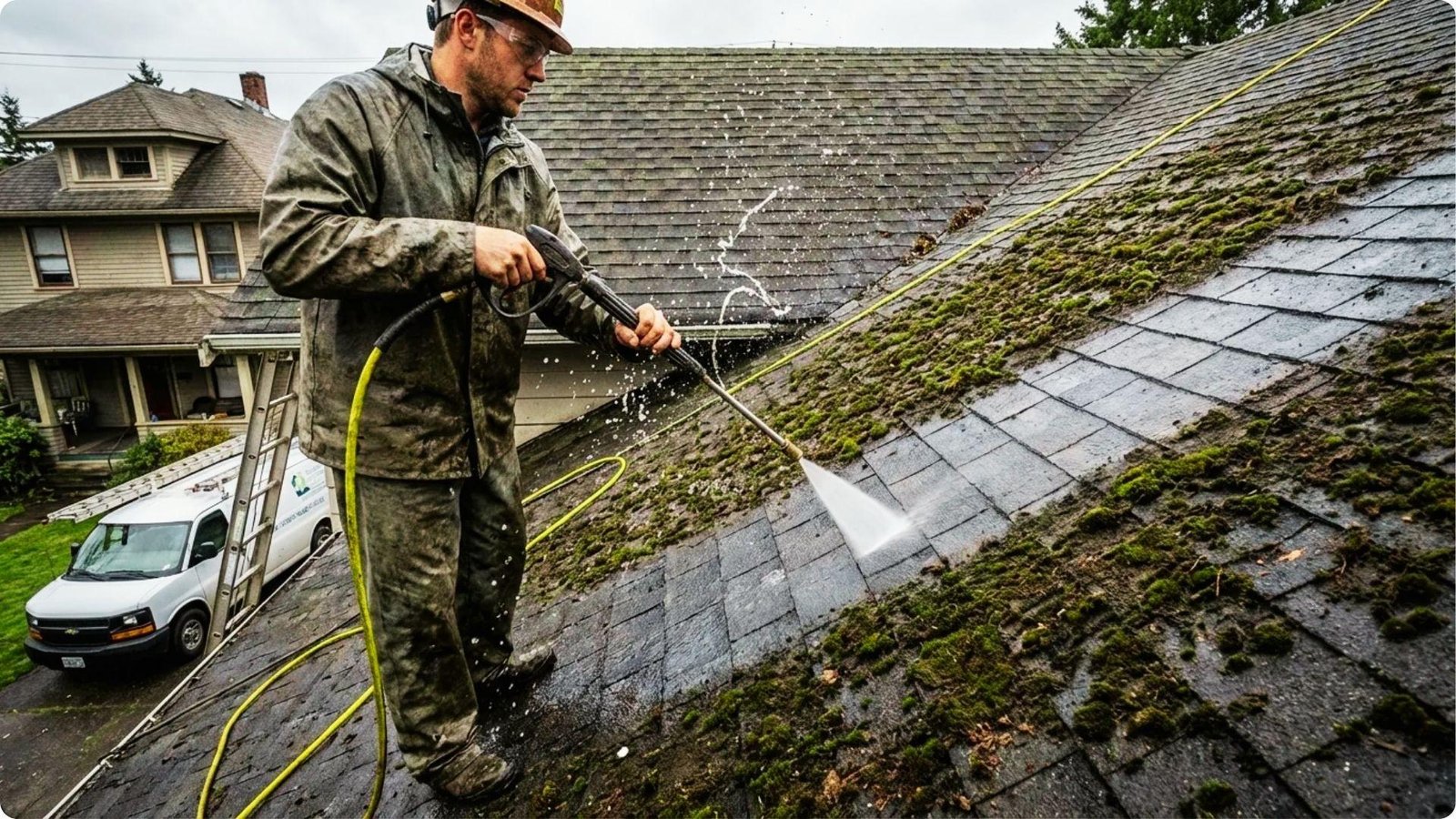
Remove debris, pressure wash the surface in overlapping strips, and scrub stubborn stains with a TPO-safe cleaner. Let the roof dry fully before moving on.
Step 2: Apply a TPO-Compatible Primer
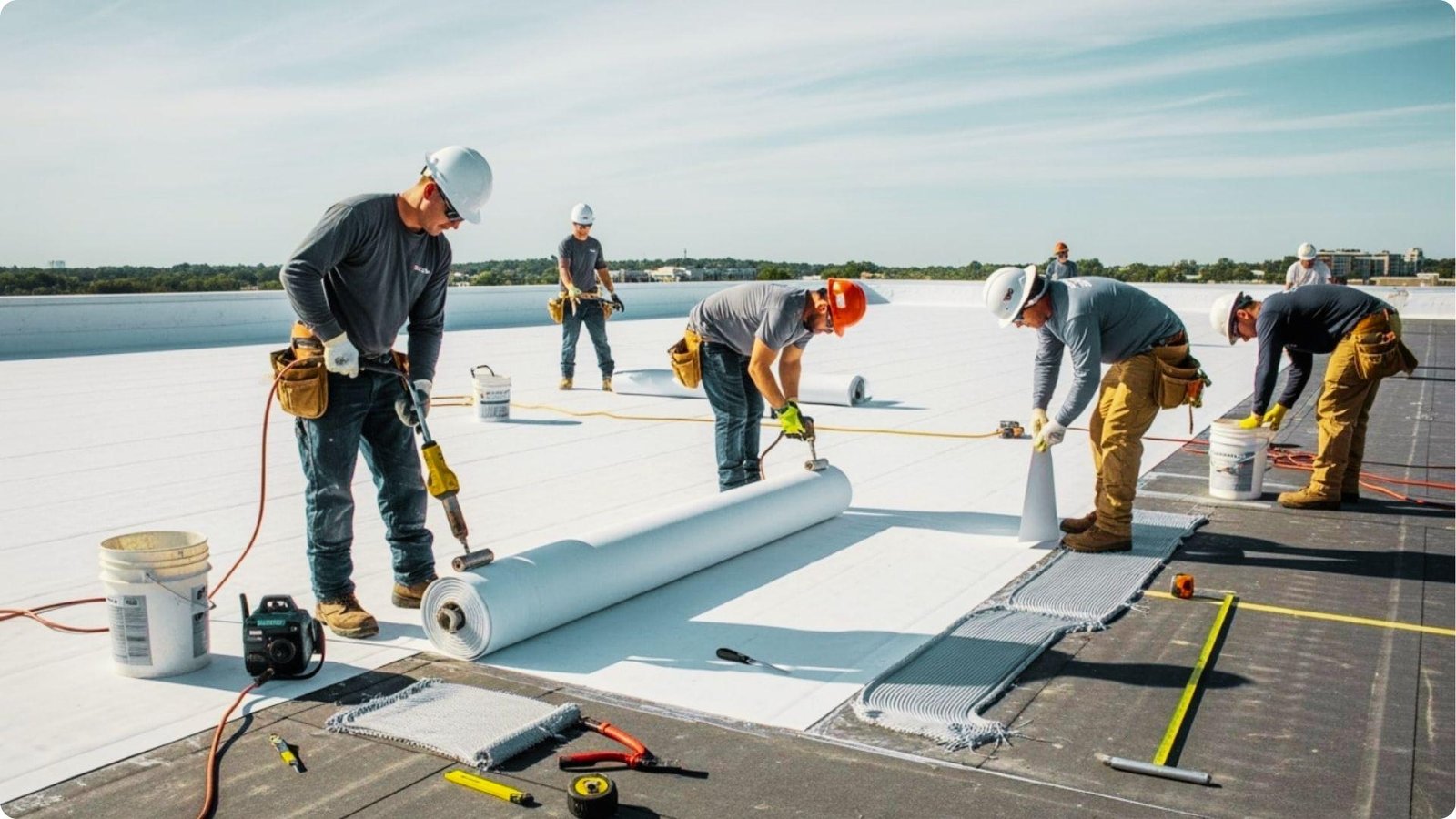
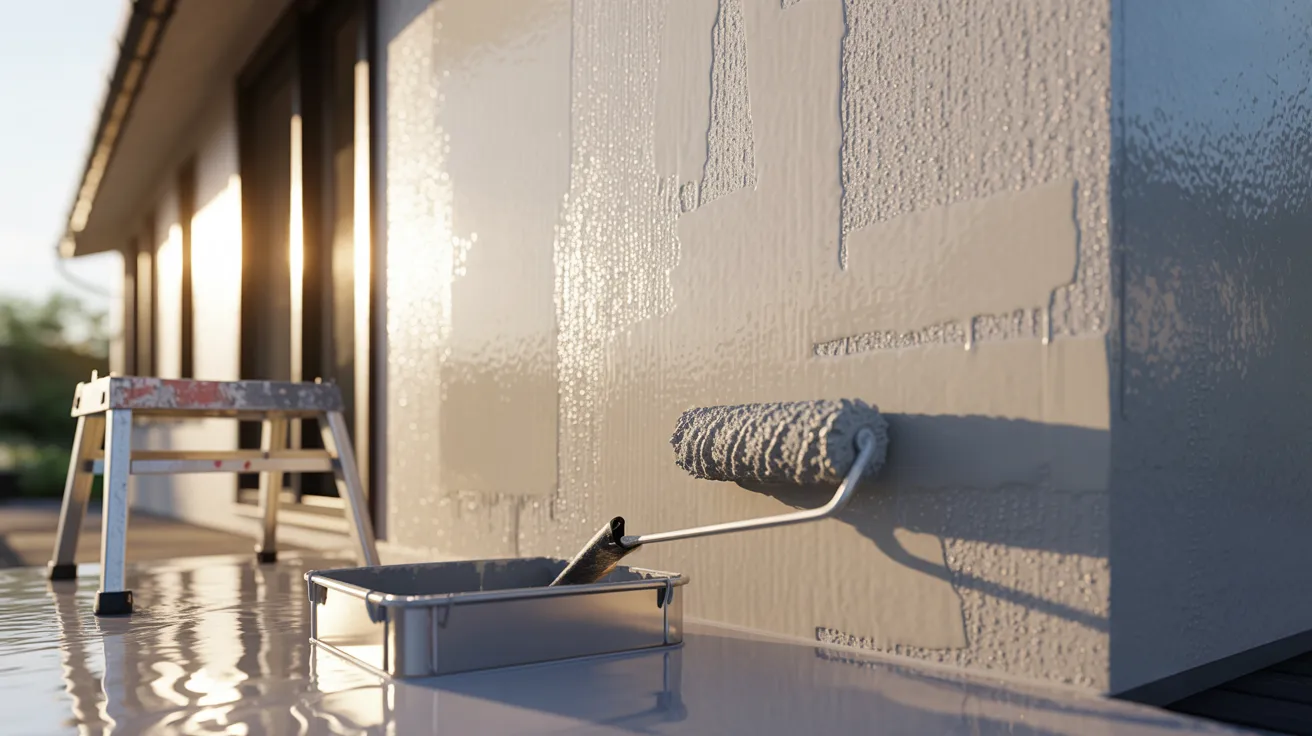
Apply the primer in thin, even layers using a thick-nap roller, working in sections to keep a wet edge. Let it dry fully according to the product label before coating.
Step 3: Apply the First Coat of Paint or Roof Coating
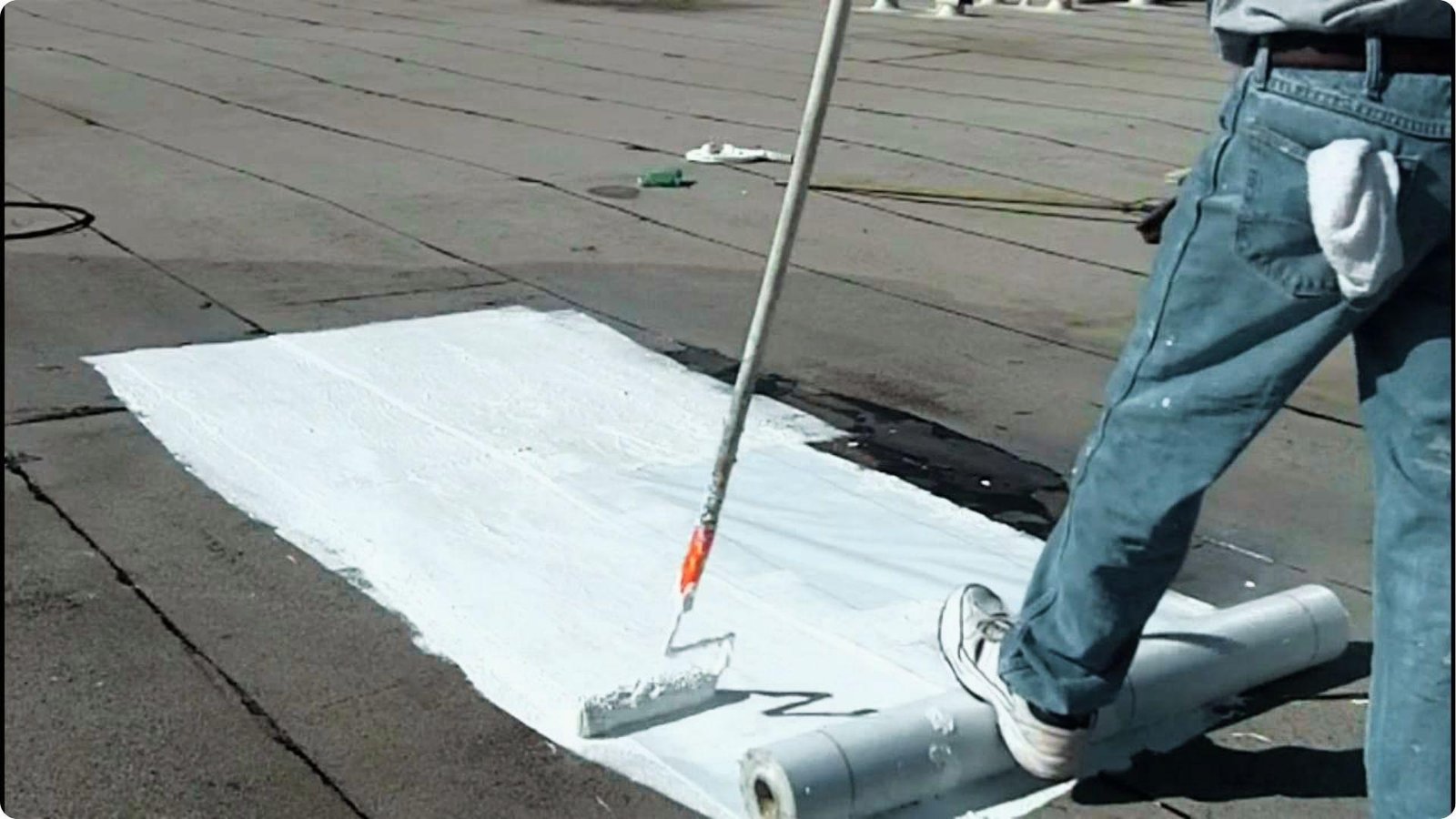
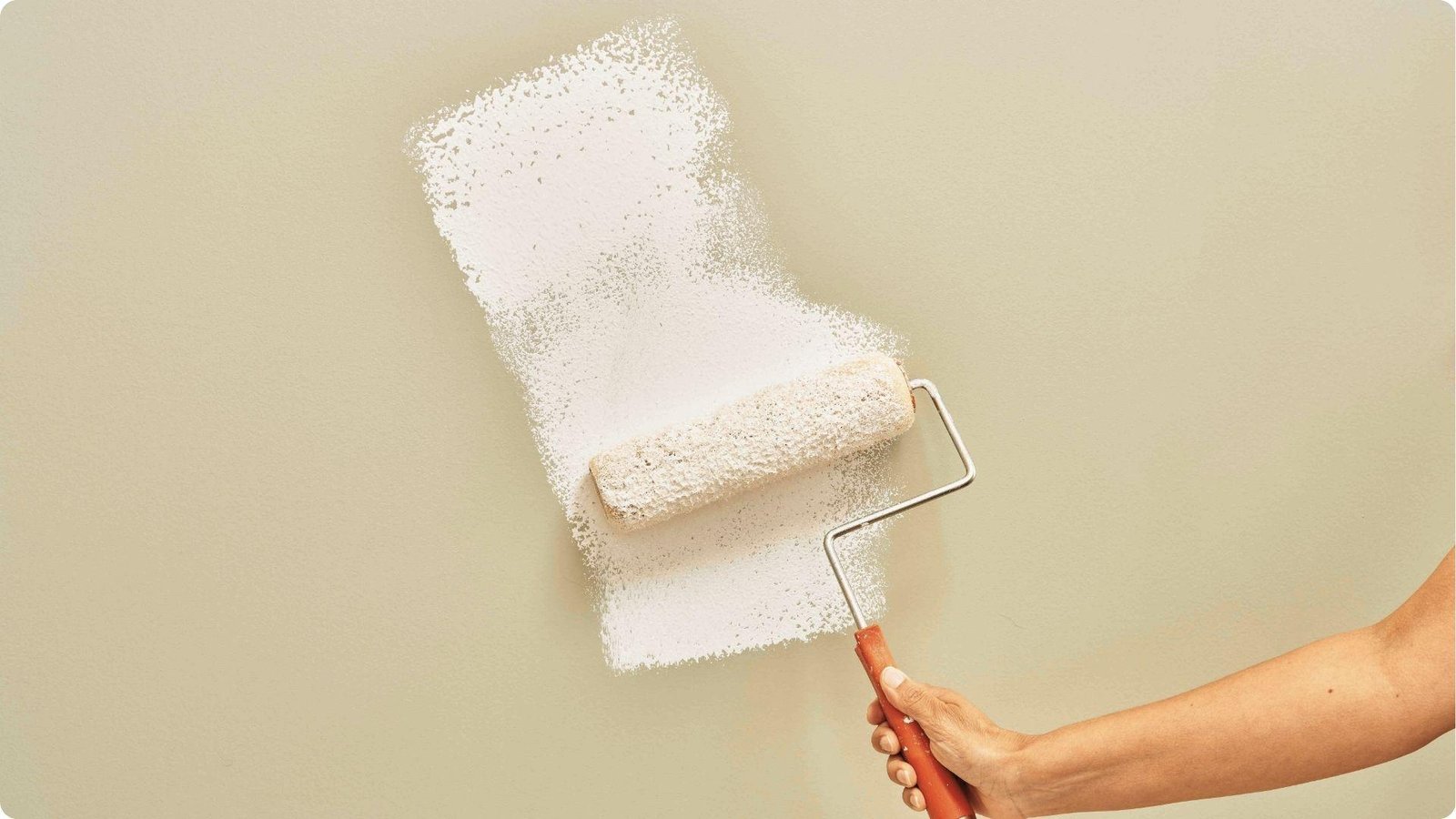
Apply the coating in one direction using a roller for flat areas and a brush for tight spots. Keep coats thin and even, and let each one dry fully before the next.
Step 4: Add a Second Coat and Inspect the Finish
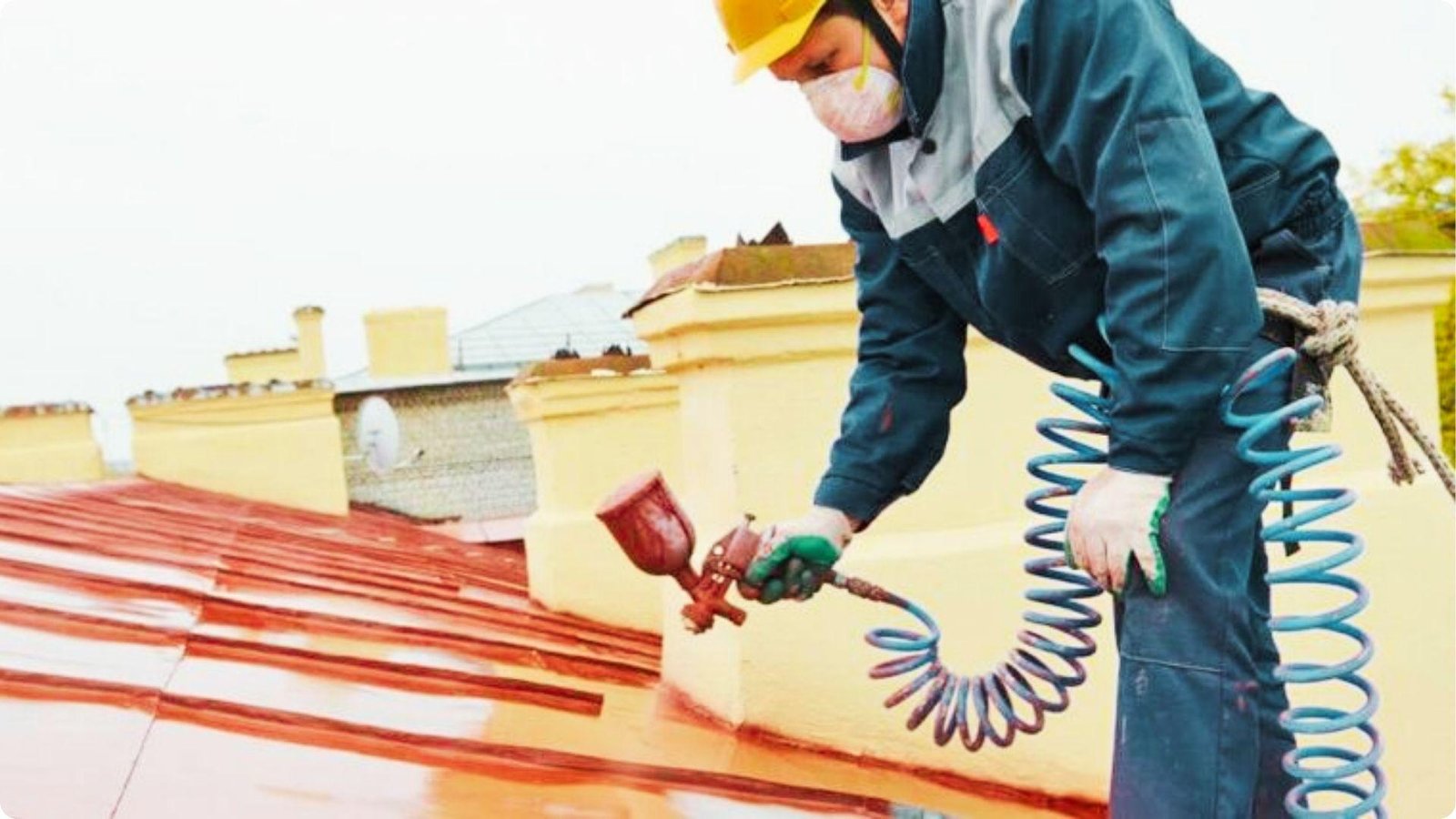
Apply the second coat in the opposite direction to fill any gaps. Once dry, walk the roof and touch up thin spots or bubbles before allowing it to fully cure.
Best Techniques for Painting a TPO Roof
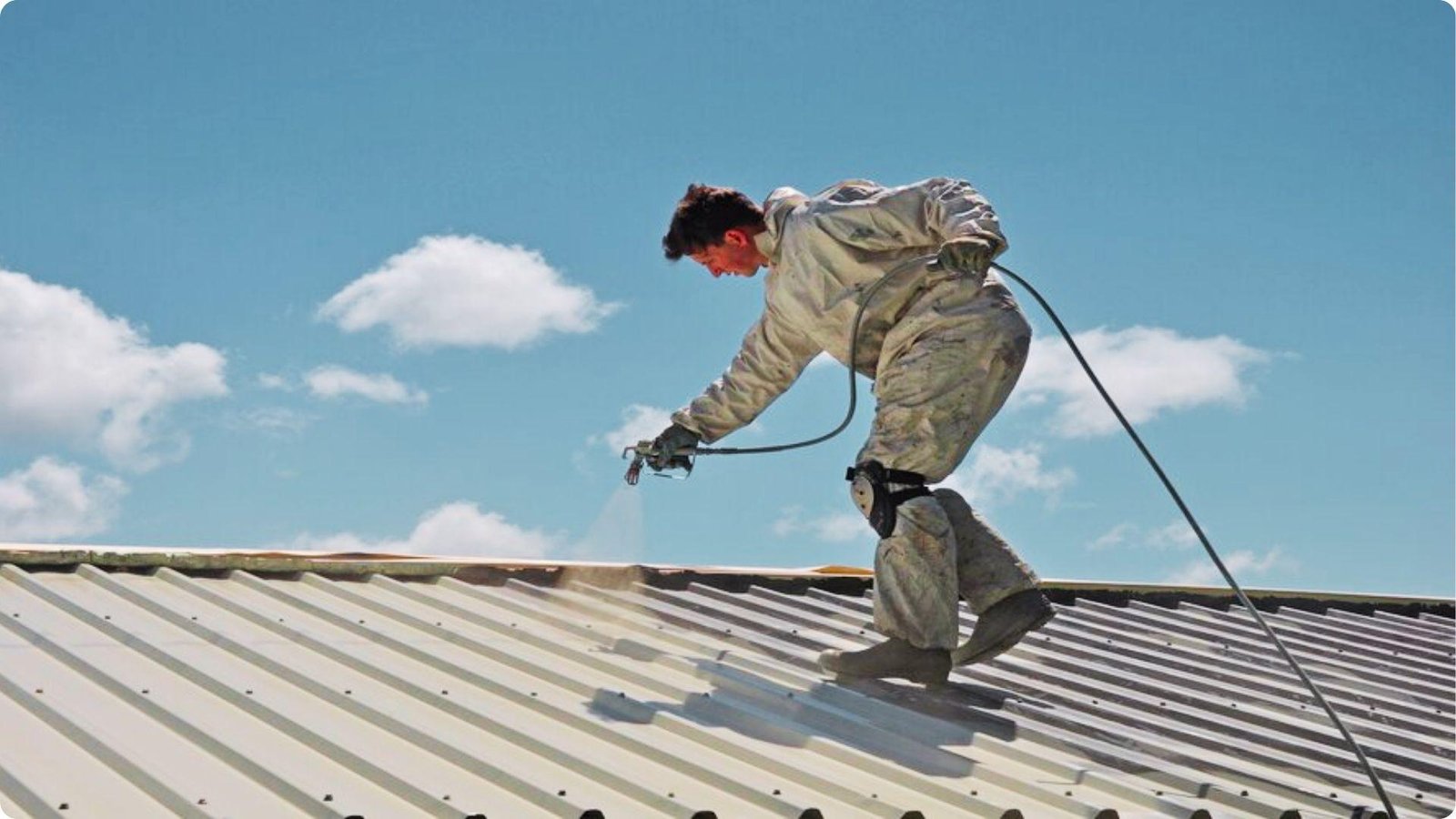
Good technique makes a big difference in how well the coating holds up over time.
Choosing Between a Roller and a Sprayer
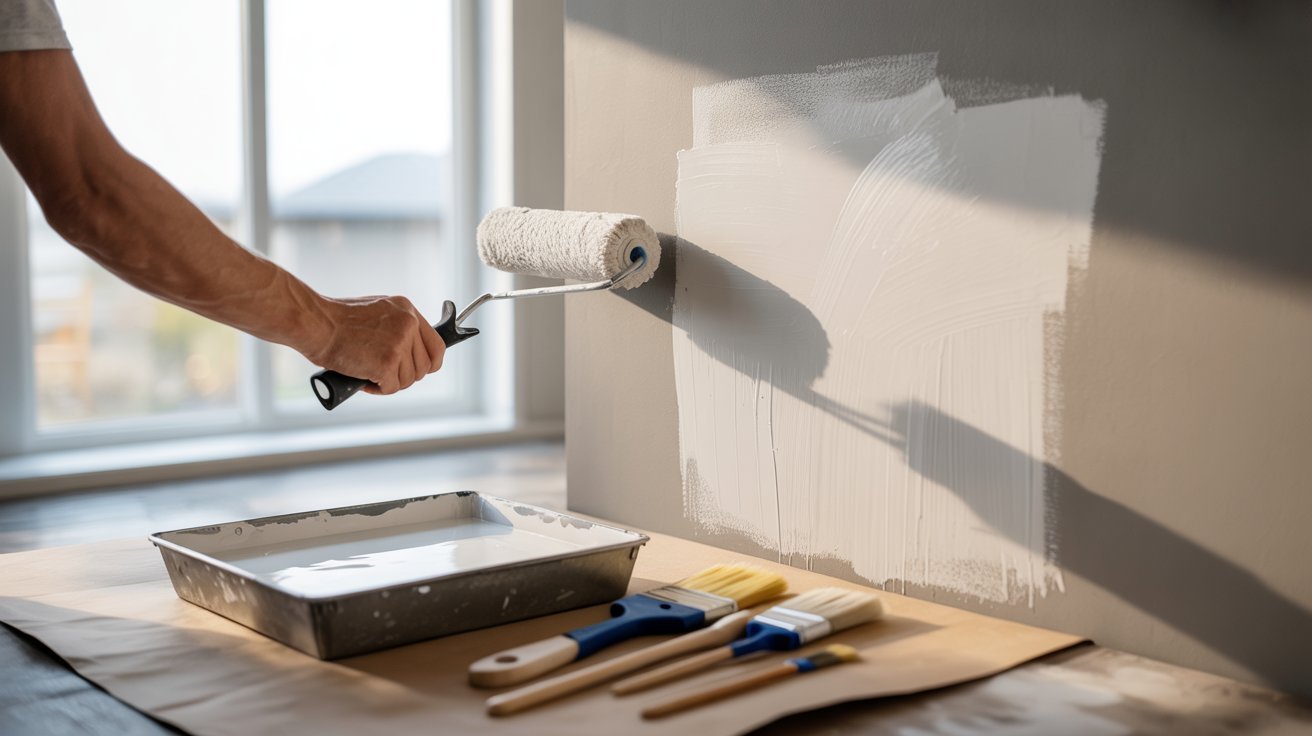
A roller gives more control on smaller roofs with obstacles. A sprayer covers large areas faster but always back-roll right after spraying for better adhesion.
Achieving Even Coverage
Work in sections, keep a wet edge, and overlap each roller pass slightly. Consistent pressure from start to finish gives you a stronger, more durable finish.
Painting in the Right Weather Conditions
Apply coatings when temperatures are between 50 and 90 degrees Fahrenheit and humidity is below 85 percent. Early morning works best and avoids coating if rain is expected within 24 hours.
Ensuring Long-Lasting Adhesion
Follow the manufacturer's recommended coverage rate in square feet per gallon. Coating too thin or too thick both cause problems, so sticking to the guideline matters.
Tips for Successful TPO Roof Painting
A few smart habits can make the difference between a coating that holds and one that fails early.
- Choose a coating that specifically lists TPO membranes on its label.
- Never skip the primer, even if the coating claims it is not needed.
- Check the weather forecast for at least two days before and after application.
- Follow the drying time on the product label before adding more coats.
- Keep foot traffic off the roof until it has fully cured.
Conclusion
If you have been putting off painting your TPO roof, I hope this guide gave you the confidence to move forward.
I have seen firsthand how the right coating at the right time can add years to a roof and cut energy costs noticeably.
Take your time with prep. It really is the deciding factor.
Drop a comment below and tell me about your TPO roof experience. Share this post if it helped, and check out our other roofing guides for more hands-on tips.
Frequently Asked Questions
Can you paint a TPO roof without a primer?
It is not recommended. A TPO-compatible primer helps the coating bond to the slick surface, and skipping it often leads to early peeling or failure.
What type of coating works best on a TPO roof?
Elastomeric and silicone coatings perform well on TPO because they are flexible and water-resistant. Always choose a product labeled as compatible with TPO membranes.
Will painting a TPO roof void the warranty?
It can, depending on the manufacturer. Check your warranty and only use coatings from the manufacturer's approved product list to stay protected.
How often should a painted TPO roof be recoated?
Most coatings last five to ten years depending on climate and product quality. Annual visual inspections help you plan recoating before wear turns into damage.
Is coating a TPO roof better than replacing it?
If the membrane is still in good shape, coating is a cost-effective way to extend its life. Replacement makes more sense when there is widespread damage or active leaking.