I've been there. You grab a quart of paint at the store, get home, and halfway through the project, you run dry. It's frustrating, and it's avoidable.
In this post, I'll break down exactly how much a quart of paint covers, what factors change that number, and how to figure out if one quart is enough before you start.
I've painted enough walls, furniture, and cabinets to know where people go wrong.
I'll walk you through real examples, common mistakes, and simple tips so you don't waste money buying too much or too little.
How Much Does a Quart of Paint Cover on Average?
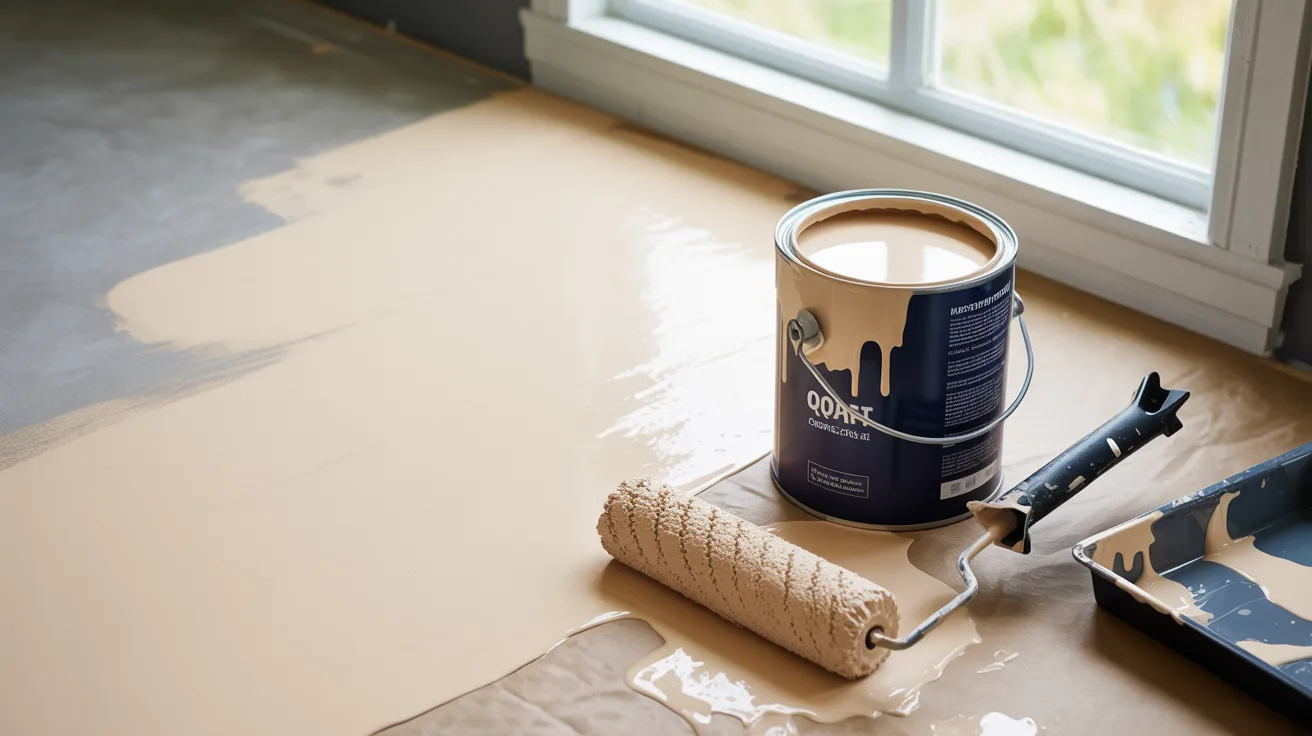
A quart of paint covers about 100 square feet. That's the standard rule most paint brands go by.
On a smooth, already-primed surface, some paints can stretch to 110 or even 120 square feet. On rough or bare surfaces, you might get 80 square feet or less.
Here's a quick way to use that number:
Measure the wall height and width. Multiply them. That gives you square footage. If it's close to 100 square feet, one quart might be enough for one coat.
But one coat is rarely all you need. Keep that in mind.
Is a Quart of Paint Enough for Your Project?
It depends on the size of your surface and how many coats you plan to apply.
For small projects like an accent wall, a nightstand, or a bathroom, one quart can work. For bigger jobs like a full room or kitchen cabinets, it won't be enough.
A good rule:if your total square footage is under 100, one quart might do it.
If you're painting two coats, double that number. So for two coats on a 100 square foot wall, you'd need roughly two quarts.
Don't guess. Measure first.
Paint Coverage Calculator Basics
You don't need a fancy app. The math is simple.
Step 1:Measure the length and height of each wall you want to paint. Multiply them to get the area.
Step 2:Add up all the wall areas.
Step 3:Subtract any large windows or doors (roughly 15 square feet each).
Step 4:Divide the total by 100. That's how many quarts you need per coat.
Example:A 10×10 room with 8-foot ceilings has about 320 square feet of wall space. That's a little over 3 quarts per coat. For two coats, you'd need about 6 to 7 quarts, which is close to two gallons.
Factors That Affect How Much a Quart of Paint Covers
The 100 square feet number is a starting point. Several things can change it.
Surface Texture
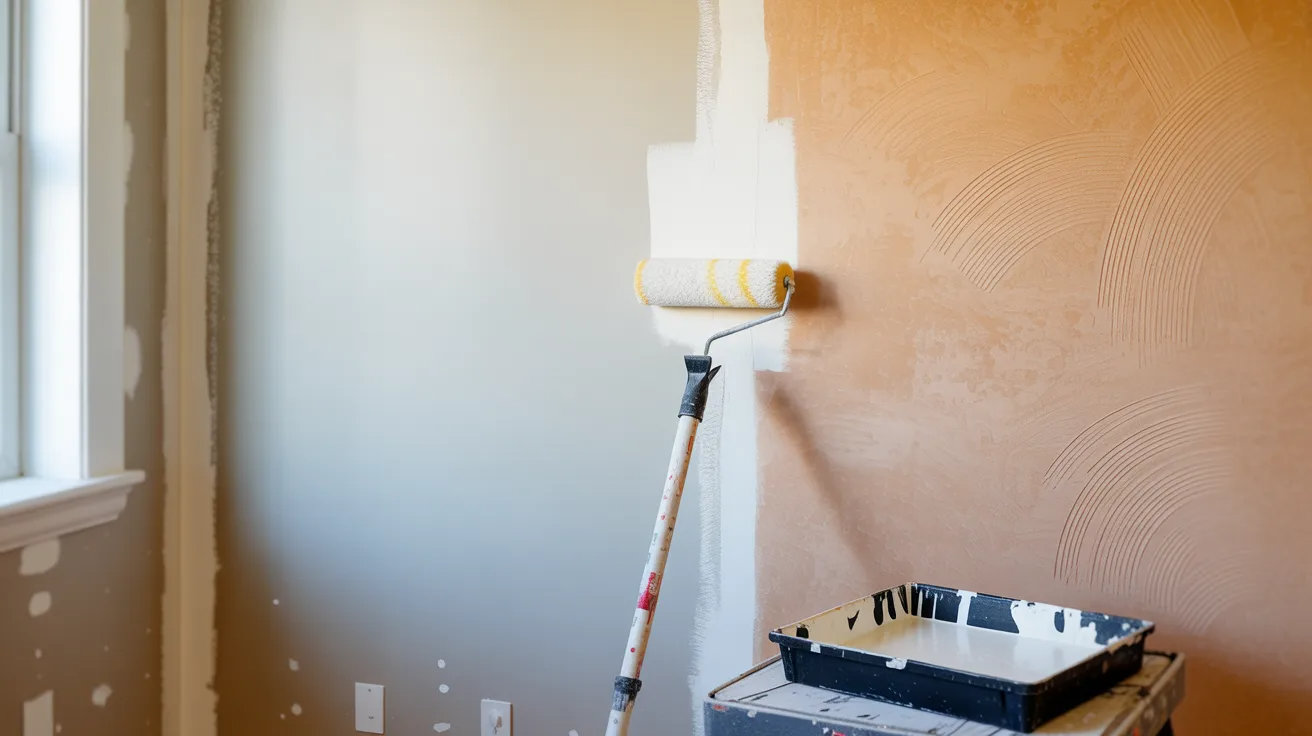
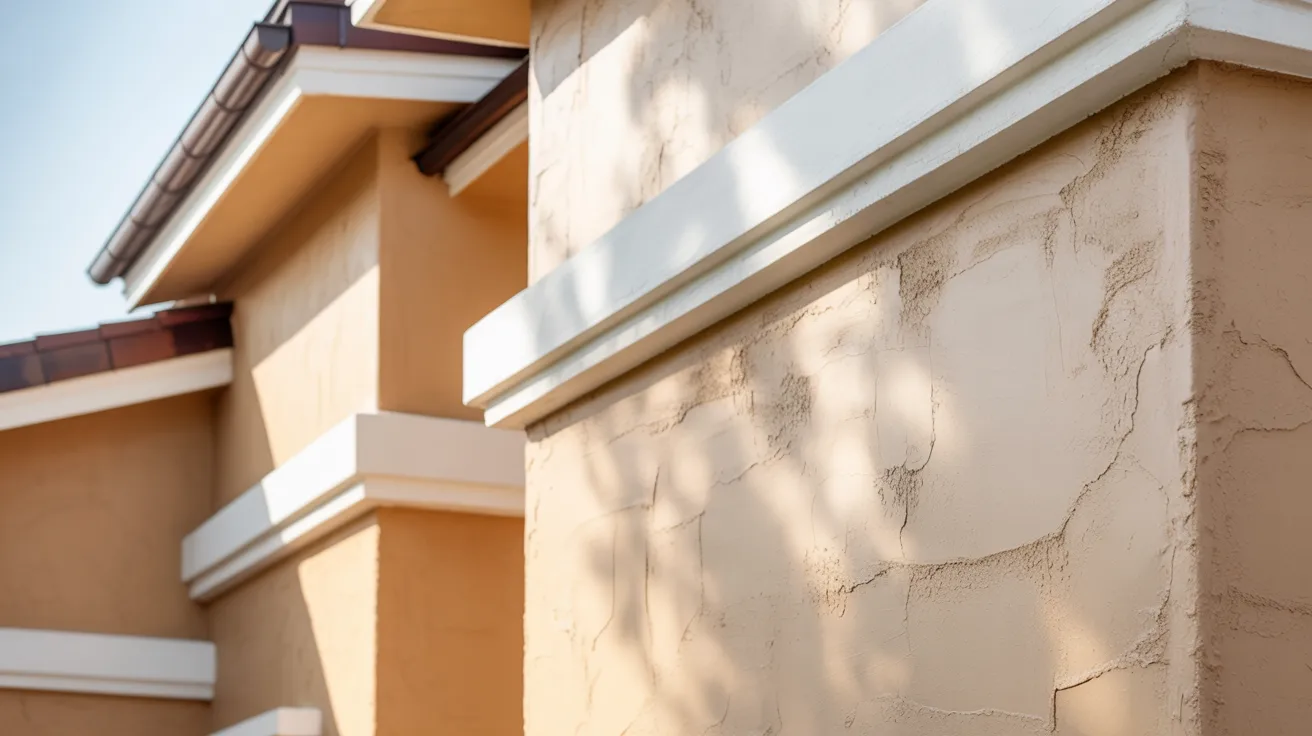
Rough surfaces soak up more paint. A brick wall, a stucco finish, or unprimed drywall will reduce coverage fast. On textured walls, expect 70 to 80 square feet per quart instead of 100.
Smooth surfaces like primed drywall or sealed wood give you the best coverage.
Paint Type and Finish
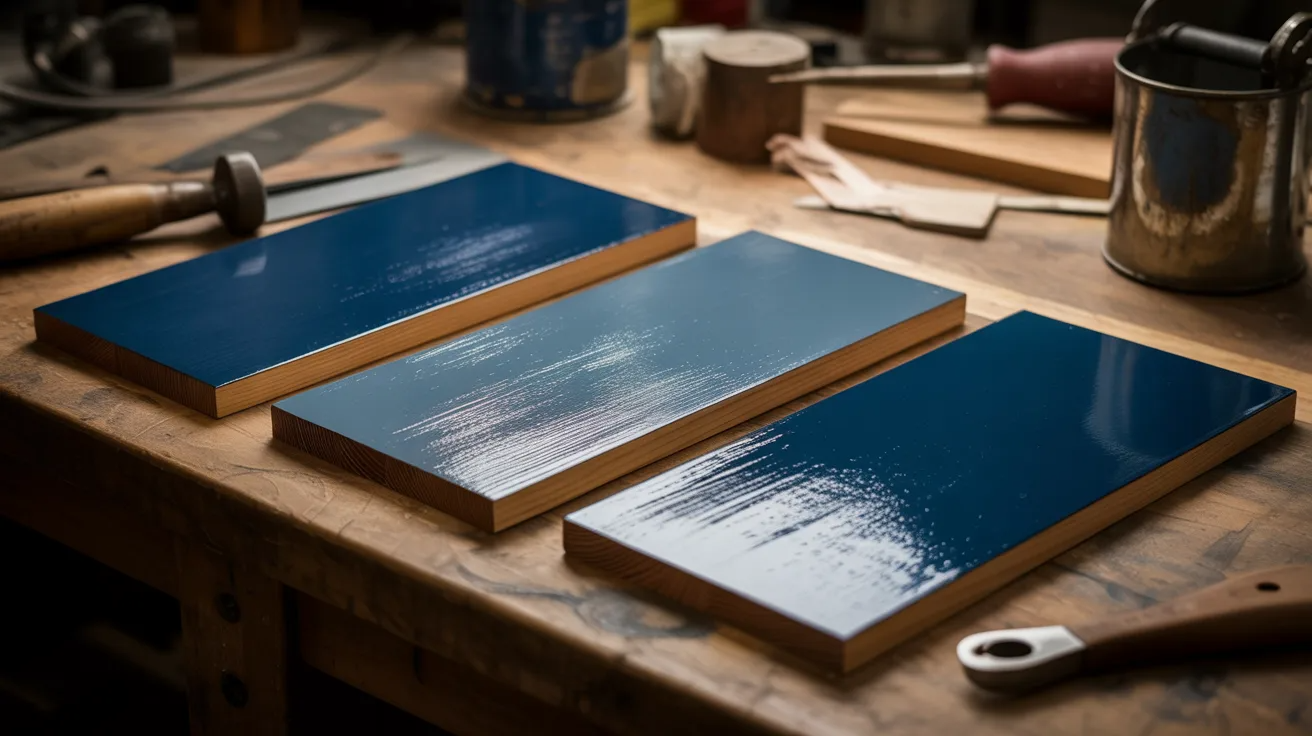
Thick paints like latex cover less area but in fewer coats. Thinner paints go further but may need an extra coat to look solid.
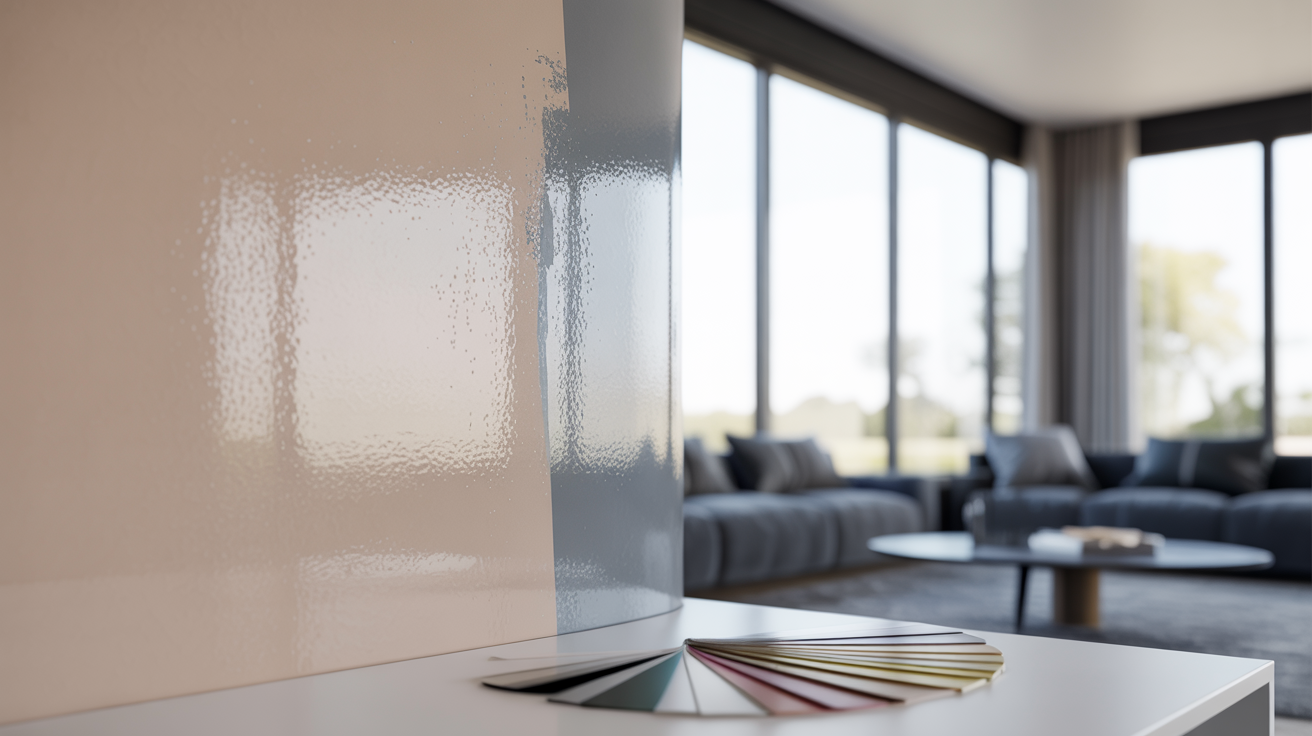
Flat and matte finishes tend to cover more. Glossy finishes are thinner and may require more coats, especially on darker colors.
Color Changes
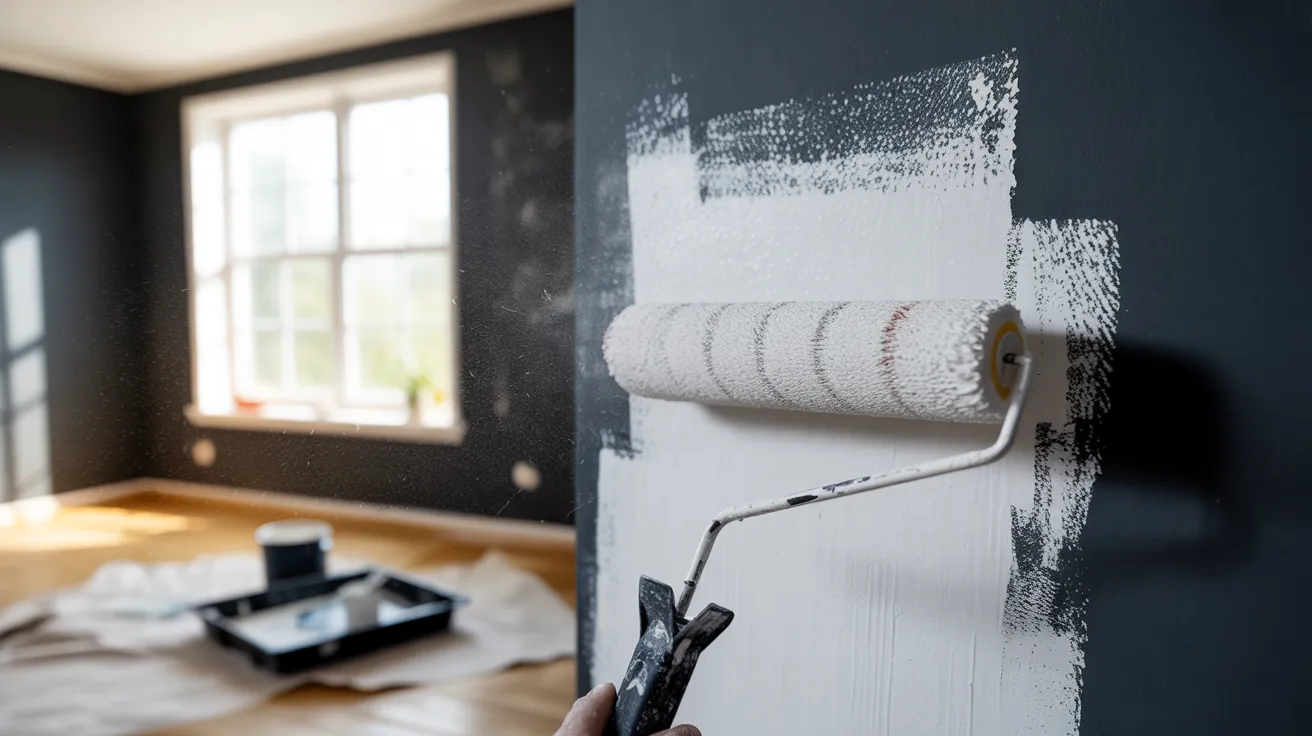
Going from dark to light is the hardest job for paint. If your wall is dark gray and you're painting it white, you might need three or even four coats. That cuts your coverage down significantly.
Going dark over light is easier. One or two coats usually does it.
Application Method
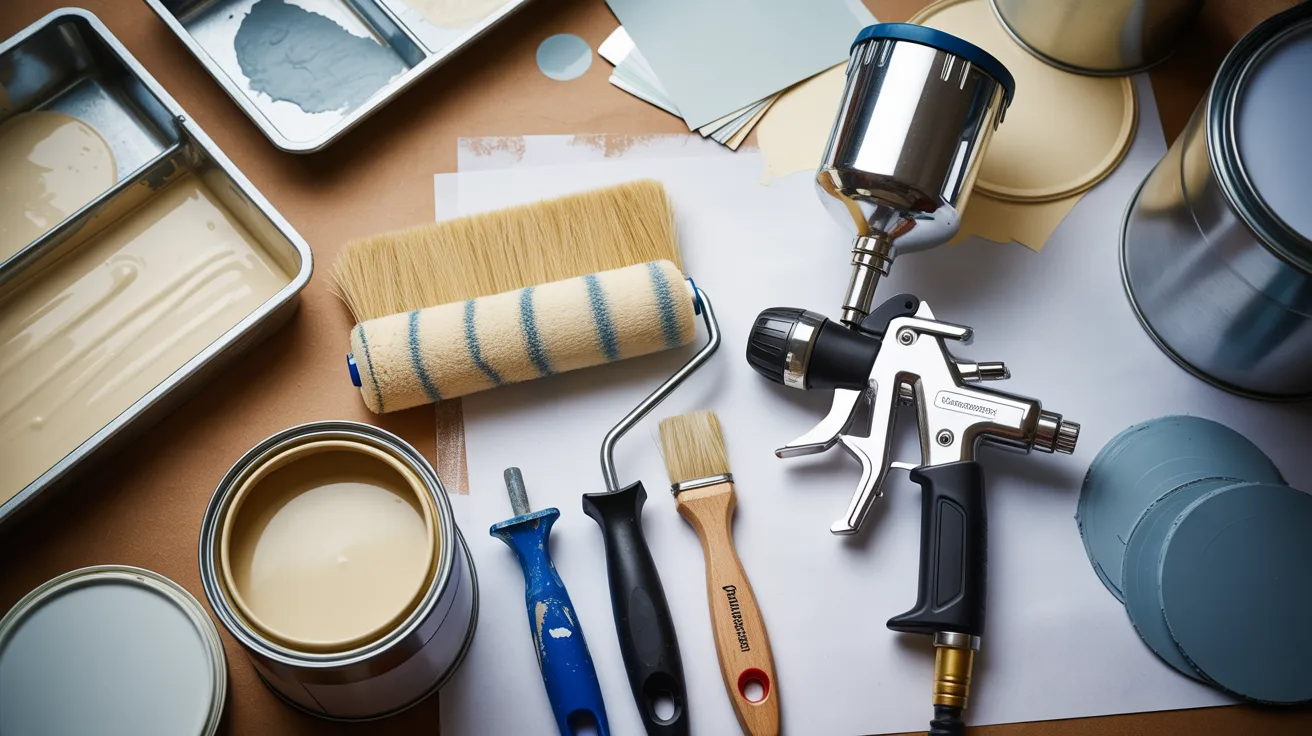
Rolling gives the best coverage. Spraying uses more paint because some gets lost in the air. Brushing is the most controlled but can leave thicker spots that use up paint faster.
I always roll large surfaces and use a brush for edges and corners.
How Many Coats Will You Need?
Most paint jobs need two coats. That's the safe standard.
One coat works if you're painting the same color or a similar shade, the surface is already primed and smooth, or you're using a high-quality paint and primer combo.
You'll need three or more coats if you're doing a big color change, the surface is bare or rough, or you're using a cheaper paint with low pigment.
Always plan for two coats when buying paint. It's better to have a little left over than to run out mid-wall.
Quart vs Gallon Paint: Which Should You Buy?
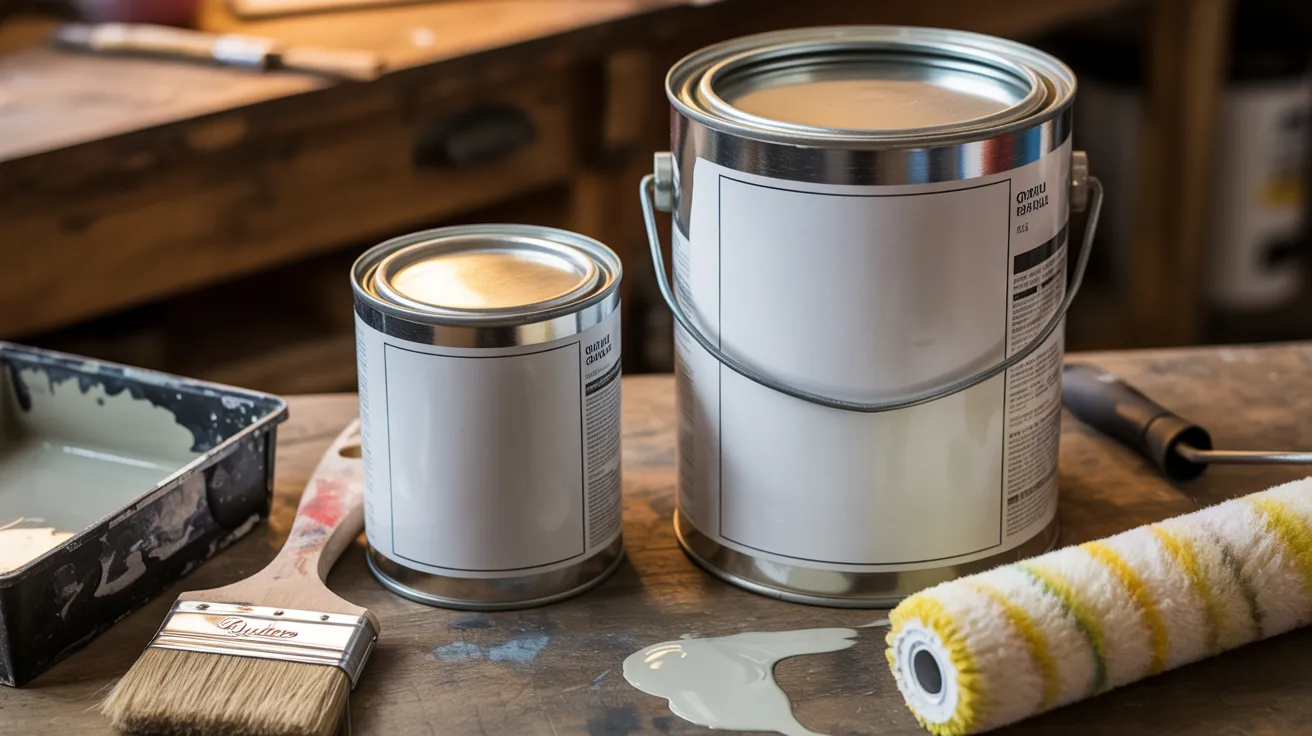
A gallon covers about 400 square feet. A quart covers about 100 square feet. The price difference matters too.
Buy a quart when you're doing a small project under 100 square feet, testing a color before committing to a full gallon, or touching up a previous paint job.
Buy a gallon when you're painting a full room or multiple walls, you need two or more coats, or you want extra paint for future touch-ups.
Per square foot, a gallon is almost always cheaper than buying four quarts. So if your project is close to 300 to 400 square feet, go with the gallon. It saves money.
Real-Life Paint Coverage Examples
Here's how quart coverage plays out in actual projects I've done
Example 1 – Painting a Small Accent Wall
I once painted a 10-foot wide by 8-foot tall accent wall. That's 80 square feet. One quart of a high-coverage paint was enough for two coats because the surface was already painted and smooth.
If the wall had been textured or a different base color, I would have needed a second quart.
Example 2 – Painting a Dresser With One Quart
A standard six-drawer dresser has about 40 to 60 square feet of paintable surface when you count the sides, front, and top. One quart is plenty for two coats on furniture like this.
I painted a dresser last year with one quart of chalk paint and had some left over.
Example 3 – Painting Kitchen Cabinets
This one surprises people. A full set of kitchen cabinets, including doors and frames, can have 150 to 250 square feet of surface area. That's two to three quarts minimum, and that's just for one coat.
For two coats in a full kitchen, I'd plan on at least two gallons to be safe.
Common Mistakes That Reduce Paint Coverage
A lot of people cut coverage without realizing it.
Here's what to watch out for:
- Skipping primer on bare surfaces. Unprimed wood or drywall soaks up paint fast. You'll use twice as much without a primer.
- Loading the brush or roller too thick. It feels like you're saving time, but thick coats drip and don't cover evenly. Thinner coats cover more area.
- Not stirring the paint. Paint settles in the can. If you skip stirring, the pigment stays at the bottom and the thin liquid on top covers poorly.
- Painting over a dirty surface. Dust and grease prevent paint from sticking, so you end up applying extra coats.
- Rushing between coats. If the first coat isn't dry, the second coat pulls it up and you waste both.
Tips to Make a Quart of Paint Go Further
You don't always need to buy more. Sometimes you just need to paint smarter.
- Use a primer first. This one step can cut your paint use in half on bare or dark surfaces.
- Sand between coats. Light sanding removes bumps and helps the next coat go on thin and even.
- Use a quality roller with the right nap. A 3/8-inch nap is good for smooth walls. A 1/2-inch nap works better on textured surfaces. The right roller wastes less paint.
- Keep a wet edge. Move fast enough that you're always rolling into wet paint. This prevents thick overlap spots.
- Store leftover paint properly. Seal the can tight, store it upside down for the first day, and keep it at room temperature. Properly stored paint lasts years for touch-ups.
Conclusion
Knowing how much a quart of paint covers before you start saves time and money. One quart gets you about 100 square feet on a smooth, prepped surface.
But texture, color changes, and how many coats you need can change that number fast.
I always measure first, plan for two coats, and buy a little extra. It's a simple habit that prevents mid-project store runs.
For small projects, a quart is great. For anything bigger, do the math and go with a gallon. Paint coverage isn't complicated. It just takes a few minutes of planning up front.
Now that you know the numbers, what project are you finally ready to tackle?
Frequently Asked Questions
How much does a quart of paint cover on a smooth wall?
On a smooth, primed wall, a quart of paint covers roughly 100 square feet. Rough or unpainted surfaces will reduce that to around 70 to 80 square feet.
Can one quart of paint cover an entire room?
No. A standard room has 300 to 400 square feet of wall space. One quart won't be enough. You'll likely need a full gallon or more, depending on the number of coats.
Is a quart of paint enough for furniture?
For most pieces of furniture like a dresser or small table, yes. The total surface area is usually under 60 square feet, so one quart covers it with room to spare.
Does a second coat use as much paint as the first?
The second coat usually uses slightly less paint than the first because the surface is already sealed. But it's safest to plan for equal amounts per coat when buying.
How do I know if I need a quart or a gallon?
Measure your surface area first. If it's under 100 square feet and you need one coat, a quart works. For anything over 100 square feet or two coats, go with a gallon.