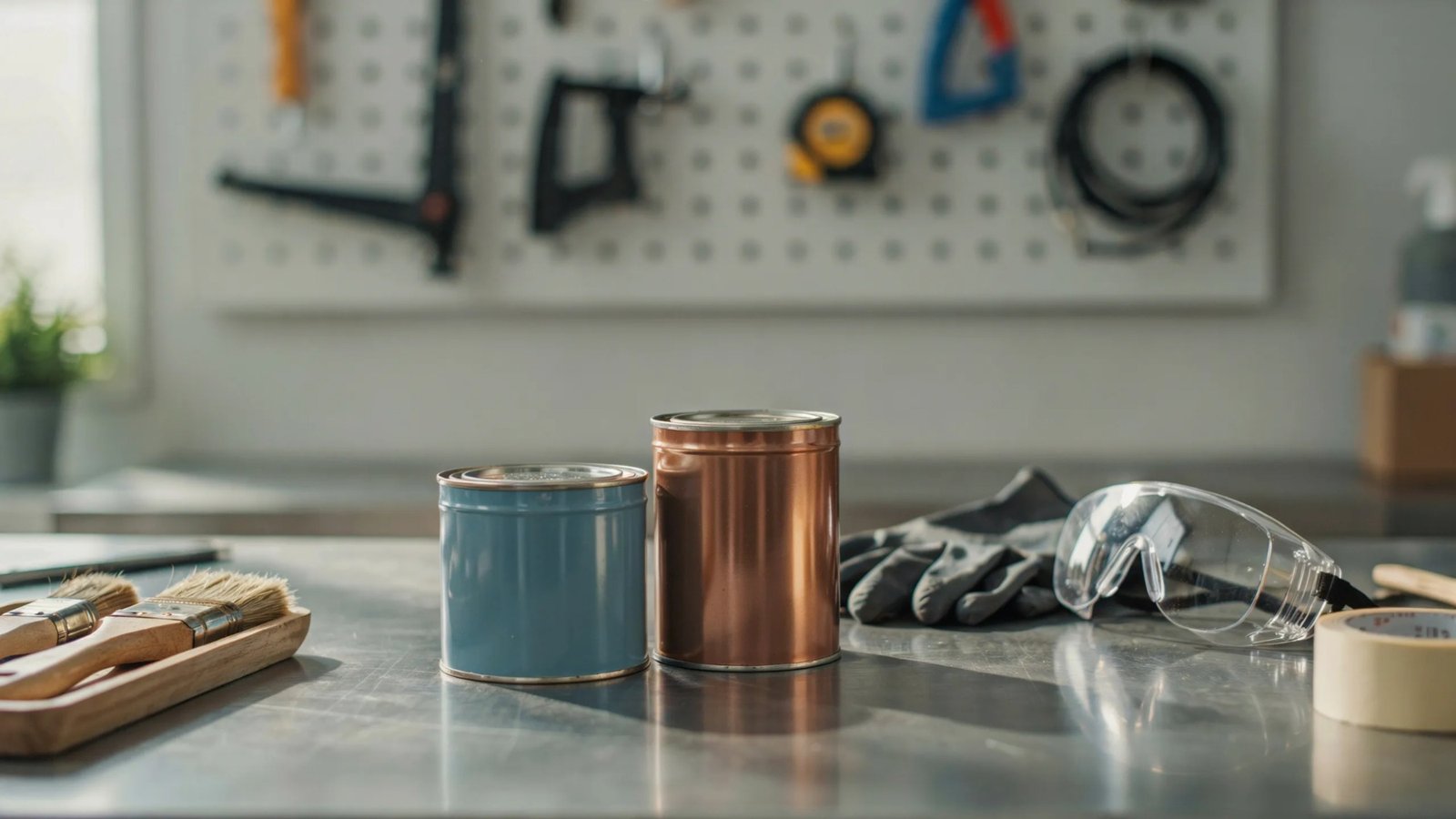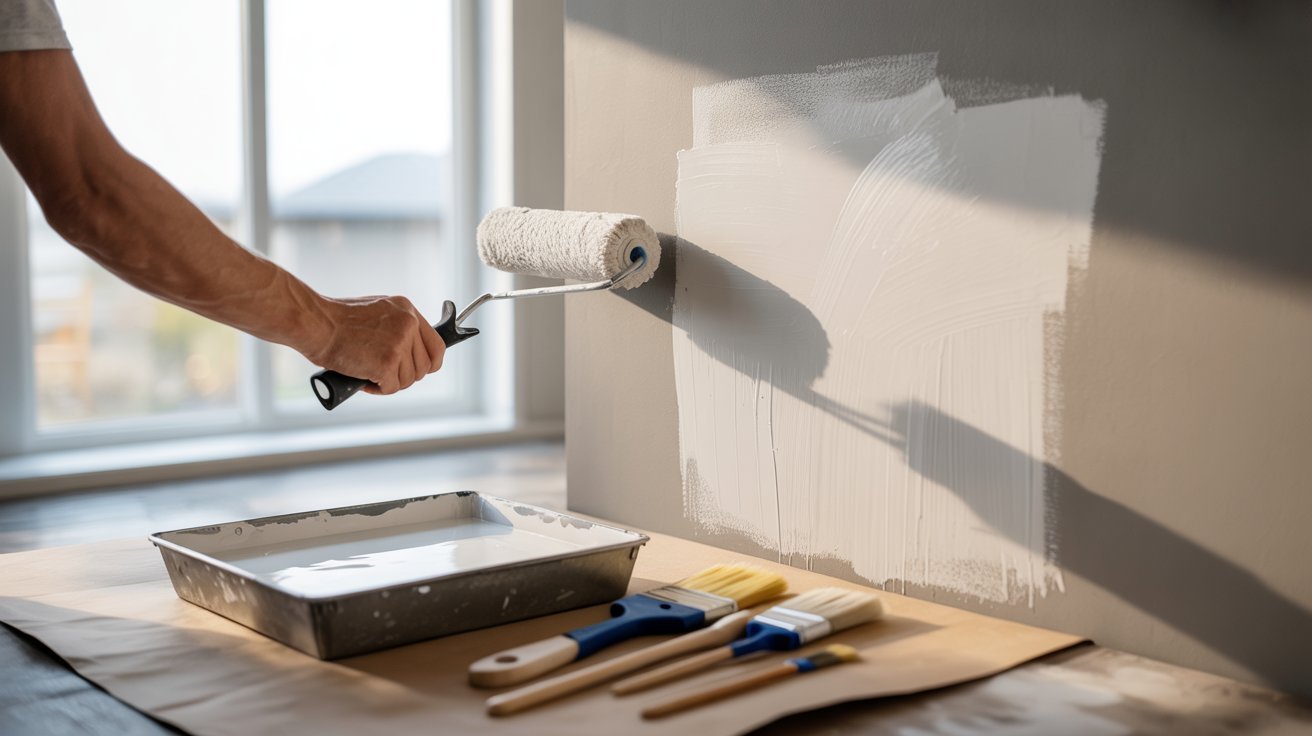
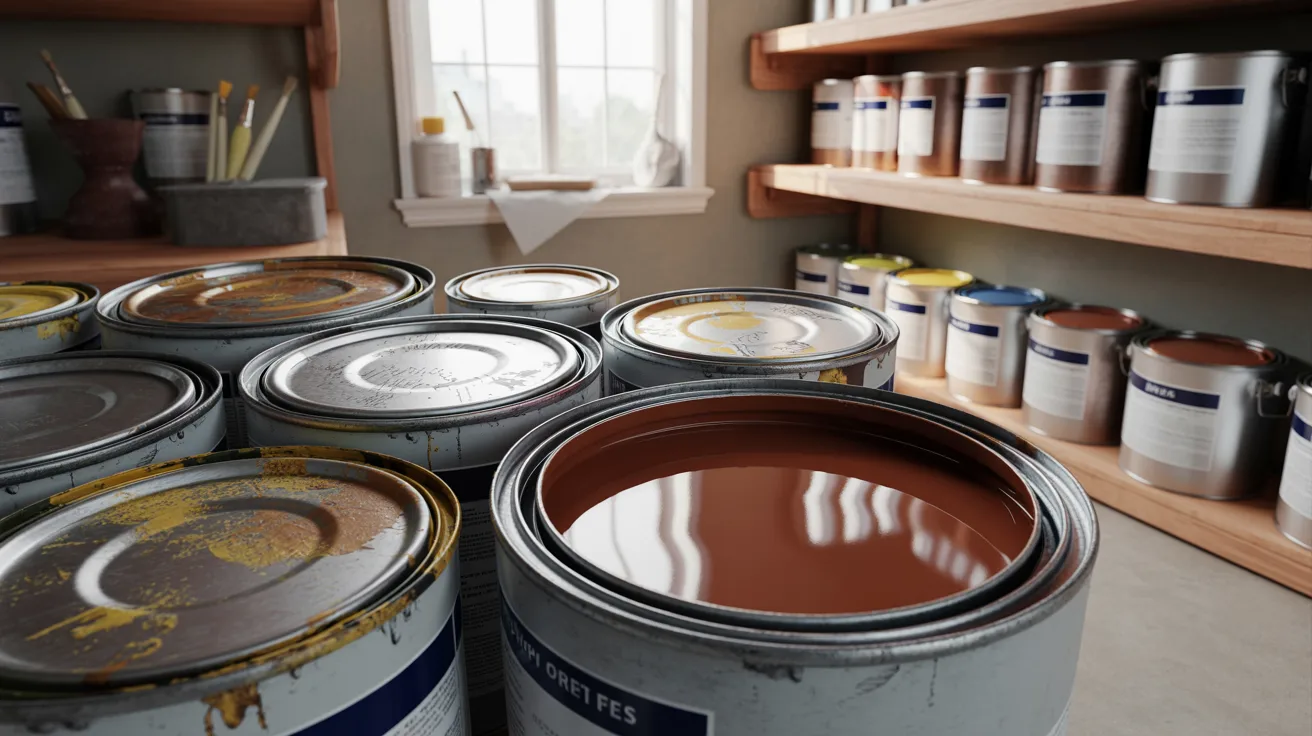
I've stood in my garage holding a half-used paint can, wondering if it's still good. Sound familiar? Does paint expire? Yes, it does, and using bad paint can ruin your work fast.
In this article, I'll help you figure out exactly when paint goes bad and what signs to look for.
We'll cover the types of paint and their shelf life, clear signs your paint has spoiled, and smart storage tips to make it last longer.
I've helped many people sort through old cans and avoid costly mistakes. You won't waste time or money guessing anymore. Let's get straight into it.
Understanding Paint Expiration Basics
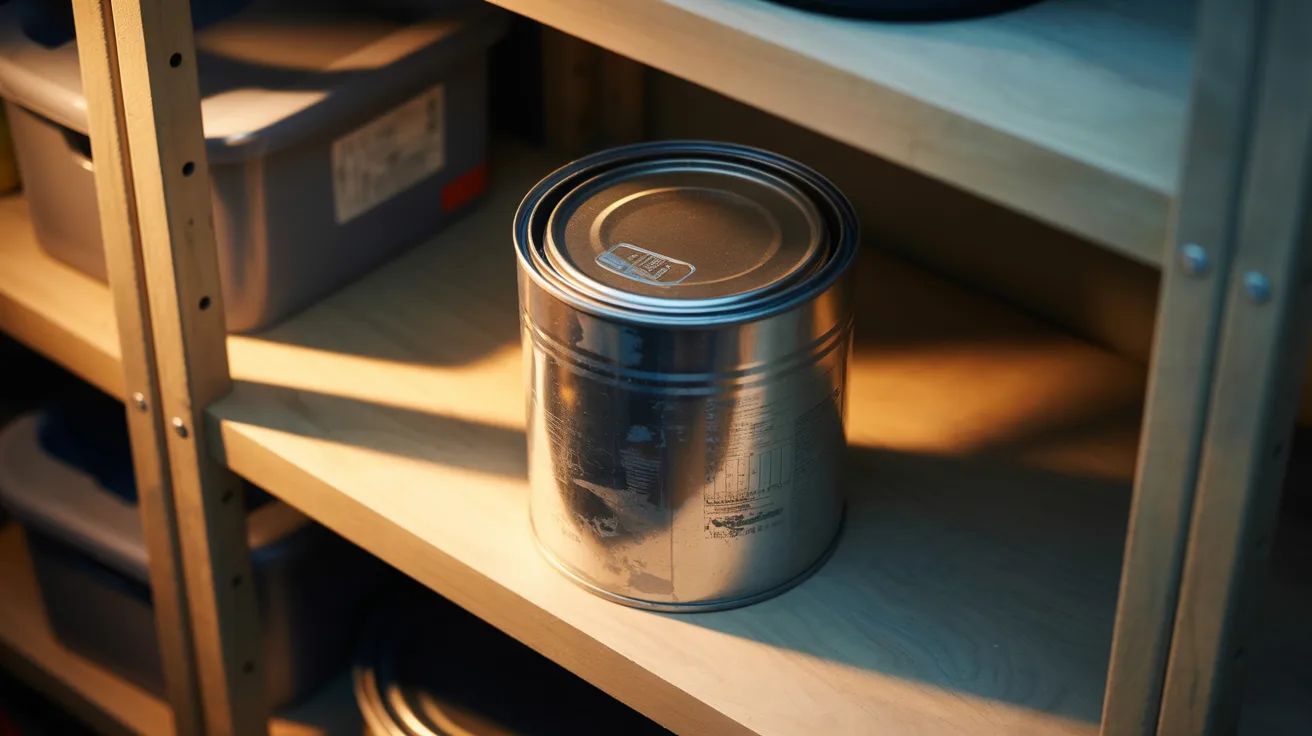
Paint does expire, and how fast it goes bad depends on the type and how it's stored. I've seen brand new cans go bad simply because of a loose lid or a hot garage.
Factors like storage temperature, air exposure, and how well the lid is sealed all play a big role in paint life. A can left in freezing cold or scorching heat won't last nearly as long as one kept in a cool, dry space.
Even the type of paint matters. Ignoring these basics can cut the life of your paint short, even if the can is fairly new. Knowing this upfront saves you from bad results later.
Paints and Their Shelf Life
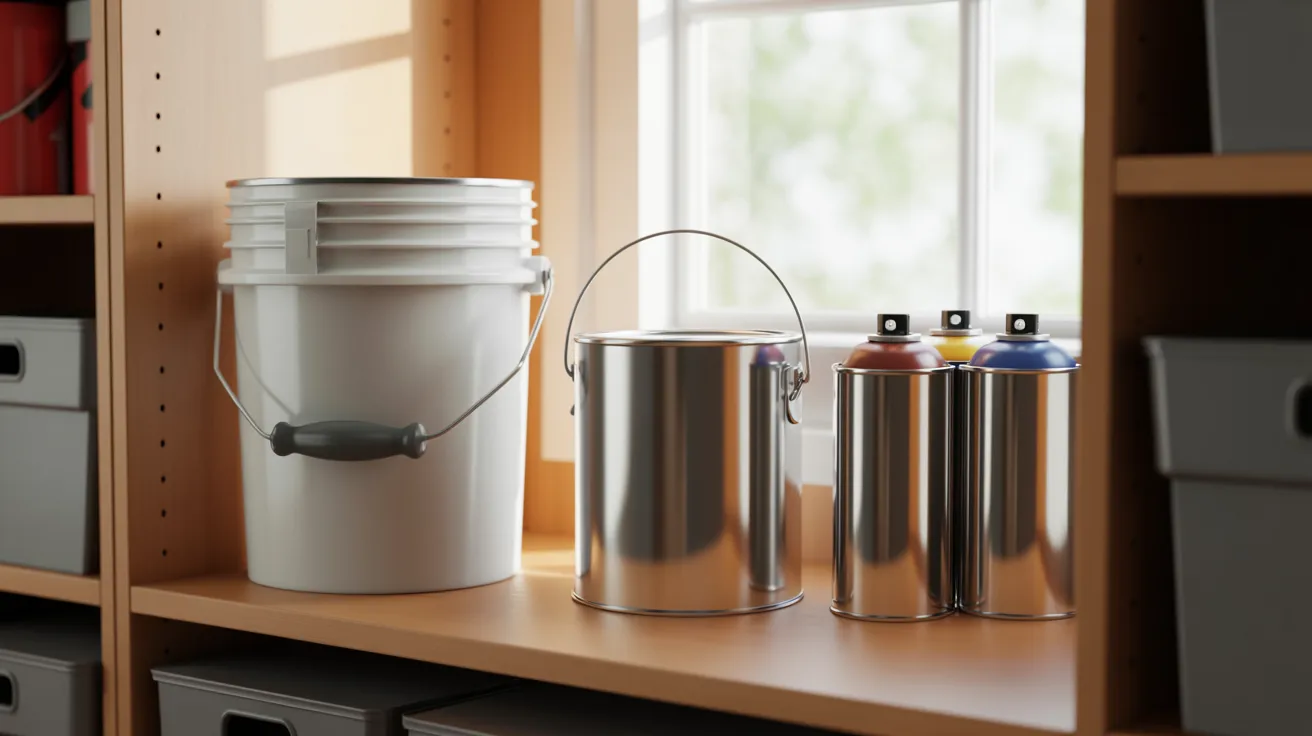
Different paint types age differently, so knowing yours helps you plan better.
Latex (Water-Based) Paint
Latex paint is the most common type used in homes. When stored properly with a tight lid and kept away from freezing temperatures, it can last up to 10 years.
I've personally used latex paint that was 7 years old and it still worked great. The key is keeping moisture and air out. A cool, dry shelf makes a big difference.
Oil-Based Paint
Oil-based paint actually lasts longer than latex. Under good storage conditions, it can stay usable for up to 15 years. However, it is more sensitive to heat than other types.
High temperatures can cause it to thicken or skin over inside the can. Keep it away from direct sunlight and warm spaces.
Spray Paint
Spray cans have a shorter lifespan compared to regular paint. Most are good for around 2 to 5 years before the quality starts dropping.
After that, the nozzle may clog or the pressure inside the can may drop too low. Always shake the can well and test the spray before starting a project.
Why Storage Conditions Matter
Storage conditions can make or break your paint's shelf life. Extreme heat dries paint out fast, while freezing temps cause it to separate permanently.
Even a loose lid lets air sneak in and starts the spoilage process early. Always store paint in a cool, dry place with the lid pressed down firmly to keep it fresh longer.
Key Signs Your Paint Has Gone Bad
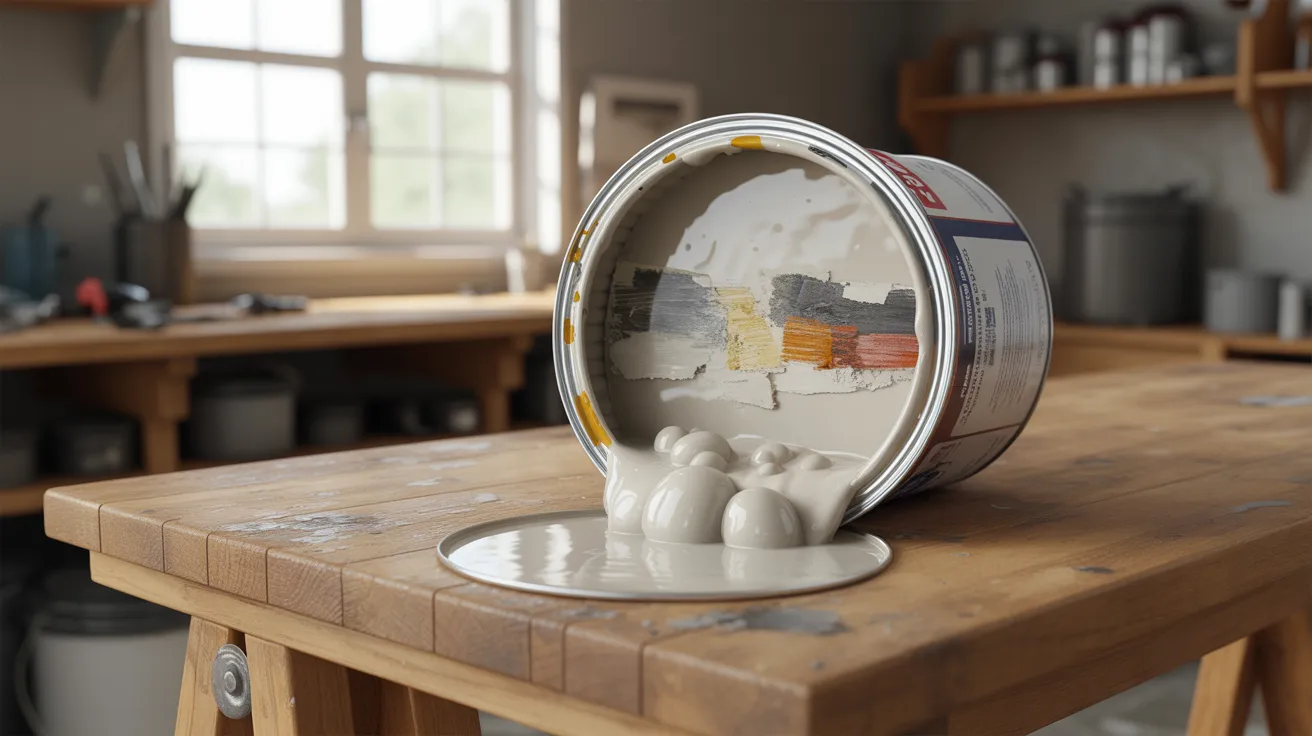
Spotting the warning signs early saves your walls and your time.
Bad or Sour Smell
Fresh paint has a mild, almost neutral smell. If you open the can and get a sour or rotten odor, that is a strong sign the paint has gone bad. Do not use it on any surface.
Separation That Won't Fix
A little separation on top is normal and nothing to worry about. Stir it well and see if it blends back smoothly. If you still see chunks or the layers refuse to mix, the paint is spoiled.
Thick or Lumpy Texture
Good paint feels smooth and flows off the brush easily. If yours feels thick, lumpy, or has a rubber-like consistency, it is no longer usable.
Dried bits floating in the mix are another clear red flag.
Poor Application on a Test Patch
Always test paint on a small area before starting a full project. If it goes uneven, cracks quickly, or starts to peel, the paint is past its prime and should be replaced.
Rusted or Damaged Can
A rusty or badly dented can is a warning sign you should not ignore. Rust often means moisture has crept in, and that moisture may have already mixed with the paint and ruined it from the inside out.
Why Using Expired Paint Is Not a Good Idea
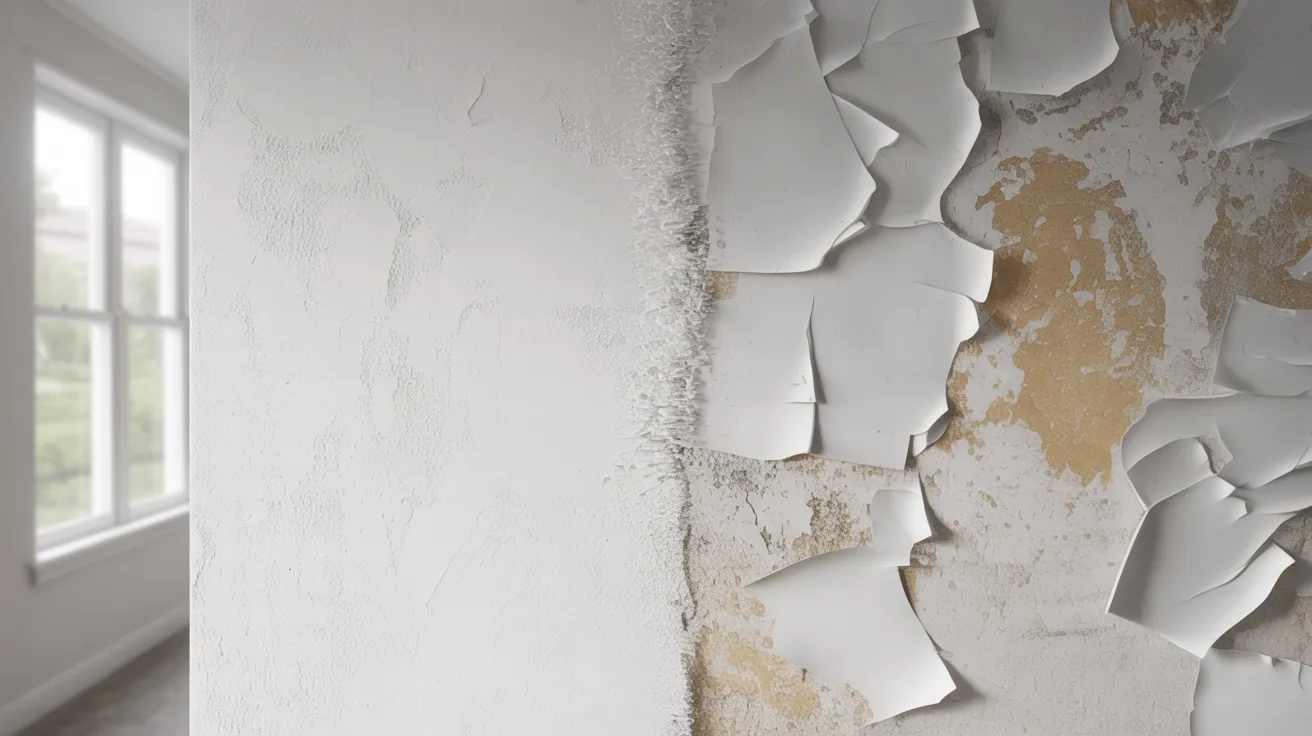
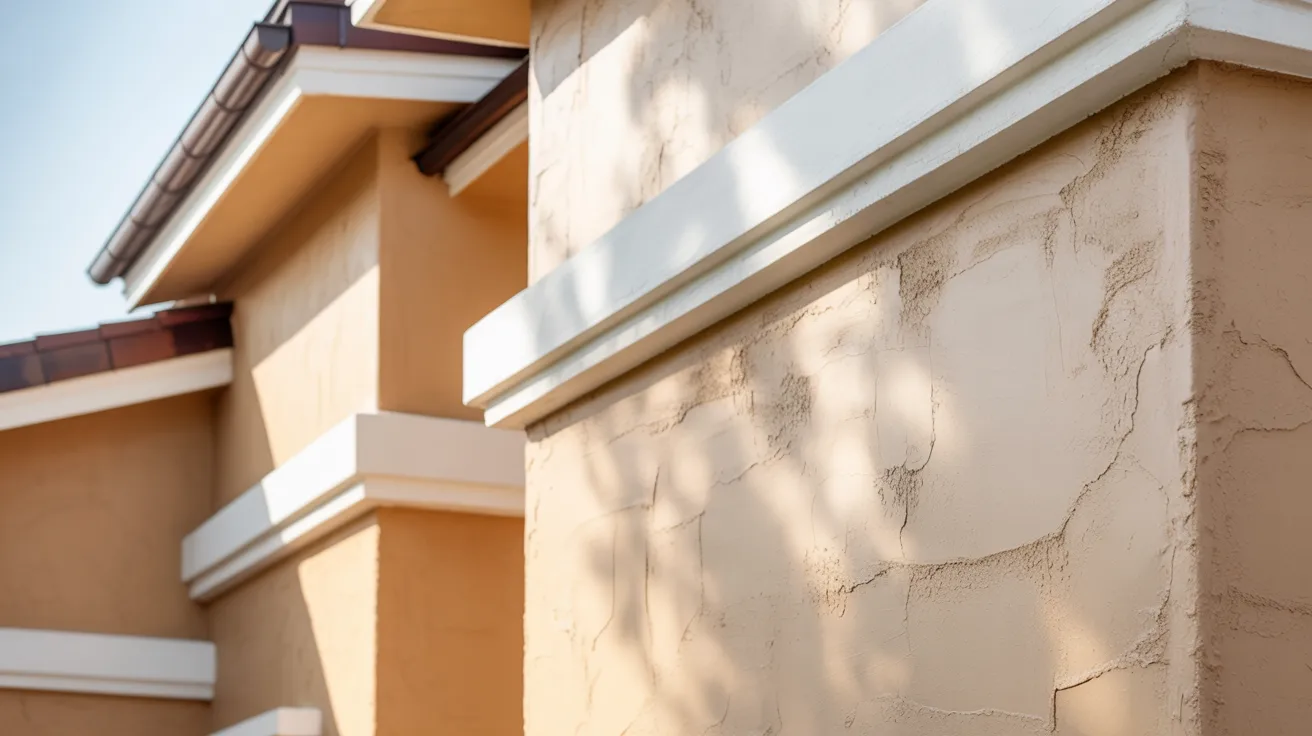
Old paint can cause more problems than it solves, even if it looks fine in the can. Expired paint loses its bonding strength and may peel off walls within days or weeks, which is wasted time and money.
The color can also look dull or patchy once it dries, and even two coats won't give you a clean, even finish. On top of that, paint is meant to protect your walls from moisture, UV rays, and dust.
Bad paint simply cannot do that job well. Your surfaces stay exposed and wear down faster. Trust me, it is always better to buy fresh paint than fix a bad paint job later.
How to Store Paint the Right Way
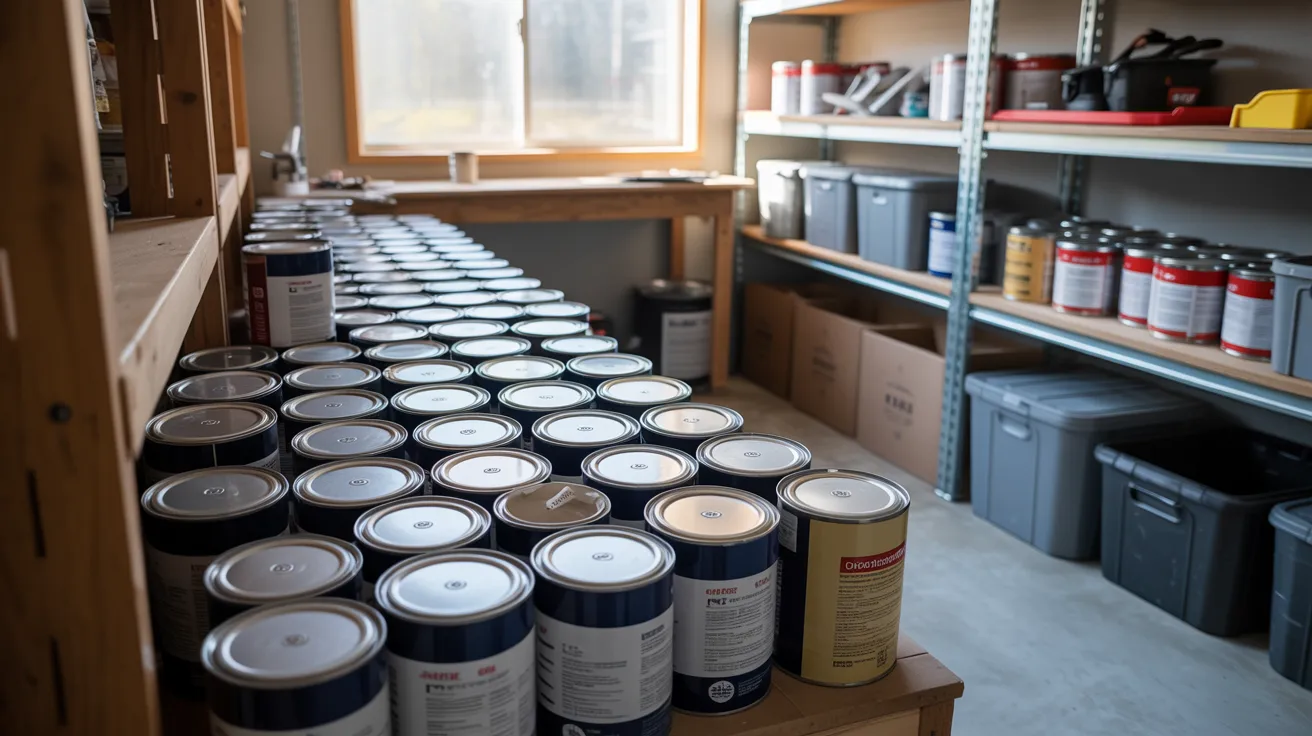
Good storage habits can add years to your paint's life.
Always Seal the Lid Tightly
Air is paint's biggest enemy. After using it, wipe the rim clean so no dried paint blocks the seal.
Press the lid down firmly, and if you want extra protection, place a small piece of plastic wrap under the lid before closing it.
Keep It at a Stable Temperature
A cool, dry space is the ideal spot for storing paint. Avoid garages that get very hot in summer or freezing cold in winter, as both extremes damage paint fast.
A basement shelf away from direct light is often the best choice.
Store Cans Upright
Always keep paint cans standing straight up on a flat surface. Storing them on their side can cause leaks and speed up rusting around the lid.
An upright can also seal better and stay cleaner inside.
Label the Cans
Write the date you opened the can directly on the lid or side. Add the color name and which room it was used for.
This small habit makes it very easy to check the age of your paint later and decide if it is still worth using.
Tips to Check Paint Before Using It
A quick check before you paint can save you from a big mess later.
- Always stir the paint fully before making any judgment about its condition.
- Do not panic if you see some separation on top as that is completely normal after long storage.
- Apply a small amount on cardboard or a wall corner and let it dry fully before deciding.
- Check if the dried patch looks even, sticks well, and has a smooth finish.
- Smelling the paint as soon as you open the can as a sour or rotten odor is a clear warning sign.
- Never rely on just one sign. If the smell, texture, and color all seem off together, the paint is done.
Conclusion
Honestly, I've made the mistake of using old paint before and had to redo the whole wall. It cost me more time than if I had just checked first. Now I always smell, stir, and test before I start any project.
If you're sitting with an old can right now, go run through those checks. You'll know in minutes if it's worth using. Drop a comment below if you have a paint storage tip I missed.
And if this helped, share it with someone who's got a garage full of old cans!
Frequently Asked Questions
Can old paint make you sick if you use it?
Yes, it can. Expired paint, especially oil-based types, may release strong fumes or harmful compounds. Always paint in a well-ventilated space and avoid using paint that smells rotten.
How do you know if latex paint has frozen and gone bad?
If latex paint has frozen, it often turns lumpy or grainy after thawing. Stir it well. If the texture does not smooth out, the paint is no longer good to use.
Is it safe to throw old paint in the trash?
No, most areas don't allow it. Liquid paint is considered hazardous waste. Check your local recycling or waste drop-off center for proper paint disposal options.
Can you fix paint that has partially dried in the can?
Not really. Once paint starts drying inside the can, it forms a skin or hard chunks. You can strain out small bits, but large dried sections mean the paint quality has already dropped.
How long does open paint last if stored well?
Opened latex paint can last 2 to 5 years if the lid is sealed tight and it's stored at a stable temperature. Oil-based paint may last a bit longer under the same conditions.