Picking the right paint roller changed everything for me. I used the wrong one on a textured wall once, and the finish looked patchy and uneven. Not fun.
In this guide, I'll walk you through the different types of paint rollers for every surface so you don't make the same mistake.
We'll cover what paint rollers are, which roller fits which surface, specialty rollers and when to use them, and how to pick the right one for your project.
I've painted enough walls to know that the right roller saves you time, money, and a lot of frustration. Let's get into it.
Understanding Paint Rollers and Why They Matter
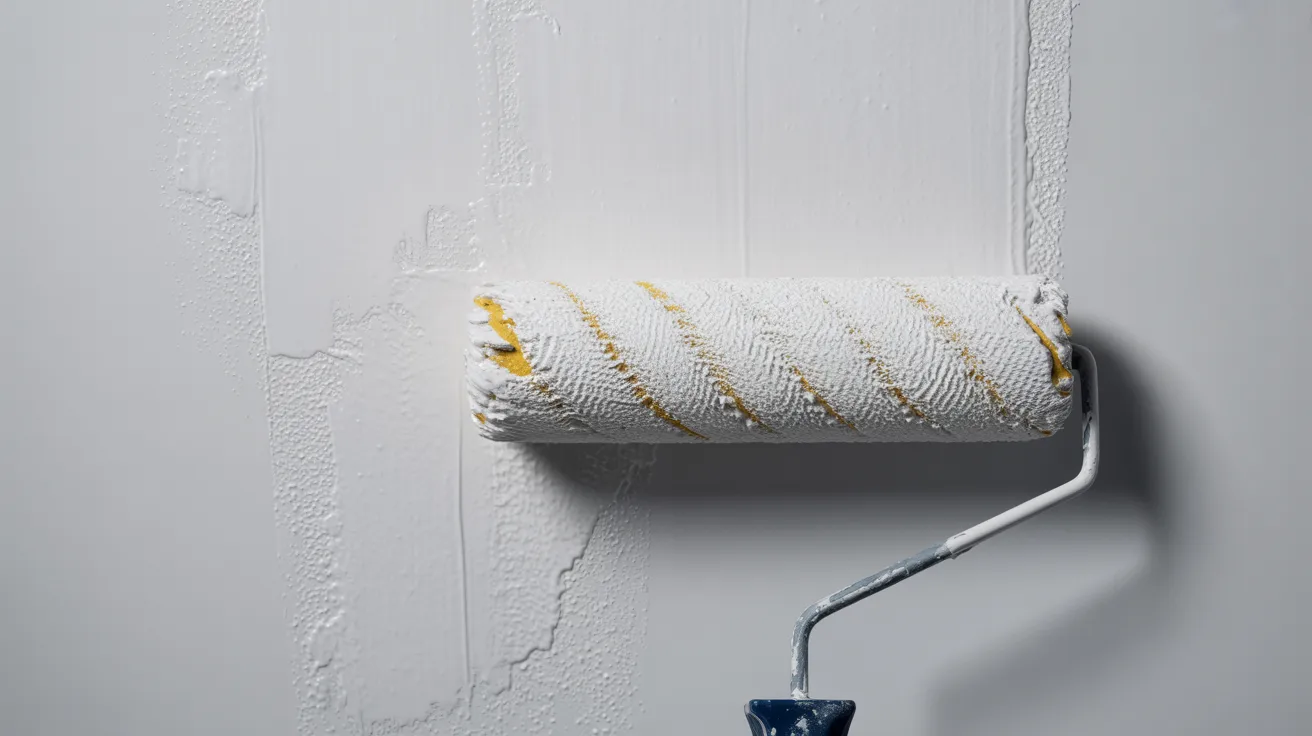
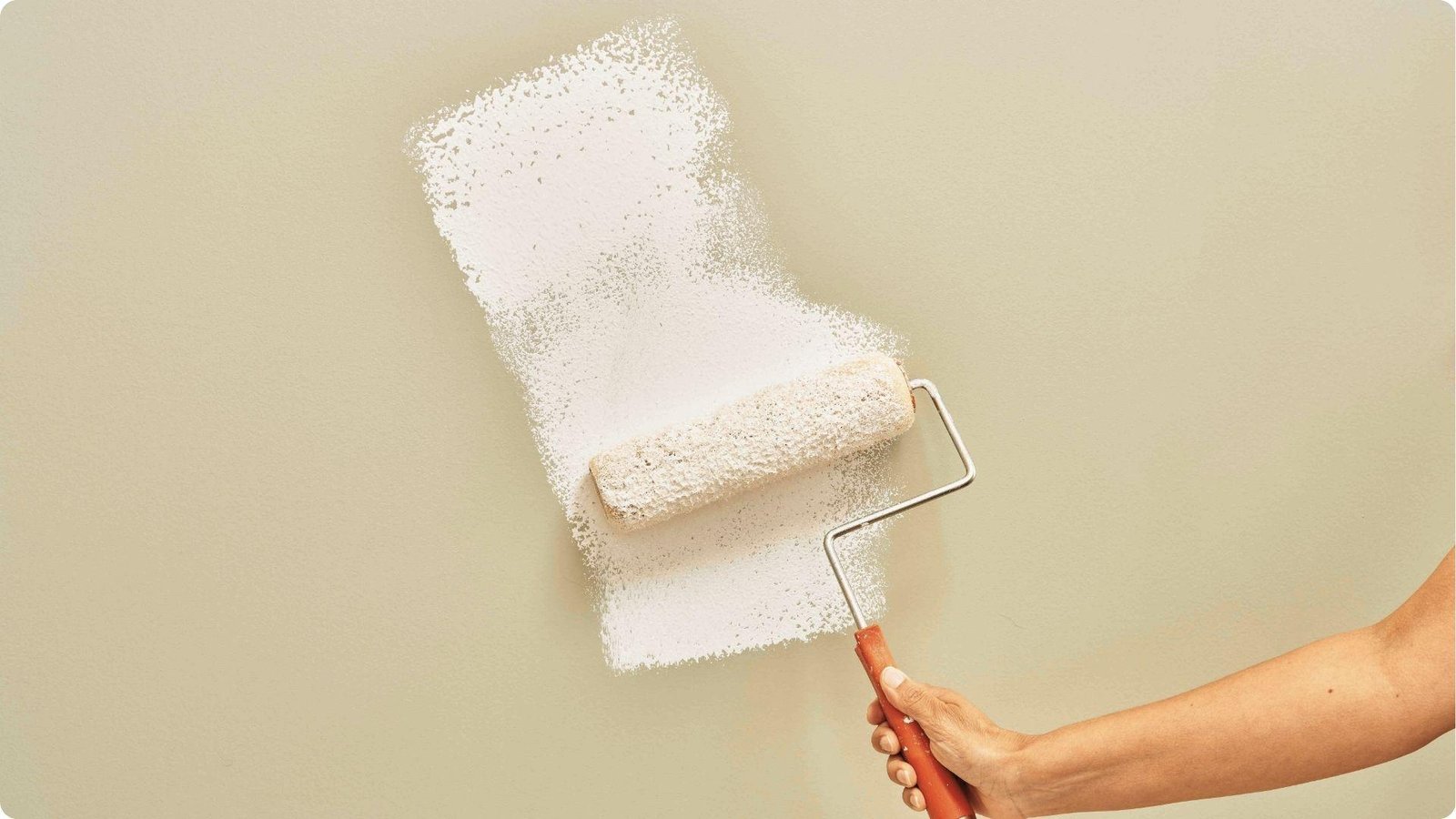
Knowing your roller basics helps you avoid poor finishes and wasted paint from the start. A paint roller is a simple tool with a handle, a frame, and a cylindrical sleeve called a cover.
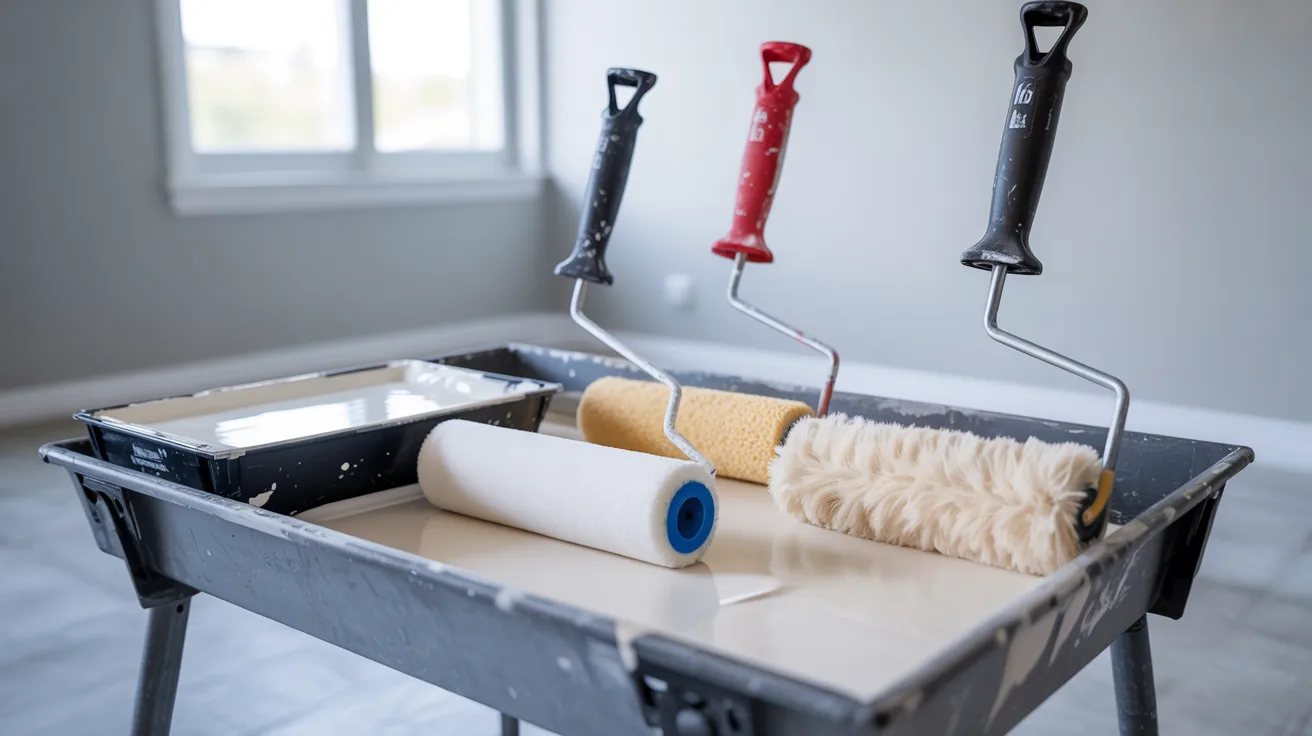
The cover holds the paint and releases it as you roll, and different covers are made for different surfaces. A smooth roller gives a flat, clean finish, while a thick, fluffy roller pushes paint into rough surfaces.
Use the wrong one and you get streaks, missed spots, or uneven texture. The right roller makes the job easier and the result a lot better.
Different Types of Paint Rollers for Every Surface
Each surface needs a specific roller type to get the best coverage and a clean, lasting finish.
Foam Rollers for Smooth Finishes
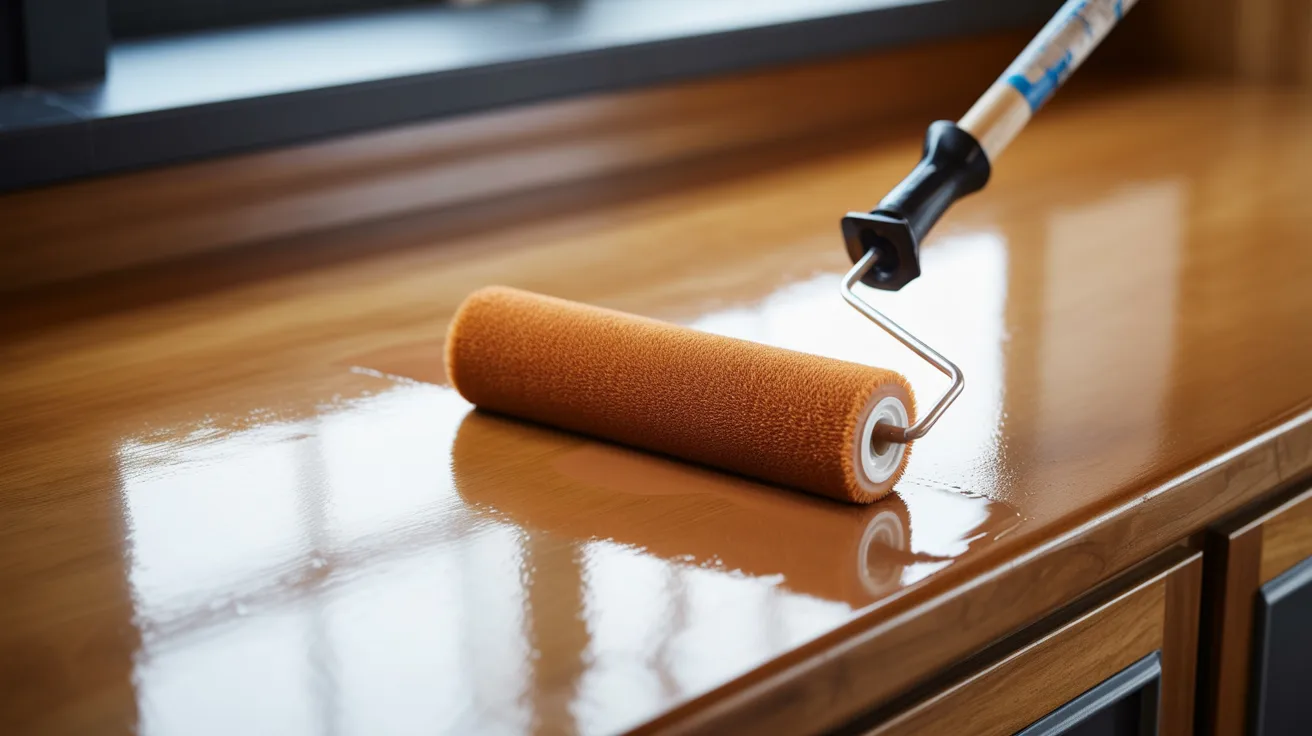
Foam rollers are best for cabinets, doors, and furniture. They leave almost no texture behind.
They work great with oil-based and semi-gloss paints. If you want a factory-smooth look, foam is your friend.
Short Nap Rollers for Flat Surfaces
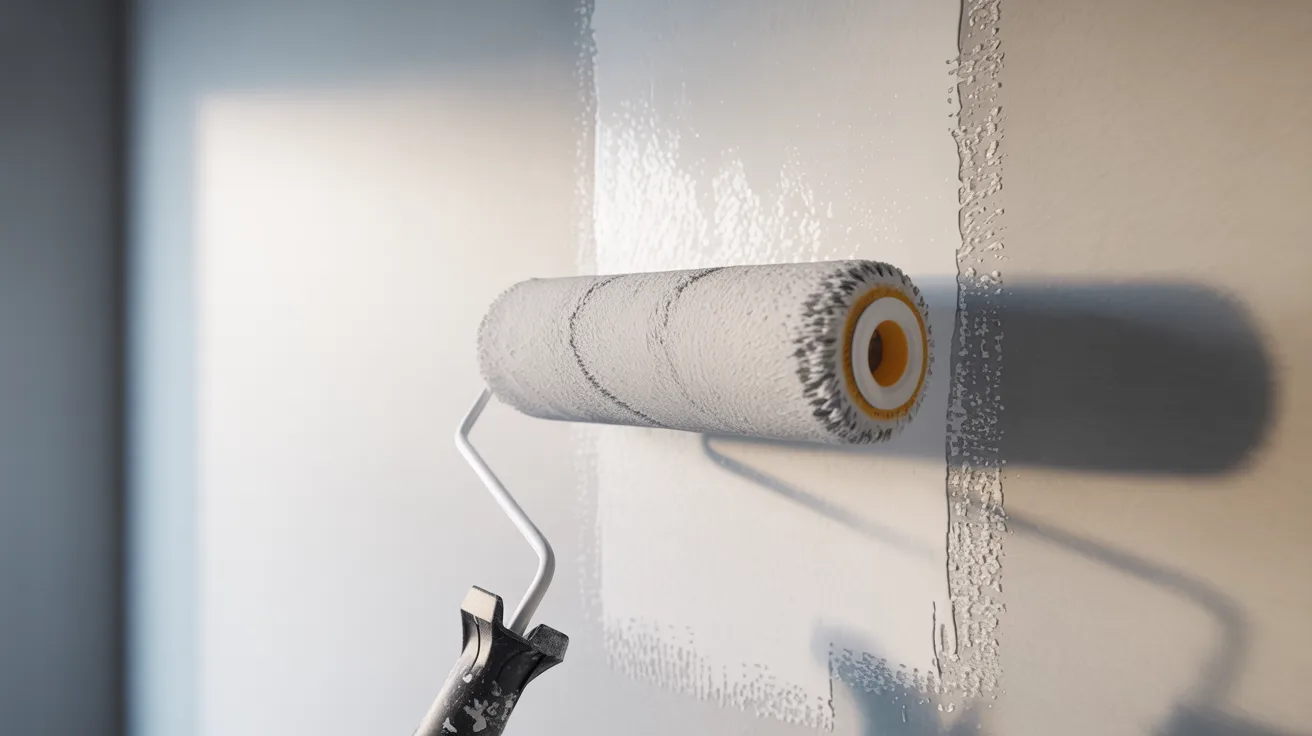
Short nap rollers have a pile of ¼" to ⅜". They work well on drywall and ceilings.
These surfaces are already smooth, so you don't need a thick roller. A short nap gives a clean, flat finish without adding texture.
Medium Nap Rollers for Versatile Use
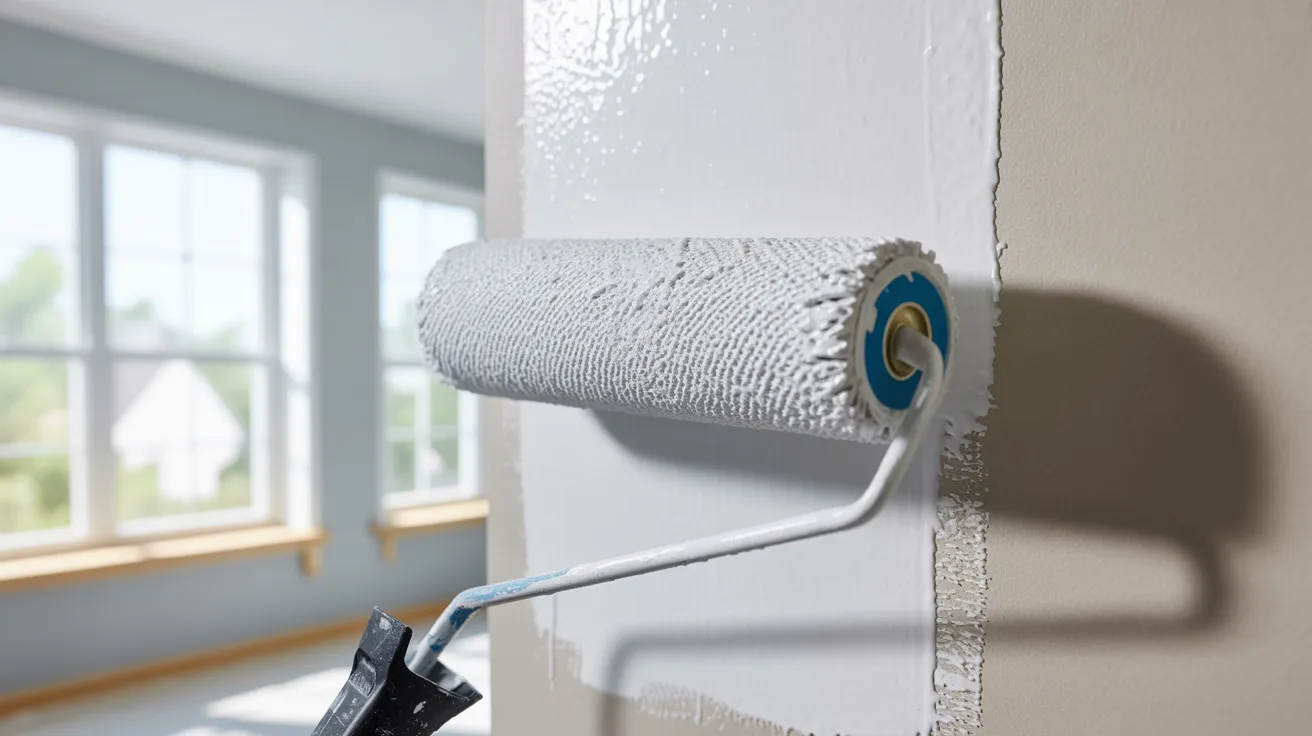
Medium nap rollers have a ½" pile. They're great for walls with light texture.
This is the most common roller size. It works with most latex paints and gives even coverage on slightly rough surfaces.
Long Nap Rollers for Rough Surfaces
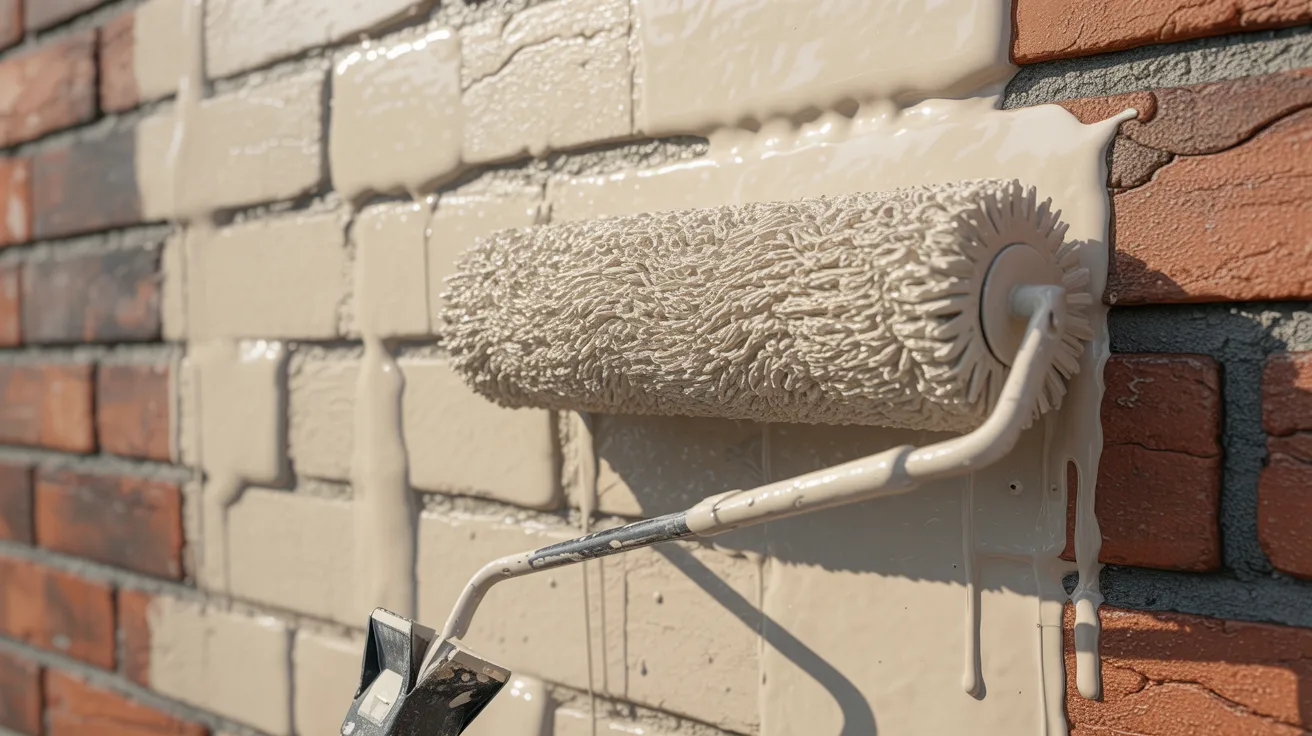
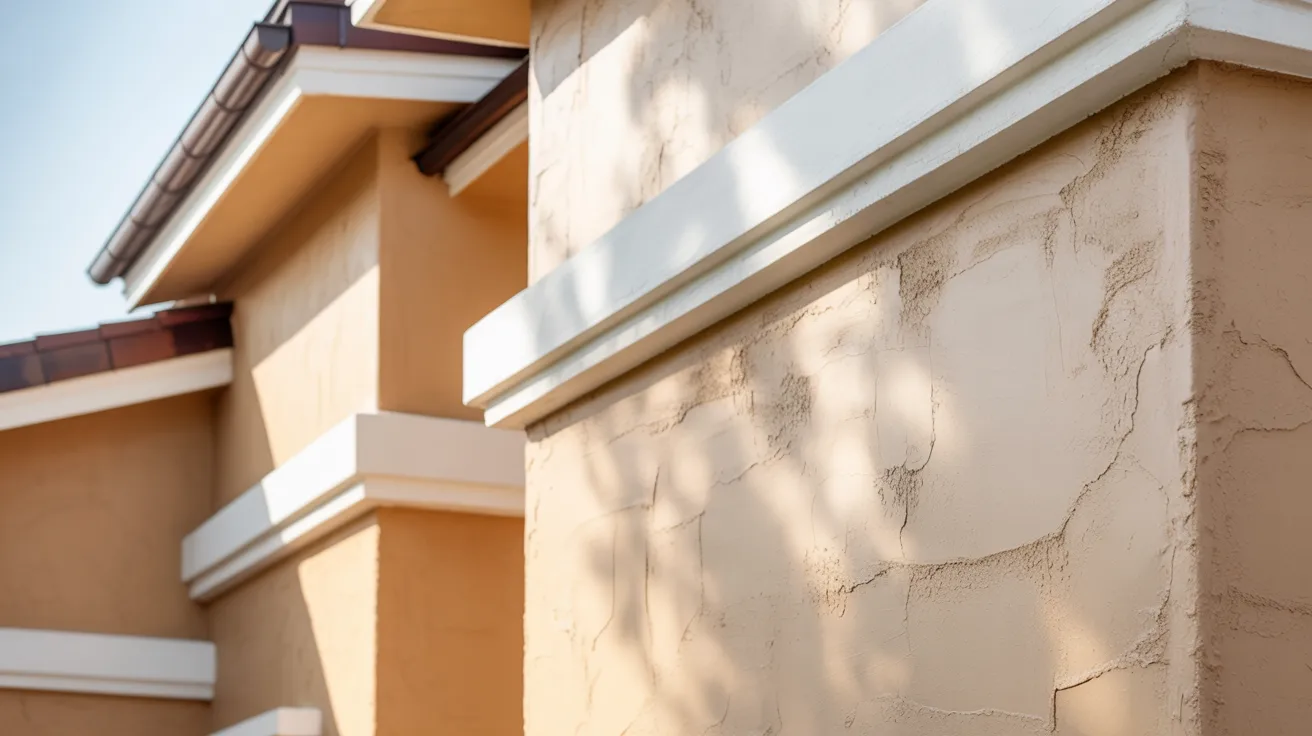
Long nap rollers have a ¾" to 1" pile. Use them on brick, stucco, and concrete.
These surfaces have deep gaps. A thick roller reaches into those gaps and fills them with paint. A short roller would just skim the surface and miss spots.
Specialty Paint Rollers and When to Use Them
Some projects need more than a standard roller. These specialty types give you better control and results.
Mohair Rollers for High-Gloss Projects
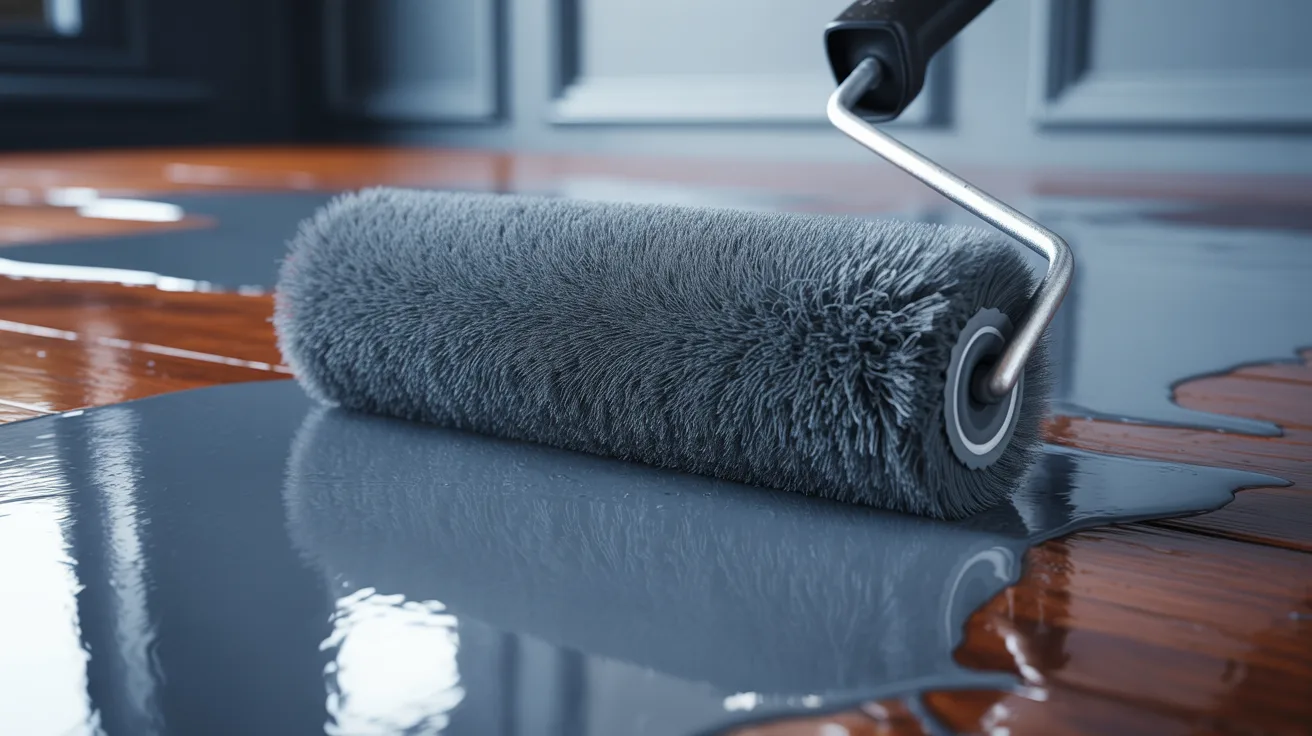
Mohair rollers are made from a mix of wool and synthetic fibers. They leave a very smooth finish, which makes them ideal for high-gloss and semi-gloss paints.
They're often used on doors, trim, and furniture.
Microfiber Rollers for Even Coverage
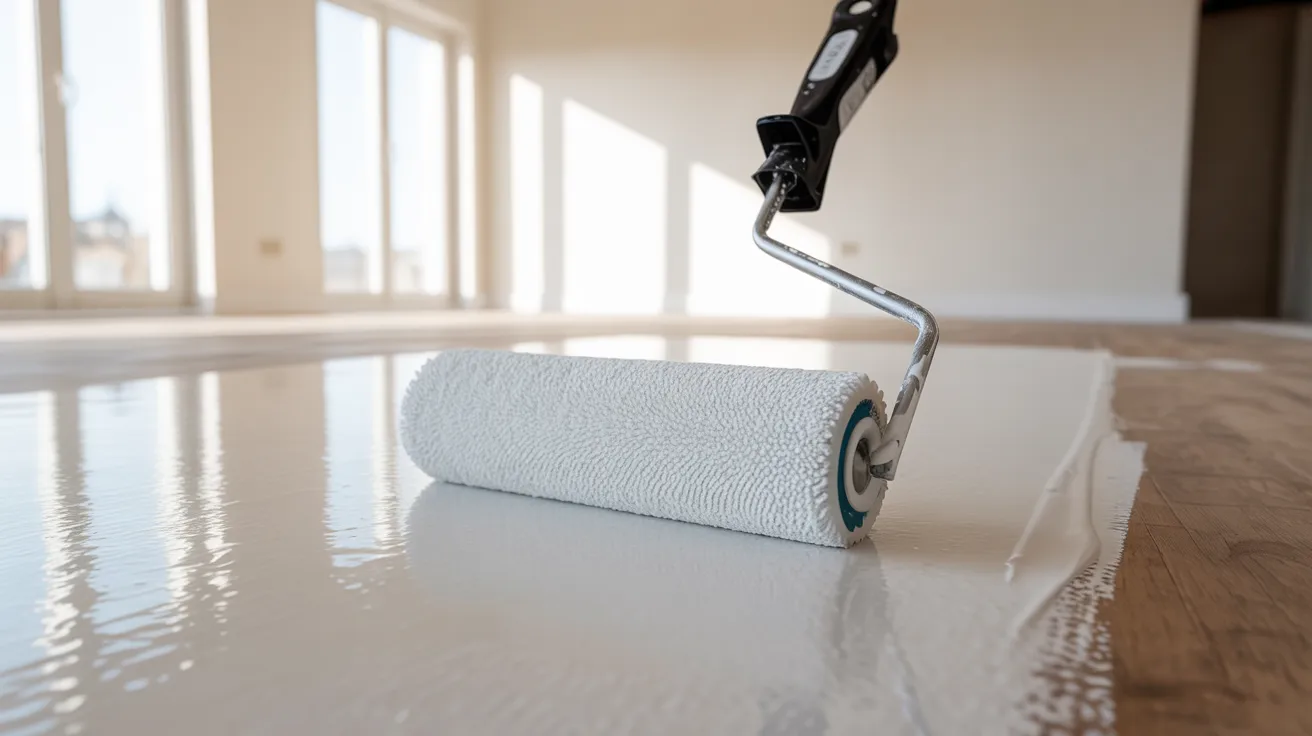
Microfiber rollers hold more paint than standard covers. They release it evenly across the surface. They work well on walls and ceilings where you want full, consistent coverage without streaks.
Velour Rollers for Fine Finishes
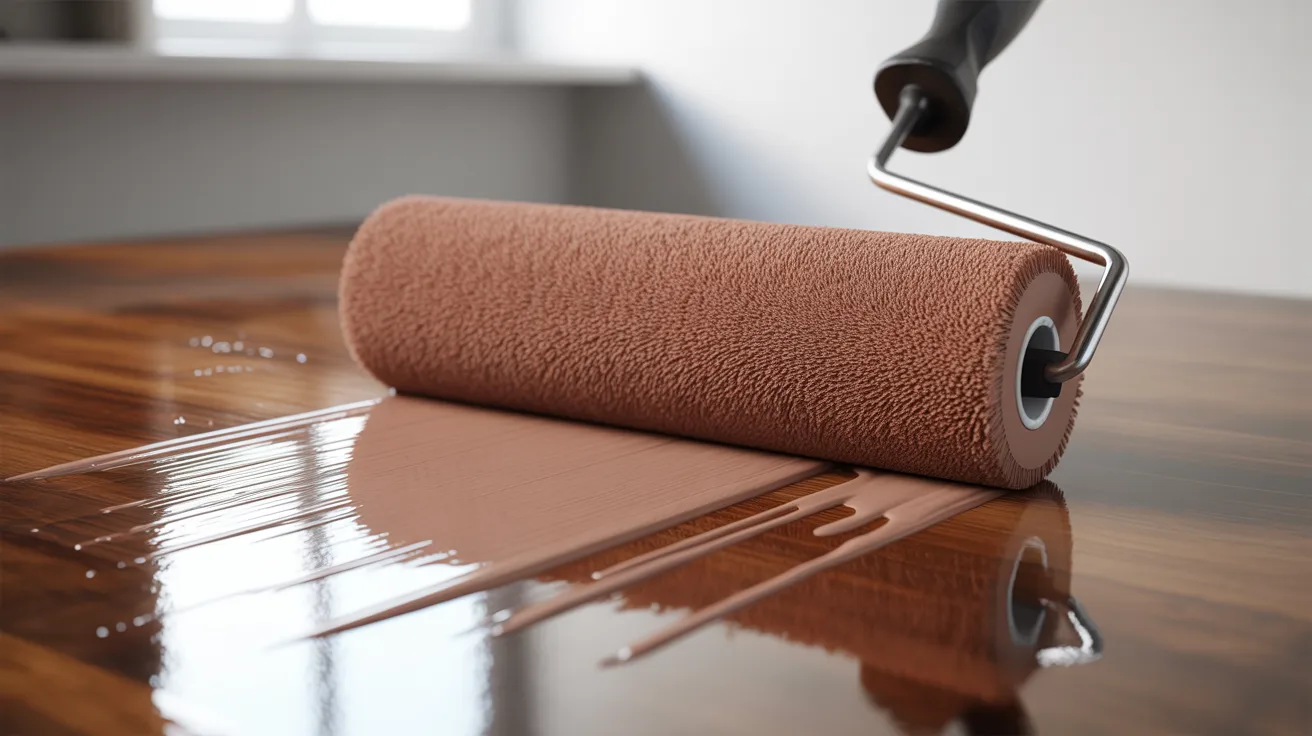
Velour rollers are short and dense. They give a very fine, almost brush-like finish.
Use them when you need a smooth coat on furniture or cabinetry and want to avoid roller marks.
Textured Rollers for Decorative Effects
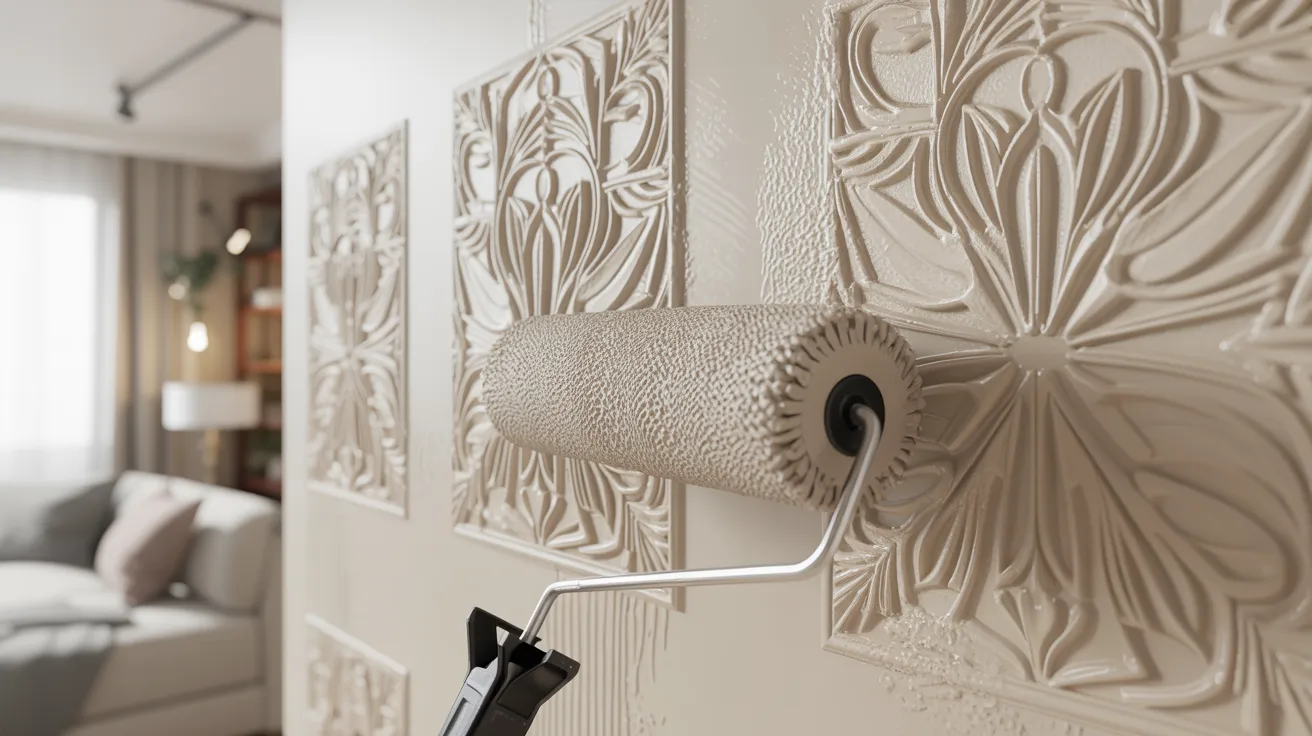
These rollers have patterns built into the cover. They stamp or roll a design onto the wall. They're used in accent walls and decorative projects, not for standard painting.
How to Choose the Right Paint Roller for Your Project
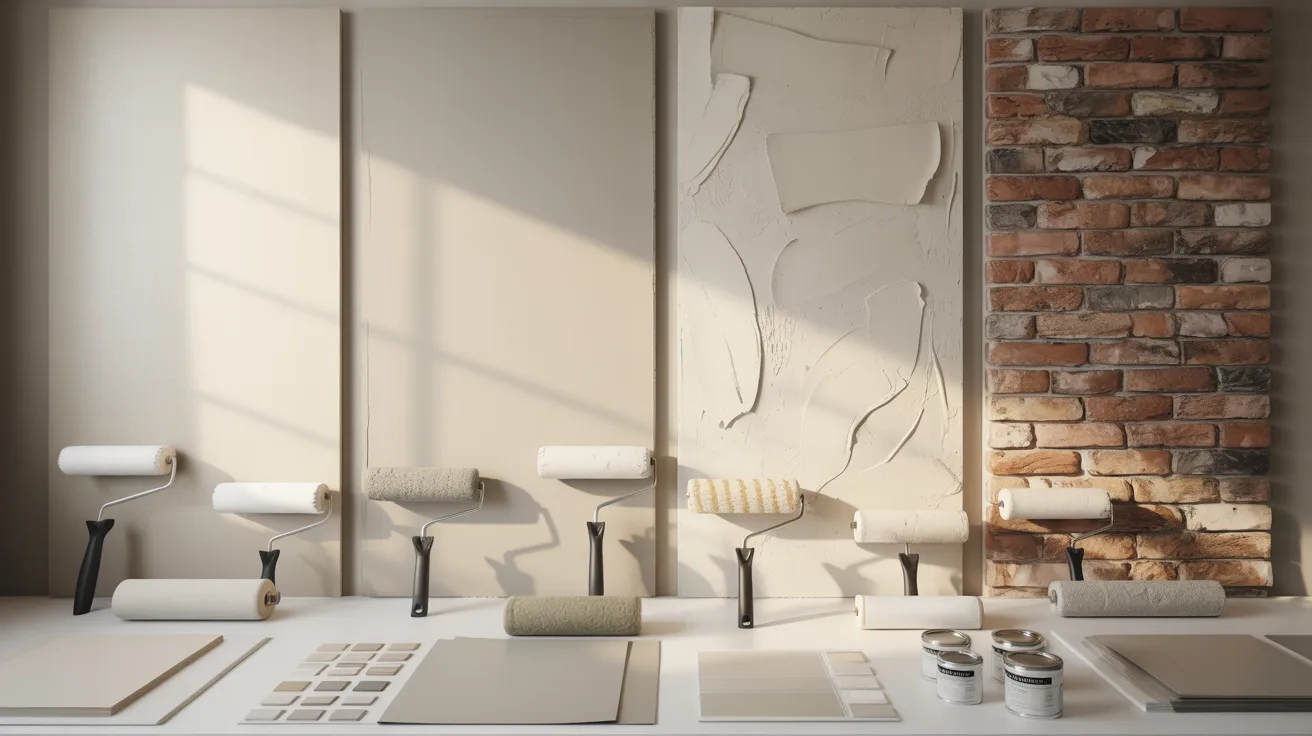
The right choice depends on three things, surface, paint type, and roller size.
Match Roller to Surface Texture
Smooth surface? Go with a short nap or foam roller. Rough surface? Use a long nap roller. In between? A medium nap covers most standard walls well.
Always check the surface before you buy.
Consider Paint Type and Finish
Thick paints like latex need a roller that holds more paint. Thinner paints work fine with tighter covers.
For high-gloss finishes, use a smoother roller. For flat or matte finishes, nap size matters more than texture.
Choose the Correct Roller Size
Standard 9-inch rollers work for most walls. Use a 4-inch or 6-inch mini roller for trim, corners, and small spaces.
Bigger rollers cover more area fast. Smaller ones give you more control in tight spots.
Paint Roller Comparison for Different Surfaces
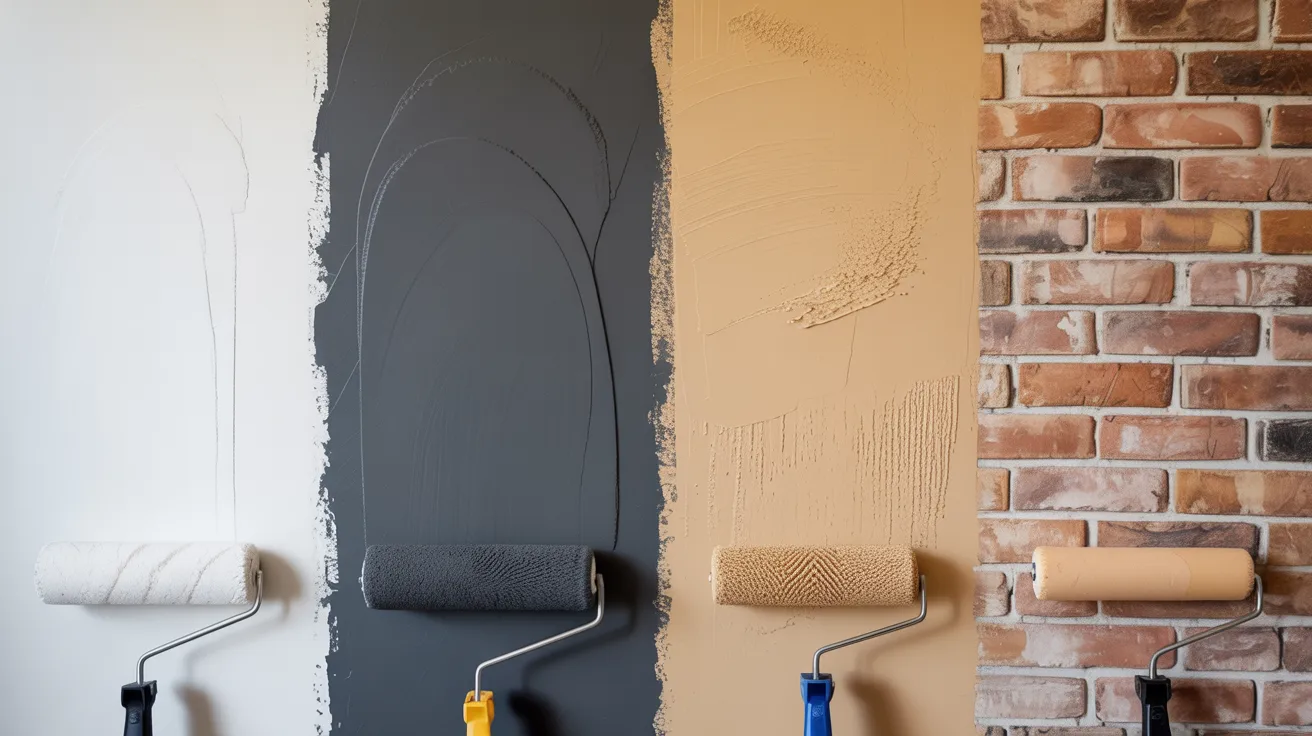
A quick reference to match the right roller with the right surface every time.
| Surface Type | Roller Type | Nap Size | Finish Result |
| Cabinets/Furniture | Foam / Mohair | No–¼" | Ultra smooth |
| Smooth Walls | Short nap | ¼"–⅜" | Smooth |
| Light Texture | Medium nap | ½" | Even coverage |
| Rough Surfaces | Long nap | ¾"–1" | Deep coverage |
Common Mistakes When Choosing Paint Rollers
Small mistakes with roller choice can lead to big problems with your final finish.
Using the Wrong Nap Size
This is the most common mistake people make. A thick roller on a smooth wall leaves a bumpy, orange-peel texture that is hard to fix once the paint dries.
Ignoring Surface Texture
Skipping surface assessment leads to missed spots and uneven coats. Always prep your surface first and pick a roller that matches its texture before you open the paint can.
Overloading or Underloading Paint
Too much paint causes drips and runs, while too little leaves dry patches on the wall. Load the roller evenly and keep a steady, consistent pace throughout the job.
Tips for Using Paint Rollers Like a Pro
Good technique and prep make a big difference in how your finished wall looks.
- Start with a W-pattern on the wall, then fill it in with even strokes to spread paint evenly and reduce lap marks.
- Keep your pressure steady and let the roller do the work. Pressing too hard leaves uneven marks and wastes paint.
- Find a good rhythm with reloading. Keep the roller slightly wet but never dripping to avoid dry patches or runs.
- Before painting, roll a new roller over masking tape to remove lint. This keeps fibers out of your paint and off the wall.
- Clean your roller right after use. Rinse latex paint with water and use mineral spirits for oil-based paint.
- A well-cleaned roller lasts much longer and performs better on your next project.
Conclusion
I hope this guide makes your next painting project feel a lot less stressful. Choosing the right roller really does make a difference.
I learned that the hard way with a patchy wall and a roller that was way too thick for the job. Once I switched to the right one, the finish was night and day.
Matching the different types of paint rollers for every surface to your specific project saves time and gets better results. Give it a try and let me know how it goes in the comments!
Frequently Asked Questions
What is the best paint roller for smooth walls?
A short nap roller with a ¼" to ⅜" pile works best on smooth walls. It gives a clean, flat finish without adding unwanted texture.
Can I use a foam roller on textured surfaces?
No, foam rollers are not ideal for textured surfaces. They don't reach into the grooves, which leads to missed spots and uneven coverage.
How do I know what nap size to use?
Check your surface. Smooth surfaces need a short nap. Rough surfaces need a long nap. Light textures work best with a medium nap around ½".
How long does a paint roller last?
A good quality roller can last through several projects if you clean it well after each use. Cheap rollers often shed and may only last one job.
Should I wet the roller before painting?
Yes, slightly. Dampen a new roller with water for latex paint or mineral spirits for oil-based paint. This helps it absorb paint more evenly from the start.