Painting a bathroom sounds simple. But pick the wrong finish, and you will be repainting within a year.
Bathrooms deal with steam, splashes, and daily humidity. That moisture breaks down the wrong paint fast. Peeling, bubbling, and mold follow quickly.
This guide will show you exactly what sheen paint works best for bathroom walls, ceilings, and trim. I have painted dozens of bathrooms and tested these finishes firsthand, so the advice here is practical and honest.
You will learn which finishes hold up, which ones fail, and how to make the right call for your specific bathroom. No guesswork needed.
How Bathroom Moisture and Humidity Affect Paint Performance
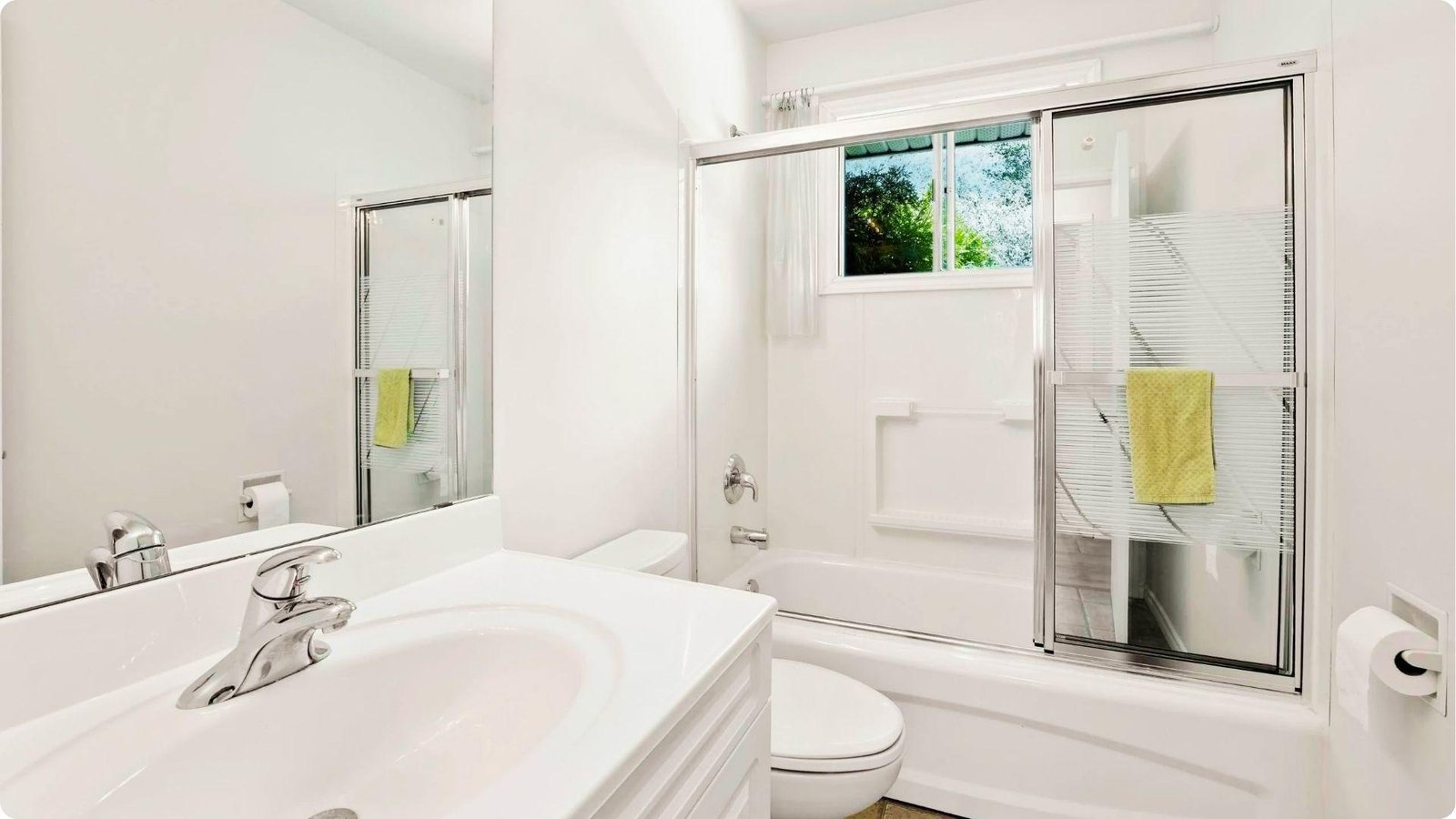
Bathrooms are the most moisture-heavy rooms in any home. Every shower fills the air with warm, wet steam.
That steam settles on walls, ceilings, and surfaces. Over time, paint that was not designed for this environment starts to break down.
You will notice peeling along edges, bubbling in corners, and dark mildew spots spreading across the surface.
The problem is not always poor application. Often, it comes down to the wrong finish being used in the wrong space.
Understanding how moisture behaves in a bathroom helps you choose a paint that actually holds up and protects your walls long term.
What Sheen Paint for Bathroom Is Best?
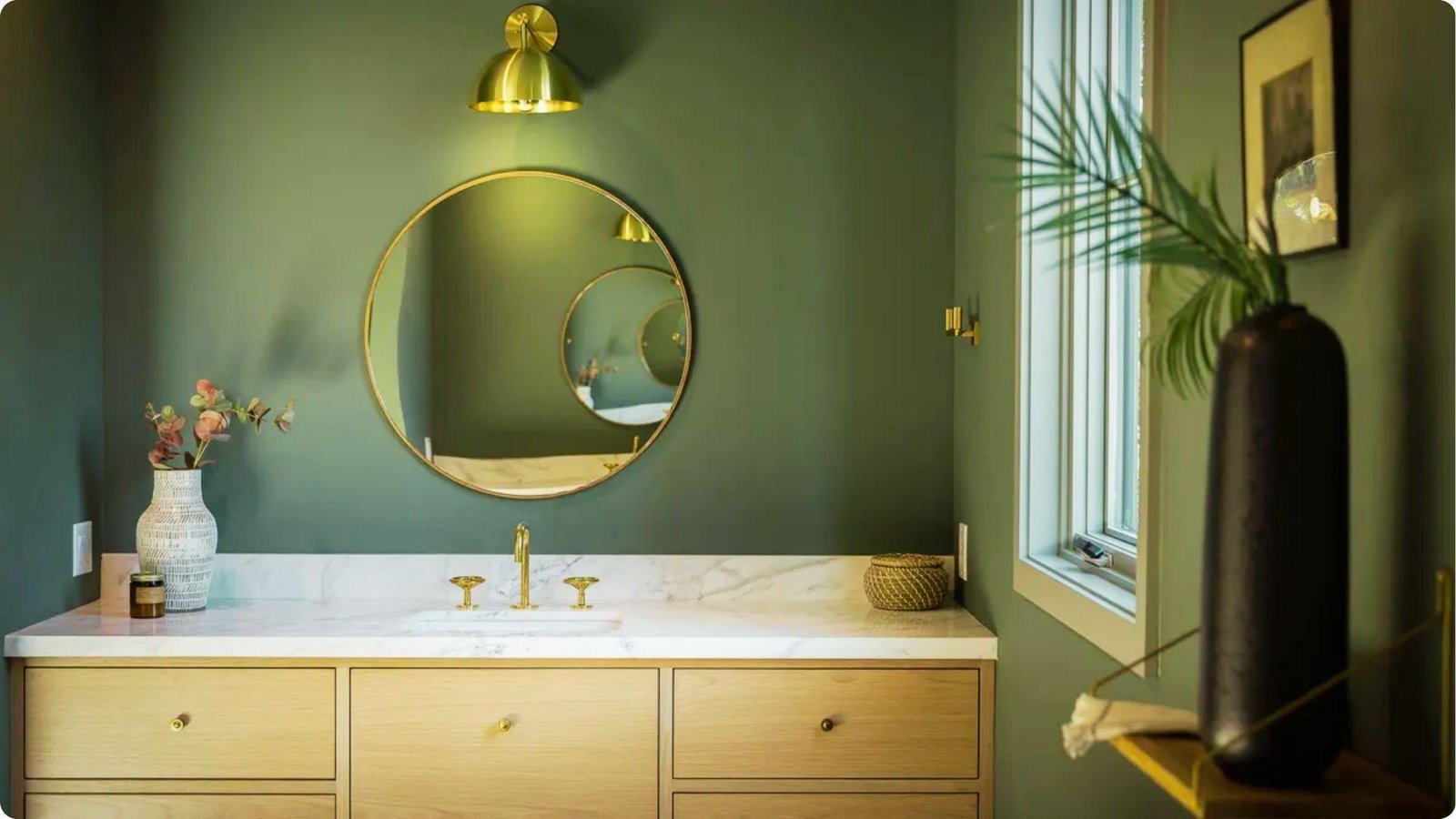
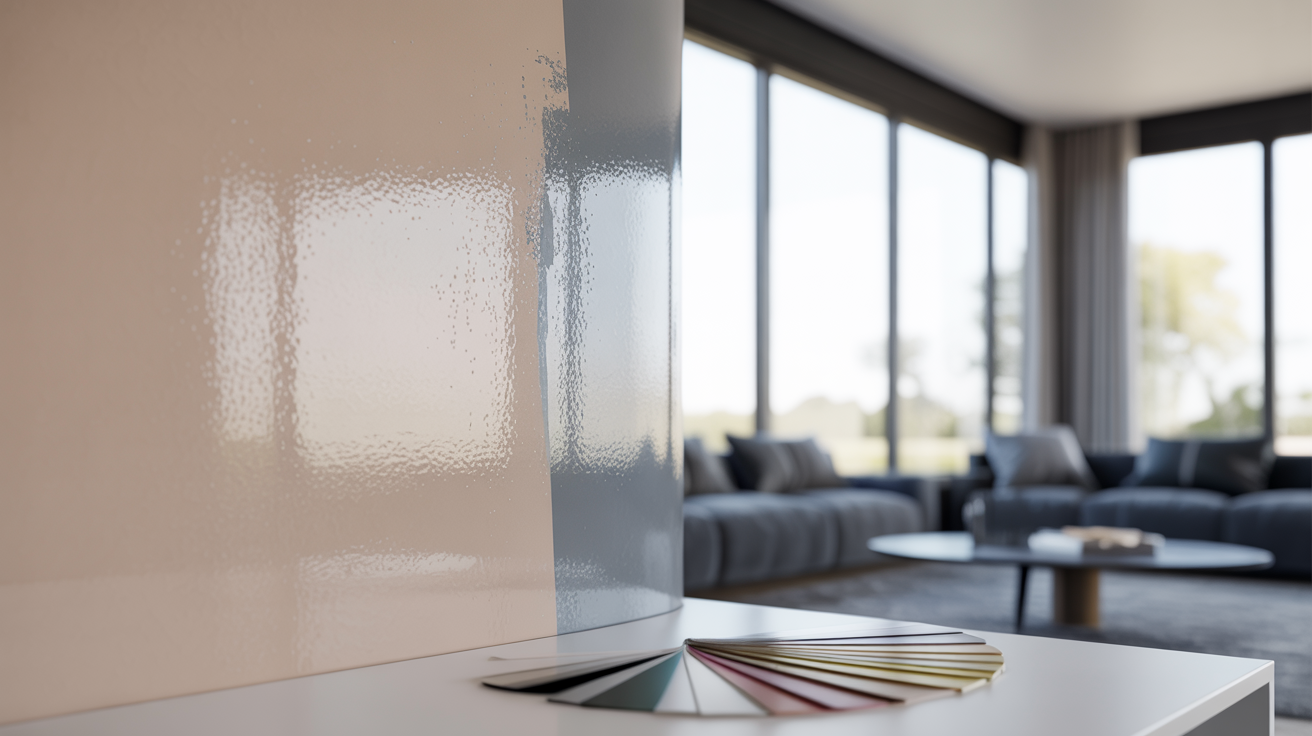
Not every paint sheen belongs in a bathroom. Here is a clear breakdown of each finish and how it performs.
Flat Paint
Flat paint has zero reflectivity and soaks up humidity fast. It will peel and stain with regular steam exposure, making it a poor choice for any bathroom.
Matte Paint
Matte is slightly more durable than flat but still struggles in humid spaces. It does not hold up well to repeated wiping or moisture buildup.
Eggshell Paint
Eggshell has a low-level sheen that handles light moisture better than flat or matte. It works in guest bathrooms or low-steam spaces where heavy humidity is not a concern.
Satin Paint
Satin is one of the most popular and practical choices for bathrooms. It handles moisture well, wipes down easily, and works on walls, ceilings, and trim.
Semi-Gloss Paint
Semi-gloss repels water very effectively and is extremely easy to clean. It is the go-to finish for areas near showers, tubs, sinks, trim, and cabinets.
High-Gloss Paint
High-gloss is the most durable and water-resistant finish available. It is best saved for trim and cabinets since it shows every surface flaw on large wall areas.
Satin vs Semi-Gloss: Which Bathroom Paint Sheen Should You Choose?
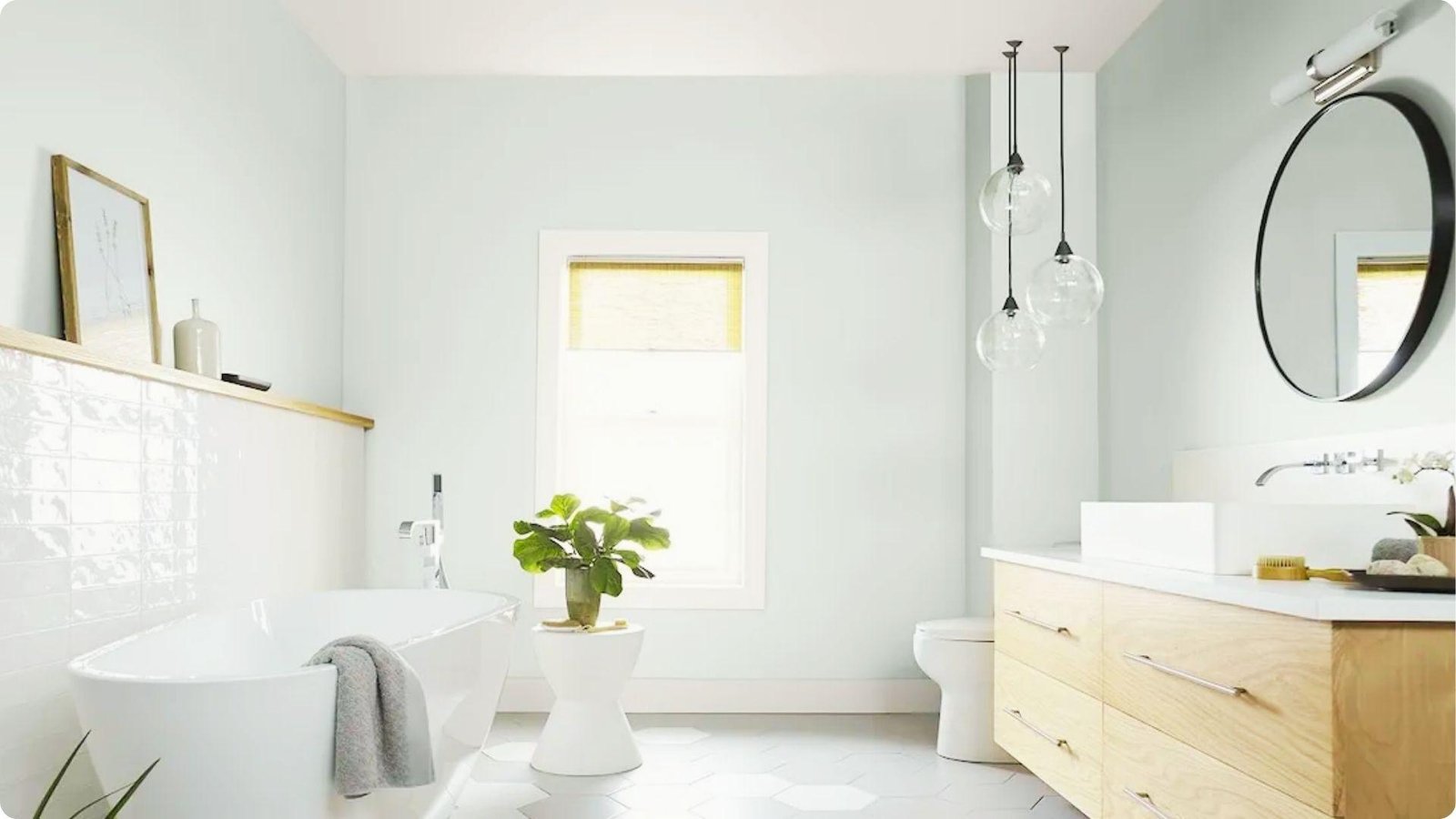
These two finishes are the top contenders for bathrooms. Here is how they compare side by side.
Moisture Resistance Comparison
Semi-gloss has a slight edge because its denser surface causes water to bead off more easily. Satin still performs very well in standard bathrooms with normal humidity levels.
Durability and Longevity
Semi-gloss is slightly harder and resists scuffs better in busy family bathrooms. Both finishes last many years when applied correctly over a primed surface.
Ease of Cleaning and Maintenance
Semi-gloss wipes clean with minimal effort, making it great for households with kids. Satin cleans well too, but aggressive scrubbing can dull it over time.
Best Applications for Each Finish
Satin works best on bathroom walls and ceilings where a balanced, low-shine look is preferred. Semi-gloss suits trim, doors, cabinets, and high-moisture zones near water sources.
What Sheen Paint for Bathroom Walls?
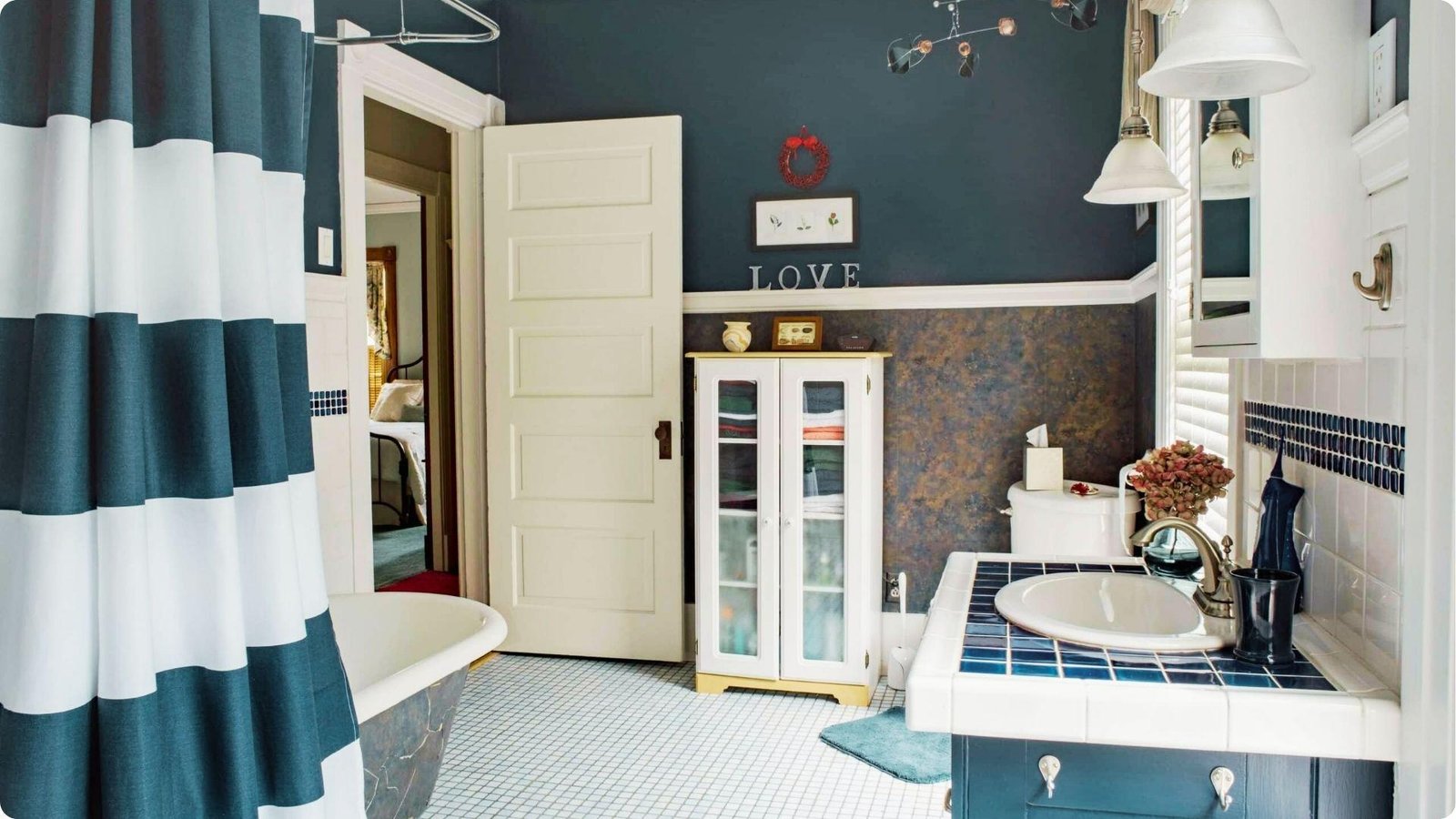
Your bathroom walls take the most daily abuse, so picking the right sheen here matters more than anywhere else.
Best Sheen for Standard Bathroom Walls
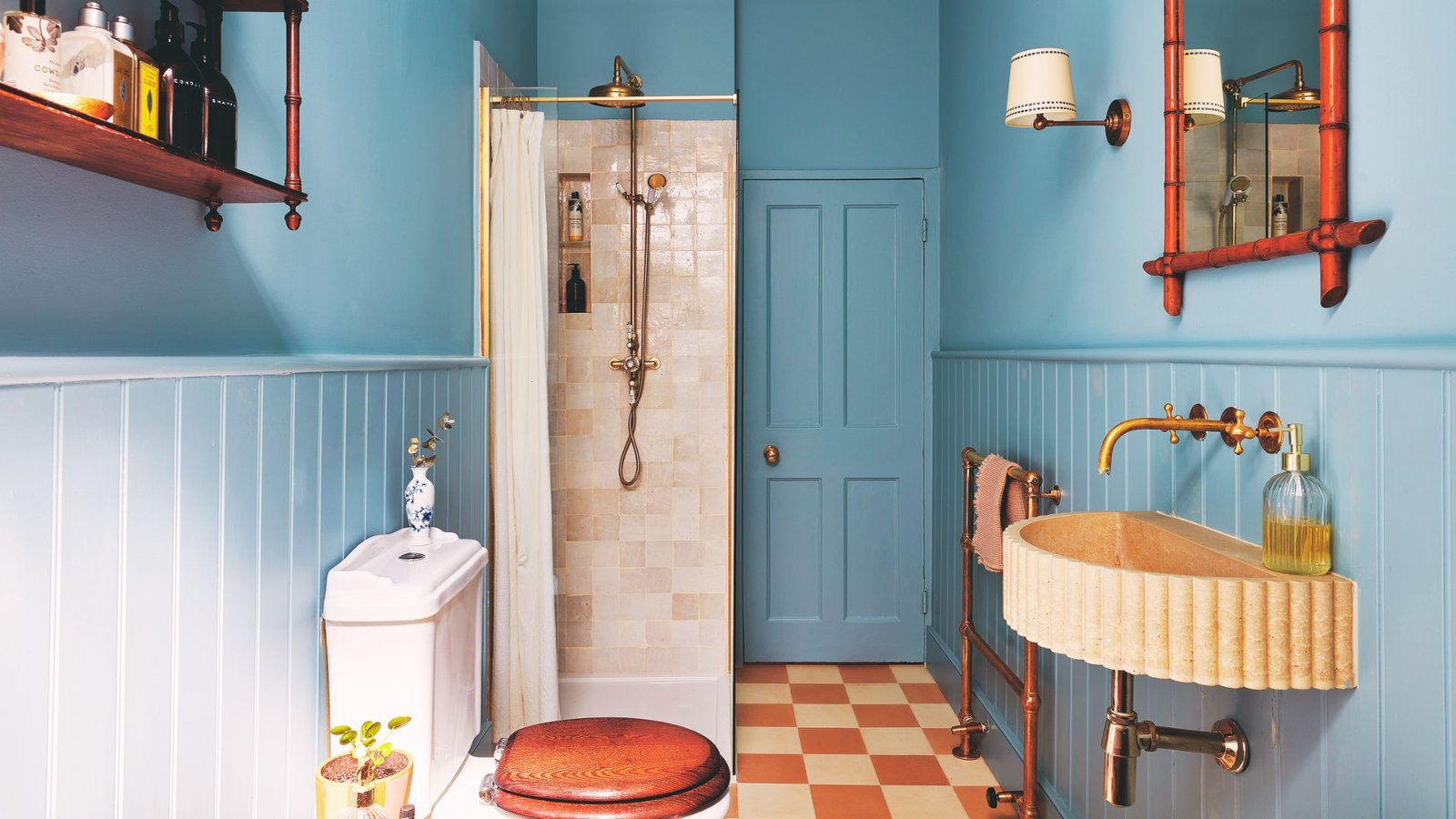
Satin is the best sheen for most bathroom walls, offering solid moisture resistance without being too shiny. Semi-gloss is a step up for bathrooms with heavy use or limited ventilation.
Choosing a Finish for Small Bathrooms
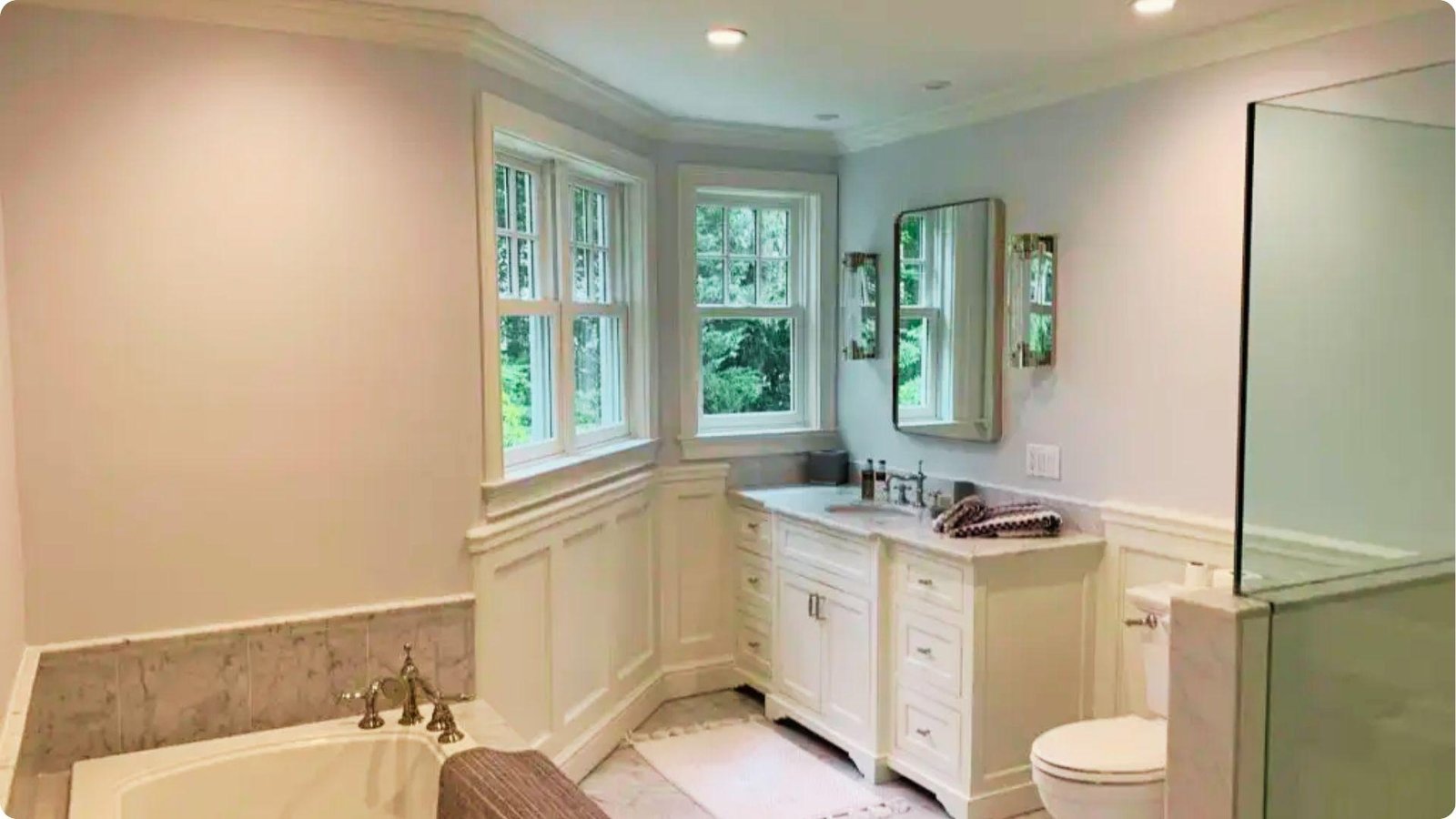
Satin or semi-gloss both work well in small bathrooms by reflecting light and making the space feel more open. Flat and matte finishes absorb light and make tight spaces feel even smaller.
Choosing a Finish for Large Bathrooms
Large bathrooms allow more flexibility, and satin works well on walls without feeling overly shiny. Eggshell can even work in well-ventilated large bathrooms far from the shower zone.
Paint Sheens to Avoid on Bathroom Walls
Flat and matte finishes should never go on bathroom walls since they absorb moisture and encourage mildew. High-gloss on walls looks too clinical and highlights every surface imperfection.
What Sheen Paint for Bathroom Ceiling?
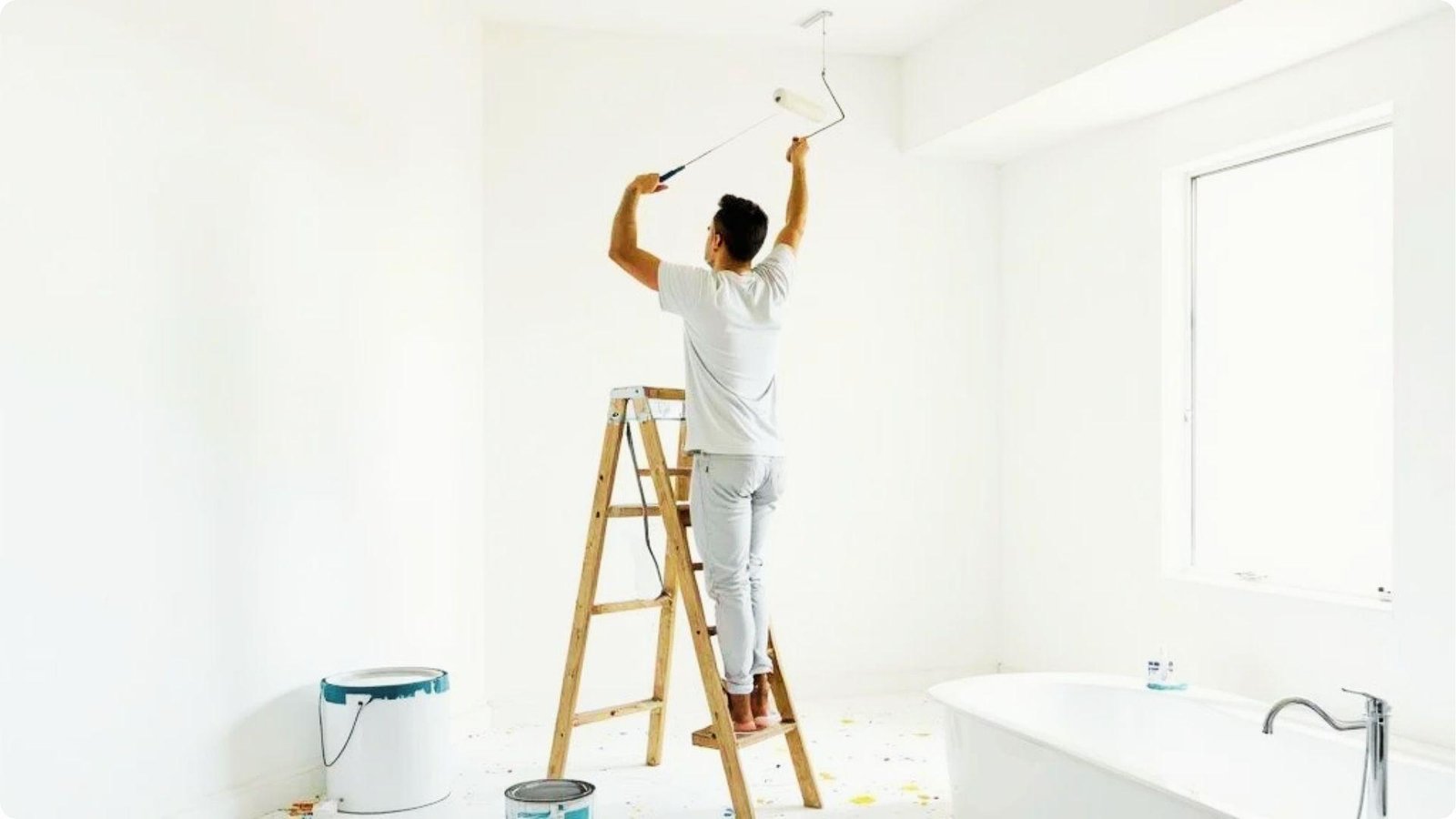
Ceilings trap the most moisture in a bathroom, so the sheen choice here is just as important as the walls.
Best Paint Finish for Bathroom Ceilings
Satin is the most reliable finish for bathroom ceilings, resisting steam and moisture far better than flat paint. Many people default to flat ceiling paint, but it absorbs moisture and leads to peeling and mold.
Eggshell vs Satin for Bathroom Ceilings
Eggshell can work on ceilings in low-moisture powder rooms but falls short in full bathrooms. Satin stands up to daily steam and is the clear winner in bathrooms with poor ventilation.
How to Prevent Peeling and Moisture Damage
Always use a moisture-resistant primer and make sure surfaces are clean and fully dry before painting. Run the bathroom fan during and after every shower to keep steam from building up.
Best Bathroom Paint Sheens Based on Moisture Exposure
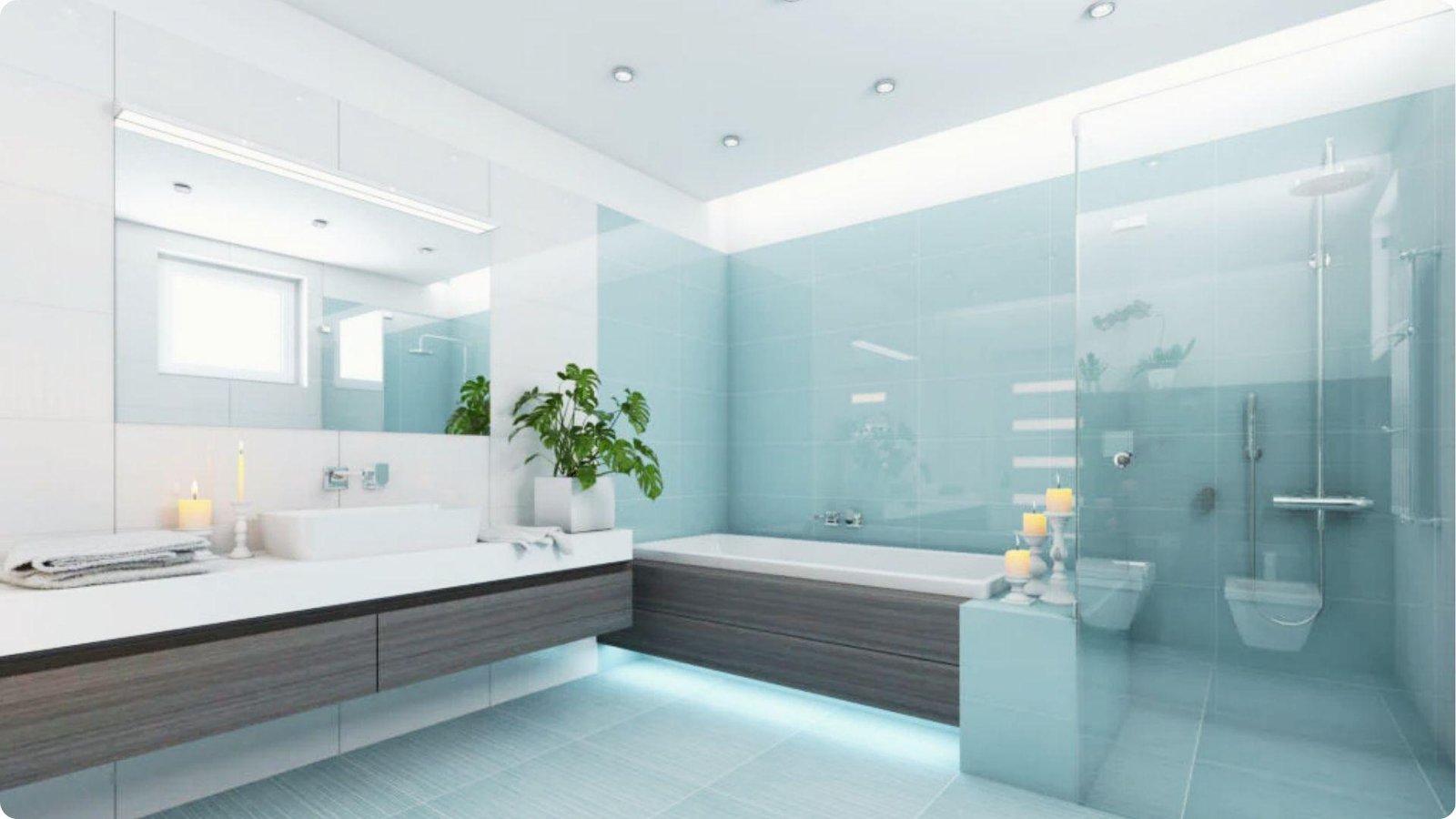
Different spots in a bathroom face different moisture levels, so the right sheen can vary by area.
High-Moisture Areas Around Showers and Tubs
Semi-gloss is the best choice near showers and tubs since it repels water effectively and cleans up easily. High-gloss is also an option here if surfaces are well-prepped before painting.
Medium-Moisture Bathroom Walls
Satin handles the steady humidity of general bathroom walls without being overly shiny. It wipes clean easily and has always been my personal go-to for this type of space.
Low-Moisture Powder Rooms
Eggshell or satin both work well in powder rooms since moisture levels are much lower. Satin is still the better pick if the powder room gets frequent guest use.
Cabinets, Trim, and Doors
Semi-gloss is the standard choice for cabinets, trim, and doors since it handles daily touching and wiping well. High-gloss also works on these surfaces if you want a sharper, more polished finish.
Factors to Consider When Choosing Bathroom Paint Sheen
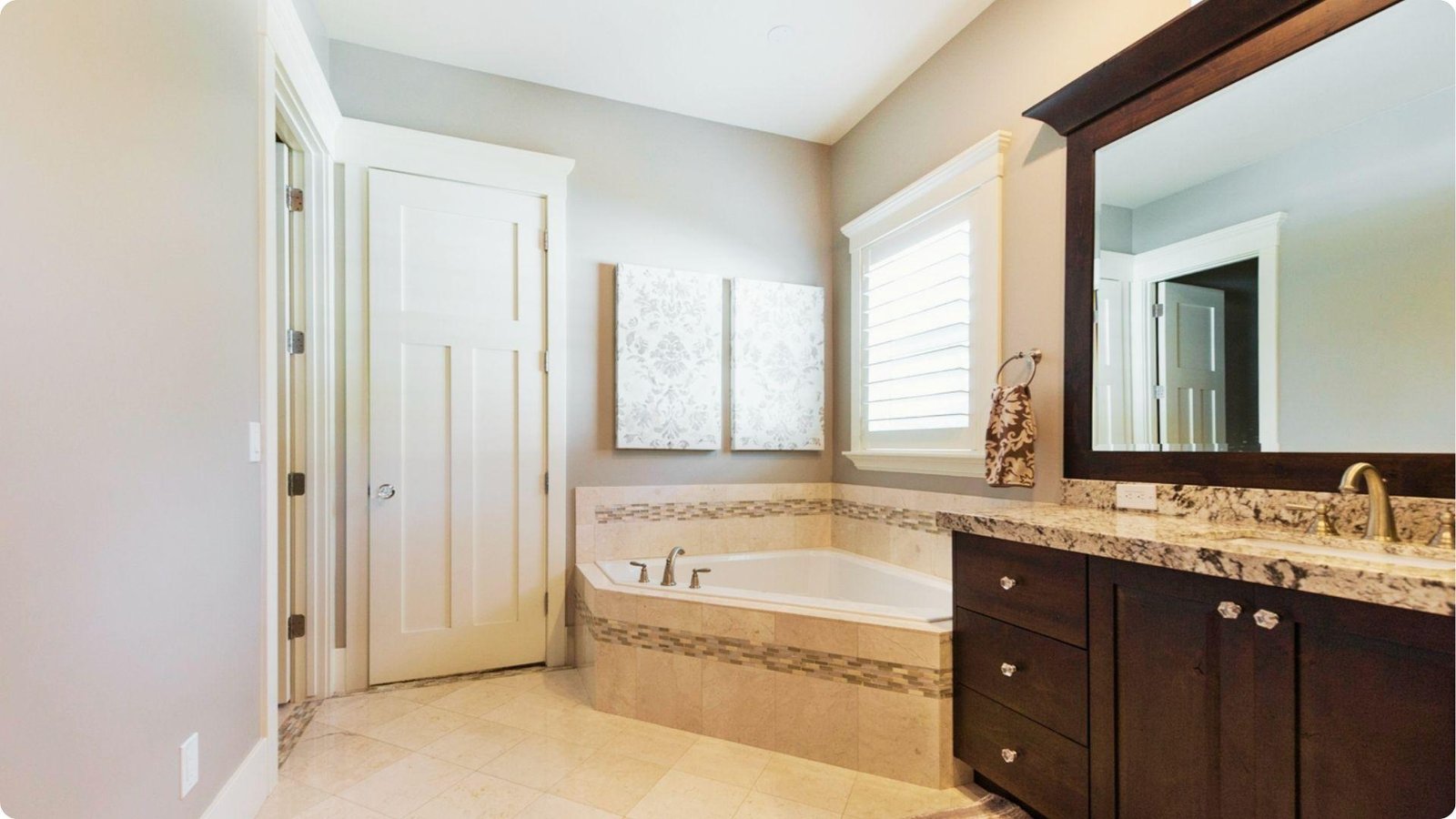
Before you buy a single can of paint, these key factors should guide your final decision.
Bathroom Size and Layout
Small bathrooms need a higher sheen to bounce light around, while larger bathrooms offer more finish flexibility.
Also consider how close the painted surface sits to a high-moisture zone like a walk-in shower.
Ventilation and Humidity Levels
A bathroom with a strong exhaust fan and a window dries out quickly, so satin holds up well there.
Poor ventilation keeps walls damp longer, making semi-gloss the smarter choice for added protection.
Natural and Artificial Lighting
Higher sheen can feel harsh in a bright bathroom with lots of natural light, where satin is a better fit.
In darker bathrooms, a slightly higher sheen helps reflect artificial light and brighten the space.
Cleaning Requirements and Daily Use
Busy family bathrooms need semi-gloss since it handles frequent wiping without breaking down.
Guest bathrooms and powder rooms with lighter use are perfectly fine with satin or eggshell.
Tips for a Long-Lasting Bathroom Paint Finish
A good paint job starts before the roller ever touches the wall. These practical tips will help your finish last.
- Clean walls thoroughly and fill any cracks or holes before picking up a brush or roller.
- Always use a moisture-blocking primer, and apply two coats near showers or tubs.
- Let the primer dry completely before applying any topcoat to avoid adhesion problems.
- Run the exhaust fan during every shower and for at least 20 minutes after to reduce steam buildup.
- Wipe walls with a soft cloth and mild soap, and avoid harsh chemical cleaners that break down the finish over time.
Conclusion
Choosing the right sheen paint for your bathroom does not have to feel confusing. I have been there, standing in the paint aisle, second-guessing every option.
What helped me most was simply asking: how much moisture does this room actually get?
Start with satin for most walls and ceilings. Go semi-gloss near showers, tubs, and trim. Prep your surfaces well, and your finish will last for years.
Got a bathroom project coming up? Drop your question in the comments. I read every one.
Frequently Asked Questions
Is Satin or Semi-Gloss Better for Bathrooms?
Both work well, but it depends on the space. Satin suits general walls, while semi-gloss is better near showers, tubs, and trim where moisture and cleaning demands are higher.
Can You Use Eggshell Paint in a Bathroom?
Yes, but only in low-moisture areas like powder rooms. Eggshell does not hold up well in full bathrooms with regular shower steam and high humidity exposure.
What Is the Best Paint Sheen for a Bathroom Ceiling?
Satin is the best choice for most bathroom ceilings. It resists steam and moisture far better than flat ceiling paint and still gives a clean, smooth overhead finish.
Should Bathroom Trim Have a Different Sheen Than Walls?
Yes. Trim, doors, and cabinets should always have a higher sheen than walls. Semi-gloss or high-gloss on trim adds durability and makes those surfaces easier to wipe clean daily.
Does Higher Sheen Paint Resist Moisture Better?
Yes. Higher sheen paints create a harder, denser surface that repels water more effectively. Semi-gloss and high-gloss finishes outperform flat and matte options in moisture resistance.