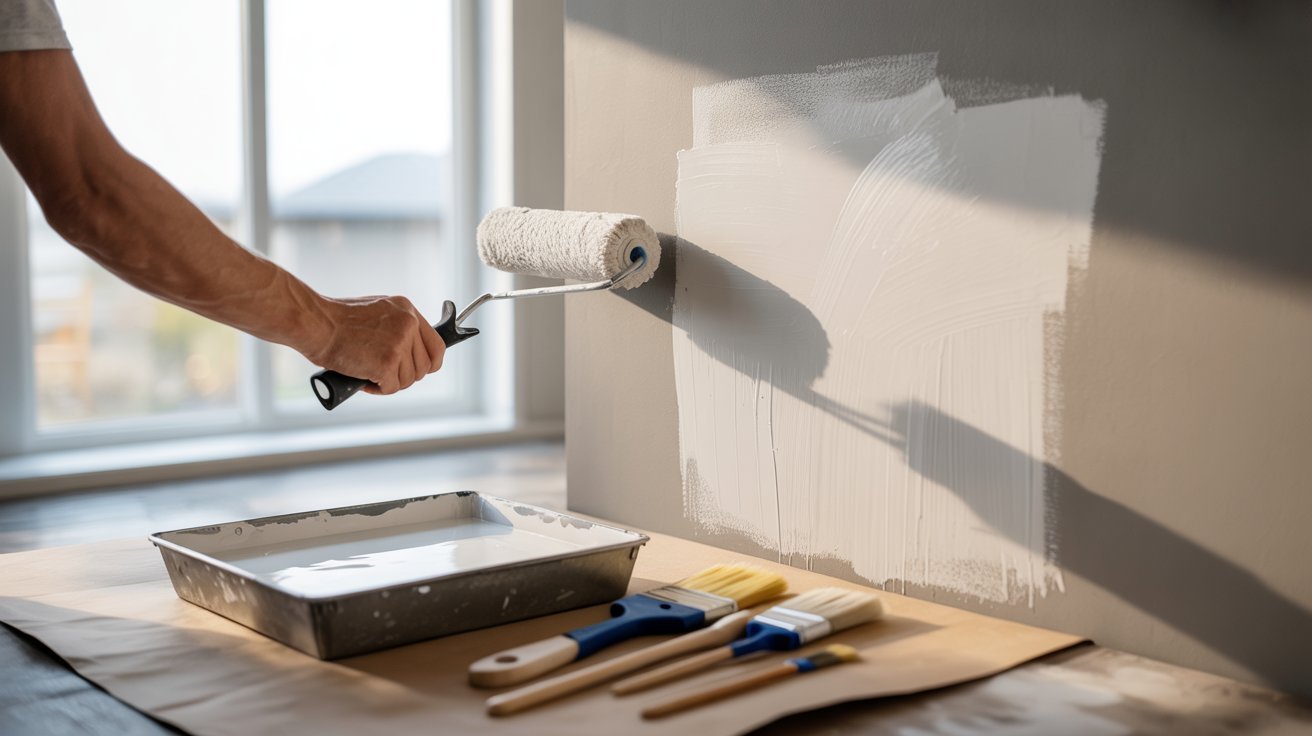
Painting treated wood too soon is one of the most common mistakes in outdoor woodwork. The result is peeling paint, wasted money, and hours of extra work.
I have seen this happen on decks, fences, and pergolas. The fix is always the same. Wait, test, then paint.
This guide covers everything you need to know about painting pressure-treated wood the right way. You will learn how long to wait, how to test for dryness, and which products work best.
We cover drying time, staining tips, moisture testing, and product choices. Follow these steps and your finish will last.
What Happens If You Paint Treated Wood Too Soon?
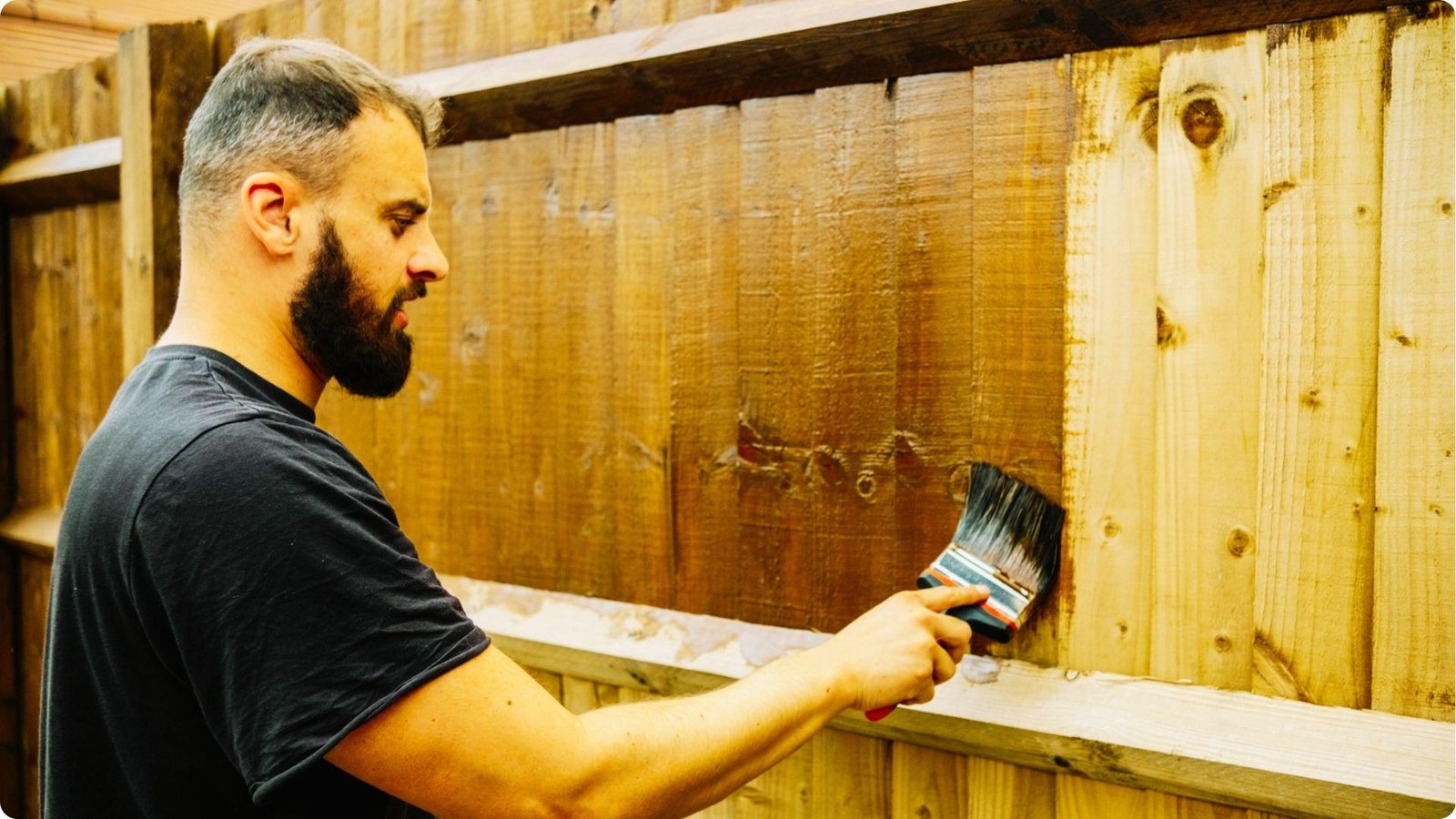
Painting treated wood before it is ready causes real damage that is hard to fix. The wood holds moisture and chemical preservatives from the treatment process.
When you seal it with paint too early, that moisture gets trapped and tries to push outward. This breaks the bond between the wood and the paint.
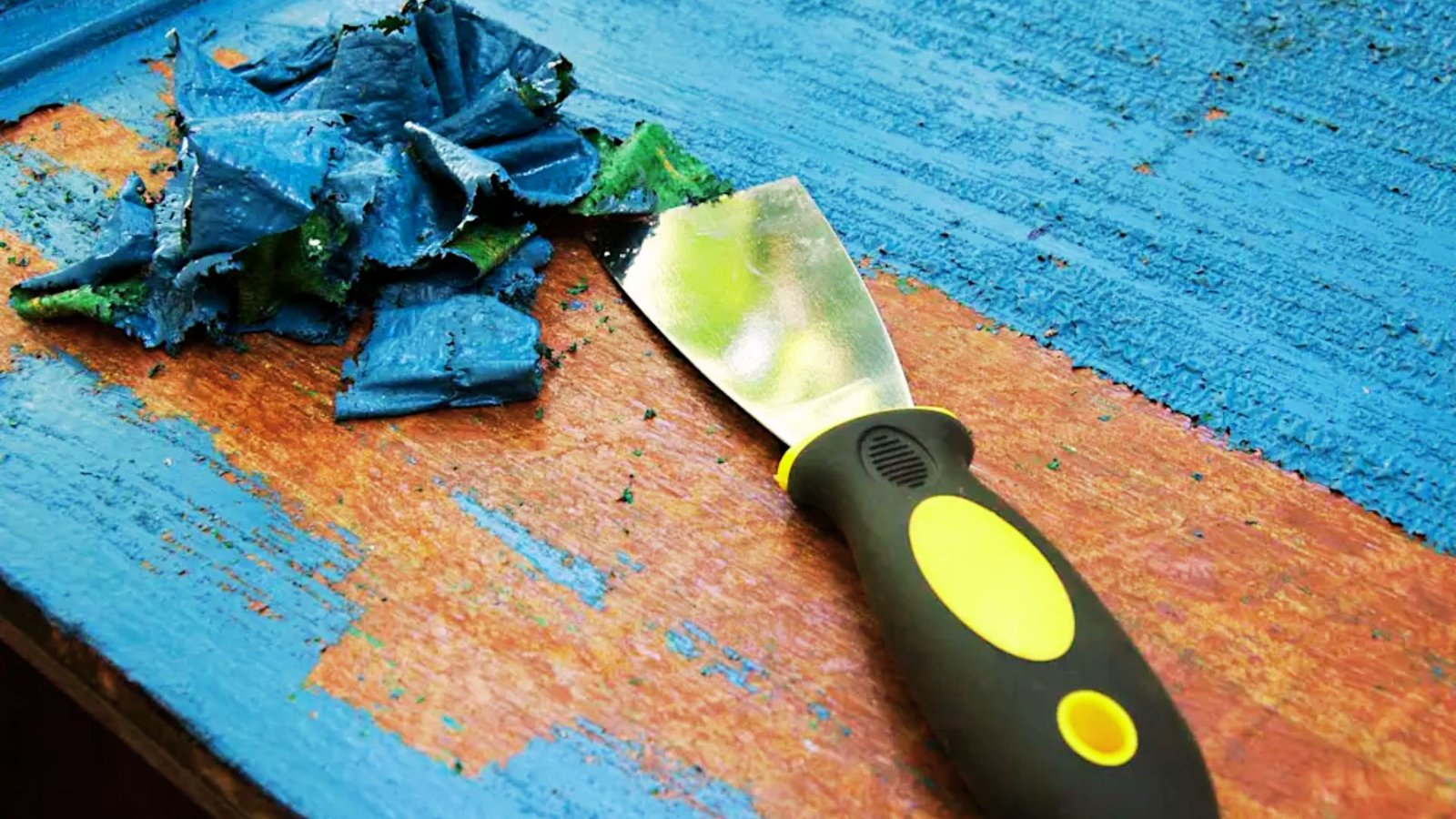
You end up with bubbling, peeling, and flaking within weeks. The wood surface also holds chemicals near the top that stop paint from sticking properly.
Poor adhesion leads to uneven coverage and thin patches. Over time, the wood can crack or warp under the failed paint. Waiting is always the better choice.
Why You Must Wait Before Painting or Staining Treated Wood
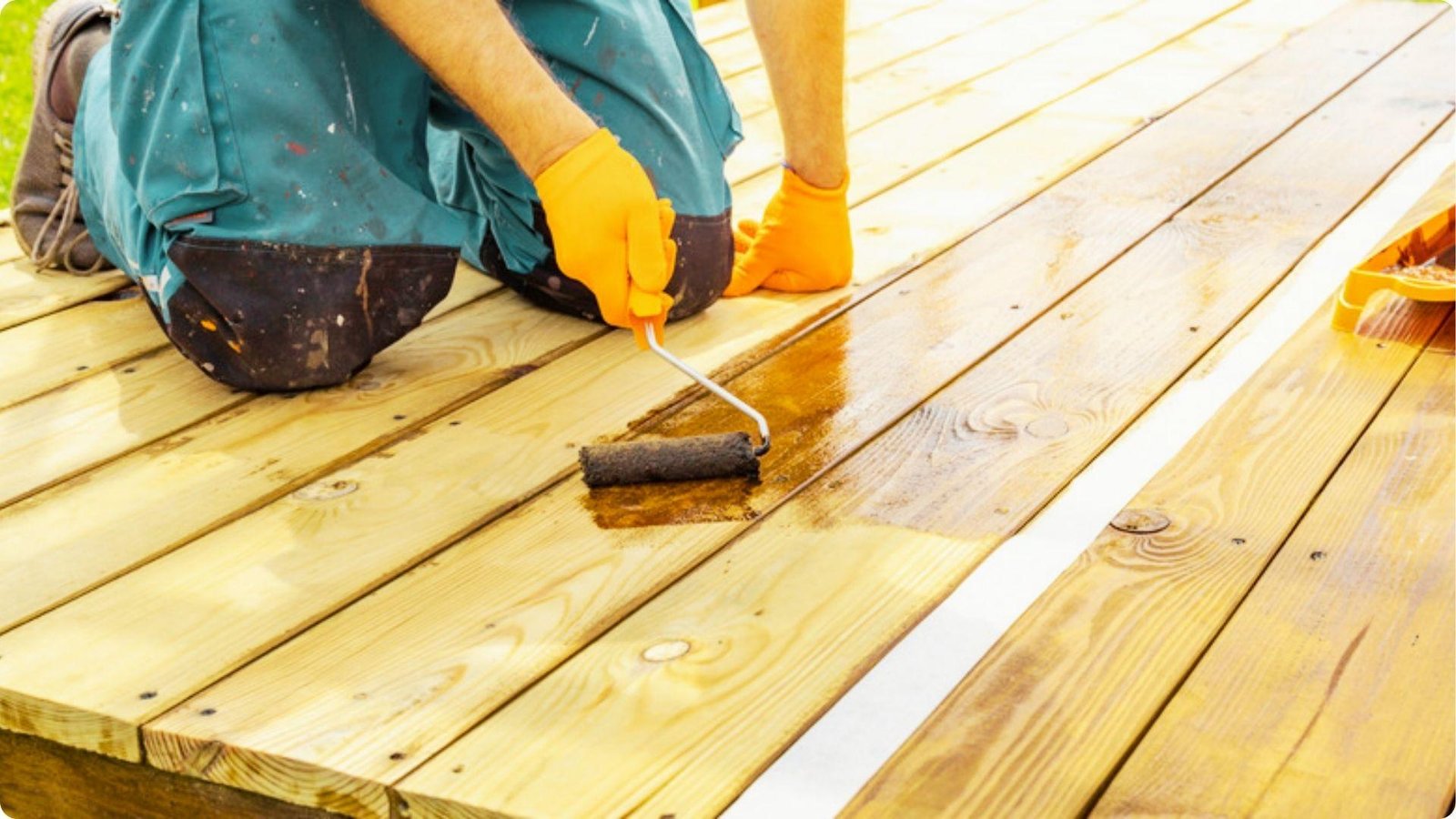
Understanding why treated wood needs time helps you avoid making mistakes that cost you later.
How Pressure-Treated Wood Is Manufactured
Lumber is placed in a high-pressure tank where liquid preservatives are forced deep into the wood fibers.
This leaves the wood saturated with moisture, which must fully dry out before any paint or coating is applied.
Moisture and Chemical Preservatives in the Wood
Fresh treated wood contains high moisture levels and copper-based chemical preservatives near the surface.
Both of these stop paint from bonding properly and must dry out before painting begins.
Why Fresh Treated Lumber Does Not Hold Paint Well
The surface of fresh treated lumber is too wet and chemically unstable to hold paint.
Even if paint goes on smoothly, it will not stay bonded and will start peeling within days of sun and rain exposure.
Difference Between Standard and KDAT Lumber
Standard treated lumber comes wet and needs months to dry, while KDAT lumber is kiln-dried after treatment and is nearly ready to paint when purchased.
KDAT costs more but saves significant waiting time on most projects.
How Long Should You Wait Before Painting Pressure-Treated Wood?
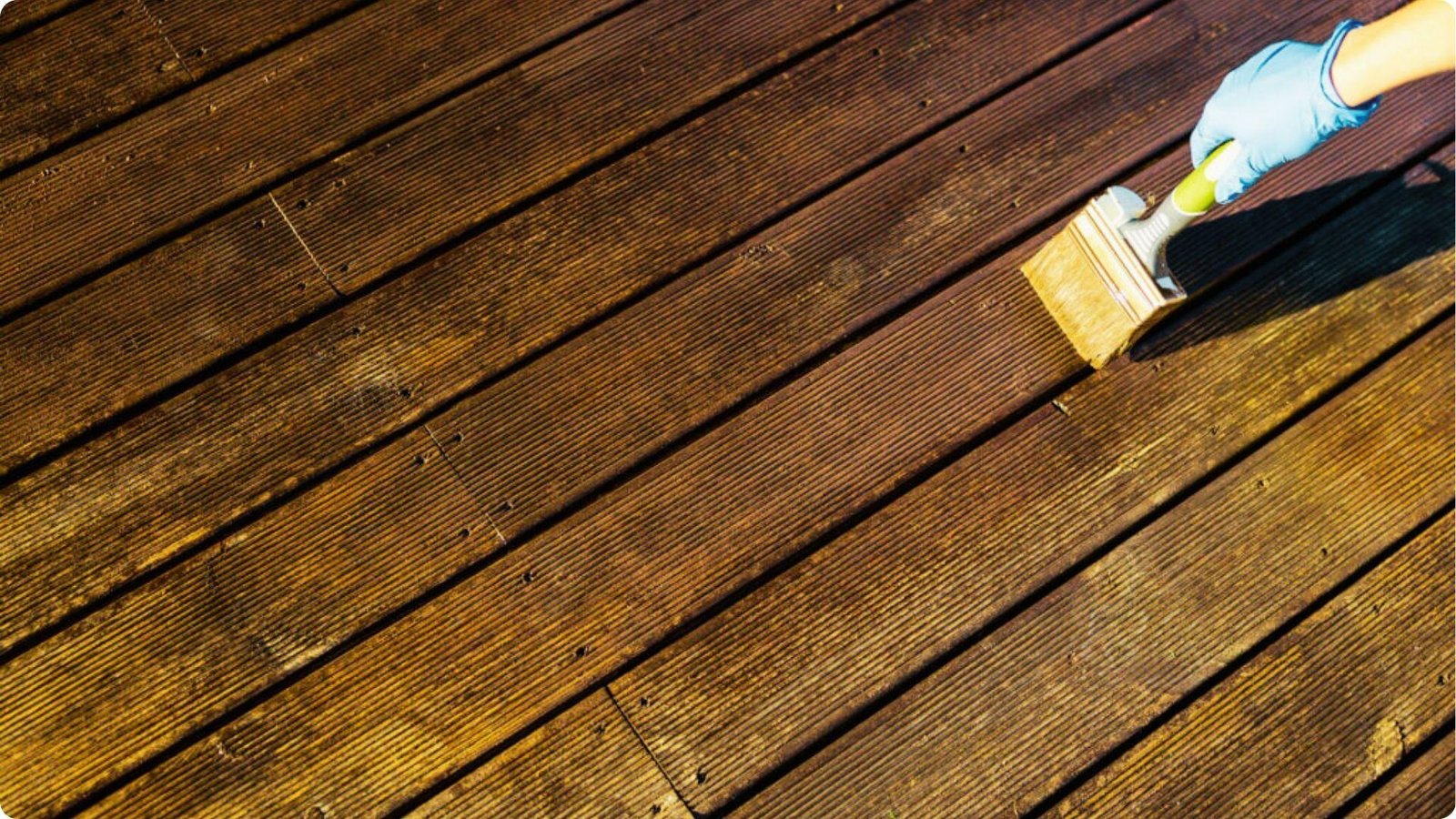
The waiting period is one of the most important parts of the whole process. Getting this right makes everything else easier.
Average Waiting Time for Most Projects
Most experts recommend waiting at least three to six months before painting standard pressure-treated lumber.
Always test the wood before painting rather than going by guesswork alone.
How Weather and Humidity Affect Drying
Hot and dry weather speeds up drying, while cool and humid conditions can stretch the wait beyond six months.
Storing lumber in a dry, well-ventilated area with boards elevated off the ground helps it dry faster.
Does Wood Thickness Matter?
Thicker boards hold more moisture and take longer to dry than thinner ones.
Base your waiting time on the thickest pieces in your project since those will be the last to reach a safe moisture level.
When KDAT Wood Can Be Painted Earlier
KDAT lumber can usually be painted within a few weeks of purchase since most of the moisture was removed during kiln drying.
Still allow a couple of weeks after installation and always run the water drop test before applying any coating.
How Long Should You Wait Before Staining Treated Wood?
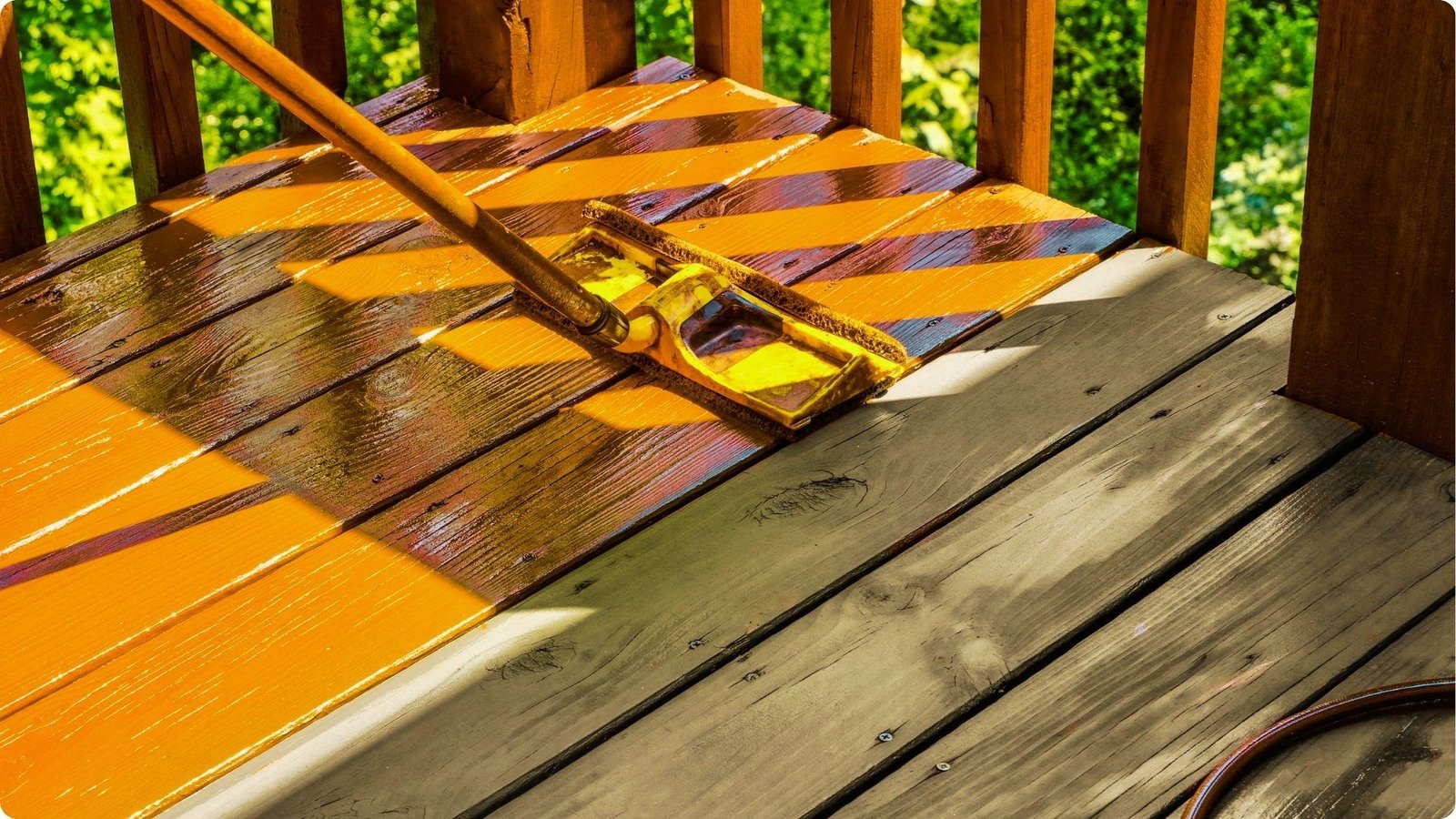
Staining has its own timeline and its own set of rules. It is not quite the same as painting.
Why Staining Too Early Causes Problems
When wood is still full of moisture, stains cannot soak into the surface properly and end up sitting on top.
This leads to a blotchy, uneven finish that peels off just like paint applied too early.
Recommended Drying Time Before Staining
Waiting three to four months is a good starting point for most staining projects.
Some manufacturers recommend up to six months, so always check the product guidelines before you begin.
Paint vs Stain for Pressure-Treated Wood
Paint forms a solid film on the surface and lasts longer but requires more prep and is harder to recoat.
Stain soaks into the wood, shows the natural grain, and is easier to maintain but needs reapplication more often.
How To Tell if Pressure-Treated Wood Is Ready To Paint
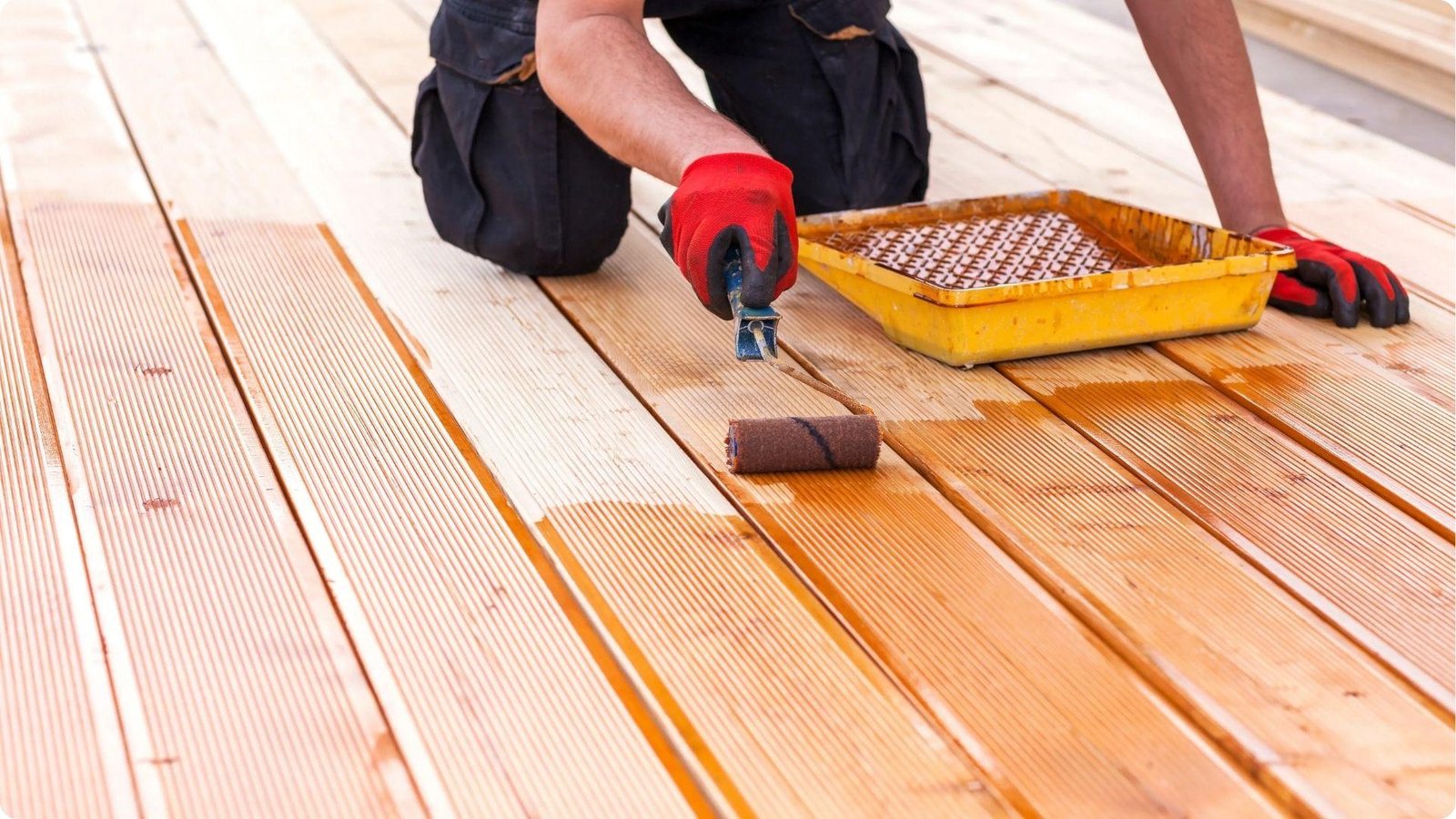
Guessing is not a good strategy. There are simple ways to check if the wood is actually ready.
The Water Drop Test Explained
Sprinkle a few drops of water onto the wood surface and watch what happens. If the water beads up, the wood is not ready. If it soaks in within seconds, the wood is dry enough to paint or stain.
Using a Moisture Meter for Accurate Results
Press the meter pins into the wood surface and read the moisture percentage on the display. For painting, look for 15 percent or lower. For staining, 20 percent or below is acceptable.
Signs the Wood Is Dry Enough for Paint or Stain
Dry treated wood will show light graying, feel lighter than when purchased, and have a consistent surface color with no dark wet patches. Small surface cracks along the grain are also a sign the wood has dried and is ready to coat.
Best Paint and Stain Options for Pressure-Treated Wood
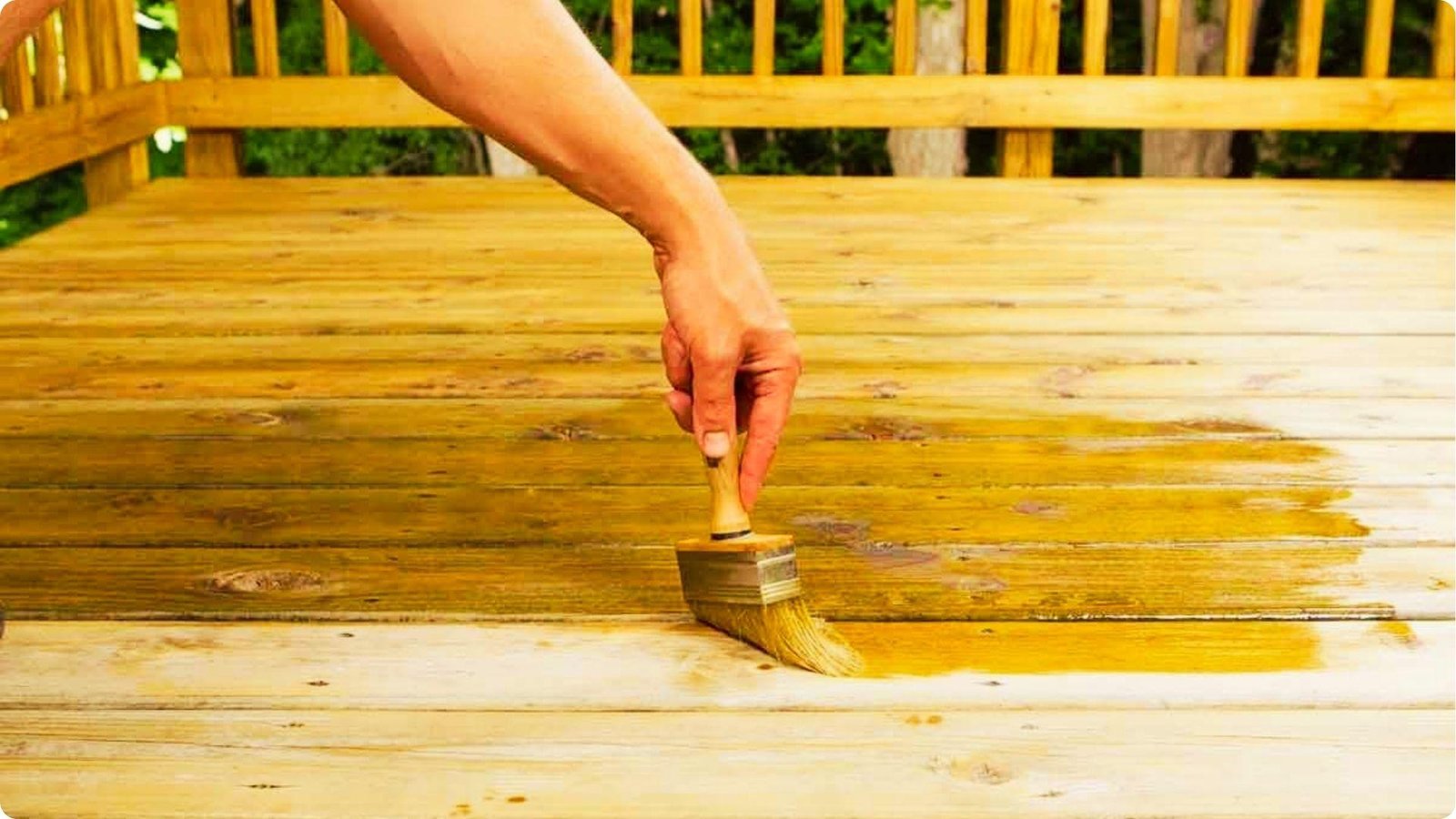
Choosing the right product makes a real difference in how long the finish lasts.
Why Exterior Latex Paint Works Best
Exterior latex paint is flexible, moisture-resistant, and bonds well to dry treated wood surfaces.
It dries faster than oil-based paint and handles outdoor conditions without cracking or peeling over time.
Choosing the Right Primer
Use a water-based exterior primer designed for wood before applying your topcoat.
Avoid oil-based primers on treated lumber since they can react poorly with the residual chemicals still present in the wood.
Best Types of Exterior Wood Stain
Semi-transparent stains let the wood grain show through while still offering solid protection, making them a popular choice for decks and fences.
Solid stains cover surface imperfections better and behave more like paint while still allowing some flexibility.
Oil-Based vs Water-Based Products
Water-based products dry faster, stay flexible, resist yellowing, and are easier to apply and maintain.
Oil-based products penetrate deeper but take longer to dry and can yellow in sunlight over time.
Tips To Make Paint or Stain Last Longer
A few smart habits can keep your finish looking good for years without constant touch-ups.
- Always wait the full recommended drying time before applying any coating.
- Paint during mild weather and avoid applying before rain or in direct sunlight.
- Clean the surface well before painting to remove dirt, dust, and mildew.
- Inspect the wood once a year and touch up small areas before they worsen.
- Keep water draining away from treated wood structures to reduce moisture damage.
Conclusion
Painting treated wood too soon is a mistake that can cost you time, money, and a lot of frustration.
I learned this the hard way on a deck project where the paint started peeling within a few months. After that, I made waiting the right amount of time a rule I never skip.
If you take one thing from this guide, be patient. Test the wood, wait for the right conditions, and choose good products. Your finish will last far longer.
Have questions or your own experience to share? Drop a comment below. It might help someone else.
Frequently Asked Questions
What happens if you paint treated wood too soon?
The paint will not bond properly to the surface. It will bubble, peel, or flake off within weeks or months because the moisture and chemicals in the wood prevent adhesion.
How long should pressure-treated wood dry before painting?
Standard pressure-treated wood should dry for at least three to six months before painting. KDAT lumber, which is kiln-dried after treatment, may be ready in a few weeks.
Can you stain pressure-treated wood right away?
No. Staining too early causes the product to sit on top of the wood rather than soaking in. This results in a blotchy, uneven finish that peels quickly. Wait at least three to four months.
What type of paint is best for treated wood?
Exterior latex paint is the best option for pressure-treated wood. It is flexible, moisture-resistant, and bonds well to wood surfaces when applied after proper drying.
How do you know when treated wood is dry enough?
Use the water drop test. Drop a few drops of water on the surface. If it soaks in quickly, the wood is ready. You can also use a moisture meter and look for a reading of 15 percent or lower for painting.