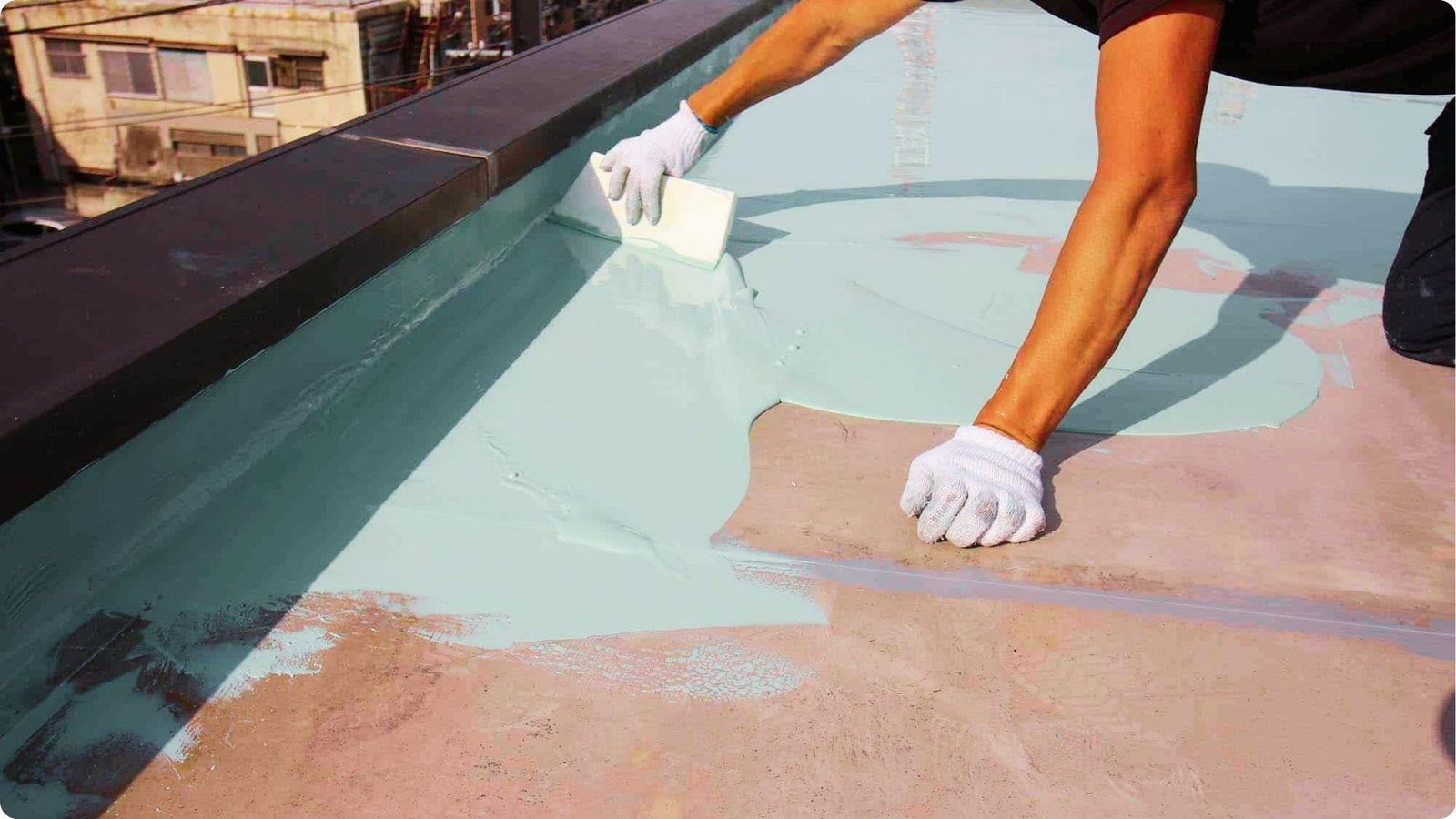
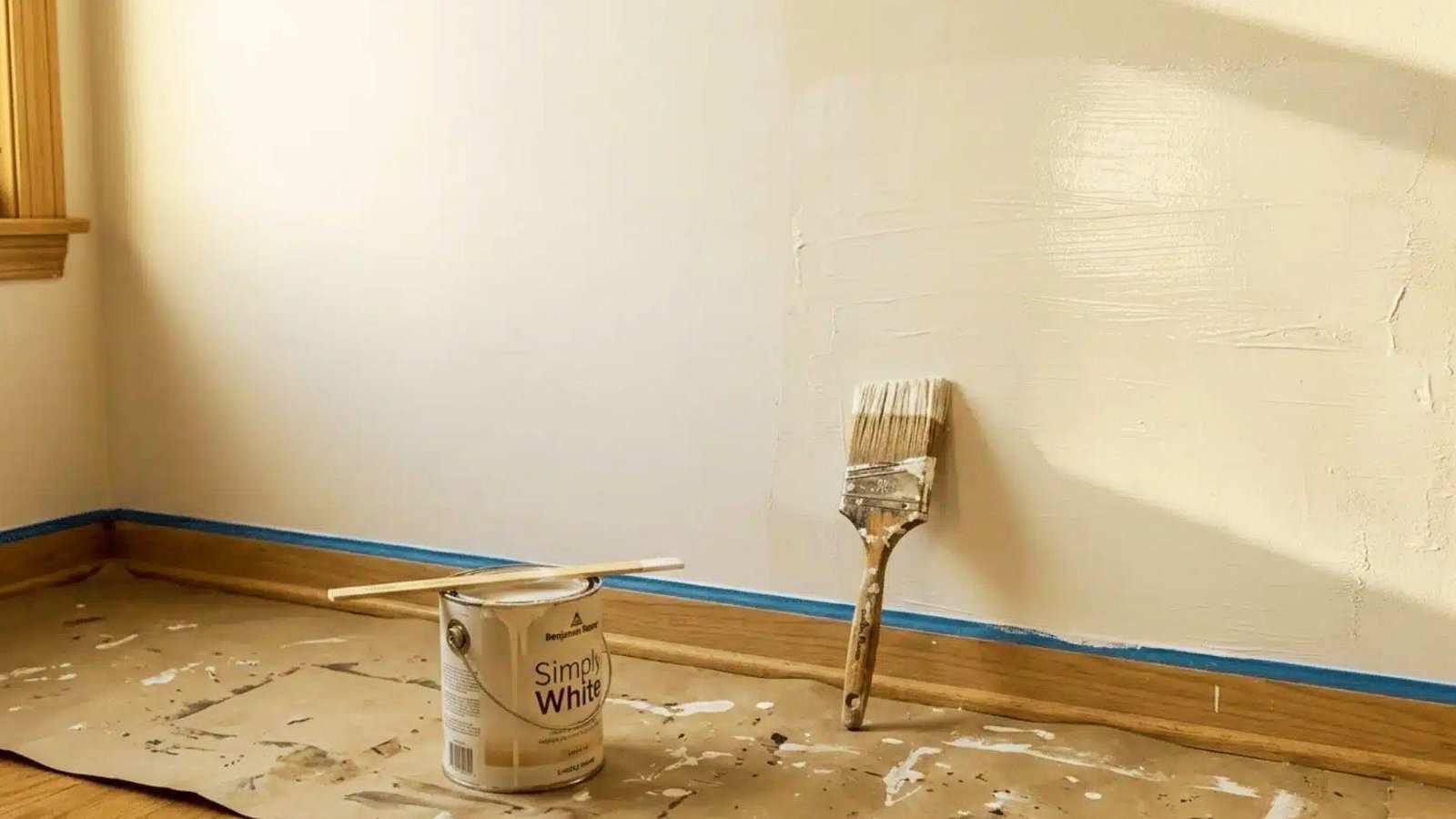
I ruined a freshly painted wall once. I added the second coat too soon, and the whole thing turned into a streaky mess. Not fun.
If you have ever wondered how long to let paint dry between coats, you are not alone. It is one of the most common questions I get, and getting it wrong costs you time and money.
In this guide, I share exact drying times for every paint type, the factors that slow things down, and simple tips to get a clean finish the first time.
No guesswork. No fluff. Just clear, practical answers based on real experience.
By the end, you will know exactly when to pick up that brush again.
Why Waiting Between Paint Coats Is Important
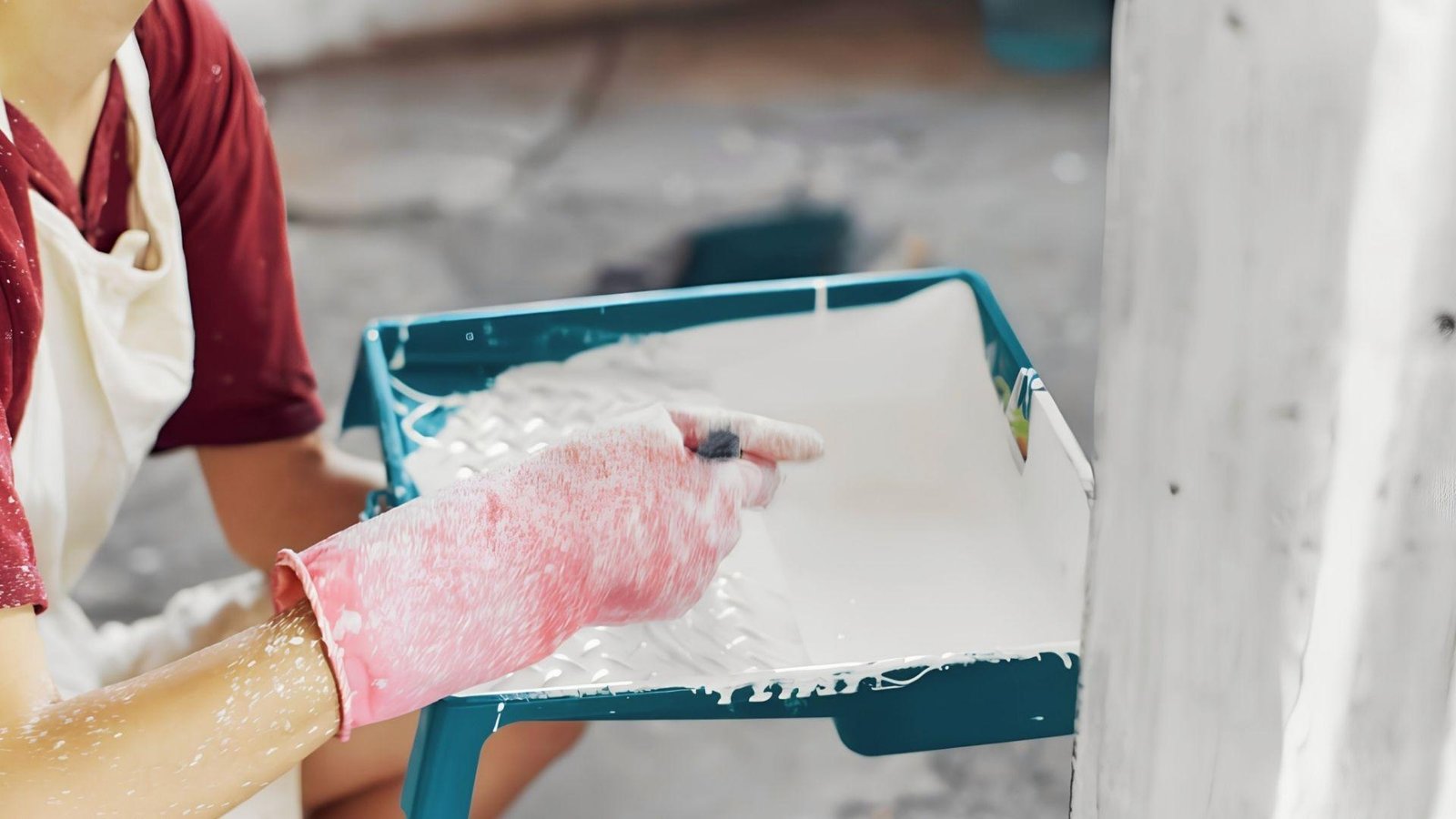
Rushing a second coat is one of the most common painting mistakes I see. When the first coat is still wet, adding paint on top traps moisture underneath.
That trapped moisture has to go somewhere. It causes bubbling, streaking, and peeling. The surface never bonds the way it should.
I have watched walls look perfectly fine right after painting, then start lifting within a few days. All because someone did not wait long enough.
Giving each coat enough time to dry lets the next layer grip properly. You get a smoother, more even finish. And you use fewer coats overall.
How Long to Let Paint Dry Between Coats
Drying time depends on the type of paint you are using. Here is a breakdown of each common paint type.
1. Latex Paint Drying Time
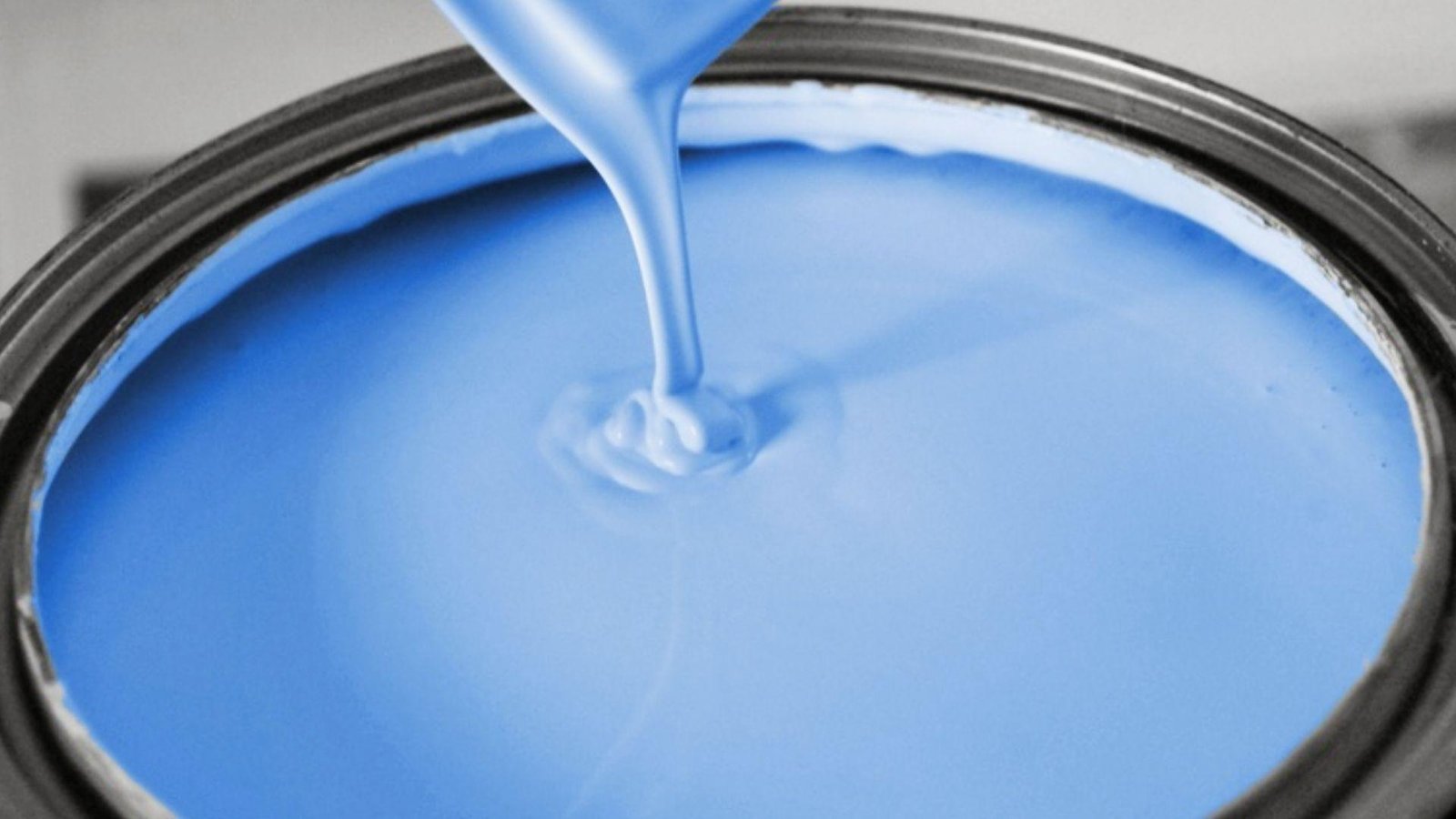
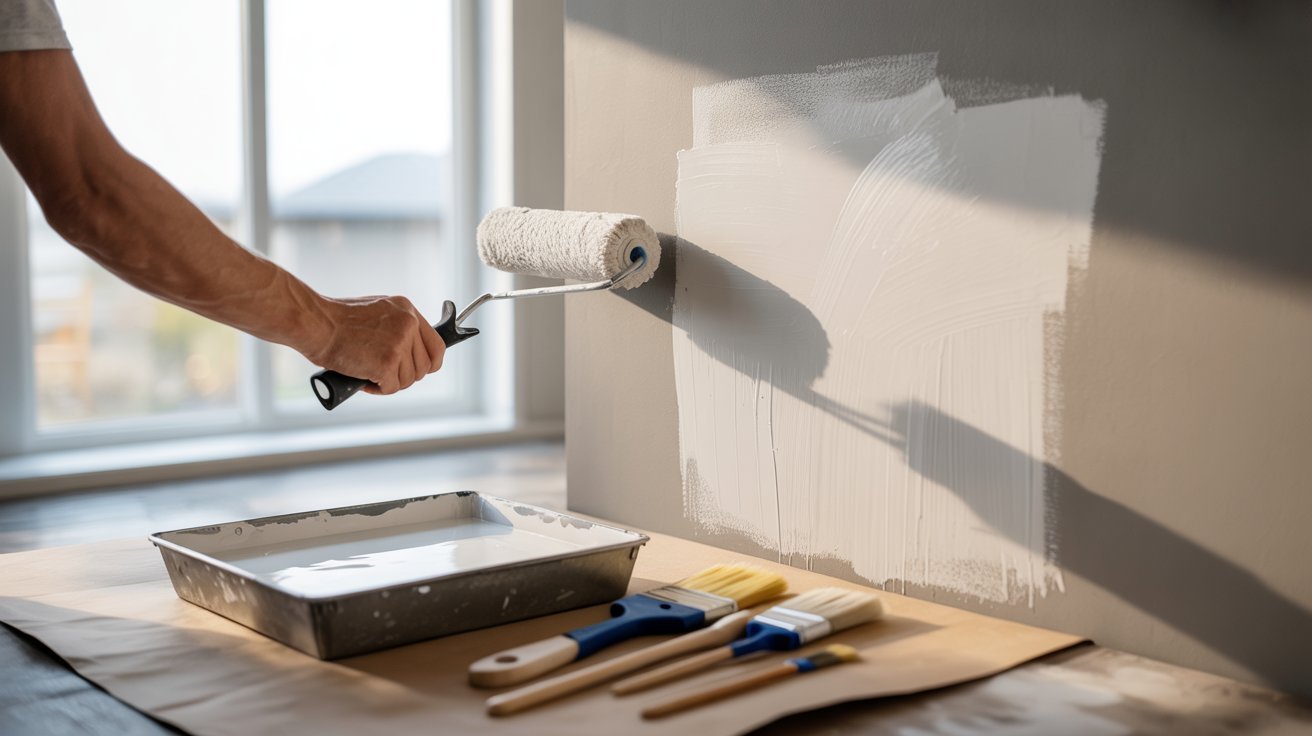
Latex paint is touch dry in 1 to 2 hours. But I always wait at least 4 hours before adding a second coat.
Rushing it causes layers to blend instead of bond, and you end up with an uneven finish. Full cure takes 2 to 4 weeks.
Since latex is water-based, good airflow speeds up drying noticeably. Cracking a window or running a fan makes a real difference.
2. Oil-Based Paint Drying Time
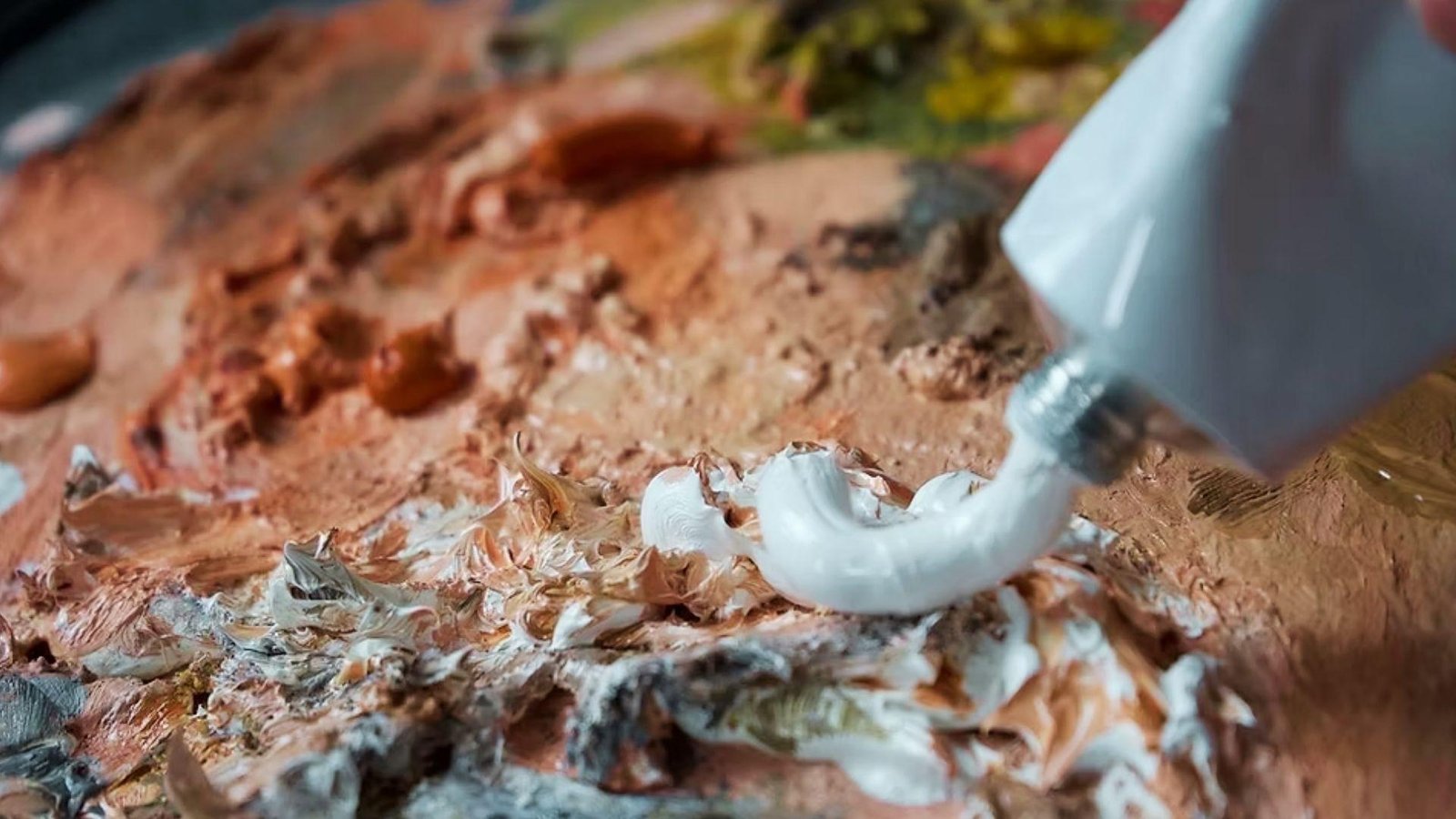
Oil-based paint takes the longest of any common paint type. It is touch dry in 6 to 8 hours, but you should wait a full 24 hours before recoating.
I learned this on a front door project. The finish looked fine at first, then turned tacky overnight.
Full cure can take up to 30 days depending on the temperature and airflow in your space.
3. Acrylic Paint Drying Time
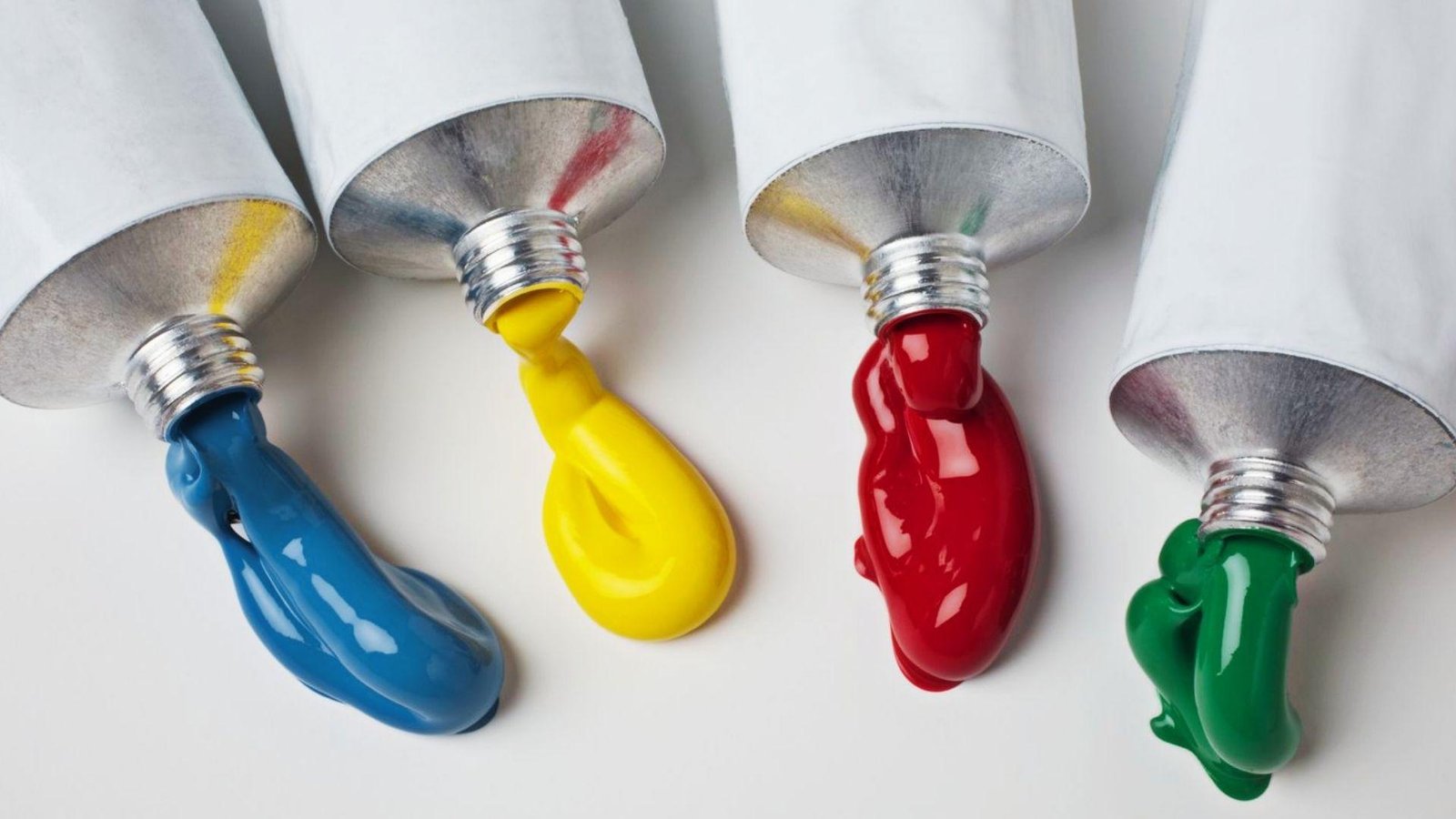
Acrylic dries fast. Touch dry in 30 to 60 minutes, recoat safely after 2 to 4 hours. I reach for acrylic on furniture and smaller projects when I need to move quickly.
Full cure takes 1 to 2 weeks. Handle the surface carefully until then because it scratches easier than it looks before it fully sets and hardens.
4. Chalk Paint Drying Time
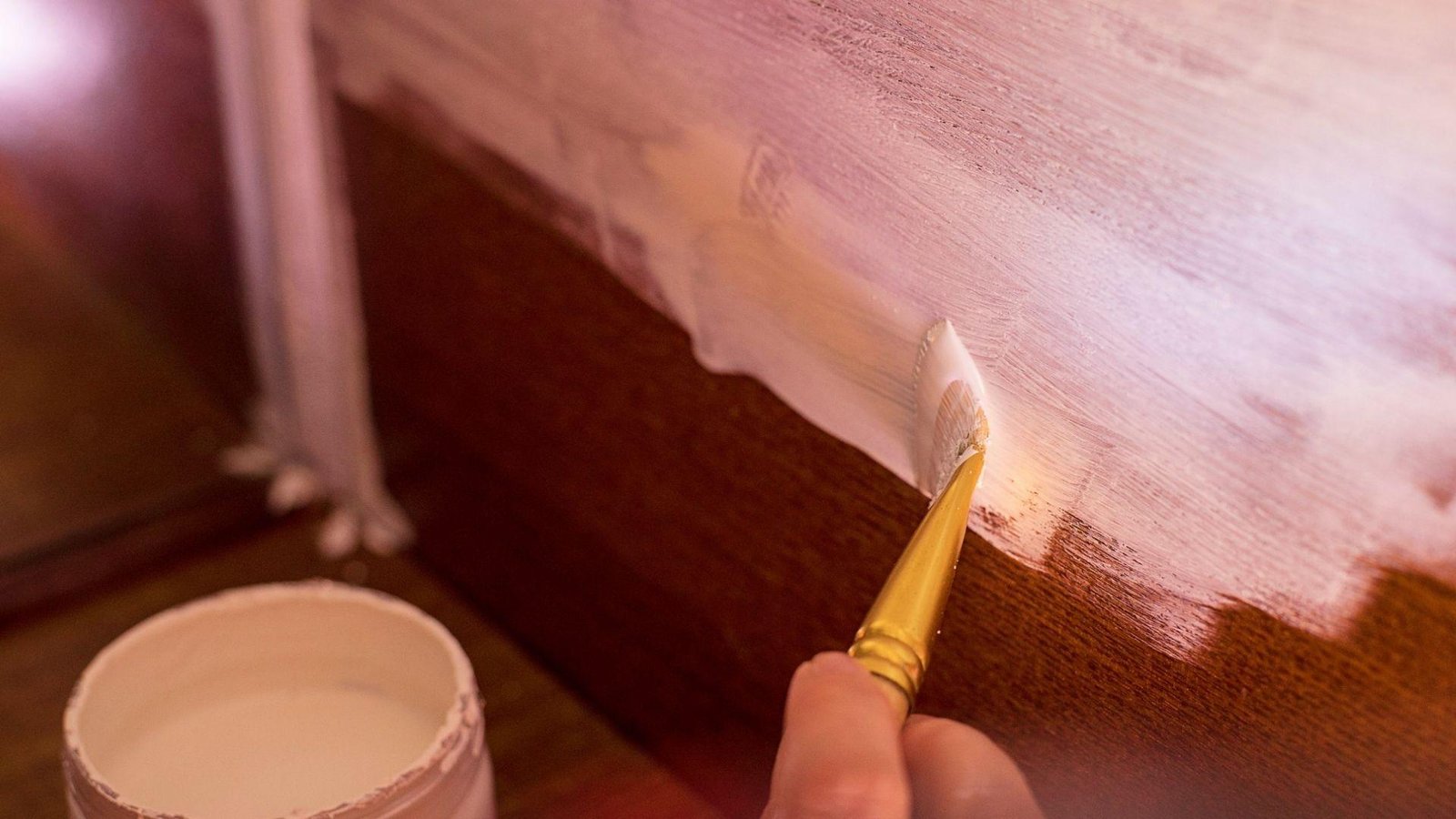
Chalk paint is one of the quickest to dry. Touch dry in 30 to 60 minutes, recoat after just 2 hours.
I have finished two full coats in a single afternoon using chalk paint. Full cure takes up to 3 weeks.
Wax or seal it shortly after painting to protect the surface properly and lock in the finish.
5. Spray Paint Drying Time
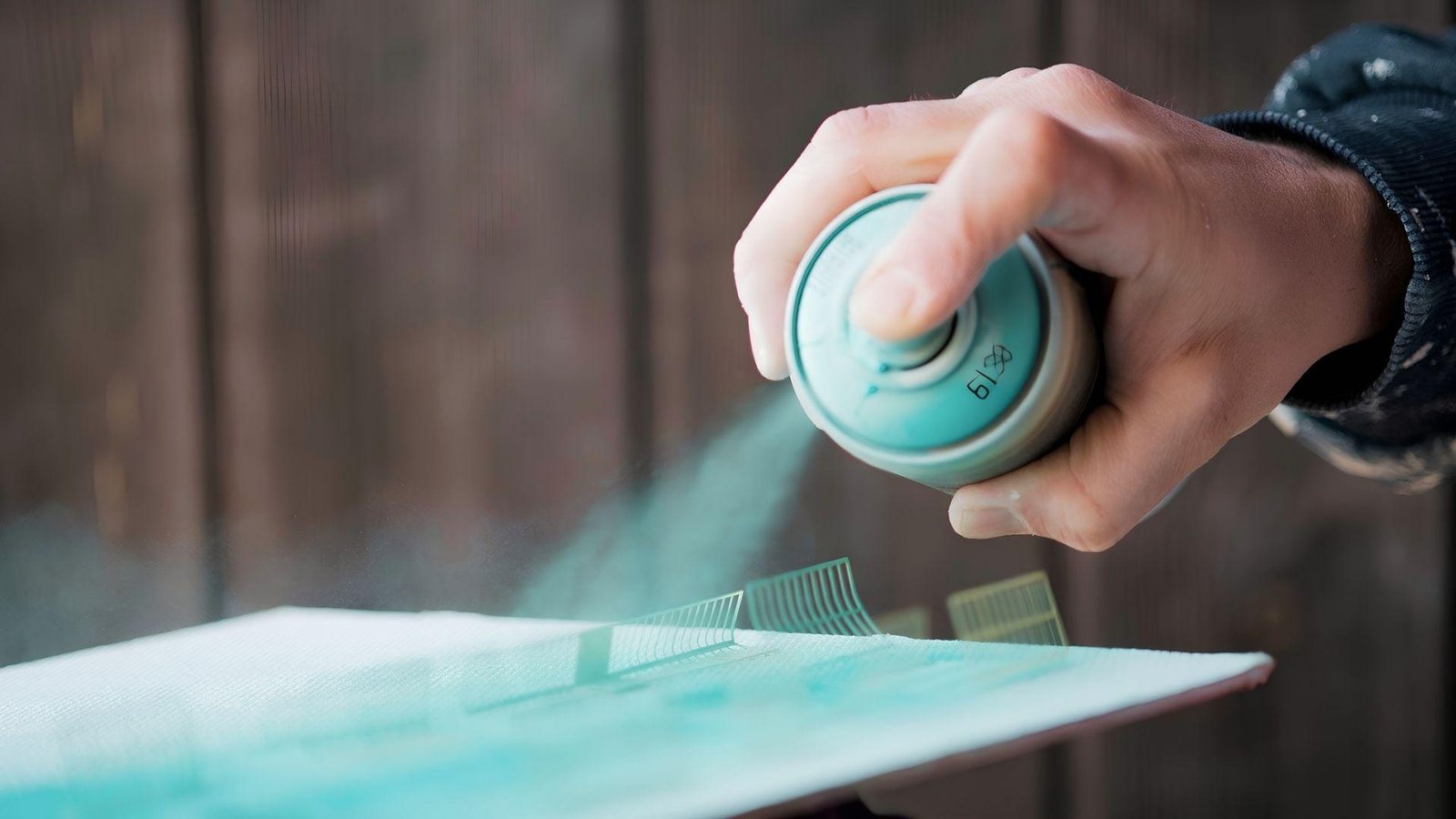
Spray paint dries the fastest of all paint types. Touch dry in as little as 10 minutes, recoat in 1 to 2 hours depending on the brand.
I always apply thin, even layers with spray paint. Thick coats take far longer to dry and tend to drip badly.
Thin, steady passes give you a much cleaner and smoother result every time.
Paint Dry Time Chart by Paint Type
Use this chart to quickly compare drying, recoating, and curing times for common paint types.
| Paint Type | Touch Dry | Recoat | Full Cure |
| Latex | 1-2 hrs | 4-6 hrs | 2-4 weeks |
| Acrylic | 30-60 min | 2-4 hrs | 1-2 weeks |
| Oil-Based | 6-8 hrs | 24 hrs | 7-30 days |
| Chalk | 30-60 min | 2-4 hrs | 1-3 weeks |
| Milk | 30-60 min | 2-4 hrs | 7-14 days |
| Spray | 10-30 min | 1-2 hrs | 1-2 days |
| Enamel | 4-8 hrs | 8-24 hrs | 7-30 days |
Always check the paint label, as drying times can vary by brand and conditions.
Factors That Affect Paint Drying Between Coats
Several things can speed up or slow down how fast your paint dries.
Room Temperature
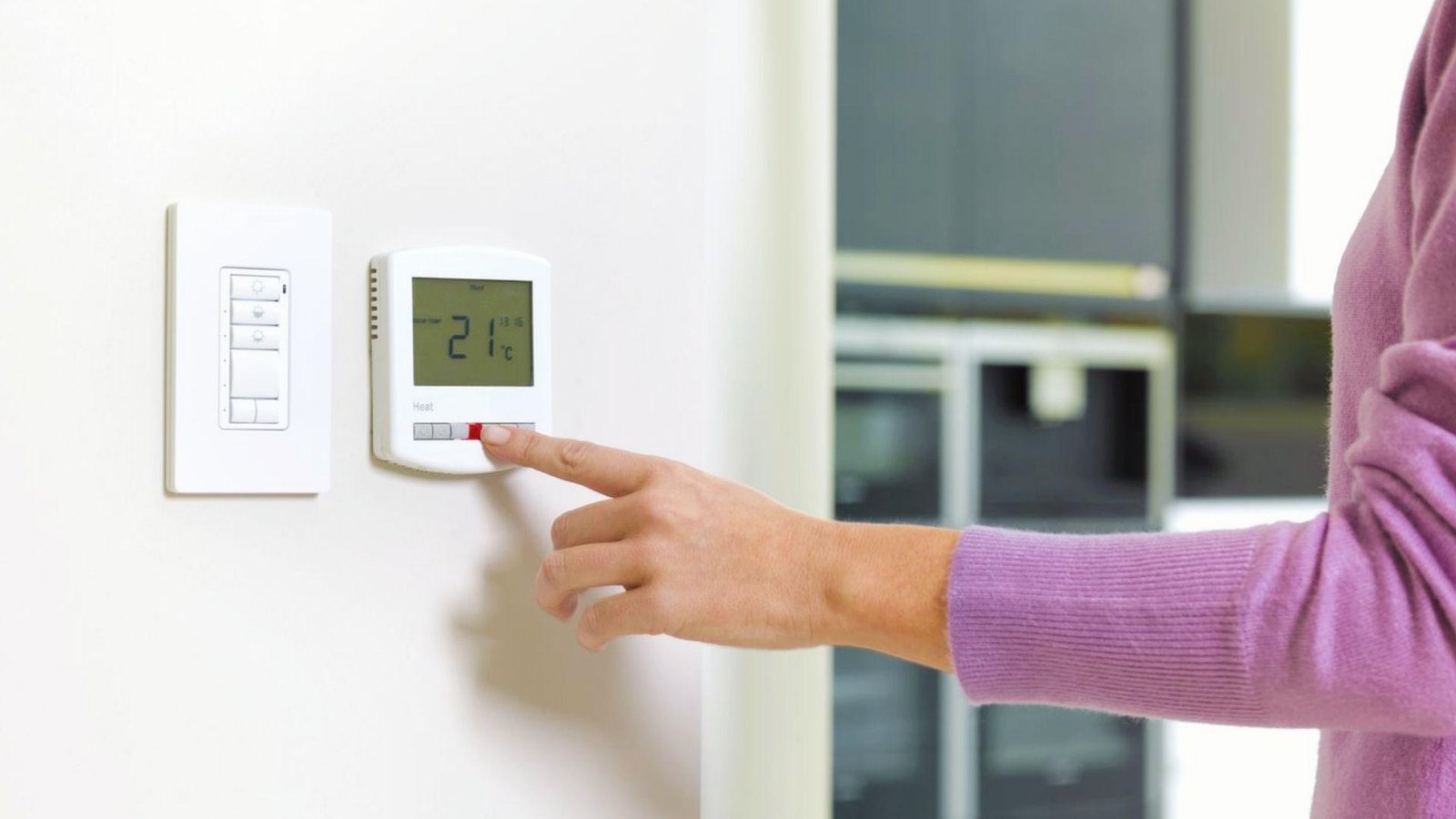
Paint dries best between 50 and 85 degrees Fahrenheit. Too cold and it stays wet for hours longer than expected.
Too hot and it dries unevenly, which can cause cracking. I always check the room temp before starting a project.
Ideal conditions make a big difference in the final finish.
Humidity Levels
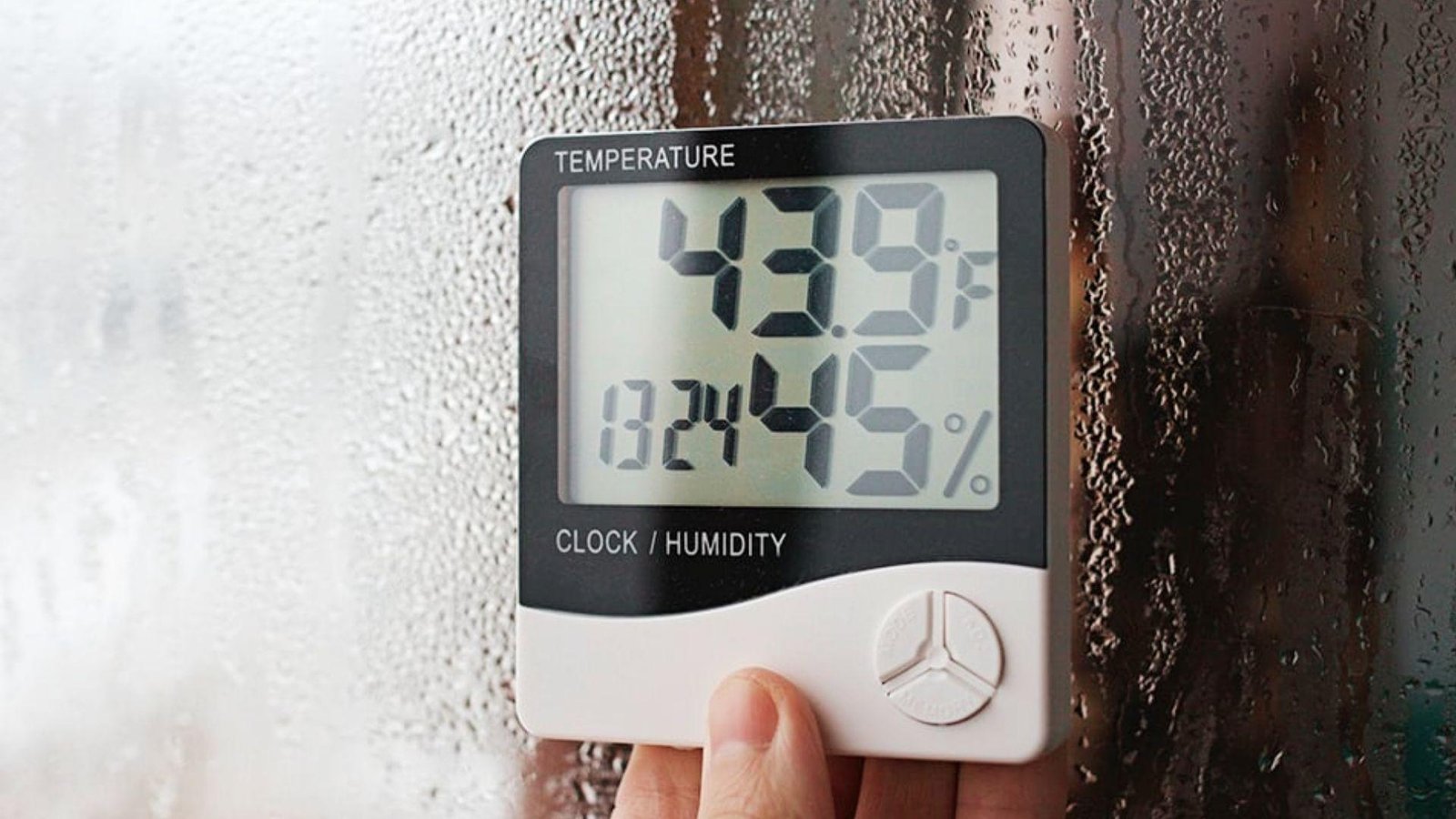
High humidity is a paint killer. Moisture in the air slows down evaporation, which means longer drying times.I try to paint on days when humidity is below 50 percent.
If you are painting in a bathroom or basement, run a dehumidifier first. Even an hour of lower humidity makes recoating much safer.
Ventilation and Airflow
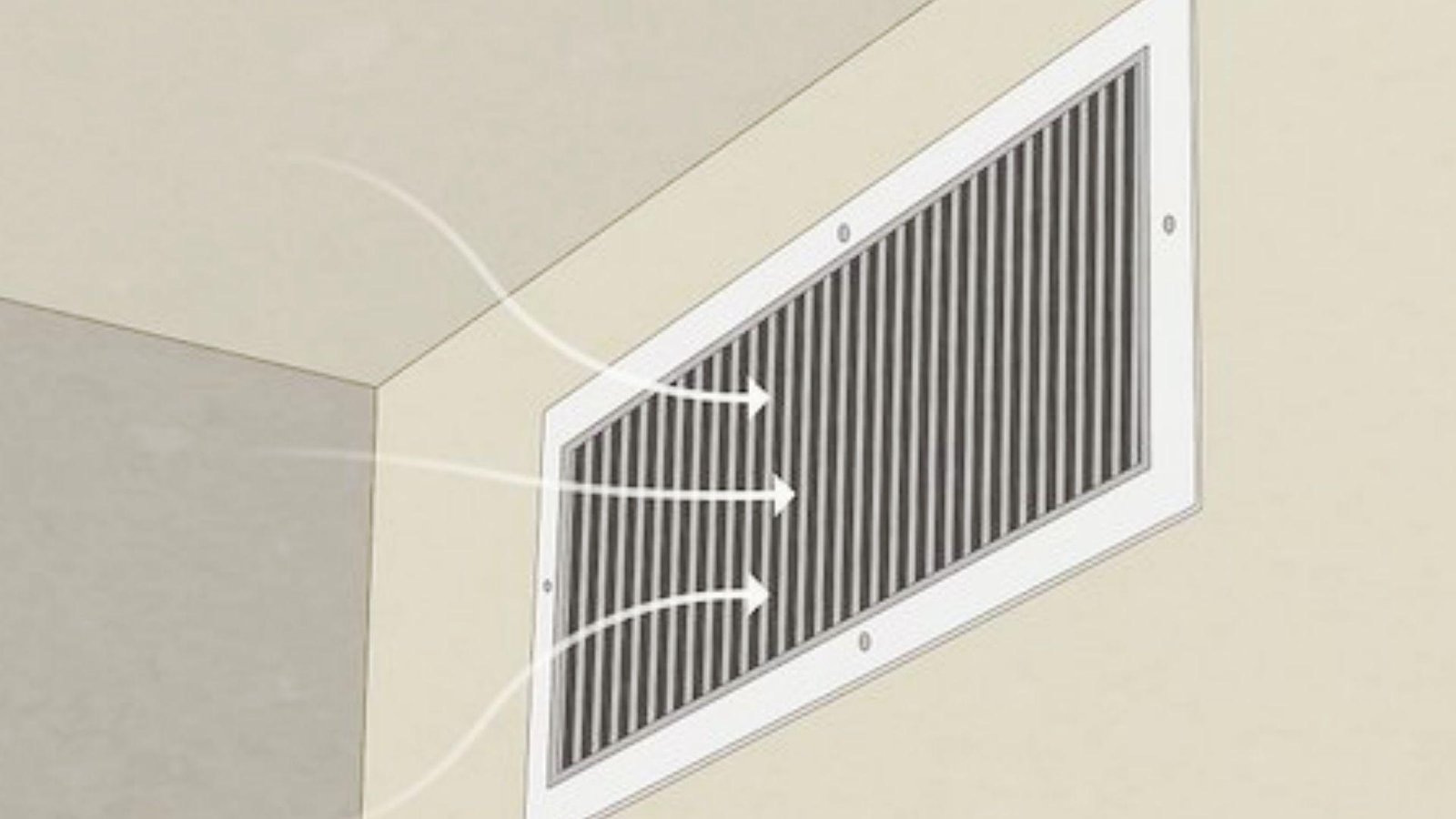
Good airflow pulls moisture away from the surface and speeds up drying. Open windows, use a fan, or turn on the HVAC.
I usually set up a fan across the room rather than pointing it directly at the wall. Direct airflow can cause dust to stick to wet paint. Steady circulation works better.
Thickness of Paint Application
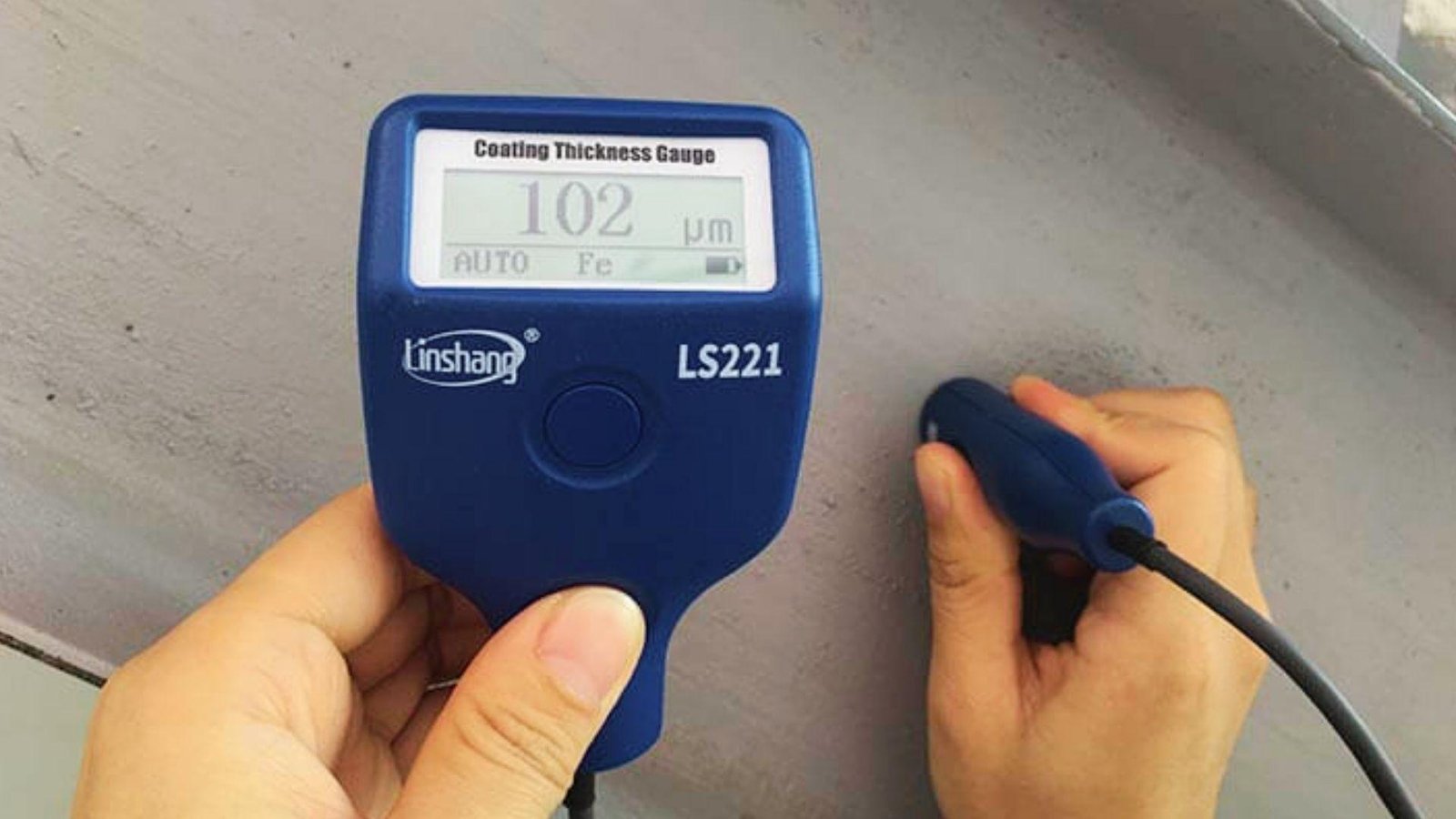
Thick coats take much longer to dry than thin ones. I always go for thin, even layers.
It takes more passes, but each coat dries faster and bonds better. A thick coat might feel dry on top while still being wet underneath. That is when problems start.
Surface Material
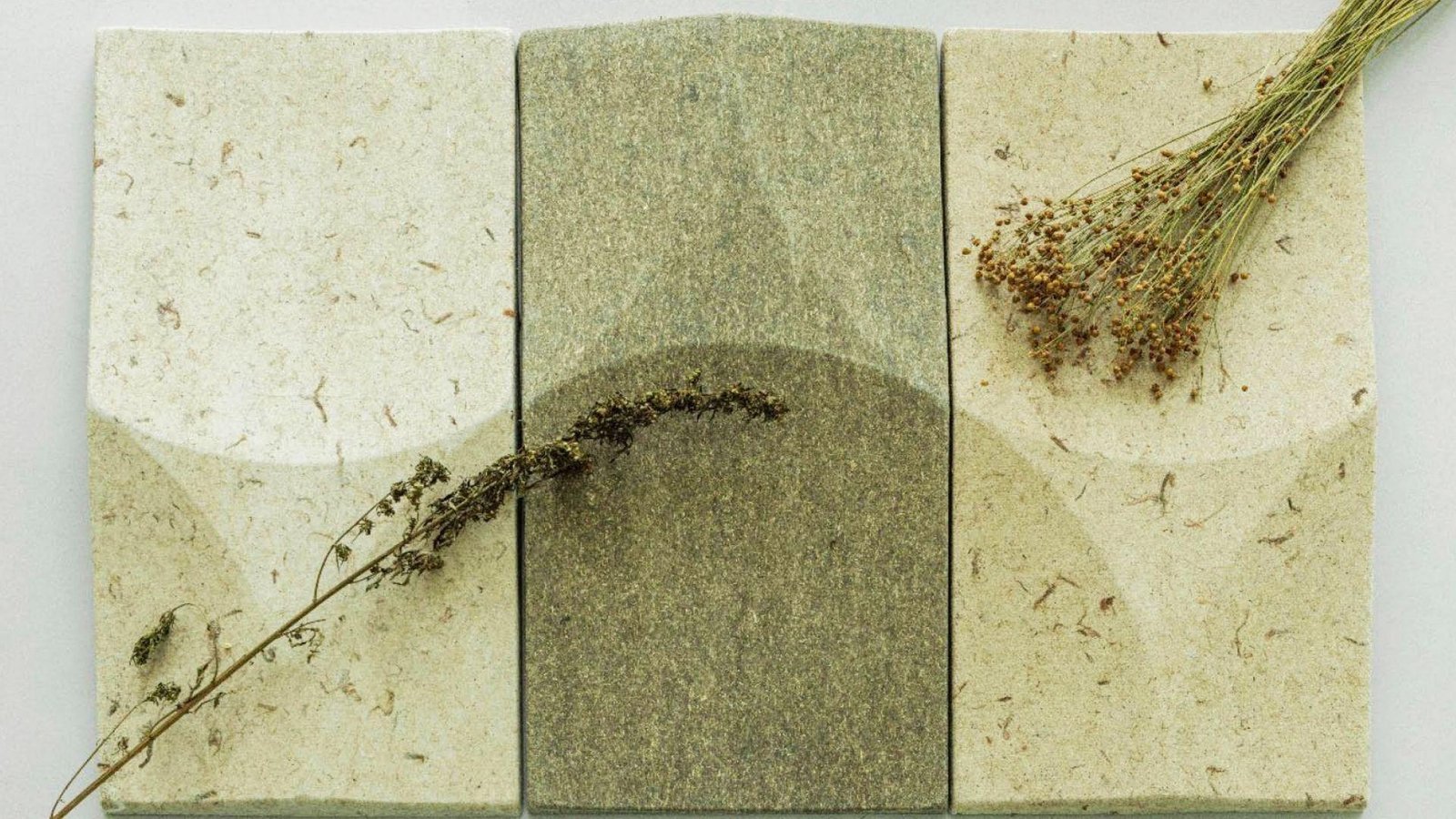
Porous surfaces like bare wood or drywall absorb paint faster, which can speed up drying in some cases. Smooth, non-porous surfaces like metal or glass hold moisture longer.
I always check what I am painting before deciding how long to wait between coats. The surface matters just as much as the paint type.
What Happens If You Apply Paint Too Soon?
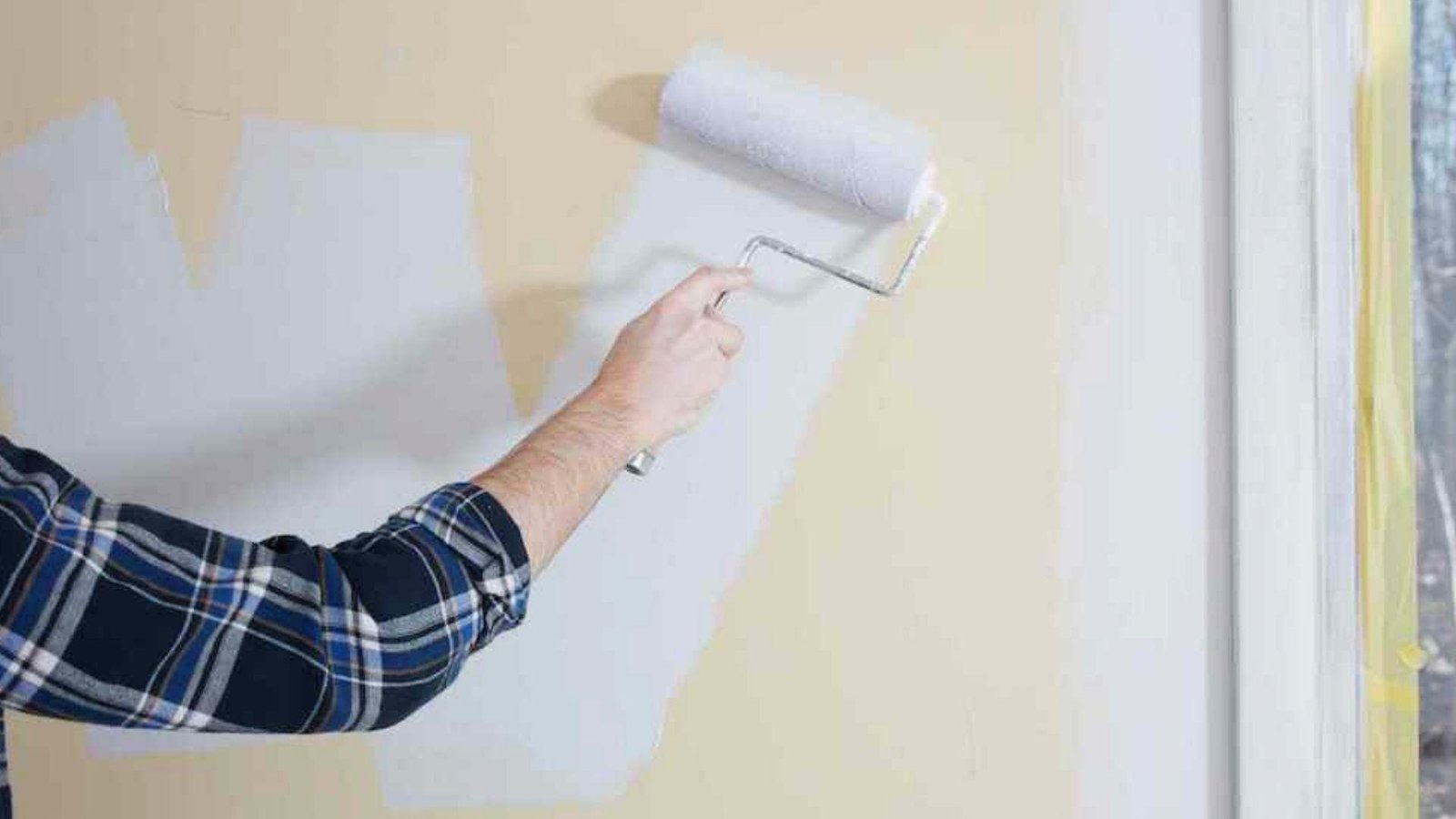
Applying a second coat before the first has dried is a recipe for problems. The wet layers mix and drag, leaving streaks and uneven patches.
In some cases, the paint lifts right off the surface. I have seen this happen on freshly primed walls.
You end up with a rough, patchy finish that needs sanding and starting over. Worse, trapped moisture under dried paint causes bubbles and peeling over time.
Waiting feels frustrating, but it always saves more time in the end. Patience here is not optional.
Can You Wait Too Long Between Paint Coats?
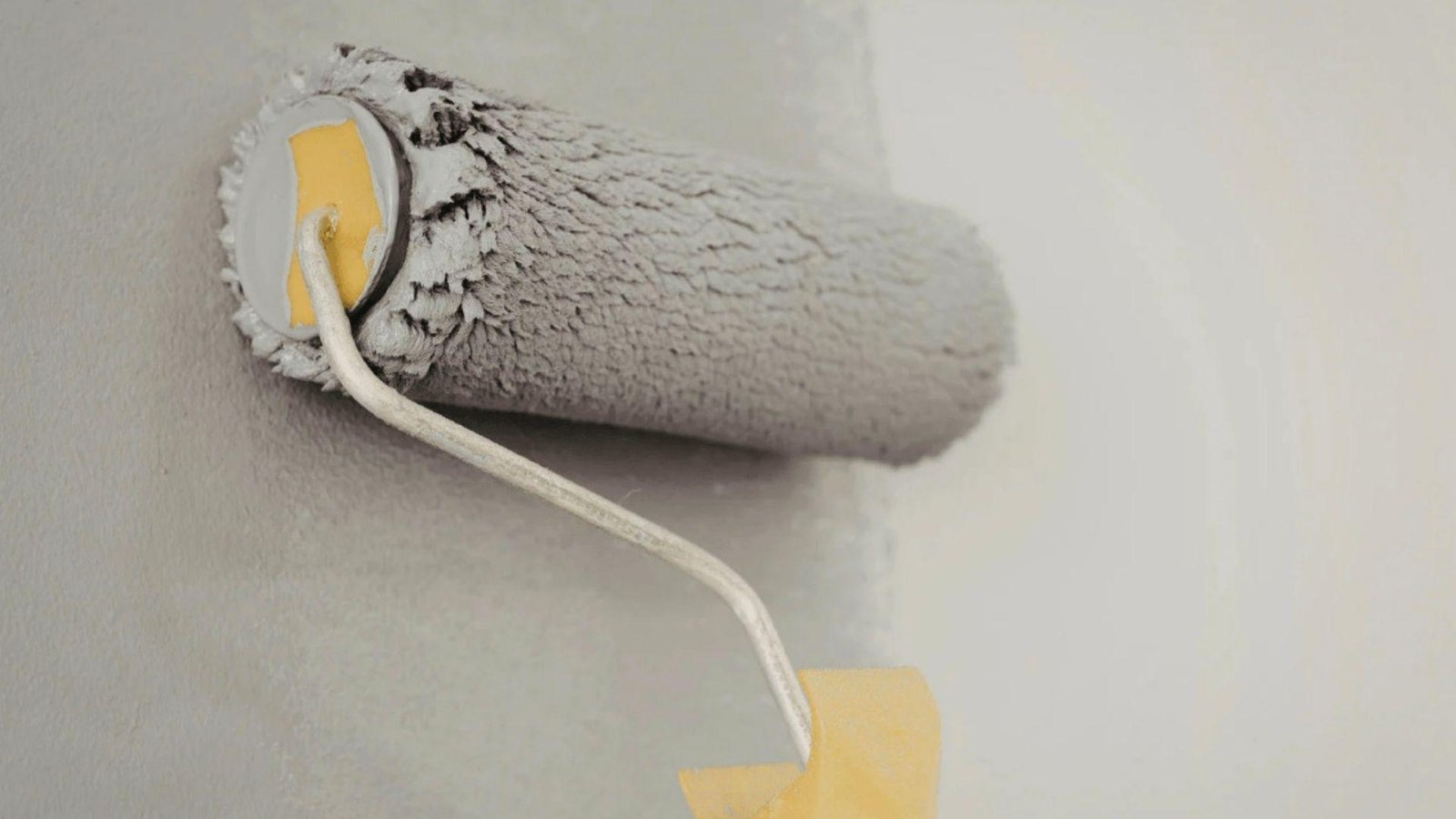
Yes, waiting too long can also cause problems. Most paints have a recoat window.
If you wait past that window, the surface can become too hard or too glossy for the next coat to stick properly.
With oil-based paints especially, waiting more than 48 hours without sanding in between can lead to adhesion issues.
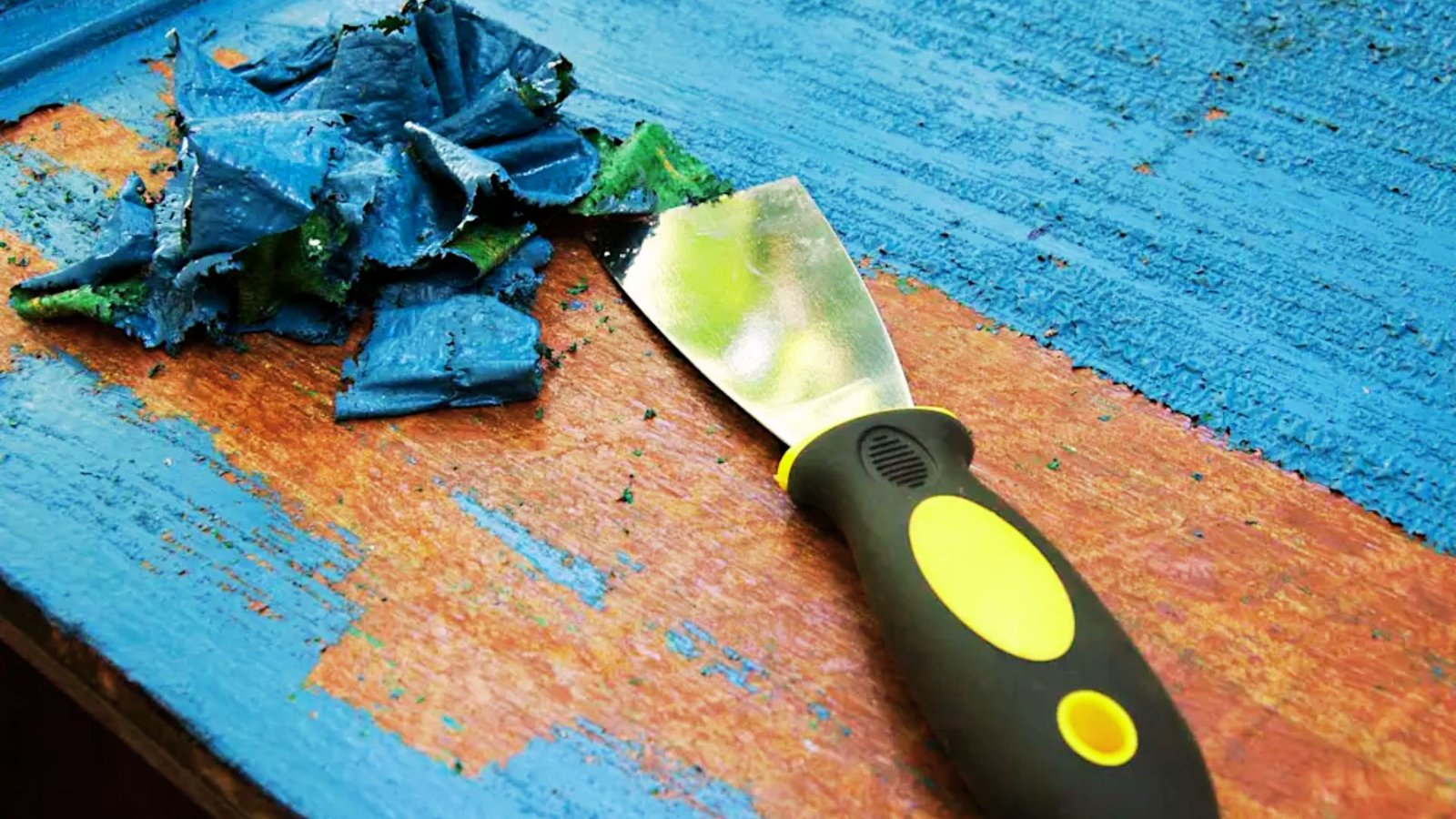
I once came back to a project after a week and had to sand the whole thing down before recoating.
Always check the label for the maximum recoat time. A light scuff with fine sandpaper helps if you have gone past the recommended window.
Drying Time for Different Painting Projects
Not all projects dry the same way, even with the same paint. Interior walls in a well-ventilated room dry faster than cabinets in a closed kitchen.
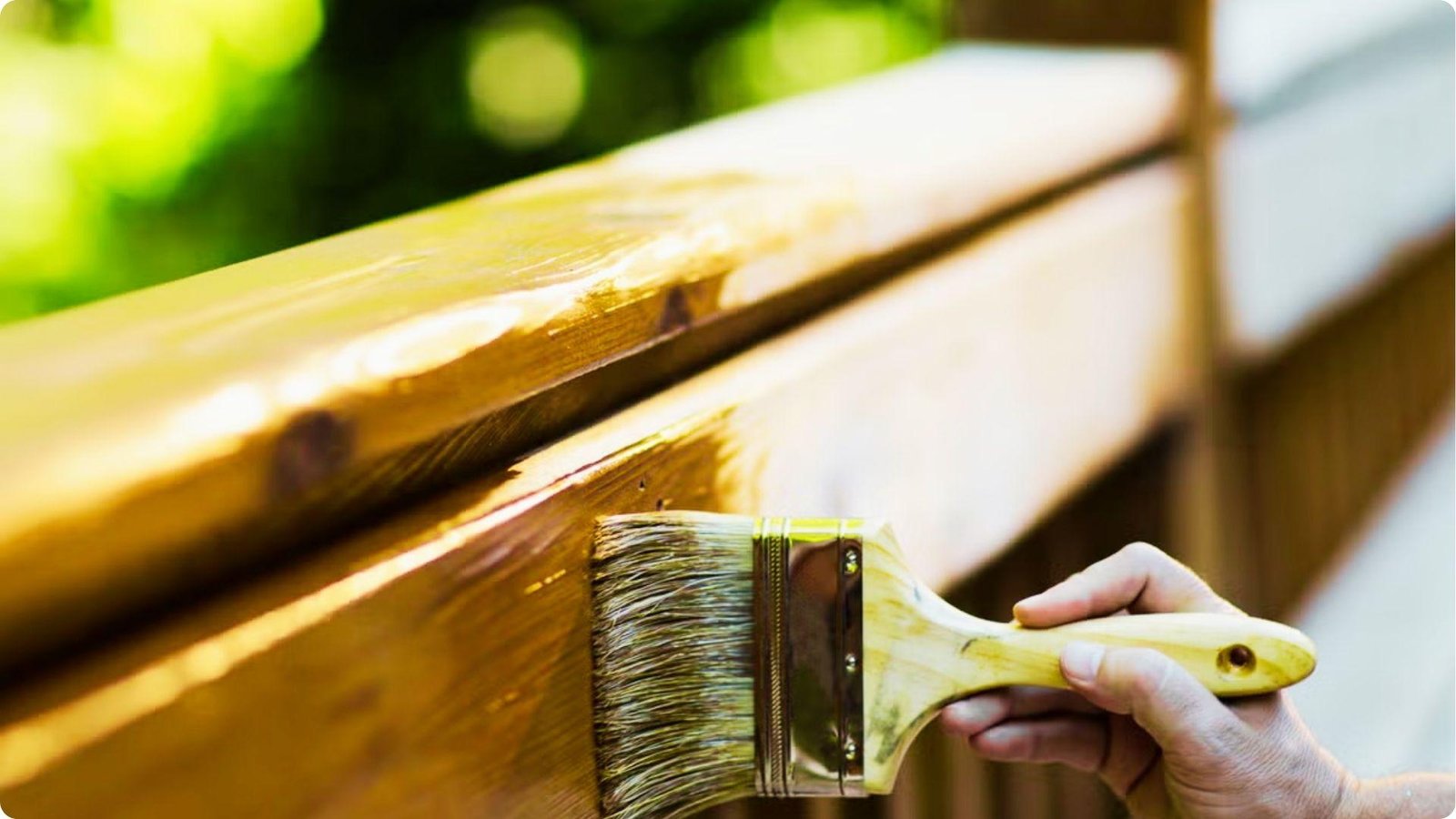
Outdoor projects depend heavily on weather. I always give furniture at least 24 hours between coats because the surfaces are handled more often.
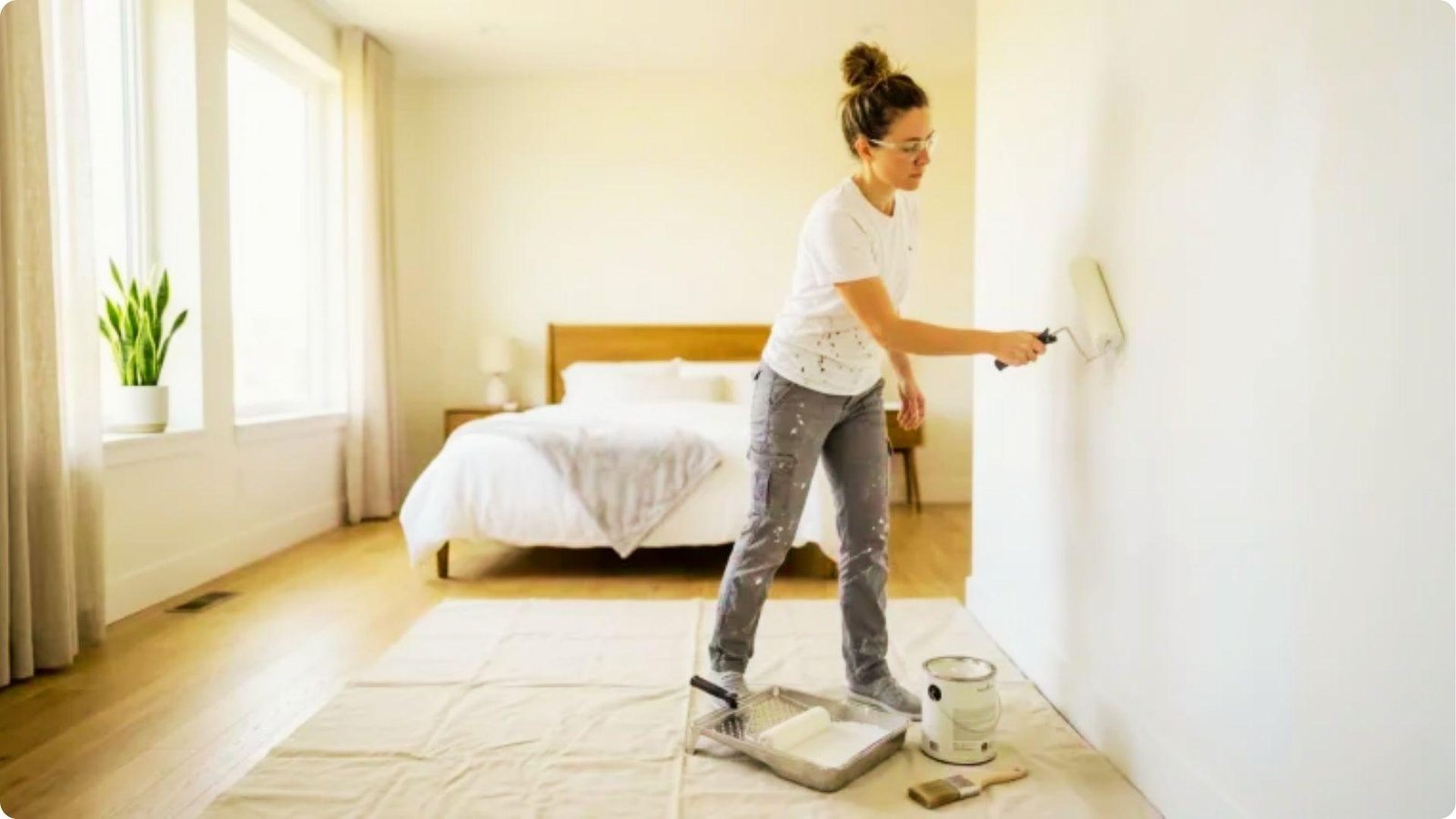
Doors and trim need the same care since they take daily wear. For large wall projects, I use a fan and aim for 4 hours between latex coats.
Smaller items like shelves or decor pieces may need longer depending on how thickly I apply the paint.
Tips to Make Paint Dry Faster Between Coats
Speed up drying time with these simple steps:
- Use a fan or open windows to keep air moving across the surface
- Apply thin coats instead of one thick layer to cut dry time significantly
- Keep the room warm but not too hot. Aim for 65 to 75 degrees Fahrenheit
- Run a dehumidifier if you are working in a humid space
- Choose fast-drying paint formulas like acrylic or spray paint for time-sensitive projects
These small steps add up. I use at least two or three of them on every project.
Conclusion
Getting the timing right on how long to let paint dry between coats makes a real difference. I have rushed it before, and it always meant more work.
Know your paint type, check your space conditions, and follow the recoat times in this guide. Apply thin coats, keep air moving, and let each layer fully set.
A little patience now saves a lot of fixing later.
Ready to start your next painting project the right way? Drop your questions in the comments below.
Frequently Asked Questions
Can I use a hair dryer to speed up paint drying between coats?
Yes, but use it on a low heat setting and keep it moving. Holding it too close or using high heat can cause the paint to bubble or crack.
How many coats of paint does a wall usually need?
Most walls need two coats for full, even coverage. Very dark colors or major color changes may need three coats to look right.
Does primer need to dry before painting over it?
Yes. Most primers need at least 30 minutes to 1 hour before you apply paint. Check the label since some primers need longer, especially in humid conditions.
Is it okay to paint in cold weather?
It is not ideal. Cold temperatures slow drying and can affect how the paint bonds to the surface. Try to keep the room above 50 degrees Fahrenheit when painting.
How do I know if paint is fully cured?
Cured paint feels hard and does not scratch or dent easily. Touch-dry and fully cured are different things. Curing can take days to weeks depending on the paint type.