Painted cabinets can look great for years, but only if you clean them correctly. Using the wrong products or too much water can quickly dull the finish and cause lasting damage.
This guide covers everything you need to know about safely cleaning painted cabinets, from the right tools to simple step-by-step methods.
You will also learn how to tackle grease, sticky spots, and stubborn stains without harming the paint. Whether your cabinets are new or aging, the right approach makes all the difference.
Having helped many homeowners keep their cabinets in top shape, I know exactly what works and what causes damage. You are in the right place.
Why It Is Important to Clean Painted Cabinets Regularly
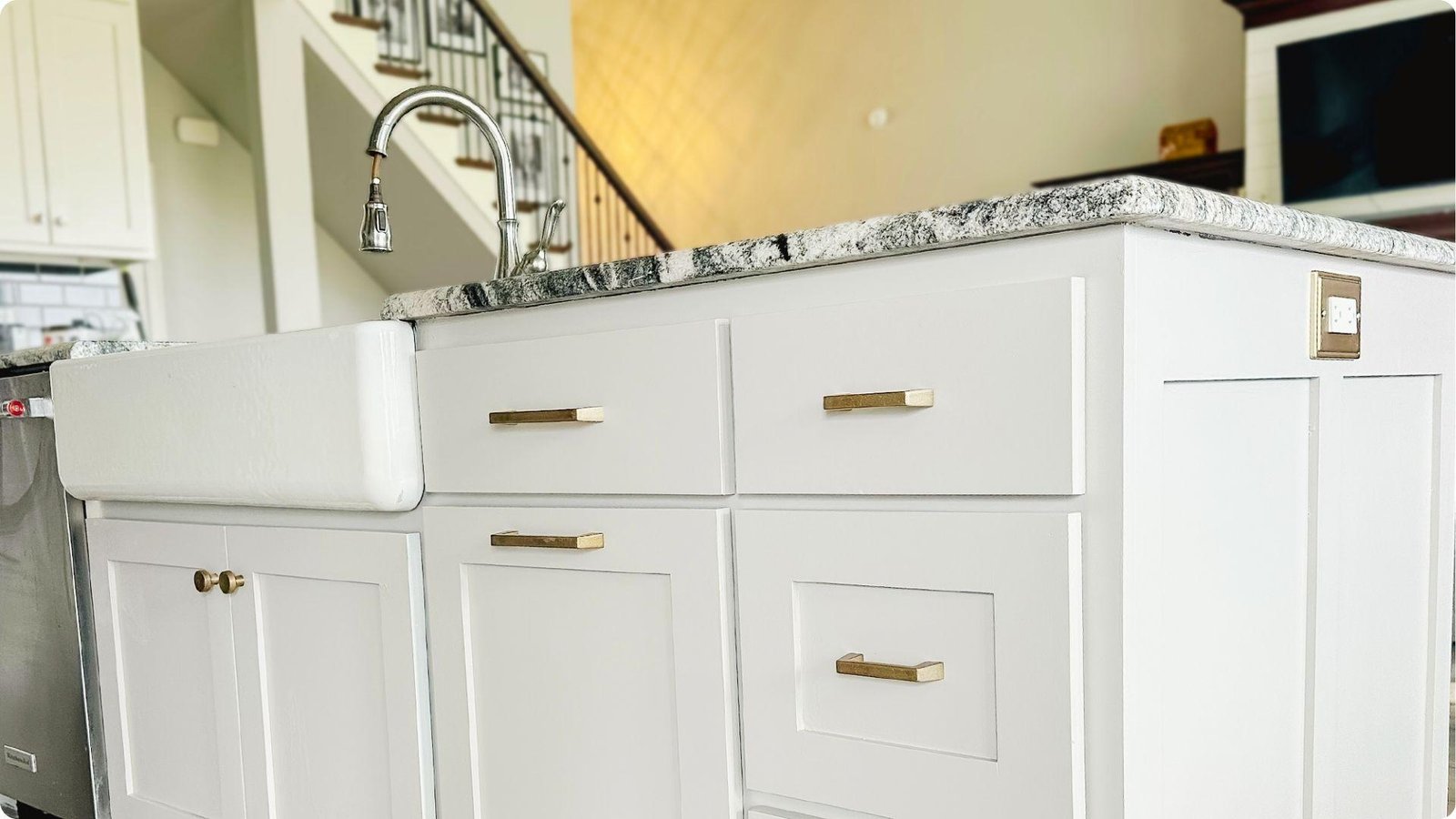
Regular cleaning of painted cabinets is essential to prevent long-term damage. Grease, dust, and moisture gradually break down paint surfaces, grease attracts more dirt and causes discoloration, dust hardens in grooves over time, and moisture causes peeling or bubbling beneath the paint.
Cleaning safely protects the finish, keeps colors bright, and stops grease from hardening.
Since painted surfaces are more delicate than raw wood or metal, light and frequent cleaning is far better than occasional heavy scrubbing.
For most homes, a weekly wipe-down and monthly deep clean is sufficient, with extra attention near the stove in busy kitchens.
Things You Need Before Cleaning Painted Cabinets
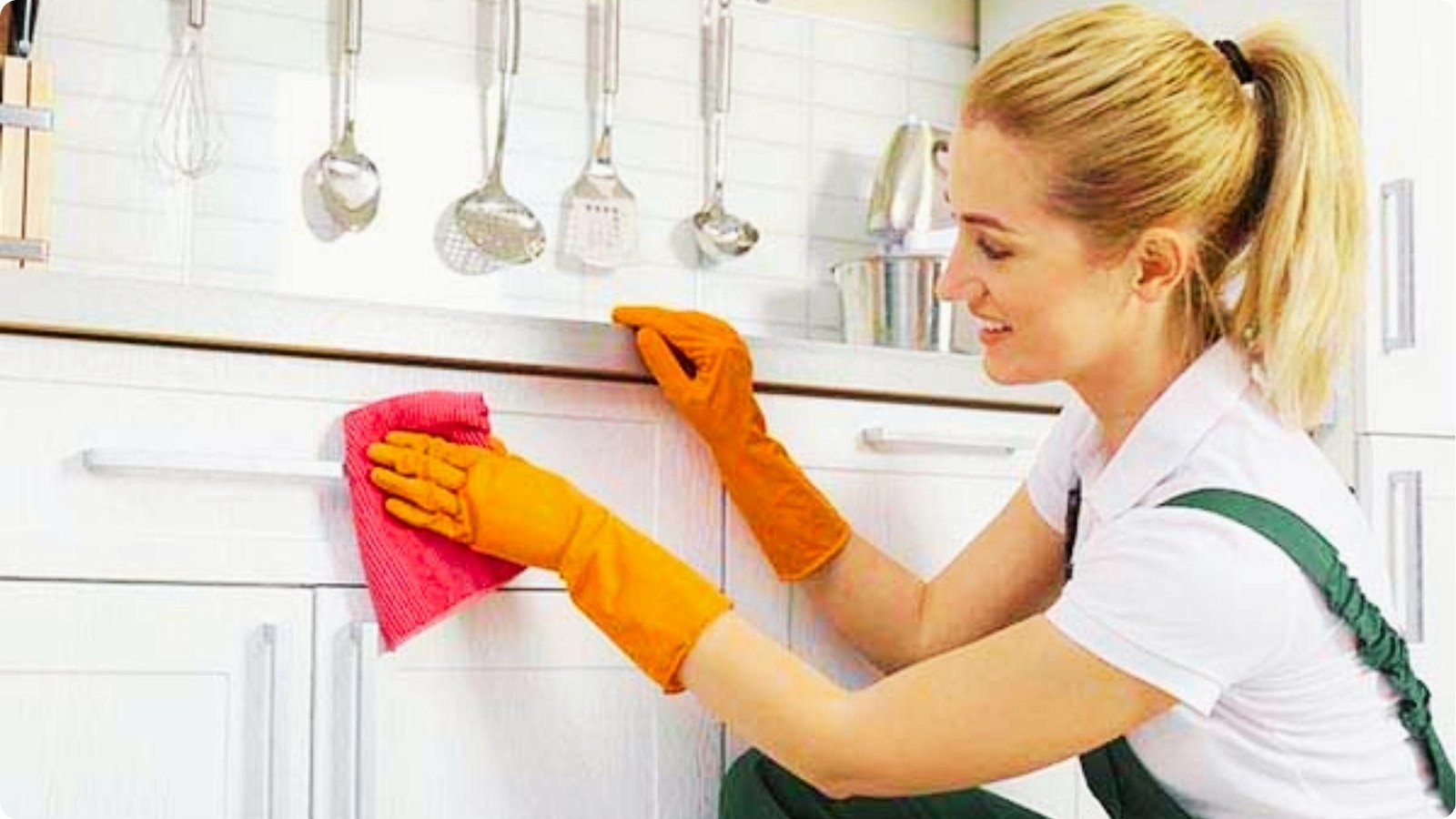
Gathering the right supplies before you start saves time and protects your cabinets.
Important Supplies for Safe Cabinet Cleaning
You do not need many things to clean painted cabinets well. The basics include warm water, mild dish soap, microfiber cloths, and a soft sponge. A small bowl and a dry towel are also helpful.
Best Microfiber Cloths and Soft Cleaning Tools
Microfiber cloths are the best choice for painted surfaces. They are soft enough not to scratch and absorb water well. Avoid rough sponges, steel wool, or abrasive pads, as these will scratch and dull the paint.
Safe Cleaning Products for Painted Cabinets
Mild dish soap mixed with warm water is the safest option. White vinegar diluted with water also works for light buildup. Always test any new product on a small hidden area first.
Cleaning Products and Tools to Avoid
Avoid bleach, ammonia-based cleaners, and heavy-duty degreasers. These strip paint and leave surfaces looking dull. Rough scrubbing pads and hard brushes should also be kept away from painted cabinets.
How to Clean Painted Cabinets Step by Step
Follow these steps carefully and your cabinets will stay clean without any damage.
Step 1: Dust and Remove Loose Dirt
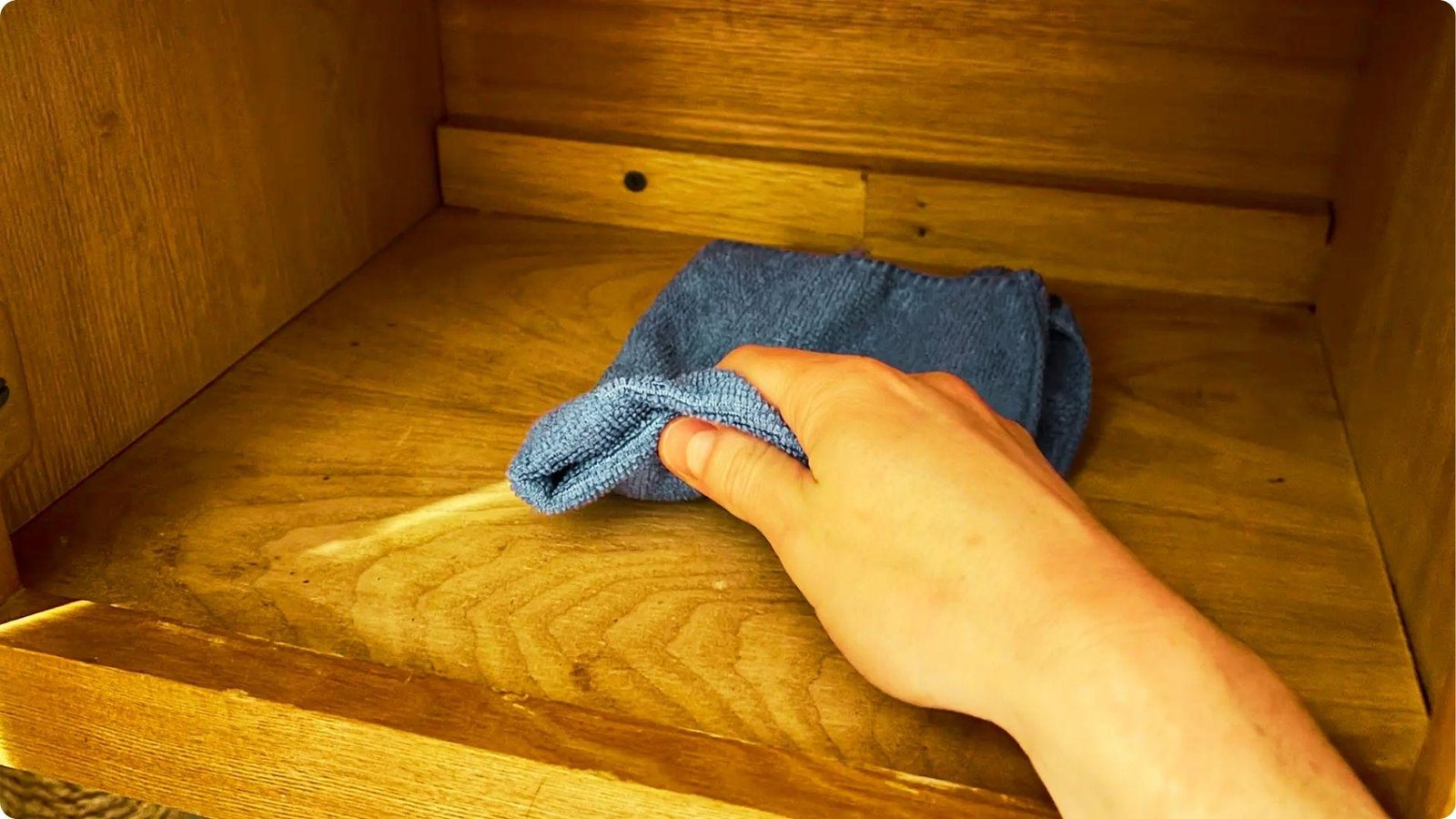
Start by removing loose dust and debris before adding any liquid. Use a dry microfiber cloth to wipe down all surfaces, including corners and edges.
This prevents dry dirt from turning into a muddy mess when water is applied.
Step 2: Clean Cabinets With Mild Soap and Warm Water
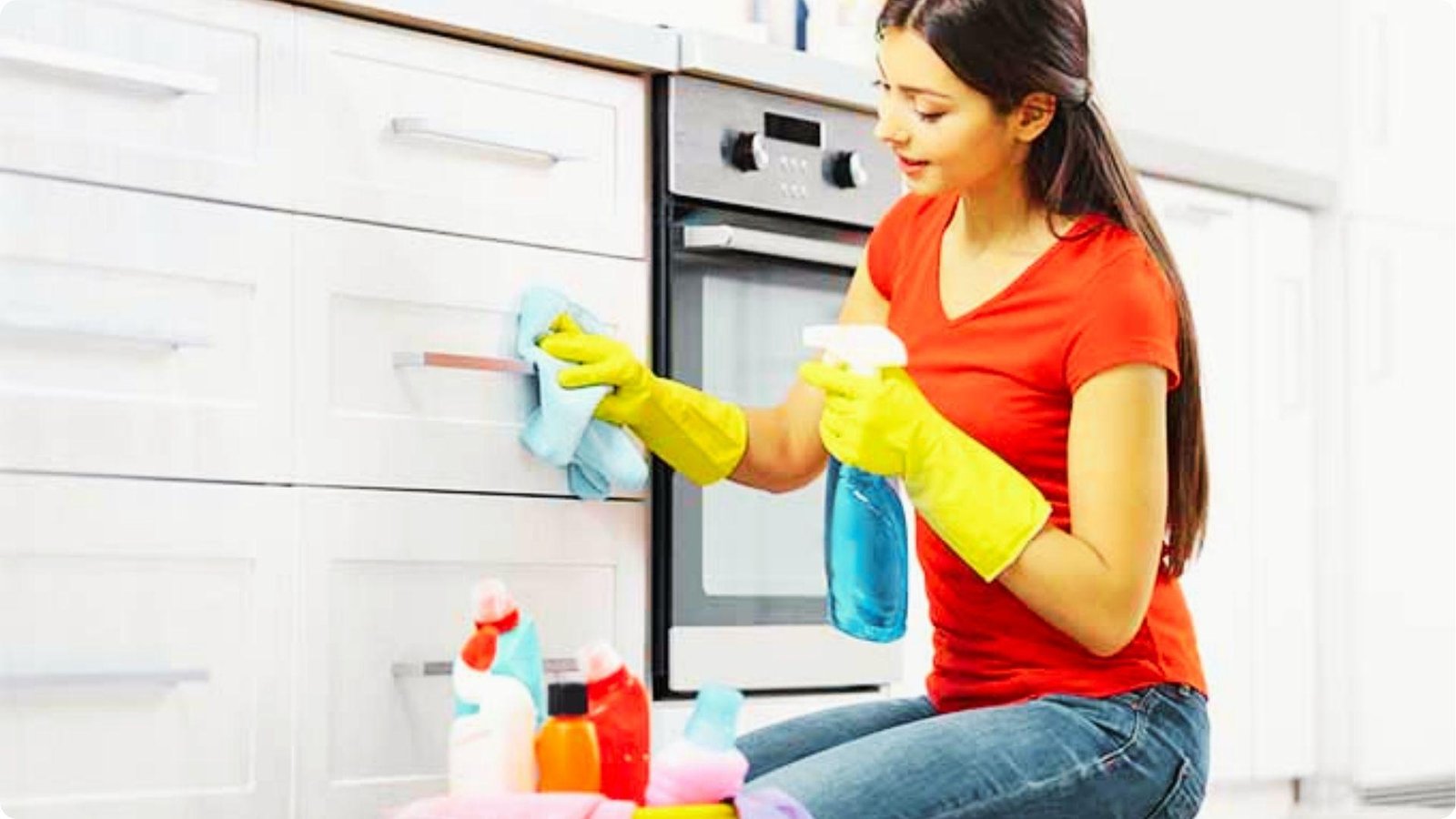
Mix a few drops of dish soap into warm water and dip a cloth into the solution. Wring it out well so the cloth is damp, not wet.
Wipe surfaces in gentle circular motions, working from top to bottom.
Step 3: Remove Grease and Stubborn Stains Safely
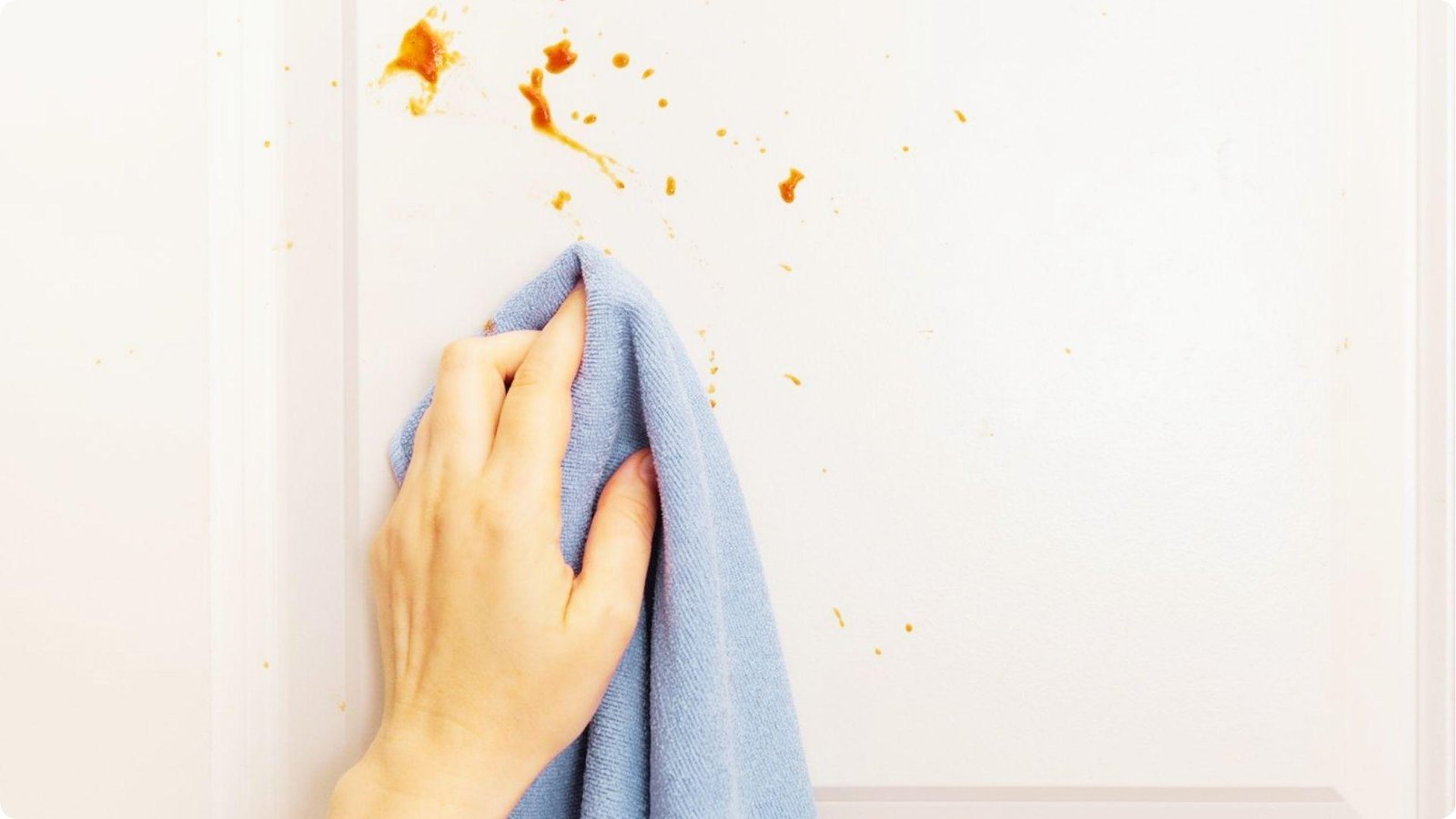
Apply a small amount of baking soda paste directly to the stain. Let it sit for two to three minutes, then wipe away with a damp cloth.
Repeat if needed rather than scrubbing harder.
Step 4: Rinse and Dry Cabinets Completely
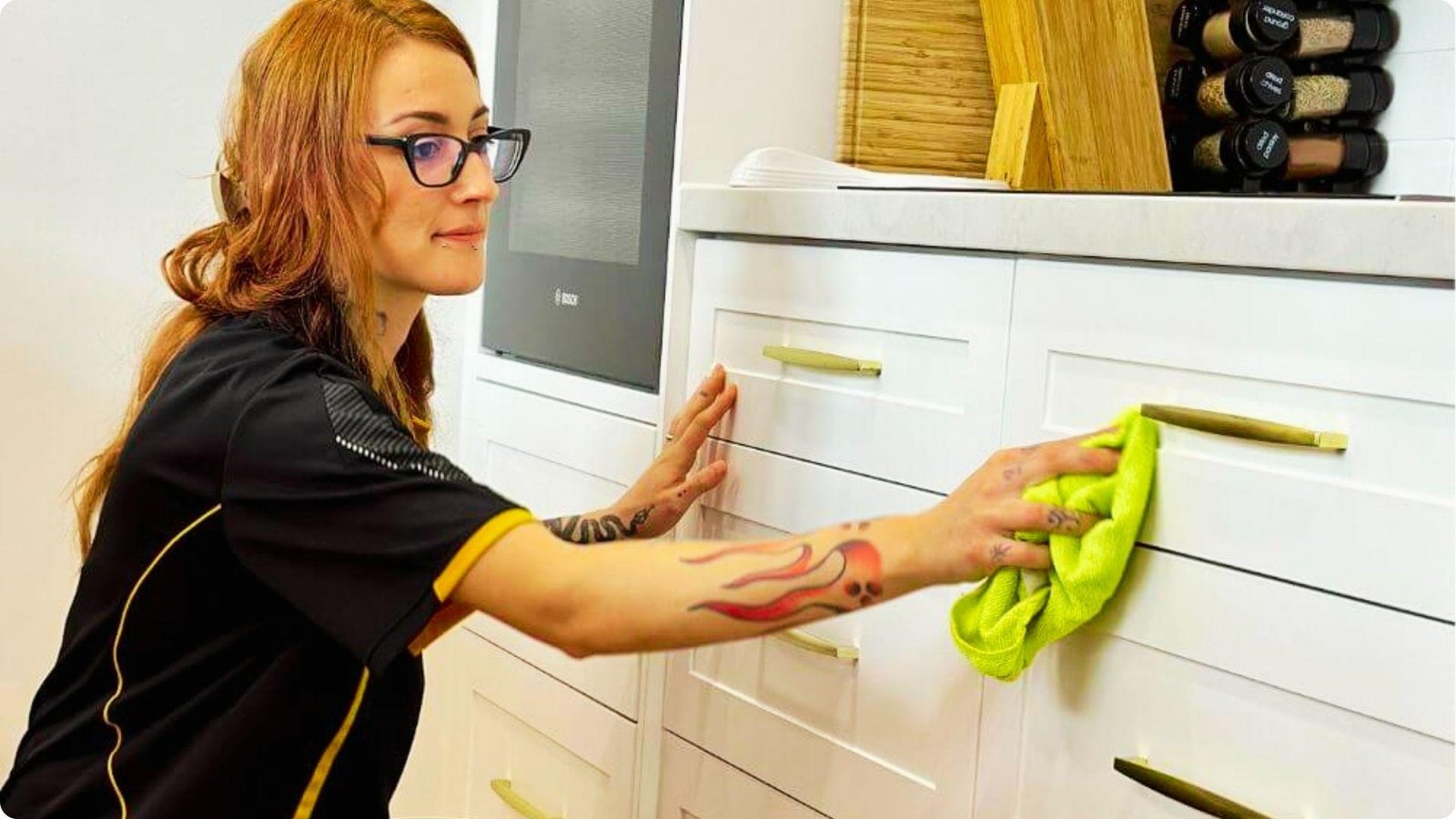
Wipe surfaces again with a clean cloth dampened with plain water to remove soap residue. Dry everything immediately with a dry towel.
Never leave cabinets wet, as moisture causes long-term damage to painted wood.
How to Clean Painted Cabinets Safely Without Damaging Paint
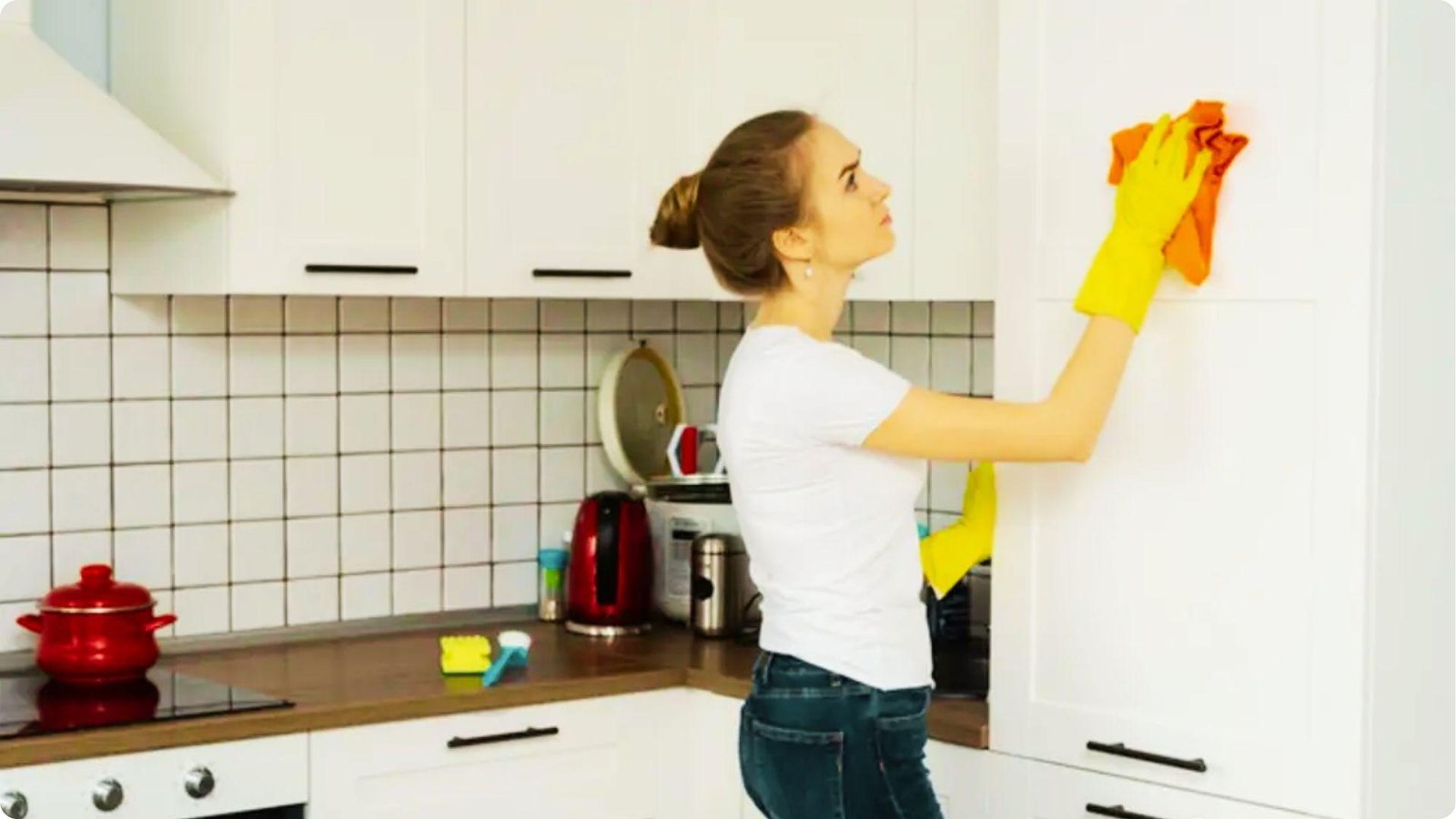
Clean painted cabinets safely without fading, peeling, or damaging the finish.
Why Harsh Chemicals Should Be Avoided
Bleach and ammonia strip paint, cause discoloration, and leave surfaces faded. Always read labels before using any new cleaner on painted cabinets.
Safe Methods for Scrubbing Tough Stains
Apply baking soda paste to the stain, wait a few minutes, then wipe with a soft cloth. Use light, consistent strokes rather than hard circular scrubbing.
Best Cleaning Solutions for Painted Cabinets
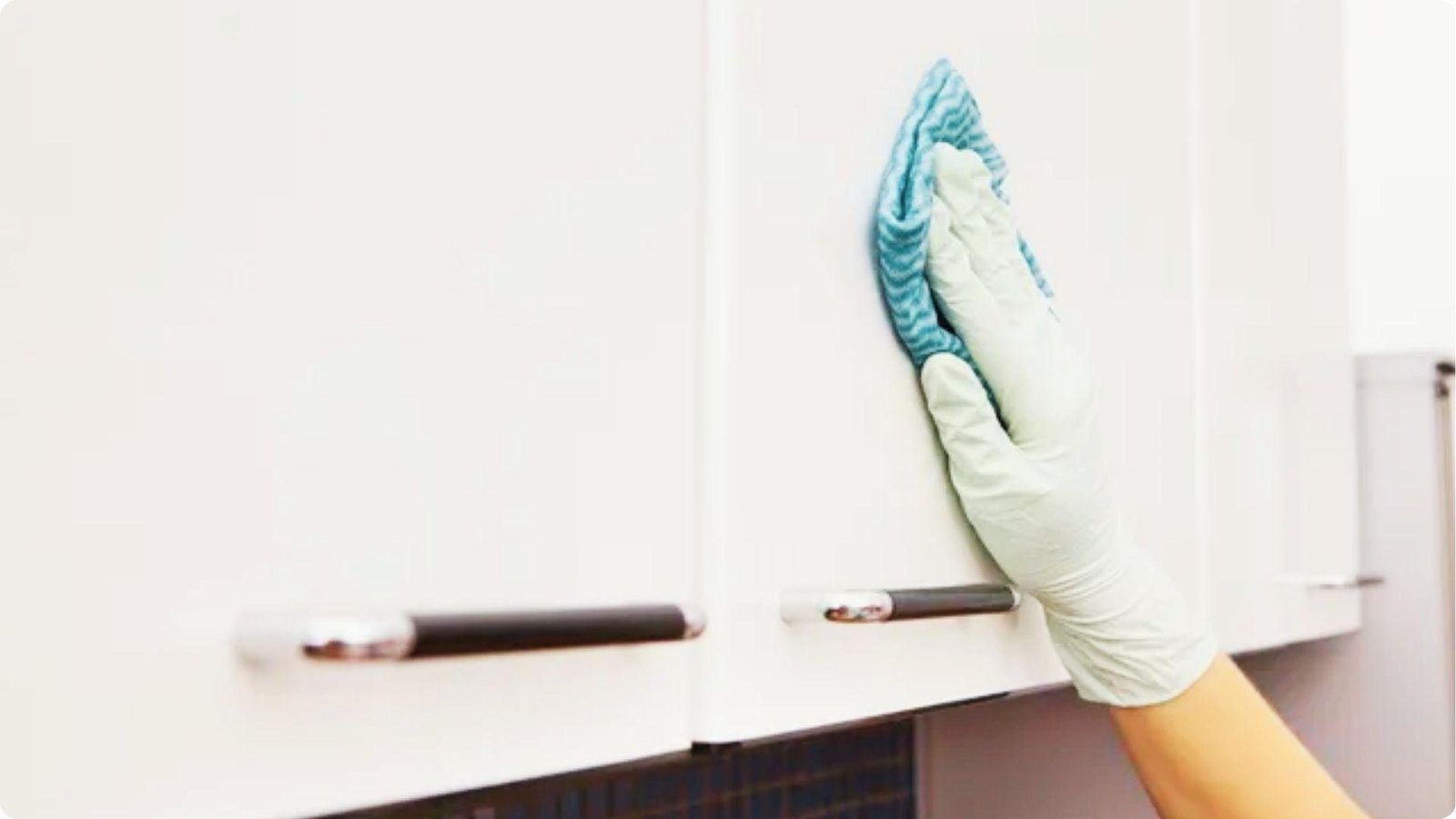
Find safe cleaning solutions that remove dirt and grease without damaging painted cabinets.
Dish Soap and Warm Water
A few drops of mild dish soap in warm water handles everyday grease safely. It is gentle, affordable, and can be used as often as needed.
Cabinet-Safe Degreasers for Painted Surfaces
Look for degreasers labeled safe for painted or finished wood. Apply to a cloth rather than spraying directly to avoid over-saturating the surface.
Baking Soda Paste for Stubborn Grease
Mix baking soda with just enough water to form a thick paste and apply to greasy areas. Leave for two to three minutes, then wipe gently with a damp cloth.
Natural Cleaning Solutions for Painted Cabinets
Diluted vinegar, lemon juice with water, and dish soap solutions are all safe and effective. They are affordable, easy to make, and reduce harsh chemicals in your kitchen.
Tips to Keep Painted Cabinets Clean Longer
Small habits done regularly make a big difference in how long your cabinets stay clean.
- Wipe cabinet doors near the stove after cooking.
- Dry any water splashes near the sink right away.
- Use a dry cloth to remove fingerprints each evening.
- Keep diluted dish soap nearby for quick touch-ups.
- Check handles and edges for grease or sticky spots.
Conclusion
Keeping your painted cabinets clean does not have to feel like a big chore. I used to dread deep cleaning mine until I started doing small, quick wipe-downs every few days. It made a huge difference.
With the right products and a simple routine, cleaning painted cabinets is easy and keeps them looking great for years.
Try one tip from this guide today. Then share what worked for you in the comments below. If this helped, share it with a friend who has painted cabinets in their home.
Frequently Asked Questions
What Is the Best Cleaner for Painted Cabinets?
Mild dish soap mixed with warm water is the best option for most painted cabinets. It removes grease and dirt without harming the paint finish.
Can You Use Vinegar on Painted Cabinets?
Yes, but it must be diluted properly before use. Mix one part white vinegar with two parts water to make it safe for painted surfaces.
How Often Should Painted Cabinets Be Cleaned?
A light wipe-down once a week works well for most homes. Cabinets near the stove may need cleaning every few days due to grease buildup.
What Should You Avoid Using on Painted Cabinets?
Avoid bleach, ammonia-based cleaners, and rough scrubbing pads. These strip paint, cause discoloration, and leave the surface looking worn and dull.
How Do You Remove Grease Without Damaging Paint?
Apply a baking soda paste or diluted dish soap solution to the greasy area. Let it sit briefly, then wipe gently with a soft microfiber cloth.