Choosing the right paint finish can feel confusing, especially when every option looks similar at the store. If you have been asking what flat paint is and whether it is the right choice for your walls, this guide will help you make a clear decision.
In this article, you will learn what flat paint is, how it compares to other finishes, where it works best, and its pros and cons. We will also cover cleaning tips, durability, and simple application advice for beginners.
Our goal is to make paint finishes easier to understand without complicated terms.
We have researched common painting questions and practical home-use cases to create a guide that is simple, helpful, and easy to follow.
What Is Flat Paint?
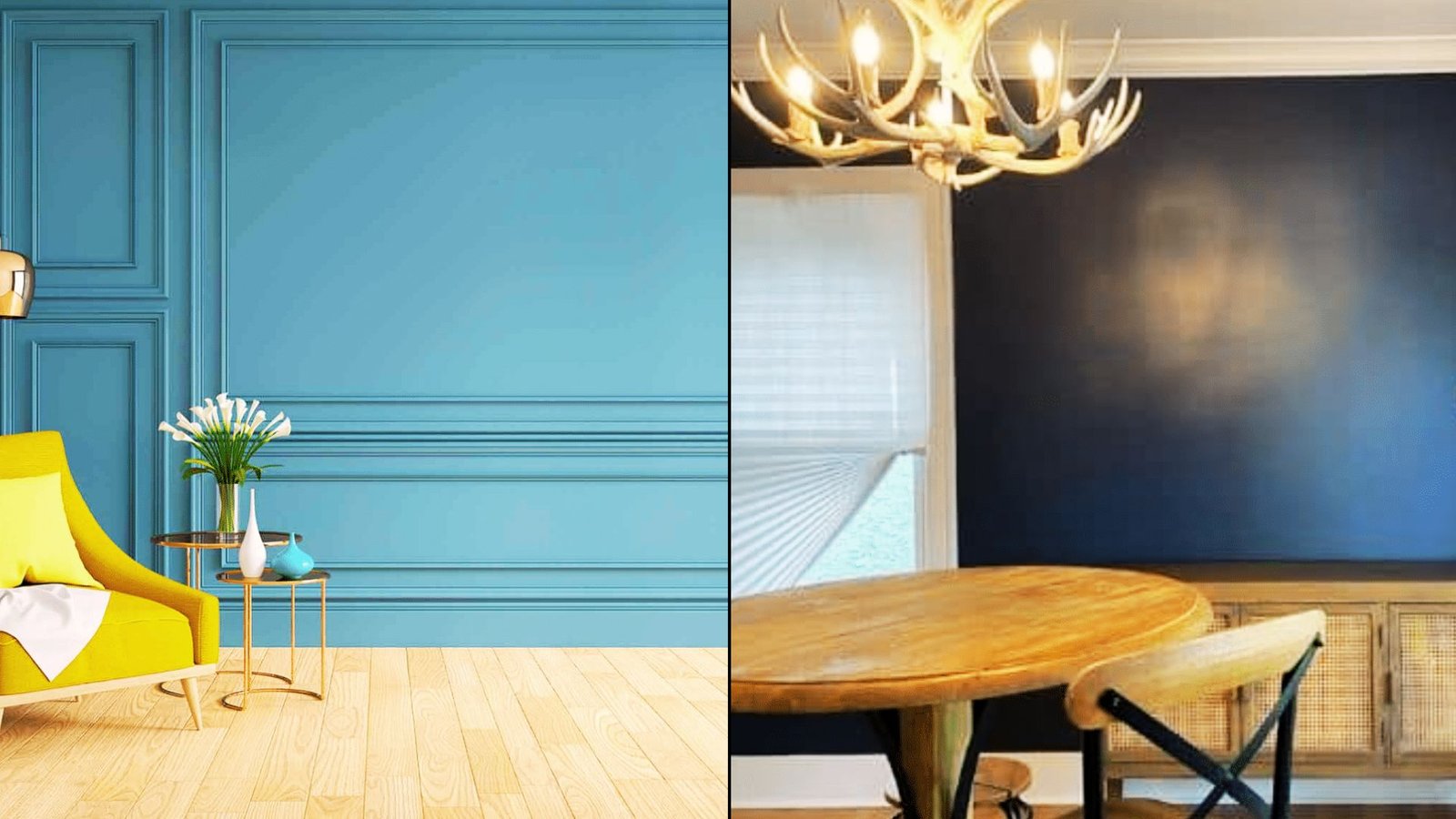
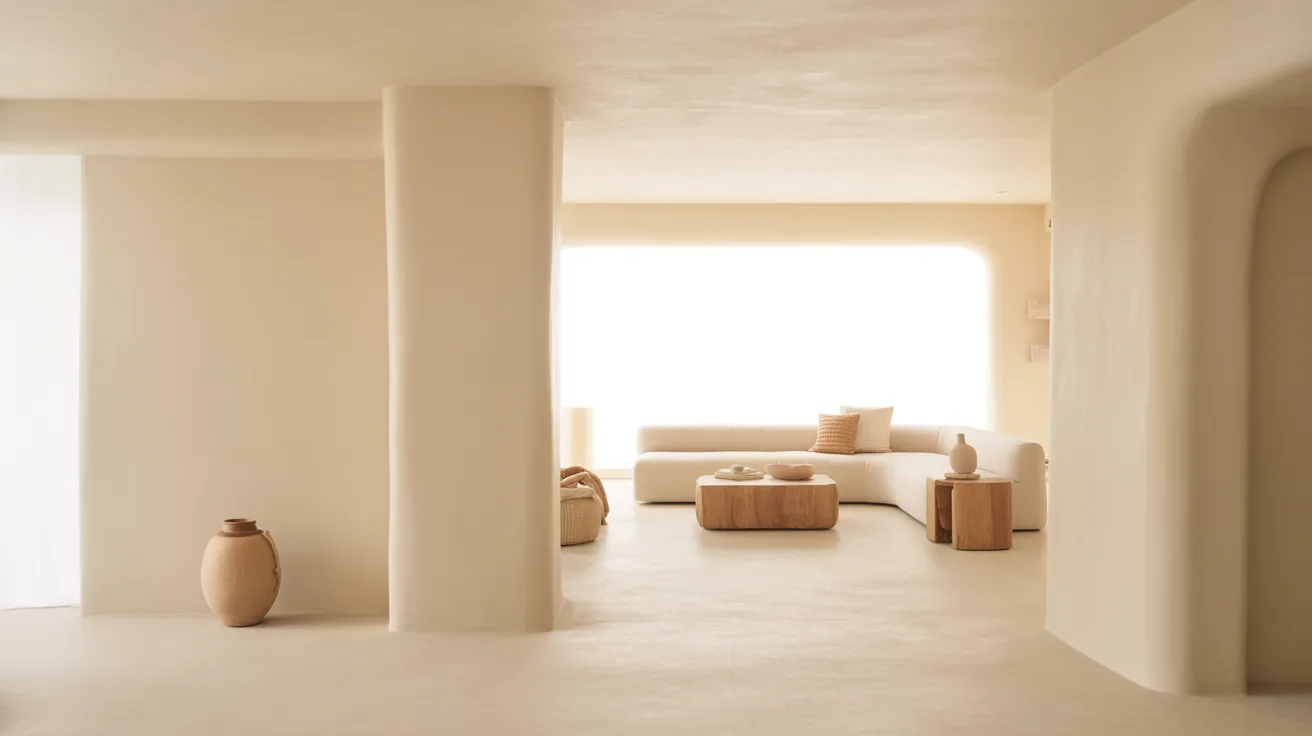
Flat paint is one of the most popular choices for interior walls. It gives rooms a calm, clean look without any shine. Many homeowners prefer it for bedrooms, ceilings, and low-traffic spaces.
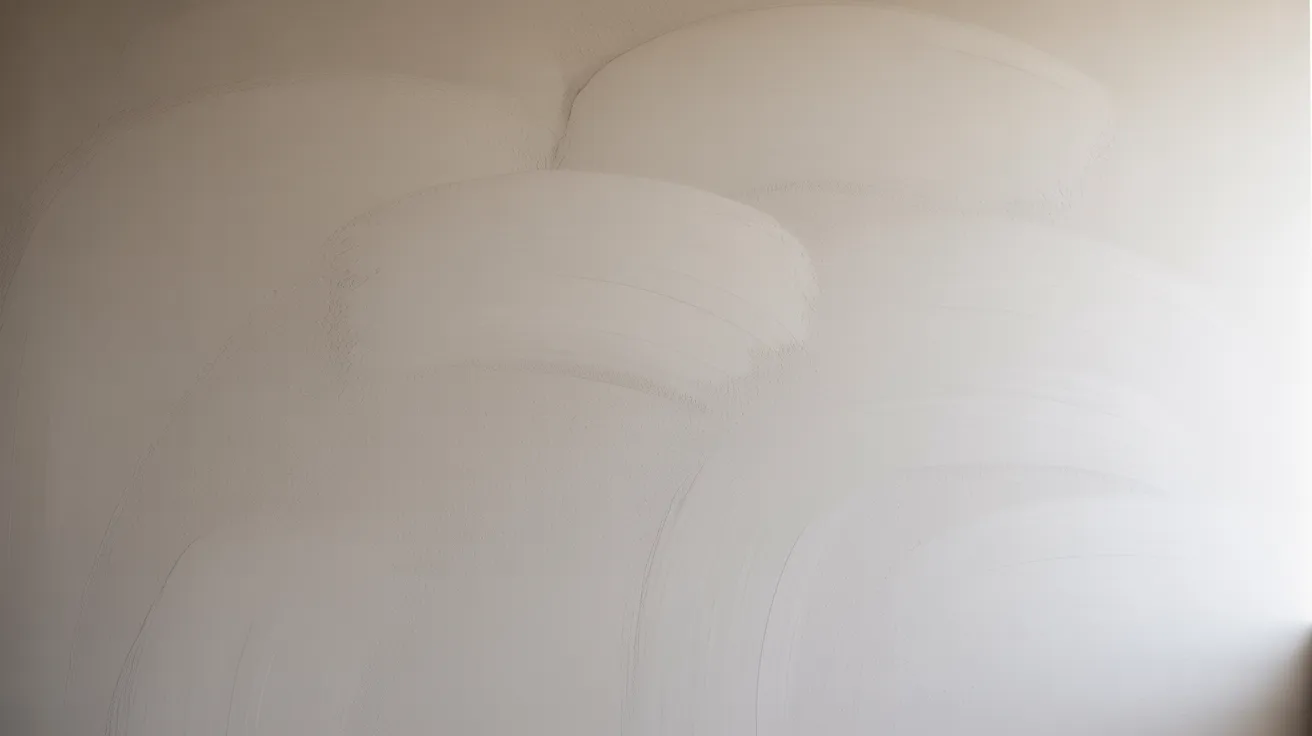
It is a type of interior paint with little to no sheen that does not reflect light, giving walls a smooth, even appearance. The finish looks soft and clean on most surfaces.
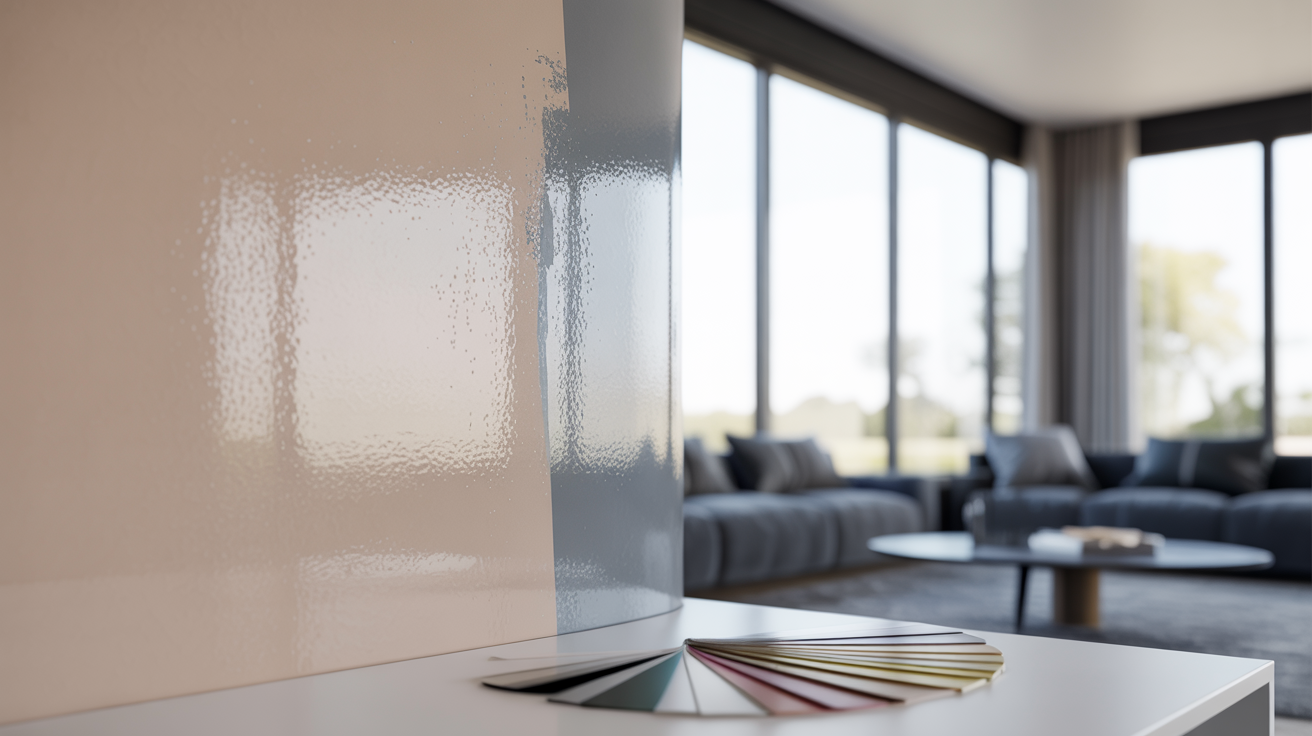
Unlike other finishes such as satin or semi-gloss, flat paint absorbs light instead of bouncing it back.
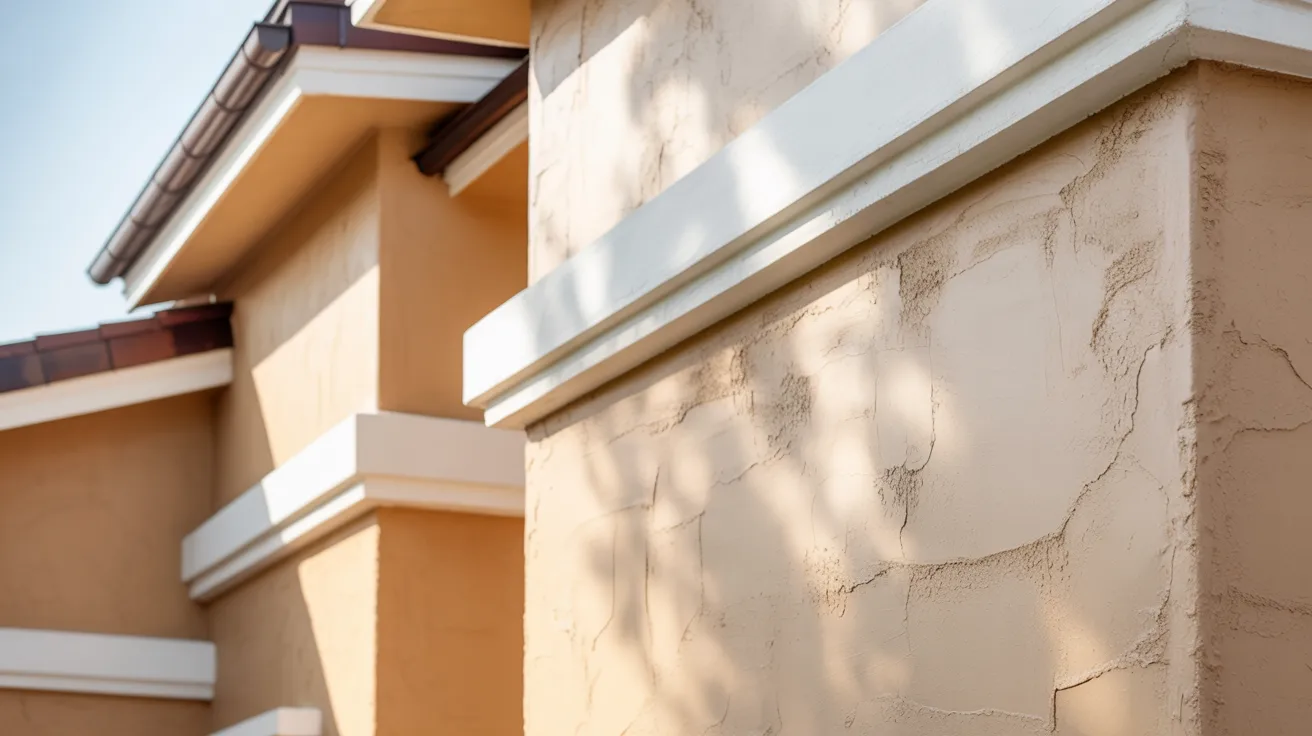
This makes walls look more uniform and less shiny. Many people choose flat paint because it hides wall flaws well and works great on older walls with small cracks or bumps.
It also costs less than many other finishes, making it a solid budget-friendly pick for homeowners.
Flat Paint vs Other Paint Finishes
Choosing the right finish matters for every room. Here is how flat paint compares to other common finishes.
Flat Paint vs Matte Paint
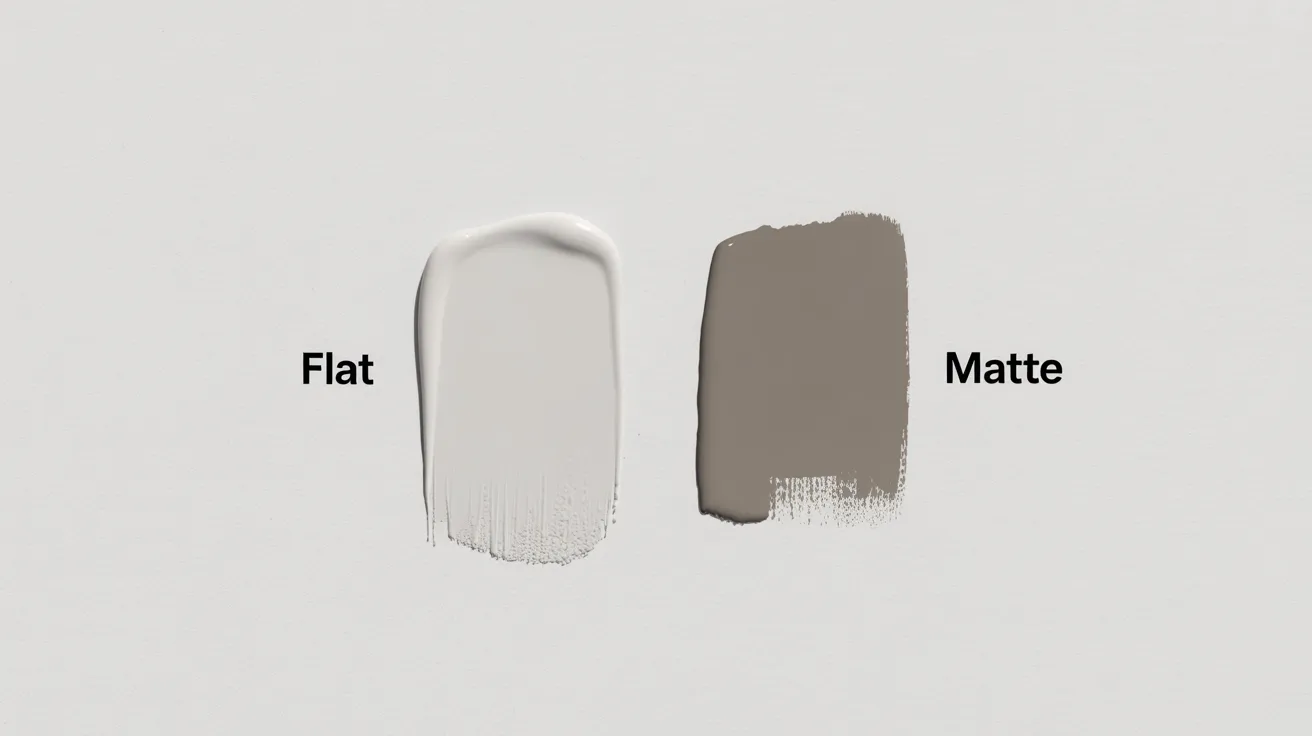
Flat and matte paint look very similar. Both have low sheen levels. The main difference is that matte paint is slightly more durable and easier to clean than flat paint.
Flat Paint vs Eggshell Paint
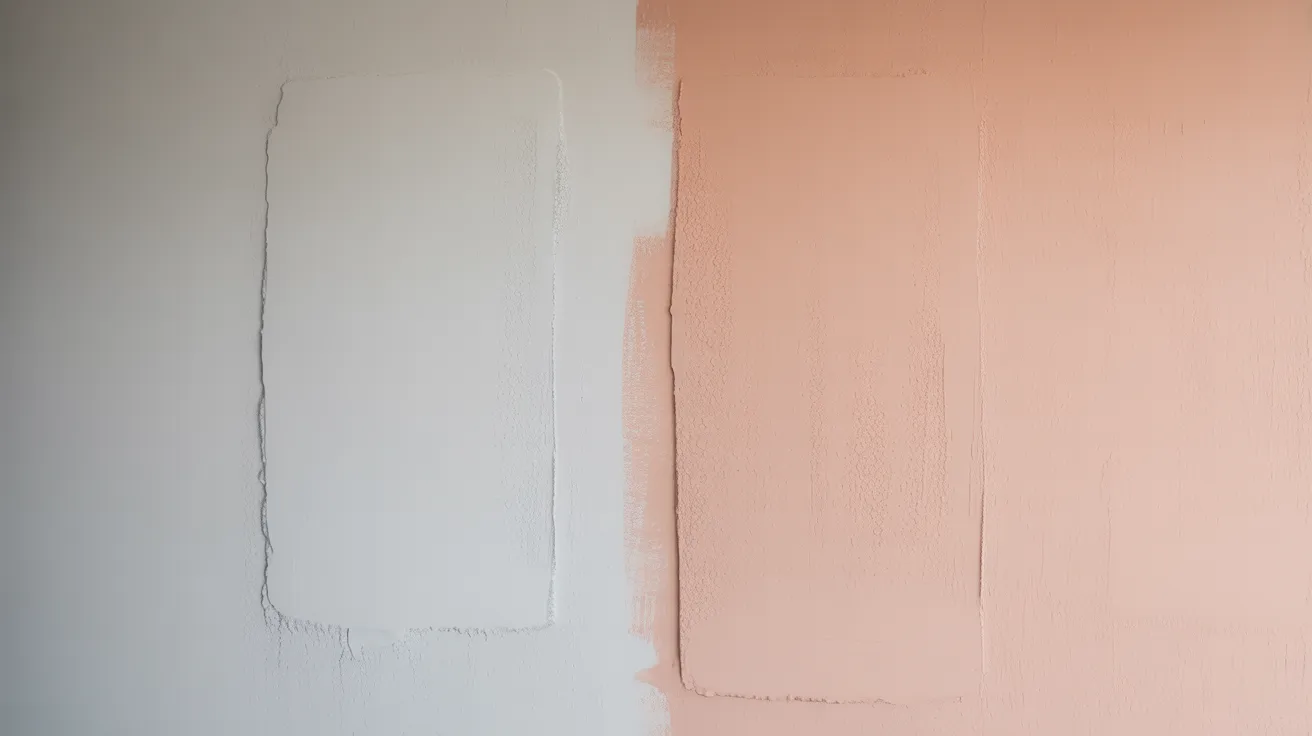
Eggshell has a soft, low shine that flat paint does not have. Eggshell is easier to wipe clean and holds up better in spaces with more foot traffic or moisture.
Flat Paint vs Satin Paint
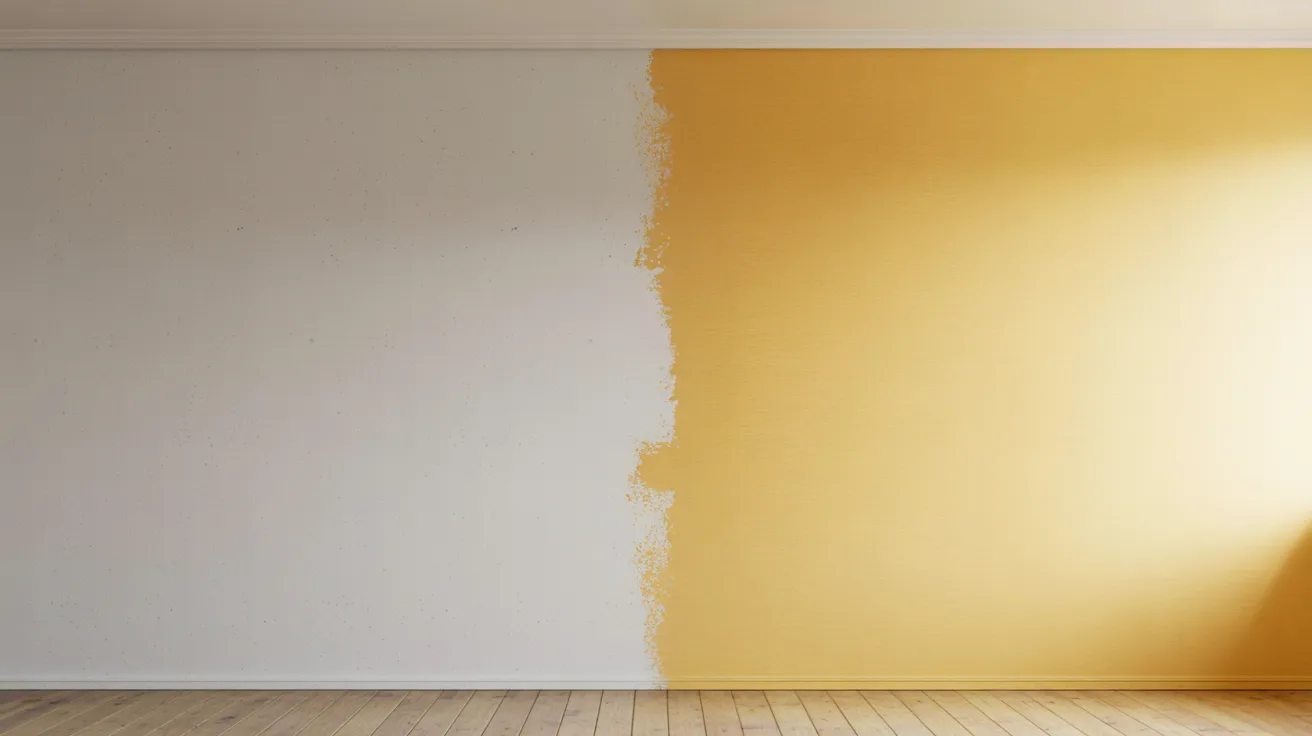
Satin paint has a noticeable sheen and is more resistant to moisture and stains. Flat paint looks softer but is harder to clean, making satin a better pick for kitchens or bathrooms.
Flat Paint vs Semi-Gloss Paint
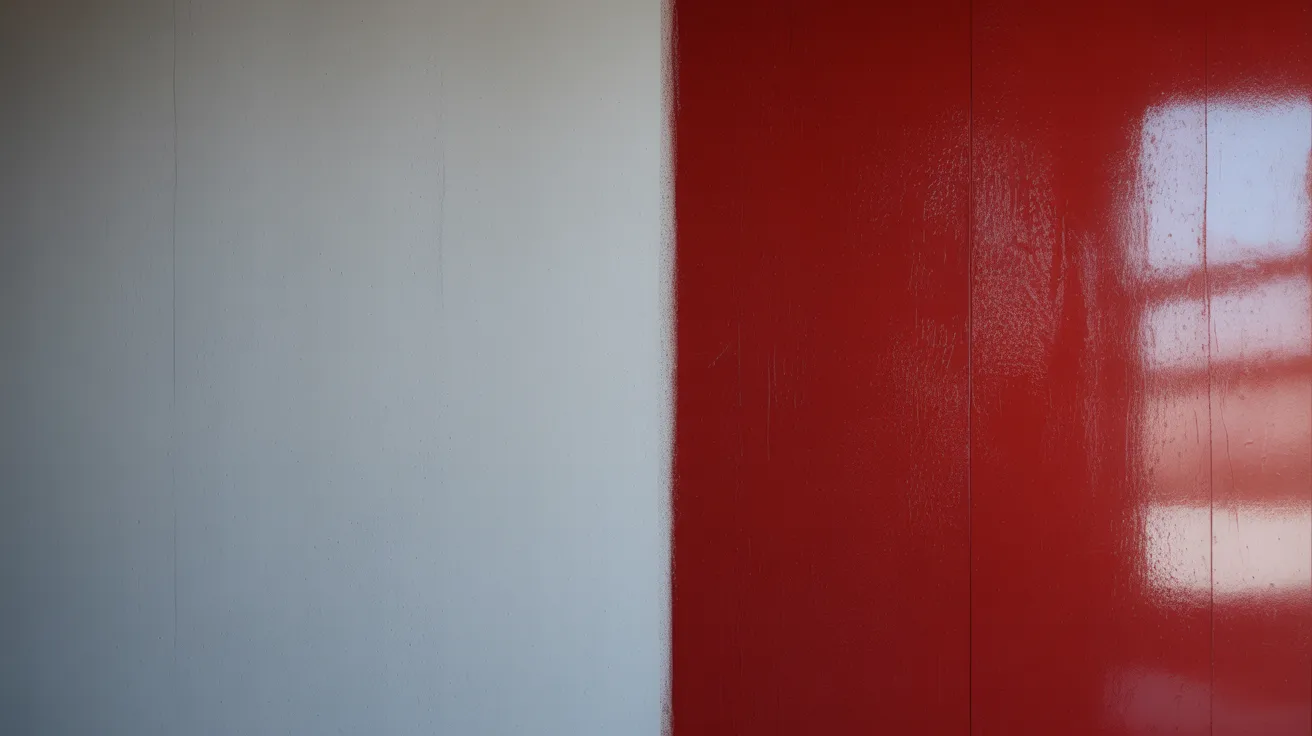
Semi-gloss is very shiny and highly durable. It is ideal for trim, doors, and wet areas. Flat paint is better for walls where you want a calm, non-shiny look.
Which Paint Finish Is Best for Your Space?
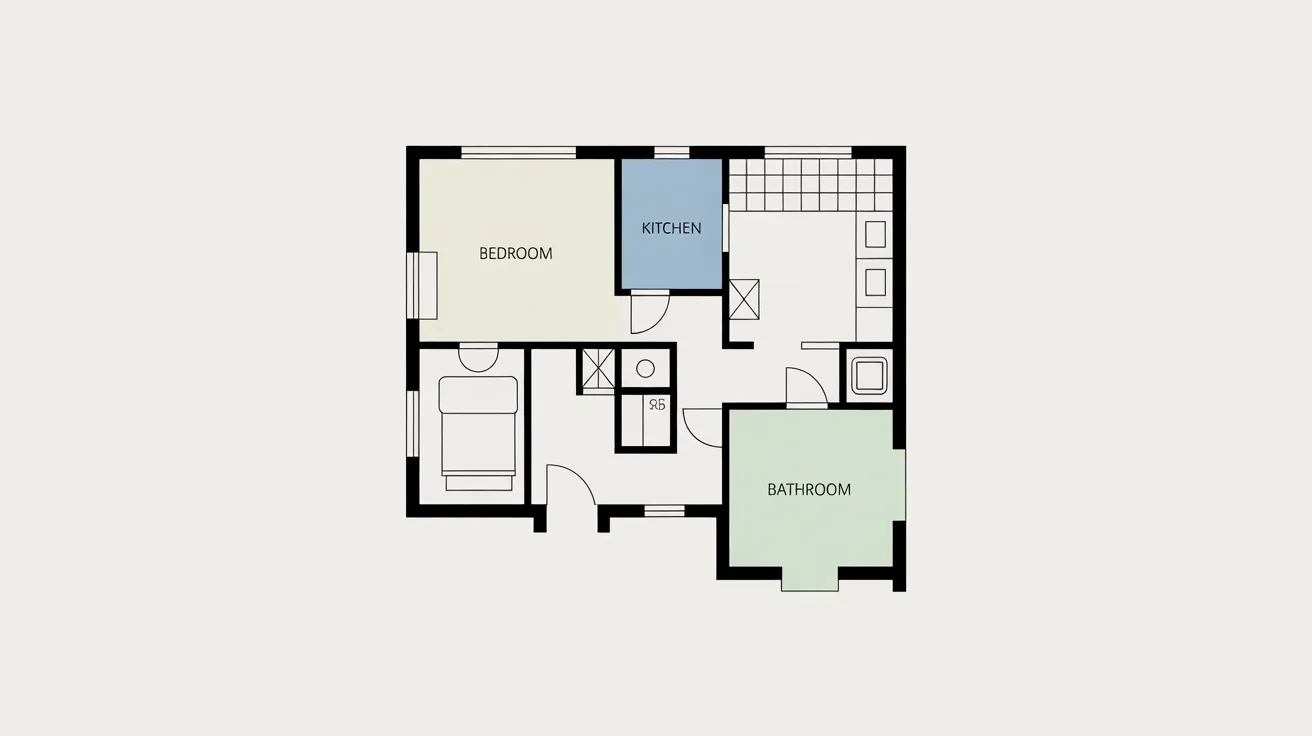
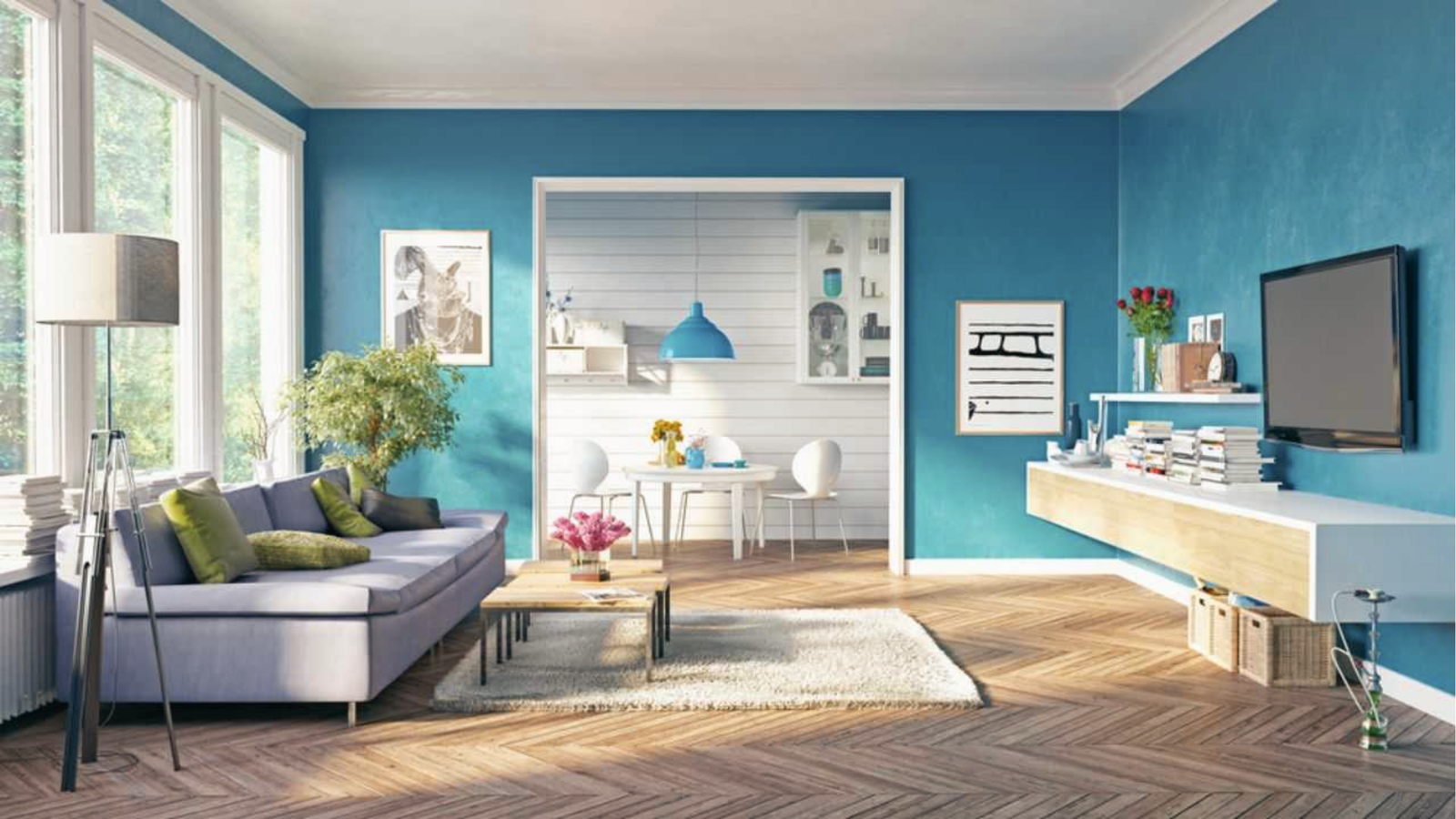
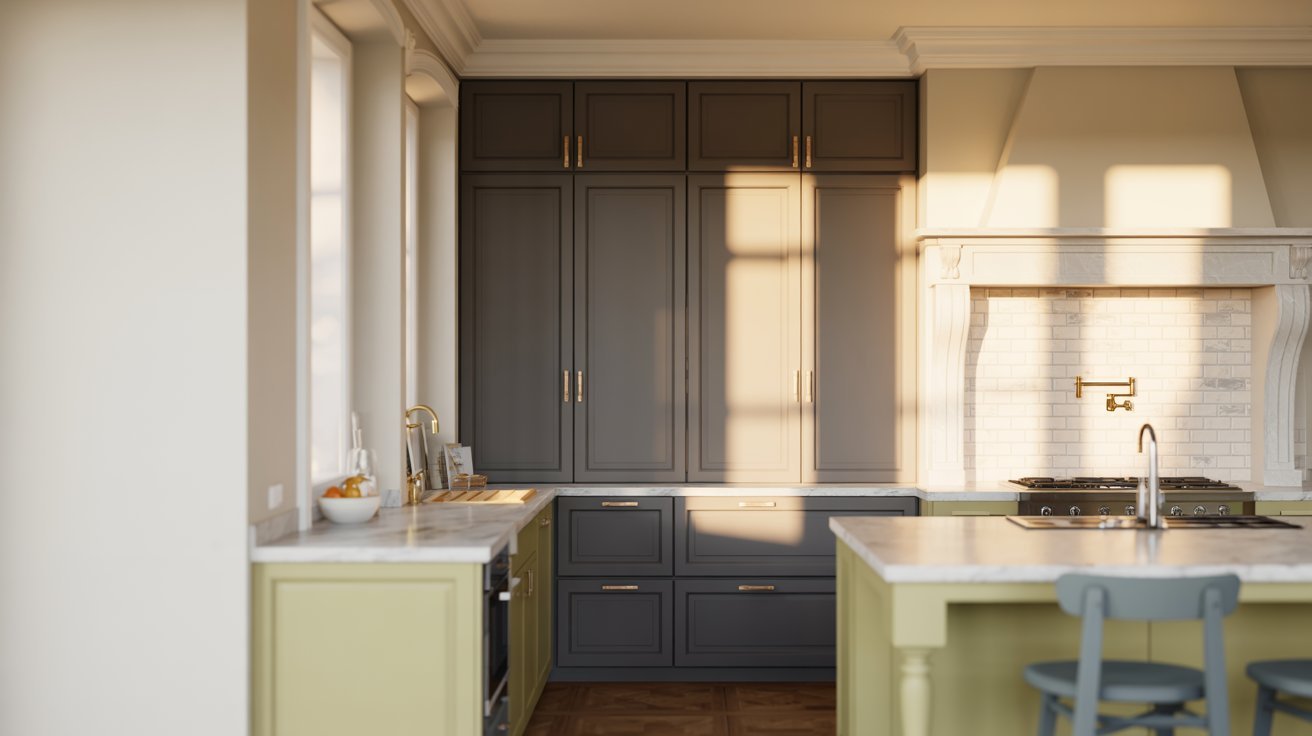
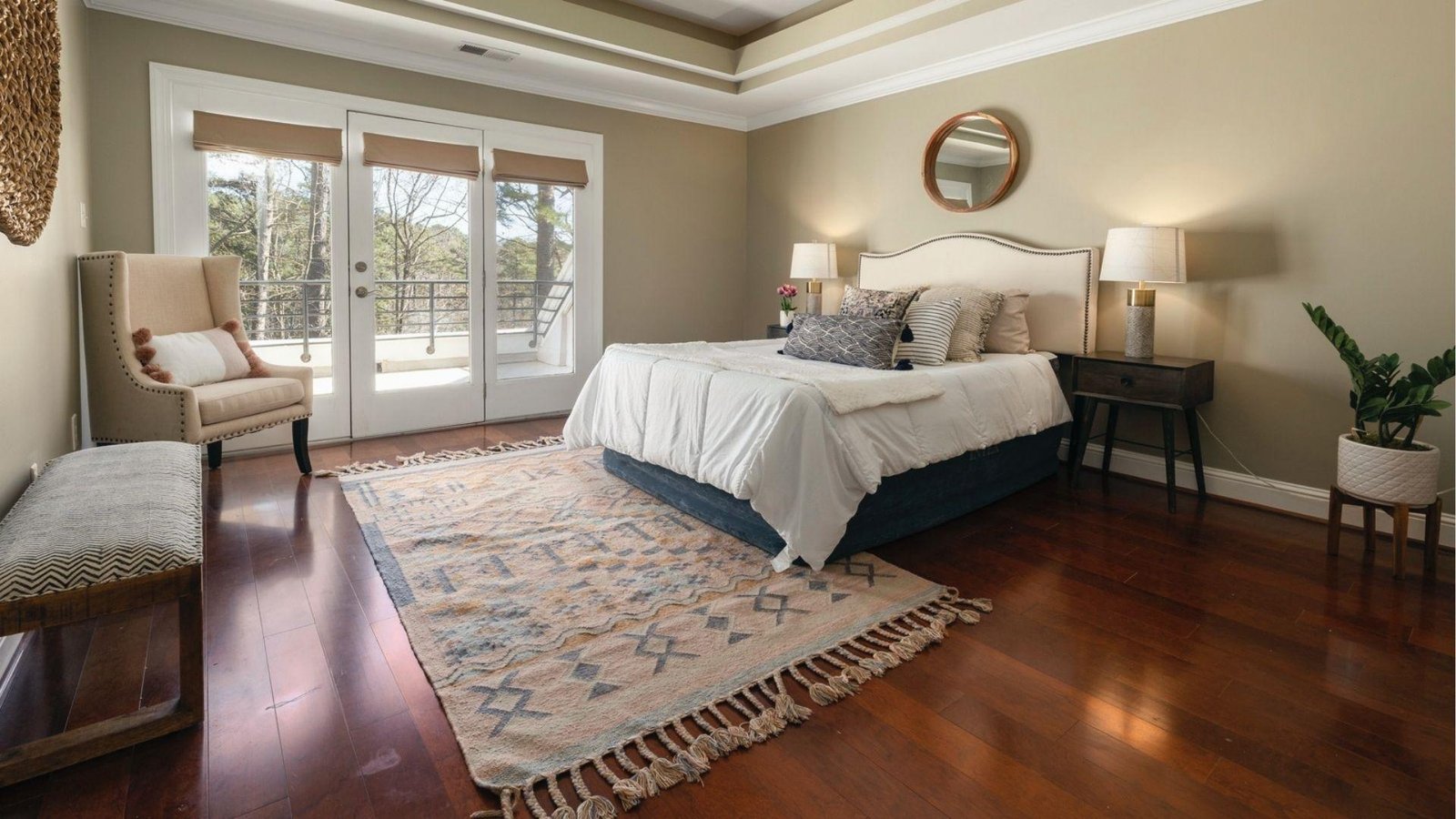
The best finish depends on how the room is used. Use flat paint in bedrooms, dining rooms, and ceilings. Choose satin or semi-gloss for kitchens, bathrooms, and hallways.
Pros and Cons of Flat Paint
Flat paint provides a smooth, non-reflective finish that hides imperfections well, but it can be harder to clean than shinier paint finishes.
Advantages of Flat Paint
| Advantage | Details |
| Hides surface flaws | Covers small cracks, bumps, and patches well |
| Creates a clean look | Gives walls a calm, polished appearance |
| Works well for ceilings and bedrooms | Ideal for low-traffic and low-moisture spaces |
Disadvantages of Flat Paint
| Disadvantage | Details |
| More difficult to clean | Scrubbing can damage or remove the paint |
| Less moisture-resistant | Not ideal for kitchens or bathrooms |
| Can scuff in high-traffic areas | Marks and scratches show up more easily |
Cleaning and Durability
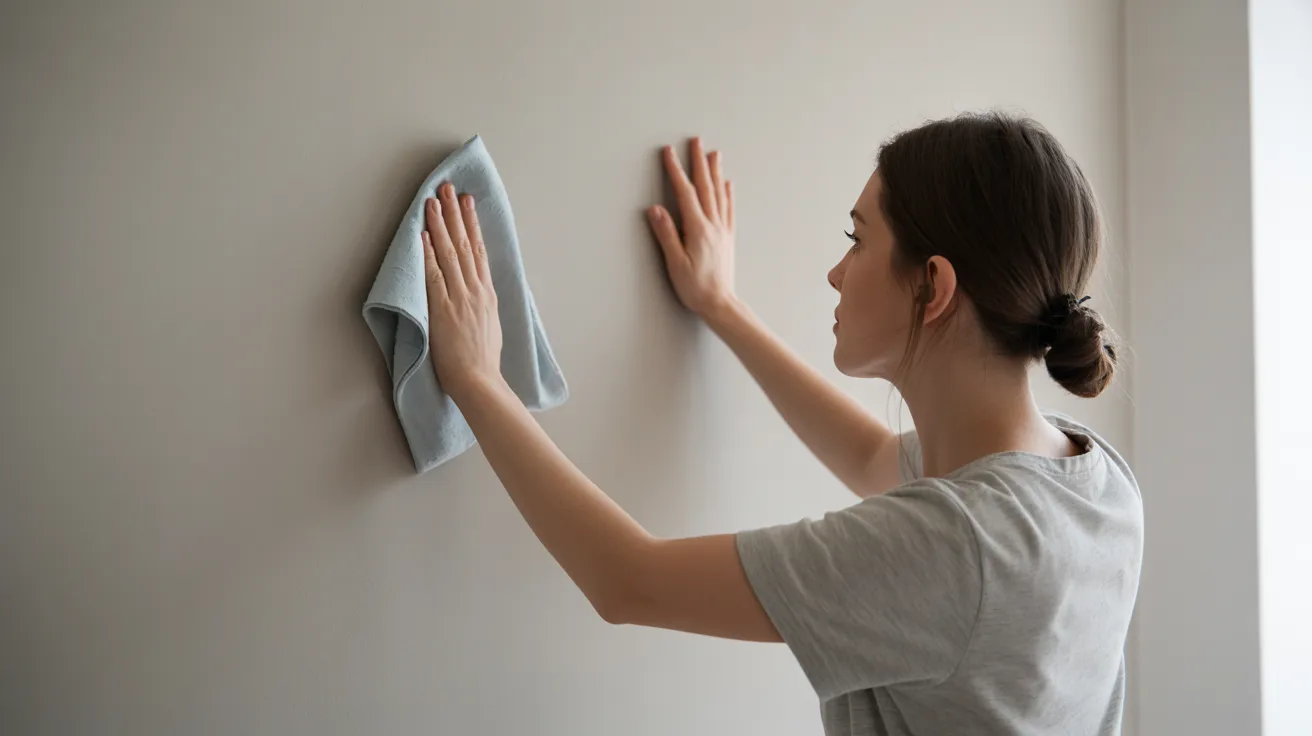
Flat paint needs gentle care to stay looking good. Knowing how to clean and maintain it will help the finish last longer.
Is Flat Paint Washable?
Flat paint is not very washable. Light dabbing with a damp cloth may work for small spots. Scrubbing or using harsh cleaners can leave marks or lift the paint off the wall.
How Durable Is Flat Paint Over Time?
Flat paint is not the most durable option. It can wear down faster in high-traffic areas. In low-traffic spaces like bedrooms or ceilings, it holds up well for several years with proper care.
Safe Cleaning Methods for Flat Paint
Use a soft, damp cloth to blot stains gently. Avoid rubbing hard or using chemical cleaners. Mild soap mixed with water works best for light dirt or fingerprints on flat-painted walls.
Application Tips
- Clean walls thoroughly, fill cracks with spackle, and sand lightly before painting to ensure a smooth, ready surface.
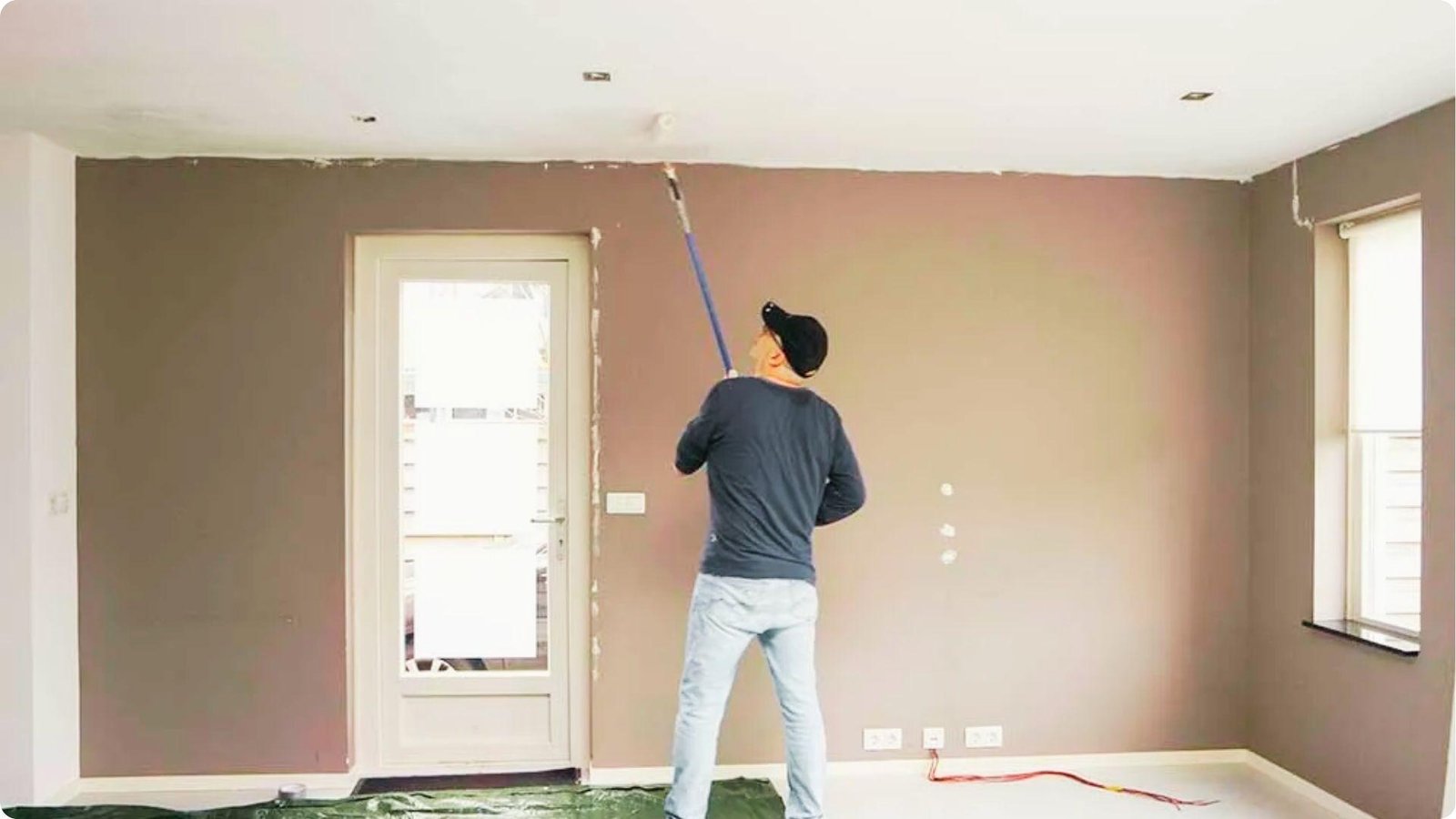
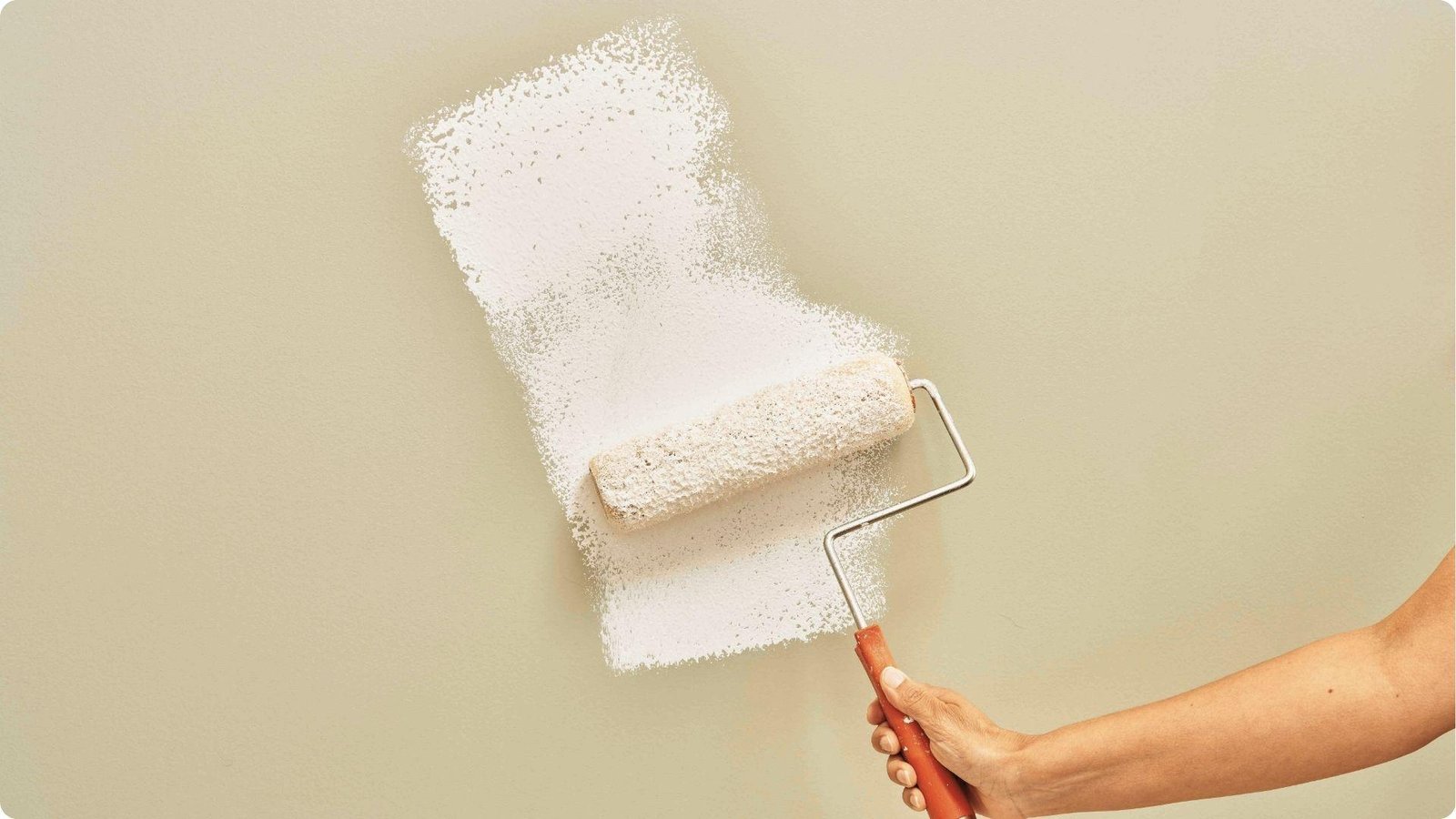
- Use a short-nap roller for even coverage and a brush for corners and edges to get clean, precise lines.
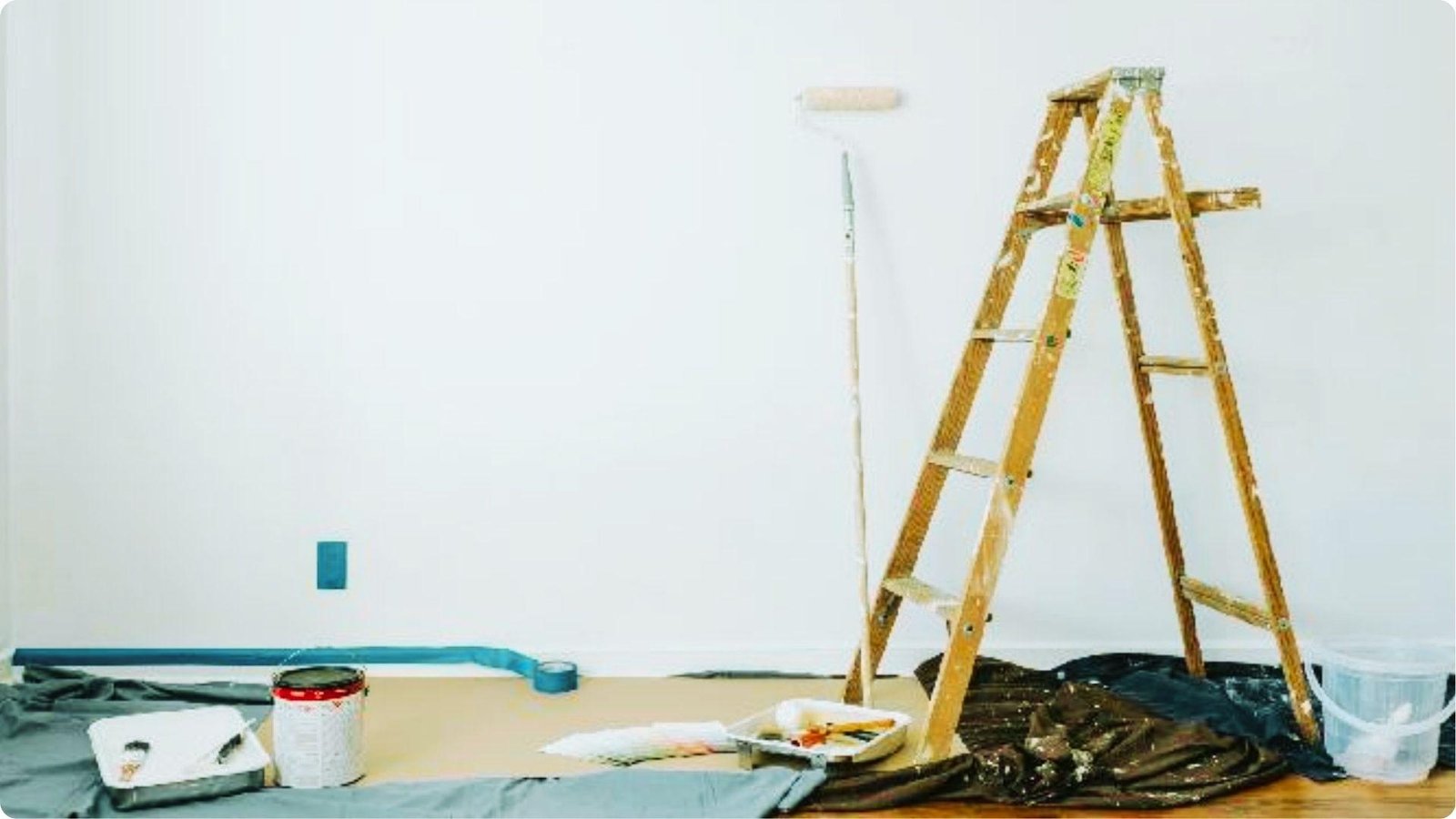
- Keep a paint tray and painter's tape on hand to protect surfaces and maintain neat, defined edges throughout the job.
- Apply paint in thin, even coats and let each layer dry fully before adding the next one.
- Roll in one consistent direction to avoid streaks and achieve a smooth, uniform flat paint finish.
Preparing Walls Before Painting
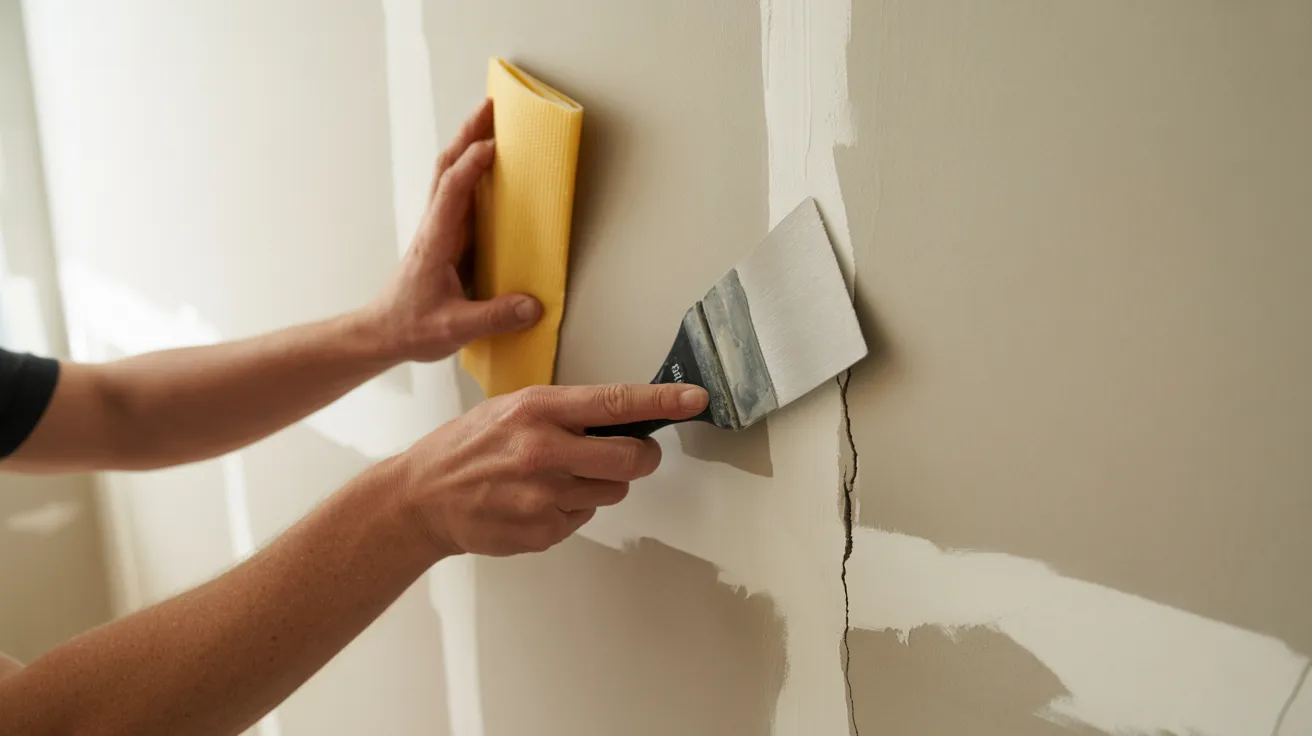
Clean walls before you start. Fill in cracks or holes with spackles and let them dry fully. Sand the surface lightly and wipe away dust before applying primer or paint.
Choosing the Right Painting Tools
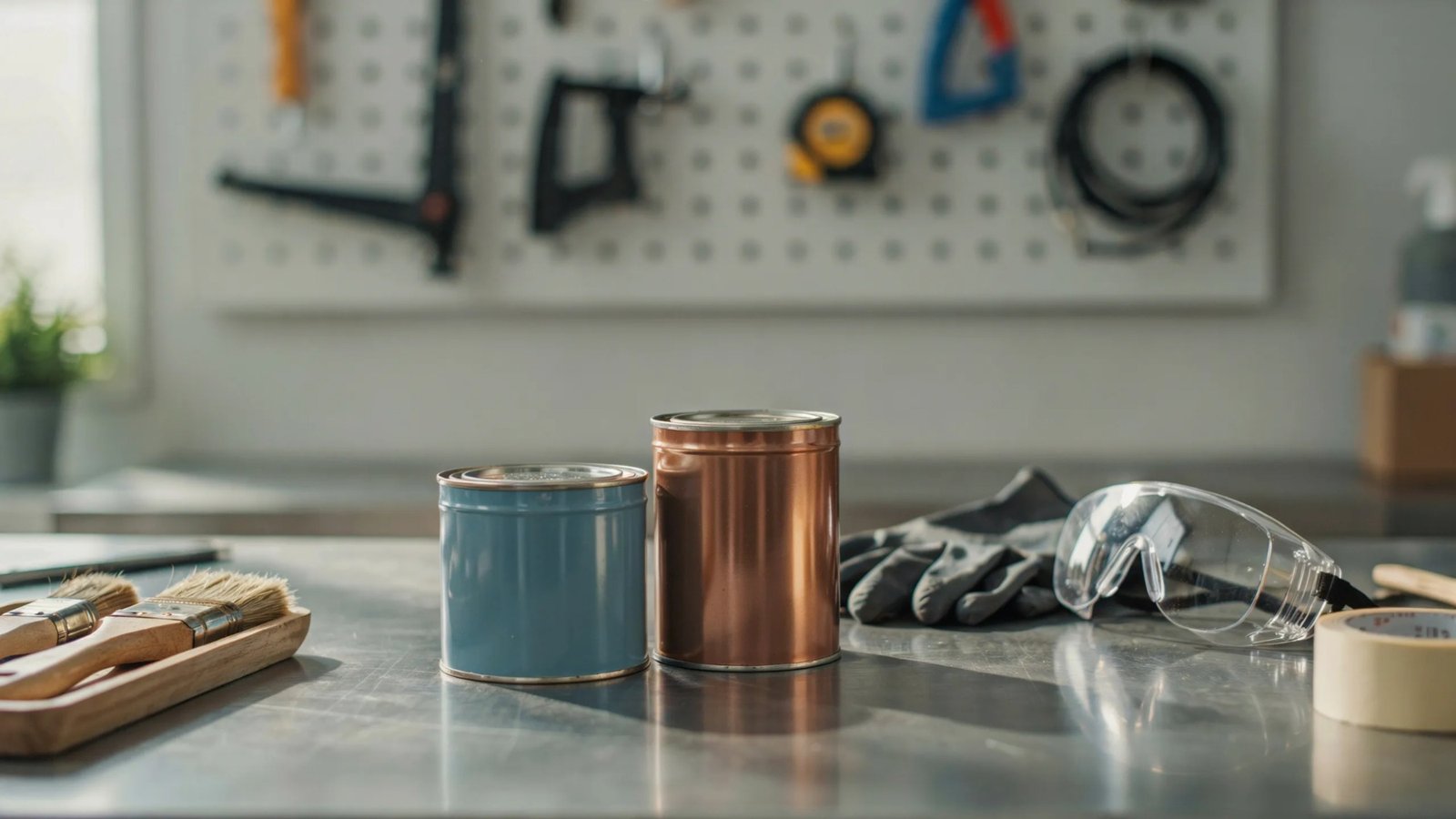
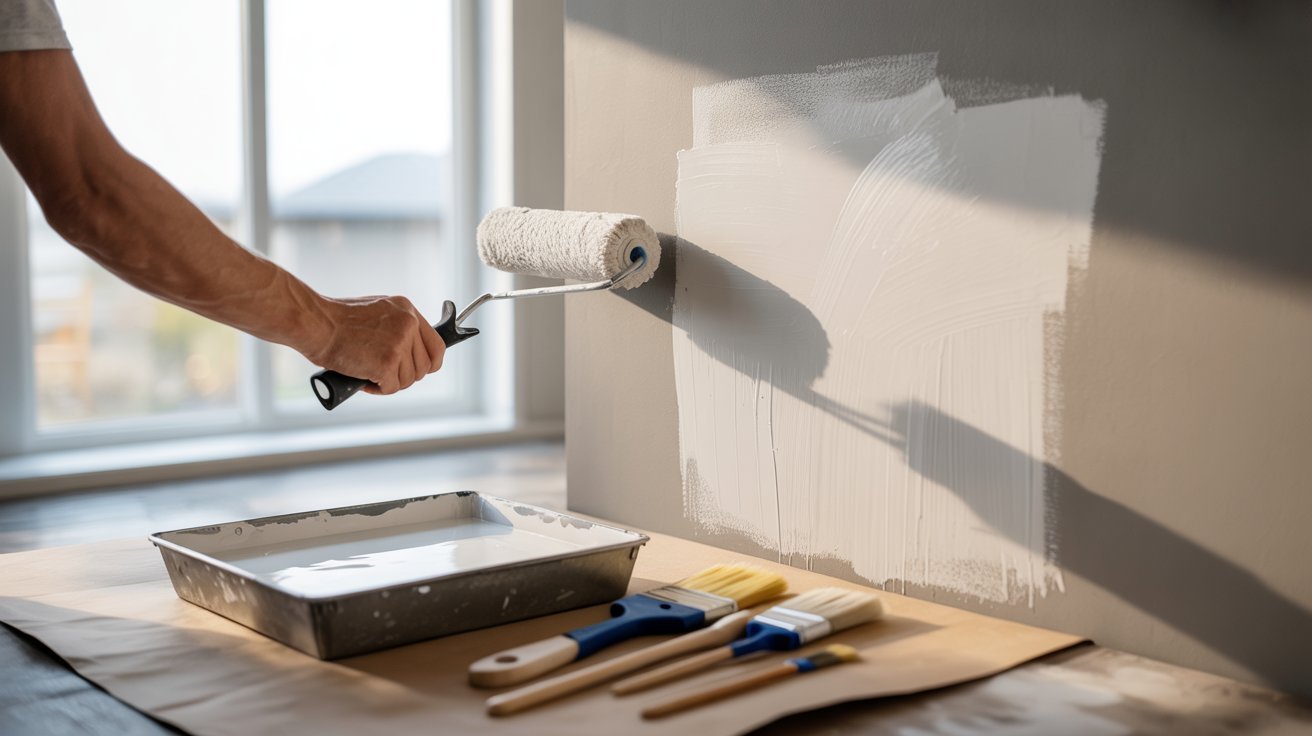
A roller with a short nap works well for flat paint on smooth walls. Use a brush for corners and edges. A paint tray and painter's tape help keep lines clean and surfaces protected.
Tips for an Even Flat Paint Finish
Apply paint in thin, even coats. Let each coat dry fully before adding the next one. Roll in one direction to avoid streaks and keep the finish looking smooth and consistent.
Common Mistakes to Avoid
Avoid common painting mistakes like skipping primer, applying thick coats, or painting over dirty and damp walls.
- Do not skip primer, especially on fresh drywall or patched areas.
- Avoid applying thick paint coats, as they can dry unevenly.
- Never paint over dirty, dusty, or greasy walls.
- Do not apply paint on damp surfaces, which can cause peeling or bubbling later.
- Avoid rushing between coats without giving enough drying time.
Conclusion
Flat paint is a great choice for calm, low-traffic spaces like bedrooms, dining rooms, and ceilings. It hides wall flaws well, looks clean, and gives rooms a soft, polished feel. That said, it needs gentle care and works best away from moisture or heavy use.
I painted my own bedroom with flat paint a couple of years ago, and the difference was noticeable. The walls looked smooth and clean, even over older patches.
If you are thinking about refreshing a room, flat paint might be just what you need. Drop a comment below and share which rooms you are planning to paint. I would love to hear your thoughts!
Frequently Asked Questions
Is Flat Paint the Same as Matte Paint?
Flat and matte paint are very similar but not exactly the same. Matte paint usually has a slightly higher sheen and is a bit more durable and easier to clean than flat paint.
Can Flat Paint Be Used in Bathrooms?
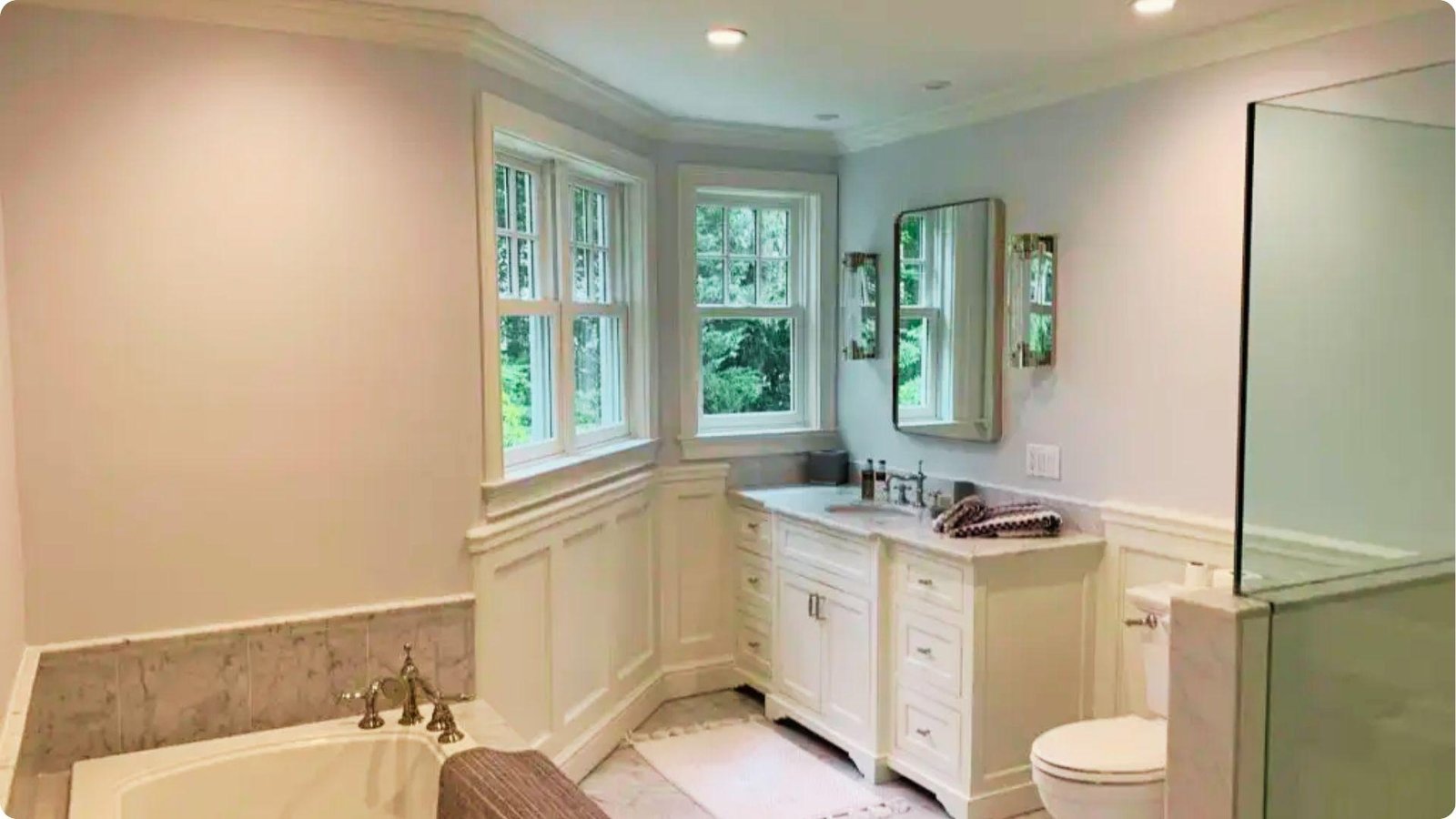
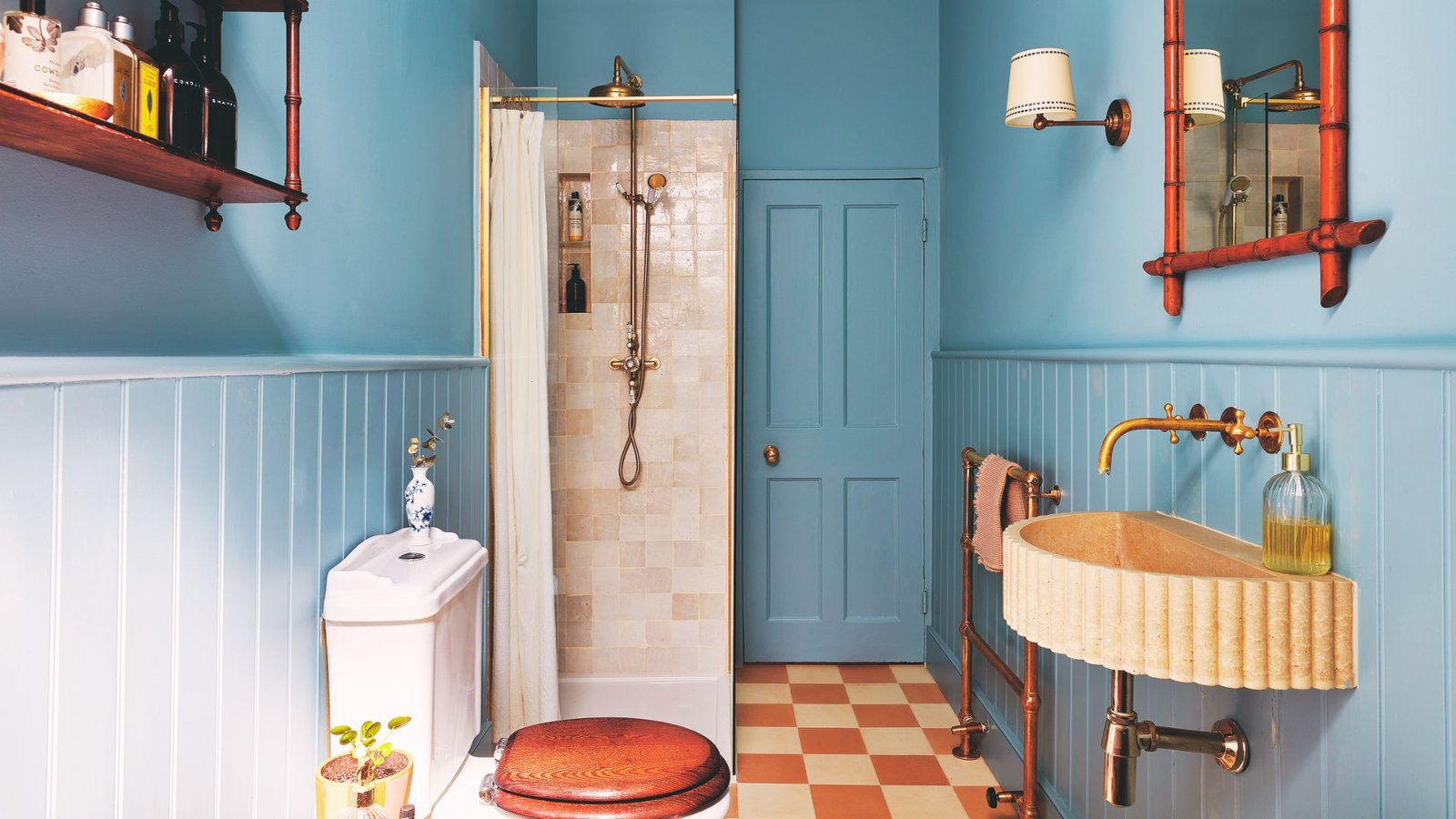
Flat paint is not the best choice for bathrooms. Bathrooms have high moisture levels, and flat paint does not hold up well in humid spaces. Satin or semi-gloss is a better fit there.
Does Flat Paint Hide Imperfections Better?
Yes, flat paint is very good at hiding small wall flaws. Its light-absorbing finish makes bumps, patches, and uneven areas much less noticeable compared to shinier paint options.
Is Flat Paint Good for High-Traffic Areas?
Flat paint is not ideal for high-traffic areas like hallways or kids' rooms. It scuffs and marks easily and is hard to clean. A more durable finish like satin works better in busy spaces.
Can You Paint Over Flat Paint Easily?
Yes, painting over flat paint is simple. Clean the surface first, let it dry, and apply a fresh coat. You can switch to a different finish without needing to strip the old paint off first.