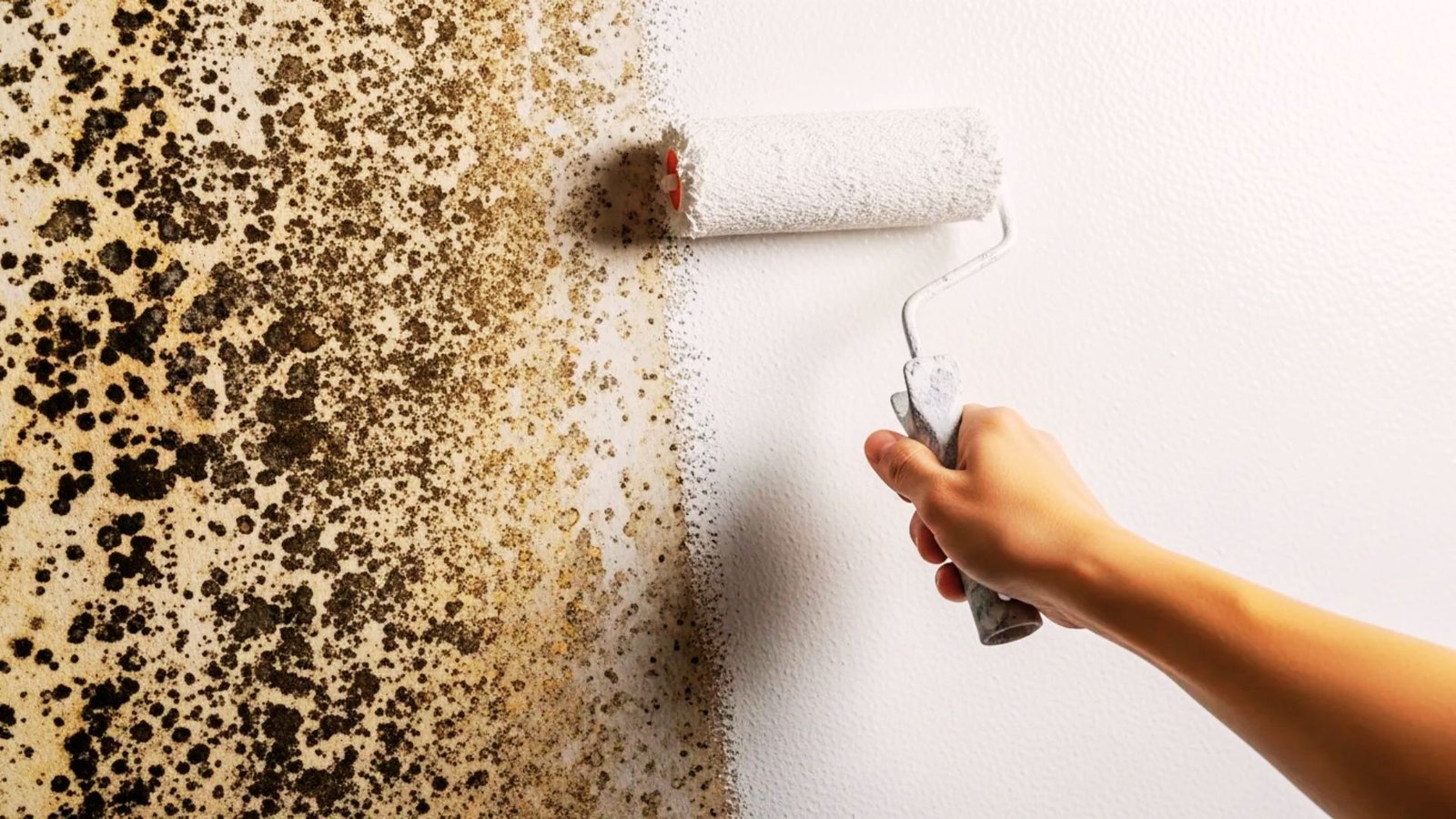
You spotted mold on your wall. Now you are wondering if painting over it will fix the problem. The short answer is no. But let me explain why.
I have helped many homeowners deal with this exact situation. Paint does not remove mold. It only hides it.
In this guide, you will learn why painting over mold always fails, which surfaces are most at risk, and what products like KILZ actually do. You will also find out how to remove mold the right way before painting
By the end, you will have a clear and simple plan that actually works. No guesswork. Just real steps that get the job done.
Can You Paint Over Mold?
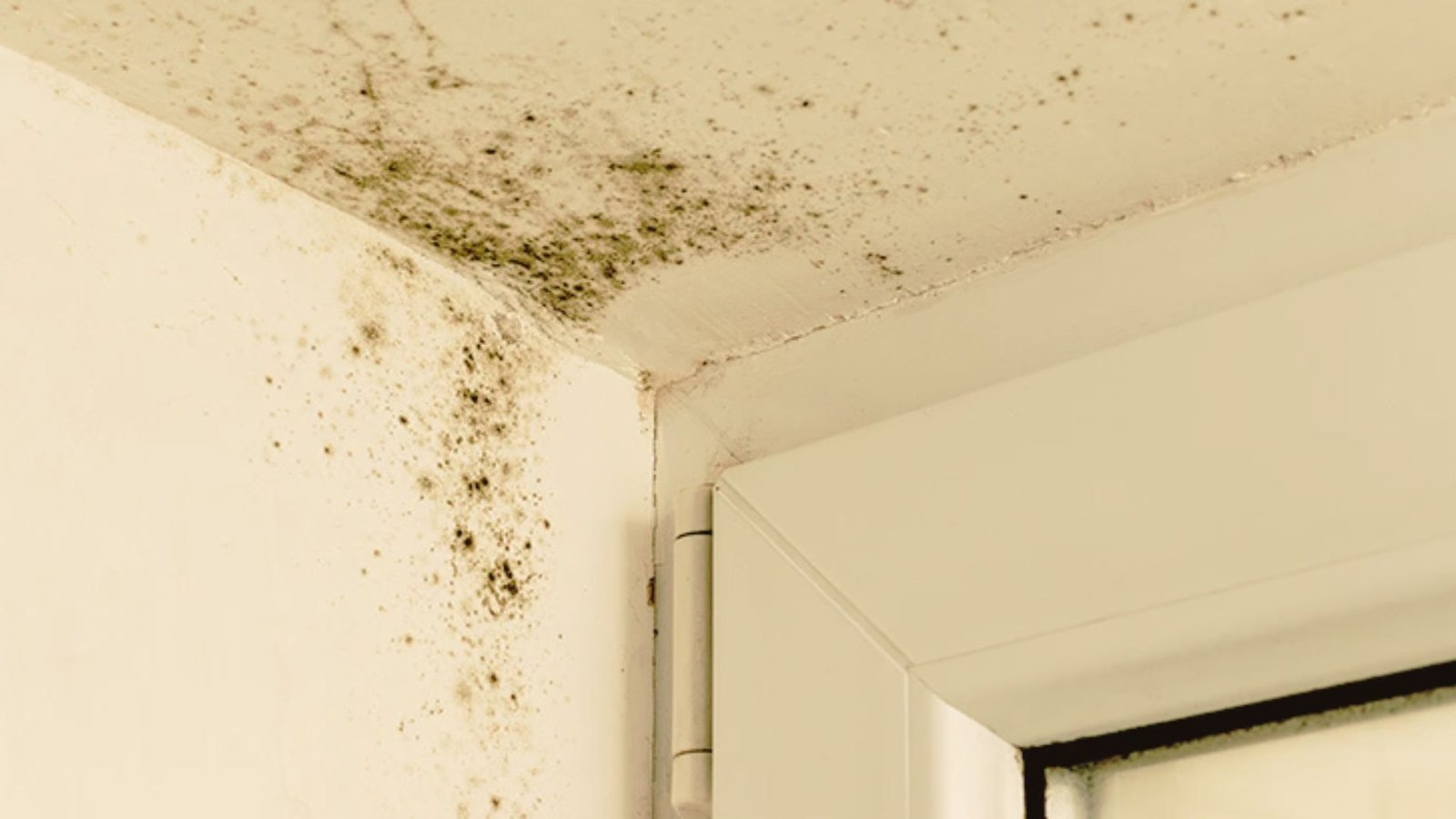
Mold on your walls raises a big question. Learn why painting over it is not as simple as it looks.
The short answer is no.
You should not paint over mold. Mold is a living organism that grows through surfaces. Covering it with paint does not stop it. It just hides it for a while.
Many homeowners try this because it looks like a fast and cheap solution. But mold does not care about paint. It keeps growing right underneath. Over time, the paint bubbles, peels, and the mold shows up again.
If you want a lasting result, you have to deal with the mold first. Then you can paint.
Why Painting Over Mold Is a Temporary Fix
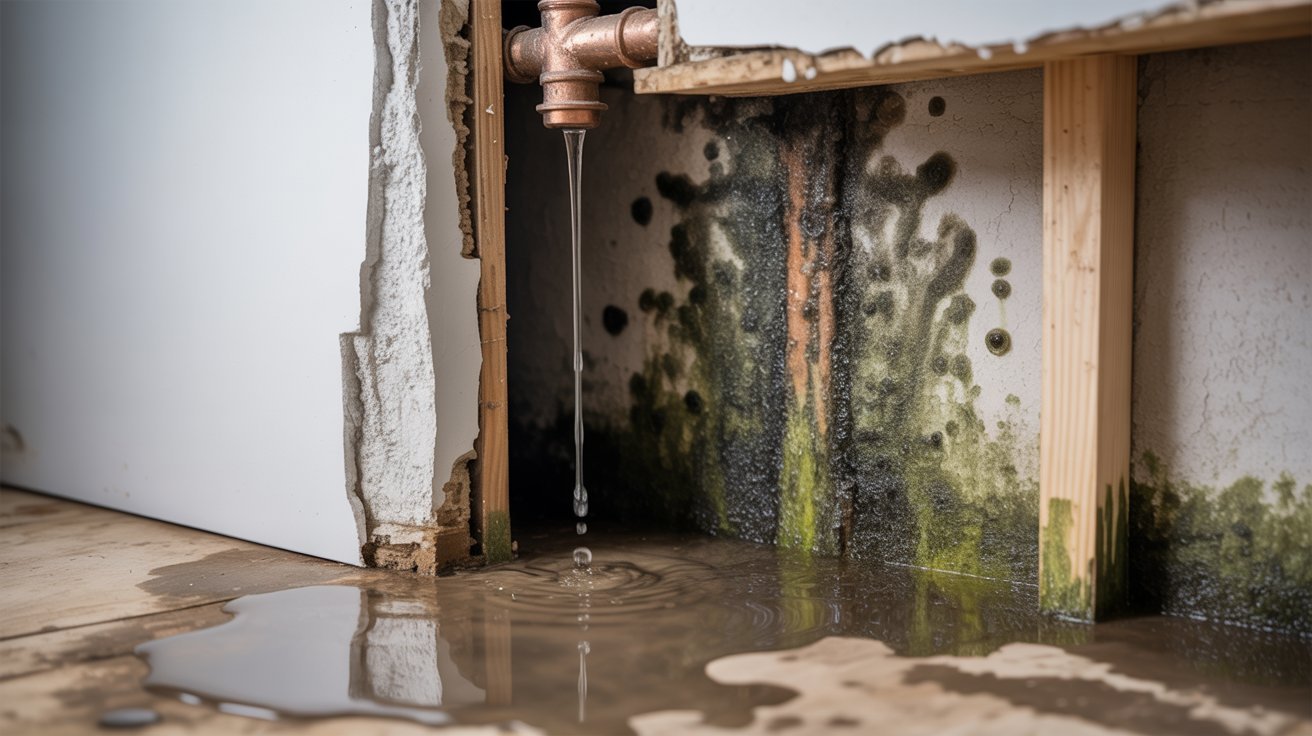
Covering mold with paint never solves the real problem. The mold stays active and keeps spreading.
Mold Keeps Growing Under Paint
Mold feeds on moisture and organic material. Drywall, wood, and even dust behind paint can give mold everything it needs to survive.
When you paint over it, you seal it in. But the mold colony stays alive. It keeps spreading to new areas while staying hidden from your view.
Within weeks or months, you may notice dark spots pushing back through. That is the mold working its way out again.
Moisture Problems Stay Hidden
Mold is almost always a sign of a moisture issue. Water may be leaking from a pipe, seeping through a wall, or coming in from poor ventilation. Paint covers the mold but does nothing about the water source.
When moisture stays trapped behind paint, it creates the perfect condition for mold to grow faster. The problem gets worse even though the surface looks fine.
Paint Peeling and Mold Returning
Paint does not bond well to a surface that has mold on it. The mold breaks down the surface below, so the paint has nothing solid to grip.
It starts peeling in patches. When the paint lifts, the mold gets air again and spreads even more.
This is why homes that have had mold painted over often end up with larger infestations down the road.
Can You Paint Over Mold in Bathrooms, Ceilings, and Walls?
Mold shows up in different spots around the house. Each location comes with its own set of problems.
Bathroom and Basement Mold
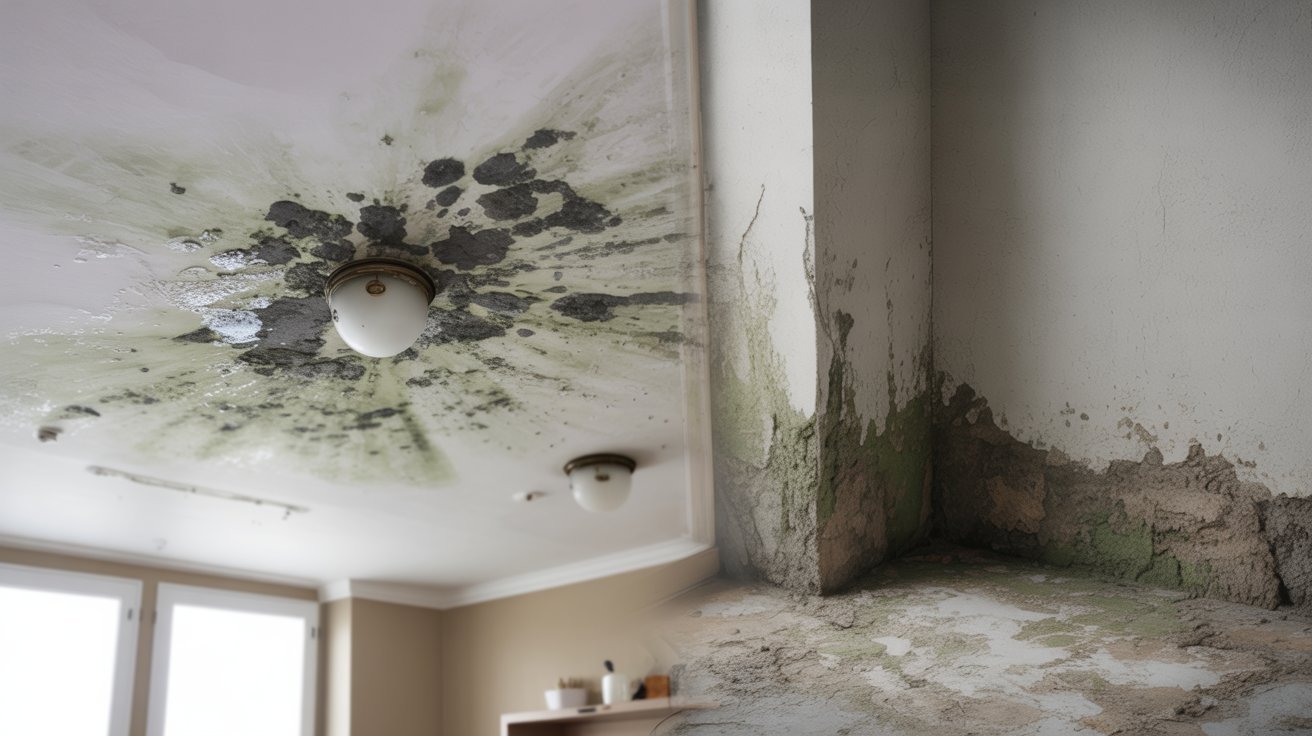
Bathrooms are one of the most common places for mold. Steam from showers, poor airflow, and damp towels create ideal conditions. Mold often appears around caulk lines, grout, ceiling corners, and under windowsills.
Basements face a different challenge. They sit below ground level, which means moisture can seep in through walls and floors. Mold in basements can spread across large areas before anyone notices.
In both spaces, painting over mold is not a solution. The moisture never stops, so the mold never stops either.
Mold on Drywall, Wood, and Concrete
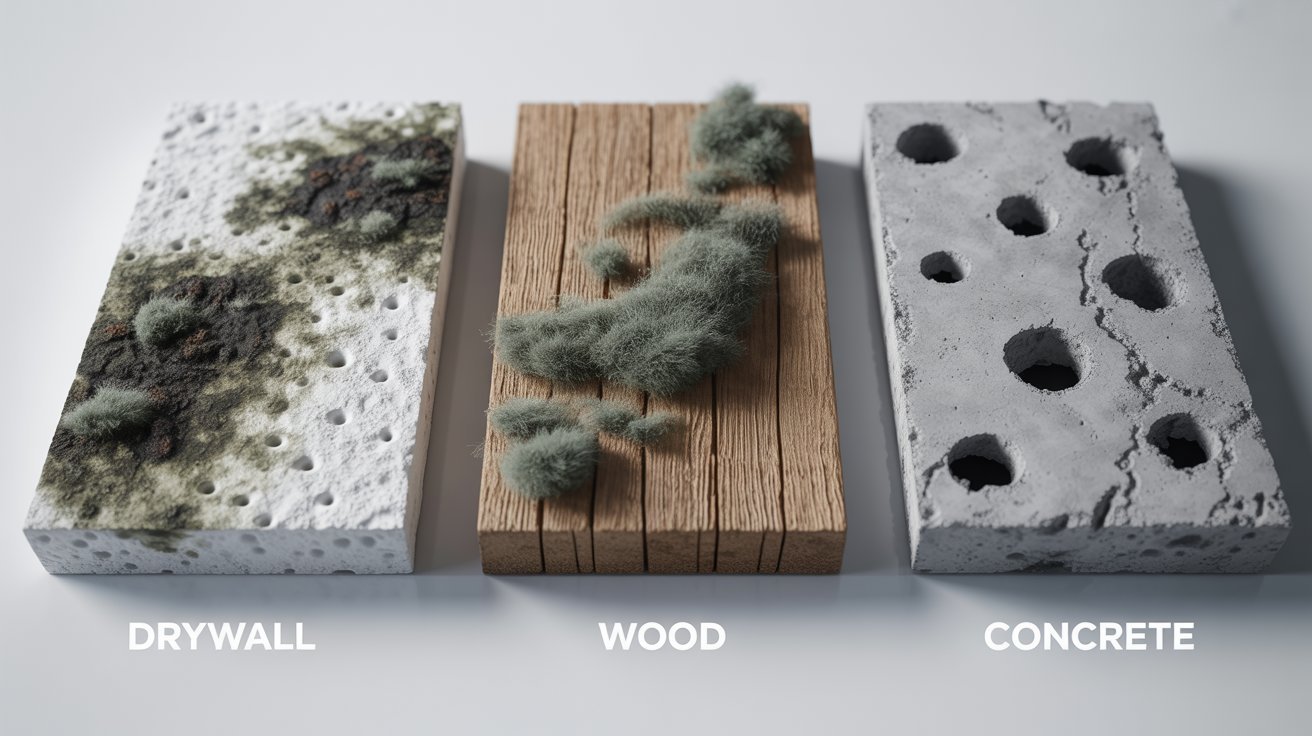
Mold behaves differently depending on the surface.
Drywall is porous. Mold gets deep into the material very quickly. In many cases, drywall with mold needs to be cut out and replaced rather than cleaned.
Wood is also porous. Mold can grow deep into the grain. Surface cleaning may not be enough if the mold has been there for a long time.
Concrete is less porous but can still grow mold if moisture is present. It is easier to clean and treat than wood or drywall, but the moisture source still needs to be fixed first.
No matter the surface, painting without treatment is only a cosmetic cover up.
Can You Paint Over Mold With KILZ or Mold Resistant Paint?
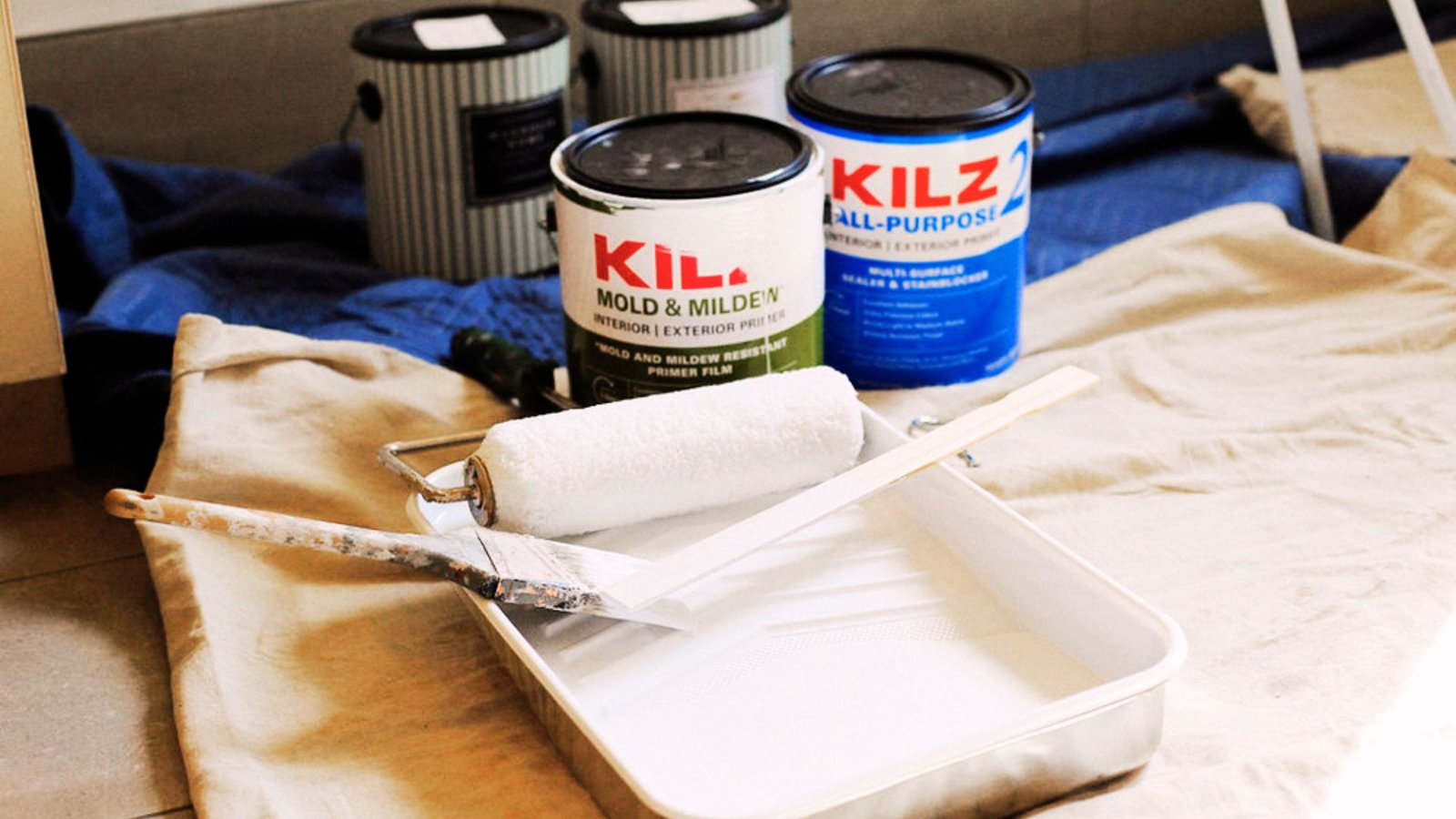
Products like KILZ are often marketed as mold solutions. But there is a big difference between prevention and removal.
What Mold Resistant Primer Actually Does
Mold resistant primers and paints contain additives that resist future mold growth on the painted surface. They are designed to be used in high humidity areas like bathrooms and kitchens.
These products work well when applied to a clean, mold free surface. They create a coating that mold has a harder time sticking to. This can help keep new mold from forming after you have removed the old growth.
Why It Does Not Remove Existing Mold
KILZ and similar products are not mold killers. The label on most of these products says clearly that you should not apply them over existing mold. They are primers, not treatments.
If you apply mold resistant primer over active mold, the mold continues to grow beneath it. The primer may slow things down slightly on the surface, but it does not go deep enough to kill mold roots or spores.
Think of it this way. Mold resistant paint is like sunscreen. It works to prevent a problem. It does not treat one that already exists.
What To Do Before Painting Over Mold
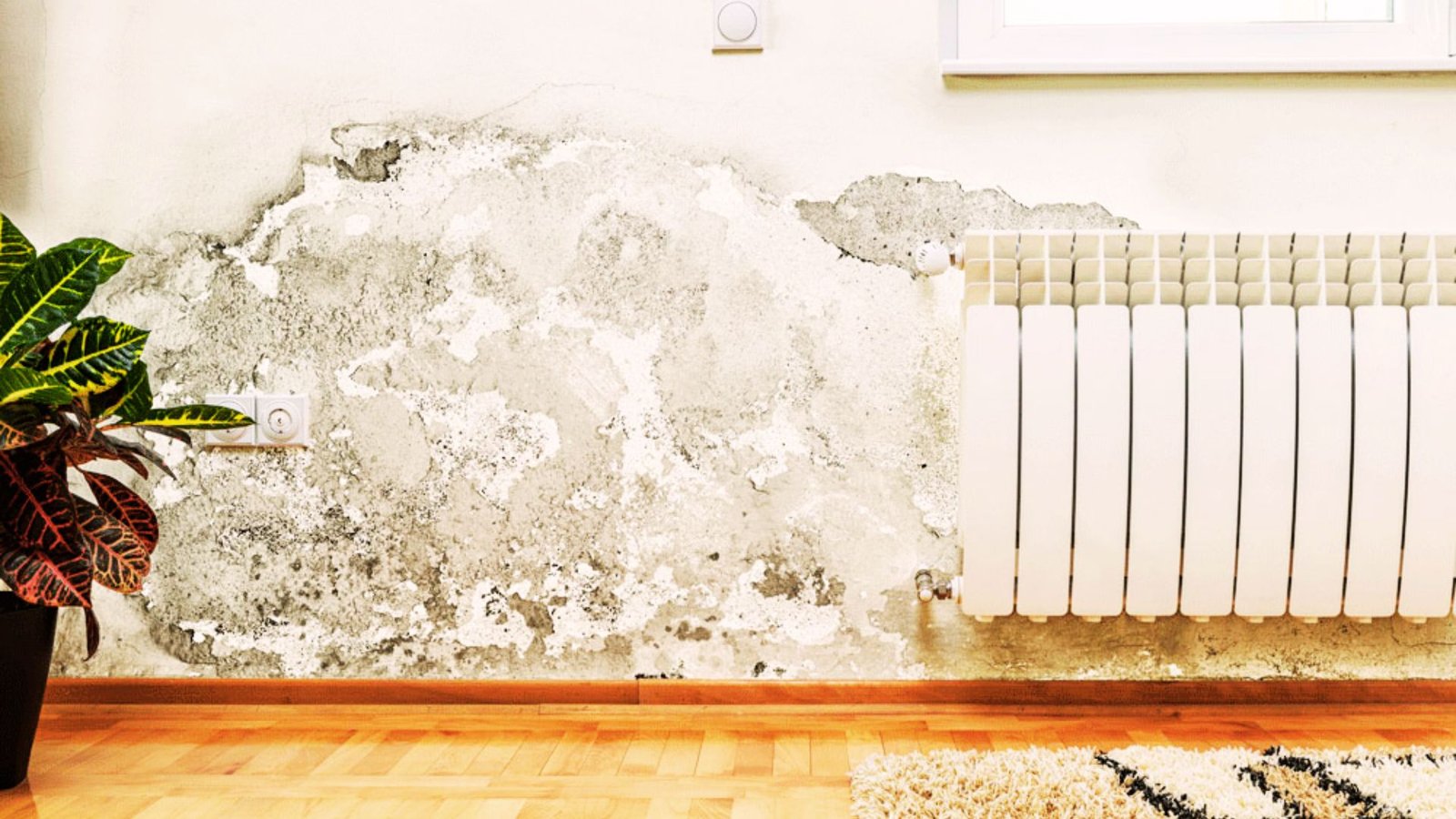
Before any paint goes on, two things must happen. The moisture source must be fixed, and the mold must be fully removed.
Fix the Moisture Problem
This is the first step and the most important one. If you skip it, mold will always come back.
Look for the source of the moisture. Check for leaking pipes, roof damage, poor drainage around the foundation, or gaps around windows. In bathrooms, the issue is often poor ventilation. In basements, it may be water coming in from outside.
Fix whatever is causing the dampness. Let the area dry out completely before doing anything else. Use a dehumidifier if needed. The surface should be fully dry before you start treating mold.
Clean and Remove Mold Properly
For small patches of mold on hard surfaces, you can often clean it yourself using a mixture of water and white vinegar or a commercial mold remover. Scrub the surface thoroughly and let it dry completely.
Wear gloves, a mask, and eye protection when cleaning mold. Mold spores can cause respiratory issues if inhaled.
For larger areas, or mold on drywall that has soaked in, removal is often the better path. Cut out the affected drywall and replace it. This is the only way to be sure the mold is truly gone.
Once the surface is clean and dry, then you can apply a mold resistant primer and paint.
Tips To Prevent Mold After Painting
After treating mold and repainting, a few habits go a long way in keeping it from coming back.
- Run the bathroom exhaust fan during and after every shower for at least 20 minutes to push out moist air before it settles on walls.
- Keep indoor humidity between 30 and 50 percent using a dehumidifier in damp areas and a range hood while cooking.
- Open windows or use ventilation fans in basements and low airflow spaces to stop moisture from building up over time.
- Check under sinks, around toilets, behind appliances, and along windowsills regularly so small leaks do not go unnoticed.
- Fix any drip or leak as soon as you spot it. Even a slow leak can create a serious mold problem within just a few days.
Mold is not a cosmetic issue. It is a structural and health concern. Painting over it may look like progress, but it only delays a bigger problem. Fix the moisture, remove the mold, then paint. That is the order that actually works.
Conclusion
Mold is not a cosmetic issue. It is a structural and health concern. Painting over it may look like progress, but it only delays a bigger problem.
Honestly, I have seen too many people skip the cleaning step and regret it a few months later. It is just not worth it. Fix the moisture, remove the mold, then paint over the mold the right way. That is the order that actually works.
Have you dealt with mold at home? Drop your experience in the comments. Someone else might need exactly what you learned.
Frequently Asked Questions
Can you paint over mold to kill it?
No. Paint does not kill mold. It only covers it. The mold stays alive underneath and keeps growing. You need to remove the mold first before applying any paint.
Is it safe to paint over mold?
It is not safe. Mold releases spores that affect air quality and can cause breathing problems. Sealing it under paint does not stop the spores from spreading inside your walls.
What happens if you paint over mold?
The paint may look fine at first. But within weeks, it starts to bubble and peel. The mold pushes back through and often spreads to a larger area than before.
Can mold resistant paint be applied over existing mold?
No. Mold resistant paint is made to prevent future mold on clean surfaces. It is not a treatment for existing mold. Most product labels say this directly.
How do you get rid of mold before painting?
Fix the moisture source first. Then scrub the mold with white vinegar or a commercial mold remover. Let the surface dry fully. For deep mold on drywall, cut out and replace the affected section.
Can you paint over mold with KILZ?
KILZ is a primer, not a mold killer. It works well on a clean surface to block stains and resist future growth. But it should never go over active mold.
How long after removing mold can you paint?
Wait until the surface is completely dry. This can take 24 to 48 hours depending on the area and humidity levels. Painting over a damp surface invites mold back quickly.