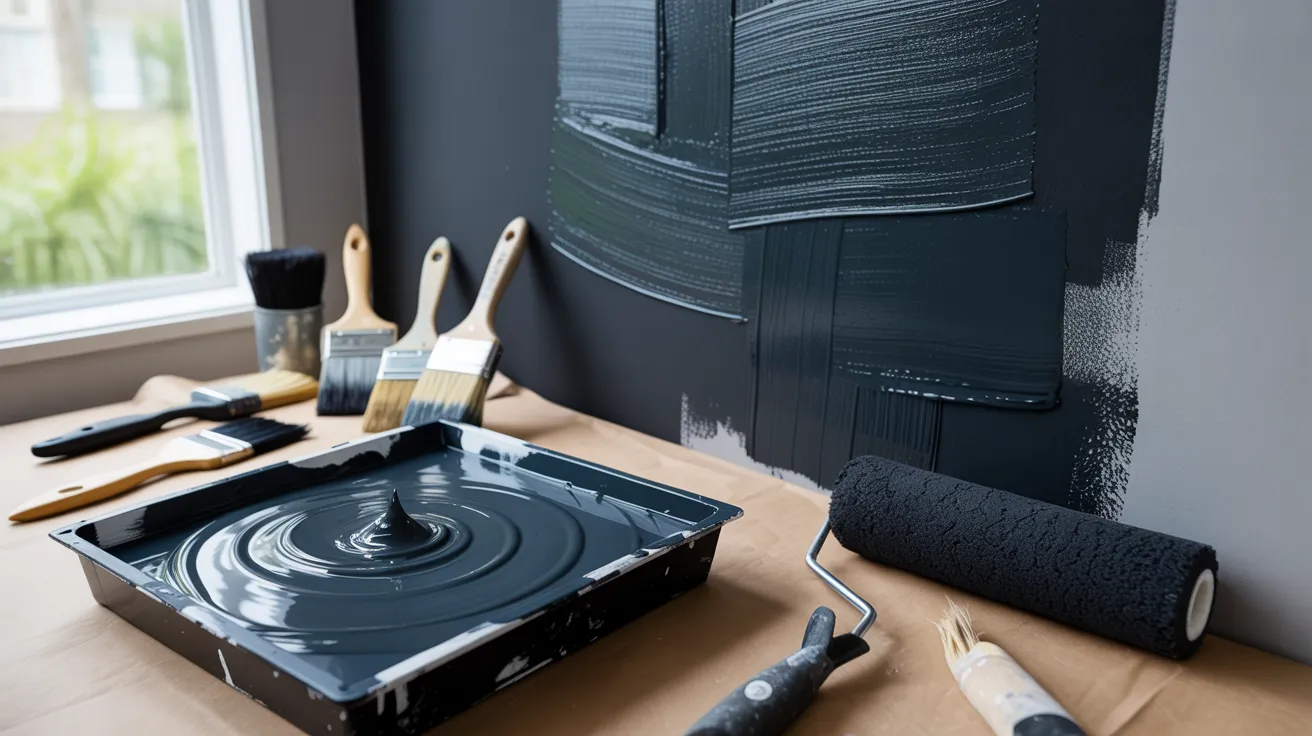
I've mixed hundreds of paint batches, and I can tell you that tube black is often the lazy option. In this guide, I'll show you exactly what colors make black paint and why mixing your own gives you far more control.
You'll learn the color theory behind it, the best combinations to use, and the common mistakes to avoid. If you paint portraits, landscapes, or abstracts, this will matter to you.
I've helped many artists move away from flat blacks toward richer, deeper tones. With over a decade of color mixing experience, I know what works. By the end, you'll mix black paint with real confidence.
Why Mixing Black Paint Gives Better Artistic Control
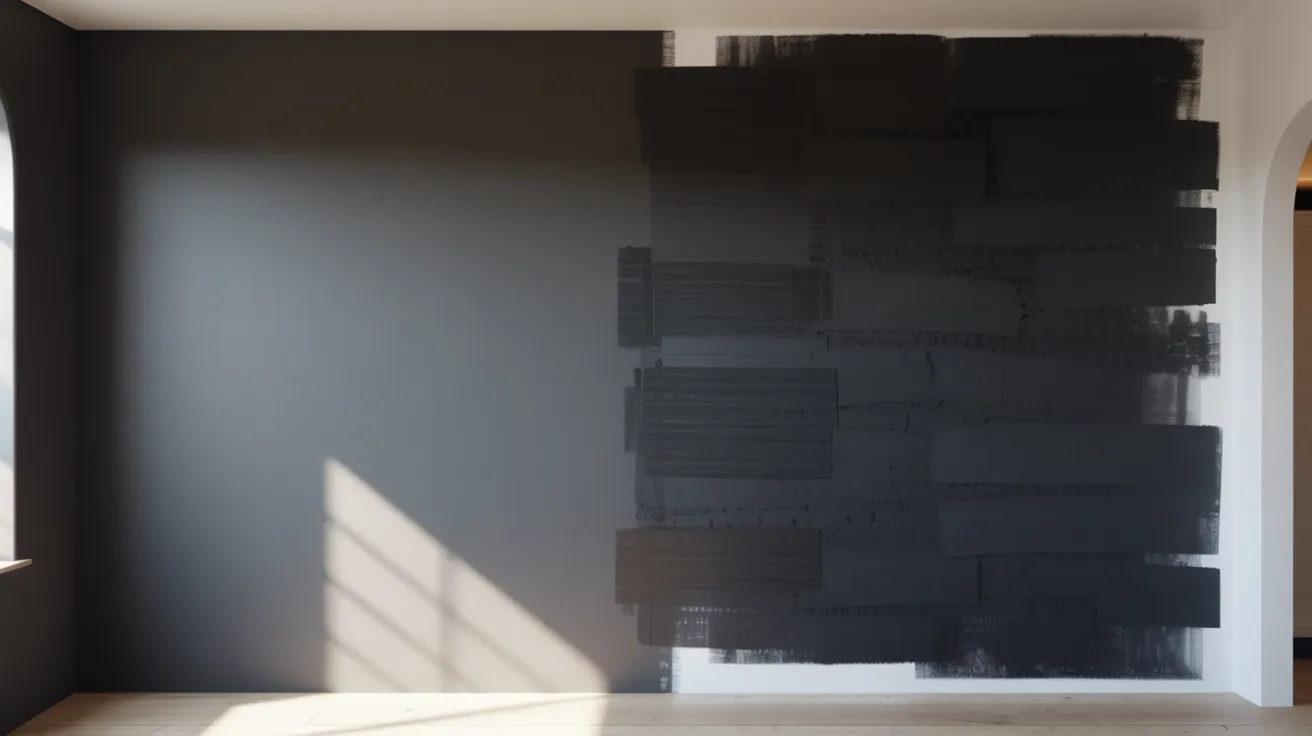
Most tube blacks look harsh and lifeless on canvas. When you mix your own black, you control the warmth, depth, and mood of the color.
A warm black works well in portraits while a cool black suits shadows and night scenes. Artists who mix black also get better color harmony.
The black connects naturally to other colors already on the palette, which makes the whole painting feel more unified. Mixing your own black means every dark tone has a purpose.
It stops looking like a shortcut and starts feeling like a real artistic choice. That shift changes how your painting comes together.
What Colors Make Black Paint in Color Theory
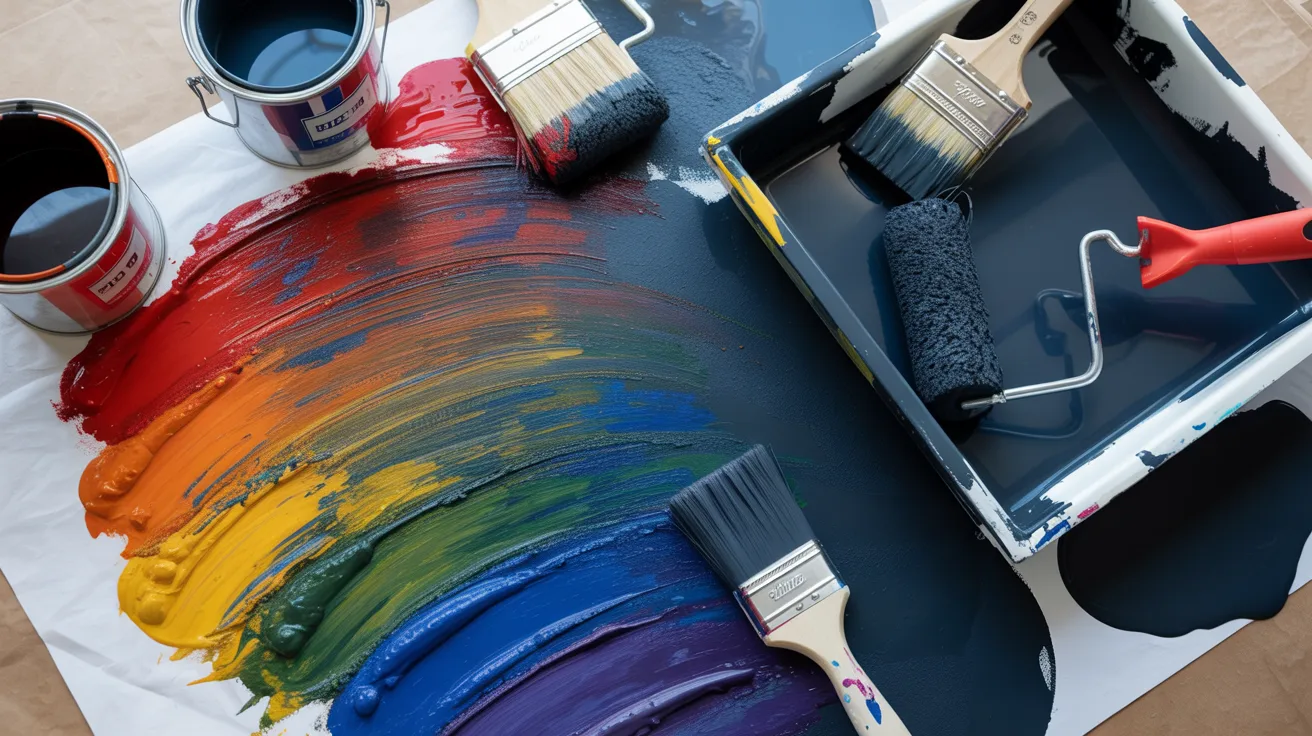
Color theory explains how opposite colors cancel each other out.
Complementary Colors Create Black
Colors that sit opposite each other on the color wheel are called complementary colors. When mixed in the right ratio, they neutralize each other and produce dark, near-black tones.
This is the foundation of mixing black from scratch. Many professional artists rely on this principle to get more natural, living darks in their work.
Primary Colors Can Also Make Black
Mixing red, blue, and yellow together creates a dark shade close to black. The key is balance.
Too much of one color pulls the mix toward brown or grey. Keep adding small amounts and testing until the tone looks truly dark and neutral.
Transparent Pigments Build Deeper Blacks
Transparent pigments layer better than opaque ones. They absorb light instead of blocking it.
This builds richer, deeper darks without the mix turning muddy or dull on the canvas. Always check the pigment label before mixing to make sure you are working with transparent paints.
Best Color Combinations to Make Black Paint
Some combinations produce richer, more versatile blacks than others.
Ultramarine Blue + Burnt Sienna
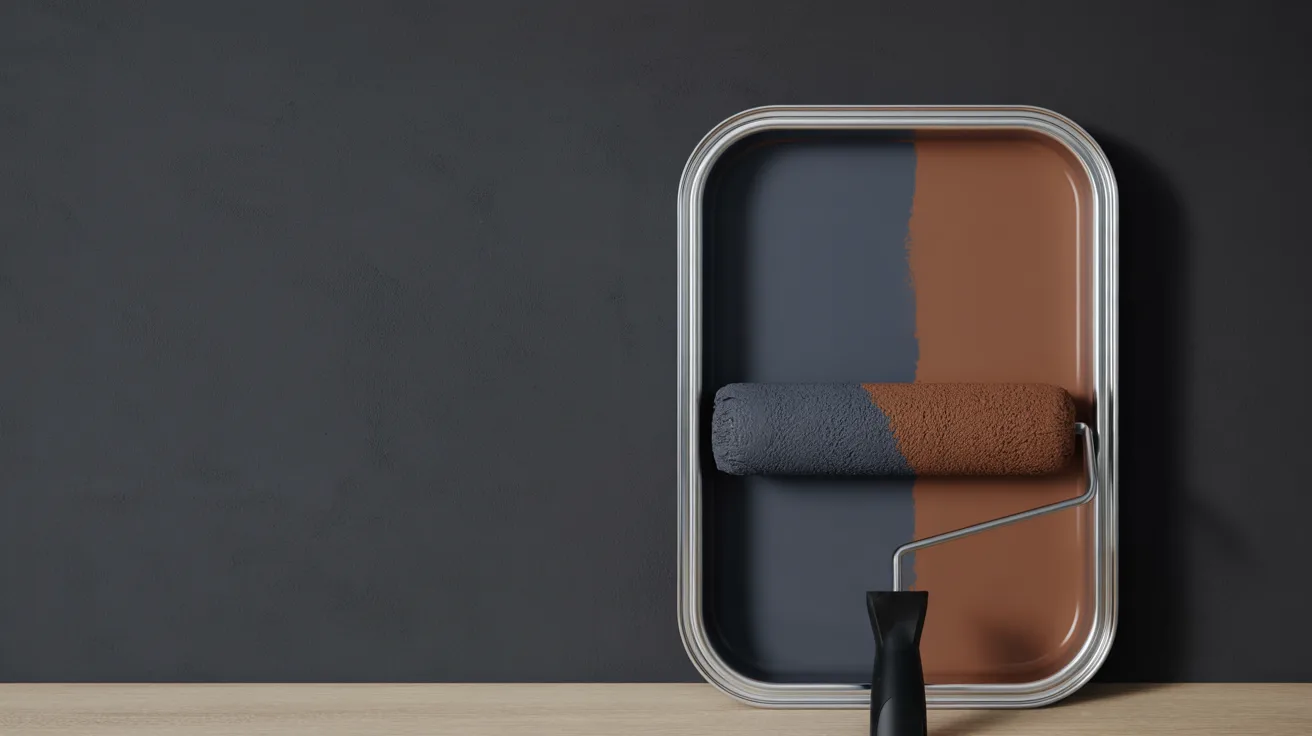
This is one of the most popular black mixes among painters. Ultramarine Blue is a warm blue, and Burnt Sienna is a warm brown-orange. Together, they make a rich, neutral black with slight warmth.
Start with more blue and slowly add Burnt Sienna. The ratio matters. Too much Sienna gives you brown. Too little gives you dark blue. Find the middle point where the mix looks truly dark and neutral.
This combo works great for portraits, shadows, and natural scenes.
Phthalo Turquoise + Naphthol Crimson
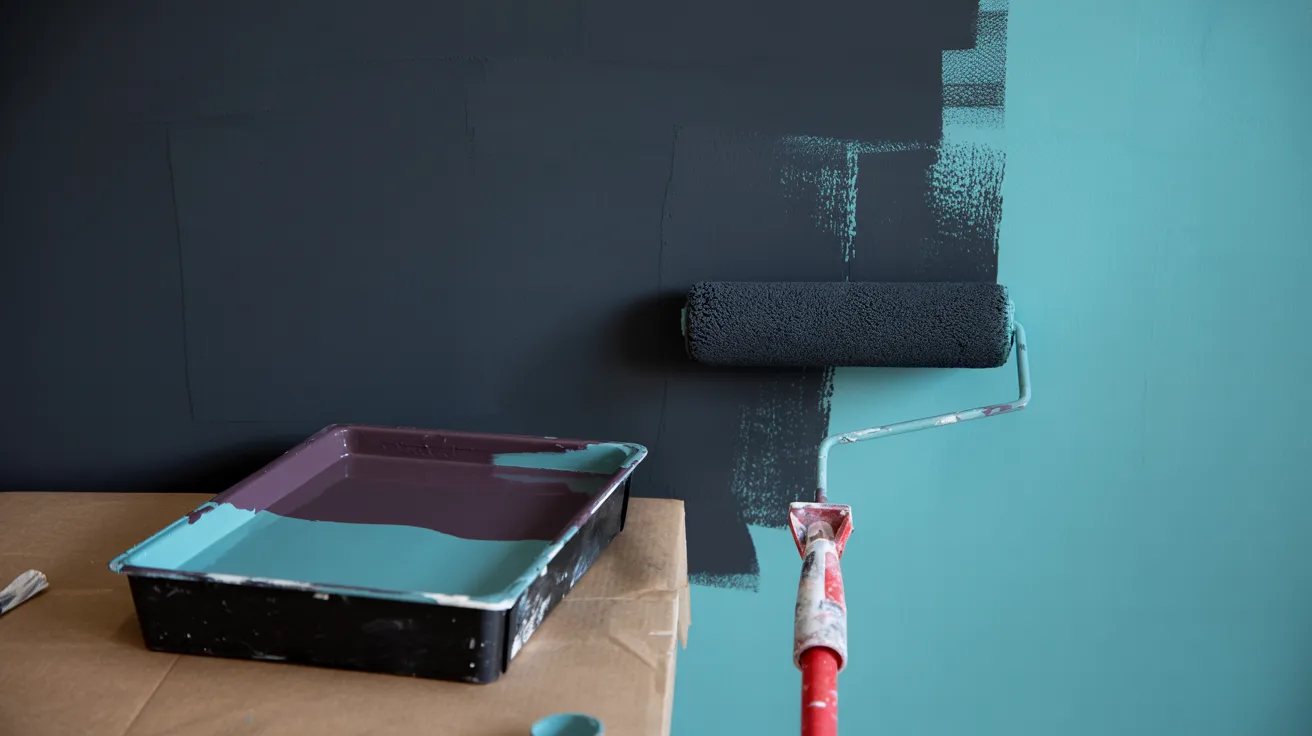
This pair creates a cooler, more intense black. Phthalo Turquoise is a strong, deep cyan. Naphthol Crimson is a vivid red. They sit opposite each other on the color wheel.
The result is a bold, dark black with a cool undertone. It works well in dramatic paintings, dark backgrounds, and abstract work.
Use small amounts at first Phthalo is a very strong pigment and can dominate the mix fast.
Alternative Black Paint Options for Artists
Not every painting needs a full black mix, sometimes softer options work better.
Payne's Grey as a Soft Black Substitute
Payne's Grey is a pre-mixed dark grey with blue undertones. It's not a true black, but many artists use it in place of black for softer, cooler shadows.
It works well in watercolor and gouache. It keeps paintings from looking too harsh. If you want depth without the heavy contrast of black, Payne's Grey is a smart choice.
Indigo and Pre-Mixed Blue-Blacks
Indigo is a deep blue-purple that reads almost black in some lights. Artists use it for night skies, water reflections, and moody atmospheric effects.
Pre-mixed blue-blacks from paint brands also fall here. They give you cool, dark tones without the need for much mixing. Good for loose, expressive work where precise mixing takes time.
How Warm and Cool Colors Affect Black Paint
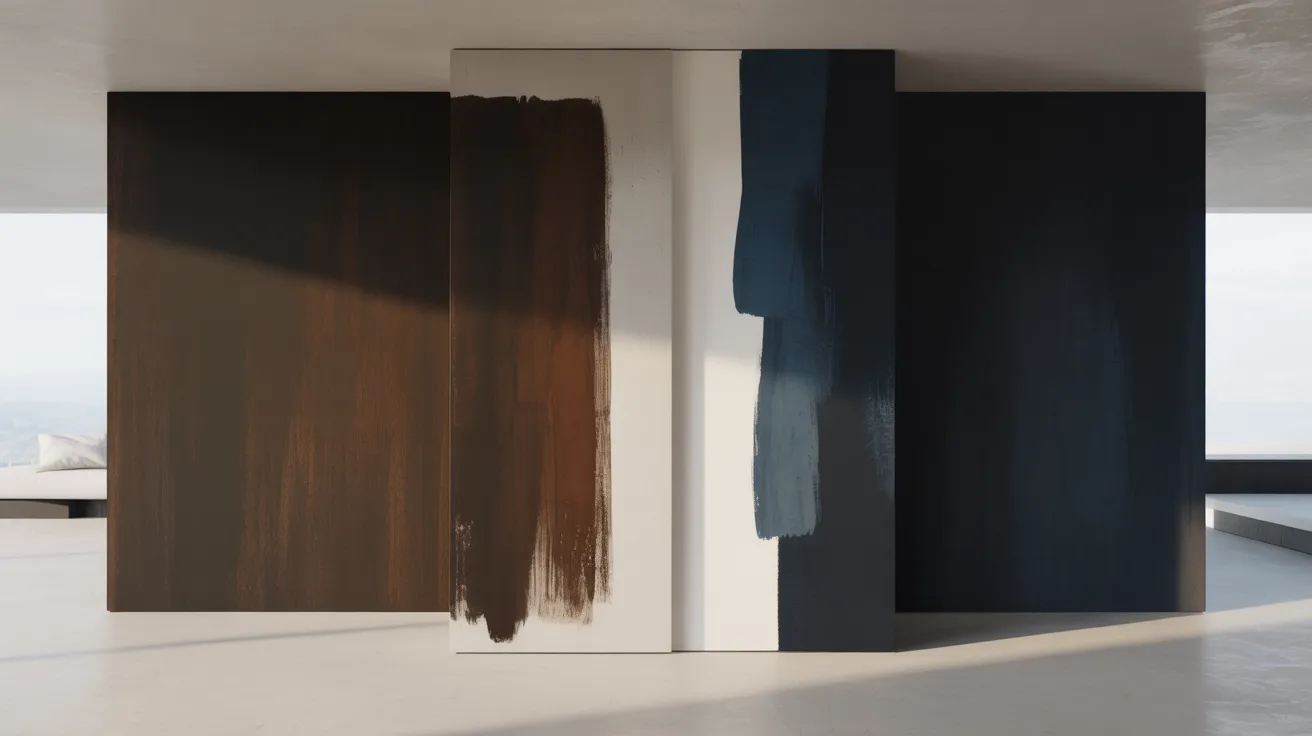
The undertone of your black changes how it reads in the full painting. A warm black has red or brown tones in it.
It looks natural next to skin tones, wood, and earthy colors. Use warm blacks in portraits and realistic still-life work.
A cool black has blue or green tones. It feels sharp and modern. It works in seascapes, abstract art, and high-contrast compositions.
Always match the warmth of your black to the rest of your palette. A warm painting with a cool black shadow will look disconnected. A cool painting with a warm black will feel off too.
Common Mistakes When Mixing Black Paint
Small mixing errors can make your blacks look grey, brown, or flat.
Using Opaque or White-Heavy Pigments
Opaque pigments block light instead of absorbing it. This makes the mix look chalky or dull. Avoid paints with white added, they reduce the depth of any dark mix.
Use transparent or semi-transparent pigments instead. They layer better and build richer darks.
Incorrect Color Ratios
This is the most common mistake. Adding too much red turns the mix brown. Too much blue turns it into a dark navy. The ratio has to be balanced.
Mix slowly. Add small amounts at a time. Test the shade on a scrap piece of paper before applying it to your canvas. Getting the ratio right takes a few tries, but it's worth it.
Tips for Mixing Rich and Deep Black Paint
Small habits in your mixing process make a big difference in the final result.
- Use transparent pigments for stronger blacks. Transparent pigments absorb light instead of blocking it, giving your black mix more depth and richness.
- Mix complementary colors gradually, not all at once. Adding small amounts at a time keeps the balance right and gives you better control over the final tone.
- Test shades on scrap paper before applying to canvas. Colors shift when dry, so always test your mix first to avoid mistakes on the actual painting.
- Adjust warmth or coolness based on your painting style. A warm black suits portraits while a cool black works better for dramatic or abstract artwork.
- Keep ratios balanced to avoid brown or grey results. Too much of one color throws the mix off, so add each pigment slowly and adjust as you go.
Conclusion
Now you know exactly what colors make black paint and how to use them well. Mixing your own black is one of those small shifts that changes how you paint entirely.
I remember the first time I ditched the tube black the depth in my shadows was just different. It felt more real. Try one combination this week and see what happens.
If this helped you, leave a comment below or share it with a fellow artist. There's always more to learn, and we grow faster together.
Frequently Asked Questions
What two colors make black paint?
Ultramarine Blue and Burnt Sienna mixed in the right ratio make a rich black. The blue should be slightly more than the sienna for a neutral result.
Can you make black paint with primary colors?
Yes. Mixing red, blue, and yellow together creates a very dark shade close to black. Balance is key too much of one color shifts it toward brown or grey.
Why does my black paint look brown?
Too much warm pigment, like red or sienna, pulls the mix toward brown. Try adding more blue slowly until the mix darkens into a neutral black.
Is Payne's Grey the same as black?
No. Payne's Grey is a dark blue-grey, not a true black. It works as a soft substitute in paintings where full black contrast is too strong.
What is the best black paint mix for portraits?
Ultramarine Blue and Burnt Sienna work best for portraits. The warm undertones match skin tones and natural shadows without looking too harsh on the canvas.