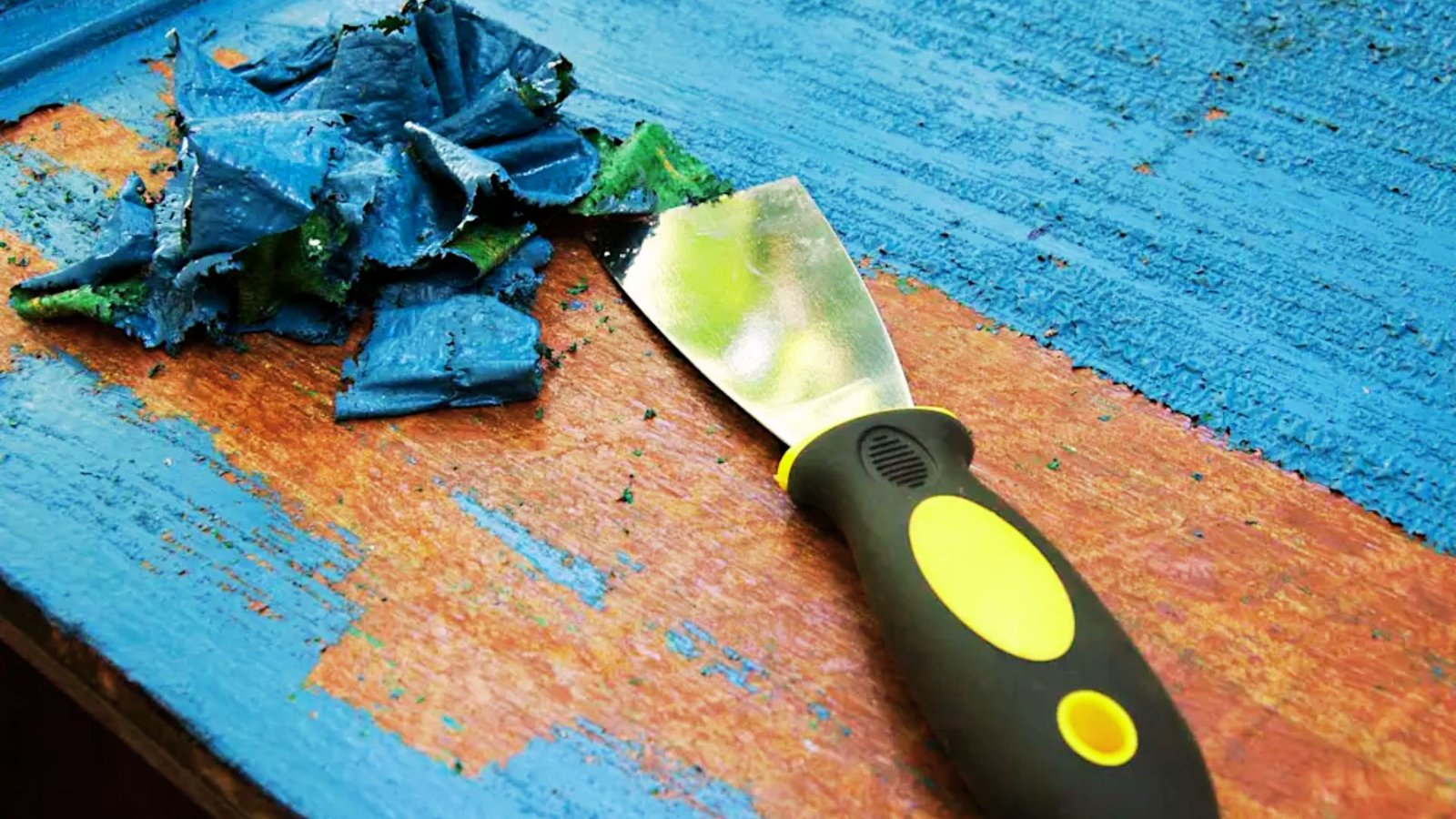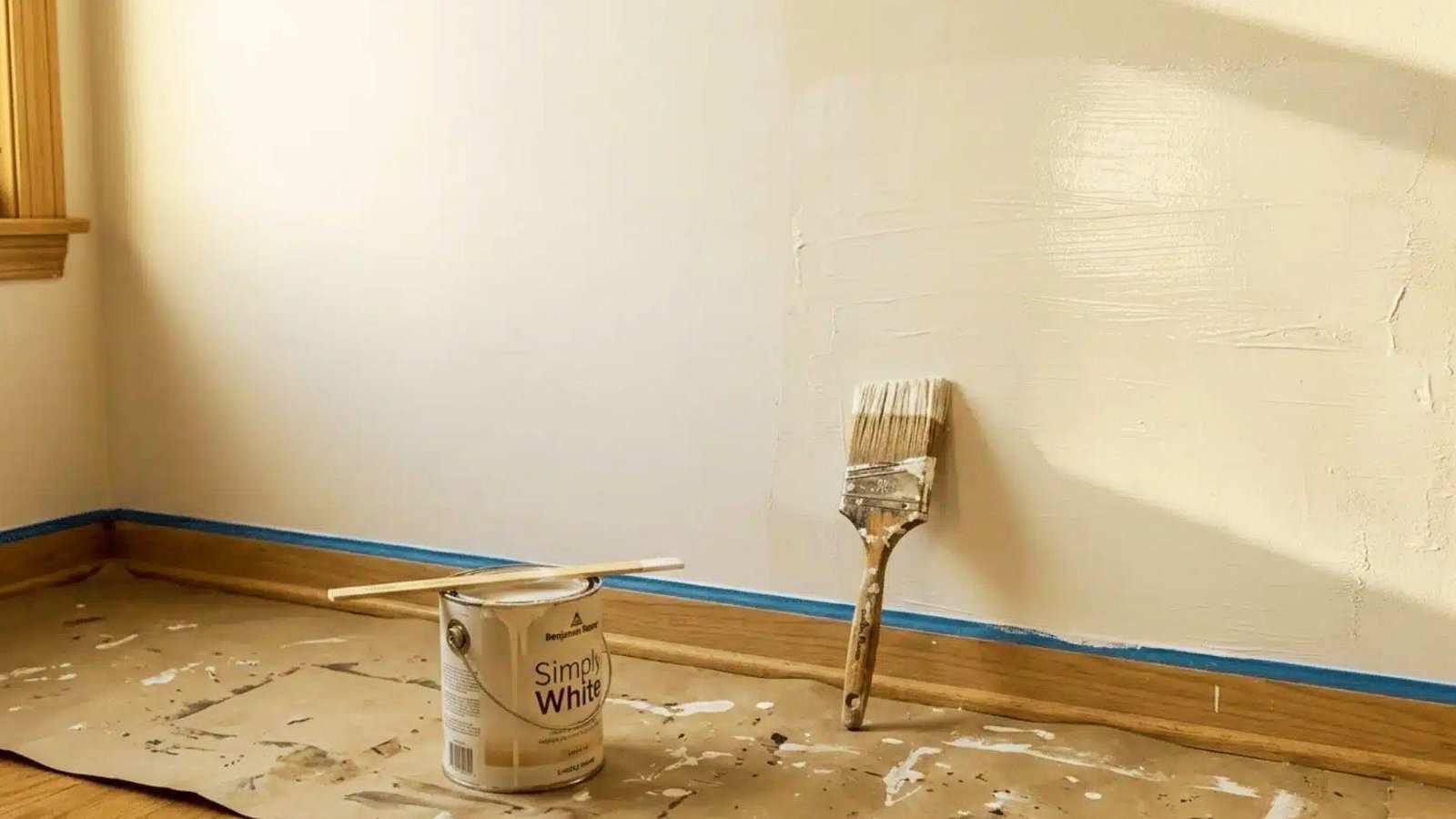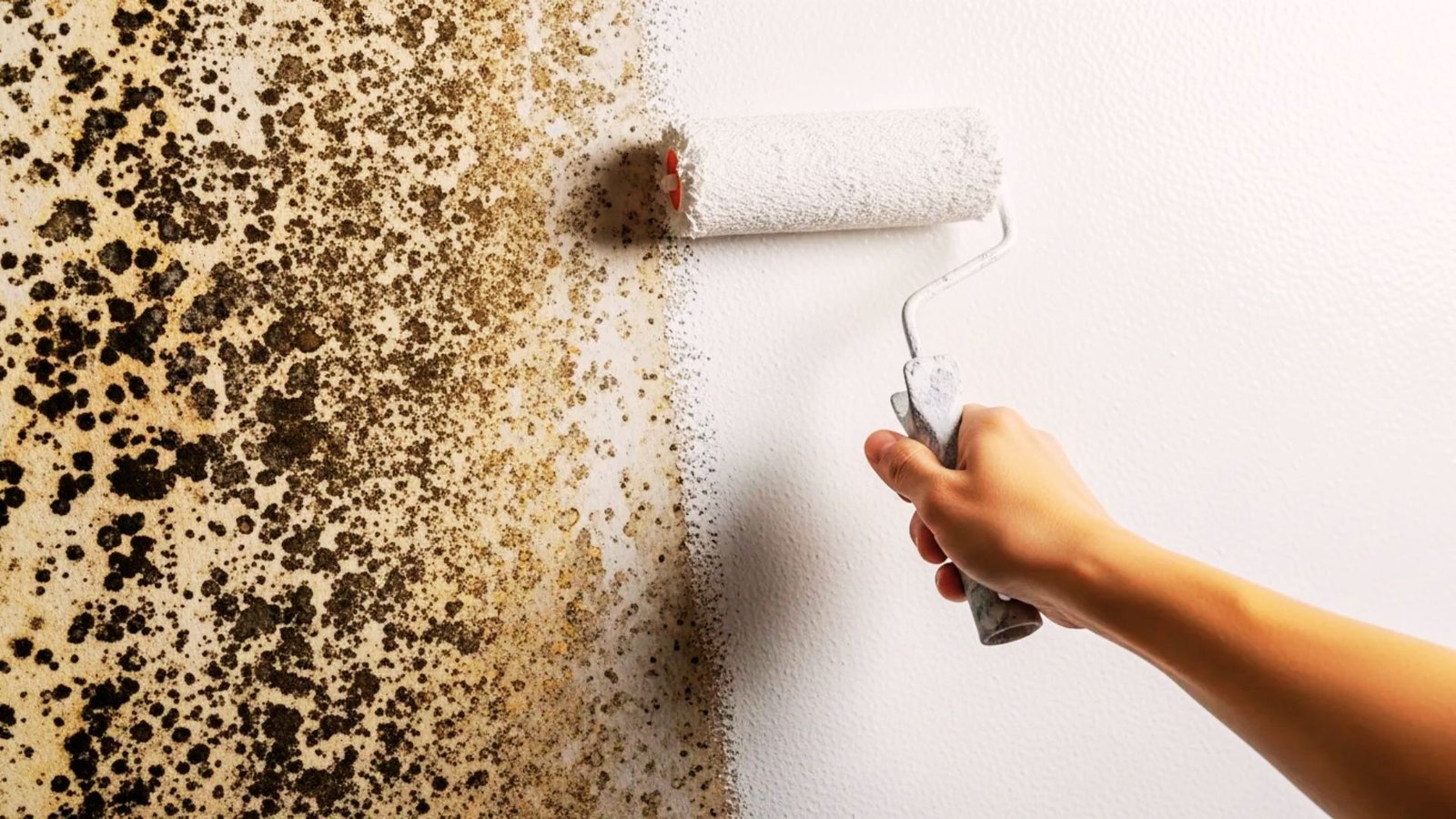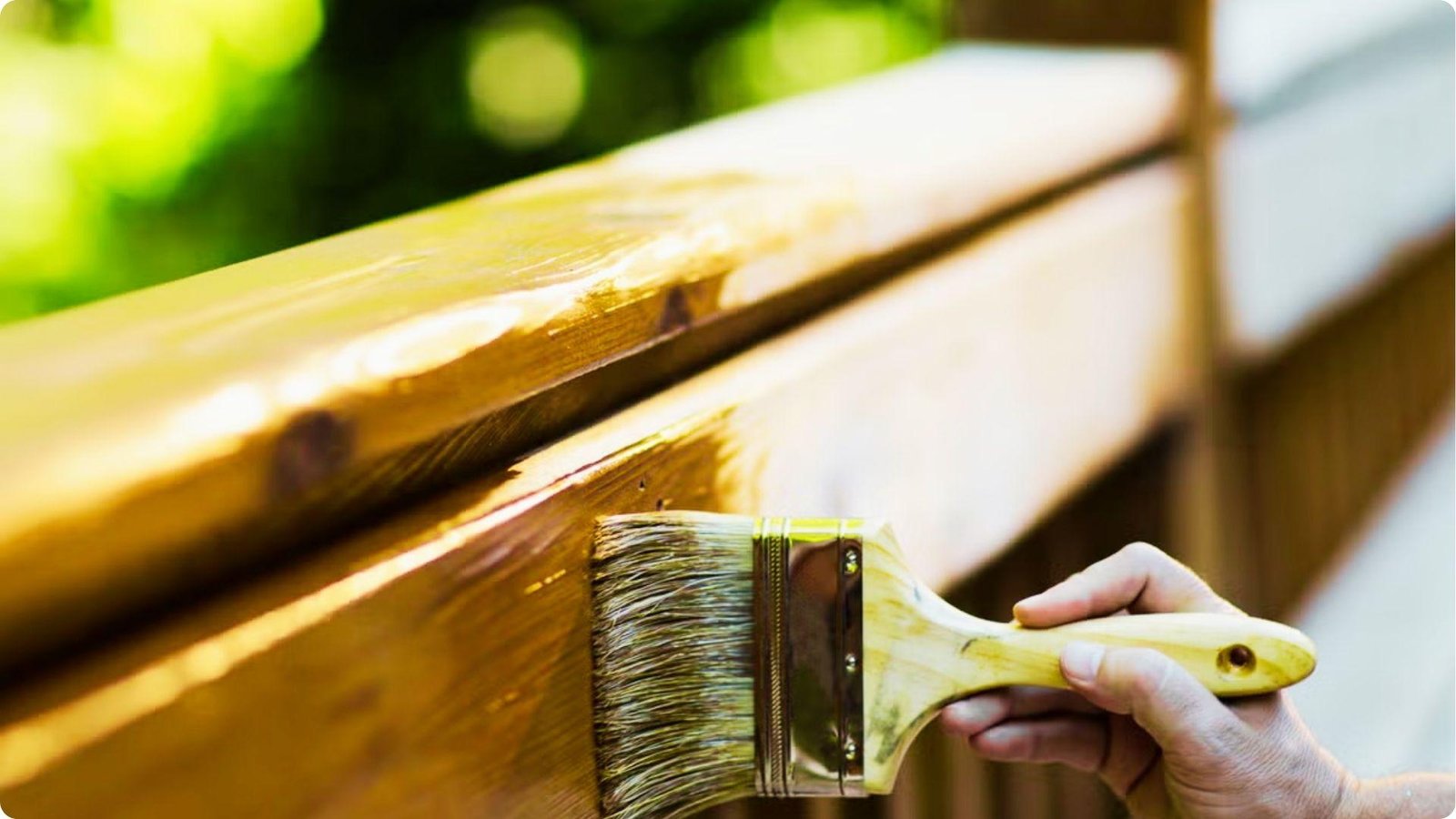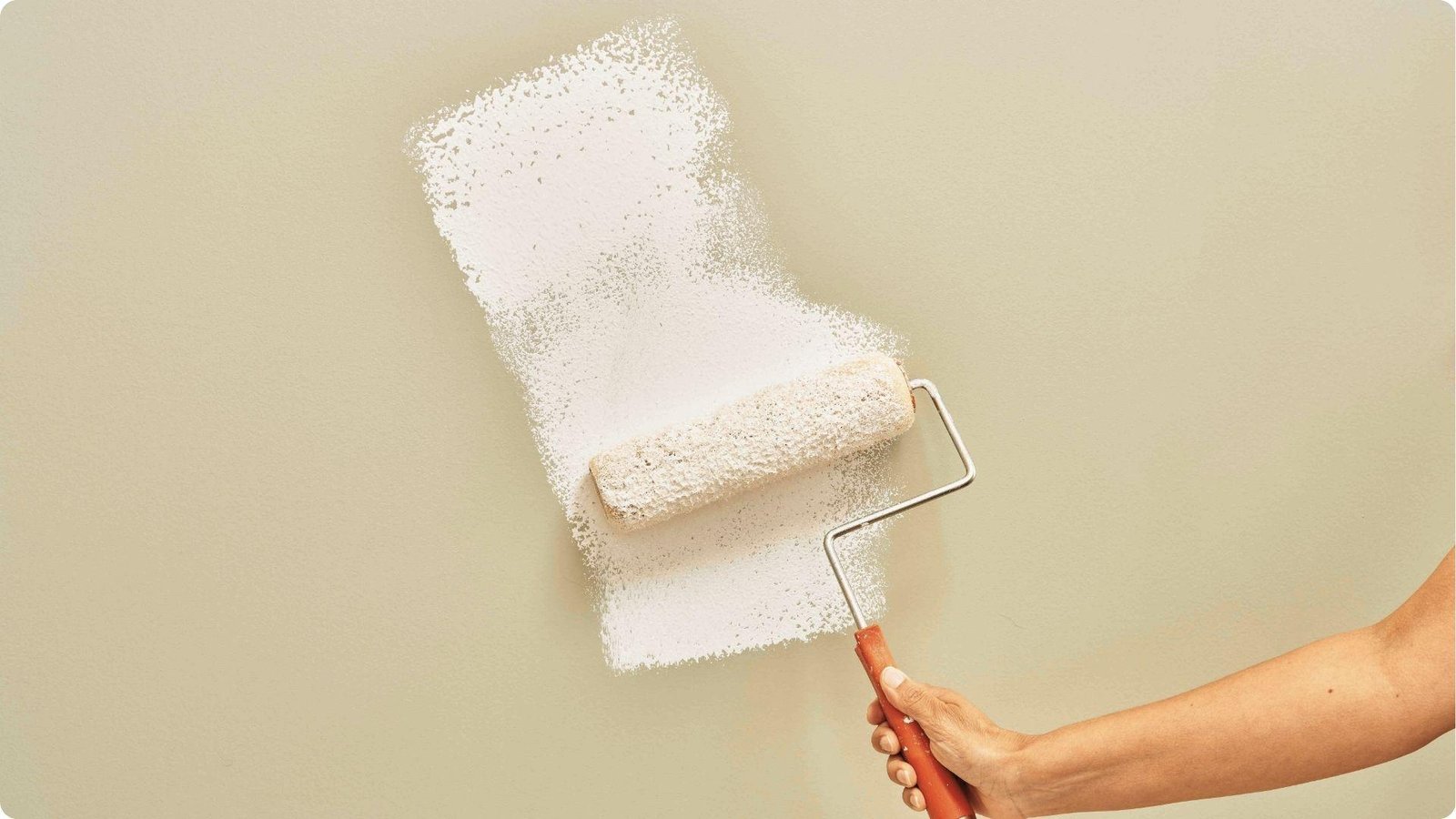
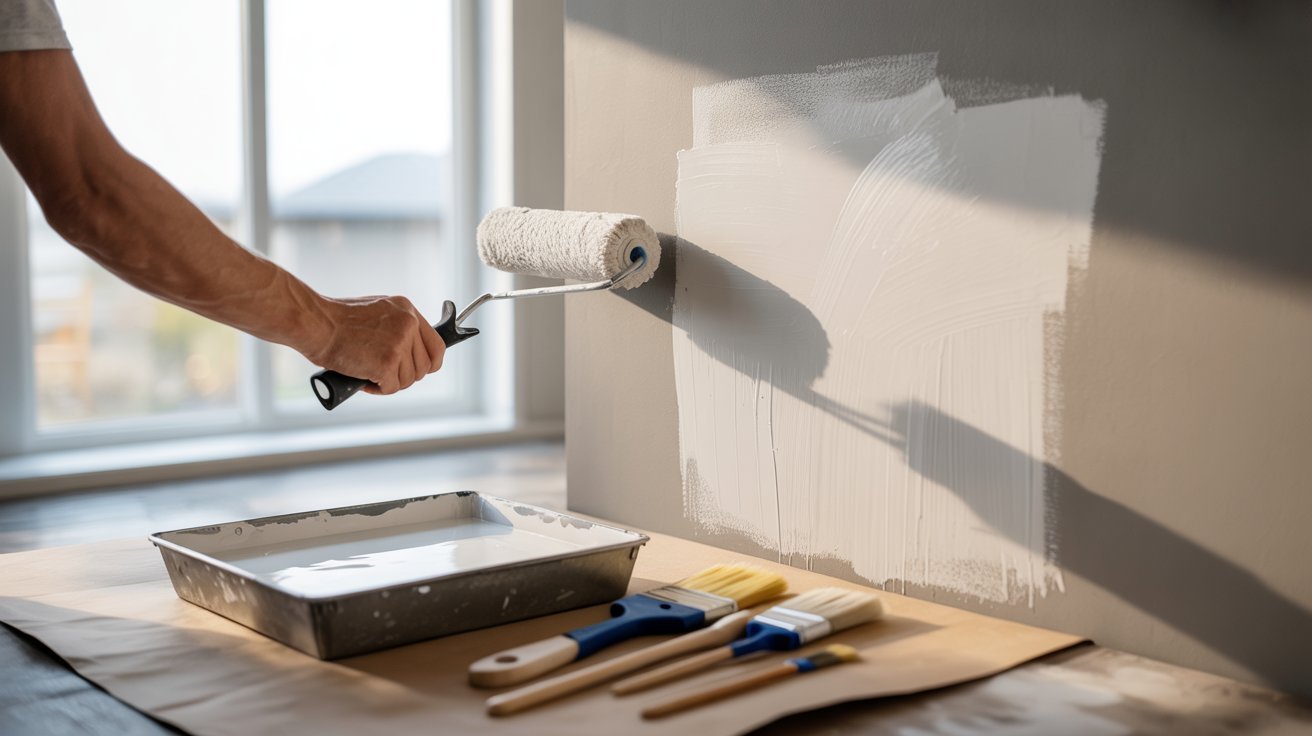
I once rushed a paint job and the finish peeled within a week. That mistake taught me that how long after a primer can you paint is not something to guess.
The short answer is 1 to 24 hours, but the real answer depends on your primer type, surface, and conditions.
In this blog, I'll walk you through drying vs. curing times, how surfaces like wood, drywall, and metal affect your wait, and what factors speed up or slow down primer readiness.
I'll also show you simple tests to know when primer is truly ready. With hands-on painting experience, I'll help you get a clean, long-lasting finish the right way.
Primer Basics Every Painter Should Know
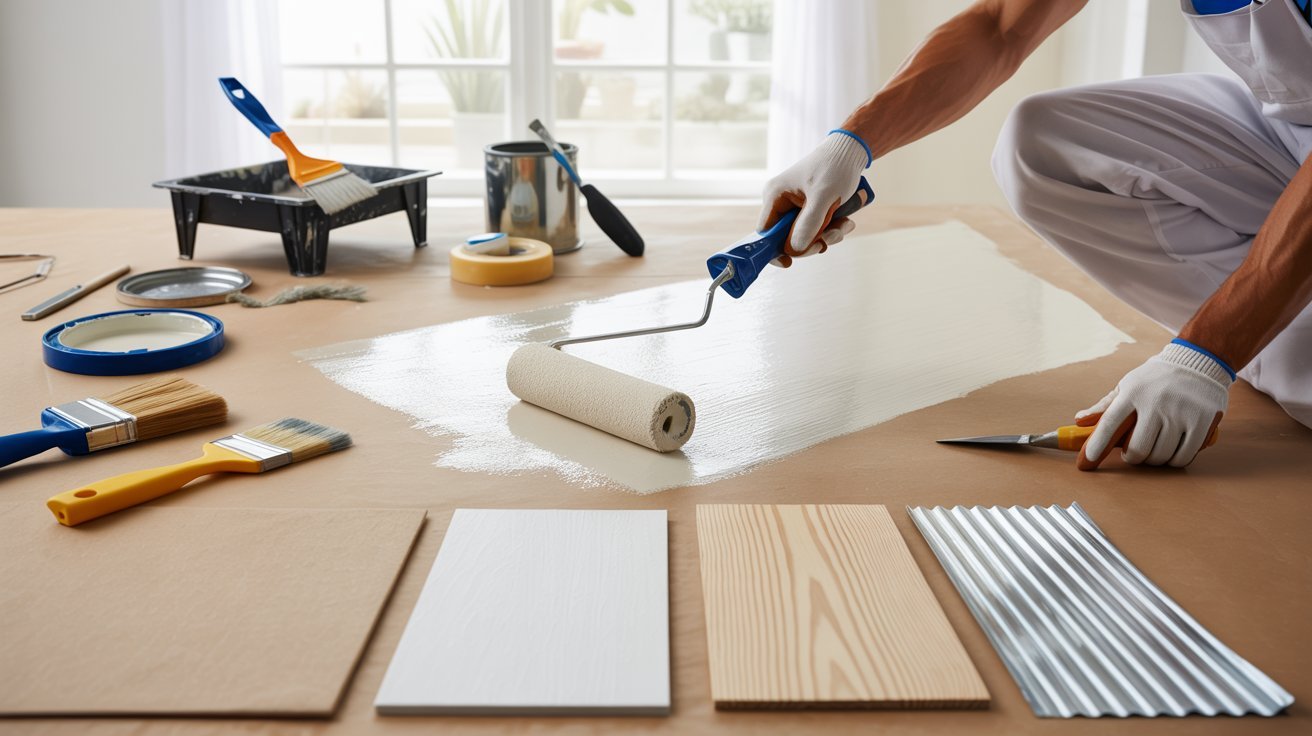
Primer does more than just prep a surface. It seals, protects, and gives your paint a solid base to grip.
Without primer, paint can peel, fade, or look patchy after just a few months. Primer also hides stains and smooths out small surface flaws.
But here's what many people miss, dry time and cure time are not the same. Primer may feel dry in an hour, yet still need up to 24 hours to fully harden inside.
Painting too soon means the layers won't bond well, which leads to cracking or peeling. A good primer job means fewer paint coats and a finish that actually lasts.
How Long After Primer Can You Paint? Complete Drying Time Guide
Drying times vary by primer type, so knowing your product is the first step to a smooth finish.
Water-Based Primer Drying Time
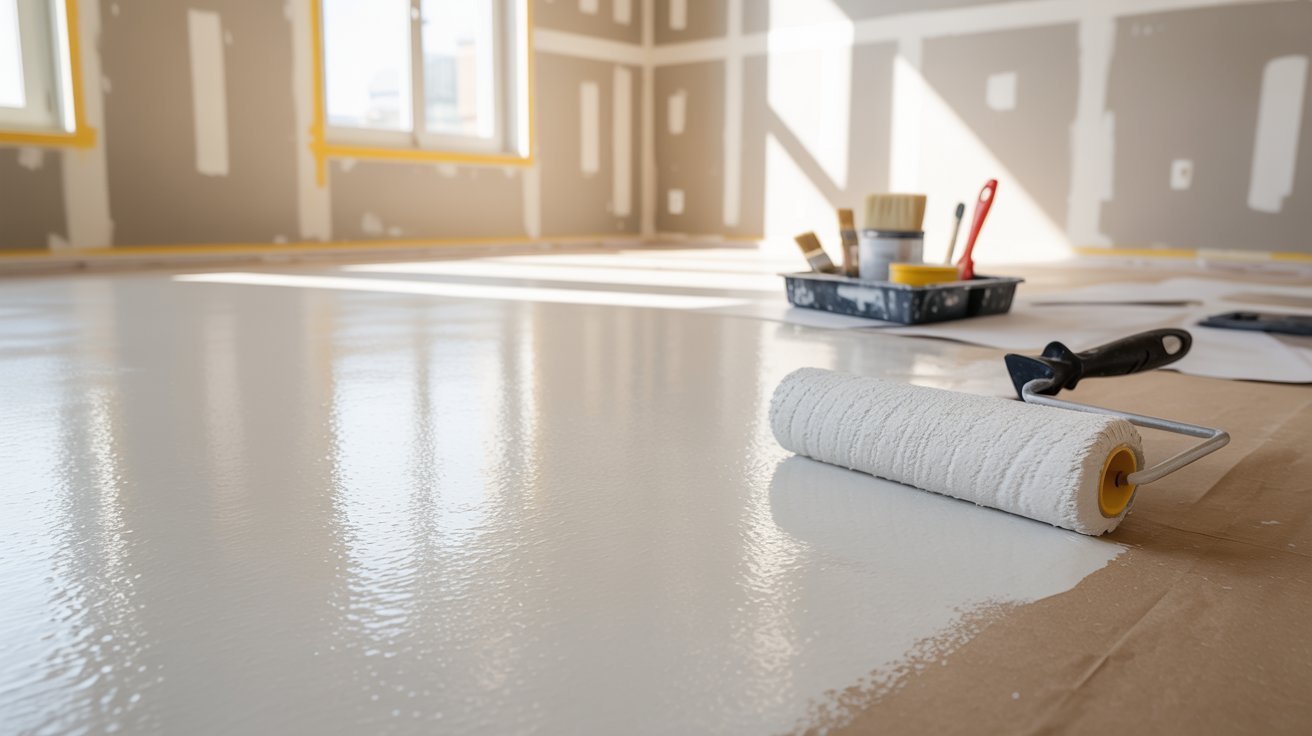
Water-based (latex) primer dries to the touch in about 30 minutes to 1 hour. You can usually paint over it in 1 to 2 hours.
It dries faster in warm, dry conditions and slower in cold or humid environments.
Oil-Based Primer Drying Time
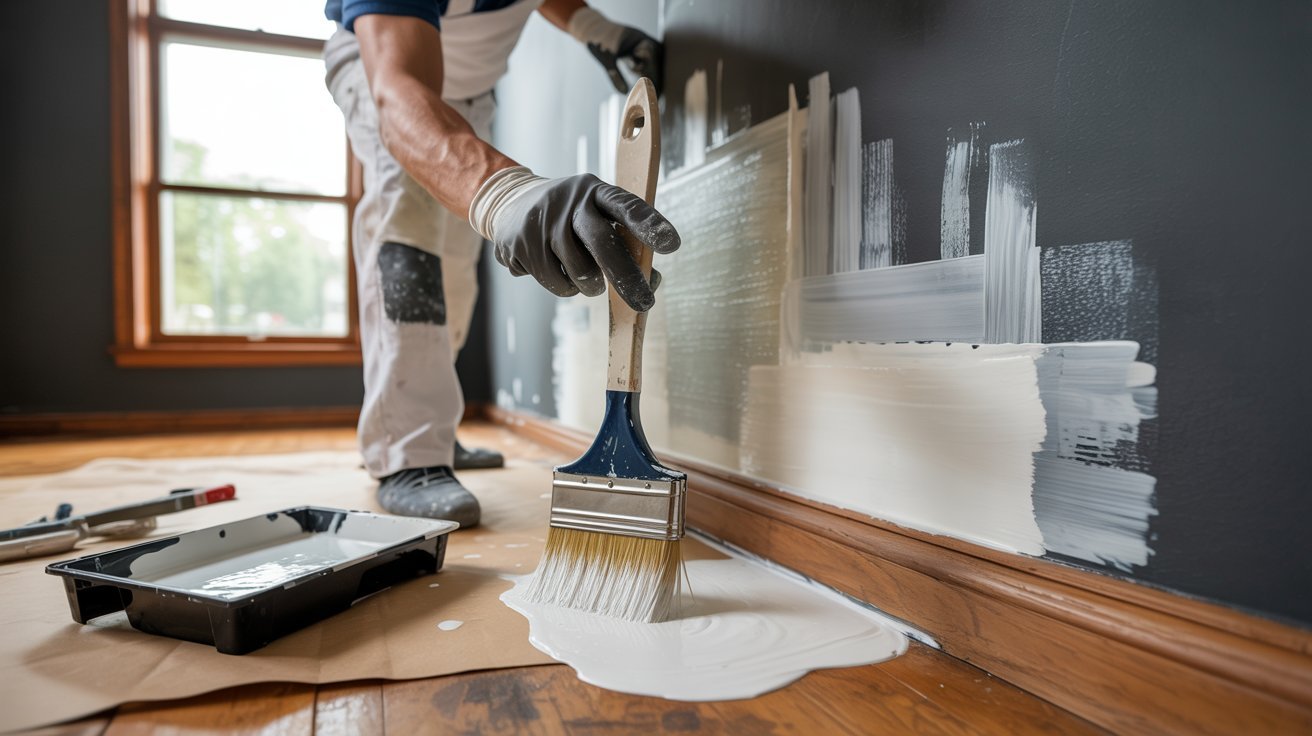
Oil-based primer takes longer. It dries to the touch in about 4 to 6 hours. For best results, wait 24 hours before applying paint. Rushing this step often causes adhesion issues.
Shellac-Based Primer Drying Time
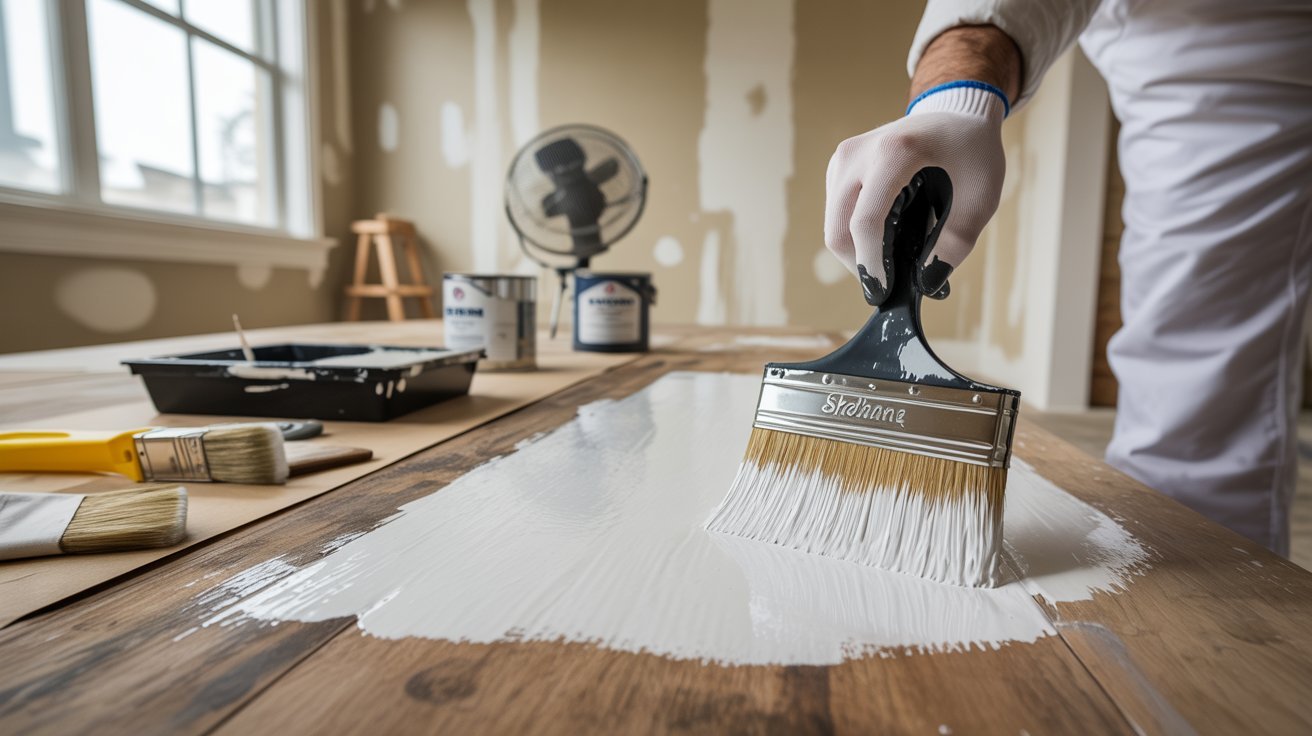
Shellac-based primer is one of the fastest drying options. It can be ready for painting in as little as 45 minutes to 1 hour. It works well on stains and odors but requires good ventilation.
Epoxy Primer Drying Time
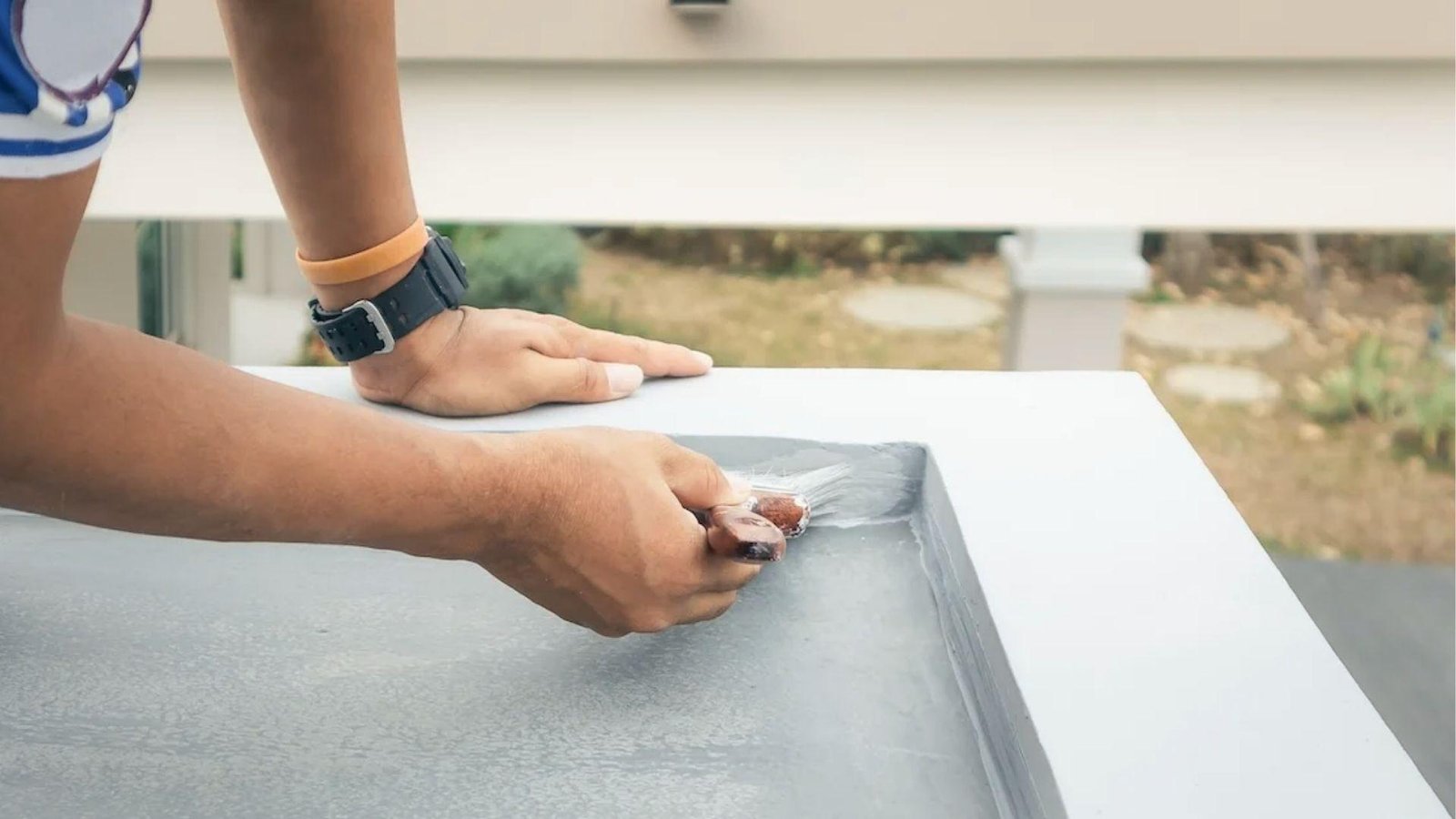
Epoxy primer is common for metal surfaces. It usually dries in 1 to 2 hours but may need up to 24 hours for full cure before topcoat application. Always follow the product instructions closely.
How Long After Primer Can You Paint on Different Surfaces?
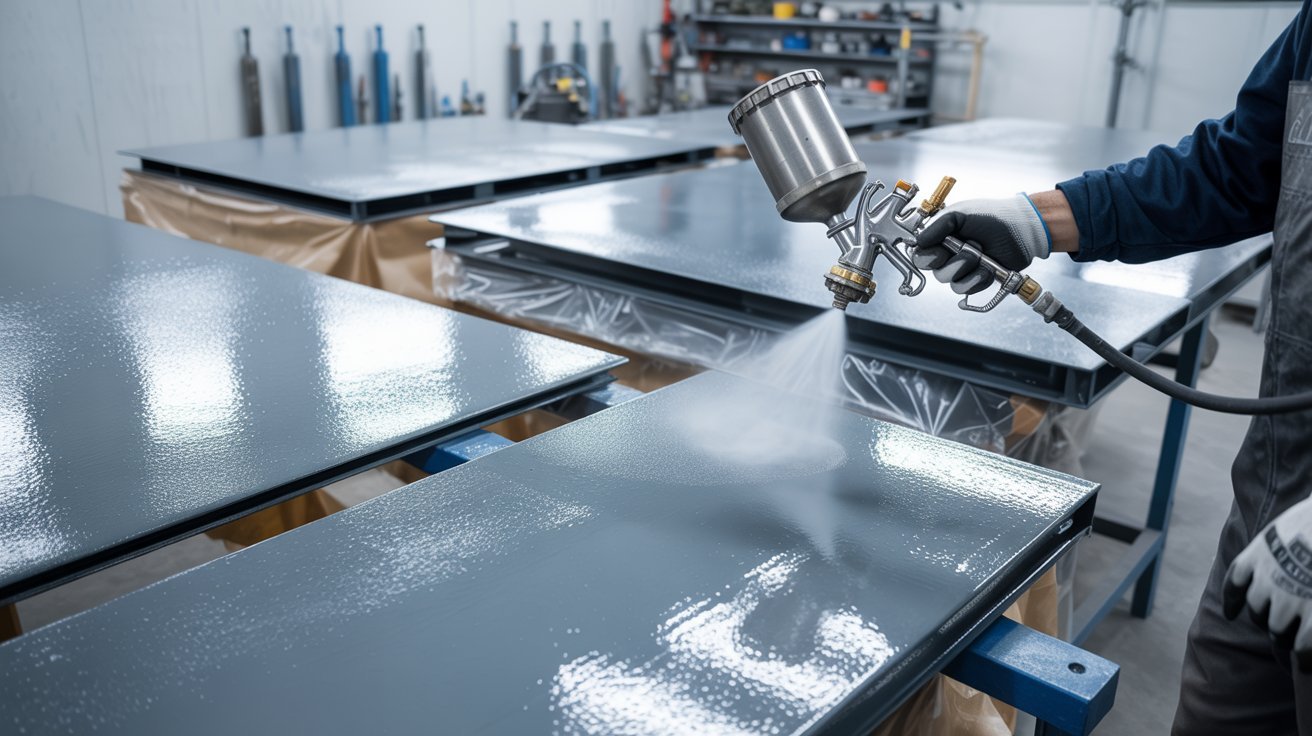
Different surfaces absorb primer differently, and that directly changes how long you should wait.
Wood Surfaces
Wood is porous and absorbs primer deeply. Wait at least 2 to 4 hours for water-based primer. For oil-based, wait 24 hours. Hardwoods may need less time than softwoods.
Drywall and Interior Walls
Drywall soaks up primer fast. Water-based primer on drywall is usually ready in 1 to 2 hours. Make sure the surface feels completely dry and even before painting.
Metal Surfaces
Metal doesn't absorb primer like wood does. The primer sits on top, so drying depends on the product used. For most metal primers, wait 2 to 4 hours. For epoxy-based options, wait up to 24 hours.
Concrete and Masonry
These surfaces are thick and dense. Primer can take 2 to 8 hours to dry properly. High humidity or low temperatures can extend this time significantly.
Plastic and PVC Surfaces
Plastic needs special adhesion primers. These typically dry within 30 minutes to 1 hour. Even so, a light touch-test before painting is always a good idea.
Factors That Affect How Long After Primer You Can Paint
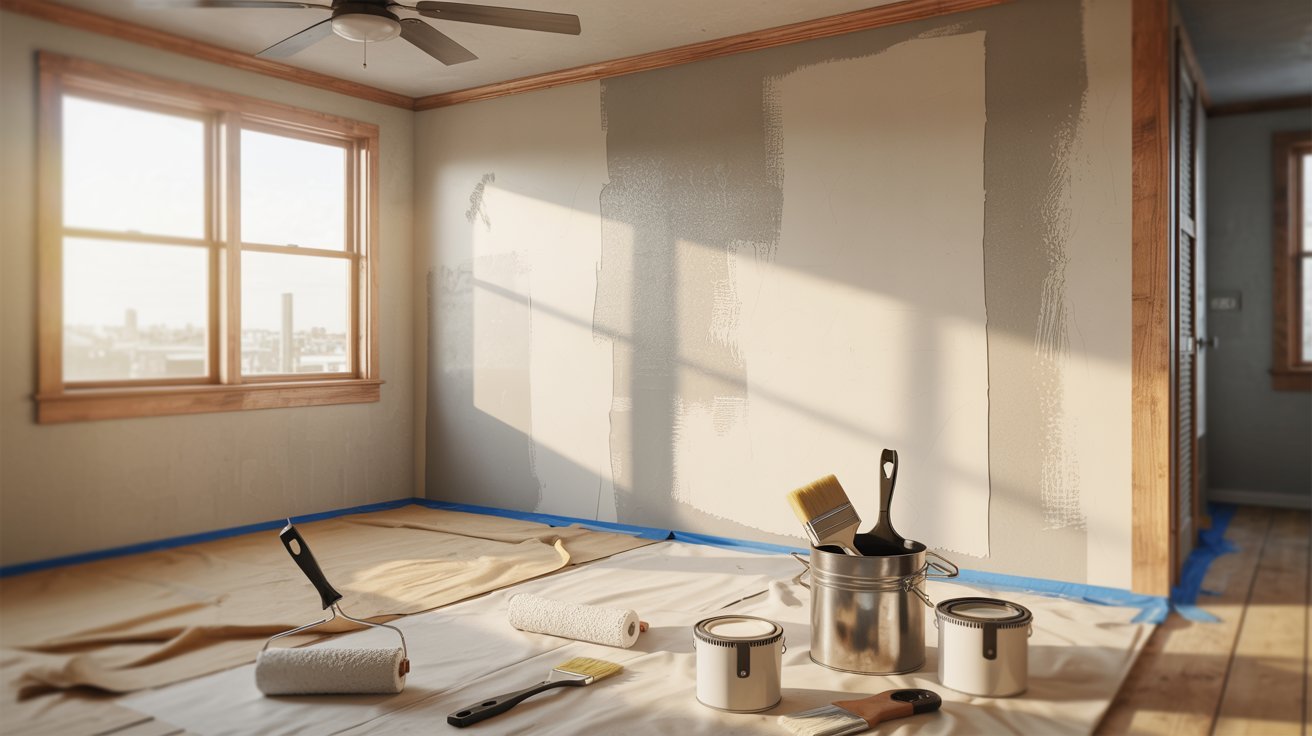
Several outside conditions can change your drying time, even when using the same product.
Temperature and Weather Conditions
Primer dries best between 50°F and 85°F (10°C to 30°C). Cold temperatures slow drying significantly. Avoid priming on days below 50°F or above 90°F.
Humidity Levels
High humidity slows evaporation, which means the primer stays wet longer. Aim for humidity below 50% for best drying results. On very humid days, drying time can double.
Surface Porosity
Porous surfaces like raw wood or unfinished drywall absorb primer faster, which can speed up drying. Smooth or sealed surfaces may take longer since the primer has nowhere to soak in.
Ventilation and Airflow
Good airflow speeds up drying. Open windows, use fans, or run an HVAC system. Poor ventilation traps moisture and slows the process considerably.
Number and Thickness of Primer Coats
Thick coats take longer to dry. Two thin coats dry faster and perform better than one heavy coat. Always let each coat dry fully before applying the next.
Common Mistakes to Avoid When Painting After Primer
Small missteps during this stage can ruin an otherwise good paint job.
- Painting too early traps moisture under the surface and leads to peeling and poor adhesion. Always wait the full recommended time.
- Waiting too long (over 30 days) makes the primer too smooth or chalky. Paint within a week for the best bond.
- Wrong primer type causes adhesion failures. Match your primer to your paint, especially when mixing oil-based and water-based products.
- Thick primer coats crack, sag, and take far longer to dry. Apply thin, even coats every time.
- Skipping the label is an easy mistake. Manufacturer instructions exist for a reason, so read and follow them closely.
How to Know When Primer Is Ready for Paint
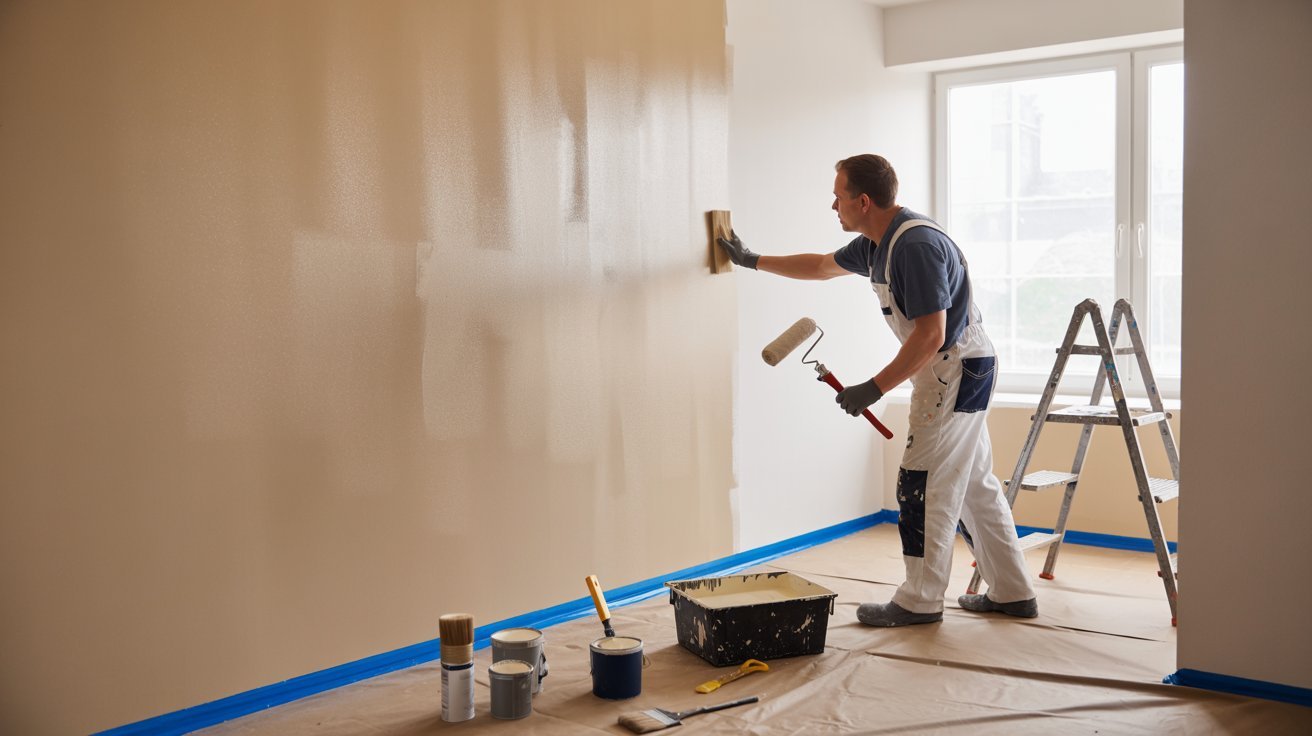
Never guess, use these simple tests to make sure your primer is truly ready.
The Touch Test
Lightly press your fingertip on a primed area. If nothing sticks to your finger and the surface feels firm, it's likely dry enough to paint.
The Scratch Test
Run a fingernail gently across the surface. If the primer scratches off easily, it needs more time. If it holds firm, you're good to go.
The Tape Test
Press a piece of painter's tape onto the primed surface and pull it off. If the primer comes off with the tape, it's not ready. If the surface stays intact, it has dried well.
Signs the Primer Needs More Drying Time
The surface feels tacky or soft. There are visible wet spots or uneven sheen. The primer has a strong smell that hasn't faded. These are all signs to wait longer.
Expert Tips to Speed Up Primer Drying Safely
If you need faster results, these tips help primer dry quicker without cutting corners.
- Open windows, doors, or run a fan to keep air moving across the primed surface.
- Use a dehumidifier and avoid priming on rainy or very humid days.
- Keep the room between 65°F and 75°F to avoid cold spaces or direct sunlight.
- Apply thin, even coats and let each layer dry fully before adding the next.
- Choose a fast-drying or shellac-based primer when you are working on a tight schedule.
Conclusion
I know how tempting it is to skip ahead and just paint. I've done it myself and regretted it every time.
But now that you know exactly how long after the primer can you paint, you can make smarter choices and get better results.
Follow the drying times, test the surface, and be patient. It really does pay off. If this helped you, leave a comment below and share your own experience.
Got a painting project coming up? Share this post with someone who needs it.
Frequently Asked Questions
How long after primer can you paint?
It depends on the primer type. Water-based primers are ready in 1 to 2 hours, while oil-based primers need at least 24 hours before painting.
Can you paint immediately after the primer dries?
Not always. The surface may feel dry, but it needs more time to cure fully. Painting too soon can lead to peeling or poor adhesion.
What happens if you paint before the primer is fully dry?
The paint and primer won't bond properly. This causes bubbling, peeling, or uneven color, and the finish won't last as long as it should.
Does humidity affect primer drying time?
Yes, high humidity slows down evaporation, which makes primer take much longer to dry. Aim for humidity below 50% when priming for best results.
Can you leave primer overnight before painting?
Yes, leaving primer overnight is usually fine. Just make sure to paint within 7 to 30 days, as waiting too long can affect how well the paint sticks.