Want to give your walls a fresh look without spending too much? Faux finishes might be the answer.
In this article, you will learn about different types of faux finishes that can make any room look more interesting.
We will cover what faux finishes are, how to choose the right one, the best rooms for each style, and color ideas to get you started.
With over a decade of hands-on experience in interior wall techniques, we know what works and what does not.
No confusing terms. No guesswork. Just clear, simple advice to help you pick what works best for your space.
What Are Faux Finishes?
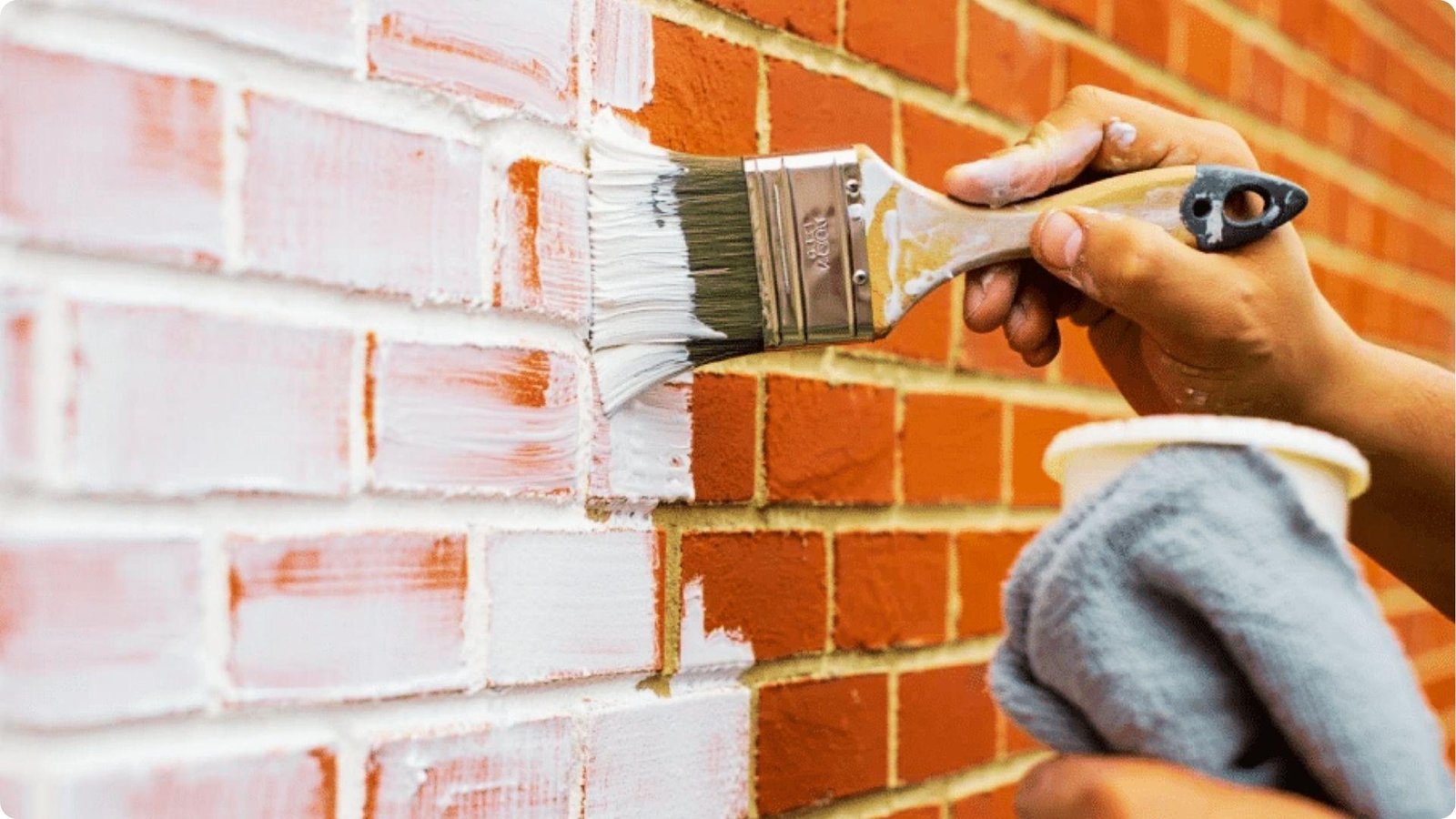
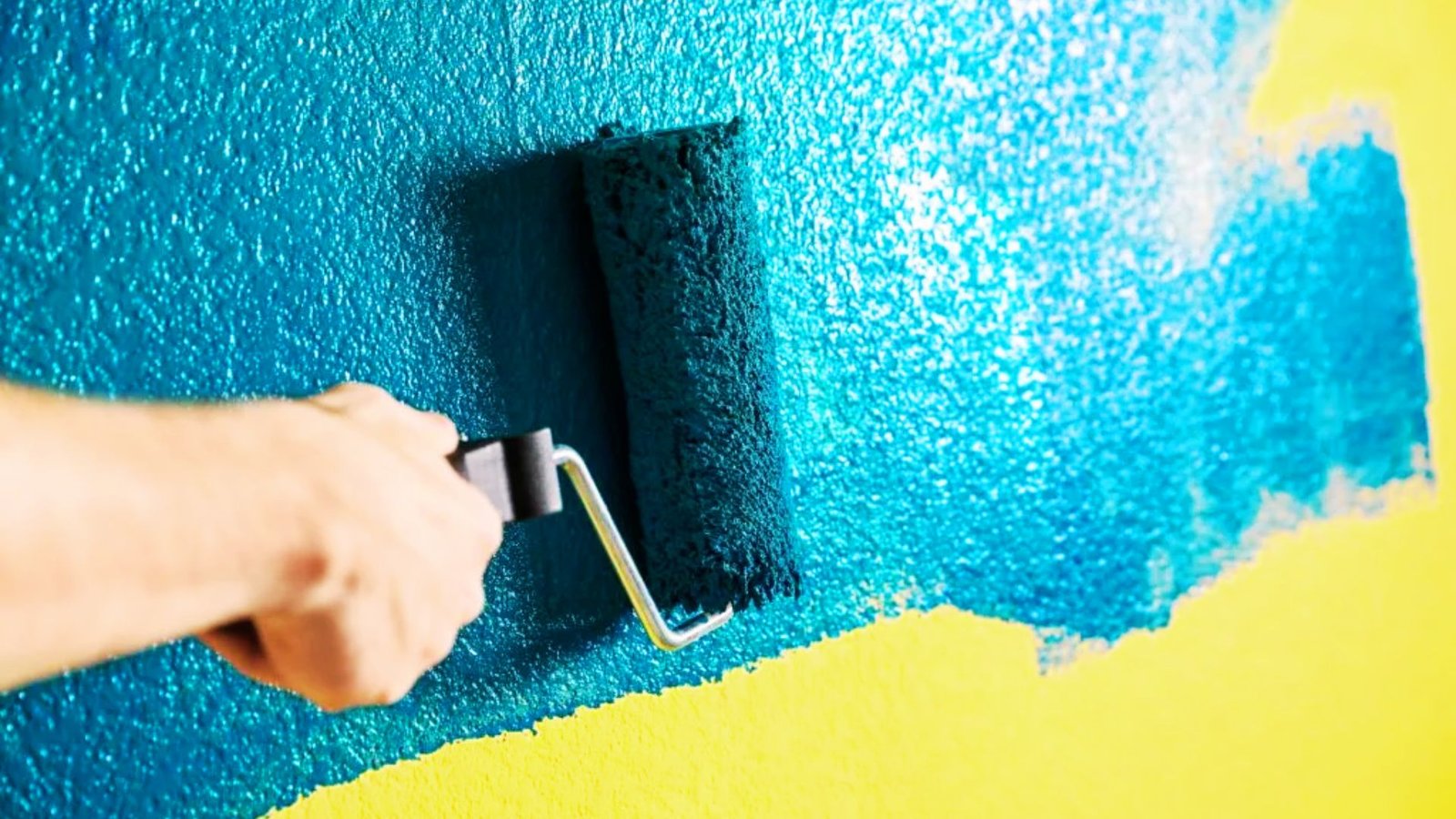
Faux finishes are special painting techniques that make walls look like different materials or textures.
The word "faux" comes from French and simply means fake. But the results are far from fake-looking.
These techniques use paint, glaze, and simple tools to copy the look of marble, wood, stone, or aged plaster.
They give plain walls a more interesting, layered feel. Faux finishes have been used for centuries in European architecture and have made their way into modern homes as a budget-friendly way to add character and style to any room.
Things to Consider Before Choosing Faux Finishes for Walls
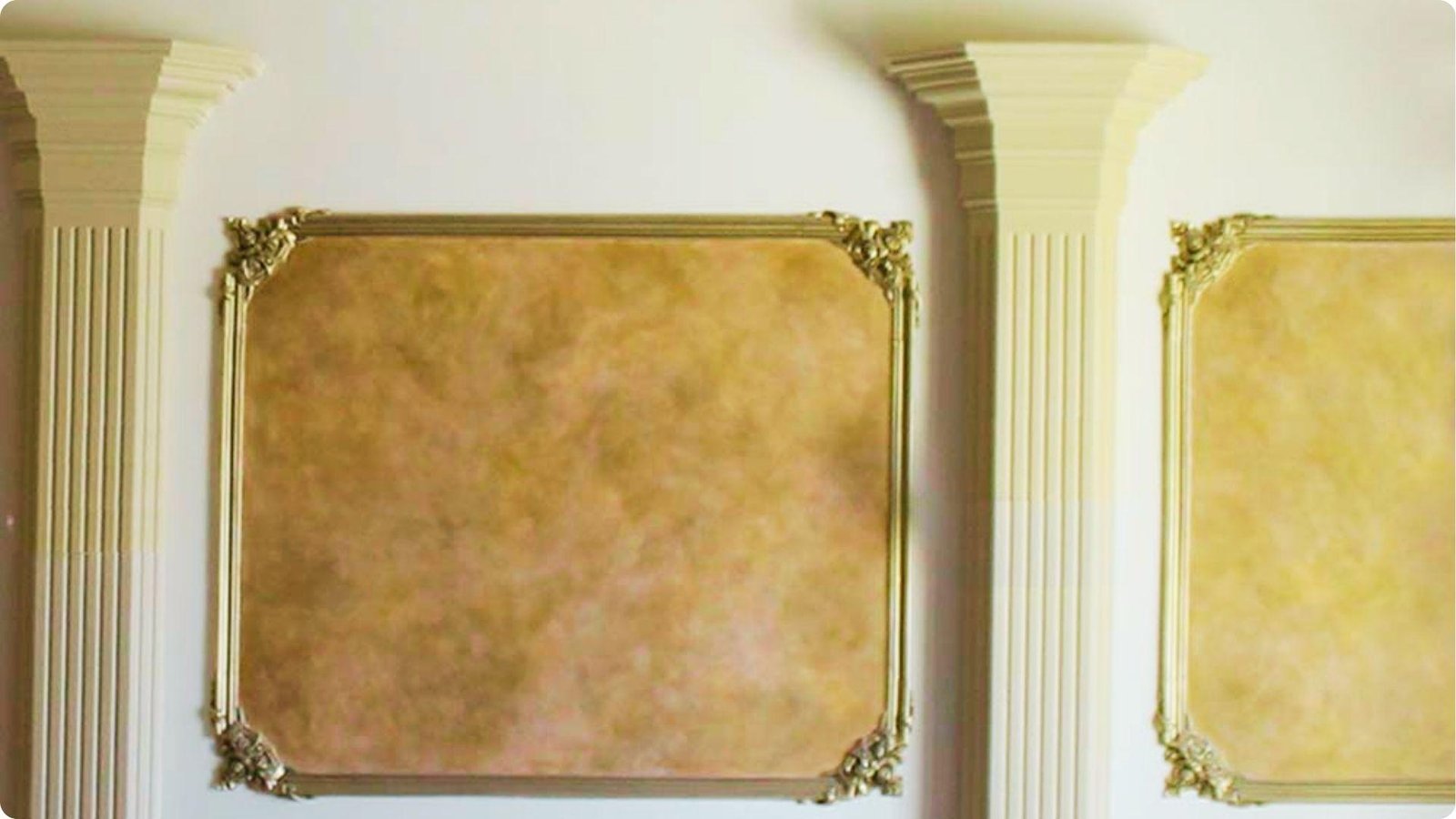
Picking the right faux finish takes a little thought before you start.
Room Style and Lighting
Match your finish to your room style. Modern rooms suit metallic textures, while classic spaces work well with Venetian plaster. Always test your finish in real room light before committing.
Paint Colors and Texture Choices
Color and texture work together to set the mood. Dark rough textures feel heavy, while soft light tones feel open. Look at wall samples in your space before deciding.
DIY Skill Level and Maintenance
Sponge painting and color washing are great for beginners. Venetian plaster and trompe-l'oeil need more patience and skill. Also think about upkeep, especially in high-traffic areas.
11 Types of Faux Finishes for Stylish Walls
Here is a look at the most popular faux finish techniques you can use right now.
1.Sponge Painting
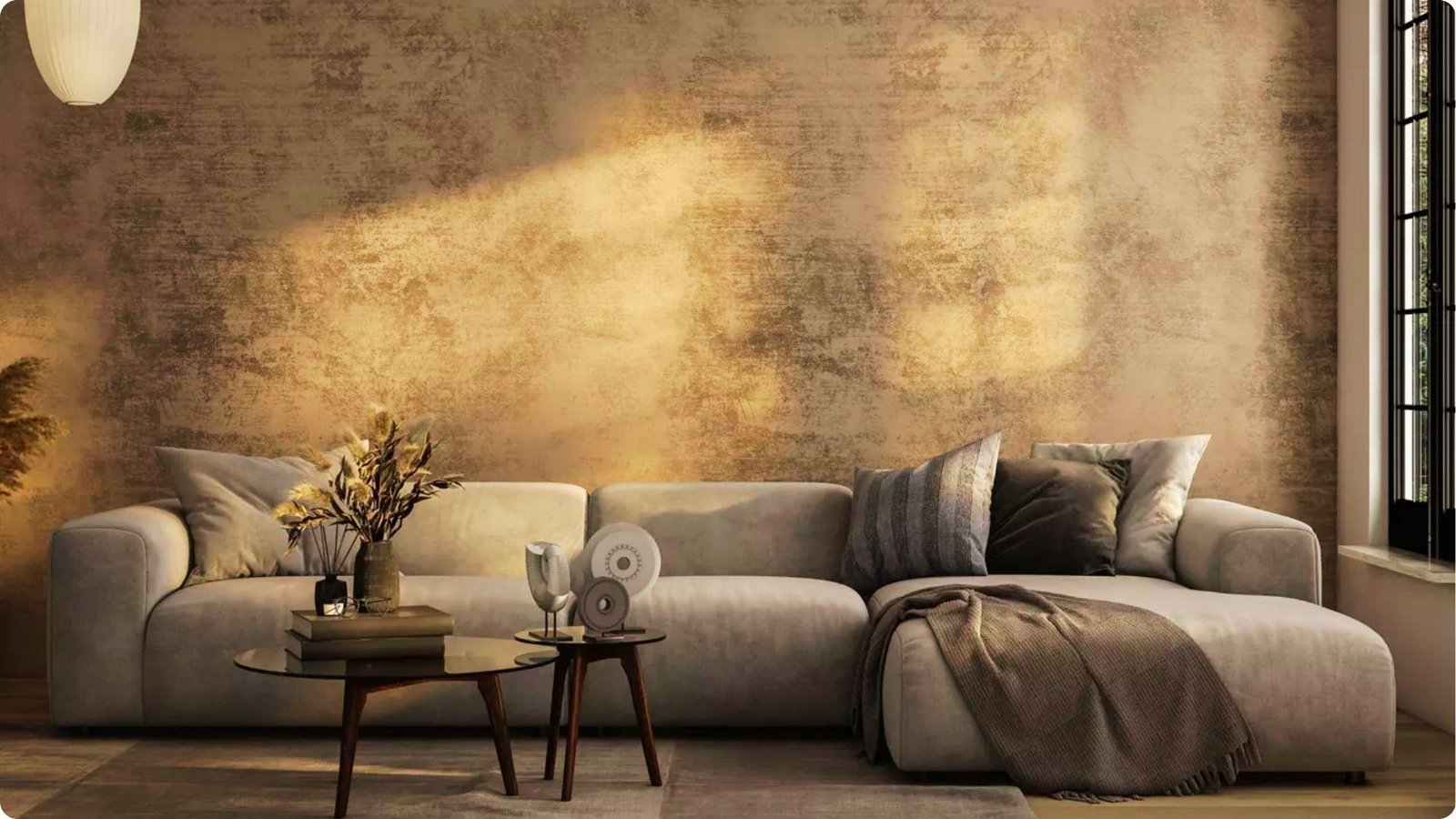
Dip a natural sea sponge into paint and dab it onto the wall for a soft, layered texture. You can use one color or layer two to three shades for more depth.
It works well in living rooms, bedrooms, and nurseries.
2. Rag Rolling Finish

Rag rolling uses a crumpled rag to apply or remove wet paint, creating a soft, fabric-like texture. It is easy to control and gives walls an organic, relaxed feel.
Neutral tones work especially well with this finish.
3. Faux Marble Finish
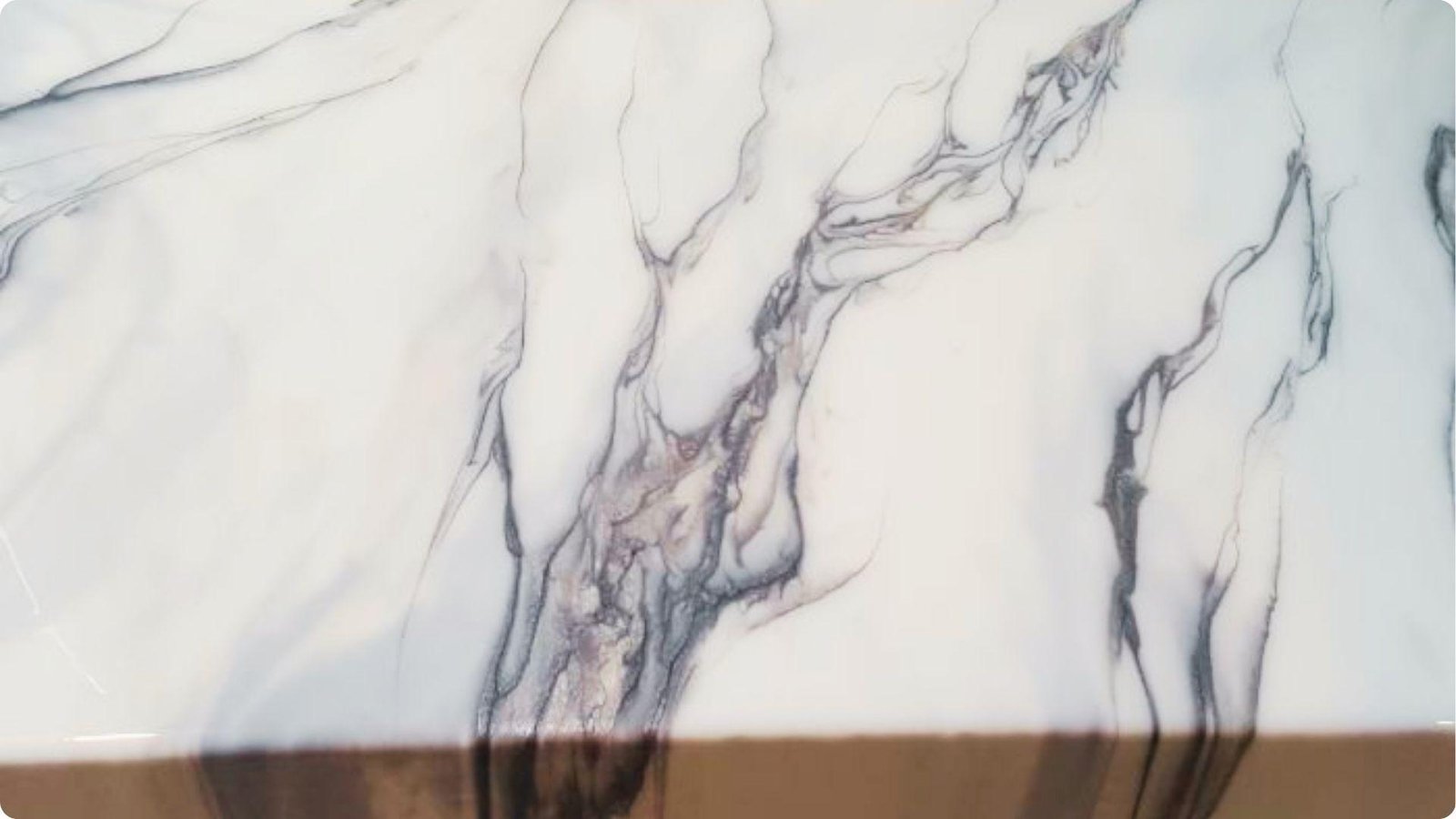
This technique mimics real marble using paint, a fine brush, and a feathering tool. You layer swirling patterns and thin veining lines to get the look.
It works best on accent walls, fireplace surrounds, or bathroom walls.
4. Wood Grain Finish
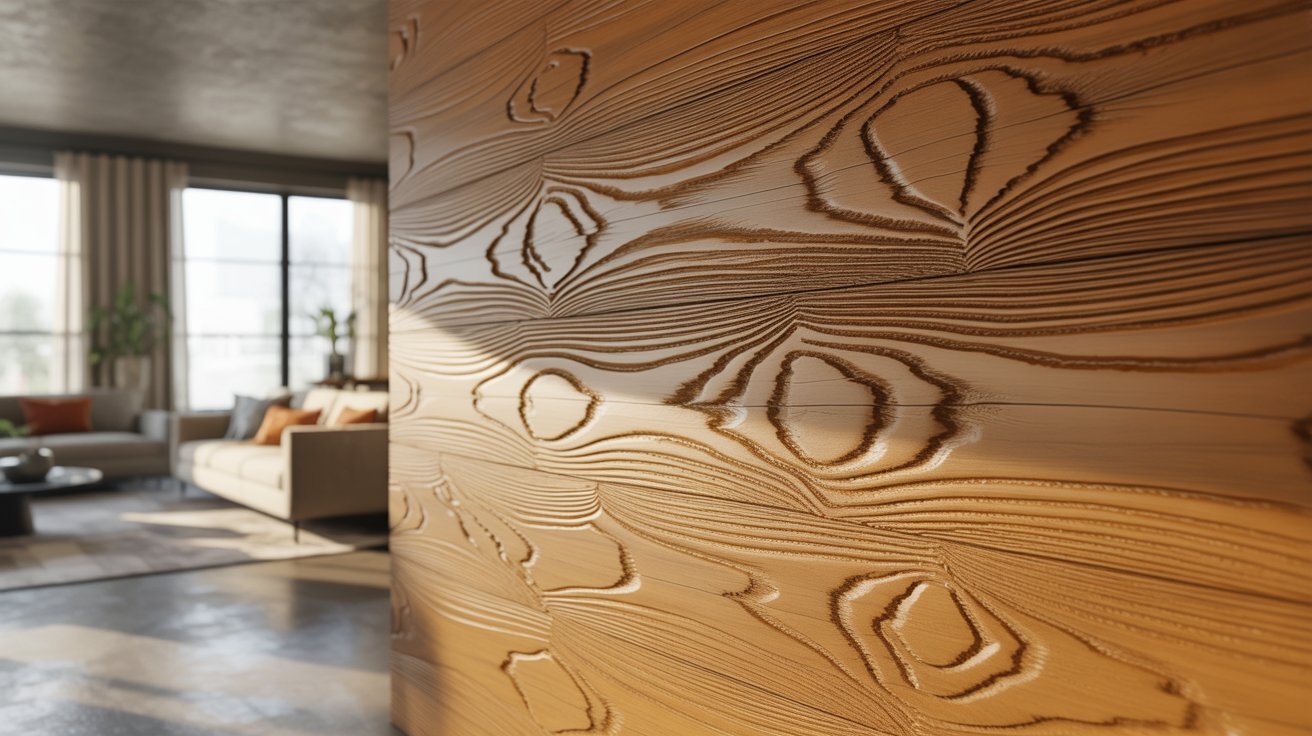
A graining tool or dry brush dragged through wet glaze creates a natural wood look on walls. The result feels warm and rustic without using real wood.
It suits study rooms, offices, and spaces with a natural theme.
5. Crackle Paint Finish
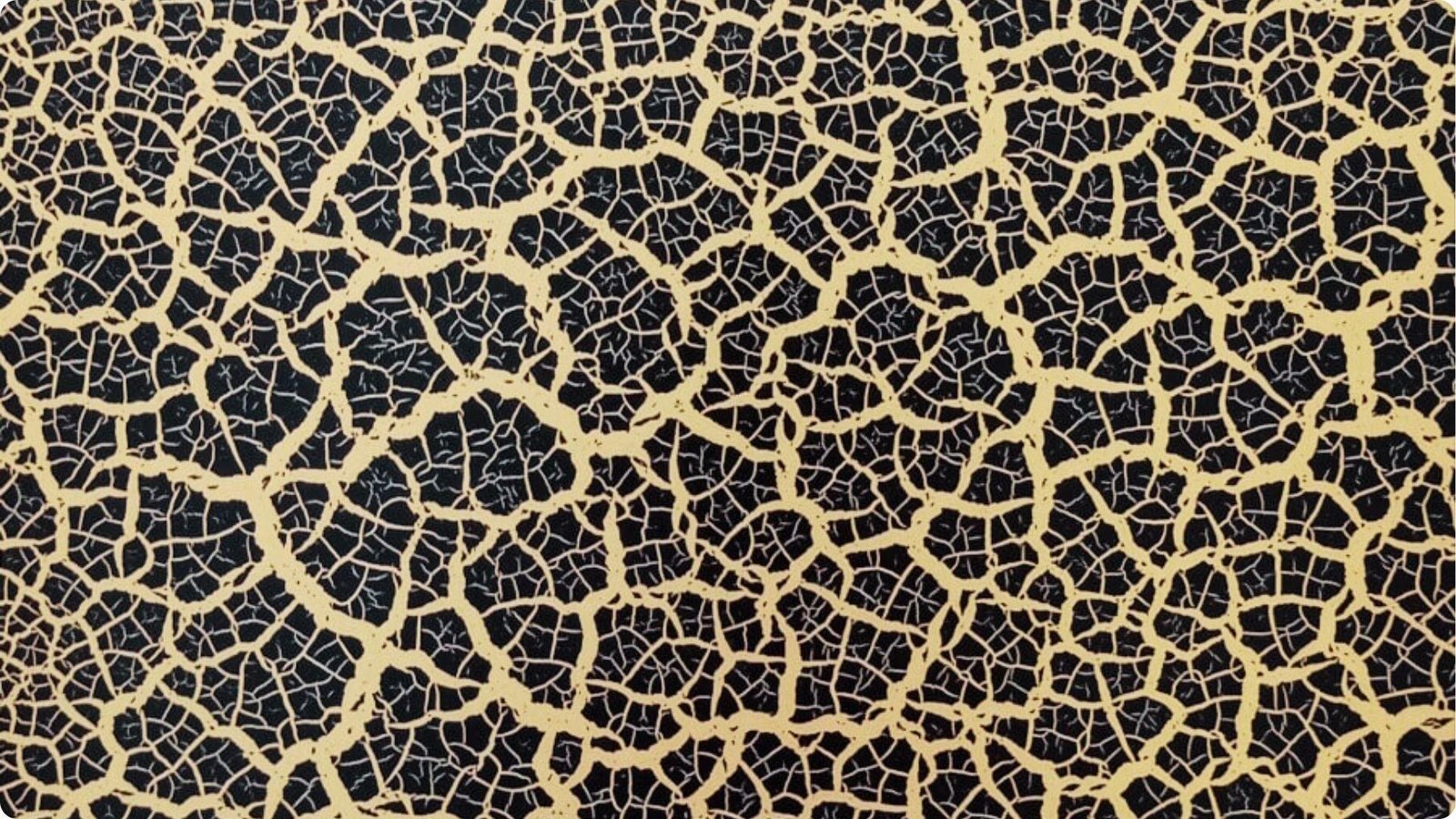
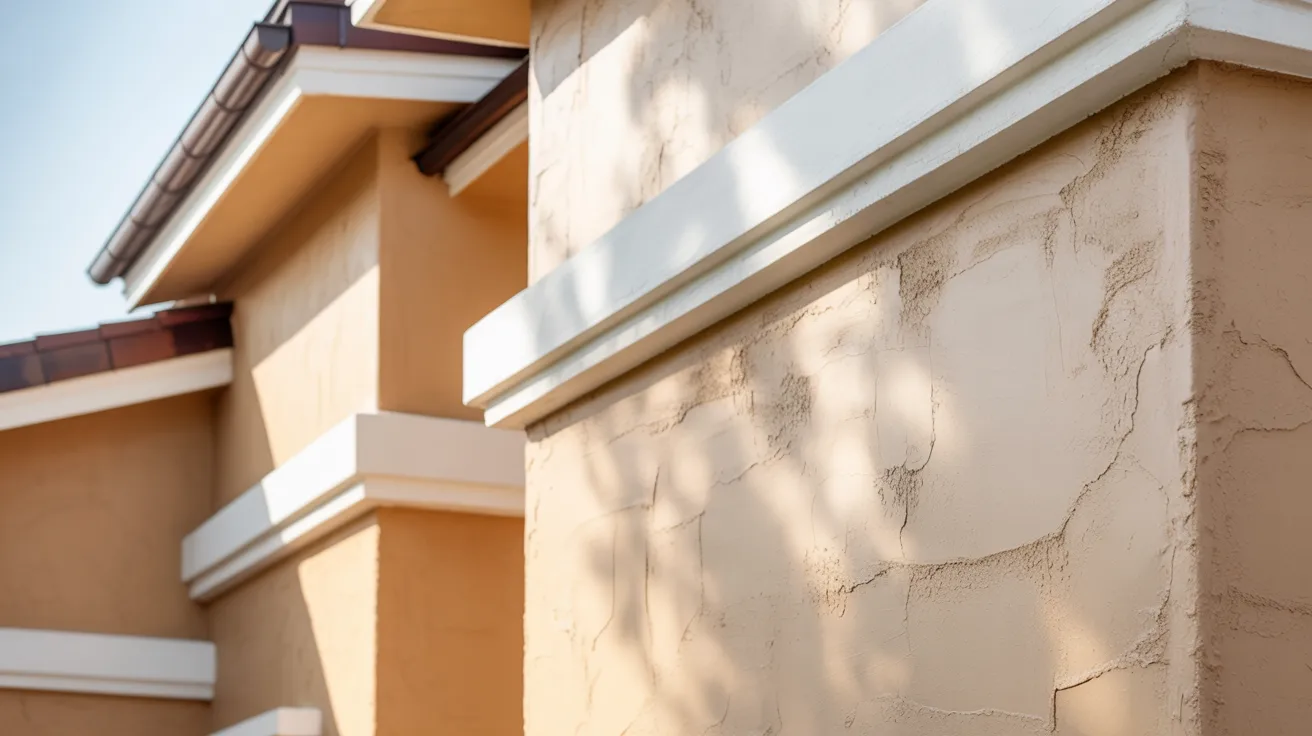
A crackle medium applied between two paint layers causes the top coat to split as it dries. The cracks reveal the color underneath for a weathered, aged look.
It works great in farmhouse-style rooms and dining areas.
6. Strié Finish
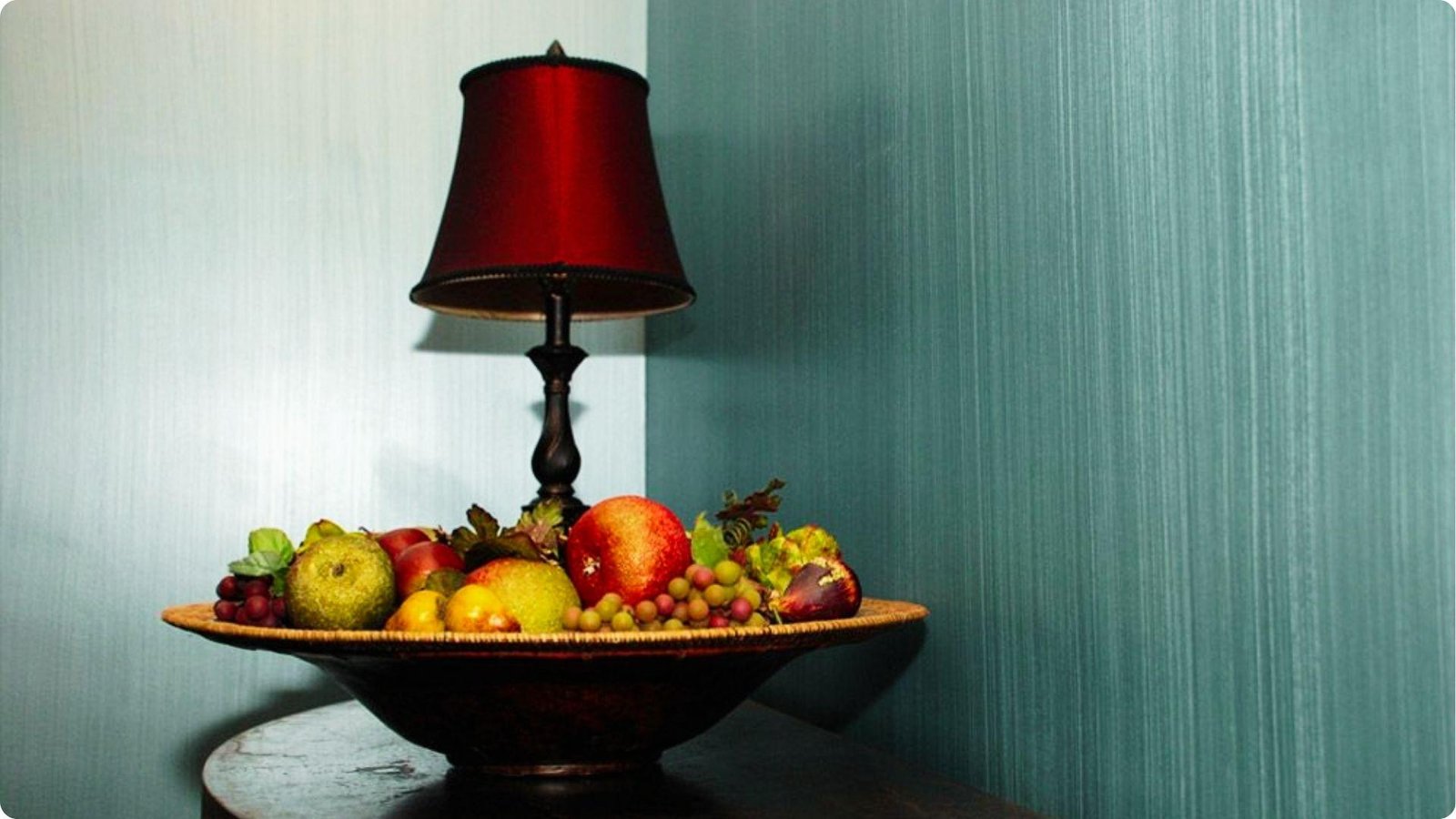
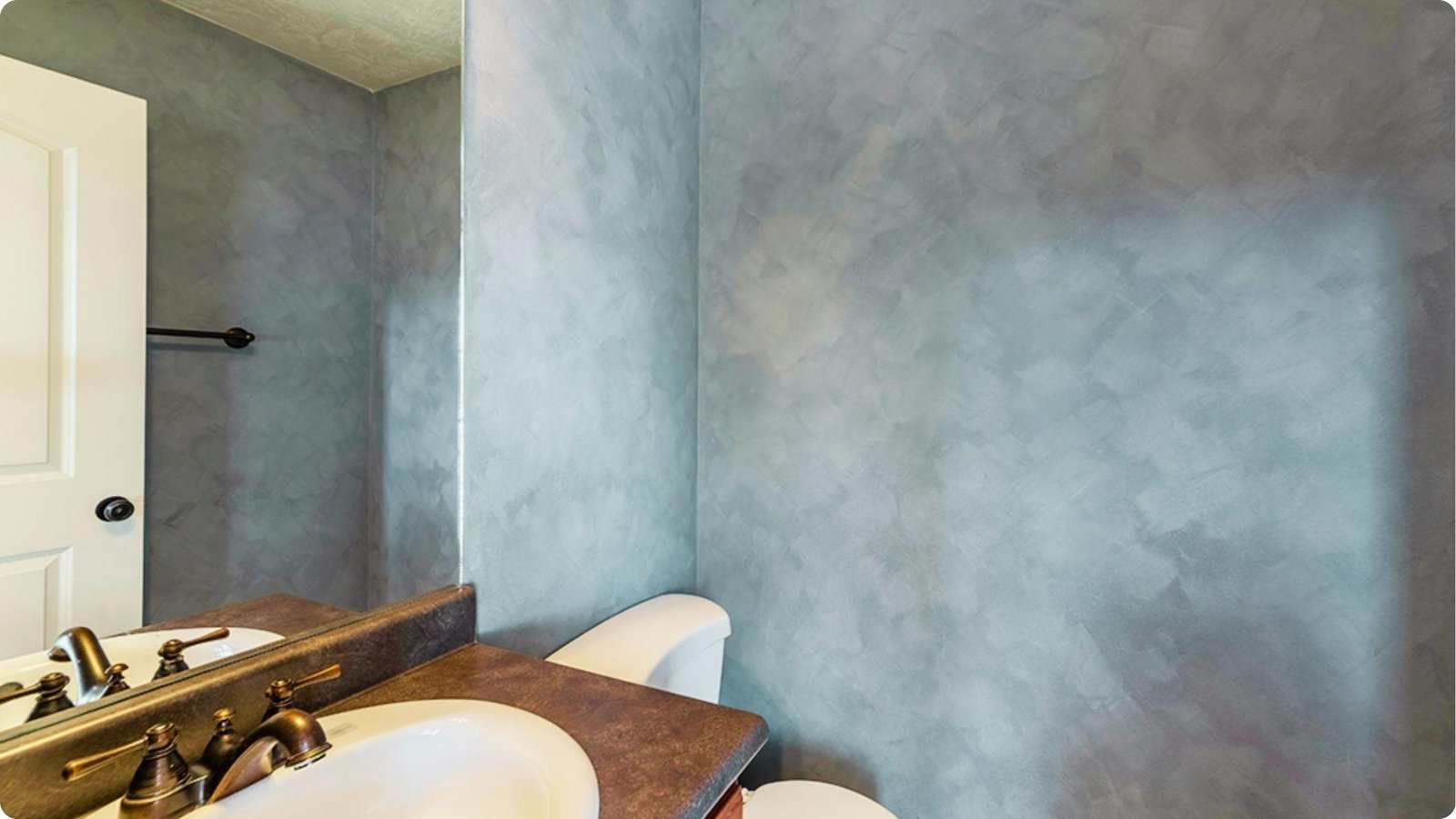
Corner vignette showcasing teal strie faux finish with fine vertical brushed lines mimicking silk fabric.
A dry brush or comb dragged through wet glaze creates fine, parallel lines on the wall. The result is a subtle, fabric-like texture that feels refined.
It suits formal spaces like dining rooms and home offices.
7. Color Washing Technique
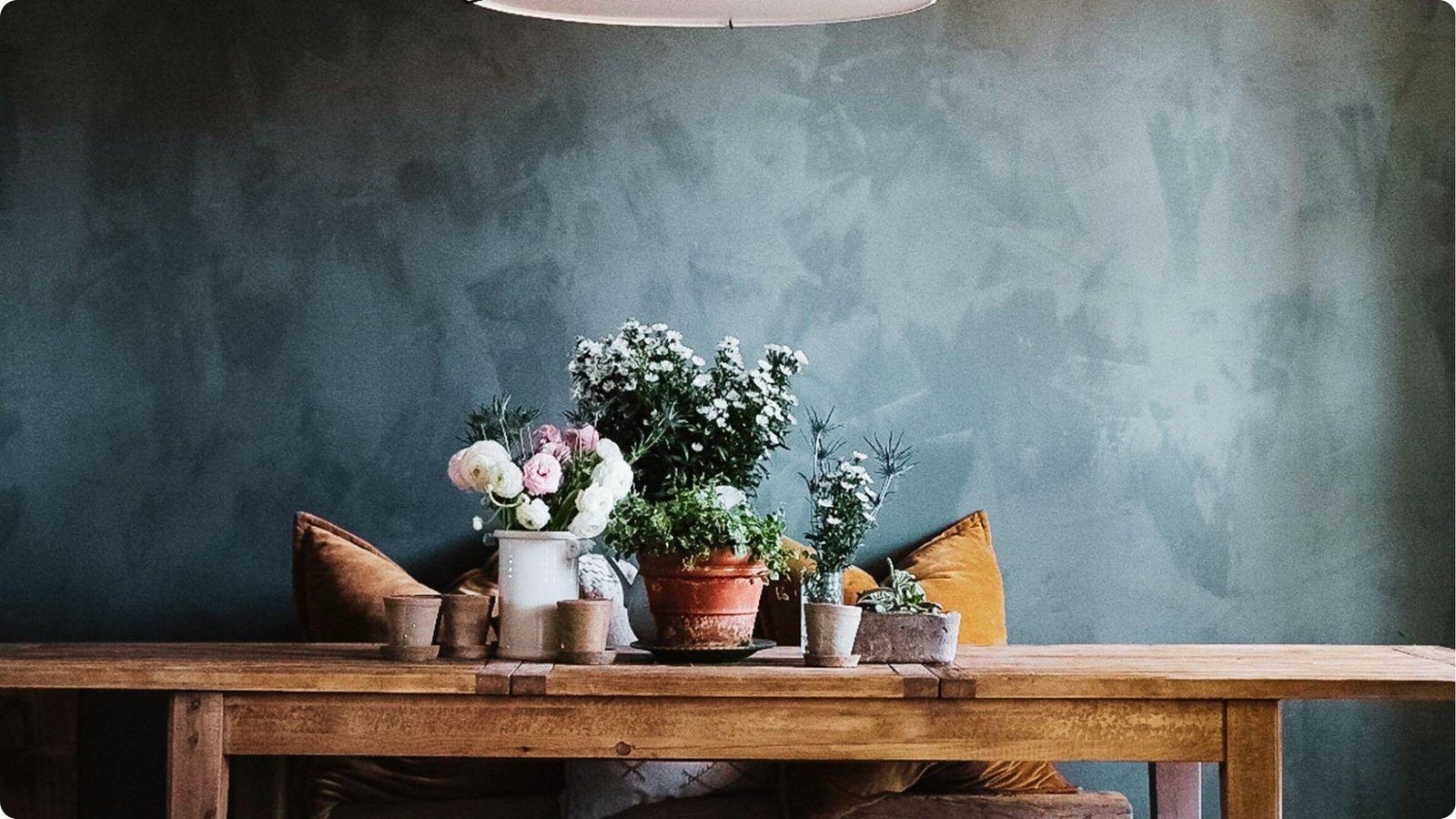
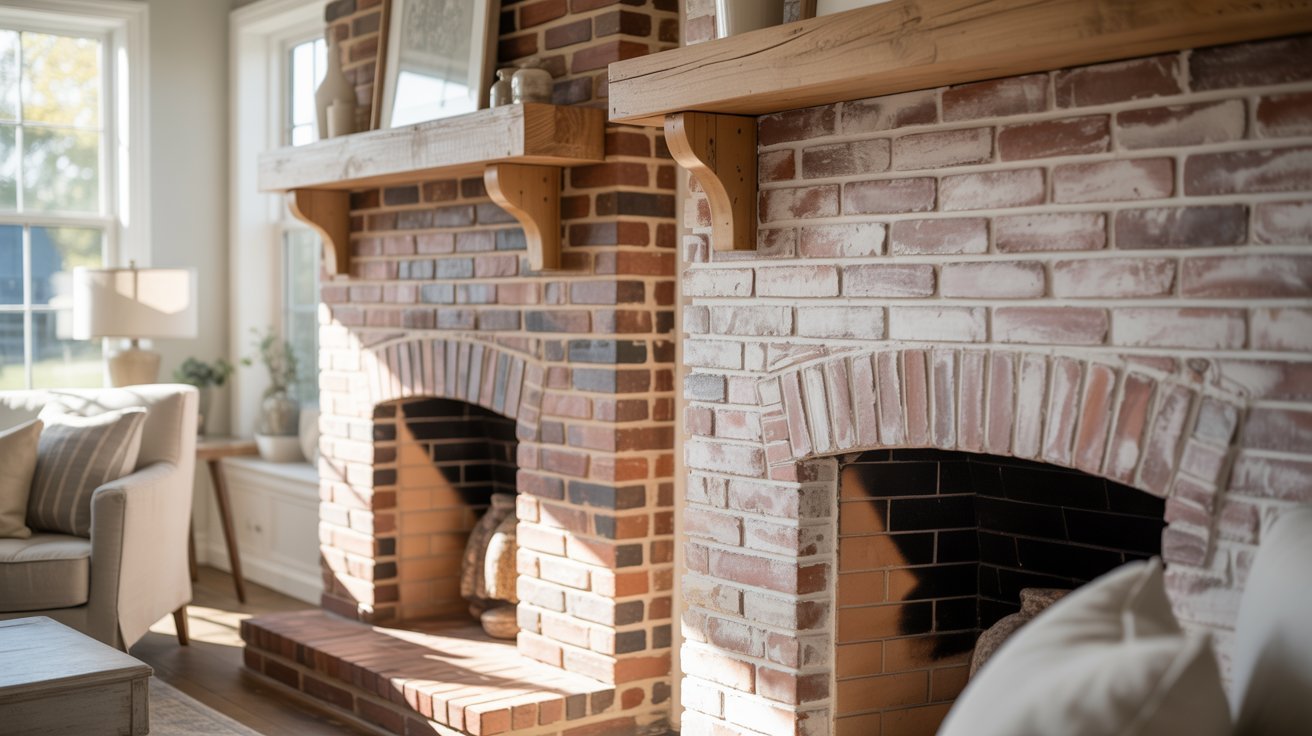
Thin, translucent paint applied over a base coat in loose strokes creates a soft, cloudy look. It gives walls a warm, aged feel similar to old European plasterwork.
It is forgiving and great for first-timers.
8. Combing Technique
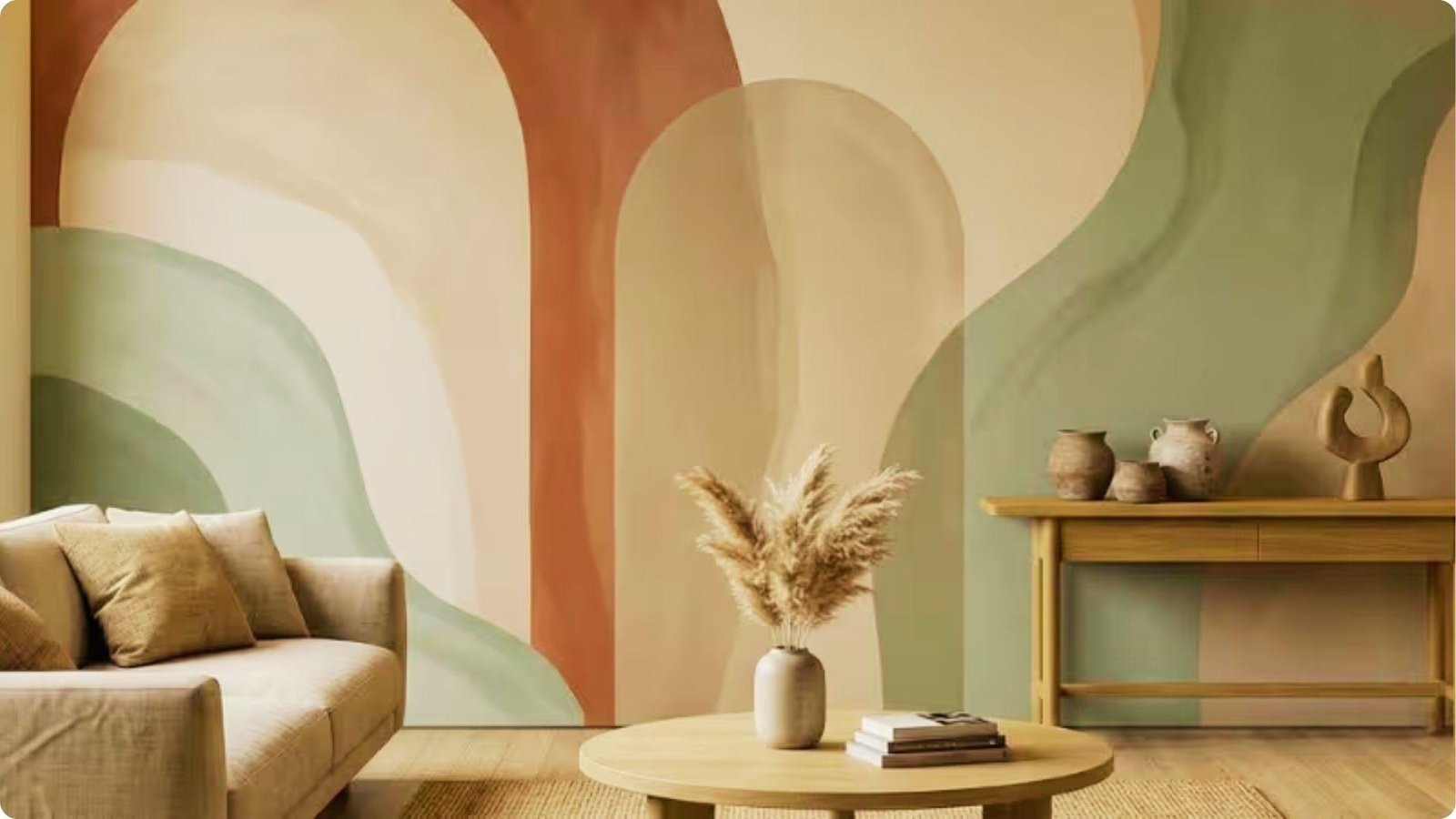
A toothed tool dragged through wet glaze creates straight, wavy, or fan-shaped patterns. The look is bold and graphic, making it a great choice for kitchens and feature walls.
It needs a steady hand for clean, even lines.
9. Venetian Plaster Finish
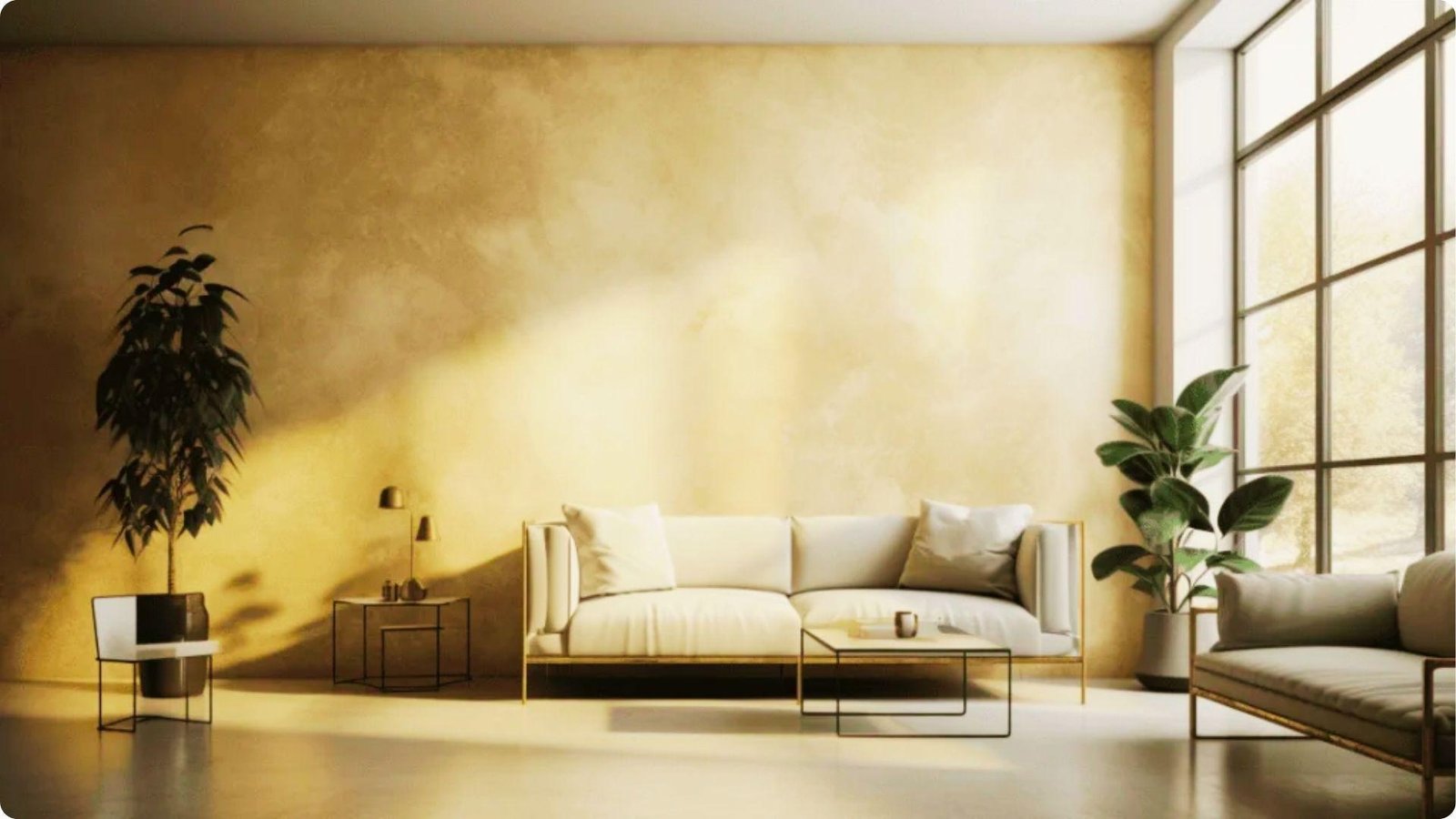
Thin layers of marble-dust plaster are applied and burnished to a smooth, glossy finish. The result looks rich and stone-like without using real stone.
It works well in living rooms, entryways, and master bedrooms.
10. Trompe-l'oeil Finish
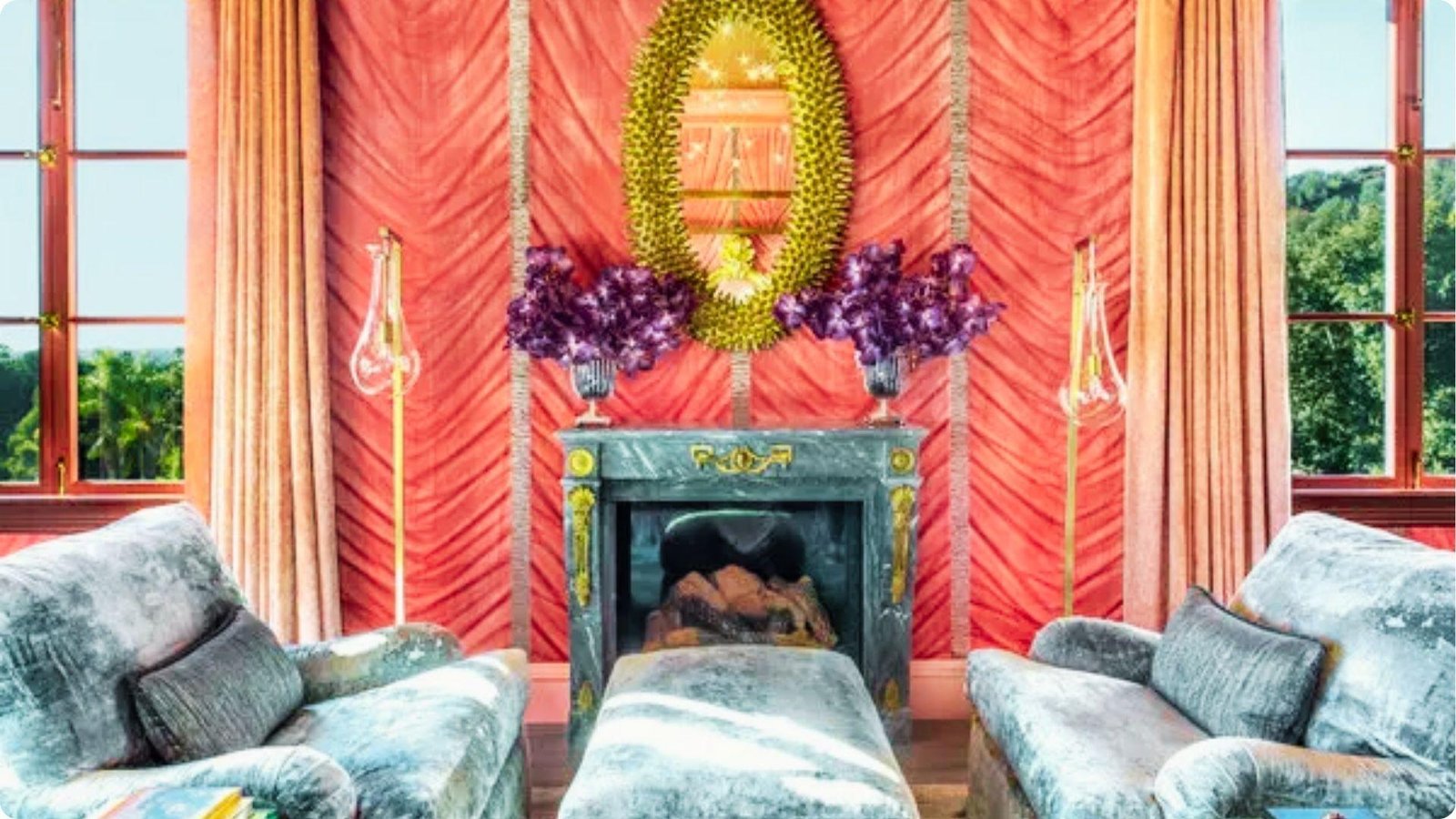
This technique paints realistic 3D scenes, windows, or shelves directly on flat walls. It requires real painting skill and is often done by professional muralists.
It works in any room where you want a bold visual statement.
11. Metallic Faux Finish
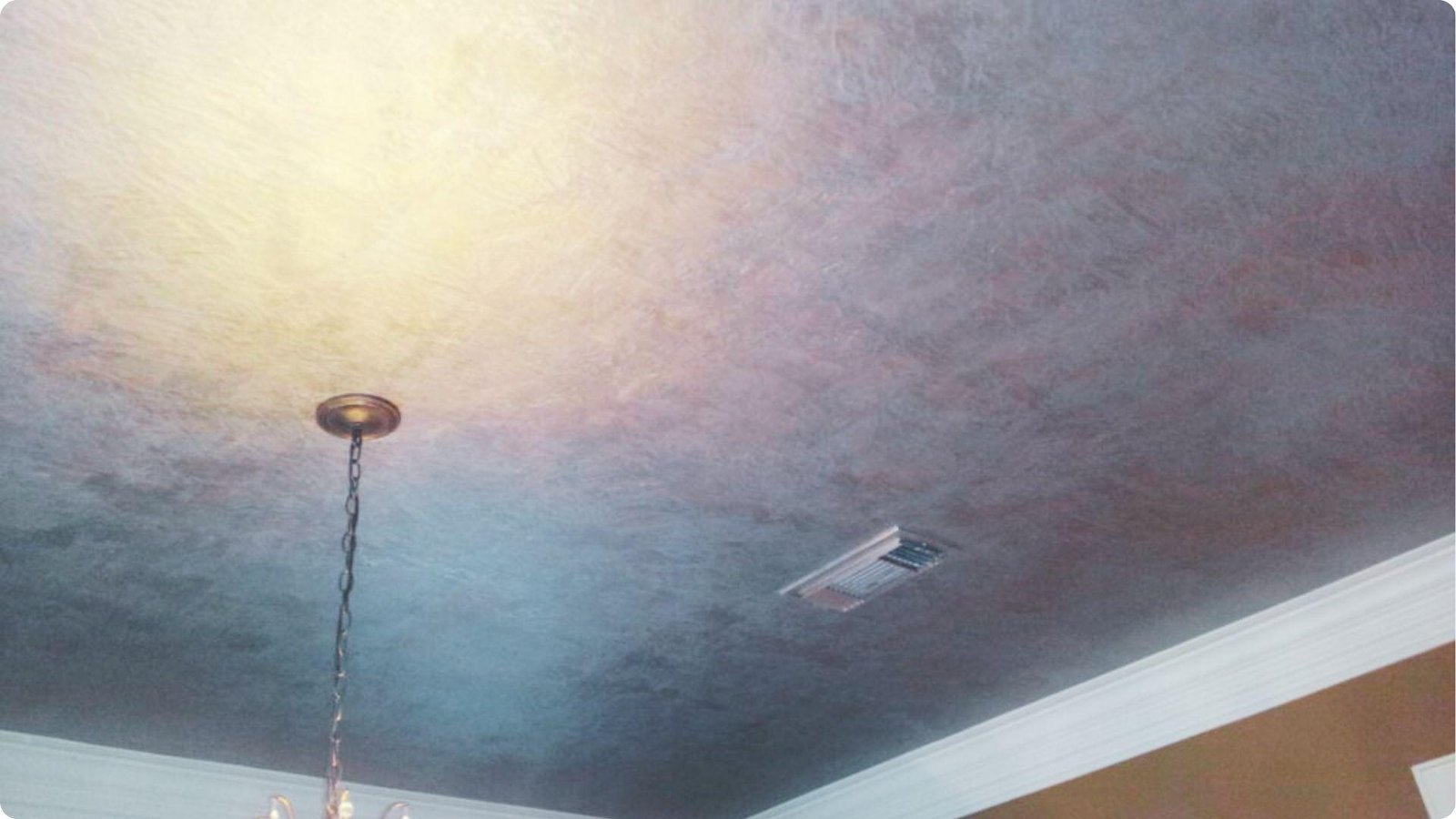
Metallic paint or glaze gives walls a shimmery, reflective look in gold, silver, copper, or bronze. The finish catches light and shifts the feel of a room depending on how it is lit.
It pairs well with dark or neutral base colors.
Best Rooms to Use Different Types of Faux Finishes
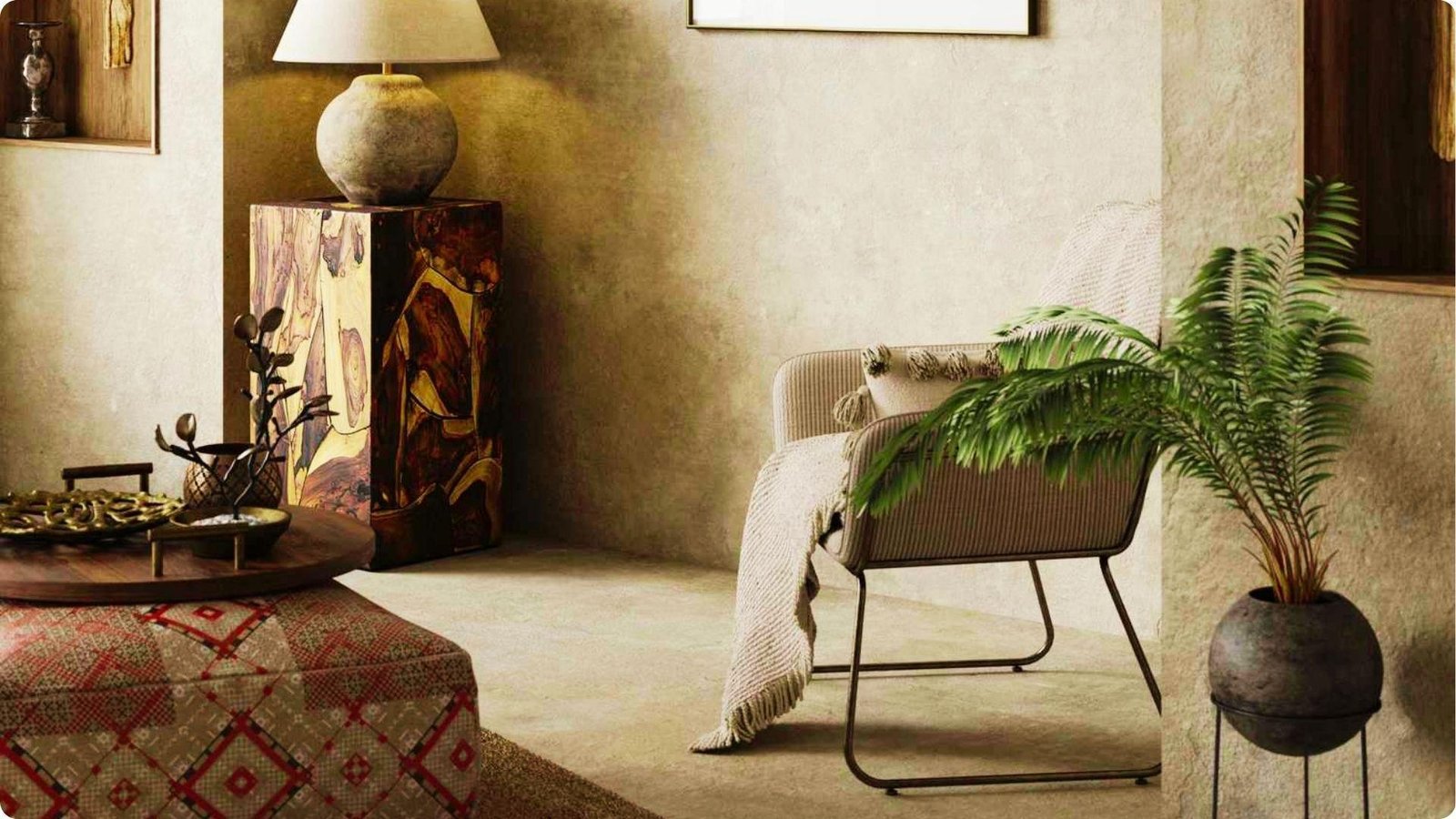
Not every finish suits every room, so matching the two makes a big difference.
Faux Finishes for Living Rooms
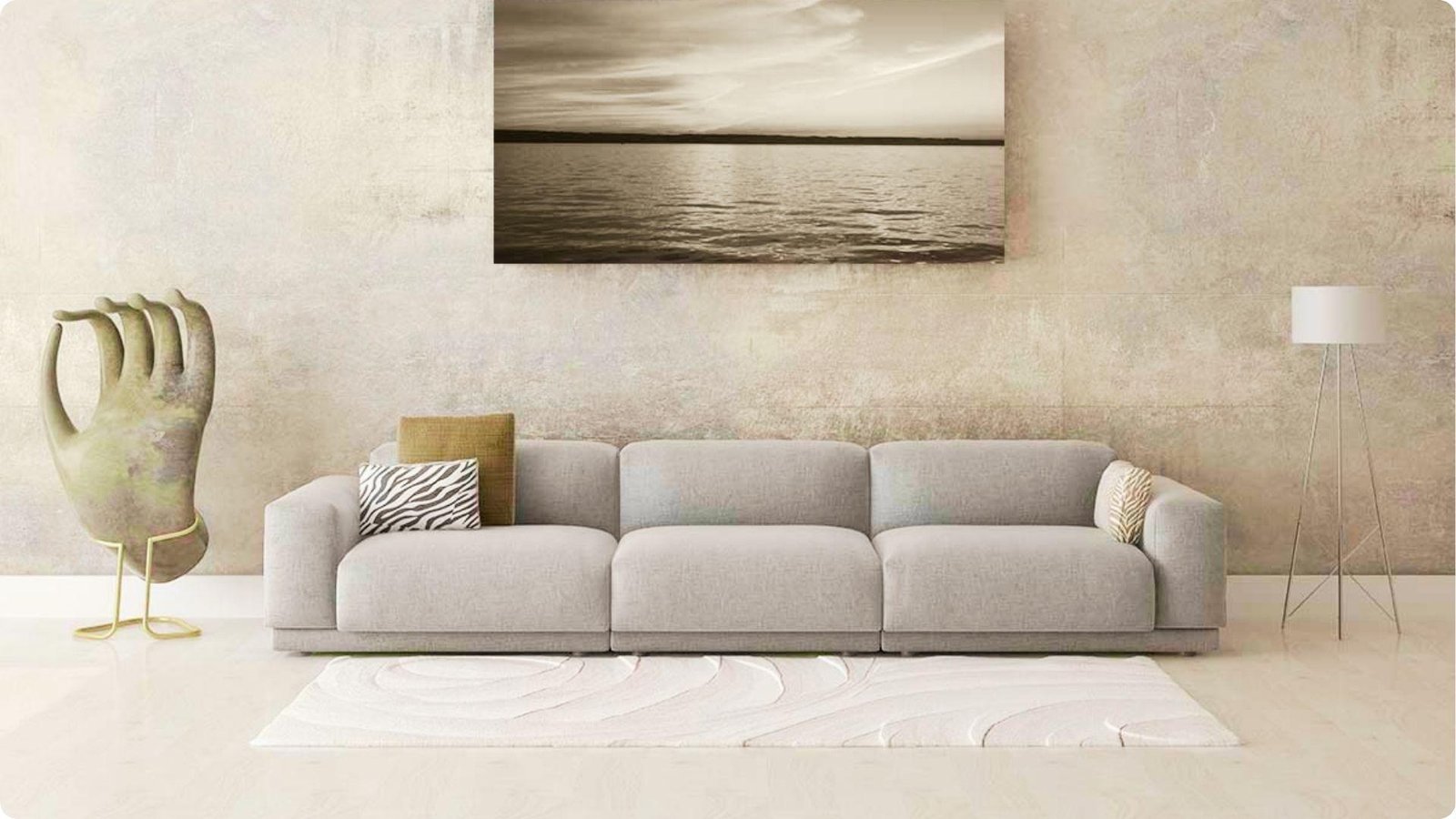
Venetian plaster, color washing, and metallic finishes all work well in living rooms. Choose a finish that matches your furniture and flooring for a pulled-together look.
A well-matched finish feels intentional, not random.
Faux Finishes for Bedrooms
Bedrooms suit softer finishes like rag rolling, sponge painting, or strié in muted tones. These add texture without making the space feel busy or loud.
Avoid high-contrast finishes unless you want a bold, dramatic look.
Faux Finishes for Bathrooms and Kitchens
These rooms need finishes that handle moisture and are easy to clean. Faux marble and color washing work well when properly sealed.
Always apply a good sealant in high-moisture or high-traffic areas.
Popular Color Combinations for Faux Finishes
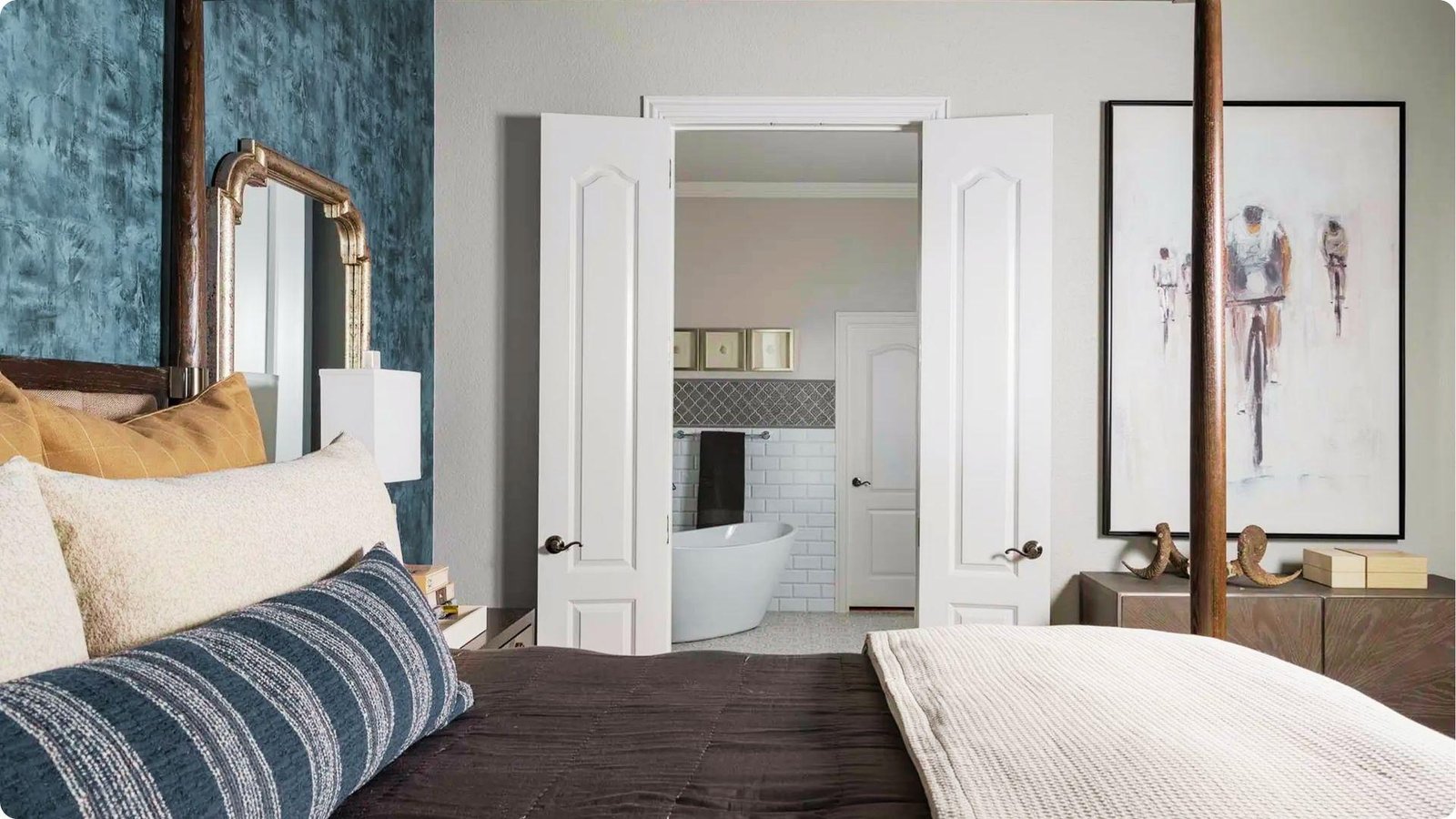
The right color pairing can make a faux finish go from good to great.
Neutral and Earth Tone Ideas
Cream, sand, warm grey, and taupe pair well with almost every faux technique. Layering two shades of the same color creates a subtle but rich look.
Earth tones feel grounded and suit living rooms, bedrooms, and dining spaces.
Bold and Modern Faux Finish Colors
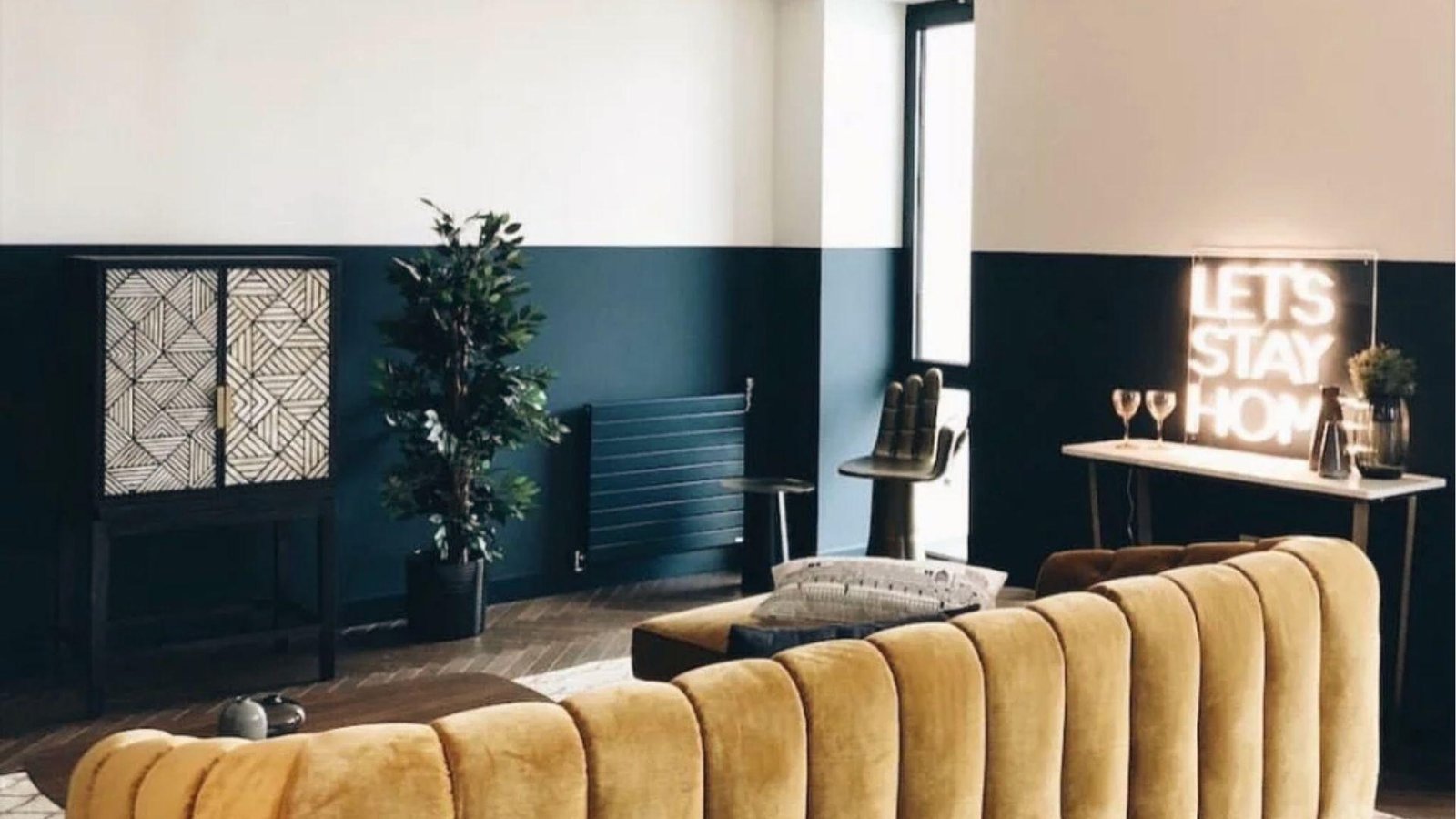
Deep navy, forest green, or charcoal work well as a base with metallic or combing on top. Bold combinations feel dramatic and work best as accent walls.
Balance them with neutral furniture and simple decor.
Classic Vintage-Influenced Color Schemes
Muted tones like sage green, blush pink, dusty blue, and warm ivory suit crackle, color washing, and rag rolling. They give a room a nostalgic, time-worn feel that still looks put-together.
These color schemes are easy to live with across many room styles.
Tips to Make Faux Finishes Look Professional
Small habits and the right approach can make your results look like a pro did the job.
- Use a natural sea sponge, quality brush, or graining tool depending on your chosen technique, as the right tool makes a big difference in the final result.
- Always test your finish on a large piece of cardboard or scrap drywall first before applying it to the wall.
- Work in small sections so the glaze does not dry out before you get a chance to blend it properly.
- Check your finish in both daytime and evening light to see how texture and color shift before finishing all walls.
- Apply a matte or satin sealant at the end to protect the finish and control how much it reflects light.
Conclusion
I hope this guide helped you feel more confident about trying faux finishes in your home.
I remember the first time I painted a wall with a color wash technique. It felt a little messy at first, but the final result was so worth it.
Pick one finish that speaks to you and start small. Even one accent wall can change how a room feels.
If this post helped you, leave a comment below or share it with someone who loves home decor. You can also check out our other wall treatment guides for more ideas.
Frequently Asked Questions
What are the most popular types of faux finishes?
Venetian plaster, color washing, sponge painting, and faux marble are among the most widely used. These techniques suit a range of skill levels and work well in most room styles.
Which faux finish is easiest to apply?
Sponge painting and color washing are the easiest for beginners. Both techniques are forgiving, quick to learn, and do not require expensive tools or special training.
Are faux finishes still in style for modern homes?
Yes, faux finishes are still very much in style. Metallic finishes, Venetian plaster, and strié are popular in modern interiors because they add texture and depth without looking outdated.
What paint works best for faux finishes for walls?
Latex or acrylic paint mixed with a glaze medium works best for most faux techniques. The glaze extends drying time, giving you more control while blending and layering.
Can faux finishes be used in small spaces?
Absolutely. Soft, light-toned finishes like color washing or sponge painting can actually make small rooms feel larger. Avoid dark, heavy textures in very small spaces as they can make the room feel closed in.