Choosing a paint finish should be simple. But with so many textures and sheens out there, it is easy to feel lost.
I have worked through this myself, and I know how one wrong pick can throw off an entire room.
This guide walks you through 11 popular paint texture types, 5 paint sheens explained clearly, and room by room advice that is easy to follow. You will also find common mistakes to avoid and tips to make your finish last longer.
By the end, you will know exactly what works for each space in your home. No guessing, no wasted money, and no second guessing at the paint store.
What Are Paint Texture Types and Paint Sheens?
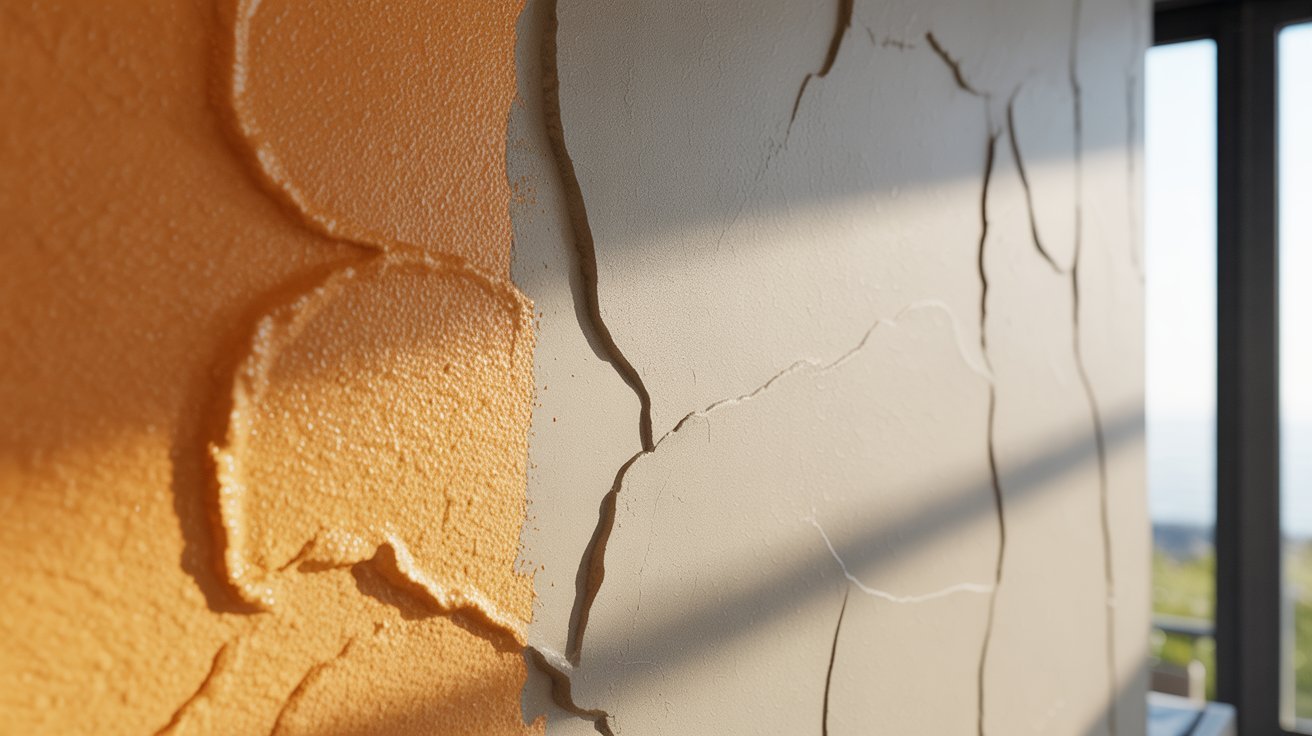
Paint textures and sheens refer to the surface feel and light reflection level of a painted wall or ceiling.
Paint texture refers to how a wall surface feels and looks after paint is applied. Some walls are smooth, while others have bumpy or raised patterns. Texture can be built into the paint itself or added using special tools and techniques before or during application.
Paint sheen refers to how much light the painted surface reflects. A flat finish absorbs light, while a high gloss finish bounces it back. The sheen level also affects how easy the wall is to clean and how durable it will be over time.
Both texture and sheen play a role in the final look of a room. Knowing the difference helps you pick the right product for each space in your home.
11 Popular Paint Texture Types for Walls and Ceilings
Here are 11 commonly used paint texture types that work well for walls and ceilings in homes and offices.
1. Orange Peel Texture
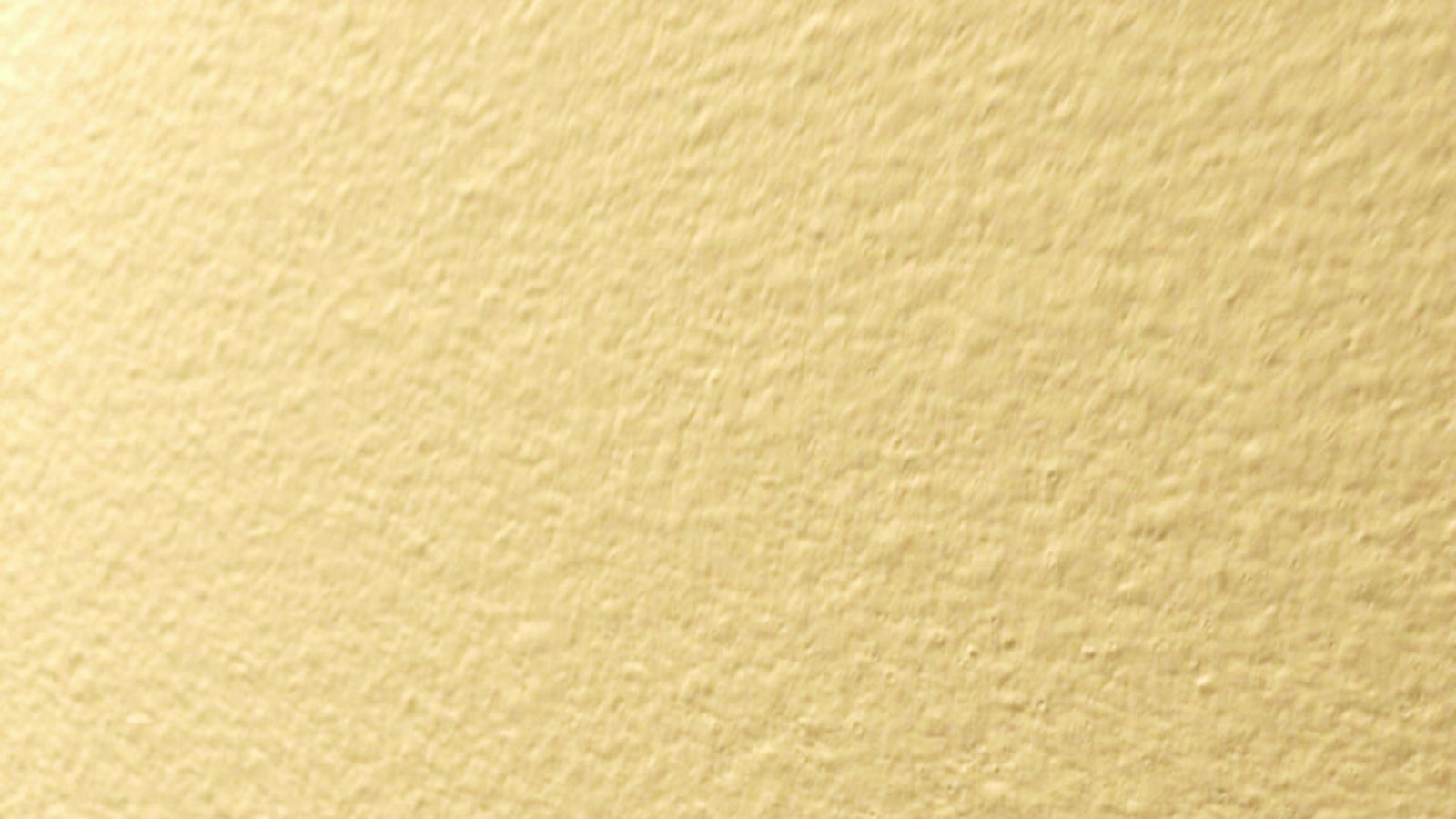
Orange peel texture gets its name from the bumpy surface of an actual orange. The pattern is small and rounded, creating a subtle, dimpled look on the wall.
It is sprayed on using a hopper gun or spray can, and the result is a low profile texture that adds visual interest without being too bold.
This texture is popular in newer homes and works well in living rooms, hallways, and bedrooms. It is also a good option for hiding small dents or surface flaws.
2. Knockdown Texture
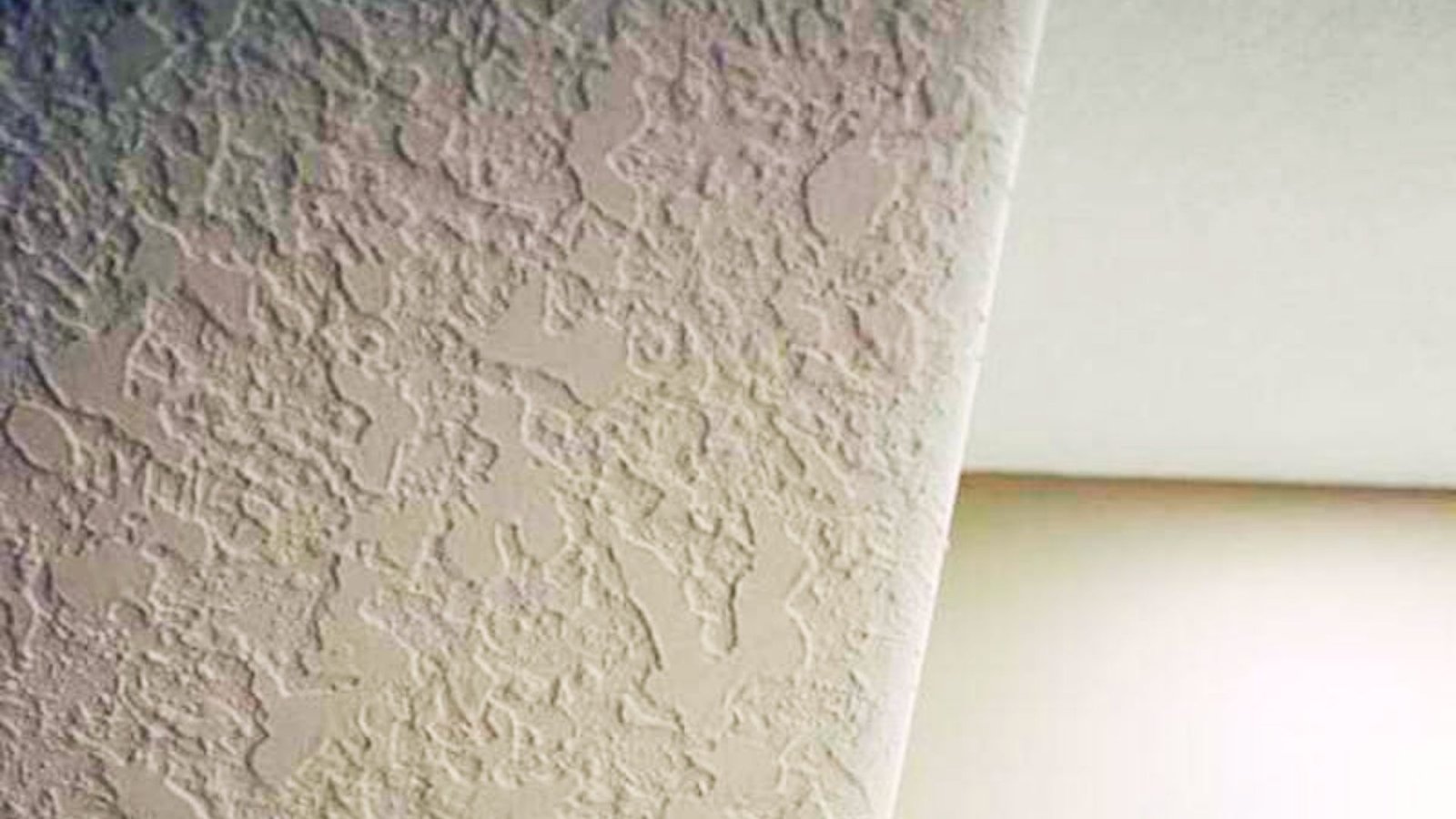
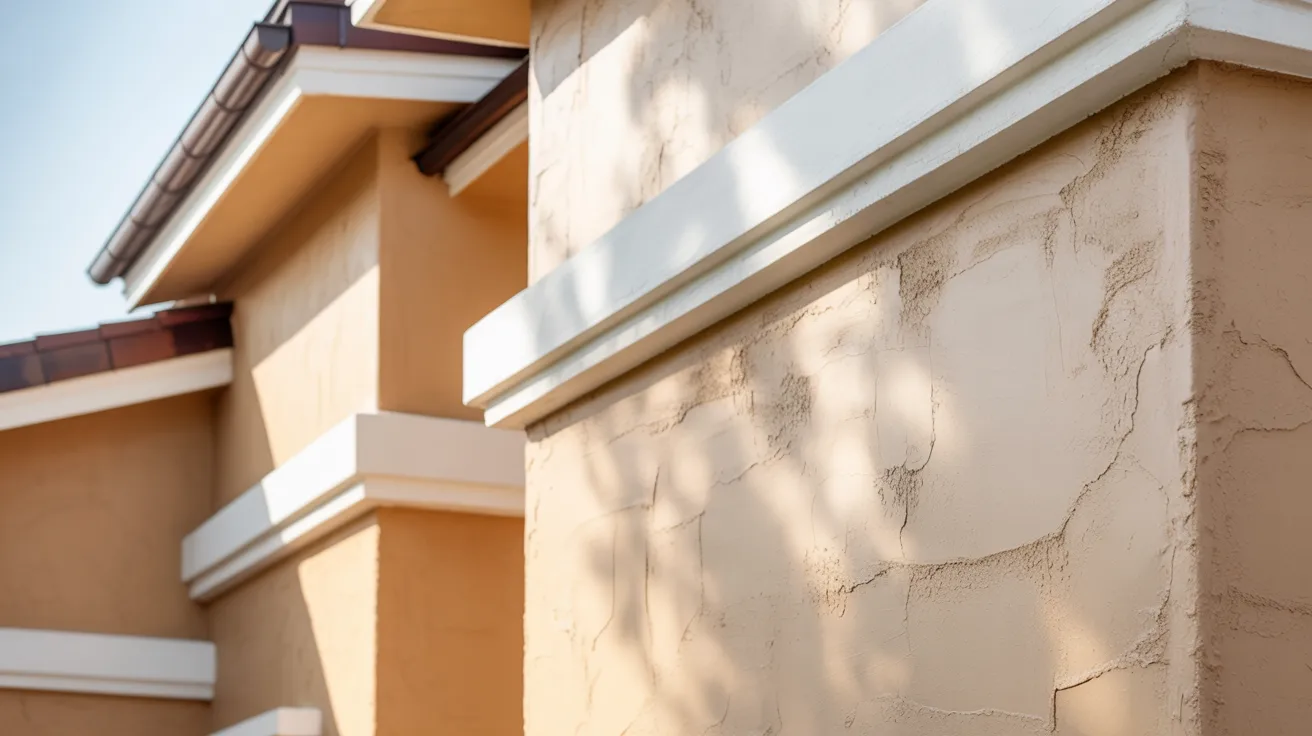
Knockdown texture is created by applying drywall mud or joint compound to a wall and then lightly flattening the peaks with a knife or trowel. This creates a random, mottled pattern with flat topped bumps.
The look is irregular and natural, which makes it easy to match if repairs are needed. Knockdown texture is common in mid range homes and works in almost any room.
3. Popcorn Ceiling Texture
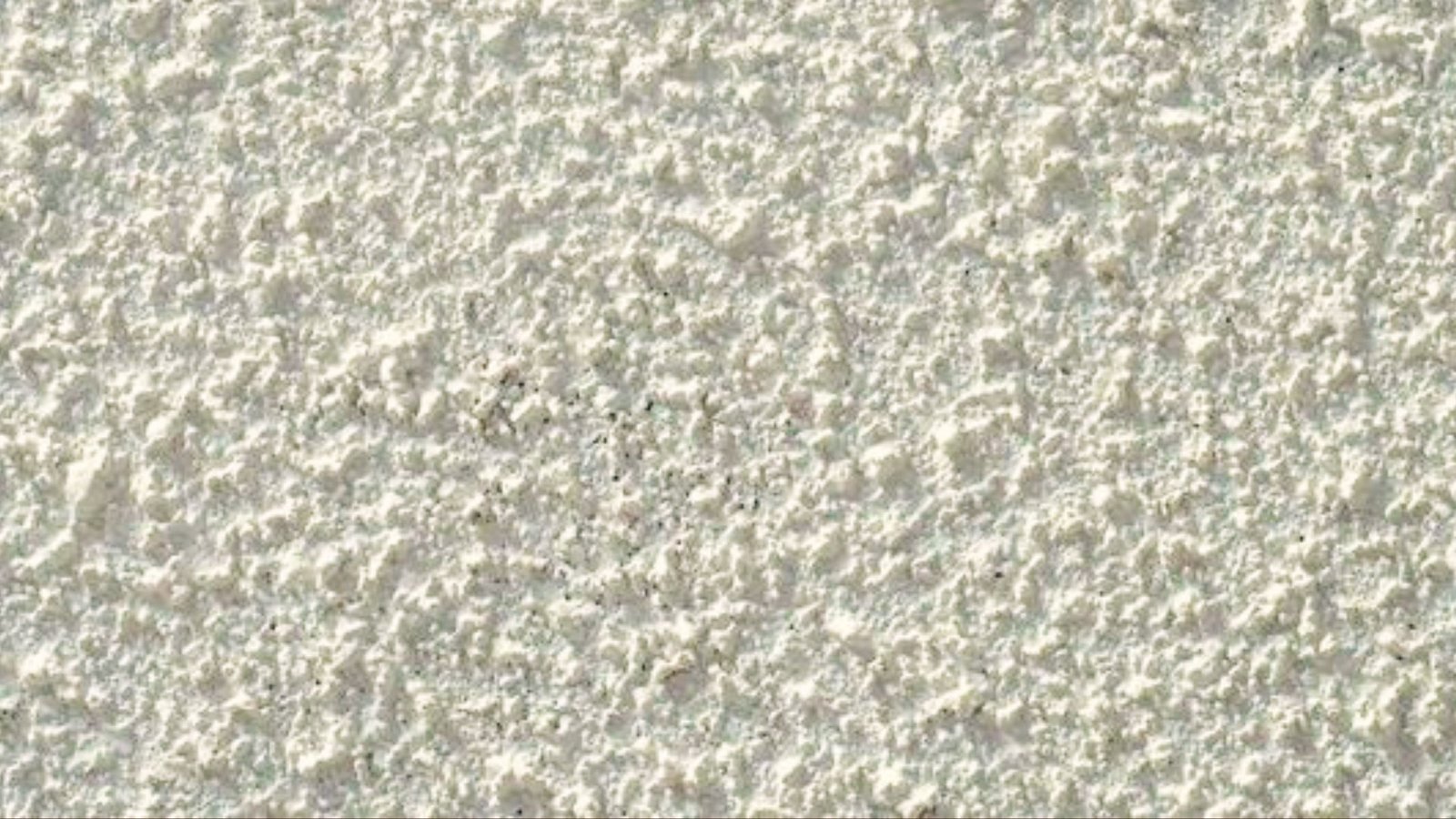
Popcorn ceiling texture is a thick, bumpy finish that was very popular from the 1950s through the 1980s. It was often applied to ceilings to hide imperfections and reduce noise.
Modern homeowners sometimes remove this texture because it can look dated. It is still used in some applications due to its sound absorbing properties. It should not be used in rooms with high moisture, as it can sag or stain over time.
4. Smooth Texture Finish
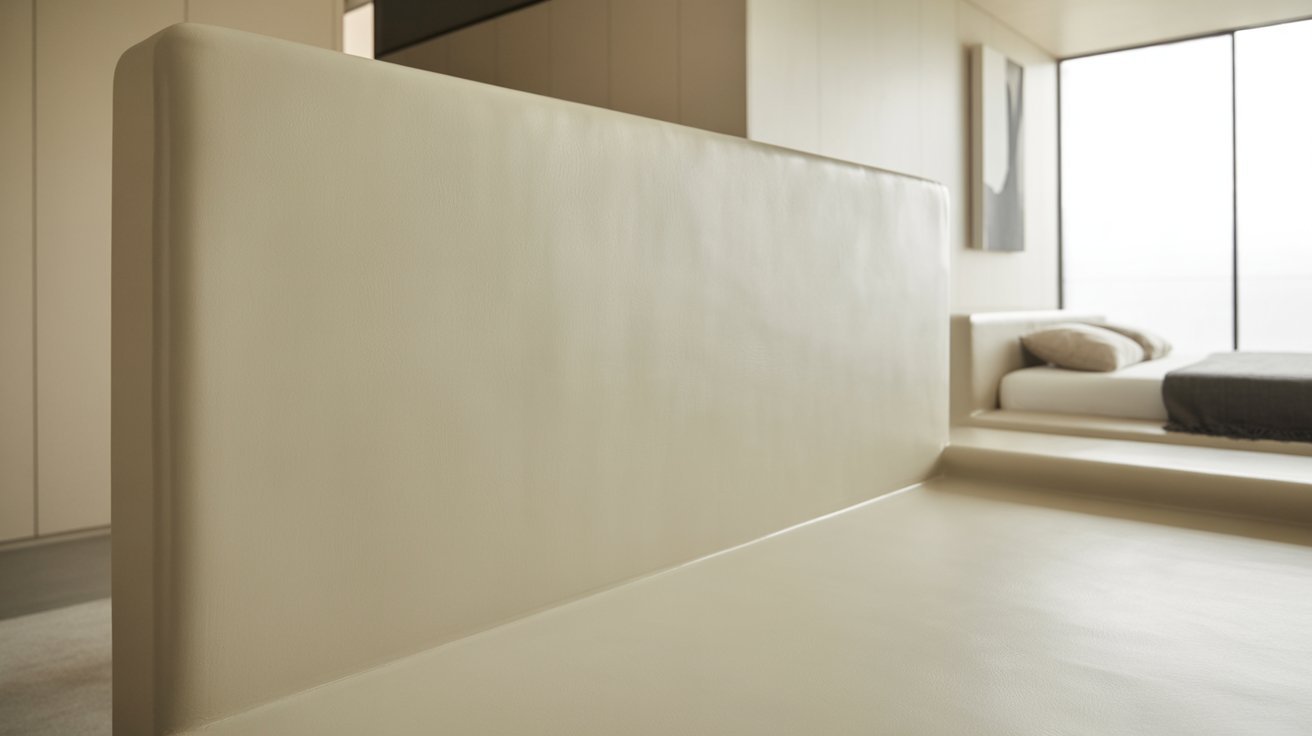
A smooth texture finish means the wall is sanded and skimmed until it has a completely flat surface. This type of finish looks clean and modern, and it works well in rooms where you want the paint color to be the main focus.
The downside is that smooth walls show every imperfection. Good surface prep is required before painting to get the best results.
5. Slap Brush Texture
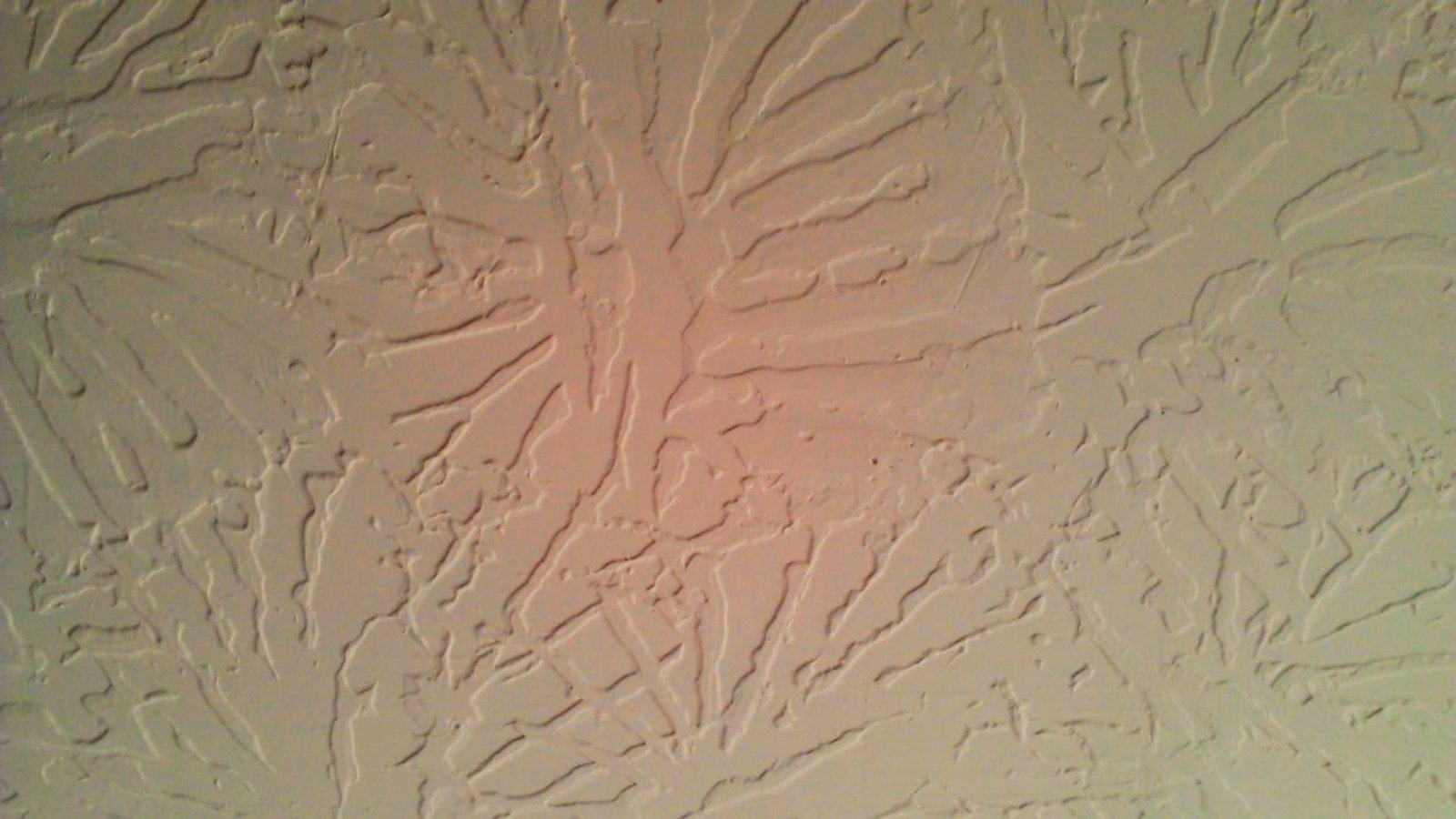
Slap brush texture is made by dipping a brush or sponge into a joint compound and pressing it against the wall repeatedly. This creates a random, leaf like or starburst pattern depending on the tool used.
It is a more decorative finish that adds depth and visual character to a wall. This texture is often seen in older homes or spaces with a rustic look.
6. Roll On Texture
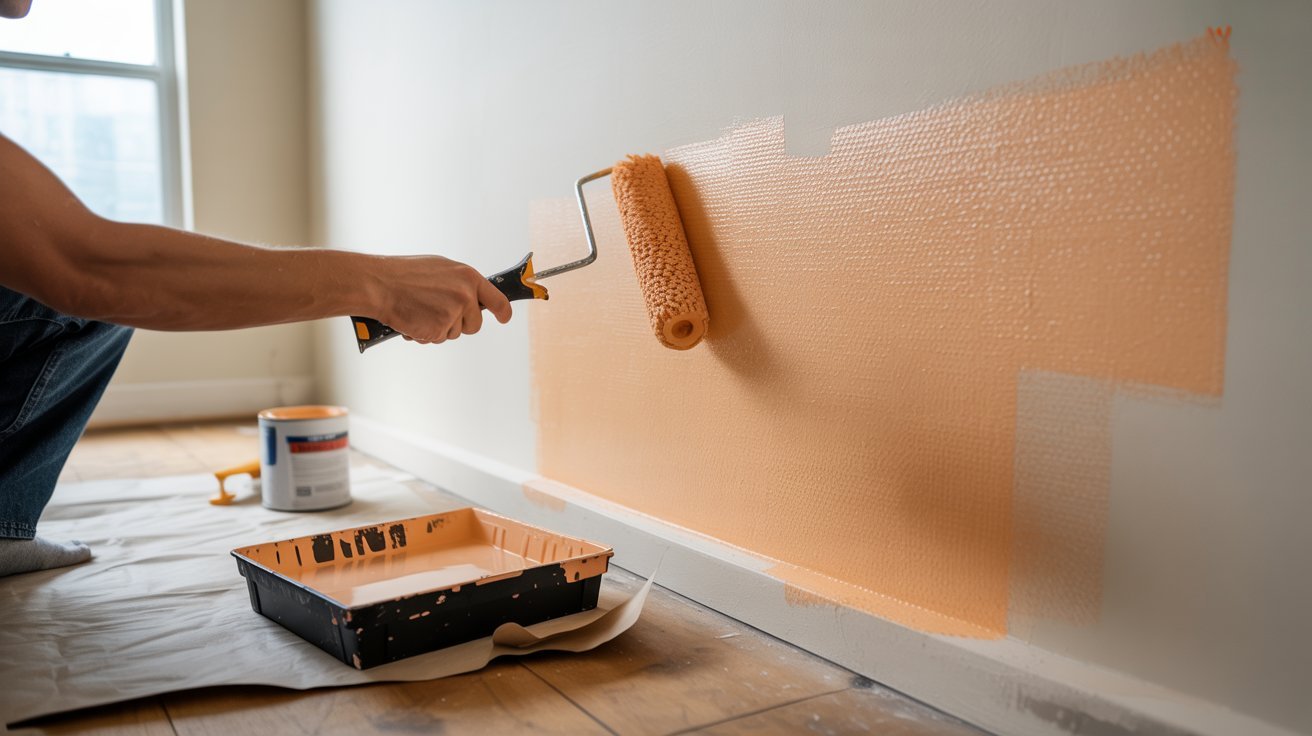
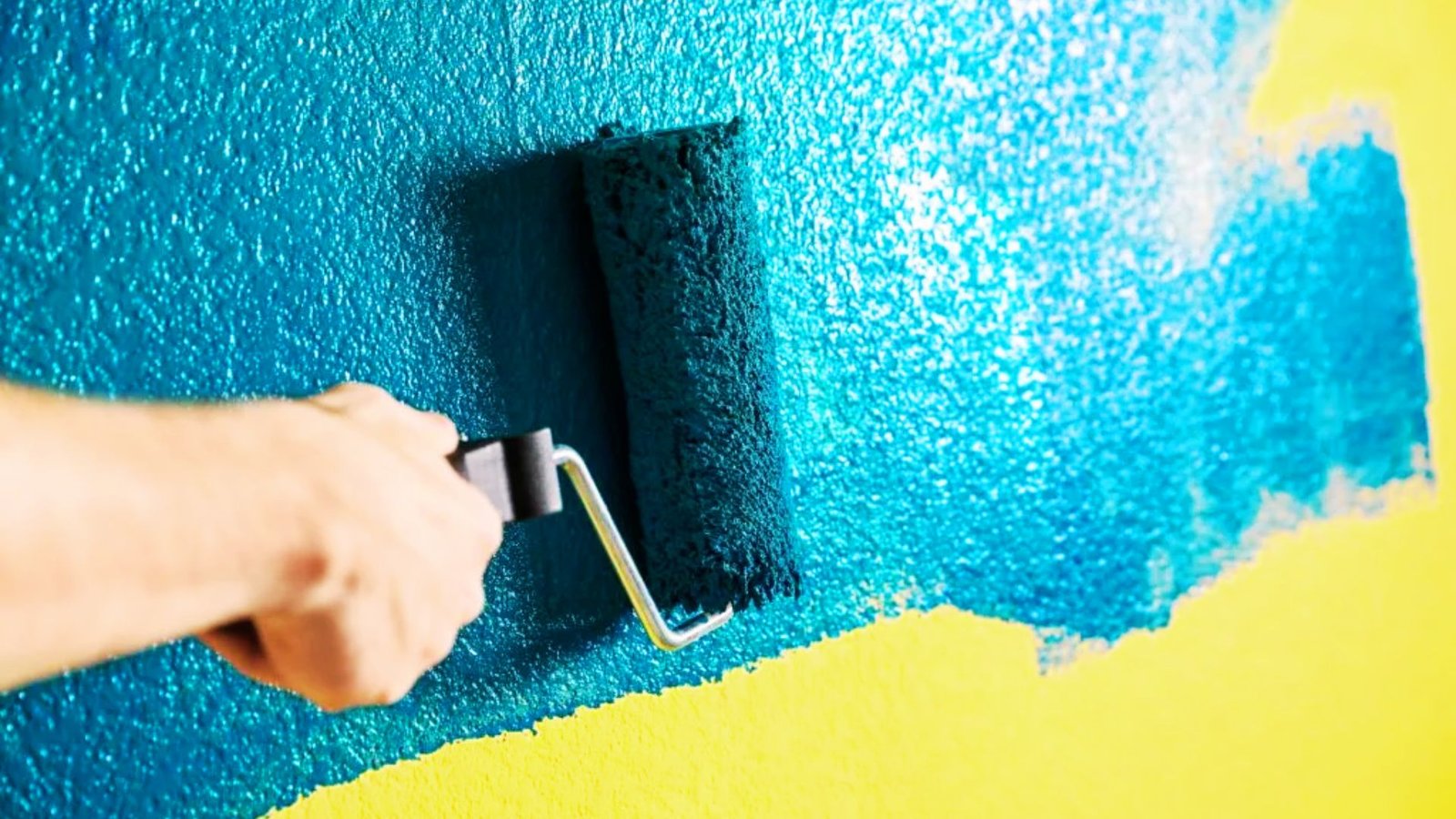
Roll on texture is applied using a textured roller that leaves a consistent, repeating pattern on the surface. It is one of the easier textures to apply yourself, making it a popular DIY option.
The finish is subtle and even, and it works well for large wall areas. It is great for hiding minor wall imperfections without requiring special equipment.
7. Sand Texture Paint
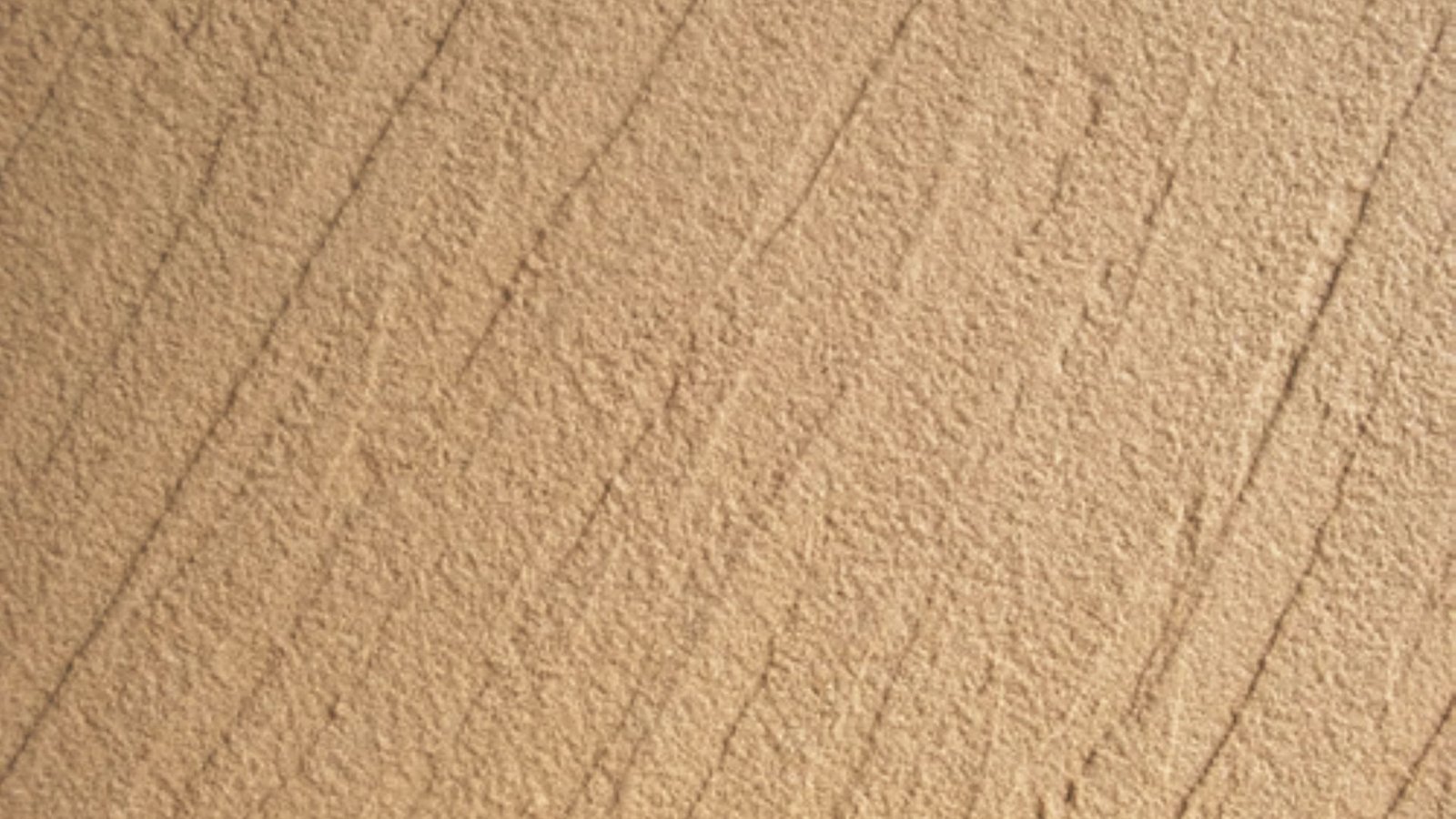
Sand texture paint contains fine sand particles mixed directly into the paint. When applied, it creates a gritty, sandpaper like surface.
This finish adds grip and is often used in areas where slip resistance matters, such as floors, pool areas, and outdoor surfaces.
On walls, it gives a natural, earthy look. It is not ideal for areas where you want smooth, easy to clean surfaces.
8. Crackle Texture Finish
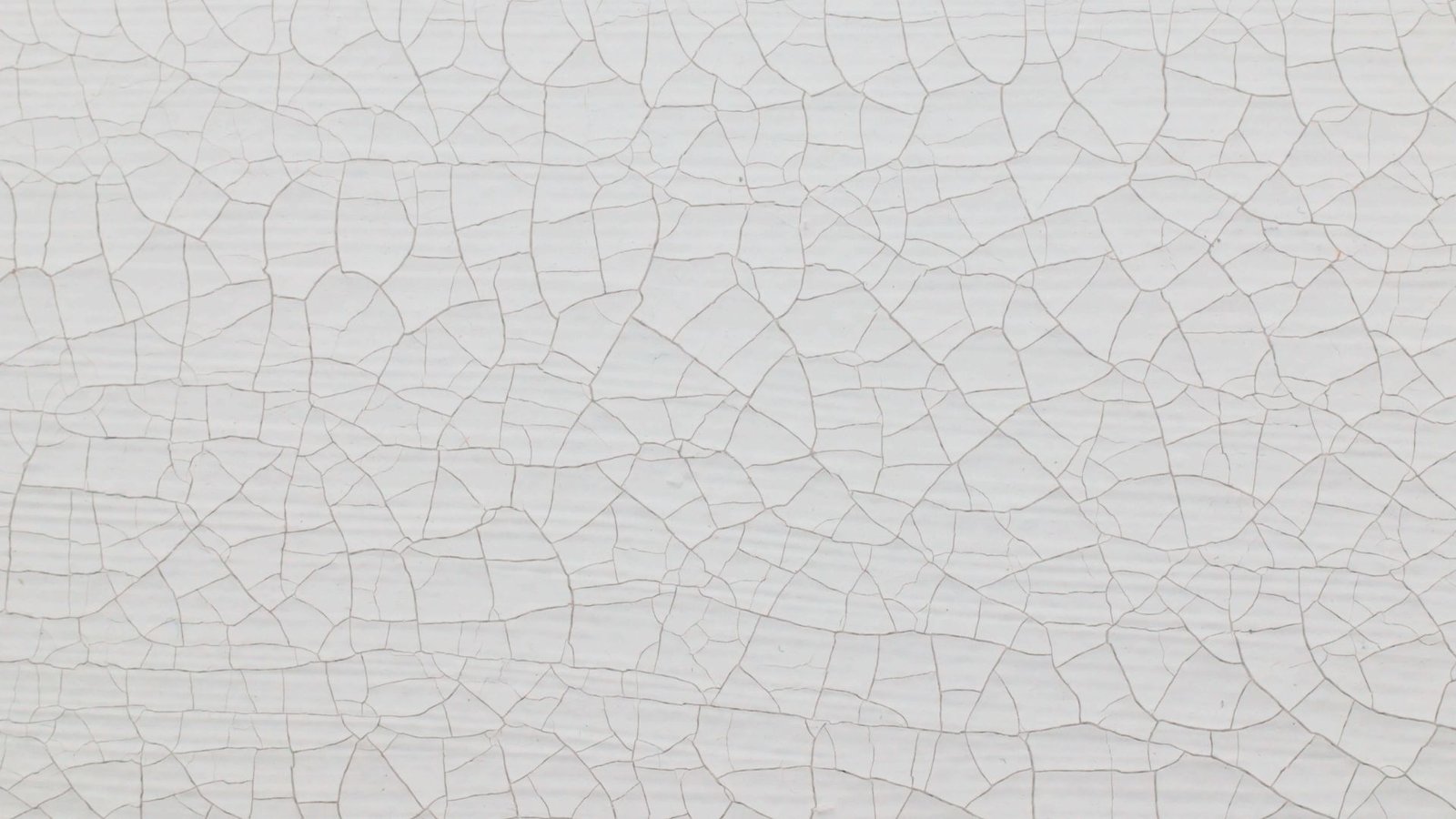
Crackle texture gives a wall a cracked, aged appearance. It is achieved by applying a crackle medium over a base coat. As the topcoat dries, it pulls apart and reveals the base color through the cracks.
This finish works well on accent walls for a vintage or distressed look. It adds visual drama to a space and works best in small doses.
9. Hammered Texture Finish
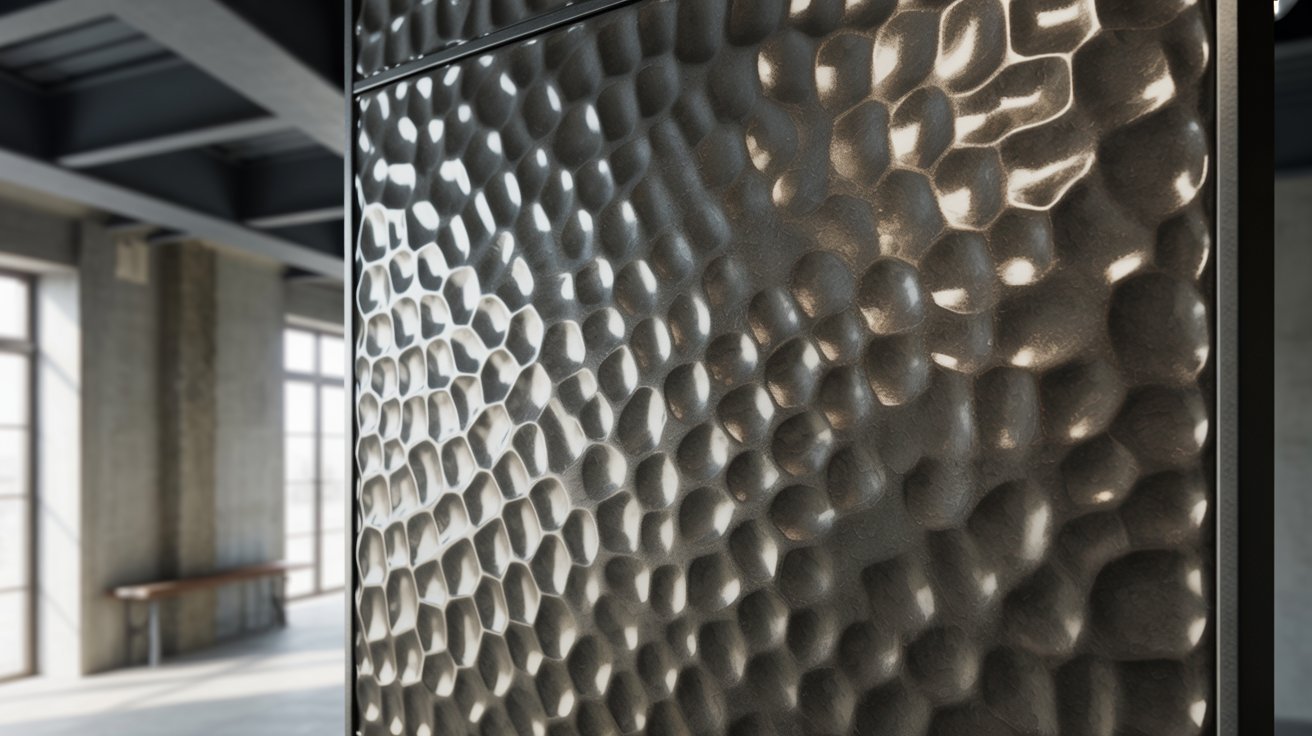
Hammered texture creates the look of beaten or hammered metal on a wall or surface. It has a dimpled, metallic appearance and reflects light in an interesting way.
This finish is more commonly used on metal surfaces, furniture, or accent walls. It brings a strong, industrial feel to a room and pairs well with modern or warehouse style interiors.
10. Velvet Texture Finish
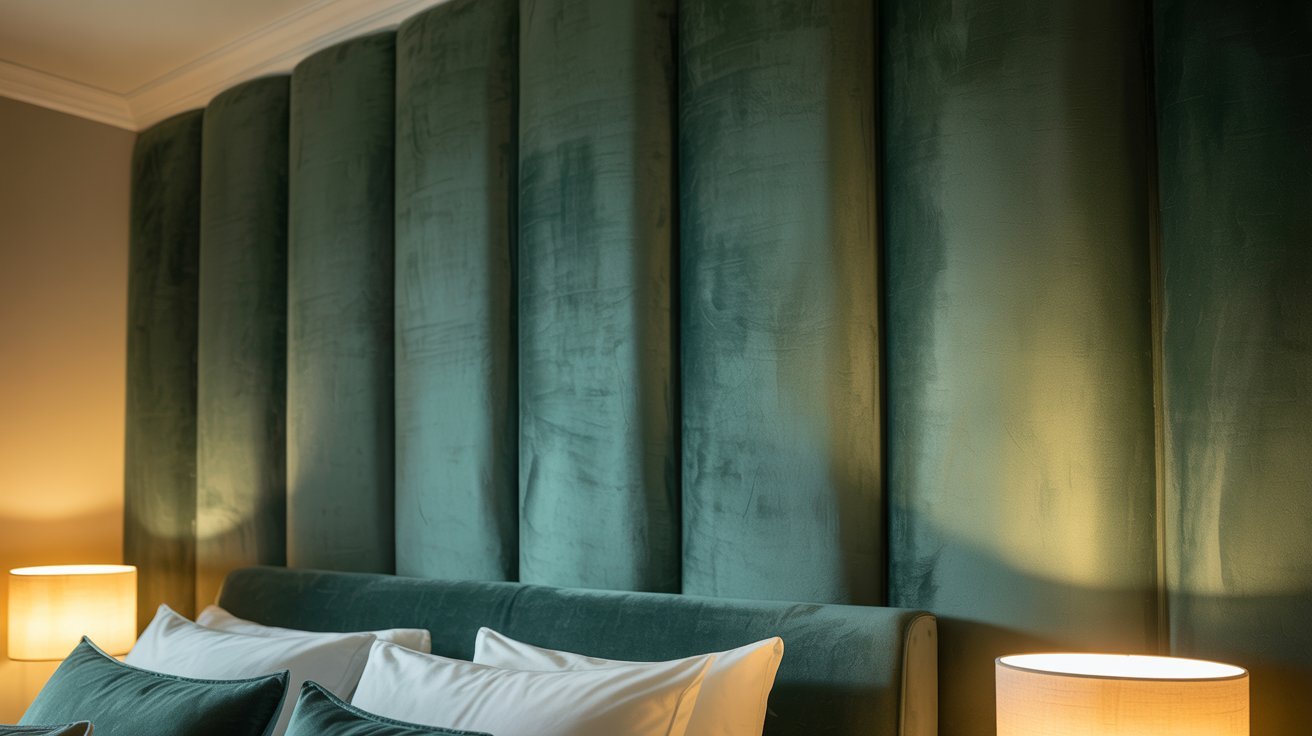
Velvet texture paint gives walls a soft, velvety look that feels warm without being shiny. It absorbs light rather than reflecting it, which makes colors look deeper and richer.
This finish is a good choice for bedrooms or dining rooms where you want a cozy atmosphere. It is not the most washable option, so it works best in low traffic areas.
11. Wrinkle Texture Finish
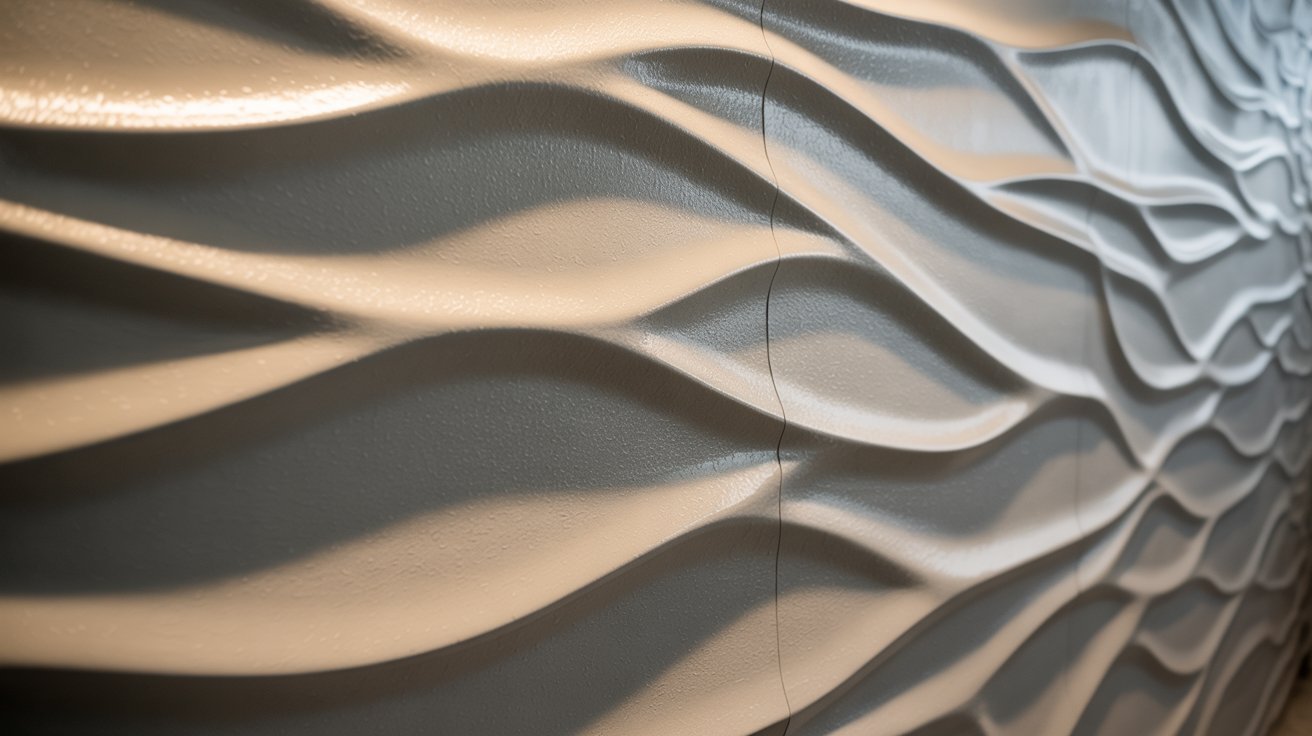
Wrinkle texture creates a rippled or wrinkled surface pattern on walls. It is often used on furniture, appliances, and accent surfaces rather than full walls.
It is applied by putting on a thick coat of paint and allowing it to dry in a way that causes the surface to contract and wrinkle. The result is a tactile, layered look that adds depth to any surface it covers.
Paint Sheens Explained
Paint sheen affects how a surface reflects light and how easy it is to clean and maintain over time.
Matte and Flat Finish
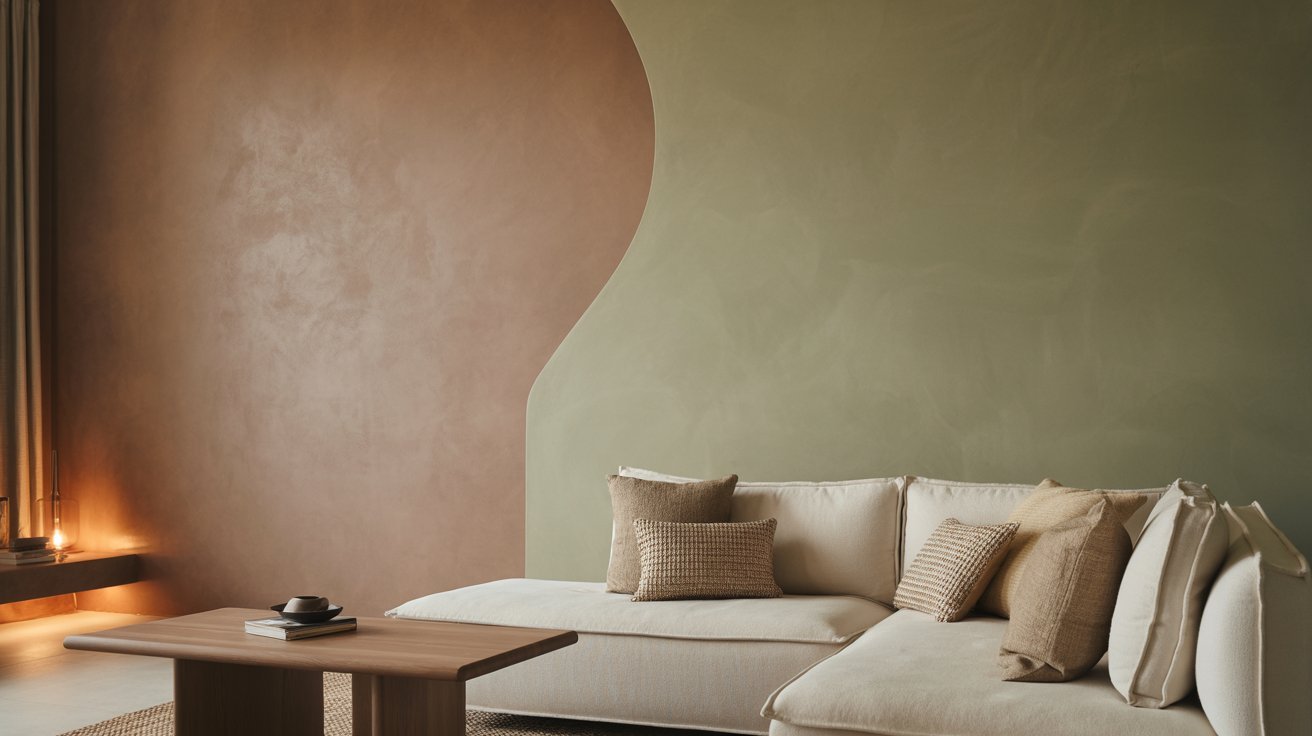
Matte and flat finishes have little to no shine. They absorb light rather than reflecting it, which helps hide surface imperfections. These finishes are great for ceilings and low traffic walls.
The downside is that they are harder to wipe clean. Scrubbing a flat painted wall can remove the finish or leave marks.
Eggshell Finish
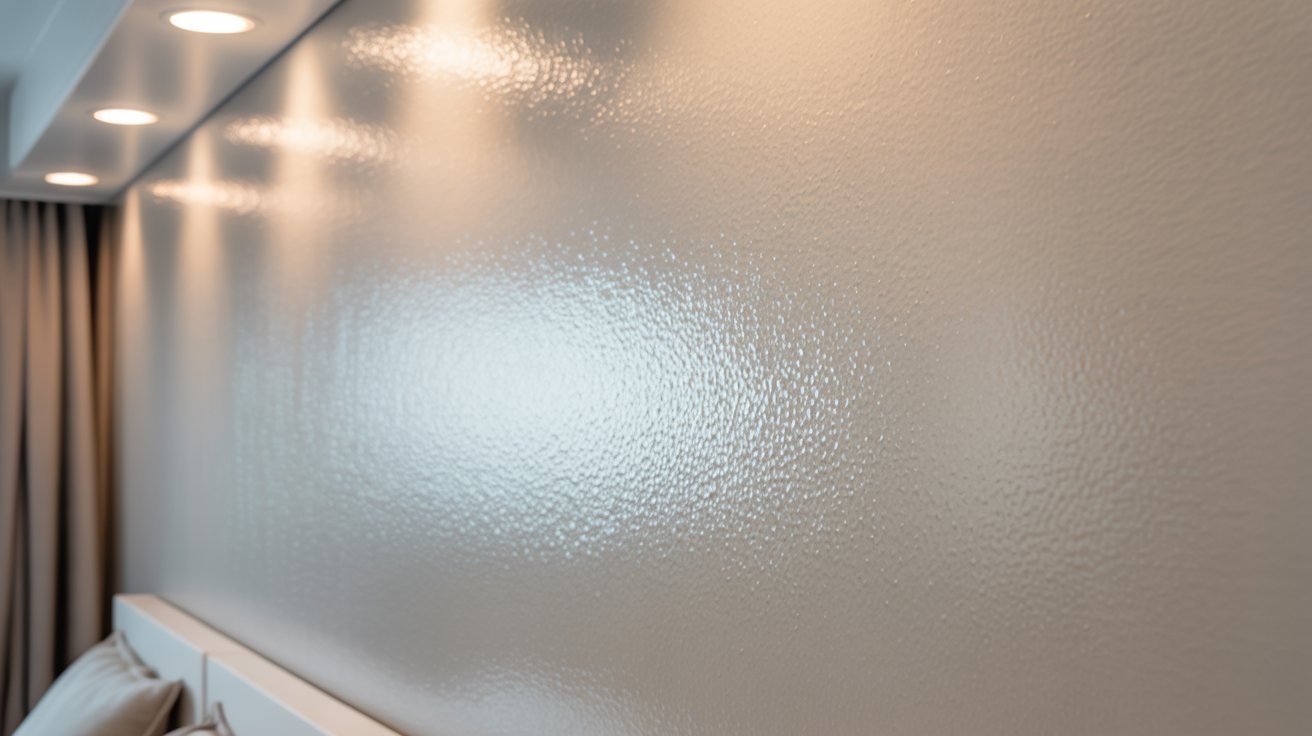
Eggshell finish has a very slight sheen, similar to the surface of an actual eggshell. It is slightly more washable than flat paint and holds up better to light scrubbing.
This finish is commonly used in living rooms and bedrooms because it offers a balance between a clean look and easy care.
Satin Finish
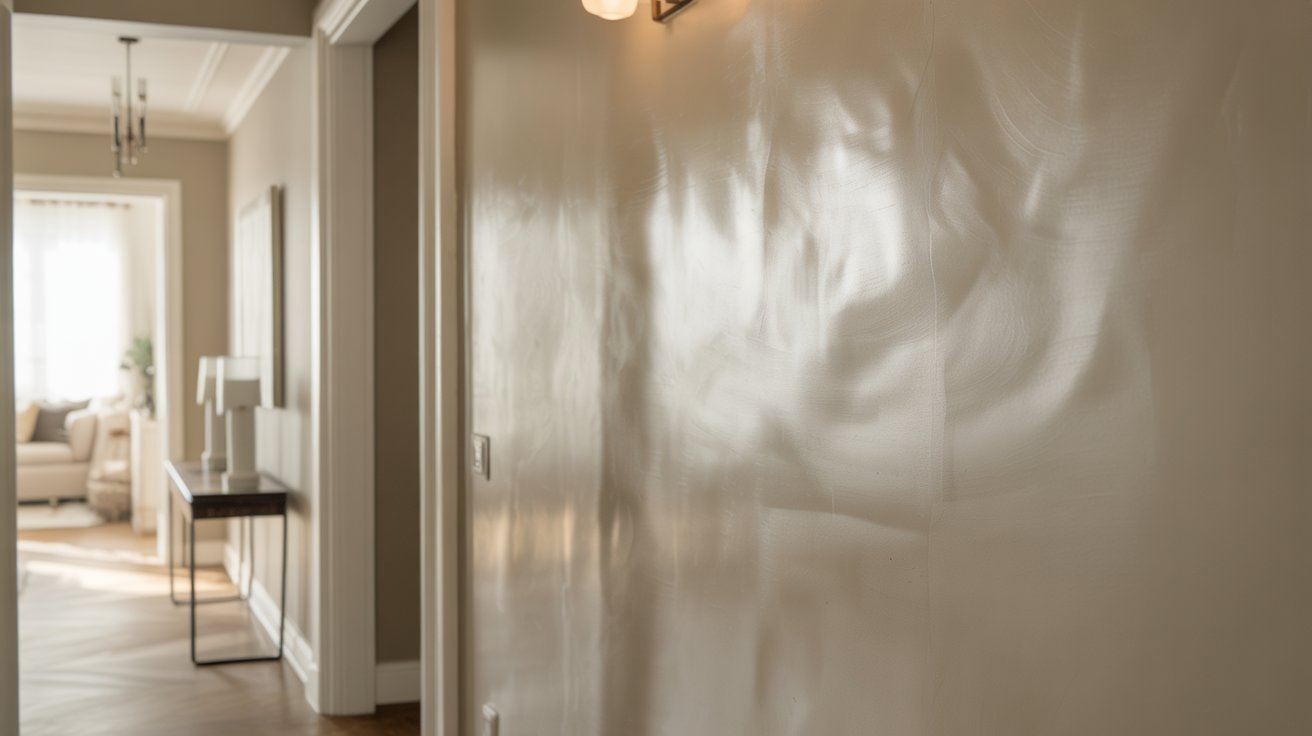
The satin finish has a soft, pearl like sheen. It is more durable than eggshell and easier to clean, making it a popular choice for hallways, kids' rooms, and family spaces.
It handles moisture reasonably well, which is why many people also use it in bathrooms and kitchens that see moderate activity.
Semi Gloss Finish
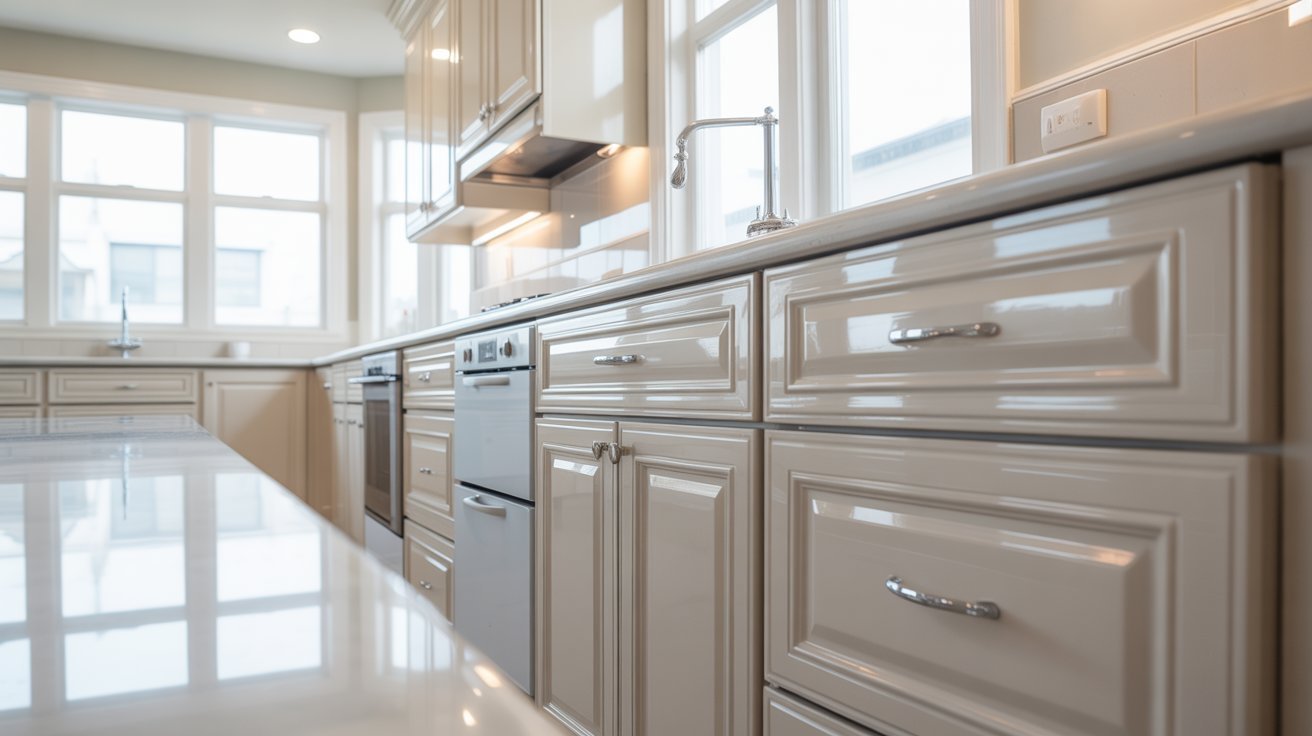
Semi gloss finish is noticeably shiny and reflects quite a bit of light. It is very durable and moisture resistant, which makes it a top pick for kitchens, bathrooms, and trim work.
It is easy to wipe down with a damp cloth and holds up well in rooms where walls get touched or splashed often.
High Gloss Finish
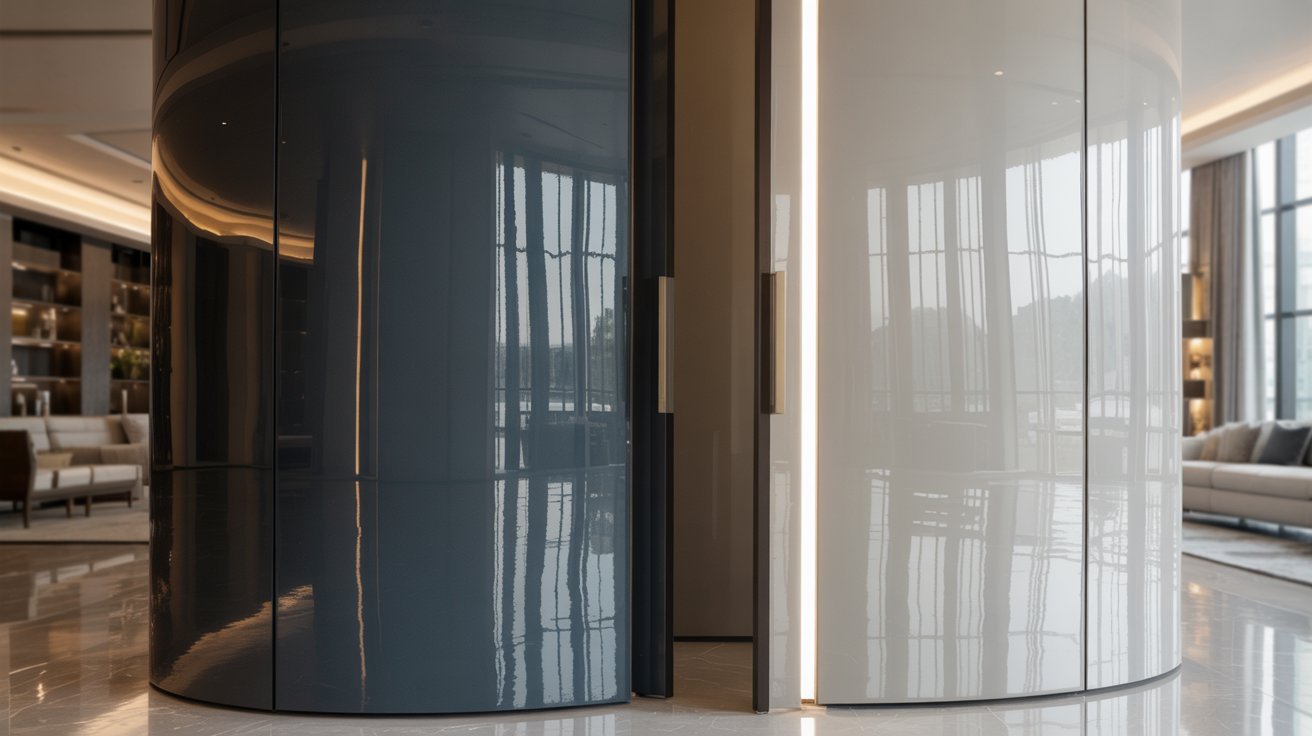
High gloss finish has the most shine of any paint sheen. It creates a hard, glass like surface that reflects a lot of light and cleans up easily.
It is most often used on cabinets, doors, trim, and furniture rather than large wall areas. The high reflectivity can highlight imperfections on walls, so surfaces need to be well prepared before painting.
Best Wall Paint Texture Types for Different Rooms
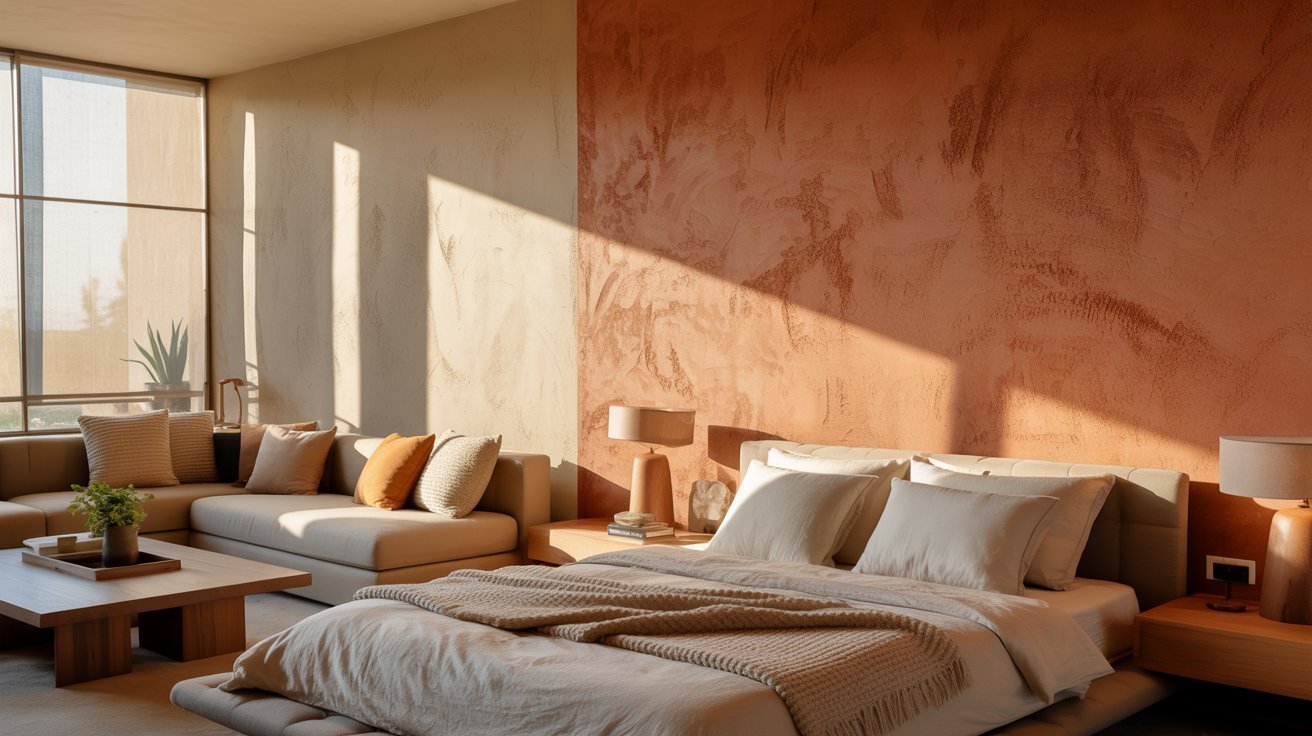
Different rooms call for different textures based on usage, moisture levels, and how much traffic the space gets.
Living Rooms and Bedrooms
Living rooms and bedrooms benefit from lighter textures and softer finishes. Orange peel, knockdown, or smooth finishes all work well here.
These rooms are typically low in humidity and see moderate use, so you have more freedom to choose based on look rather than just durability.
Velvet finish paint is also a good option in bedrooms if you want walls that feel warm and inviting.
Kitchens and Bathrooms
Kitchens and bathrooms need paint textures and sheens that can handle moisture, grease, and frequent cleaning. Smooth or lightly textured walls are easier to wipe down in these spaces.
Avoid heavy textures like popcorn or slap brush in bathrooms, as they can trap moisture and grow mold over time. Stick with semi gloss or high gloss sheens in these rooms for better durability.
Hallways and High Traffic Areas
Hallways, entryways, and other busy areas need surfaces that can handle regular contact. Knockdown and orange peel textures are practical choices here because they help hide scuffs and marks.
Pair these textures with a satin or semi gloss finish so that cleaning is simple and the paint lasts longer.
Ceiling Paint Texture Types for Modern Homes
Modern ceilings often feature smooth finishes or very subtle textures like orange peel. Heavy textures like popcorn are less common in new construction.
Flat or matte finishes are standard for ceilings because they do not show roller marks and they minimize glare from overhead lighting. If your ceiling has imperfections, a light knockdown or orange peel texture can help hide them while still looking current.
How to Choose the Right Paint Texture and Sheen
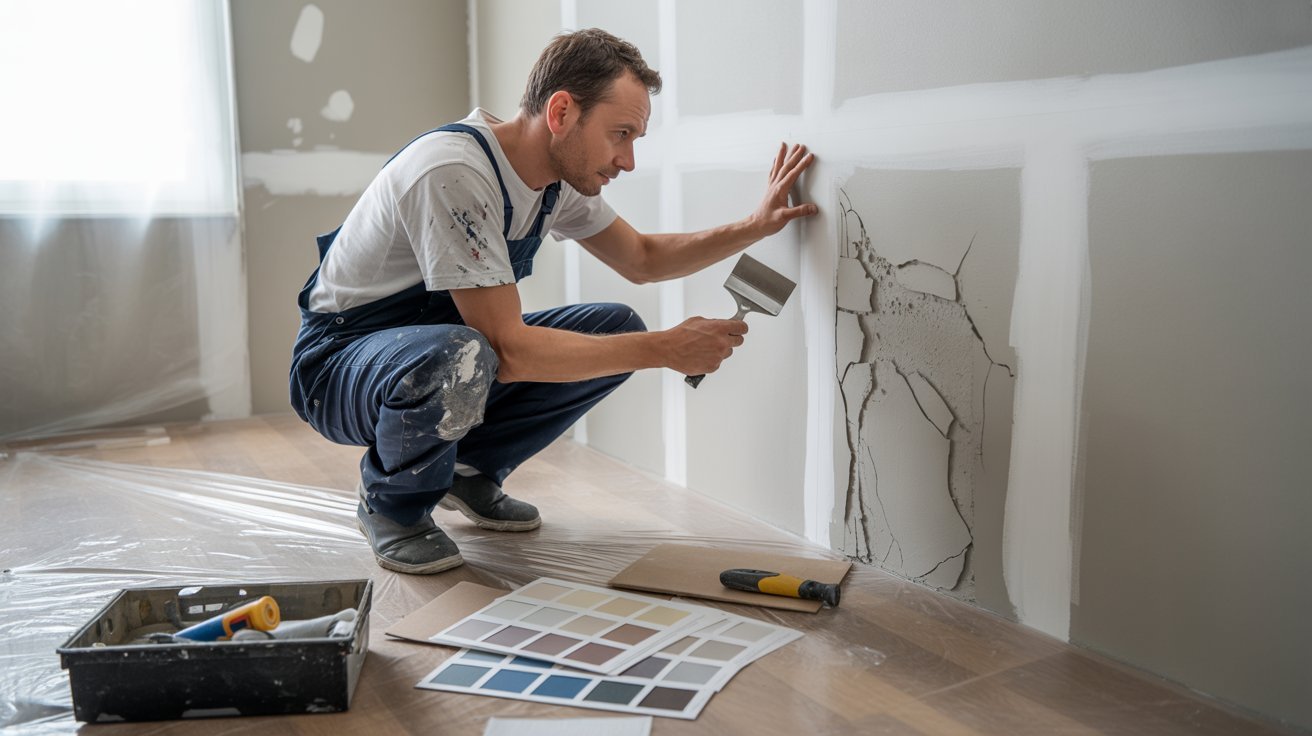
The right texture and sheen depends on your wall condition, room type, lighting, and how much upkeep you want to do.
Choose Based on Wall Condition
If your walls have dents, cracks, or uneven surfaces, a medium texture like knockdown or orange peel can help disguise these flaws.
Smooth finishes require walls to be in near perfect condition because any defect will show through clearly.
Take time to look at your walls in different lighting before deciding on a texture level.
Match Texture With Lighting
Heavy textures can create shadows in rooms with harsh or directional lighting. Natural side lighting often brings out texture in a dramatic way, which can look great in some rooms and distracting in others.
Smooth or low texture finishes work better in rooms with strong directional light because they do not create unwanted shadows.
Pick Durable Finishes for Busy Areas
High traffic areas need finishes that can take a beating. Satin and semi gloss sheens hold up to regular contact much better than flat or matte finishes.
For families with kids or pets, choosing a tougher sheen will save time and money on repainting.
Use Washable Paint for Easy Maintenance
Many paint brands offer washable or scrubbable formulas in a range of sheens. If keeping walls clean is a priority, look for these options. They allow light to moderate scrubbing without damaging the finish.
Check the product label for washability ratings before purchasing.
Test Paint Samples Before Final Application
Always test paint on a small section of the wall before committing to a full room. Colors and finishes can look very different under different lighting conditions and against different surfaces.
Let the sample dry fully before making a decision, since wet paint looks darker and shinier than dry paint.
Common Mistakes to Avoid With Paint Textures
Knowing what to avoid can save you time, money, and frustration during your next paint project.
Choosing Glossy Paint for Uneven Walls
High gloss and semi gloss finishes draw attention to bumps, nail holes, and uneven surfaces. If your walls are not smooth, using a high sheen paint will make those flaws more visible, not less.
Repair walls properly before using glossy finishes, or switch to a lower sheen option that will forgive minor imperfections.
Using Heavy Texture in Small Rooms
Thick, heavy textures can make small rooms feel closed in. They add visual weight to walls and can make a compact space feel even smaller.
In small rooms, lighter textures or smooth finishes tend to keep the space feeling open and airy.
Ignoring Moisture Resistance in Bathrooms
One of the most common paint mistakes is using regular interior paint in bathrooms. Without proper moisture resistance, paint can peel, bubble, or grow mildew in humid conditions.
Always choose paint labeled for bathrooms or kitchens, and make sure it has a sheen level that helps repel moisture.
Tips to Make Paint Textures and Finishes Last Longer
A few good habits during and after painting can extend the life of your walls significantly.
- Always fill cracks, sand rough spots, and clean walls before painting. Skipping prep leads to peeling and uneven coverage that shortens the life of any finish.
- Use a separate primer coat before painting, especially on new drywall, bare wood, or repaired surfaces. It helps paint stick better and blocks stains from showing through.
- Clean painted walls with a soft cloth and mild soapy water only. Harsh scrubbing pads and strong cleaners wear down the finish faster than normal use ever would.
- Match your cleaning method to the sheen level. Flat and matte finishes need gentle handling, while satin and semi gloss surfaces can take slightly more scrubbing without damage.
- Fix leaks and improve ventilation in kitchens and bathrooms before repainting. Moisture trapped behind walls causes paint to peel, bubble, and grow mold over time.
Conclusion
Picking the right paint texture and sheen honestly changed how I feel about my own walls. Once I stopped guessing and started matching finishes to each room's needs, everything looked so much better.
Now it is your turn. Look at your walls, think about how each room gets used, and start small with a sample or two.
Have a texture or finish that worked really well for you? Drop it in the comments below. Someone else might find it super helpful!
Frequently Asked Questions
What is the difference between paint texture and paint sheen?
Paint texture refers to the physical feel and pattern on a wall surface. Paint sheen refers to how much light the painted surface reflects after drying.
Which paint sheen is best for kitchens and bathrooms?
Semi gloss and high gloss sheens work best in kitchens and bathrooms. They resist moisture, wipe down easily, and hold up well in humid conditions.
Can I apply paint texture over existing walls?
Yes, most textures like knockdown and roll on can be applied over existing painted walls. Make sure the surface is clean, dry, and free of loose or peeling paint before starting.
How do I choose the right paint texture for a small room?
Stick to light or smooth textures in small rooms to keep the space feeling open. Heavy textures add visual weight to walls and can make a compact room feel more closed in.
How long does a textured paint finish last?
A well applied textured finish can last 10 to 15 years with proper care. Regular cleaning, good ventilation, and fixing moisture issues early will help the finish hold up over time.