Picking a fireplace finish is not as simple as it looks. Limewash and whitewash both seem similar at first, but they are quite different.
I have helped many homeowners work through this exact decision, so I know where the confusion starts.
This article covers what limewash and whitewash actually are, how they compare side by side, and which one suits your home style best. We will also walk through DIY tips, common mistakes, and how to pick the right finish without second guessing yourself.
By the end, you will feel confident making the right call for your fireplace.
What Is a Limewash Fireplace?
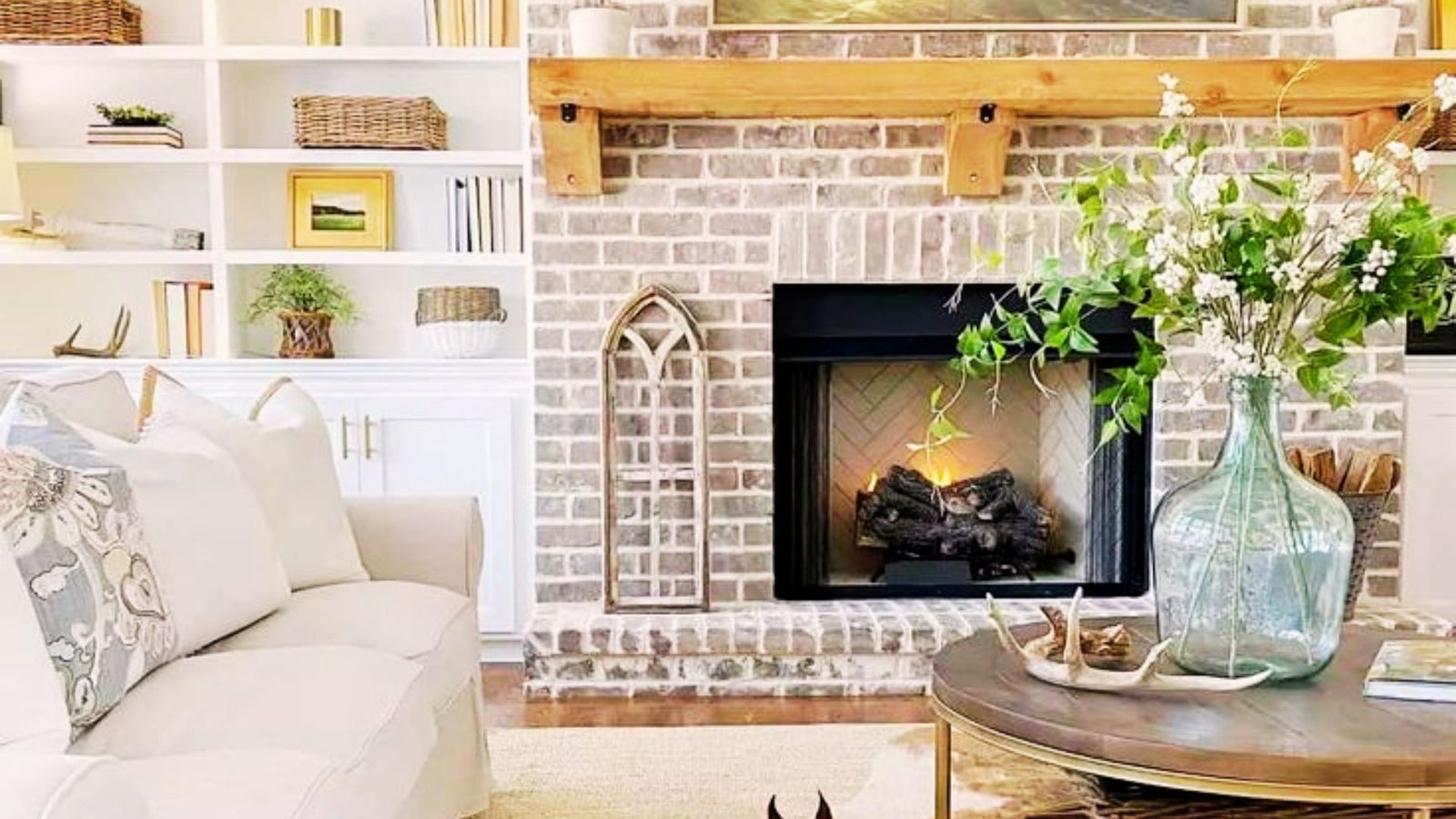
A limewash fireplace gives your brick or stone surface a soft, aged look using a simple lime based paint technique.
Limewash is made from burned limestone mixed with water. It soaks into brick or stone instead of sitting on top like regular paint, which gives the surface a natural, worn finish.
You brush it on in thin coats and can wipe some back while wet to control how much brick shows through. It is affordable, breathable, and works well near heat.
The main downsides are that it needs clean, unsealed brick to absorb properly, and touching it up later can look uneven. It suits a relaxed, rustic style more than a clean or polished one.
What Is a Whitewash Fireplace?
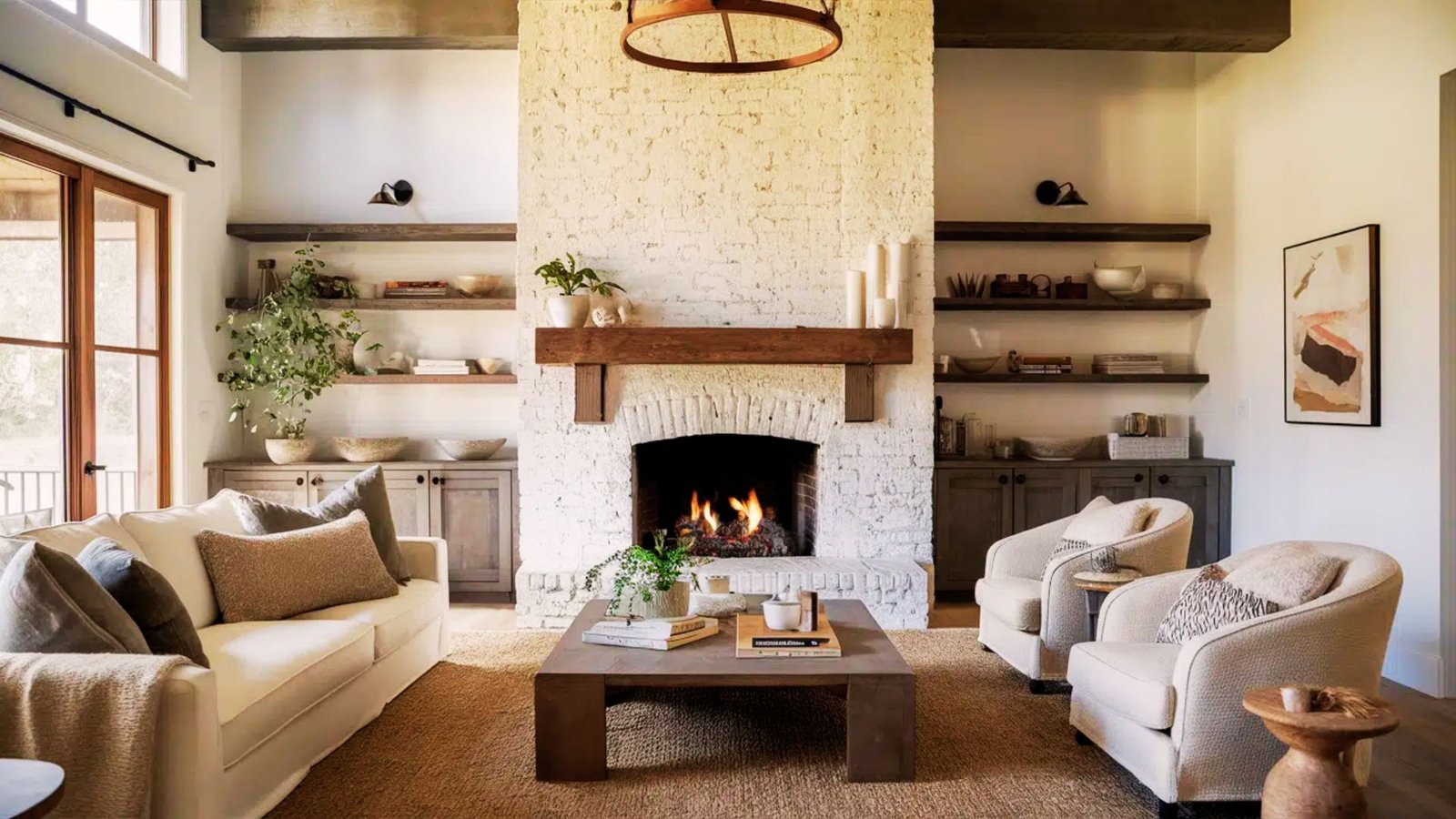
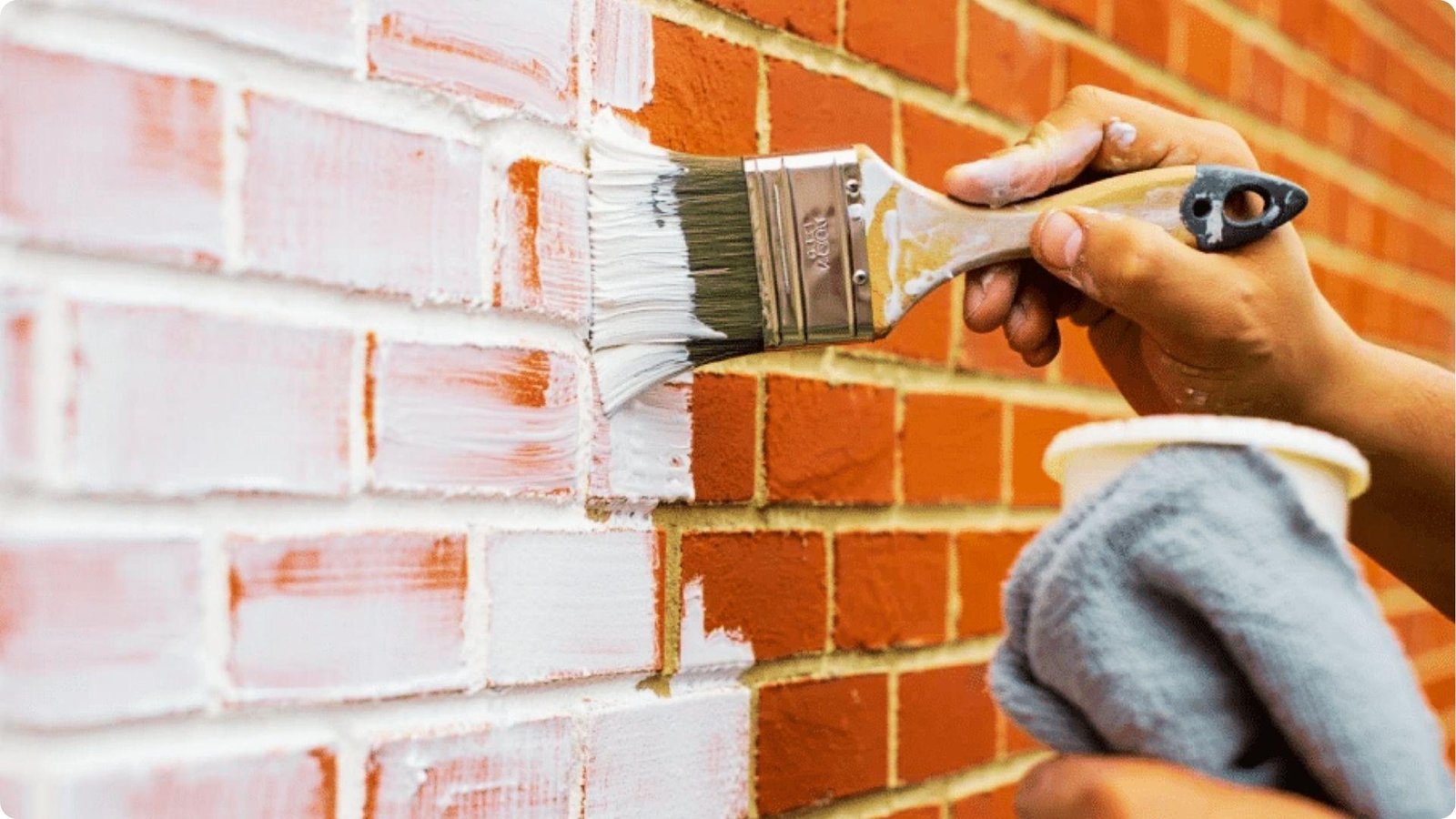
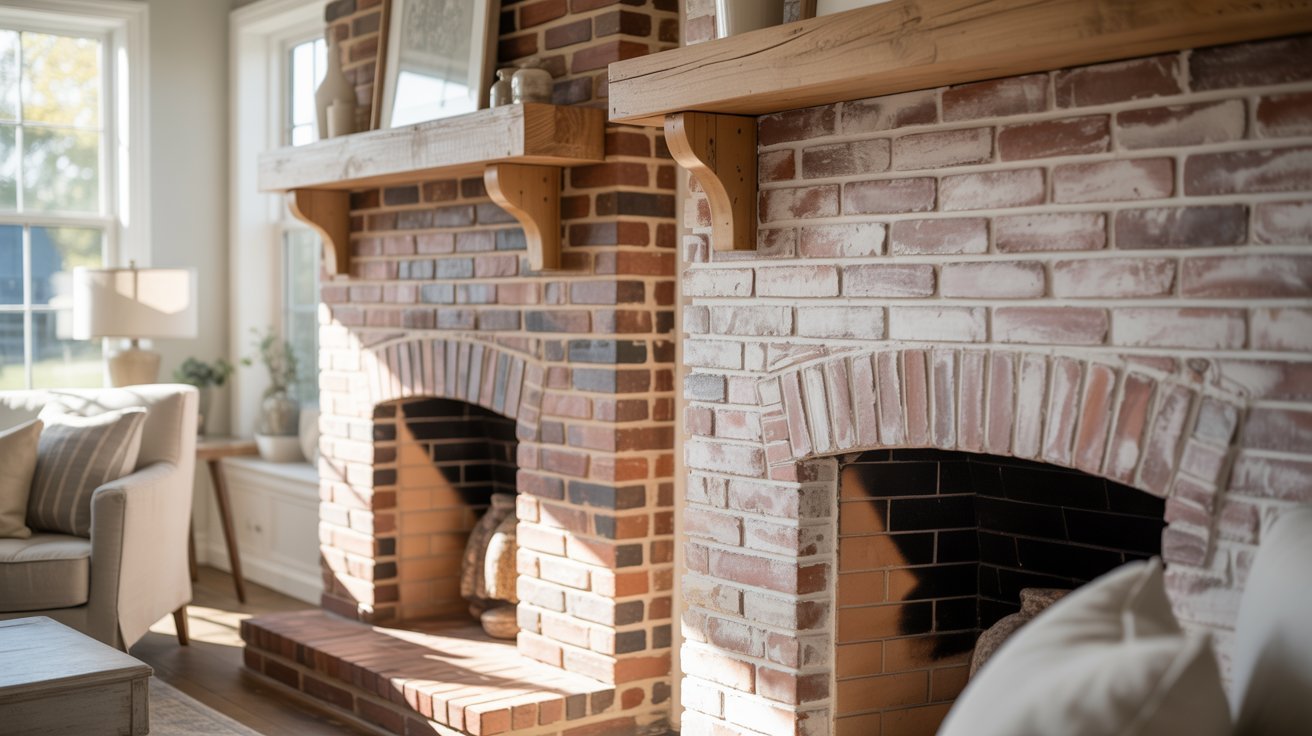
A whitewash fireplace gives your brick or stone a soft, faded look while still showing the natural texture beneath.
Whitewashing means mixing white paint with water and brushing it onto brick or stone. The paint soaks in without fully covering the surface, so the natural texture still shows through.
You can make the finish lighter or heavier by adjusting the water ratio. It costs far less than retiling and works on both indoor and outdoor fireplaces.
The downside is that it is hard to reverse once applied and may chip near high heat areas over time. Testing a small patch first is always a smart move before doing the full surface.
Limewash vs Whitewash Fireplace: Key Differences
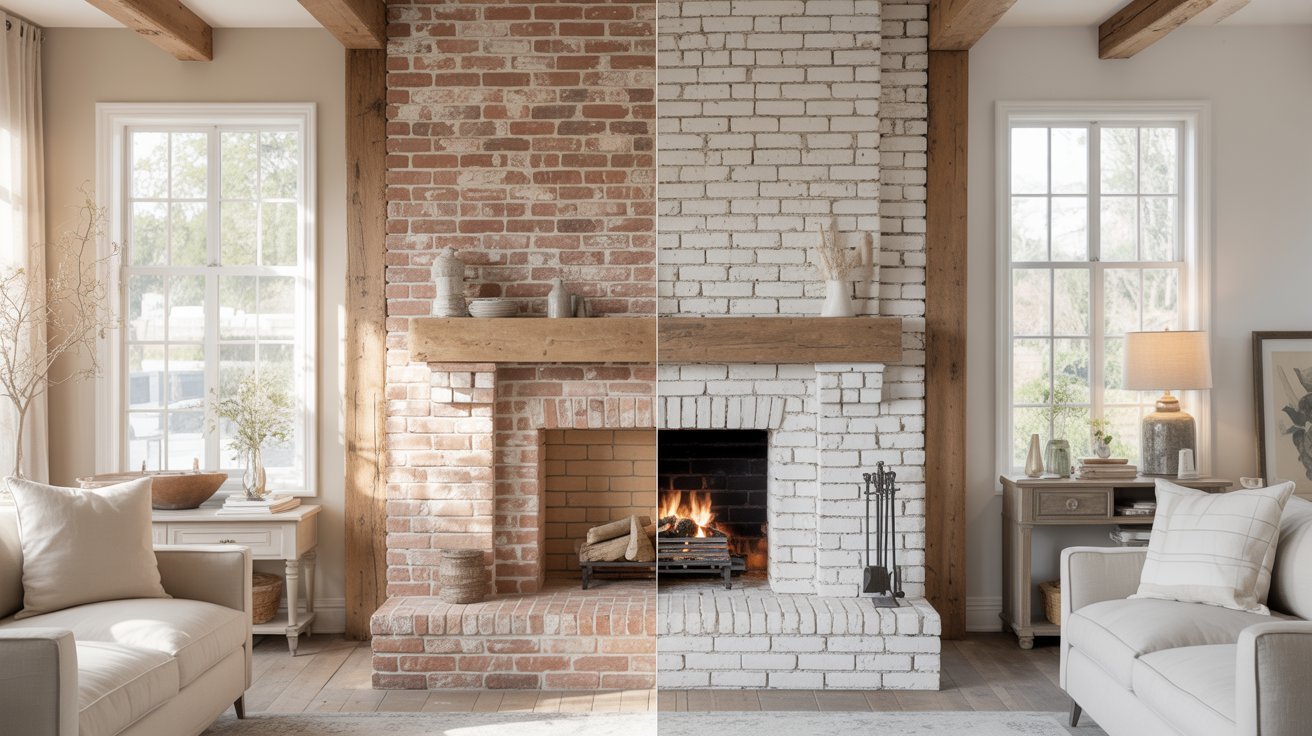
Both finishes can refresh a fireplace, but they work differently in look, feel, and long term performance.
| Factor | Limewash | Whitewash |
| Appearance | Layered, aged, weathered look with shifting light effects | Cleaner, more consistent finish with a fresh, polished look |
| Texture | Soaks into brick for a soft, natural, lived in feel | Sits on the surface, brick texture still visible but more uniform |
| Best Look For | Rustic or old world style | Lighter, cleaner, more modern style |
| Durability | Bonds deep into brick, holds up well over time | More prone to chipping and peeling, especially near heat |
| Maintenance | Easy touch ups that blend in naturally | Needs more frequent touch ups to stay neat |
| Breathability | Highly breathable, allows moisture to pass through | Less breathable, especially if paint based |
| Moisture Resistance | Reduces risk of moisture buildup behind the surface | Can trap moisture inside brick over time |
| Best For Older Brick | Yes, safer and more compatible | Not always ideal, risk of cracking or flaking |
| Cost | Slightly higher material cost | More budget friendly |
| Application | Takes more care, patience, and layering technique | Simple, quick, beginner friendly |
| DIY Friendly | Yes, but requires more practice | Yes, easy for most people |
| Longevity | Longer lasting with a natural finish | May need refreshing sooner |
Which Fireplace Finish Is Better?
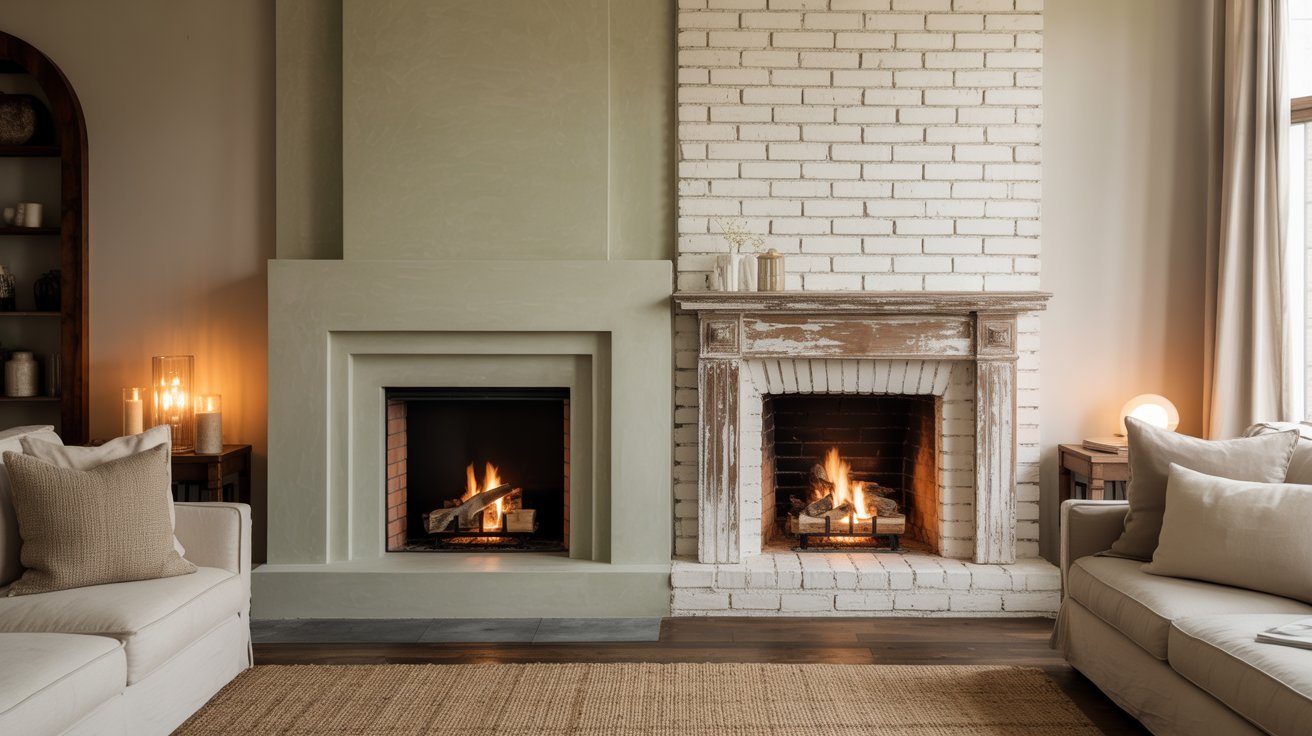
Choosing between limewash and whitewash can feel tricky. This guide breaks down which finish works best for your home style and how long each one lasts.
Best for Modern Homes
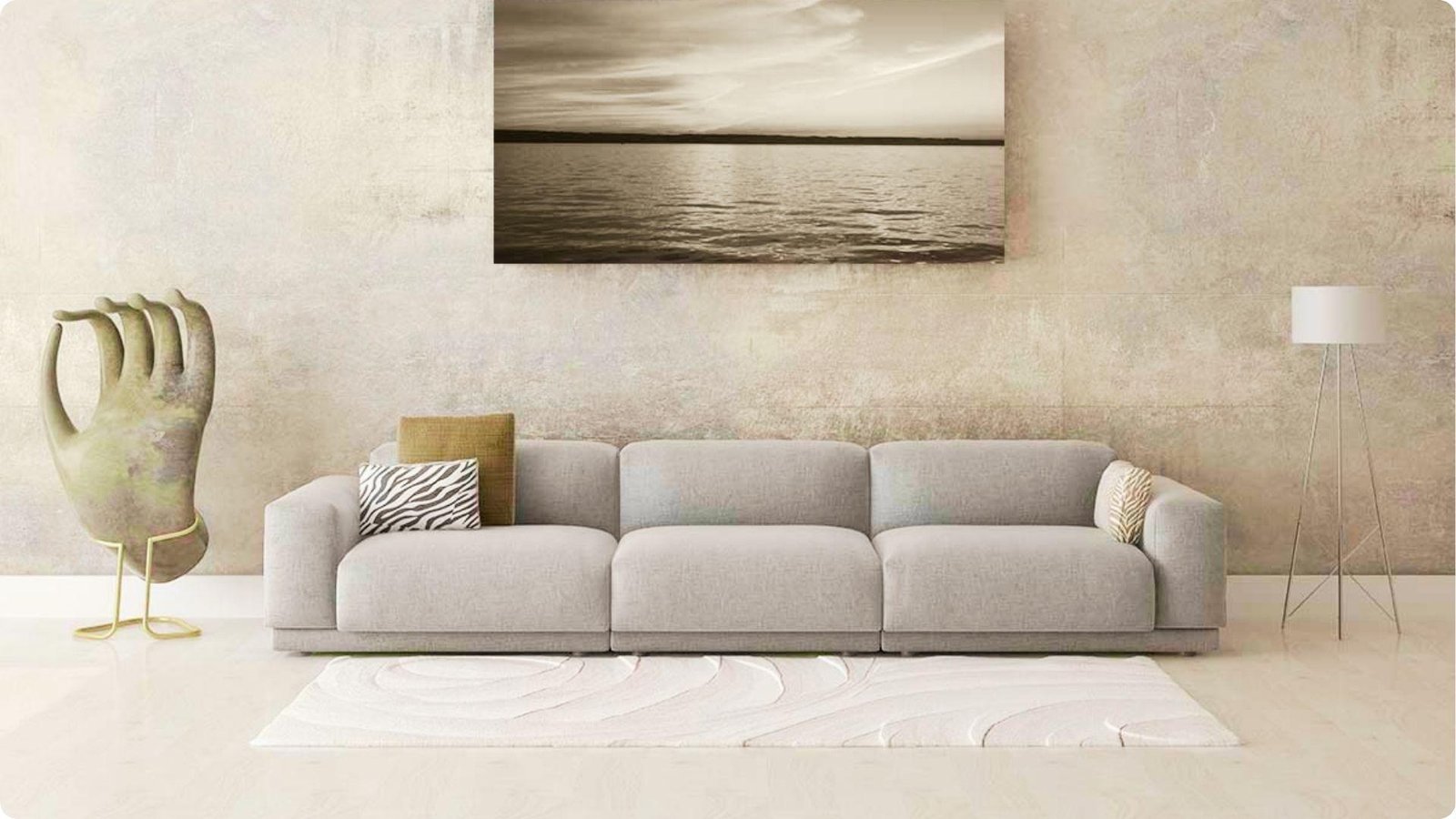
If your home has clean lines and neutral tones, limewash is the better pick. It gives the fireplace a soft, layered look with depth and texture. The finish has a chalky, matte quality that fits well in modern spaces.
It pairs nicely with concrete floors, metal accents, and neutral walls. Whitewash can work too, but it shows more of the original brick underneath, which suits warmer or more lived in spaces better.
Best for Rustic and Farmhouse Styles
Whitewash is a natural fit here. It lets the texture and color of the original brick show through, giving that half painted, worn in look that farmhouse design calls for.
Limewash tends to cover more of the brick surface. If you want to keep that raw, natural brick feel, whitewash gets you there with less effort.
Which Finish Lasts Longer?
Limewash holds up better over time. It bonds with the brick rather than sitting on top of it, so it is less likely to peel or chip.
Whitewash sits more on the surface and can wear away faster, especially near heat and moisture. If low maintenance matters to you, limewash is the stronger long term choice.
Can You DIY Limewash or Whitewash a Fireplace?
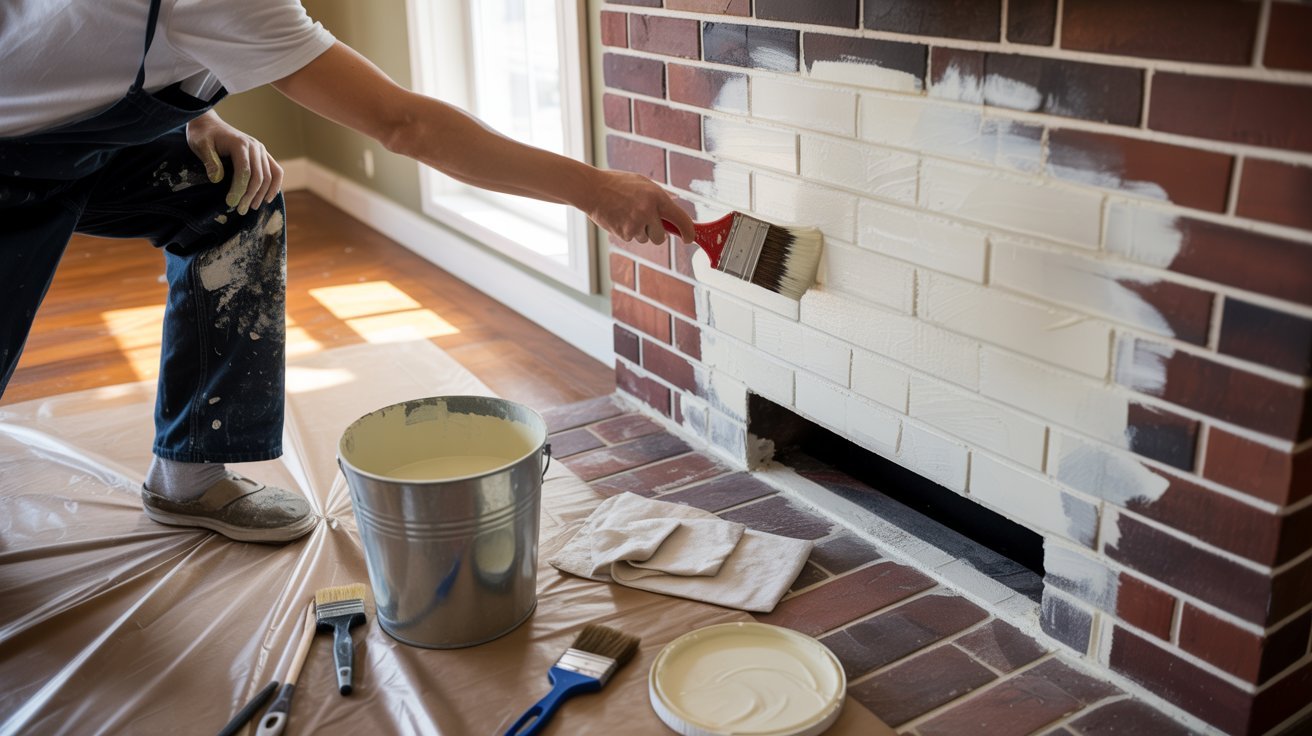
Both finishes are DIY friendly and do not require professional help. With the right prep and a little patience, most homeowners can get a great result on their own.
Basic Steps
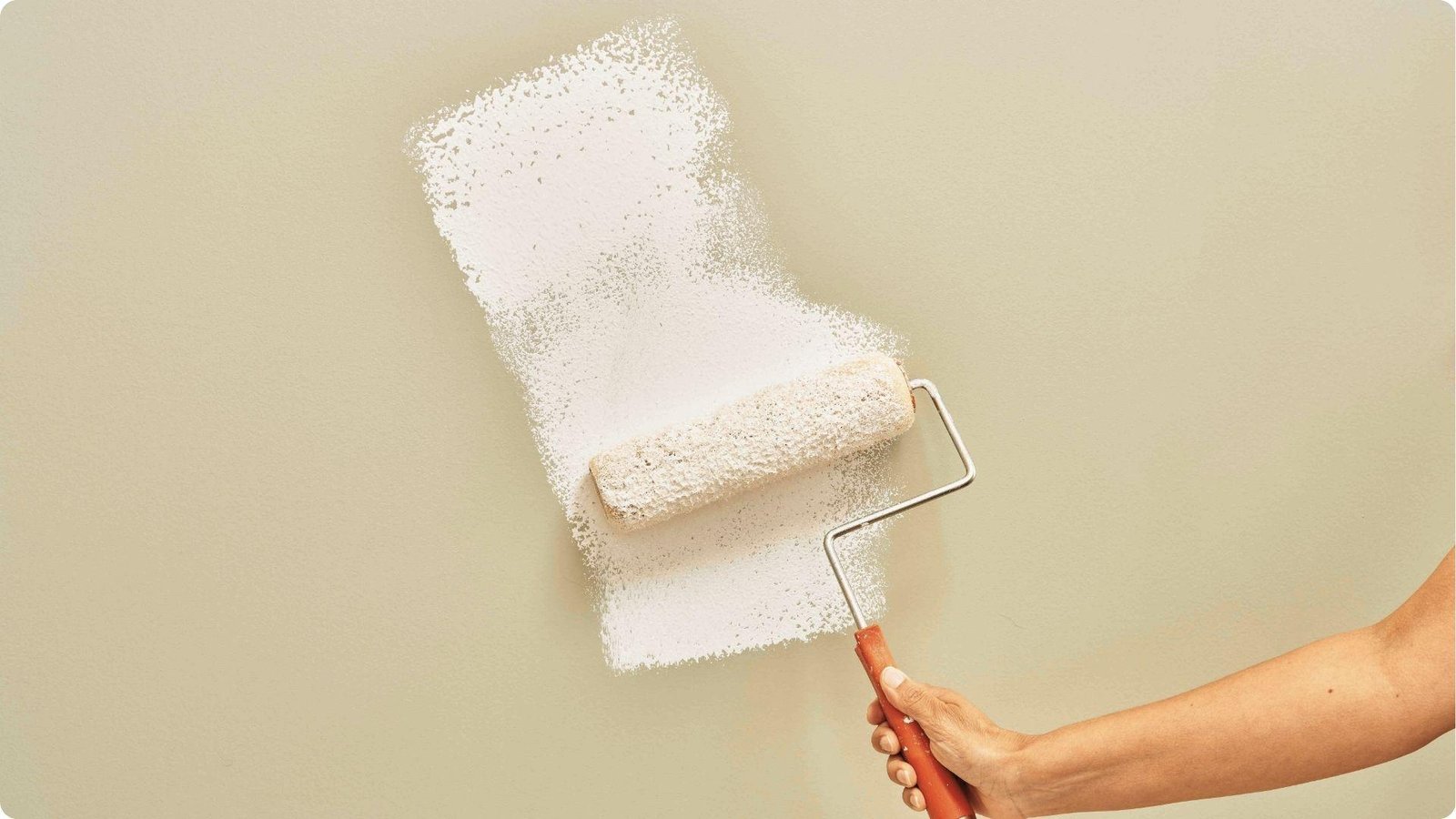
For whitewash, start by cleaning the brick well. Mix white latex paint with water in equal parts, then dampen the brick slightly. Apply the mixture with a stiff brush, then wipe some of it back with a dry rag while still wet. Let it dry before adding a second coat if needed.
For limewash, clean and dampen the brick first. Apply the limewash in circular strokes and wipe back some areas while wet to add variation. It dries lighter than it looks, so give it time before judging the result.
Common Mistakes to Avoid
Skipping the cleaning step is the most common one. Dirt and soot stop the finish from sticking properly.
Applying thick coats is another issue. Thin layers with light buildup always look better than one heavy coat.
Not dampening the brick before starting causes uneven absorption. A quick misting of water before applying makes a real difference.
Rushing between coats leads to streaking. Let each layer dry fully before adding the next one.
Tips for Choosing the Right Fireplace Finish
Picking the right fireplace finish takes thought. These simple tips help you choose wisely and avoid costly mistakes.
- Always test the finish on a small, hidden spot first and let it dry fully before applying it to the whole fireplace.
- Some finishes look different once dry, so a small test helps you see the real result before you commit to it.
- Look at your walls, floors, and furniture before picking a finish so it fits naturally with the rest of the room.
- A high gloss finish may look sharp but picks up dust and smudges easily, while a matte finish hides small marks but may need recoating over time.
- Think about how much upkeep you can manage and always read the product label to know what care the finish will need later on.
Conclusion
Choosing the right fireplace finish can feel tricky at first, but once you see how much it changes a room, it becomes exciting.
I remember staring at paint swatches for way too long before finally testing one out. That small step made everything easier. Trust the process and take it one finish at a time.
Have you recently updated your fireplace? Drop your experience in the comments below. We would love to hear what worked for you!
Frequently Asked Questions
What is the best finish for a fireplace?
A heat resistant paint or mineral based finish works well for most fireplaces. Always check the product label to make sure it can handle high temperatures safely.
How do I prepare my fireplace before applying a finish?
Clean the surface thoroughly and remove any dust, soot, or old paint. A clean and dry surface helps the new finish stick better and last longer.
How often should I recoat my fireplace finish?
It depends on the product you use and how often the fireplace runs. Most finishes need a fresh coat every two to three years to stay in good shape.
Can I change my fireplace finish after it has been applied?
Yes, you can apply a new finish over the old one in most cases. Lightly sanding the surface first helps the new coat bond properly.
Does the finish color affect how much heat the fireplace gives off?
The color itself does not impact heat output in any major way. However, darker finishes tend to absorb more heat, so keep that in mind when picking a shade.