Mixing the right shade of brown can feel tricky at first. But it does not have to be.
This guide covers everything you need to know about how to make light brown paint, from the colors to mix, to the most common mistakes to avoid.
I have spent years experimenting with paint, and I know how frustrating it is to end up with a muddy mess instead of a clean, warm brown.
Here you will find simple methods that actually work, whether you are using acrylics or basic primary colors.
No complicated steps. Just clear, practical advice you can use right away.
How to Make Light Brown Paint
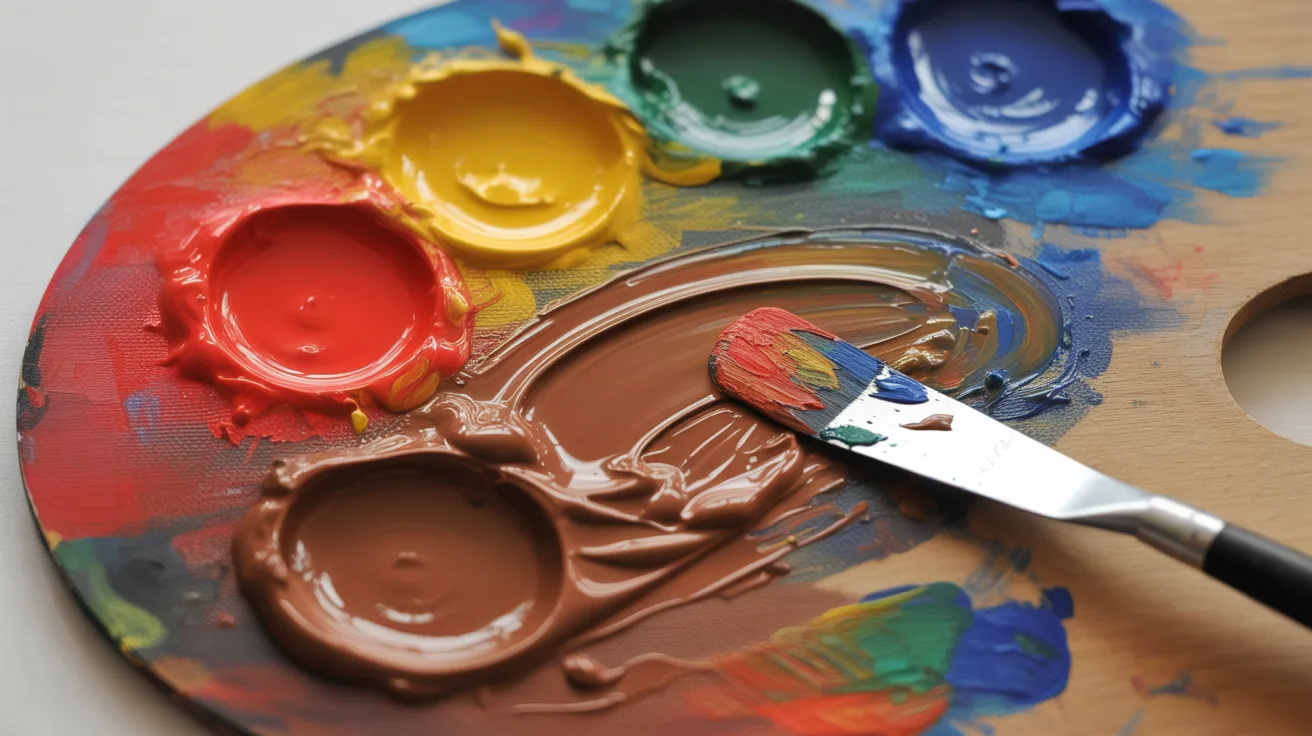
Making light brown paint is simpler than most people think. Brown is not a primary color, so you have to create it by mixing other colors first. Then you add a small amount of white to lighten it.
The method you choose depends on what colors you have on hand. Each one gives a slightly different result, so it is worth trying more than one.
One rule matters most:add white slowly. Too much too fast leaves you with a shade that looks flat or washed out.
What Colors Make Light Brown Paint
Three simple color combinations can produce brown, and each one gives a slightly different tone before you lighten it.
Mixing Red, Yellow, and Blue
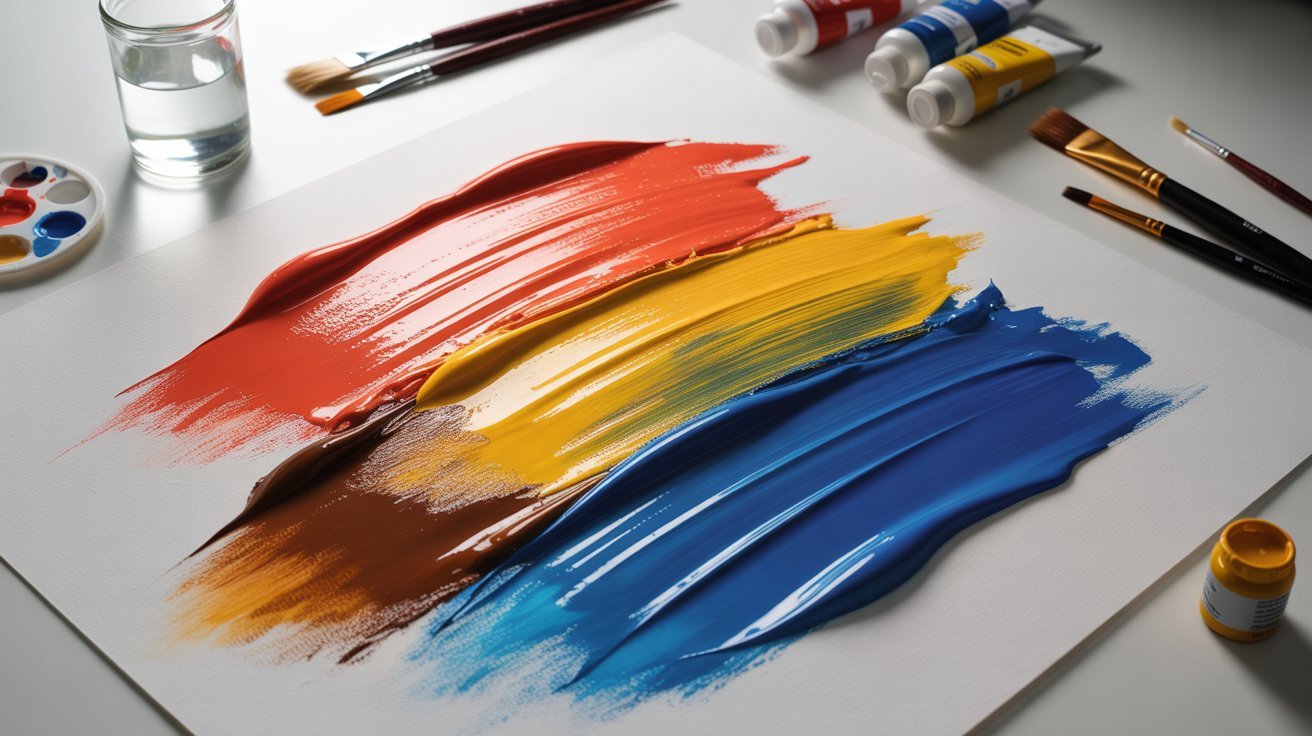
This is the most common starting point. Red, yellow, and blue are primary colors. When you mix all three together, you get brown.
Start with equal parts of each color. After mixing, you will notice the result leans toward a muddy brown. From there, you adjust. Add more yellow to push it warmer. Add more blue to cool it down.
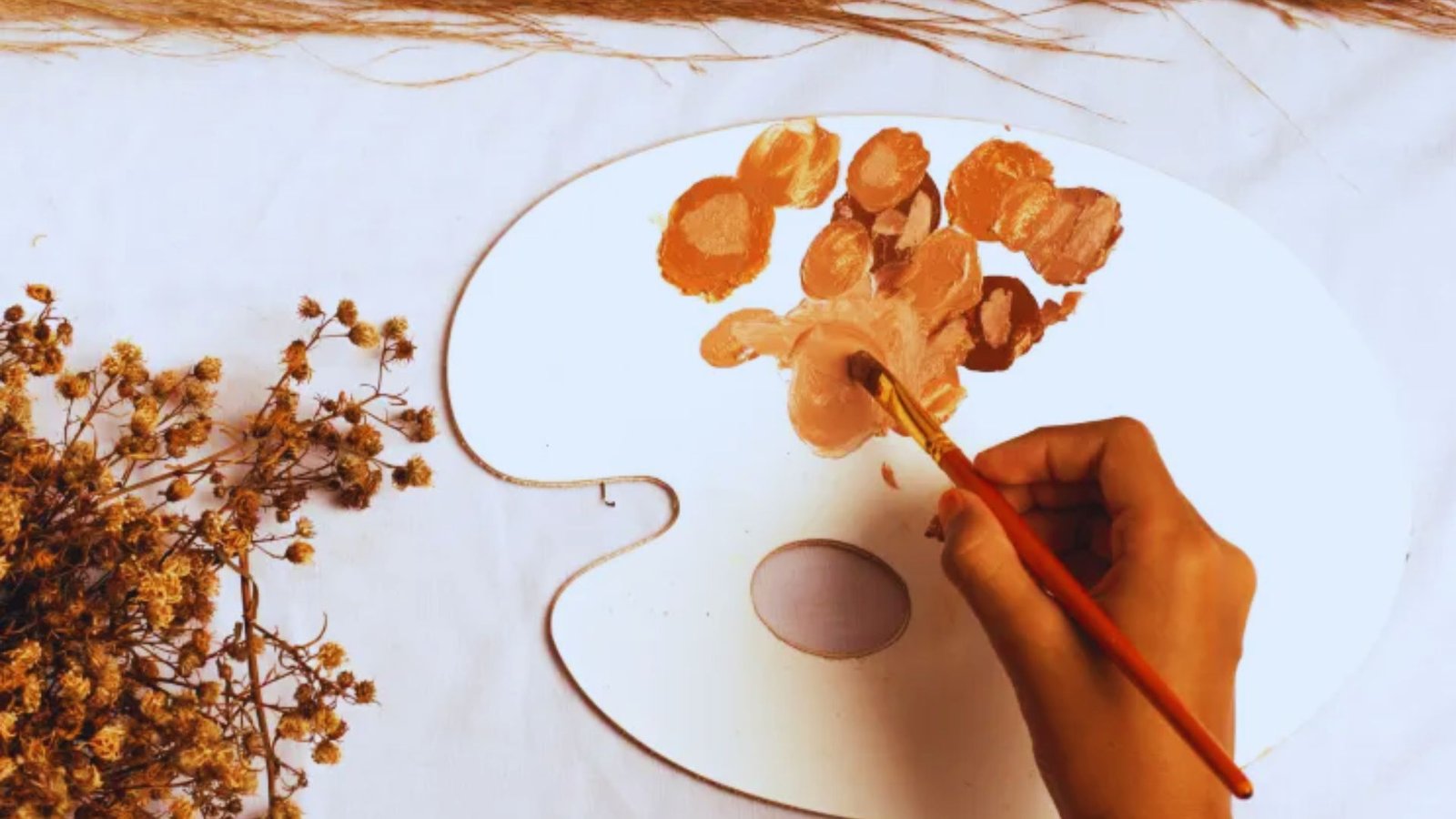
Once you are happy with the base brown, add white a little at a time to reach a light brown shade.
Mixing Orange and Blue
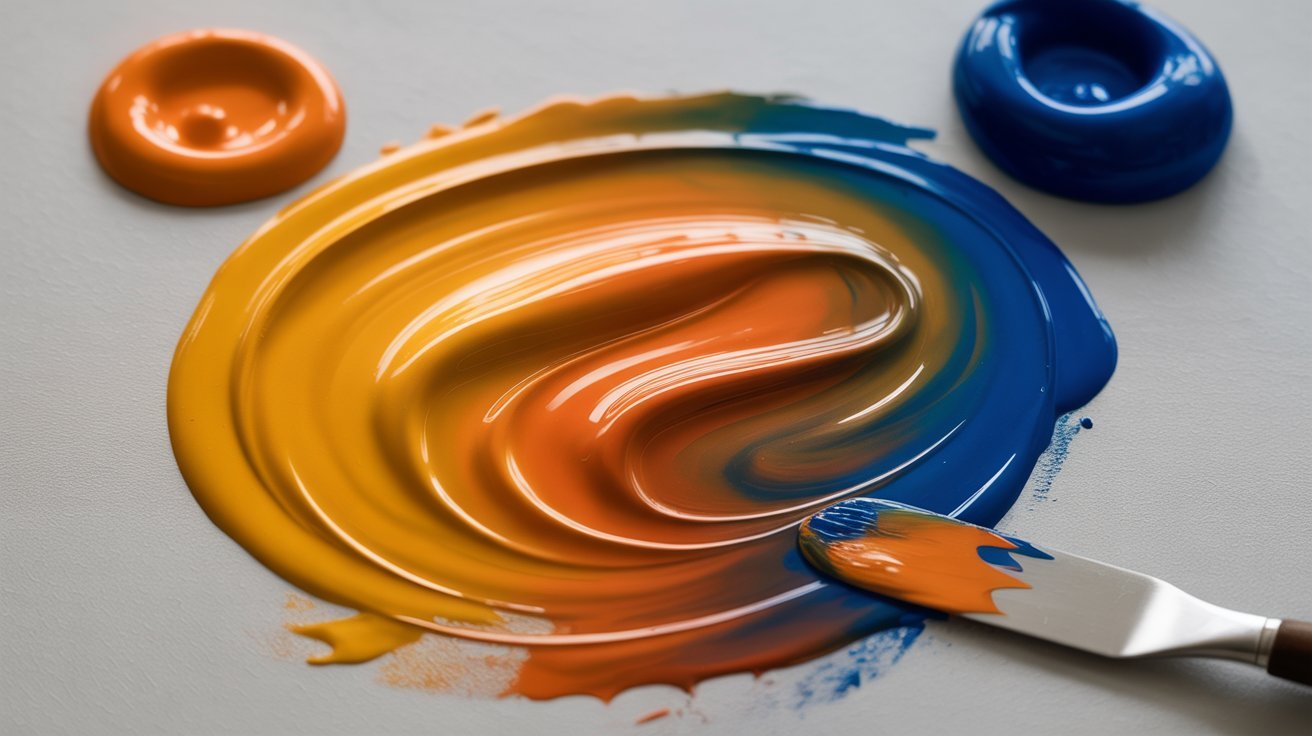
Orange and blue are complementary colors. They sit across from each other on the color wheel. Mixing them together creates a rich, natural looking brown.
Use more orange than blue at first. Blue is a strong color and can easily take over the mix. A good starting ratio is about three parts orange to one part blue.
Add white after you have the brown you want. This method often produces warm light browns that work well for wood tones and skin tones.
Mixing Green and Red
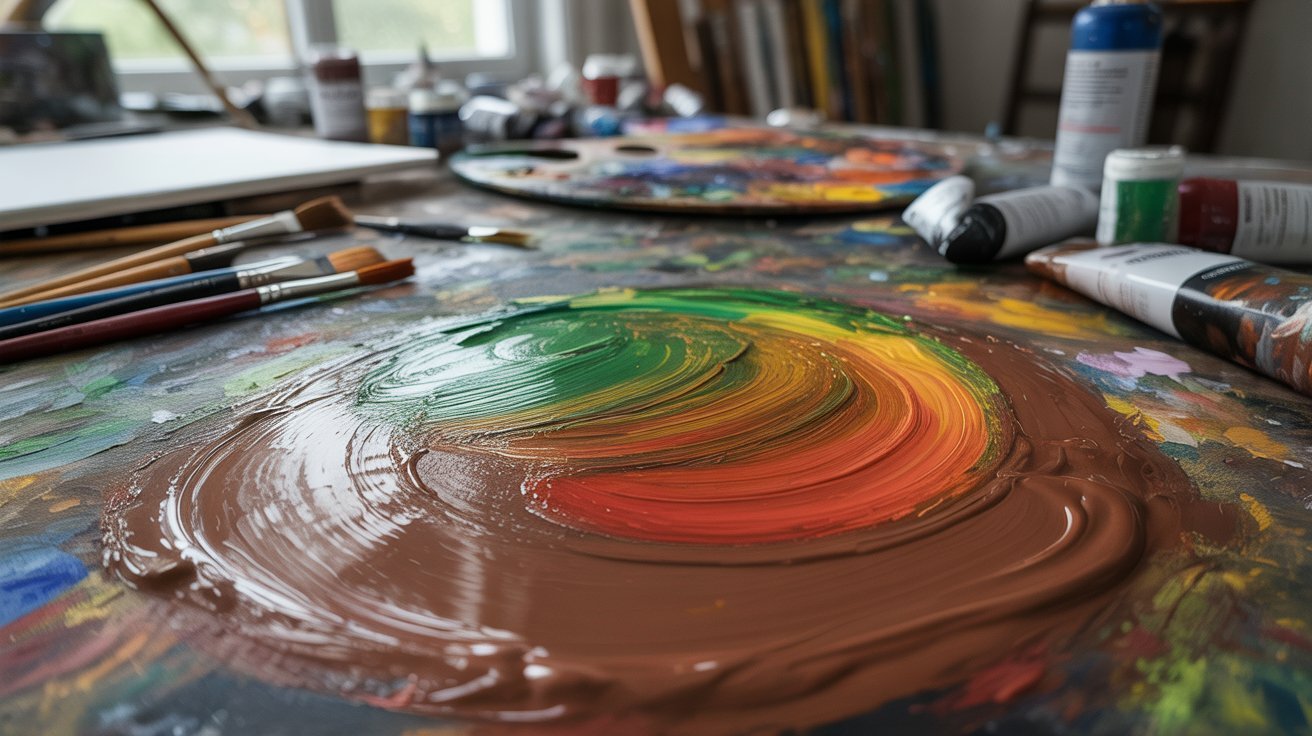
Green and red are also complementary colors. Mixing them gives you a different kind of brown, often with a darker or more muted quality.
This combination works well when you need earthy browns. The result tends to look more natural and less orange than the orange plus blue method.
Again, add white at the end to lighten the final color. Start with small additions and build up slowly.
How to Make Light Brown Paint With Acrylic Paint
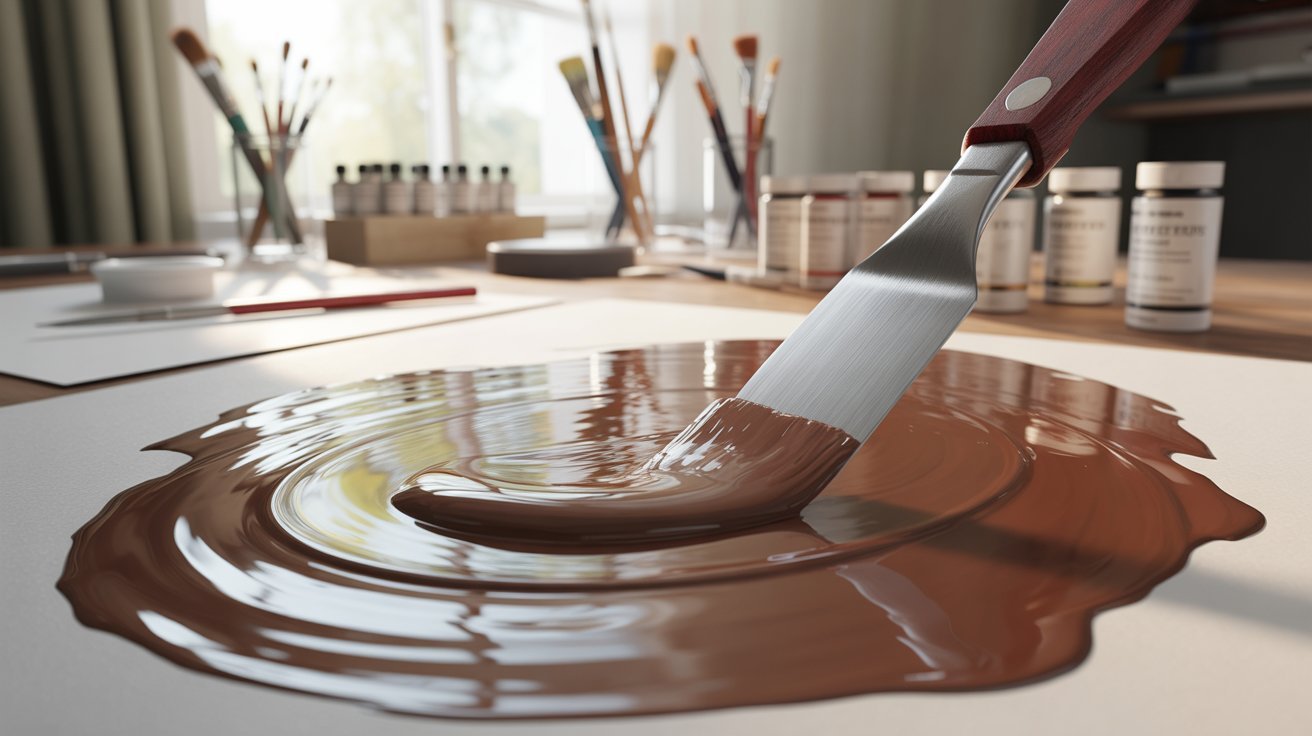
Acrylic paints blend well and dry fast, making them a great choice for mixing consistent light brown shades at home.
Acrylic paint is one of the most popular choices for mixing browns. It blends well and dries quickly, which lets you test your colors fast. However, that quick drying time is also something to watch out for, since the color can shift slightly as it dries.
Best Acrylic Colors to Use
Not all acrylic colors mix the same way. Some are more pigment heavy than others, which can throw off your ratios.
Good starting colors for light brown include Burnt Sienna as a base with warm earthy tones, Raw Umber for deeper cooler browns, Yellow Ochre to add warmth without going too orange, and Titanium White to lighten without losing too much color strength.
You can also mix your own brown from scratch using red, yellow, and blue acrylics. Cadmium red, cadmium yellow, and ultramarine blue are reliable choices for this.
Tips for Smooth Color Mixing
Use a palette knife instead of a brush when mixing. It blends paint more evenly and is easier to clean. Keep your palette damp. Acrylics dry fast on a dry surface. A damp palette gives you more working time.
Test your color on scrap paper before using it on your main piece. Acrylics dry slightly darker than they look when wet, so always let the test swatch dry fully before deciding.
Add white last. Build your brown first, then lighten it step by step.
How to Make Light Brown Paint Without White
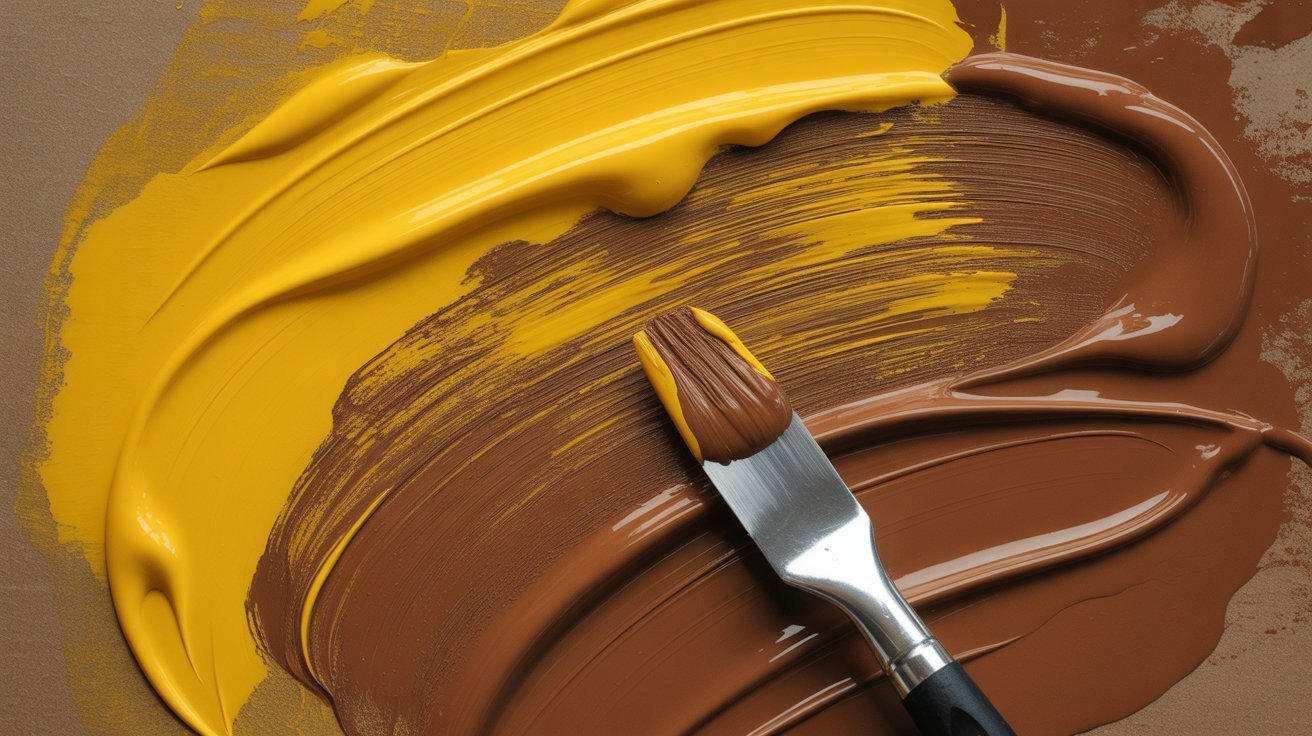
You do not always need white to lighten brown. A few simple color adjustments can brighten the shade without washing out the richness.
Using Yellow to Lighten Brown
Yellow is a naturally lighter color. Adding it to brown shifts the tone toward a warm, golden shade without making it look pale or flat.
Add yellow slowly and mix well each time. Too much can push your brown into a mustard or greenish tone, so take it one small step at a time.
Common Mistakes to Avoid
Do not add too much of any one color too fast. Brown is sensitive and small changes can throw off the whole mix.
Always do a quick swatch test and let it dry before making your final call. And try to stick to three or four colors at most. More than that usually leads to a muddy result.
How to Make Light Brown Paint Darker
Sometimes light brown goes too light. Here are two simple ways to bring the depth and richness back into your mix.
Getting light brown right often means making small corrections. If your mix ends up too light or too cool, you can adjust it by adding specific colors.
Adding Red for Warm Browns
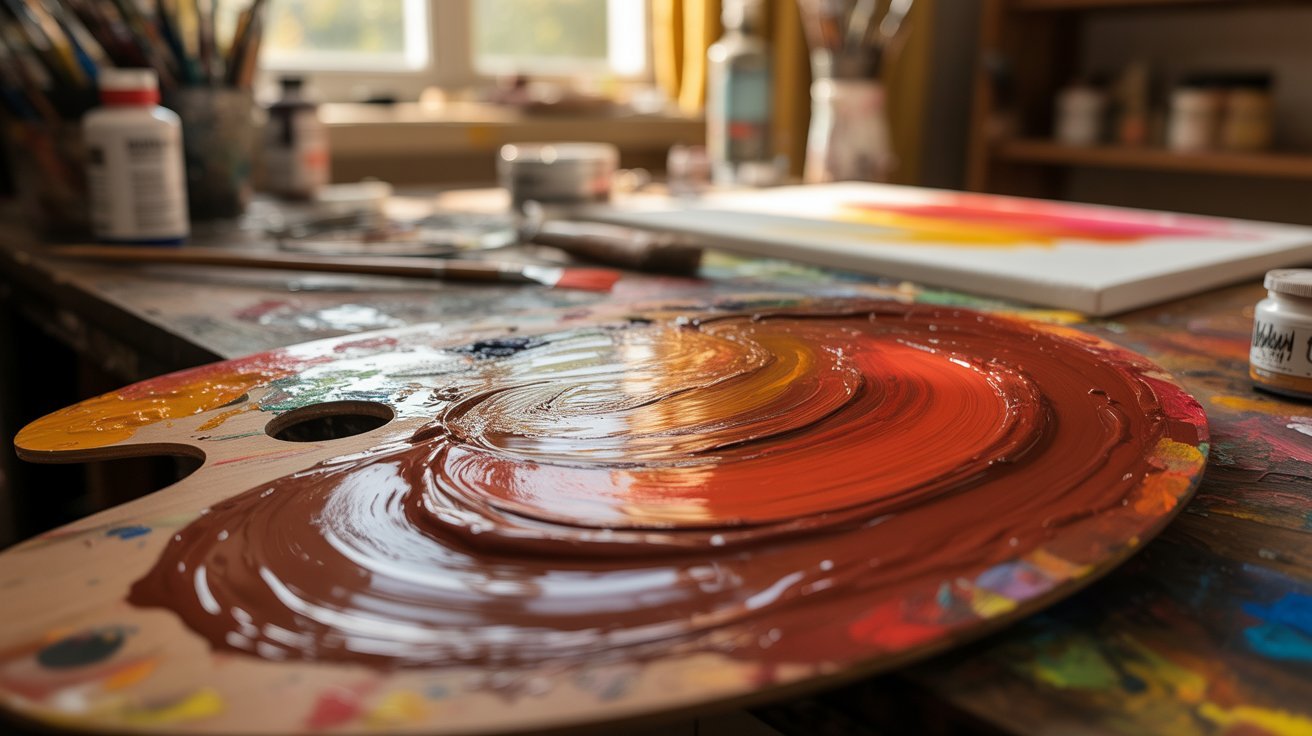
Red deepens brown and pushes it toward a warm, reddish brown tone. This works well for wood colors, terracotta shades, and warm skin tones.
Add red a very small amount at a time. It is a strong color and can overpower the mix quickly. Stir well and check the color after each addition.
Using Blue for Cooler Browns
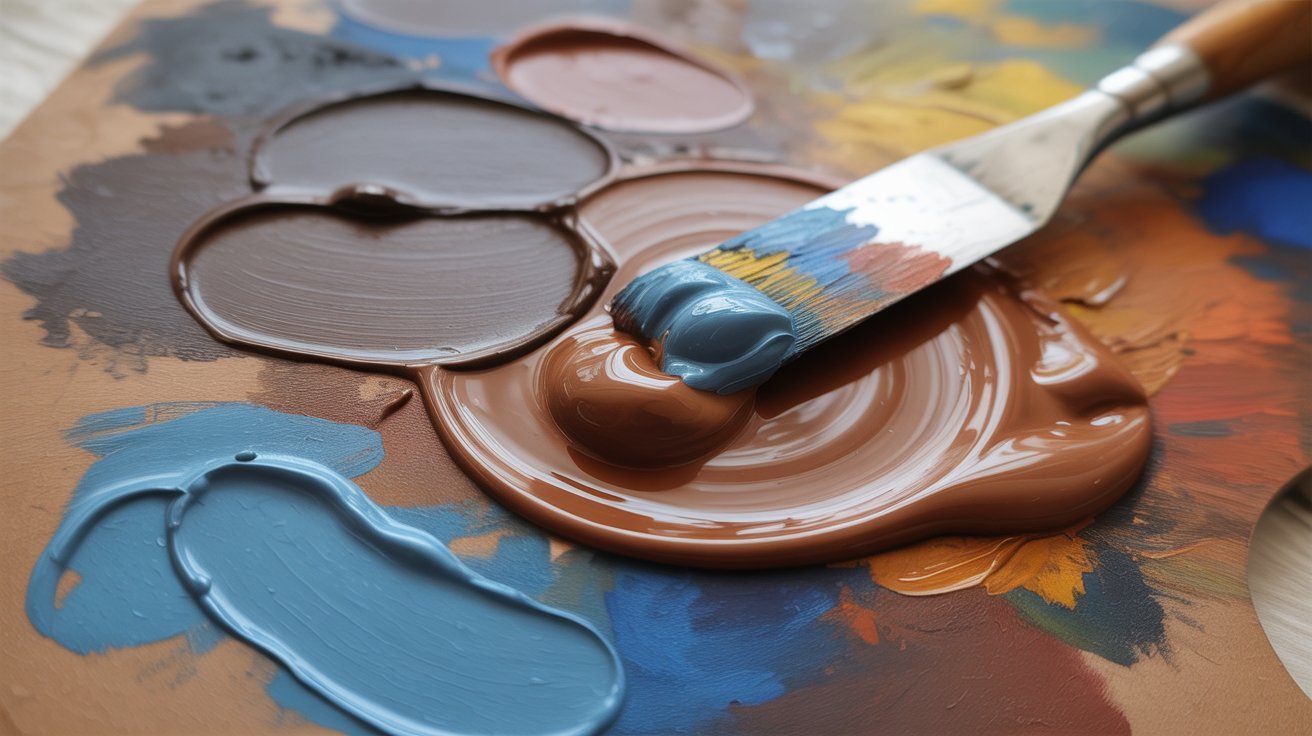
Blue deepens brown too, but it pulls the color in a cooler direction. The result is a more muted, shadowed brown.
This is useful for painting shadows, dark tree bark, or cool stone tones. Use even less blue than you would red. A tiny bit goes a long way.
Common Mistakes Beginners Make
Two of the most frequent mixing errors are easy to fix once you know what to watch for during the process.
Mixing paint is a skill that takes time to develop. Most beginners run into the same two problems early on.
Adding Too Much White
White lightens paint, but it also changes the tone. Adding too much white to brown can make it look chalky, pinkish, or flat.
The fix is simple. Add white in tiny amounts. Mix well after each addition. Stop as soon as the shade looks right. You can always add more, but you cannot take it back out.
Mixing Too Many Colors
It is tempting to keep adjusting a color that is not quite right. But every new color you add brings its own tone into the mix. After four or five colors, the result usually turns gray or muddy.
If your mix is heading in the wrong direction, it is often better to start fresh with new paint than to keep correcting the same batch.
Tips for Mixing the Perfect Light Brown Paint
These practical tips help you get accurate and consistent results every time you sit down to mix light brown paint. Mixing paint well is about patience and method. A few good habits make the whole process easier.
- Start with a small amount of paint on your palette. Small batches are easier to control, and once you get the ratio right, you can scale up while keeping the same proportions.
- Always test your mixed color on scrap paper or canvas before using it on your actual work. Let it dry fully so you can see the true shade.
- Colors often look different once dry, especially with acrylics. A few minutes of testing can save you from repainting large areas later.
- Check your mixed color in natural daylight before deciding it is ready. Warm or cool artificial light can shift how the shade appears and throw off your judgment.
- Take your time with each step. Rushing the mixing process is one of the main reasons colors turn out wrong. Patience gives you better results every single time.
Conclusion
Learning how to make light brown paint clicked for me the day I stopped overthinking it and just started mixing. The moment I got that warm, sandy brown just right, I felt like I actually understood color for the first time.
You will get there too. Start simple, be patient, and do not fear a few bad batches along the way.
Try one of these methods today and let me know how it goes in the comments. I would love to see what you create!
Frequently Asked Questions
What is the easiest way to make light brown paint?
The easiest way is to mix orange and blue together. Start with more orange than blue, then add a small amount of white to lighten the shade.
Can I make light brown paint without white?
Yes, you can add yellow to your brown mix instead. It shifts the color toward a warm, golden tone without making it look washed out.
Why does my brown paint look muddy?
Muddy brown usually happens when too many colors are mixed together. Stick to two or three colors at most and adjust in small amounts.
Does light brown paint look different when it dries?
Yes, especially with acrylics. The color tends to dry slightly darker than it looks when wet, so always test on scrap paper and let it dry fully before deciding.
What colors do I need to make a warm light brown?
Start with red and yellow to create an orange base, then add a touch of blue to get brown. Add white slowly at the end to bring it to a light, warm shade.