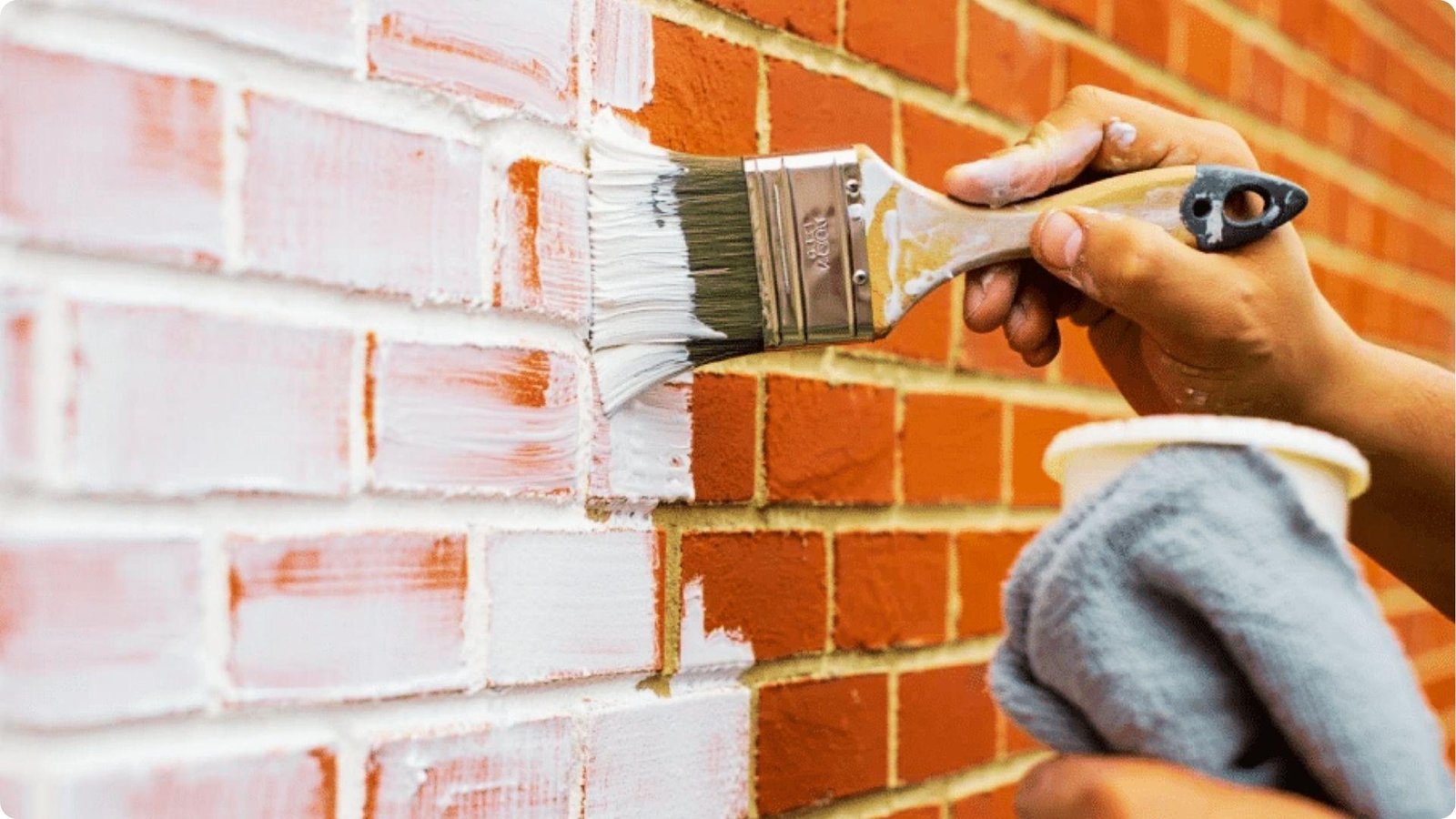

Painting the inside of your home sounds simple, but contractor quotes can feel all over the place once you start comparing them.
This guide breaks down interior painting costs by room, square footage, and home size, giving you a straightforward way to calculate your own estimate before picking up the phone.
We have worked with homeowners who felt overcharged and had no way to verify that changes here.
By the end, you will have a clear picture of what fair pricing looks like, what drives costs higher, and how to save money without sacrificing quality or cutting corners on the job.
Average Interior Painting Cost
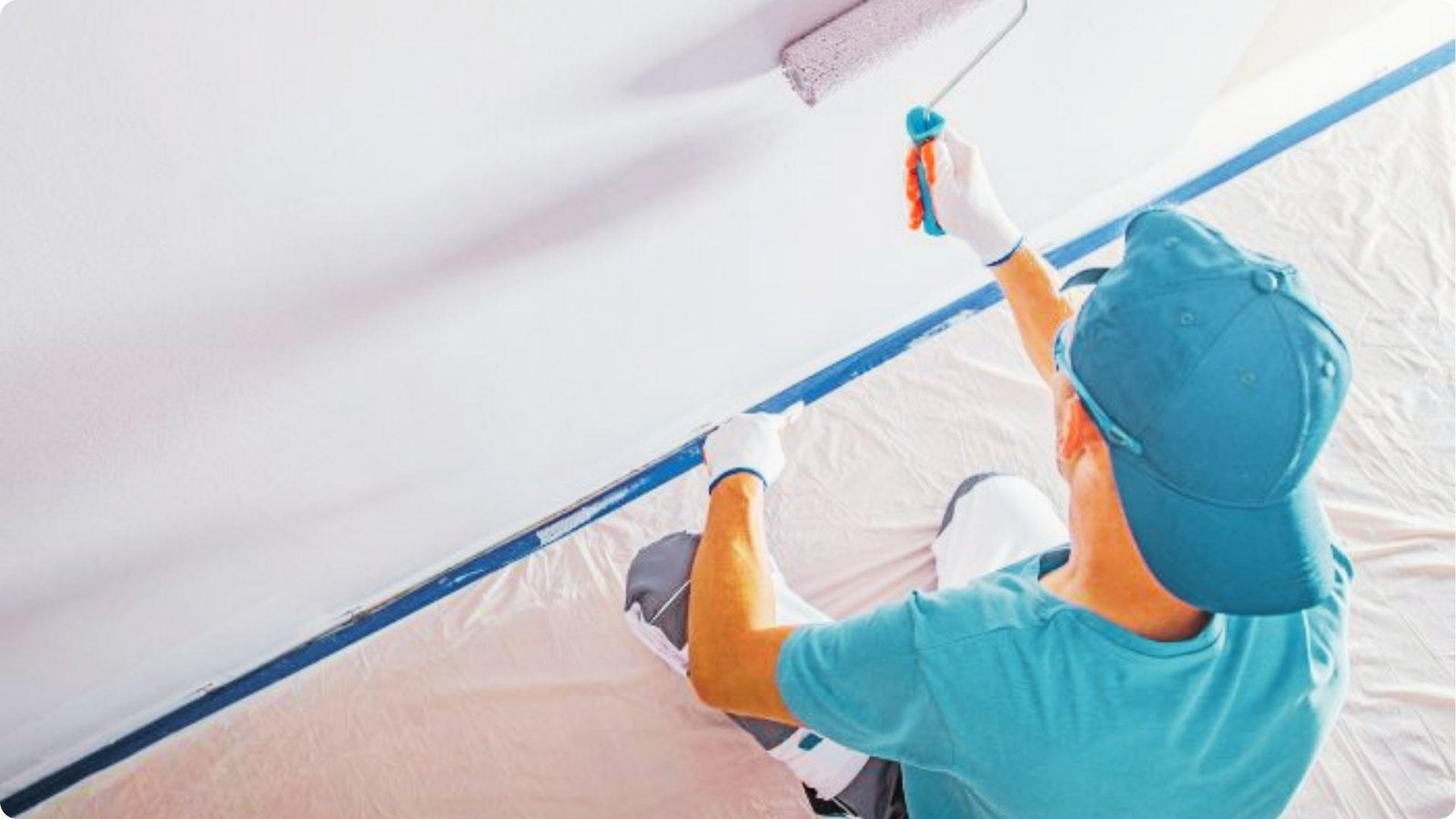
Most homeowners in the U.S. spend between $950 and $3,000 on interior painting, with the national average sitting around $1,800. Costs typically run $2 to $6 per square foot, covering both labor and materials, while premium finishes can push that closer to $7 or $8.
A single room generally falls between $200 and $800, depending on size, ceiling height, and surface condition.
Smaller projects cost less overall, while larger jobs often come with a lower per-room rate since the painter is already on-site. A full house interior can range from $1,500 to $5,000 or more depending on scope and condition.
Interior Painting Cost Per Sq Ft Explained
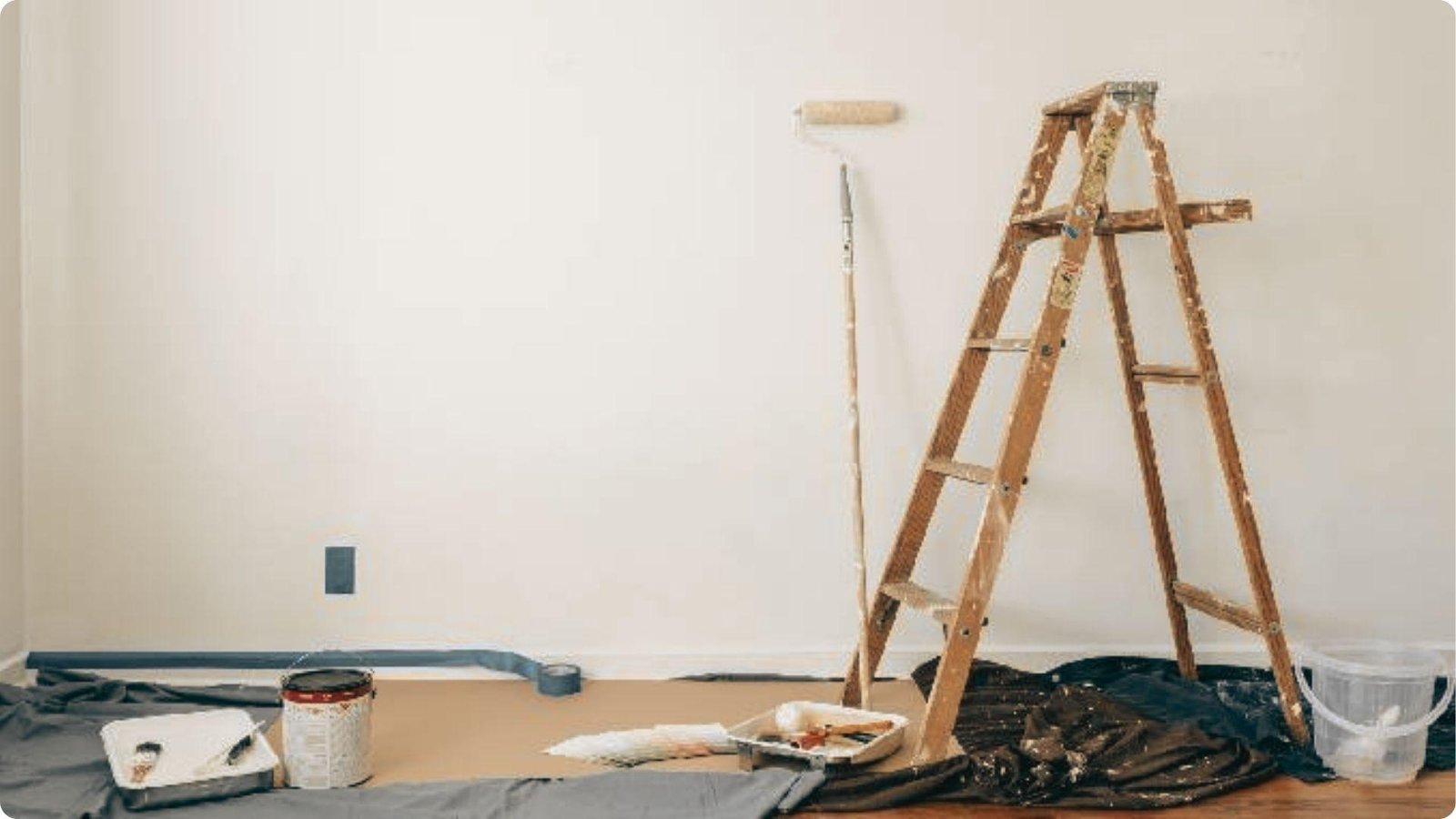
Understand what affects interior painting cost per sq ft, from labor and paint quality to room size and surface condition.
Standard Interior Painting Cost Per Square Foot
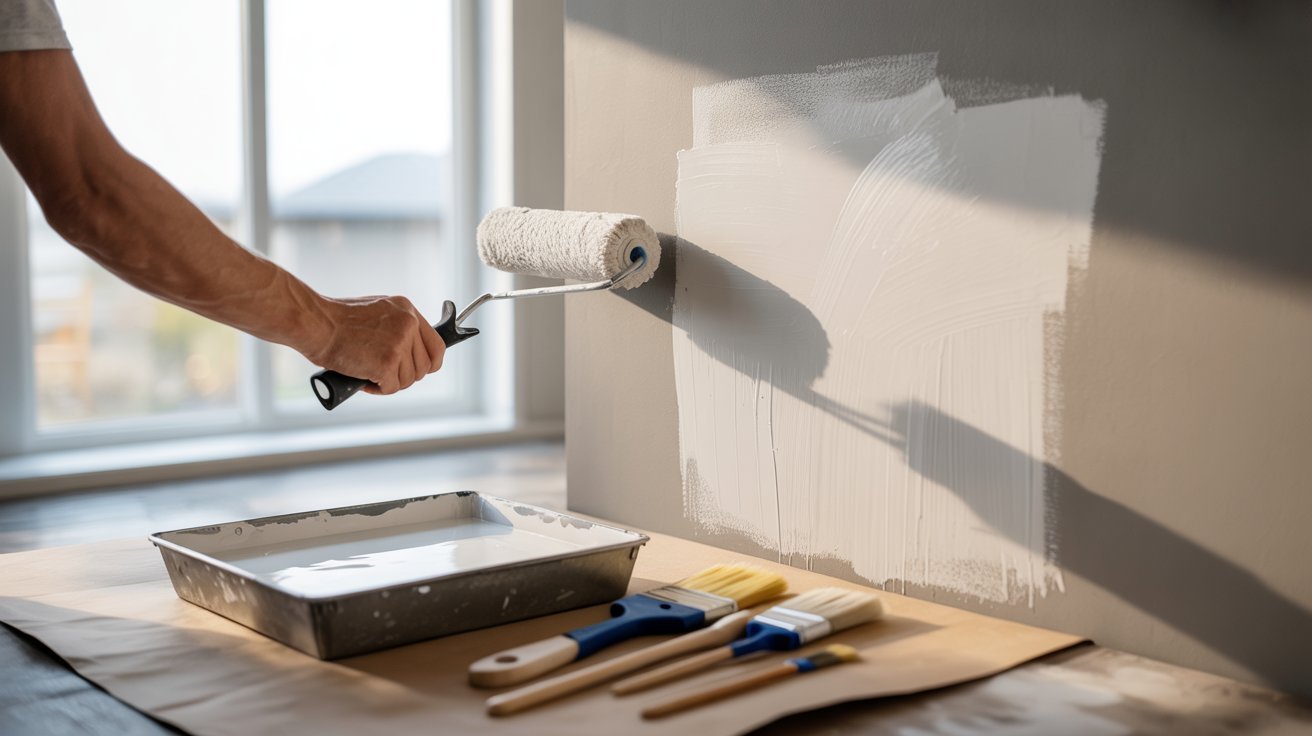
Expect to pay $2 to $6 per square foot for a full-service interior paint job. This covers prep, primer, two coats, and cleanup.
Budget contractors land at the lower end while experienced painters charge more.
Fresh Painting vs Repainting Costs
New or bare walls cost 10–20% more due to extra primer and higher paint absorption. Repainting sealed surfaces is generally cheaper and goes on more smoothly.
Going from dark to light may still require an extra coat.
Labor and Material Cost Breakdown
Labor makes up 70–85% of your total bill, with paint and supplies covering the rest. A gallon of quality paint costs $30–$70, and painters charge $25–$75 per hour.
A two-person crew typically finishes a standard room in three to five hours.
Interior Painting Cost Per Square Foot by Finish Type
Flat and matte finishes are the most affordable and work well on ceilings and low-traffic areas. Eggshell and satin are mid-range and popular for living rooms and bedrooms.
Semi-gloss and gloss cost slightly more and are best for kitchens, bathrooms, and trim.
House Interior Painting Cost by Home Size
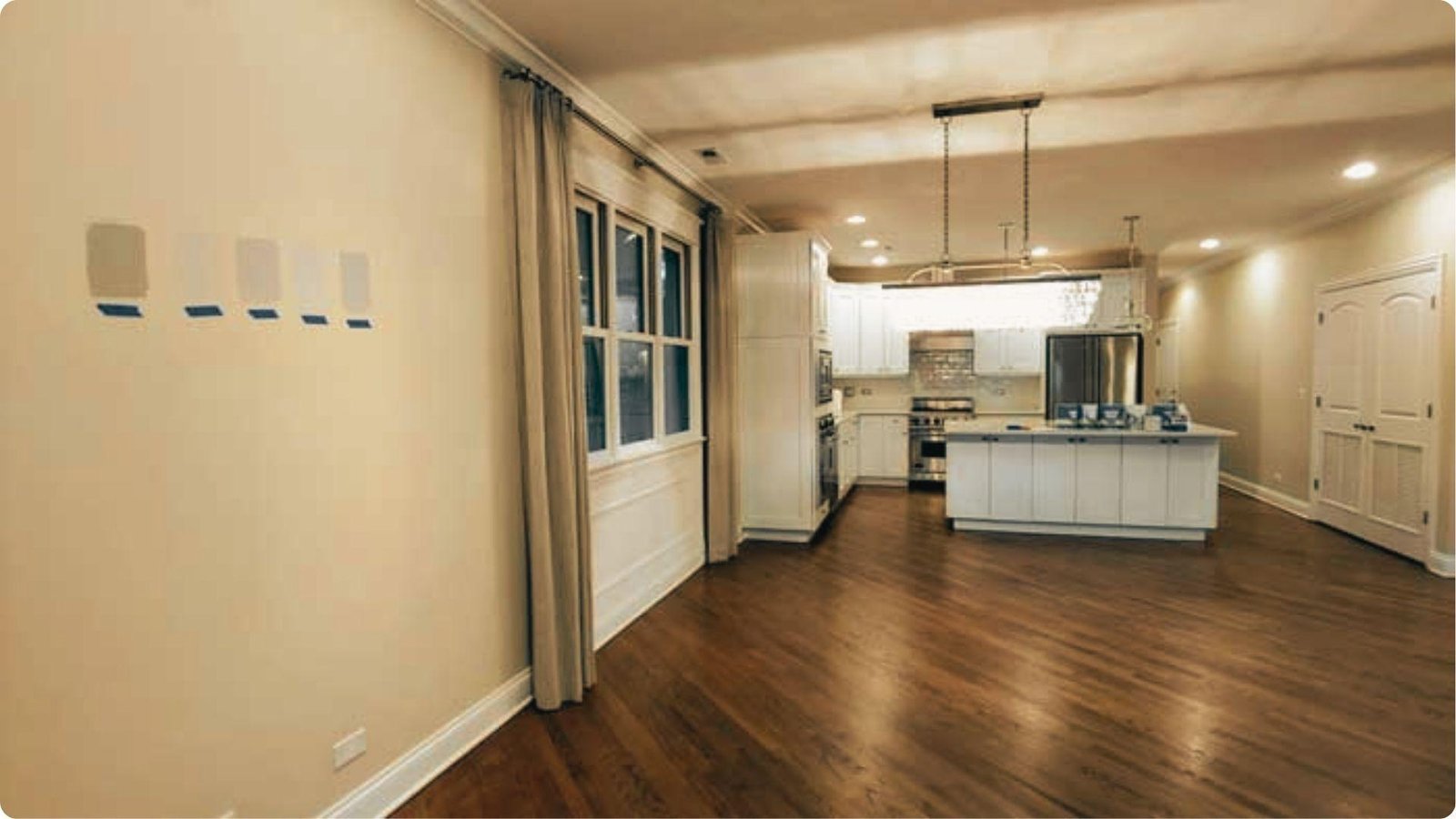
Find how interior painting costs vary based on home size, from small apartments to large multi-room houses.
Cost To Paint a 1,000 Sq Ft House Interior
A smaller home with two to three rooms typically costs $1,000–$2,500 to paint. Final price depends on ceiling height, surface condition, and whether trim is included.
It is a manageable project size with straightforward pricing.
Cost To Paint a 1,500 Sq Ft House Interior
A 1,500 sq ft home with added rooms and hallways runs $1,500–$3,500 for a full interior job.
Open floor plans tend to cost less while complex layouts with many small rooms push prices higher. Always clarify what is included in the quote.
Cost To Paint a 2,000 Sq Ft House Interior
A mid-sized three-to-four bedroom home typically costs $2,000–$5,000 to paint. Including ceilings, trim, and doors pushes the total toward the higher end.
Get an itemized quote to understand exactly what is covered.
Cost To Paint a 2,500 Sq Ft or Larger Home
Larger homes cost $3,500–$8,000 or more, especially with high ceilings or multiple floors.
Contractors often offer a lower per-sq-ft rate on bigger jobs since setup costs are spread across more work. Always compare a flat project quote against an hourly rate.
Interior Painting Cost by Room Type
Compare interior painting costs by room type, including bedrooms, kitchens, bathrooms, and living areas.
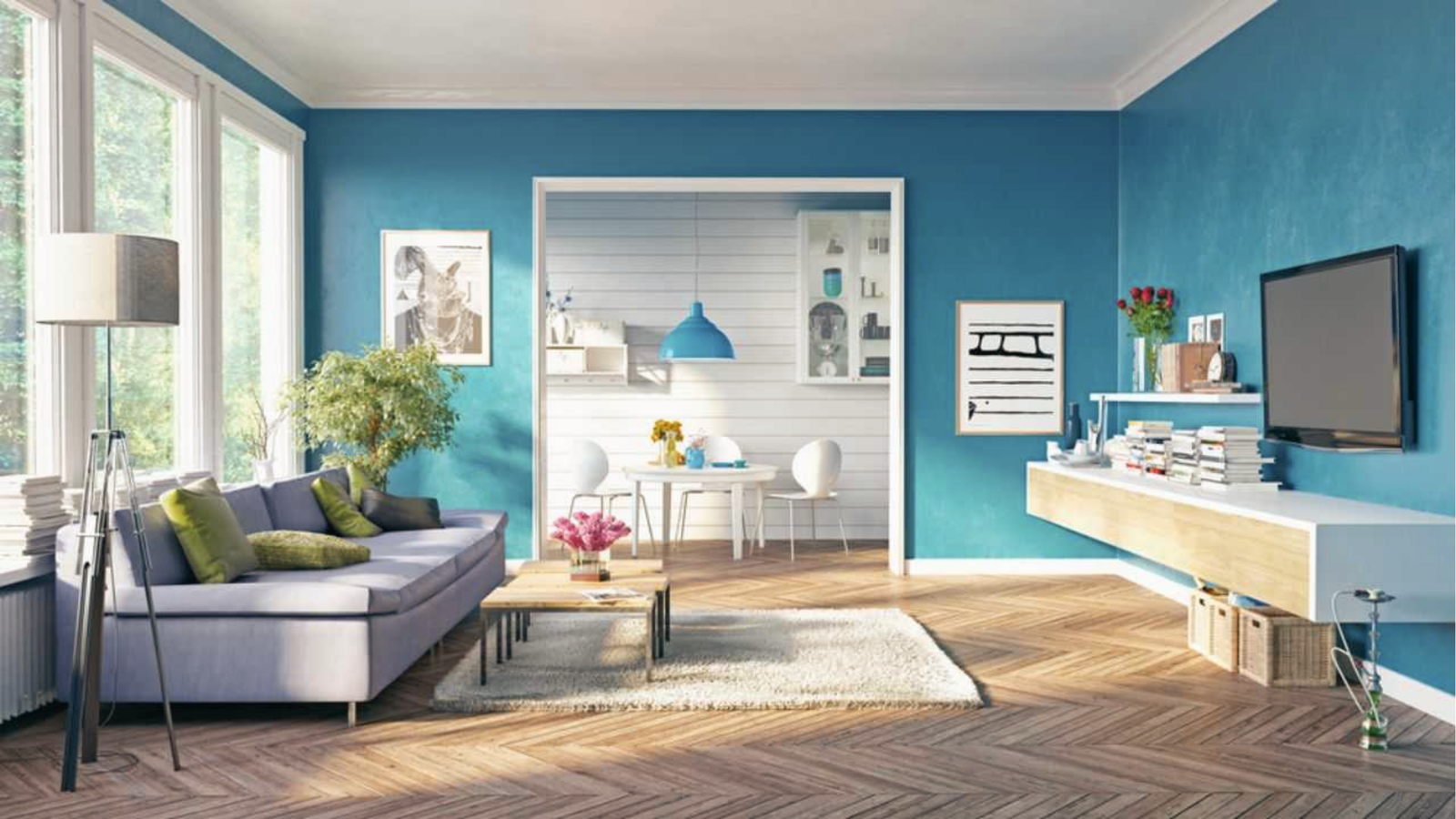
Living Room Painting Cost
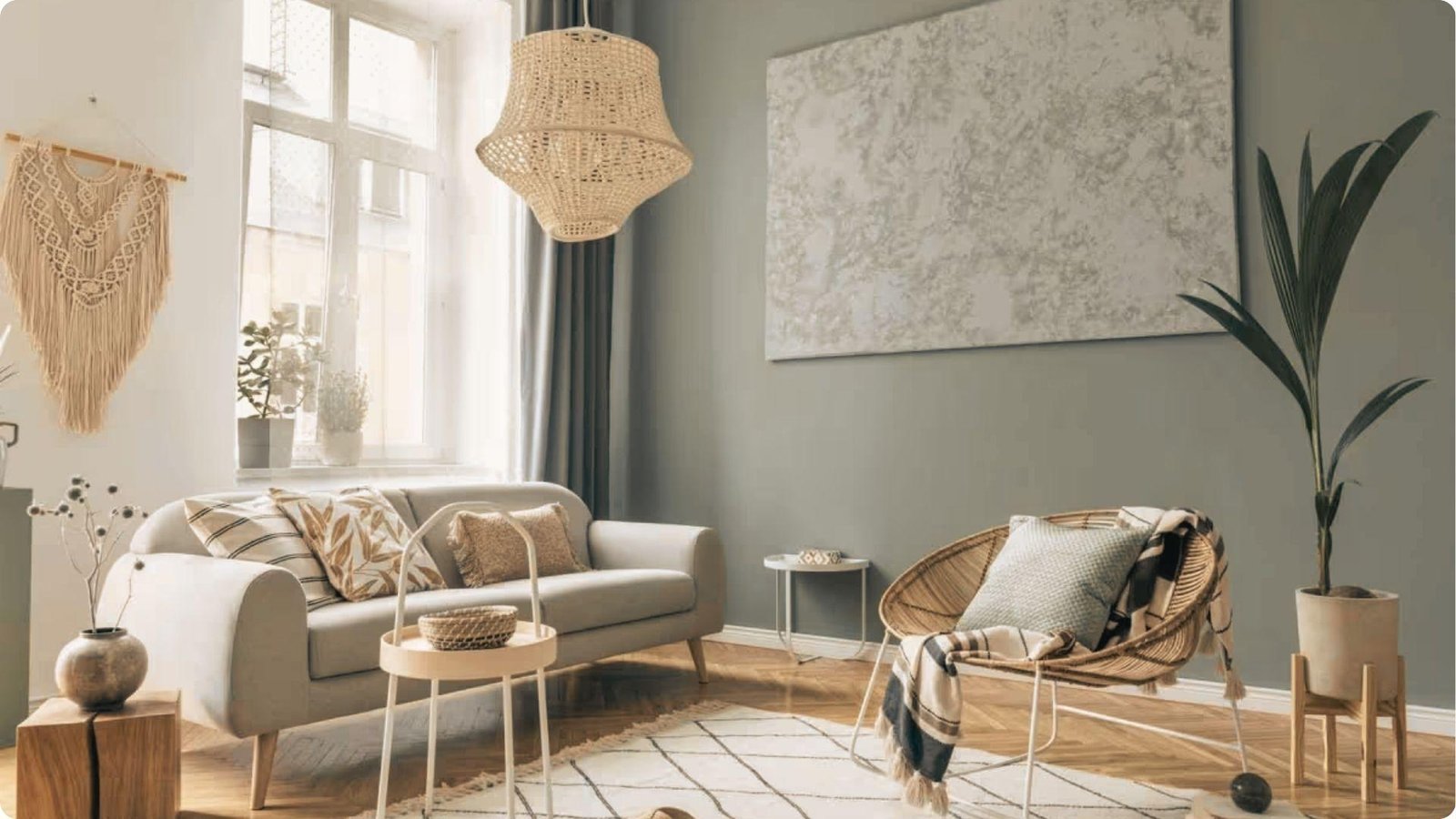
Expect to pay $400–$1,200 for a living room depending on size and ceiling style. Vaulted ceilings, accent walls, or large windows can all raise the price.
Most living rooms need two coats, with a third if switching from dark to light.
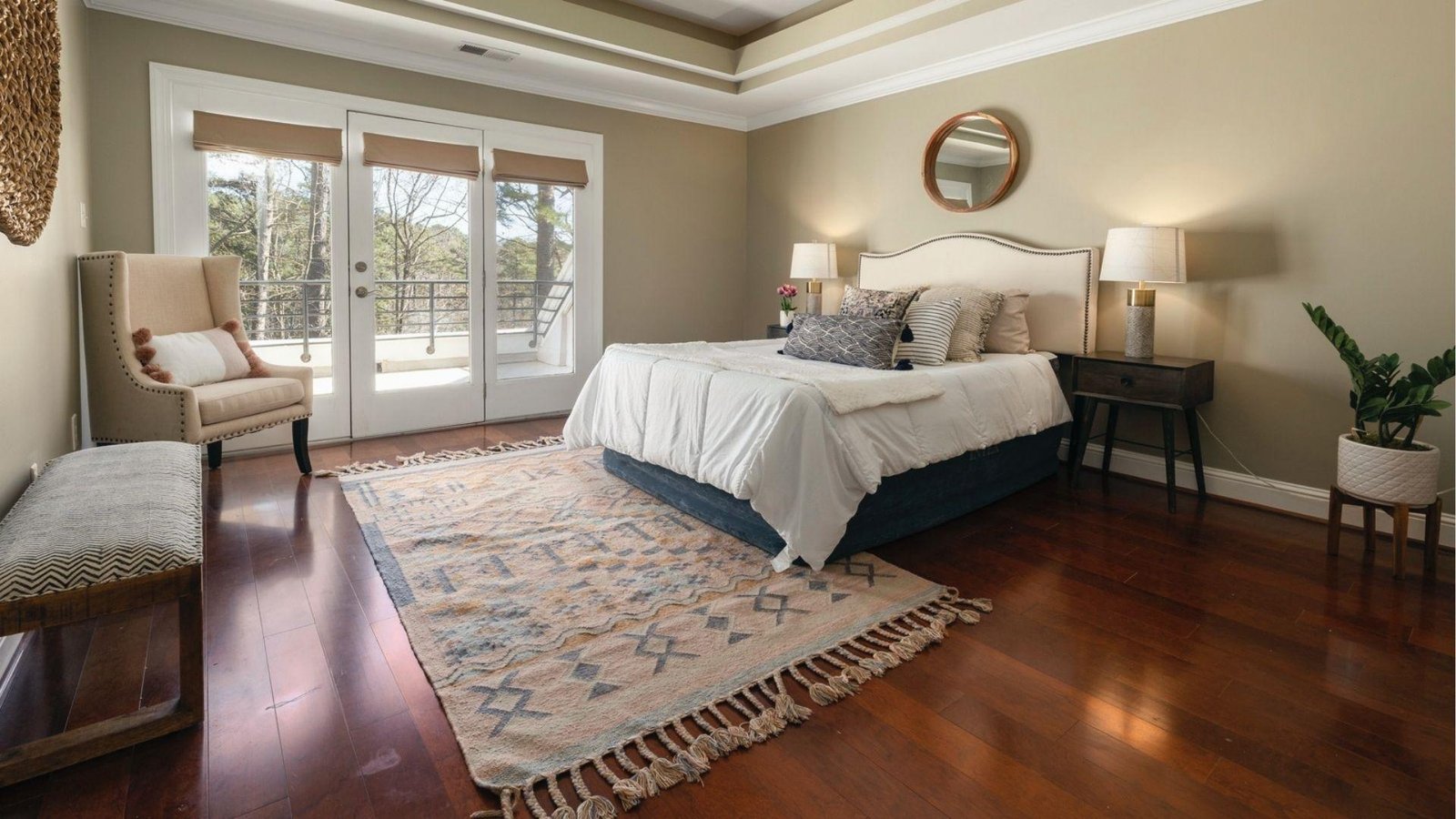
Bedroom Painting Cost
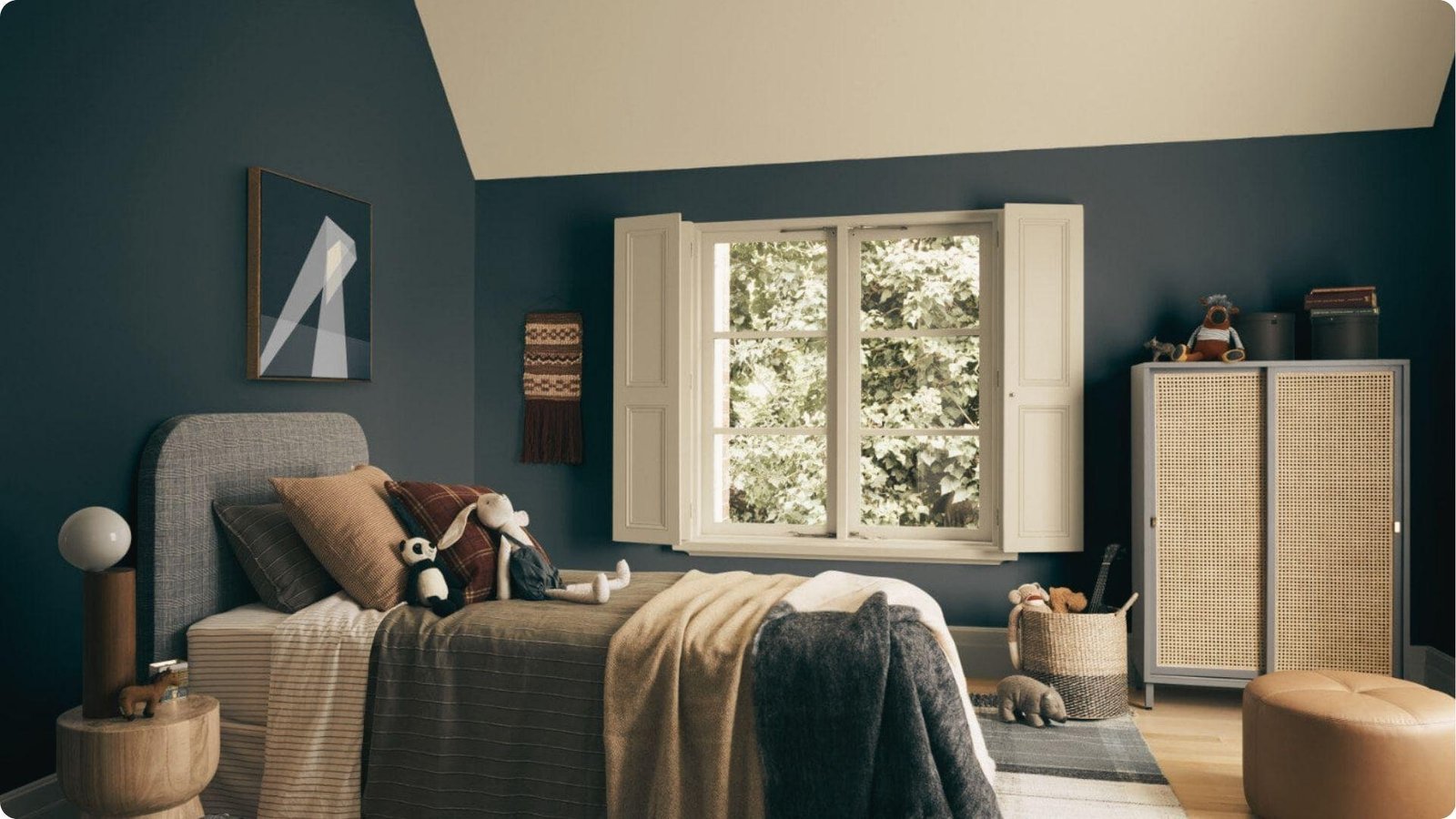
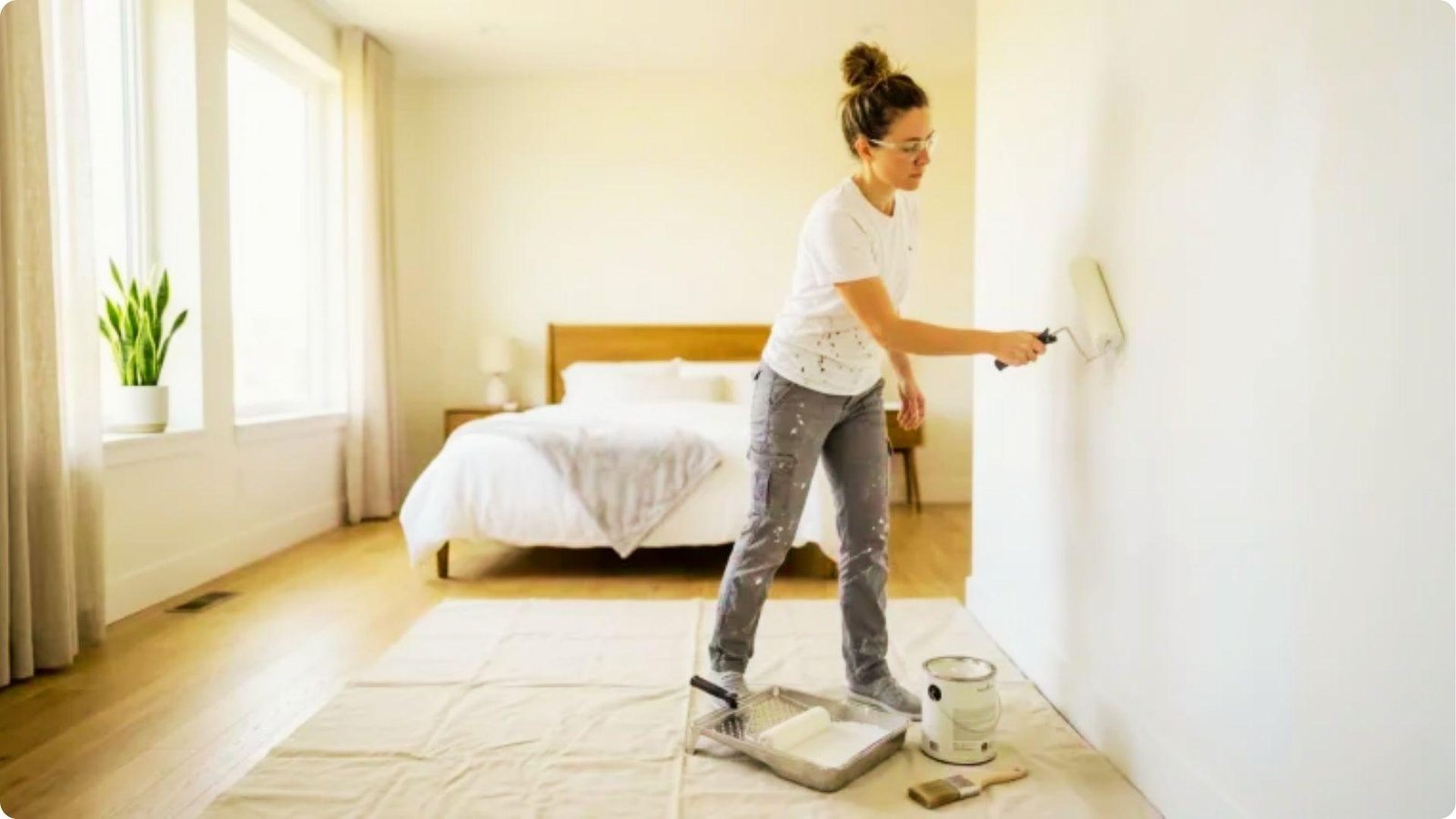
Standard bedrooms cost $250–$600 while master bedrooms run $400–$800. Fewer obstacles and standard ceiling heights keep labor time manageable.
Bedrooms are among the most straightforward rooms to paint.
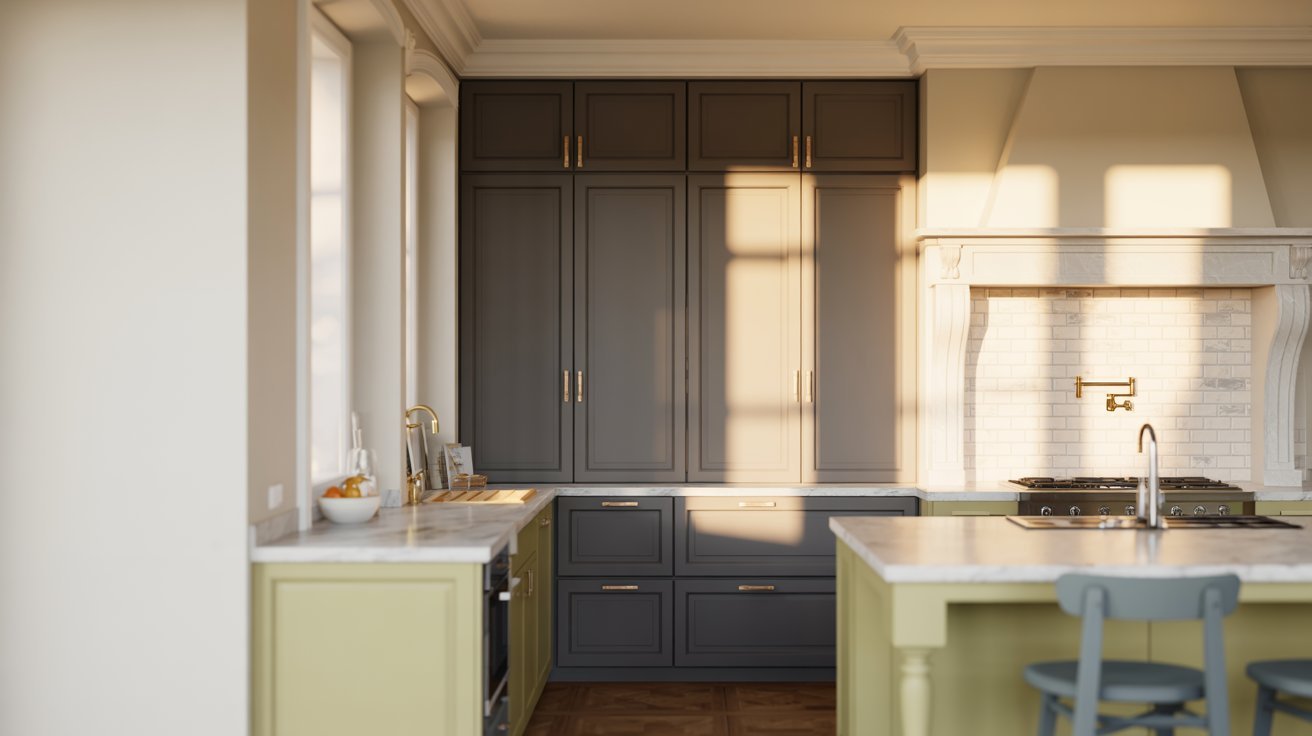
Kitchen Interior Painting Cost
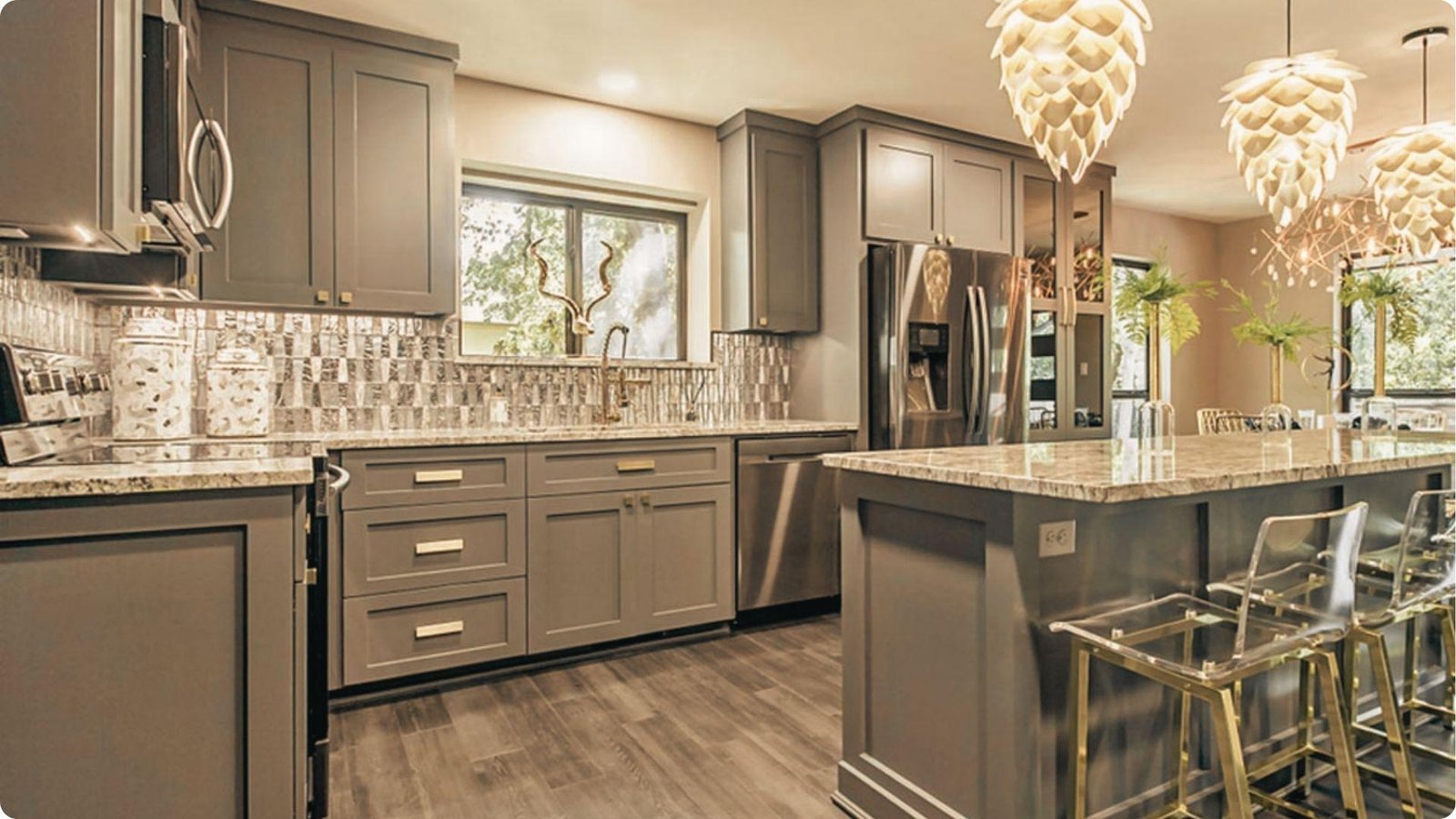
Kitchens cost $300–$800 due to grease buildup and extra surface prep before painting. Semi-gloss paint is standard here because it holds up well to moisture and cleaning.
The additional prep work is what drives the higher per-sq-ft cost.
Bathroom Painting Cost
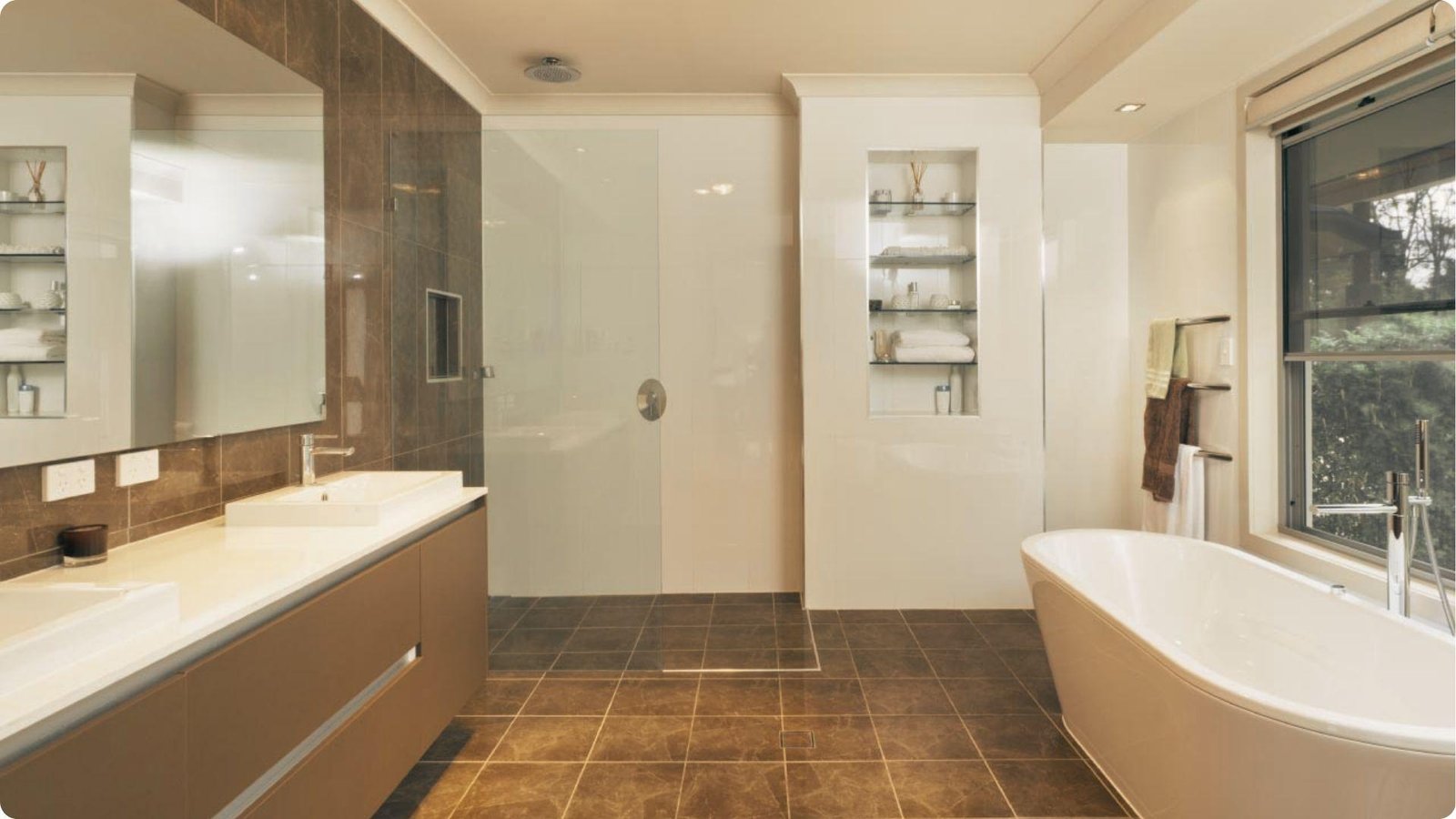
Small but detail-heavy, bathrooms typically cost $150–$400 to paint. Moisture-resistant paint and mold-resistant primer are strongly recommended in these spaces.
These materials add slightly to cost but protect your walls long-term.
Hallway and Staircase Painting Cost
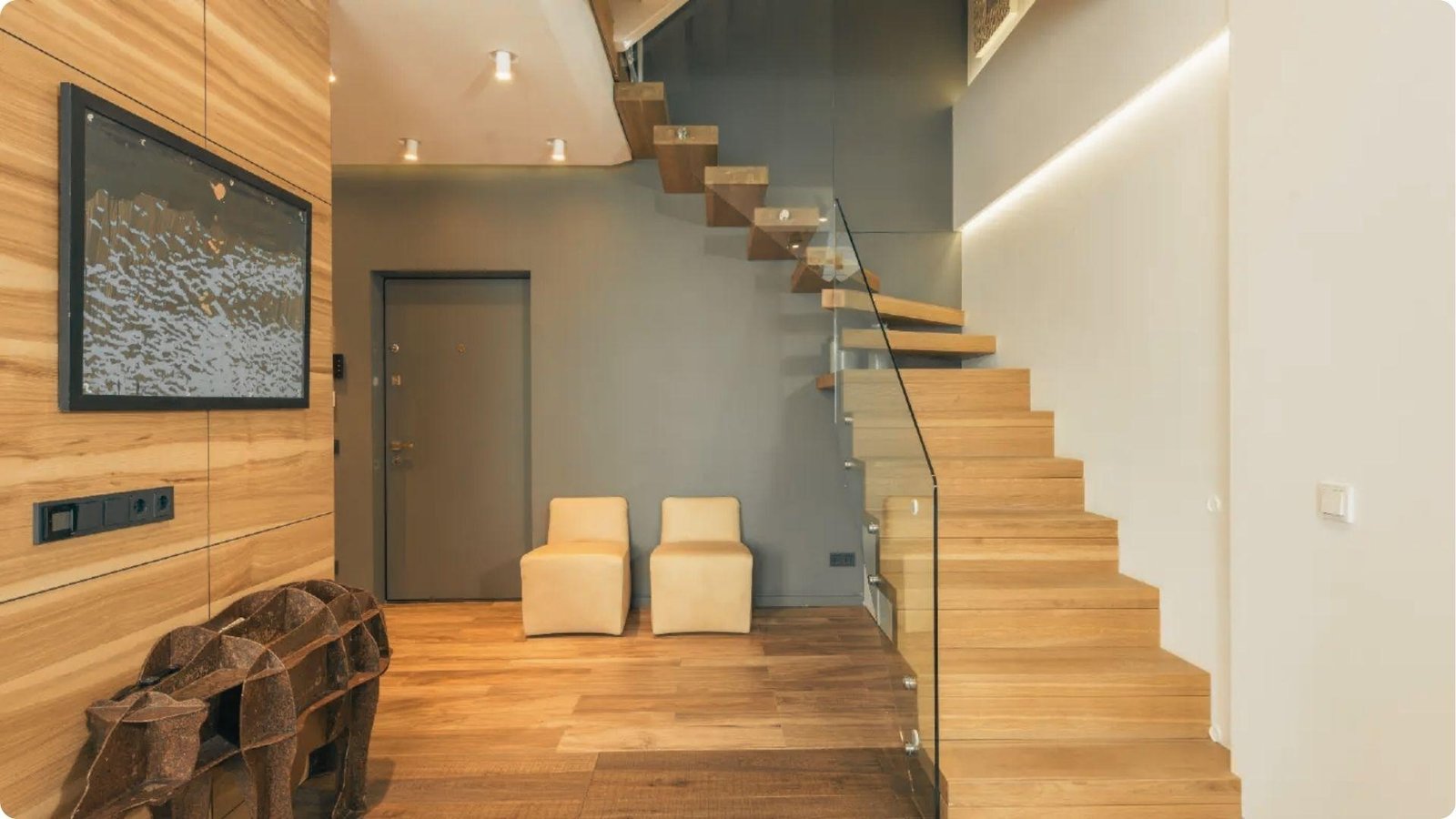
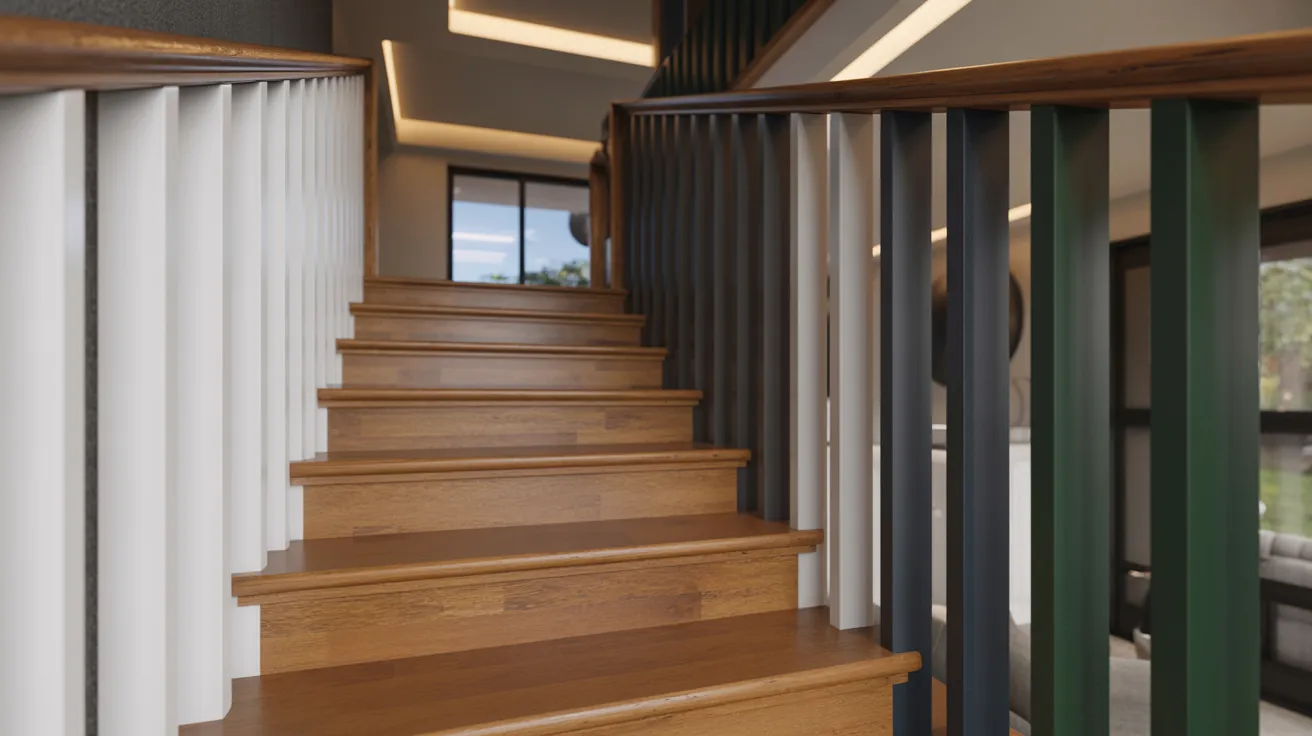
Tight angles, varying ceiling heights, and limited space slow down the work, with costs running $300–$900. Staircases with tall open walls may require scaffolding or special ladders.
These factors make hallways and staircases some of the trickier areas to price.
Factors That Affect Interior Painting Cost
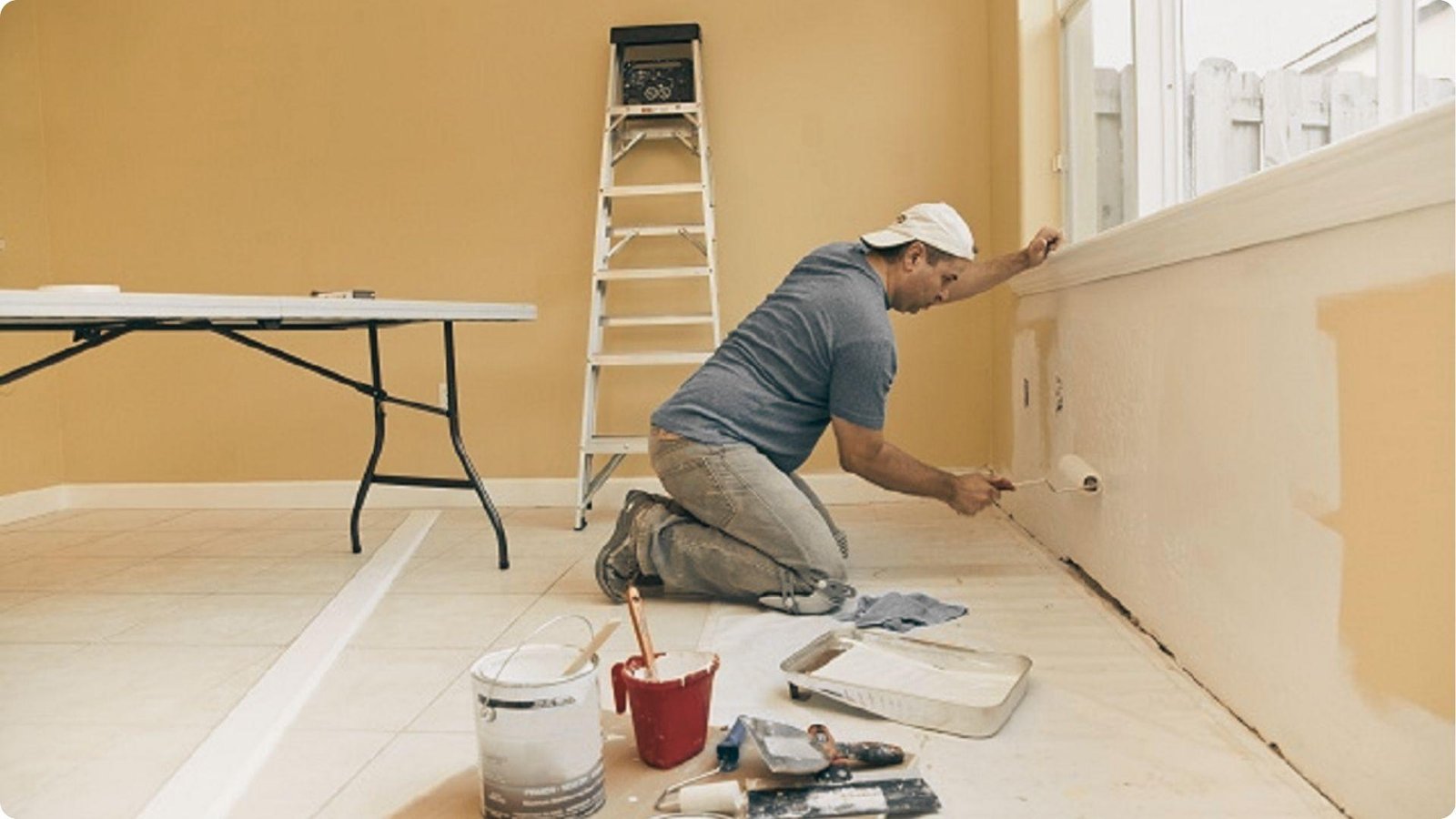
Understand the key factors that influence interior painting costs, such as paint quality, labor, surface condition, and room size.
Size of the Painting Project
Larger projects cost more overall but often come with a lower per-sq-ft rate. A painter doing a full day of work prices differently than one doing a single room.
Providing accurate room counts and square footage helps you get the most reliable quotes.
Paint Brand and Paint Quality
Budget paint costs $15–$25 per gallon while premium brands like Sherwin-Williams or Benjamin Moore run $60–$90.
Higher-quality paint typically covers better, needs fewer coats, and lasts longer. Spending more on paint can actually reduce labor costs in the long run.
Number of Paint Coats Needed
Most interior jobs require two coats as standard. Stained walls, heavy patching, or major color changes may need a third coat.
Each additional coat adds both material and labor costs, so ask your contractor upfront.
Wall Repairs and Surface Preparation
Minor patching adds $50–$150 while extensive repairs or skim coating can add $300–$1,000 or more.
Walls with holes, cracks, or peeling paint need prep work before any painting begins. Always ask your contractor to identify repair needs before finalizing the quote.
Ceiling Height and Hard-To-Reach Areas
Standard 8-foot ceilings are easy to work with, but anything above 10 feet adds time and equipment costs.
Expect a surcharge of 20–30% for stairwells, lofts, and double-height entries. These areas require taller ladders or scaffolding, which slows the work down significantly.
Labor Cost for Interior Painting
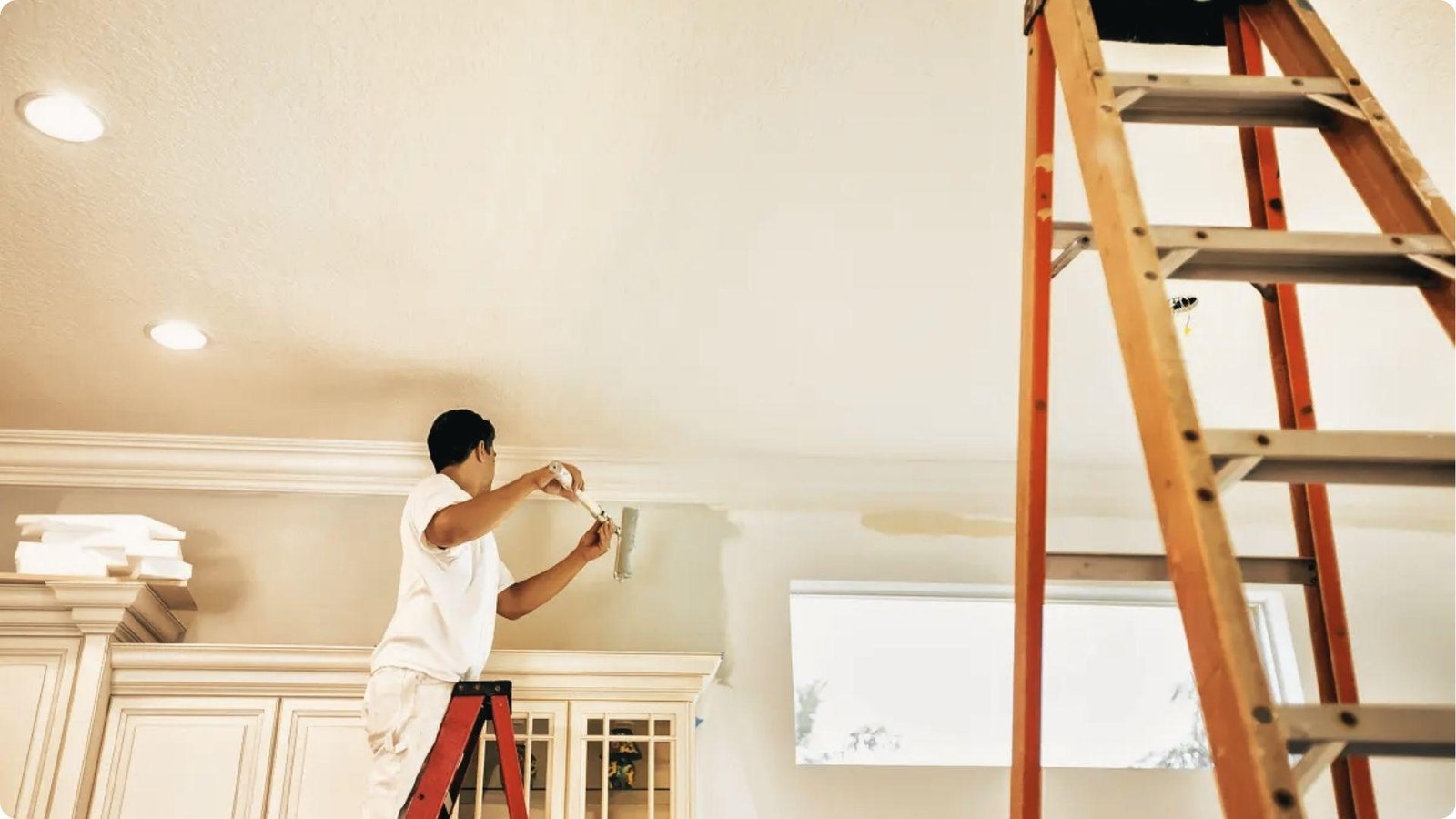
Break down how labor charges impact overall interior painting costs, including skill level, region, and project complexity.
Professional Painter Hourly Rates
Professional painters charge $25–$75 per hour depending on experience and location. A lead painter or seasoned contractor commands higher rates than an apprentice or helper.
Both often work together on the same job, balancing speed and cost.
Labor-Only vs Labor and Materials Pricing
Some contractors charge for labor only and expect you to supply the paint and materials. Others bundle everything into a single quote, which is more convenient but harder to break down.
Always ask for an itemized quote so you know exactly what each line item costs.
DIY vs Professional Interior Painting Cost
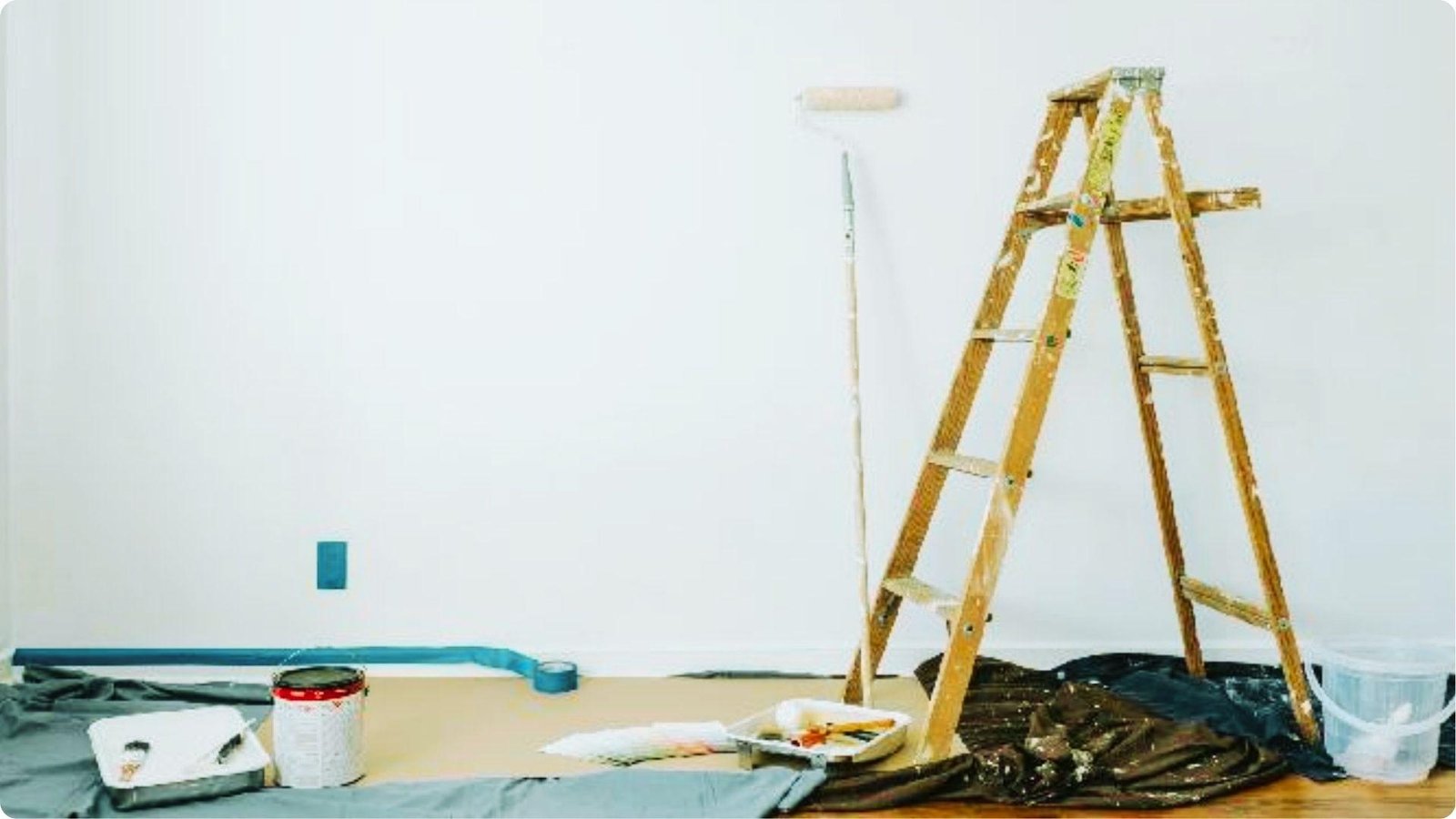
DIY painting cuts out labor entirely, bringing costs down to $200–$600 in materials per room. The tradeoff is time, effort, and finish quality, especially around trim and edges.
For full-home projects, professional work typically delivers better long-term value.
Tips To Reduce Interior Painting Cost
Small decisions before and during your project can save you a meaningful amount of money.
- Schedule painting in late fall or winter to get 10 to 20 percent off standard rates.
- Buy your own paint during holiday sales to avoid contractor material markups.
- Handle basic prep yourself like removing furniture, filling nail holes, and cleaning walls.
- Bundle multiple rooms into one project to reduce per-room cost and travel charges.
- Get at least three itemized quotes and compare value, not just the lowest price.
Conclusion
I know how overwhelming it feels to plan a painting project without knowing what is fair to pay.
Interior painting cost does not have to be a guessing game. Now that you have the numbers, the room-by-room breakdown, and the tips to save money, you are in a much better position.
Take your measurements, run a quick calculation, and reach out to local painters for quotes. If this guide helped you, share it or drop a comment below with your project details.
Frequently Asked Questions
How Much Does Interior Painting Cost Per Square Foot?
Typically between $2 and $6 per square foot, depending on location, wall condition, and paint type.
What Is the Average House Interior Painting Cost?
Most homeowners spend between $1,500 and $5,000, with larger or more detailed homes falling on the higher end.
How Much Does It Cost To Paint One Room?
A single room usually runs between $200 and $800, depending on size, ceiling height, and surface condition.
Is Repainting Cheaper Than Fresh Painting?
Yes. Repainting costs less because less primer is needed. Fresh painting on bare drywall typically runs 10 to 20 percent more.
What Type of Paint Is Best for Interior Walls?
Eggshell and satin finishes work best for most rooms. Semi-gloss is the better choice for kitchens, bathrooms, and trim.