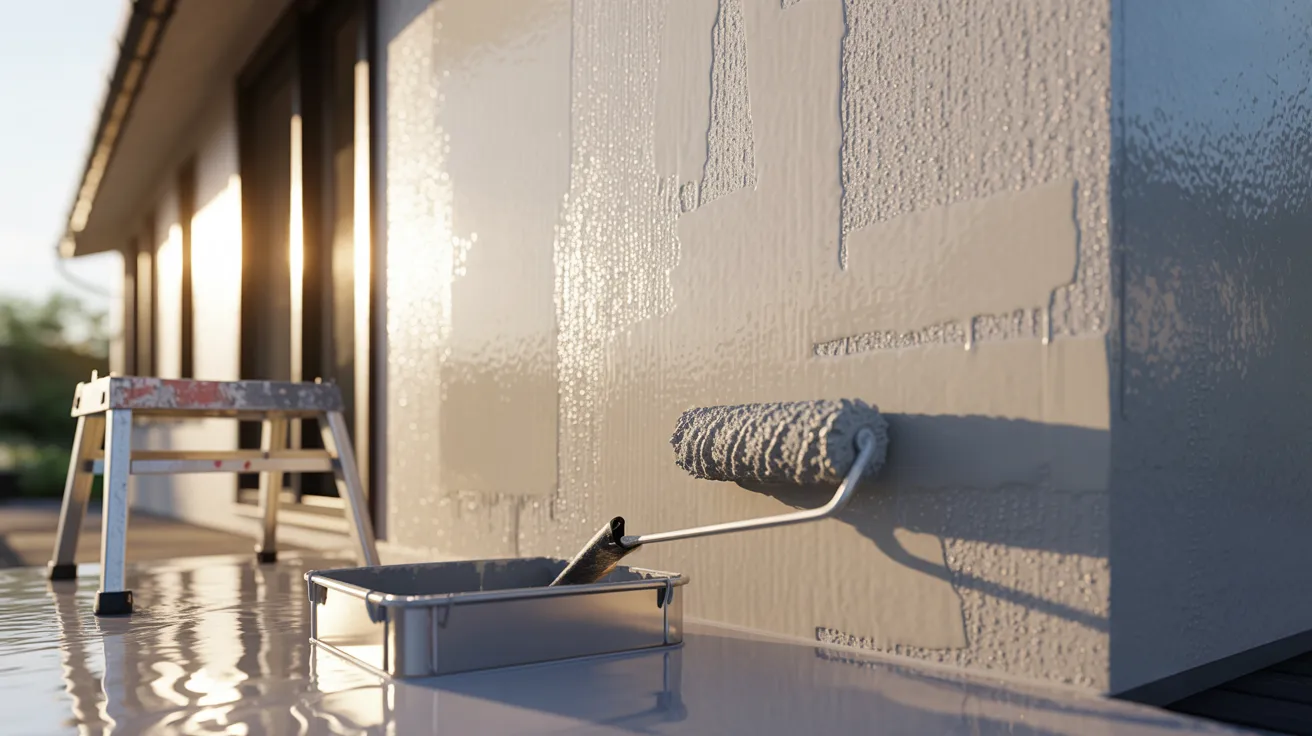
How long does outdoor paint take to dry? I get asked this a lot, and honestly, I've made the mistake of rushing it myself.
In this article, I'll walk you through everything you need to know, from basic dry times to full curing timelines.
We'll cover drying vs. curing, dry times by paint type, a day-by-day timeline, factors that slow drying, and tips for best results.
With years of hands-on painting experience, I'm here to give you straight, useful answers, no guesswork.
By the end, you'll know exactly how long to wait and why it matters for a finish that actually lasts.
Understanding Outdoor Paint Drying and Curing Basics

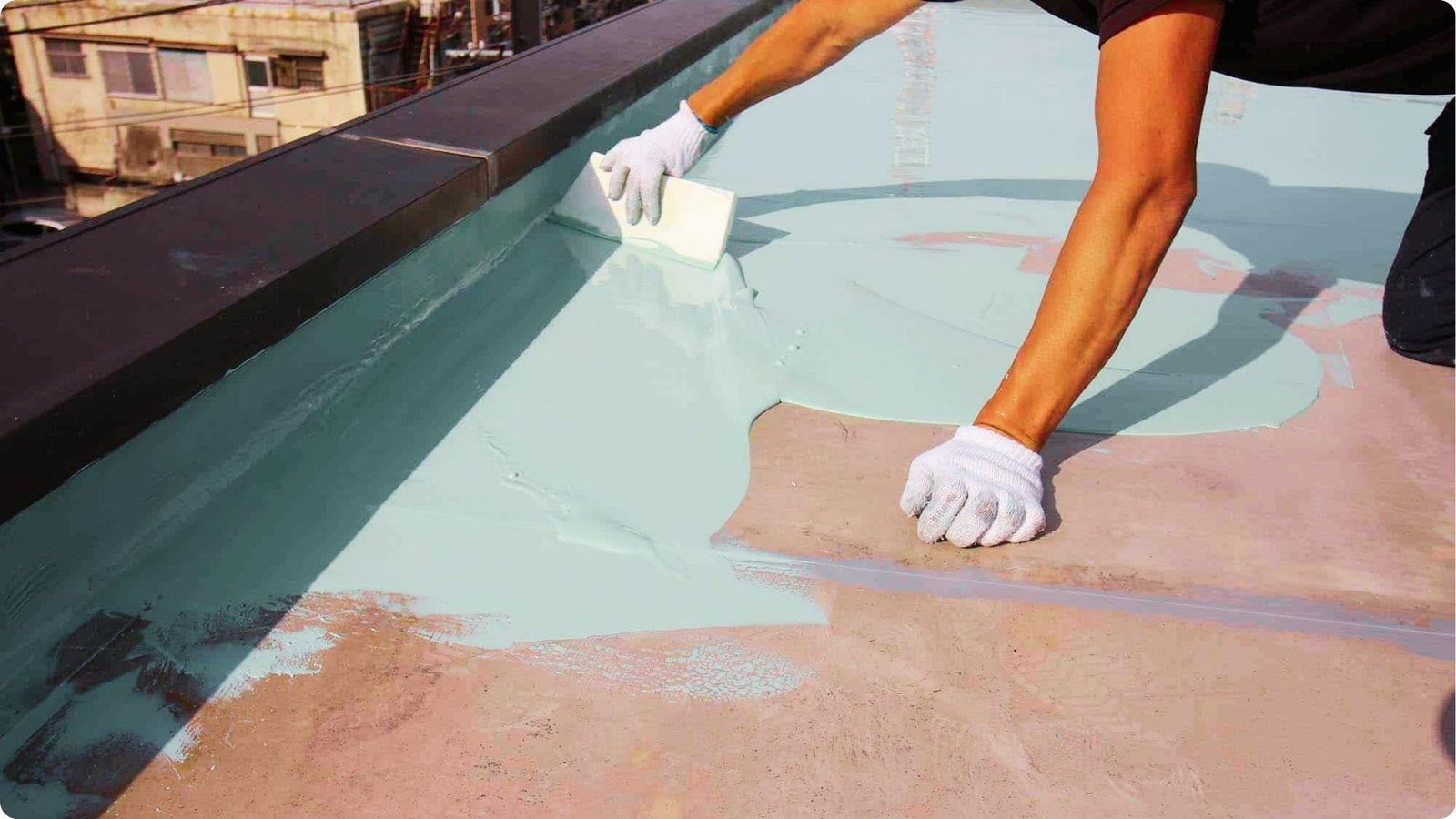
Drying and curing are not the same thing. Drying happens when the water or solvent in the paint evaporates and the surface feels dry to the touch. Curing is deeper.
It's the chemical process where paint hardens completely and bonds to the surface. Paint can feel dry in a few hours, but it may take 30 days to fully cure.
If you wash or scrub paint before it cures, it can peel or scratch. Waiting for full cure means your paint job will last longer and hold up better against rain, heat, and dirt.
Skipping this step is one of the most common painting mistakes people make.
How Long Does Outdoor Paint Take to Dry?

Most exterior paints are dry to the touch within 1 to 2 hours. You can usually apply a second coat after 4 hours, which applies mainly to latex or acrylic paints.
Oil-based paints take longer and may need 6 to 8 hours before recoating. Full curing for most outdoor paints takes about 30 days.
During this time, the paint is getting stronger every day, even if it looks and feels completely done. Avoid pressure washing or hard scrubbing until that 30-day mark.
Rushing either stage can undo all your hard work. A simple breakdown like this helps you plan your painting schedule with confidence and avoid mistakes.
Drying Time by Different Types of Outdoor Paint

Different paint types dry at different speeds. Knowing yours saves time and prevents recoat mistakes.
Latex (Acrylic) Paint Timing
Latex paint is the most common choice for outdoor surfaces. It dries to touch in 1 hour. You can recoat in 4 hours. Full cure takes about 30 days.
It's water-based, so cleanup is easy and drying is faster in warm, low-humidity weather.
Oil-Based Paint Timing
Oil-based paint takes much longer. It needs 6 to 8 hours to dry to touch. Recoating should wait 24 hours. Full curing can take 7 days or more.
It gives a harder finish but requires more patience and good ventilation.
Masonry and Stucco Paint Timing
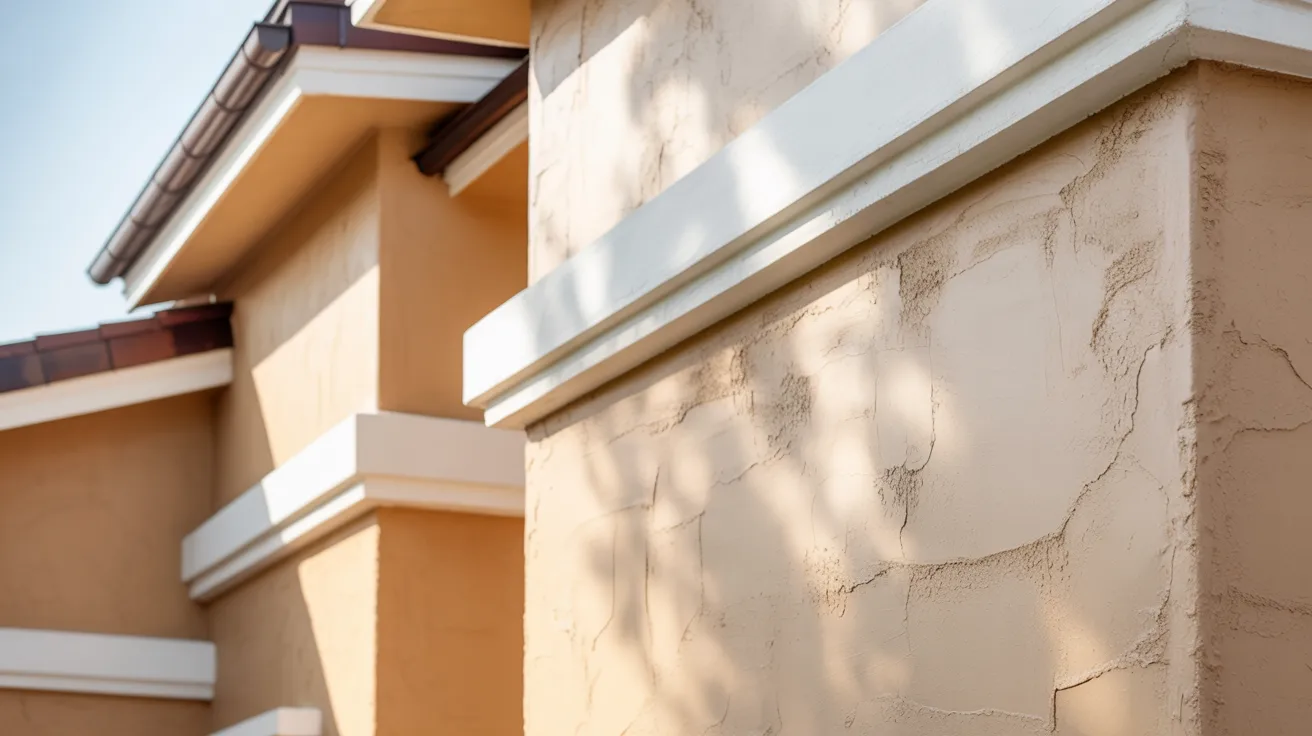
Paints made for concrete, brick, or stucco dry in 2 to 3 hours. Recoat time is around 4 to 6 hours. These surfaces are porous, so the paint soaks in and needs more time to fully set.
Full cure can take up to 30 days, just like other exterior paints.
Outdoor Paint Drying and Curing Timeline (Day-by-Day)
A clear day-by-day breakdown so you know exactly what's happening with your paint after each coat.
Day 1-2: Surface Dry Stage

The paint feels dry to the touch and you can walk near it without smudging. But underneath, it's still soft. Avoid leaning anything against the surface or pressing hard on it.
Don't rush this stage, even if it looks ready.
Day 3-7: Early Curing Phase

The paint is getting harder each day and light rain won't ruin it at this point. But still avoid scrubbing or washing the surface.
This stage is more fragile than it looks. Give it the time it needs.
Week 2: Partial Cure

By week two, the paint has bonded well and feels solid. It looks finished and you can do light cleaning with a damp cloth if needed. Just avoid anything too harsh or abrasive on the surface.
Day 30: Fully Cured Finish

At 30 days, the paint has reached full hardness and is ready for anything. Now it's safe to pressure wash, scrub, or clean as normal.
This is the stage where your paint job is truly done. Worth the wait every single time.
Factors That Affect Outdoor Paint Drying Time

These common conditions can speed up or slow down how fast your outdoor paint dries.
Temperature and Weather Conditions
Paint dries best between 50°F and 85°F (10°C to 29°C). Too cold, and the paint won't dry properly. Too hot, and it dries too fast and may crack.
Never paint if frost is expected within 24 hours.
Humidity Levels
High humidity slows drying. If the air holds a lot of moisture, the water in the paint can't evaporate fast enough. Best results come when humidity is below 60%.
Check your local forecast before you start.
Sunlight, Wind, and Dust
Light wind helps with drying. Direct harsh sunlight can cause the surface to dry too fast, trapping moisture underneath. Dust can also stick to wet paint and ruin the finish.
Try painting in the early morning for the best conditions.
Surface Prep and Paint Thickness
A clean, dry surface helps paint dry faster and stick better. Thick coats take longer to dry and are more likely to crack or peel. Always apply thin, even layers.
Tips to Ensure Proper Outdoor Paint Drying
These simple habits make a big difference in how your paint dries and how long it holds up.
- Thick coats trap moisture and take much longer to dry. Always apply two thin, even coats instead of one heavy one for better results.
- Read the paint label before recoating. Every brand has a recommended recoat time and ignoring it can cause peeling down the line.
- Avoid painting in direct sunlight. The top layer dries too fast while the bottom stays wet, which leads to blistering and uneven finish.
- Always check the weather forecast before you start. Rain within 24 hours of painting can wash away or damage fresh paint easily.
- Look for at least two clear dry days ahead before painting. This gives your paint enough time to dry without any weather interference.
- Even if paint looks dry, wait before cleaning. Light cleaning is okay after two weeks but hold off on heavy washing until the full 30 days.
Conclusion
I know waiting can feel like forever when you've just finished painting. But trust me, rushing the drying or curing process is never worth it.
I've seen fresh paint jobs ruined by one early pressure wash. Give your paint the time it needs, keep conditions right, and it will last for years.
Follow the tips above and you'll get great results every time. Did this help? Drop a comment below or share this post with someone planning a paint project.
Frequently Asked Questions
Can I apply a second coat after 2 hours with latex paint?
Most latex paints allow recoating after 4 hours. Applying too soon can lift the first coat. Always check your paint label for the exact recoat window.
What happens if it rains right after I paint outside?
Rain within the first 1 to 2 hours can wash away or streak fresh paint. After 4 to 6 hours, light rain usually won't cause serious damage to latex paint.
Does cold weather stop outdoor paint from drying?
Yes. Below 50°F (10°C), most paints won't dry or cure properly. Cold temperatures slow evaporation and can leave paint soft, sticky, or prone to cracking.
How do I know if outdoor paint is fully cured?
Fully cured paint feels hard and doesn't scratch easily with a fingernail. Most paints reach this point around 30 days after the final coat is applied.
Is it okay to paint outdoors on a cloudy day?
Yes, cloudy days are often ideal for painting. They reduce harsh sunlight and keep temperatures moderate. Just make sure rain isn't in the forecast within the next 24 hours.